3 Steps to Pull Yourself into the Now and Overcome Fear with Larry Doochin
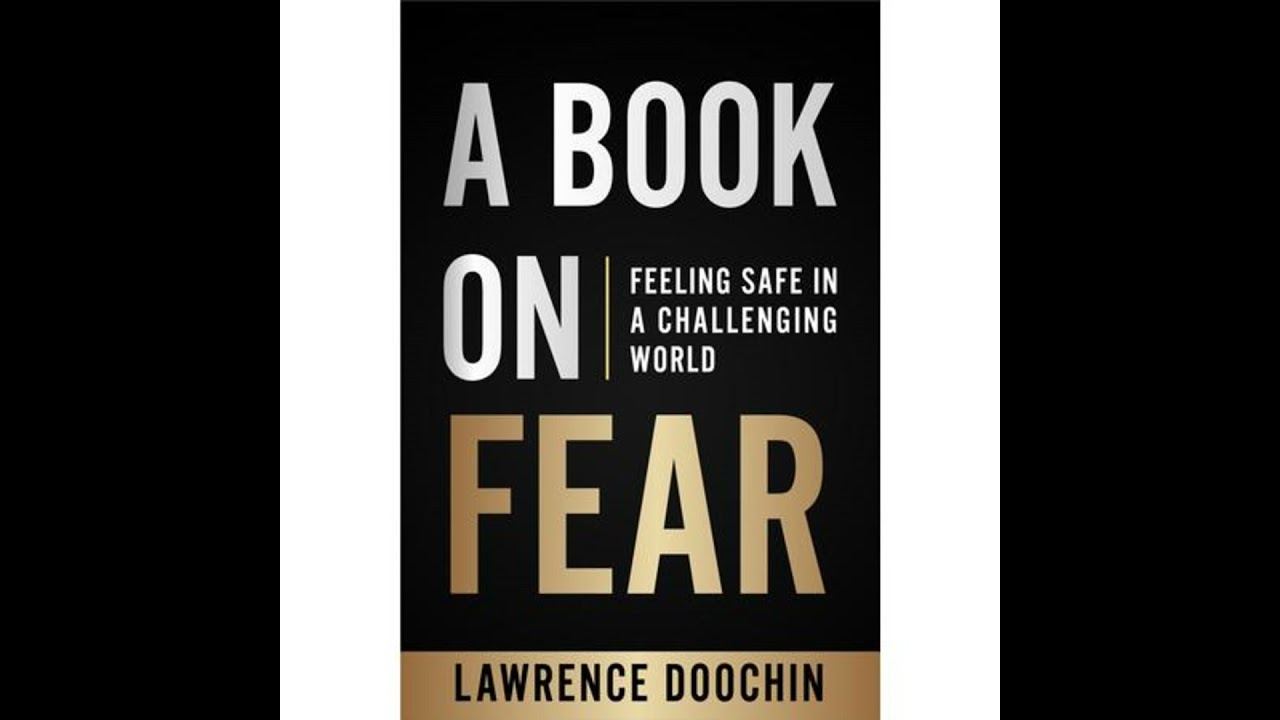
Larry Duchesne, who survived childhood sexual abuse, teaches a three-step process to overcome fear: become aware of your false beliefs, practice present-moment awareness through meditation or nature, then replace those beliefs with gratitude and compassion. He argues fear comes from attachments to external things like money and power, and that true success is measured by kindness and relational health, not the American Dream.
Chapters
Hello and welcome to Shedding the Bitch Radio, where you can discuss, debate, and get advice on how to discover and shed the bitches of fear, insecurity, self-doubt, and negative mindsets so you can realize your dreams and life purpose and create and accelerate the riches you want in life. Join us here live every Tuesday at noon Eastern and dialogue with us at 818-572-2910. You can also chat with us at blogtalkradio.com/sheddingthebitch or share your stories on our website at sheddingthebitch.com. Whatever the bitch is that's holding you back from living your life to the fullest, it's not worth giving up the riches in life that you deserve. So call in now and let Bernadette Boas know what's holding you back. 818-572-2910.
Good day, good day, good day, everyone! How are you on this beautiful, beautiful, beautiful day? Ah, I am indeed Bernadette Boas, and you are listening to Shedding the Bitch Radio, and I am so excited that you are here. We are going to have what I would call a very profound conversation today. All right, we're going to talk about the, the 3 steps to pull yourself into the now and to overcome any fear you might be feeling. So just sit with that for just a second as, uh, we open up with some conversation and then get into introducing our guest. So, um, As we get into it, I want to thank all of our new viewers and our listeners. I am so, so grateful that many of you are subscribing and liking and tweeting and sharing and rating us and just staying around week after week with the Shedding the Bitch radio program. It's awesome. And of course, you're getting it through downstreaming on any one of the streaming services of the podcast. As well as on our Shedding the Bitch YouTube channel. So I am so grateful for that. And if you haven't checked out the YouTube channel, then please do go to Shedding the Bitch TV. And/or if you've checked it out on YouTube but haven't as a podcast, then certainly get over to iTunes, BlogTalkRadio, Stitcher, or any number of your streaming services. But I'm so, so grateful that you found us. That you are, uh, coming back time and time again, uh, understanding that we are hitting on the topics that are really top of mind to women all around the world. And so we cover everything from mindset to your business to overall your life and what is impacting you each and every day in order for you to live a rich, full life. I also want to thank obviously our current ongoing listeners and viewers because It's for you, it's as a result of you that all the other, um, new listeners and viewers are finding us as well because of your comments, your shares, your tweets, your likes, your ratings. And I would love for you to continue to do that. At the same time, we are always looking for your recommendations in regards to topics and even guests, those that you find to be very powerful, uh, contributors. To, uh, really helping women rise up and create the riches in their life that they deserve. So if— should you ever have a suggestion for us, please email us at media relations at ball of fire media dot com. All right, now I need to mention that this episode is being brought to you by North Georgia Tax Solutions, uh, Debbie Snelling and her team. They are a full-service financial and tax services organization that services all around the country, from small to corporate-sized businesses. So not just here in North Georgia, but all around the country. So if you should have any financial or tax services needs, then please reach out to them at ngtaxsolutions.com and tell her I said hi. All right, let's get into this topic for today, which is, like I said, 3 steps to pull yourself into the now and to overcome fear. Now, our, um, our guest Larry Duchesne wants to talk to us about 3 software strategies for returning to our hearts, learning to dwell in the present, and overcoming our fears. In his new book, A Book on Fear: Feeling Safe in a Challenging World, author, abuse survivor, and entrepreneur Lawrence Duchesne maps out a heartfelt method for overcoming fears and bad memories. Drawing on his own healing journey, as well as psychology, science, and spiritual approaches, he offers steps to reconnect with our hearts. We are— we're going to be talking about today how to harness the powerful mindfulness to witness our own thoughts, how to choose which thoughts to dwell on, how to distance ourselves from the feedback loop of painful memories, why concerns about the future don't generate answers, just more worries. Now, a little bit about, uh, Larry as we bring him in. Um, Larry, uh, is an author, entrepreneur, and devoted husband and father. A survivor of harrowing childhood sexual abuse, he traveled a long journey of emotional and spiritual healing and developed an in-depth understanding of how our beliefs create our reality. In the business world, he has worked for, has worked for, or been associated with enterprises from small startups to multinational corporations. He is the co-founder of Huso, H-U-S-O, Sound Therapy, which delivers powerful healing benefits to individuals and professionals worldwide. In everything Lawrence does, he strives to serve a higher good. And again, his new book is A Book on Fear: Feeling Safe in a Challenging World. So let's bring in Larry to the show. How are you, Larry? There he is.
Good morning.
How are you doing?
I'm doing well. How are you, Bernadette Boas?
I am fine. Fabulous. I am absolutely fabulous. Uh, so where are you? Where are you hanging out today?
I'm hanging out— I'm actually in my home. I'm in, uh, outside Nashville, Tennessee.
Oh, sweet! Right up the road from me in Atlanta, Georgia.
Yeah, not too far.
Yeah, very nice, very nice. Well, this, you know, this subject and your background and your journey is quite the powerful one. So before we get into all the things specific about what it is that you share in your new book, share with us kind of how— I mean, share with us where your journey has taken you and what has been the biggest lesson you've learned from that journey.
I think that, you know, as I say in the book, I'm kind of an expert on fear, not quite yet a master of fear because fear still pops its head up a little bit. So I'm not sure that anybody would, would choose to be an expert on fear. But as life and the universe kind of dictates, sometimes that's, you know, you have certain circumstances you deal with. And so my fear is really traced back to the event with my mother where I was sexually abused by my mother going through puberty, which was difficult. Obviously, going through sexual abuse is a very difficult experience, but certainly during puberty is even worse. But I came out of that experience with a lot of fear, anger, depression. Guilt, shame. And so I was a pretty dysfunctional person in my 20s. And then, you know, I think basically the universe and God kind of just awakened me in my late 20s, early 30s, and put me on an emotional healing path and also like a spiritual path. And so, uh, that's kind of a real quick summary of you know, how I got to be where I'm at. And then as I worked through all those strategies, I learned a lot of— I learned how fear is so insidious and how I need to deal with fear in certain ways. And so that's kind of where I ended up as to where I'm at.
Right. Well, let me ask you, because I'm sure many of our listeners and viewers would be very interested for their own journey.
Uh-huh.
What did it take for you to all of a sudden own all of that, own, you know, what had happened to you, to the point where you're even now kind of vocalizing it and sharing it with not, you know, just, you know, your family or your therapist, but the world? So what did it take for you to get there, um, even to where— even for yourself or your tight circle first, um, because that's probably the hardest thing people struggle with, right, is really just having that courage to share it with someone so they can kind of start healing themselves?
Yeah, that's a great question. So for me, you know, and I write in the book, it's kind of like when I have— I feel like I have poison inside of me. I want to get it out. So when there's certain dysfunction— and so this really started back, you know, I came to a realization that I had all this dysfunction. I had all these false beliefs. I had all this trauma from being sexually abused. And I wanted to do something about it because I wanted to be the best husband and father that I could be. I wanted to be the best individual I could be in the world. I knew that I could be much different than I was, you know, than the angry, depressed, fearful person I was. And so I don't know if that's similar to like when an addict hits rock bottom, you know, and they say there's got to be a better way. But for me, it's just like, I don't, I don't want to, I want to live a life of joy. I don't want to live a life of fear. And so, and that's still what motivates me, right?
That's all— that's awesome. That's your why, right? Yes, your why is to have joy. And I, I espouse to our audience all the time that, you know, find that why and you can push through almost, if not everything, you know, a good majority of what it is that might be holding you up and, and keeping you stuck. Um, all right, so I, I'm, I'm just in— I'm just enthralled by anyone who kind of has reached that point in their, in their life and in their journey, and now sharing it with so many people so they can help them, you know, have the courage and walk that path and have the healing that you've discovered.
So let me— I just wanted to add one thing, was basically like, you know, I was very shameful about what happened initially, and so, and I didn't share it, you know, obviously I shared it with the therapist and then my wife initially. I didn't share it with my like brother and sister or my father. My mother wasn't in a place where I could you know, talk to her about it. So, but basically, as I progressed, uh, I became l'ainful about it, and then, you know, to the point basically it was an experience that to me, something that was baw, you know. I can talk about it openly because I'm grateful for the gifts that came out of it, and that I can give those to other people to try and help them to understand that you are not— you're not your experiences. You are— those are just things that happen to you, right?
I know, I love that. I absolutely— and yes, yeah, it's not all of a sudden like you're verbalizing it to everybody, but there is that journey, and it's, you know, it's— that's wonderful. That's just absolutely wonderful. So where, um, where would you say our fears come from, and, you know, kind of why don't we recognize them you know, upfront, or why don't they become so apparent to us that, you know, we are able to then say, okay, this is a fear that I need to address?
Yeah. So our fears, we really have fear around false, false beliefs basically we hold about ourselves, about others, about the nature of reality, about whatever we think to be, you know, a higher being, God, or whatever you want to call it. So we have a lot of false beliefs. We also have a lot of attachments to things outside of ourselves. And when we attach to, whether that be, you know, money, power, control, food, whatever, sex, whatever it is, you know, we're going to be in fear because we're attaching to something that's outside of ourself, and as opposed to what's inside of ourselves, which is divine and which is, which is a diamond. And so, you know, people are at different, very different levels of how they resist Fear. A lot of people are in denial about fear. I've met a lot of people that, you know, say, "Oh, I'm not in fear about, you know, COVID or whatever," and I can tell they're in fear. And then a lot of people, you know, can recognize some of their fears. There's a lot of fears that we have that basically run underneath the surface, kind of like a computer virus. They affect the operation of us. And so, you know, and we have to really want. We have to really desire to— again, it goes back to, to coming to that joy and desire to finding, to uncovering what those fears are and saying that I can have a better life than this, you know, dysfunction that I'm living in. And, and the universe really, uh, helps us, assists us greatly in that process because it wants us to be joyful.
Right, right, right. We're not— we're, you know, when we're born as babies, we're not born to be fearful. We're born to you know, we're just all joy and heart and love. And so somewhere along the line, we pick up these beliefs that cause us to be, to be fearful. But help us understand, when you say— and, you know, and there's an acronym out there that supports your comment about false beliefs when it comes to fear. But before we get there, um, when you say fears are false beliefs, and yet someone listening or viewing this right now is, you know, scared of not being able to pay their bills, scared that, you know, they are going to get sick, scared that their business isn't going to, you know, work out. You know, how, how do you justify, how do you explain that actually it's a false belief that they have that's creating that fear?
You know, so I really believe strongly we are multidimensional beings. And so we have to take in, we have to examine all the different realities we are living in. And certainly there's, you know, so we have to look at the reality. If we can't, if we're not paying our bills, that's a situation that we have to address. But we don't want to try and, you know, our thought is creative. And there's been a lot of great spiritual masters who've talked about, and there's a lot of information, uh, out here today, or out there today, in terms of how thought is creating our reality. And so we want to not further our situation, reinforce our situation from fear by being in fear that we are going to— the situation's going to worsen, we're going to lose our house or whatever it is. We want to know that we need to have faith that there is a greater purpose, that there's, you know, that we are divine, that we have the capability of creating our circumstances, and that we need to give over our fears to whatever we consider to be that higher power, God, whatever, the universe, you know, whatever we— whatever works for us and just have faith, you know, and then we need to energize that because we're like, we're basically planting, we're planting seeds in the garden and we have to, well, first off, before we plant the garden, we have to weed out what's there. So we have false beliefs and we need to, you know, those beliefs may be like, I'm not worthy, I'm not a success, I'm not lovable, you know, I, whatever it is. And so we have to weed out those false beliefs, and then we can plant new seeds. And then we have to water those seeds. We have to energize what we want to happen and know that it can happen. And this is what a lot of great spiritual masters, you know, uh, from Jesus on, have told us that basically, you know, that we can do.
Right, right. So do you provide, um, You know, do you provide practical steps about how someone can do an inventory of their fears and really kind of work through those?
Absolutely. So, you know, that's in the book extensively, but we can discuss that, you know, kind of run through that a little bit briefly here if you'd like.
Love it. Yeah.
OK, so, you know, so the first thing we have to do is if we're fixing a problem, we have to know what the problem is. Right. So we have to become aware of our fears. And this goes back to knowing thyself, which Jesus and Socrates and a lot of people said, know thyself. And when they're saying know thyself, they mean, you know, know why you do the things you do, know why you have the fear. So, you know, our fears are basically what we want to do is we want to watch our emotions and reactions. And Carl Jung, who's the father of analytical psychology, said that basically projection is one of the most common phenomenon. So we watch our emotions, reactions. We're rarely angry for the reason we think, you know, behind anger is often like sadness, fear, or guilt. You know, we're often— our judgment of others is a projection of self-judgment. Our blame of others is a projection of our own feelings of guilt. So we want to examine those circumstances where we see that we're having those emotions and reactions, pull those projections back in, and see the false beliefs that are supporting that, and then also see the conditioning that created that, which is what you're talking about when we say, like, okay, a young child— that's what Jesus said. Jesus said, you have to be like a young child to enter heaven, you know, so we have to kind of go back and see, oh, I got all this conditioning from my parents, because they believe this. I've got all this conditioning from society, which tells me that I'm not a success unless I achieve the American dream, or I do all this. So we have all this conditioning. And then there's also energy, they've shown this intergenerational trauma that's passed on. So through our DNA, so all this conditioning has been heaped onto us. And it's individual, some of it's individual for each of us, and some of it's collective. Certainly in the US, we have a certain Western collective that we're told, like, okay, you've got to, you know, achieve all this stuff and the American dream, all that stuff. So we have all this conditioning, and we need to say, oh, I got conditioned here and here and here by all this, and understand why now I believe the things I do and why I have these emotions and reactions. And then why I have these dysfunctional relationships, or why I keep getting a boss who is condescending toward me. You know, all this stuff, you can see these patterns start to happen.
Right.
So we apply awareness to that. And then, you know, another important step is to basically cultivate practices that put us in the now and put us in our body. Because quantum physics has shown us that time is not linear, it's not fixed. So basically, and there's obviously a ton of great spiritual masters over time who have told us that everything exists in the now. And so science and spirituality have merged on that. And so in the now, basically our fear comes from being living in the future or in the past. Okay, so we either live in the past, and we think, why did I say that, you know, yesterday, and that brings up fear, or we're in, or in the future, like, oh my god, I'm going to lose my house if this, you know, and so, but the past and the future don't exist. We exist in the now, and in the now there's not fear. So if we can learn to cultivate that being in the now, we can pull our attention back to where there is no fear. We also, all these false beliefs are stored cellularly in the body. And so we want to do practices like meditation, yoga, you know, being in nature, dancing, painting, whatever it is that help us to be in the body. To help us to release these false beliefs and to keep us in the now.
Yeah, I love that. I absolutely love that. And I want to remind everybody that his new big book is a book on fear, Feeling Safe in a Challenging World. Um, so please, please, please check that out, um, because if you are, you know, dealing with just— and, you know, not kind of really being here and being present and you're all in your head about what happened yesterday or what's going to happen tomorrow then you're losing out on living fully. So please check out his book. All right. Now, um, Larry, how, how do we give our power away? And it's a term that, you know, people will say kind of nonchalantly, like, oh, you're giving your power away. And then how does victimhood play into that, about giving away your power? What does it really mean to us, and kind of what, what it is that we're putting out in the world and what we're getting back?
So, you know, we give our power away because we look to others to take care of us or to save us. I mean, this can be like a, you know, a spouse or whatever. It can be definitely a lot of people believe the government should take care of them and, you know, do all these things. We do that to, you know, health authorities in terms of like, oh, this doctor is going to, you know, just has all the answers to my chronic illness or whatever. And like, I use an example in the book in terms of something that happened to me. And I went and did research and I asked the doctor to run a certain test. And I put together, you know, with logic and intuition, I came up with the best thing that helped me to do it. Because— and then we also give our power away to religious authorities, believing that, you know, that a rabbi or a priest or minister or whatever is someone who can, can intercede with us with God or take us to God. And that is— that's the farthest from the truth. Because basically, because God expresses through all of us and we can have that direct communion and are supposed to have that direct communion with him. So we give our power away thinking that, as opposed— and that's very disempowering in terms of knowing who we are. If we— when we, you know, when we keep our power in terms of saying, you know, I'm not going to look to you, I'm going to look to— I have the capability inside of myself and I know that I'm you know, divine being, that I have the capability to create my circumstances, create what I want. And it doesn't mean that you don't, uh, have trust in other people, but it means that you're not like, you know, you're not saying you're going to save me, or this organization is going to save me, or this doctor is going to save me, or the government is going to save me. Okay? Because all organizations— the government is made up of a bunch of people with egos who have their own agendas. And so, you know, those agendas are not gonna You know, maybe sometimes they align with what's best for you. Maybe sometimes they don't. So, you know, you've got to— and so on the victimhood part, basically, that is giving our power away is victimhood. And unfortunately, we now live in a society where that is almost put on a pedestal. You know, you see all the ads for like injury lawyers say, you know, basically they say you are a victim. And you need to be compensated for this. And that's just really giving the completely wrong message of who we are and what we want to do.
Yeah, I agree. I, I absolutely agree. Because what is it practically? Is it any time that we're like so, uh, devoted or so reliant on someone or something, that is an indication that we're giving our power away immediately, is we're, you know, we're relying on and dependent on somebody else or something else, and we're not taking full responsibility and control of what it is that's happening to us. Would that be a fair assessment?
Not necessarily. I mean, I think it depends on the situation because basically, like, we can be pretty reliant on somebody else, but, you know, we have to also reckon— let's say we're talking about a business and we're reliant on somebody who is playing a critical role. I mean, that everything is fluid in the universe. And so that person may be doing something that's very critical and maybe performing their job, but that could change, you know, and at some point. And so we have to recognize that we can be reliant on others without giving our power away. And once, once they, you know, once they're not doing the job that they need to do, we need to make a change. We need to take our power and say, OK, you know, you're not doing the job you need to do. Either you need to do this or you need to go. That's just like one instance. But we, you know, we're always looking for— I think giving our power away happens in a— I know your audience is a lot of, you know, strong entrepreneurial women and so forth. And I think that probably a lot of them don't give their power away to maybe spouses. But I know that that happens a lot in society, that especially women give their power away to their husbands in terms of like, oh, you're going to take care of me. And, you know, I just need to do whatever you tell me to do or whatever. And so, you know, you can be in a loving and very mutually beneficial relationship without each one giving their power away.
Yeah, oh, absolutely. Oh, okay, that may— yes, that makes absolute sense. Absolutely. Yes, I'm, I'm kind of visualizing it's just someone owning who they are, and therefore reliance is reliance, but then victimhood is when they've just kind of turned themselves totally over with an expectation.
Yeah, I think in the book I call it like misplaced faith. I mean, we don't want to place our faith in— we want to place trust, but that trust can change. Okay, but we can place trust in somebody, someone or something outside of us. But we don't want to place our faith that, you know, we— our faith is within us. Our faith is with— is to God or to the universe, whatever we think is supporting us. And so we want to stay there. And when we stay in that spot, we are very empowered to get information that we need to make changes of whatever somebody, you know, if somebody is not doing what they need to do or whatever, we're going to get that information as opposed to having blinders on like, oh, this person is perfect because they're taking care of me. They're always going to take care of me. And, you know, I've been through that lesson several times in business and I had to get that lesson. I had to get smacked a couple of times, like you know, to get that lesson, to understand that I've given my power away to other people in business.
Right, right.
Wow.
Yeah, absolutely, absolutely. Now, you talk about success and failure, and you talk about how the definitions of success and failure actually contribute to our fears. So I'm very curious about that. What's your position on that?
Well, again, we are You know, in the— especially in the Western society, we're told that if we don't achieve the American dream, you know, that we're not successful. So, you know, the American dream is vaguely like, okay, accumulate a lot of money, great education for your children, big houses, you know, great vacations and all this stuff. So first off, it's like a nebulous concept exactly what it is. But then also, you know, when do we reach that? And so you can see that people are constantly— as I use the example in the book about the, the hamster on the gerbil wheel, basically, or the gerbil hamster, whatever it's called, but it just keeps going around and around. We're just like, we're on this thing, we never— and we don't know how to get off because we don't— we're, we keep going for something, and it's like an indeterminate destination, and we can't— we can— anytime we're trying to achieve something, number one, that's indeterminate, where it's going to cause us fear. And anytime that we are trying to look outside of ourselves for something, our identity, money, power, control, we're using whatever we're using, you know, we're accumulating more wealth, is going to give us fear because it's basically like a— it's a house built on sand. Okay. And so, you know, we have to— and then what happens is that we end up getting into these situations where we feel like we failed because we can't reach these things. So, you know, what I describe in the book is instead of looking to something outside of yourself for your definition of success, which is going to just engender fear, how about looking inside to the things you can control, which is basically, you know, How much light do you put in the world? How kind are you? How much joy do you have in what you do? If you have children, how healthy are those children? How present, you know, are you in your relationships? Those types of things that we can control. And then we're at peace because we are, you know, we know we're doing the things we're doing and we're not looking to something outside of ourselves for our identity, for our self-worth. And is only going to engender— those things are only going to engender fear.
Yeah, no, that's beautiful because, um, there was a time that all I cared about was power, position, and prosperity. All external, all external. And so what you're hitting a nerve on, but at the same time, you know, you're helping me recall the journey I took to kind of say, no, no, no, that's not my, my meaning of success anymore. It was for decades, But I'd rather have joy and happiness and fulfillment and love and all those kind of things.
You know, I mean, people can— people need to have compassion. You know, the universe teaches through contrast. So a lot of times we need to see what we want by seeing what we don't want. So we have to go through some of these things and have these experiences. Everything happens for a reason. So we go through these experiences so that we can see, like, you know, oh, I went through all this stuff and like, no, I don't really want this. That doesn't fulfill me. Okay.
Right.
Unfortunately, unfortunately, a lot of people resist that. I mean, you're one that, you know, that took that and said, oh, I can see this. And so, but a lot of people resist that. That's why billionaires want to accumulate more money. I mean, they have more money than they could possibly ever need a million times over, but they just want to accumulate more because they just keep looking. Because it's like, or like an addict is taking more drugs or whatever, or if or, you know, or food, eating more food, you— it's never going to fill the hole of that longing, okay? It's a false thing. So you're trying to up the ante, trying to fill the hole of that longing, and it doesn't work.
Yeah, but if— but there's nothing to say that one can't be wealthy and be happy and fulfilled and joyful and in love and all that. But you have to first— you have to first look internally and ensure that you're on the right Foundation, right?
Absolutely. There's nothing— everything in the universe is energy. It's not good or bad, it's how it's used. Okay, so, so when Jesus said, uh, it's harder for a, a rich man to get into heaven than for a camel go through an eye of a needle, he wasn't saying the rich man can't get into heaven. He was saying that if you make your identity, if you make your god money then that's the problem. Okay, so yeah, absolutely, God wants us to use all of the abundance that's here. And there's, you know, we don't have to be poor to be godly. We don't have to be, you know, poor to be kind. Um, we can have and we can use it, and then we become a huge resource. We become God's hands and feet that he can work through to help us to, to bless others, you know. And more we do that— this is how, this is how, this is how the universe works. The more we do that, the more we're given. The more we give, the more we're given.
Right, right. Yeah, I love that. Yes. And I love— because I love the saying, serving others serves you. And I'll be honest with you, when I first heard that, I thought it was very selfish. I'm like, I'm not gonna serve others just to serve me. And I had to sit with it actually for a couple years going, what in the world? And then all of a sudden, I realized, no, no, no. What it means is you doing good for others is serving you and your heart and your, you know, your joy and your fulfillment. And I was like, oh, okay.
I get it. Absolutely.
Yeah.
Yeah.
Yeah.
There's actually, go ahead.
No, go ahead. No, no, no.
No, I was gonna say there's actually two parts to that. Number one, what I've found is that when I am of service to others, it does give me immense joy. And that's what I want to do. Okay. But the other part of it is, is that because basically science has shown us that everything is one unified energy field, and that's what's meant by God is one. So there is nothing separate, regardless of appearances. We just see separation. But there's nothing separate. So actually, when we do things for others, we are doing them for ourselves. I know I'm throwing a lot of, like, quantum physics stuff at you, but, you know, it's like—
nope, nope, that's quite all right. I've been trying to over the last, like, 7 or 8 years, you know, uh, really understand. And quite honestly, I, I'll be the first to acknowledge the whole, you know, physics and, you know, all that scientific realm is kind of— I'm more the creative.
Yeah.
But at the same time, it's fascinating to me. So, you know, that's what I found very, very appealing about wanting to talk with you based on even your introduction about blending the science and the spirituality in with the, you know, practical, you know, journey lessons that one learns.
Yeah, well, one thing, one of the things I do in the book is I think I bring in a lot of perspectives. So I'm bringing in, so I'm taking people to like a treetop perspective. So we're talking about science, we're talking about spirituality, we're talking about psychology, we're talking about philosophy. And so, you know, because these are all kind of roots of one trunk, and so we have to be aware of all these, uh, of all this so that we can basically take our nose from the bark of the tree at the bottom and raise to the top of tree and have a much larger perspective.
Right, right. Yeah, that's— yeah, I love that analogy.
Love it.
Because I'm very visual, so I'm picturing the roots. I'm picturing the base of the tree. I'm thinking fullness of the tree. Um, well, let me ask you something, because we have been talking a lot about this coming down to one really knowing themselves, like, you know, really having some self-awareness. And yet, I, I'll be honest with you, it took me 50 years to recognize that I really didn't know myself at all. And therefore, you know, I had to, you know, take that path. So what are some— what are some things, what are some steps that people listening and watching can do just to get—
got—
get their hands around that and to start really kind of acknowledging who they truly are versus maybe that, you know, that artificial world they've been living in?
So, you know, there's a huge, obviously, term that everybody uses called mindfulness. And basically what that means is witnessing yourself. So, you know, you're witnessing having an anger reaction, you're witnessing your, you know, if you could just sometimes watch your own trail of thoughts and how it just goes off in all these like different directions. It starts with this thought and like goes this thought, this thought. And it's like a lot of this stuff is like meaningless, but it's like So, you know, so you start to witness yourself, your thoughts, and then you also ask the question like, who— what part of me is witnessing that? So that, that's— that is actually tapping into a much— your greater self, as opposed to what we call the ego self, which is what the vast majority operate through, that very narrow lens of personality ego self. And as you, as you start to do that you start to make all these realizations. You'll start to see all these patterns that you do. You know, you'll start to see why you react in certain ways. And then you will, you know, you'll probably— there'll be a lot of things that you're called to do that maybe you weren't called to do. Like maybe you want to start, you know, painting or things that are, you know, things that will put you more into that mindfulness space, that being in the now space. And then you'll also have— there'll be certain practices You know, that one of the things we talk about, I have chapters on the book, I have like chapter on gratitude, compassion, forgiveness. So you want to start cultivating these practices because they open the heart and they also help us to tap into our greater self, where is who we truly are and who we want to be. And so, you know, it's a process, but it's actually The greatest— I got— I have a quote in the book. I have like over 100 quotes in the book that are from like, you know, Jesus, Einstein, Buddha, Dalai Lama, like Socrates, just a bunch of really wise people. But there's a book, you know, about knowing thyself. There's a lot of quotes about knowing thyself. And there's also a quote about, you know, the exploration of yourself is the greatest journey you can make. I mean, that's what I want to tell people is You know, all this stuff in the world is great and we all enjoy it, but it pales in comparison to the journey of knowing yourself and going inside and finding that diamond within. And I can assure you that gold will come out of the mints. And then once you get onto that path and realize that, you will be just hungry for a lot more of that.
Yeah, I have to absolutely agree with that. Absolutely agree with that. It took me many, many decades to get to that point, but I absolutely have to agree with that. And, you know, I, you know, I, I think, you know, I can speak for both of us that we would just would love every person to feel that and to experience that and to live that, because it is such a— it's such a diamond. It's such a beautiful, beautiful place to be and, and a place to live. Yeah, absolutely.
Yeah, I mean, that's what— that is what— that is what my hope is for everybody, that they will discover that joy, that process.
Yeah, yeah, absolutely. And again, I want to mention, you know, the book on fear— or a book, I'm sorry, a book on fear, uh, Feeling Safe in a Challenging World. Check his book out, please, as we continue our conversation. So What would our lives and the world look like if we were kind of living in gratitude, you know, all the time, and living in compassion, and living in kindness, and living in, you know, just pure love, you know, amongst each other? What would the world look like?
To me, you know, I describe it as basically a heaven on earth, and that is I mean, we are not these— we're not these angry, fearful, depressed people. This is not who we are. And, and so we are, you know, we are beautiful, holy, kind, loving, compassionate beings. And, um, some people— you're seeing it, you're seeing a big split in, in, in the world. Some people are being very resistant and going to the extremes and they're in a tremendous amount of fear. And then there's, you know, a certain group of people who are, you know, just hungry, and they're opening up to— they're saying, this doesn't work, okay? I don't, you know, I don't want to be in anger at this group all the time. I don't want to judge this group, you know. And so the anger and the judging and everything, the blaming is coming from a very ego-centered separatist perspective. And the other group is coming from a unit of perspective, you know, we're one humanity. Again, you know, we're one divinity. And so we, you know, we need to take care of each other. And it's not about how much we own in terms of resources and hoarding those things. It's about taking care of everyone in terms of helping them to rise their level. I mean, at the most basic level, that's making sure everybody, you know, has something to eat, has has clothing, has a shelter over their head, and then, and also finding their joy. And so, you know, that is, uh, we're obviously in, in many ways, we're a very screwed up society and world right now, but there's silver linings in all this, these things that are happening. And everything, God uses everything for manna to help us to realize what is not working for us and who we are and where we want to go. And so right now, the process is, has been that a lot of those weeds are getting pulled up and that process is going to continue. And that's why it's really important for people to not be in fear, because as additional things come and more weeds are pulled, we have to, you know, find our center and find who we are so that we're not in fear.
Right, right.
Yeah.
Because I mean, just Fear, not to, not to say that I don't experience it, but I've just gotten very, very much better at exactly what you're saying, is just staying right here, right now, where fear does not exist, and not worrying about yesterday or tomorrow. And then reaching out to— in my world, it's the man above, um, you know, and just trusting and having faith. Uh, yeah, it's— yeah, because fear is just so draining and it exhausting. And it's just so dimming of who, you know, our spirit and who we truly are.
Yeah, fear is very much a contracting energy. And so like, fear and judgment, resentment, bitterness, they're all contracting energies. This is what's happening in the body. This is from, you know, we're all energetics, we're all vibrations. So we have those thoughts, we're creating a contraction, we can feel that. If we go to thoughts of gratitude, compassion, love, we can feel that rising, opening energy in our body. So you could, you could simply think about something like that you're, you know, that, that you're angry about or that you have resentment about or whatever and feel that and then go and feel immediately feel something that you're grateful about. Feel it in the body. I mean, you can think it initially like this, but feel in the body, try and feel in the heart and you'll feel this opening, rising energy. And that's who we are. And that's what we want to do. And you have to— we've cultivated this, this negativity, victimhood, like lower, you know, fear-based thinking for so long. We have to like, practice, practice the gratitude, the compassion, the forgiveness. And we have to get us— get ourselves out of that rut and put us into that higher energetic, where we will be very joyful.
Right, right, right. Yeah, I absolutely, absolutely love that. Now, I did mention, so I just feel I have to come back to it. I wanted to ask you, I'd mentioned an acronym, because you, you say false beliefs. And, you know, I heard an acronym a number of years ago of false evidence appearing real for, for fear. And so I just was curious if you had heard that, because I think that just opens me up every time I really kind of say, okay, I'm a little fearful about something. Then I go, wait a minute, fear is false evidence appearing real. So I got to figure out, you know, what's causing that fear.
Yeah, I didn't— I've heard that for a long time. I didn't use the acronym of the book because I didn't want to like steal somebody else's thing. But basically, yeah, I think that's very accurate. I think that's, you know, a good way of putting it. So, um, yeah, that's awesome.
All right, so what's one or two things you would want to leave our, our listeners and viewers with when it comes to, um, really, you know, specifically, you know, overcoming the fear and living in the now?
Uh, I think basically, I think the thing that I think is important, uh, is that, and especially because this is like, uh, is, uh, appropriate for the name of your podcast, so, you know, what I'll say is life life is holy, but life can also be a bitch. Okay. So at the same— they're both happening at the same time. We're all getting pushed to grow individually and collectively. And it's really important that people know this, have that perspective and have great self-compassion. Okay, as they go through this process, because it's a hard— it can be a hard process. So, you know, the alternative is basically like to stay in the stay in what I call hell, the prison cell of your own making, you know, or walk in the daylight. But to do that, we, as we shed these false beliefs, it can be a little bit of a bitch, you know. Sometimes we'll have resistance to it, you know. It'll— life has its own process, and it's very— for each one of us, and it's very conscious, it's very intelligent, and it will take us in the way we need to go as quickly as we can go without messing us up. Up and so forth. But compassion on ourselves is very important as we go through this process. And then when we have compassion on ourselves, we will have compassion on others.
Yeah, love it. Absolutely, absolutely love it. Love it, love it, love it. Again, everyone, a book on fear, Feeling Safe in a Challenging World, Larry Duschen. Now, was I pronouncing your last name appropriately?
Either way, yeah, that's good. Yeah, that's true. No, my brother says it that way. I say Duchen. I say it the hard one, so it's good.
Oh, Duchen.
Duchen.
Yeah, Duchen. Okay, Larry Duchen. And, you know, you'll also find him under Lawrence Duchen as well.
Yeah.
Um, I also want to mention, and yet I don't have the piece of paper in front of me. I wonder why.
Why?
Uh, all right, so, um, what is your website?
It's, uh, it's lawrenceduchen.com, but if they go— if you go to a book abookonfear.com. It will, it will forward to my website and then you can click off of there, like the book's available ebook or print version on all the online places and Apple, you know, all that stuff. So but you can click off to the Amazon to purchase it on Amazon. So it's abookonfear.com or lawrencedouchin.com.
Right.
And you know, I, you know, to the listeners and viewers out there, look, we all deal with fear. But why not get a tool like his book that can really help you work through, um, what your fears are and how you can overcome them. Like he says, 3 steps to really, you know, being in the now, um, and then, but at the same time overcoming fear. So, uh, check out his book, uh, A Book on Fear: Feeling Safe in a Challenging World, uh, at, um, larryduchen.com.
Lawrence, LawrenceDuchen.com.
Oh, oh, oh, I don't know.
All good.
In front of me. Larry, I so appreciate you being part of the program. Thank you so much. This has been awesome.
Thank you so much for having me on. It's been a blessing. I really enjoyed talking to you, and sounds like you're doing really well. And thank you for the work you're doing to help people.
Oh, thank you. That's very kind of you. I appreciate that. Uh, well, for everyone else, stay tuned. Come back next Tuesday at noon Eastern time for another episode of Shedding the Bitch Radio. And you all have a very rich week. I'll see you soon.
Bye. Thank you for listening to Shedding the Bitch Radio with Bernadette Boas. Join Bernadette every Tuesday at noon Eastern as she helps you shift your bitches to riches. And the dialogue is always going on at sheddingthebitch.com. See you next week.
More from Bernadette



From Stuck to Leading, Episode 2 — Meet the 5 Inner Fears Destroying Your Leadership



