Becoming strong on the inside with Faust Ruggiero
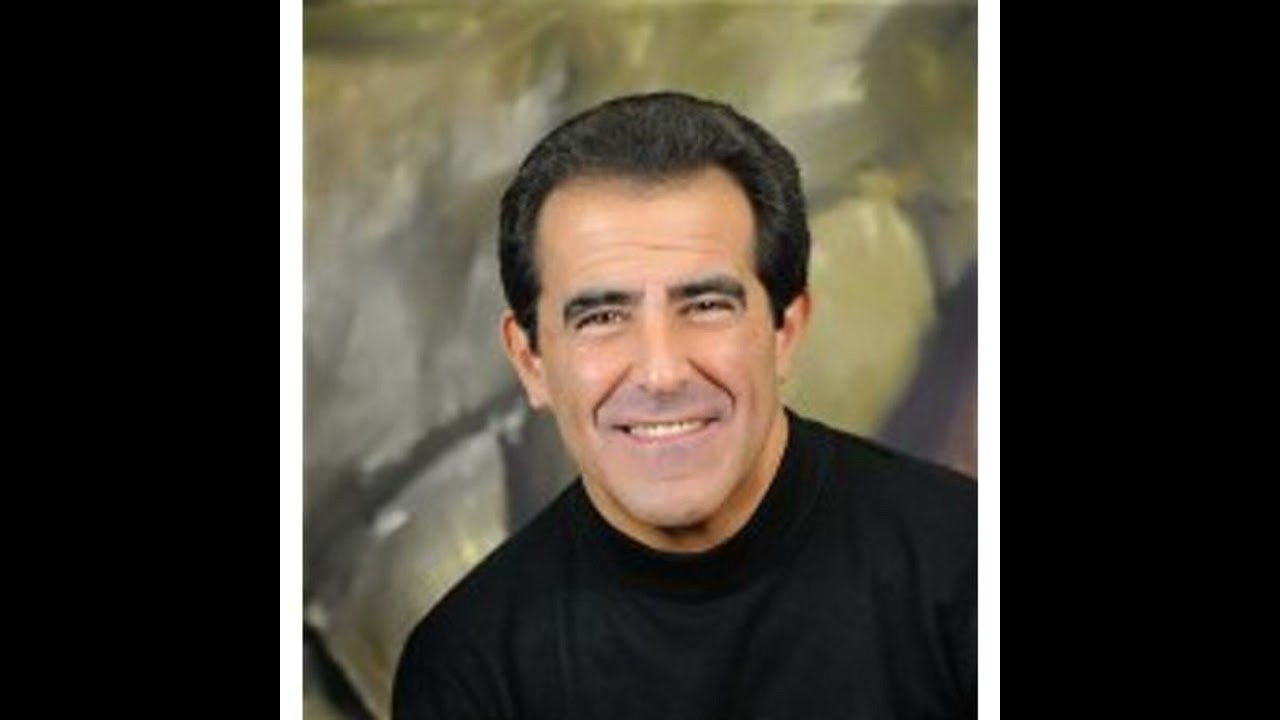
Faust Ruggiero, a veteran counselor, developed The Fix Yourself Handbook, a 36-chapter program with 52 processes designed to help people become strong from the inside out. The core approach rests on four foundational practices: honesty, slowing down, prioritizing intellect over emotion, and fact-finding before reacting.
Chapters
Hello and welcome to Shedding the Bitch Radio, where you can discuss, debate, and get advice on how to discover and shed the bitches of fear, insecurity, self-doubt, and negative mindsets so you can realize your dreams and life purpose and create and accelerate the riches you want in life. Join us here live every Tuesday at noon Eastern and dialogue with us at 818-572-2910. You can also chat with us at blogtalkradio.com/sheddingthebitch or or share your stories on our website at sheddingthebitch.com. Whatever the bitch is that's holding you back from living your life to the fullest, it's not worth giving up the riches in life that you deserve. So call in now and let Bernadette Boas know what's holding you back. 818-572-2910.
Welcome, welcome, welcome everyone to Shedding the Bitch Radio. And yes indeed, I am Bernadette Boas, and I am so excited. About this conversation because we're going to be talking about becoming strong from the inside. And I'll introduce our guest in just a minute, but before we get into all of that, I do want to thank our new viewers and listeners. Uh, you have been bringing us not only subscriptions and follows and likes and ratings, but you're also giving us, uh, comments and suggestions as far as topics you'd like to hear about as well as future guests. Which is awesome. So continue doing that, um, on any one of our social media platforms, as well as you can always email media relations at ball of fire media.com. Now, we couldn't do it without our current viewers and listeners because it's you also with your ratings and your follows and subscriptions and your likes and your suggestions that you're getting and helping us put more eyes and ears onto the program, whether you are streaming us on any one of the podcast streaming services such as iTunes, BlogTalkRadio, Stitcher, TuneIn— you get my point— as well as if you're going to our Shed the Bitch TV YouTube channel or Shedding the Bitch Facebook page where we stream our shows as well every Tuesday at noon Eastern time. So be sure to check us out on any one of those platforms and be sure to be subscribing, following, liking rating us and allow us to continue to get more eyes and ears onto the program so we can help you create riches in the— in your business and life that you deserve. All right, now I have to thank our sponsor for today's show, which is North Georgia Tax Solutions. Debbie Snelling and her team right here in Georgia, but she services the entire country with her financial and tax services for small to corporate size clients. So please be sure to check her out, say hello for me, and go to ngtaxsolutions.com to learn more. All right, let's get into this conversation, shall we? It is going to be a lively one, uh, for sure. All right, so we're talking about becoming strong on the inside with our guest Fost Ruggiero. By becoming strong on the inside, we can empower ourselves to take on anything that comes from the outside. The episode will discuss how learning to work with the tools we already have inside us to make us stronger people who are happier, more productive, and strong enough to address any issue that comes into our lives. We will also discuss how learning to like ourselves— listen up— like ourselves, and the world we are creating will eventually lead to loving ourselves. All this is presented with a step-by-step instruction to make it all happen. Now I want you to be listening for a few specific things that we're going to be talking about: how to take life off of autopilot— have you ever felt like that, like every day is the same day, Groundhog Day?— and how to begin the process of becoming a strong person, how to create a world you actually like and one that leads, leads to empowerment and self-love, and how to be confident understanding that you are able to be successful in anything and address anything that happens in your life. Now, for Faust and the rest of the audience, I like to ground you in a rich, rich question that helps you kind of set settle into the discussion. So you might join us and be like, well, I'm not sure. And yet once I pose a rich question to you, you get a good understanding of, oh, what you want to be listening to and paying attention to and how it relates specifically to you. So your rich question for today, for our guest, and, uh, for throughout the, throughout the discussion is I want you to consider, I want you to be honest and consider, what is that one area of your life from the inside out that you're not totally in tune with, you're not totally like loving at the moment, and you know that if you worked on it and paid attention to it, you could— as Foss says— you could live a happy, fulfilled, and empowered life. All right, so that's your rich question that I want you to keep in mind as we get into this discussion. Now let me introduce our guest, Paul Bost Ruggiero. He has counseled clients ranging in age from 5 into senior living. He has counseled people in inpatient facilities, prisons, substance abuse counseling centers, and nursing homes, and provided employee assistance programs to major corporations. He's been in the private practice at the Community Psychological Center in Bangor, Pennsylvania for over 30 years, specializing in individual, family, substance abuse, women's issues, and marital couples counseling. During that time, he's developed the Process Way of Life— the Process Way of Life— and have used it with over 2,000 of his clients in helping them to realize and unleash the power they have inside them. With the Process Way of Life being so successful as a counseling program, he's decided to develop the process face journey into a written text, and it's called— make notes— The Fix Yourself Handbook, which I absolutely love. So let's bring in our guest, Faust. How are you, Faust? Uh, one minute, I'm having a little bit of a tricky time. There you are. How are you? How are you?
I am wonderful today. Thanks so much for inviting me. It's a Privilege. It's a pleasure.
Oh, it is. And you know, I love this whole topic and this whole focus on working from the inside out because we can often kind of neglect ourselves because we're so busy. We're so busy without— with everything going on around us. But before we get into that, I did want to ask you, because I noticed the 610 area code. I'm from Philly. And I also noticed in part of your bio that I saw online that you're a Phillies fan. So I just needed to throw that out there, that we are kindred spirits.
We are.
And probably my Philly accent after 30 years of being away will probably come out as a result of speaking to some fellow Pennsylvanian.
It's wonderful.
It is wonderful. And I'm getting ready to go up there in a few weeks, so I'm very excited. All right. So obviously your background screams of why this subject matter is important to you and why you know it's life-changing for other people. But give us an idea of even like, you mentioned why you turned your story and your process, which I love that, into the Fix Yourself Handbook. But what really kind of led up to that?
Well, you know, it's a kind of a mix between what people need and the way I work. Everything I do And I just think it's the right way to be, should be practical, should be, okay, you're giving me the information, now what am I going to do with it and how? I'm a plan kind of guy. If someone says, all right, this is the issue, I'm going to say, what are you going to do? How are you going to do it? When are you going to do it? Show me. I want the step-by-step because if you don't give people that, then they walk out of your office nodding and saying, that's great. And they come back the next week and you say, well, did you do it? And they say, well, I wasn't quite sure. And I get that all the time. I'm supposed to love myself, I'm supposed to do this, and no one ever tells us how to do it. So my way is let's present the information and let's go step by step. And I do that with every person I counsel. I do it with every chapter in the book. Here's the problem, here's the information, do this.
Yeah, well, and you're right, it has to be practical. It can't be just a woo-woo, as I call it. It has to be a how-to. You know, people want to know, how do I handle this? And what are the experiences? Um, what are the traumas? What are this— the situations people are in that really have them maybe not even being aware that they need to kind of do some inner work? But then you— do you bring it out of them? Or, you know, what is your process in regards to that?
Yeah, they've actually started to bring it out. I help them define it. And what's really happening is that— you alluded to that before— we live in a world where everything is from the outside in. If it's trending and I'm with it, I'm good. If I go with the crowd, I'm good. Let me not say anything against that because who knows what they're going to say back at me. So we get everything about ourselves from the outside, and then we lose perspective of who we are on the inside because we're just keeping pace.
Right, right. Yeah, I often say that we're just like living like robots, you know, kind of like you hit the on switch the minute you wake up in the morning and then you just go without really paying attention, right?
Exactly. And that's the first thing I do with people. You mentioned it, I get them off autopilot. And again, practically, what does that mean? Obviously we don't want to be robotic, but you know, you tell that to people and they say, what do I do with it? I said, the first thing you do is we got to establish where you are. Autopilot living can be great if it's all working for you, but it's, it's not because there's no thought involved, right? I liken it to, you know, the airplane where the, the, the pilot puts, uh, the airplane on autopilot. It flies itself. He might even get up and leave the cockpit if he wants to. There's no thought on his part at all, right? I'm like that robot, right? Well, so I say, okay, let's establish that. And, and so I, I make them look at their lives. Where are you right now? What's working, what's not working. And when they come to me, usually that not working list is a little bit longer than the other one and a little bit more intense. The item's a little bit bigger there. So it's causing either dysfunction or something toxic, or it's just, it's not satisfying at all. It's not productive to get up and do the same thing every day. And then before you know it, 30 years have gone by and people are saying, I've done nothing with my life here. Mm. You know, and they're markers. Kids have grown up, the job ends, something like that. Now we know the virus comes in and we start saying, you know, there's nothing out there for me. I don't know what I'm doing anymore. And I hate to see people get there because there's so much inside us. All you have to do is go get it and you can conquer your world.
Yeah, yeah. Now you mentioned some really heavy things like substance abuse and marital issues. And then you even just mentioned that you know, all of a sudden that you have a, you know, the kids leave the house or there's a pandemic. Are they, are they at a point where you're almost like, you know, they're, they're almost like panicking there, you know, or is it subtle, you know, and, and what can they be paying attention to that kind of is starting to like, you know, come from the inside out as far as sensing that there's something amiss?
You know what happens? It's when we slow down, you know, because autopilot always has us going at a pace, and the pace in this nation, in the world actually, is fast. When it slows down and you start thinking and you're not able to just plug into anything, that's when we know it. I'm plugging into nothing here. The pandemic came, I'm not out there, I'm not doing the things I used to do, the schedule's off, I have time to think and I don't like what I'm thinking about. It's when you really know you're happy when you can slow down, minimize what's going on in your life, and you still feel good.
Right, right.
Really how we should live life most of the time. Yeah, with a few highs here and there, but not we have to spike it all over the place.
Yeah, and feel as if we're constantly going to where, like, oh my God, I used to live like that. You're triggering me.
And we all did, you know. When you do what I do for a living, you know, it's not just what you see in other people. You start to say, "Geet, I'm going a million miles an hour here." And yeah, I get a whole lot of things done, and at the end of the day, I can check them all off, but where was the satisfaction? Where was the good feelings? Where was the, "I really feel productive and I'm going in the right direction." I just went.
Right. Right, right. And, and I would, I would expect, but does your work include a lot about helping people kind of get still and be very present? Because that's also kind of a, an effect of just being on autopilot and going, going, going is— because I didn't understand this concept, Faust. I didn't understand this concept for decades, and, and not only until like the last like 7 or 8 years. I'm like, what are you talking about being present? I'm present. I'm right here in front of you. And it's like, no, no. Can you help shed some light on that and what can people do to recognize that they're not necessarily present?
Yeah, that's the first point is to go and say what's happening when we're not present. That's when the mind goes back and it goes forward. And what people never tell you is when you go back, you don't go back and get good things. You go back and get toxic. Negative, negative energy. That's why we always slip back because it's that stuff in our life we didn't like and our minds go backward. Or it goes forward and now that brings on the anxiety. So you get depression or anxiety in these two various places. When I go forward, it's what-ifs. I'm not sure this is going to work out or maybe I'll be happy when I get there, which of course is never defined. So I tell people, you're breathing in the moment you live in. That's where you focus yourself. What am I doing right now? And not think about, you know, people will be watching a movie and relaxing and they're thinking about what they got to do in an hour, or they're in with the crowd and having a good time and their mind slips backward and they remember something that triggers something they don't like. That's all dead energy. It has no place to be applied. You can't control the future, it didn't come yet. The past is already gone. I always tell them, in the moment, the moment you're breathing in, focus on that. And how I get people there is they start to focus on your breathing, because if you do that, you're really focusing on what's physically occurring at that point, right? And you can't focus on the moment until you slow down. That's the other part of that. Yeah, self-down. And then in that moment, do what you're doing in that moment, put all your energy right there. You're you'll do it the best you can, and you'll have all your energy right where you need it.
Yeah. One realization that I had had over the last like 10 or whatever years is I would travel 30 minutes to work, and I'm sure many of your clients and maybe even you have experienced this as well, and you kind of wonder like 90% of the time how you ever got to work because you literally do not remember being on the— well, you remember being on the road, but you're kind of so lost in yesterday or tomorrow, is what you kind of brought up for me, that the next thing you know, you're at work and you're like, what? How did I get— it's like, I don't recall, you know, that entire drive.
And not only that, if you take it one step farther, because that's right on the mark, but then at the end of your work day, you will say the same thing. The work day's over, and I don't even know what I did today. I know I got a lot done, but if I have to go through it Either I don't want to because it wasn't very pleasing to me, or I can't blur. And then the week went by, and there are times when I was initially counseling people that— and this is how I really marked this— people, some people come every 2 weeks, and when they came, I said, I think it was like you were just here, and I forgot the whole week in the meantime. And that made me understand, man, slow down, get your mind into this, make all this quality. You know, if you can stay in a moment, little moments become big. And you, and then you include them in what you're doing. But I was going so fast, and I'm one of these guys, I mean, you know, I mean, I can take a lot on, but then I started saying, why am I taking a lot?
Yeah, yeah, yeah. Well, do you think though, do you think that, that, um, guilt could have, you know, kind of some things from the past and then a sense of guilt? At least for me, it's like If I slow down and I'm not like trying to do so much and get so much accomplished and so much achieved, I feel as if then I'm not earning. Because I grew up with the philosophy, you know, you have to work hard to be able to play hard. And, you know, and so do a lot of your clients experience just the fact that if they slow down and they actually take time off, you know, or they decide to work only 4 days a week, that they then feel as if they're guilty and lazy and not deserving of what it is that they're trying to achieve.
There are people like that, and, and that sometimes on a conscious level we think that, or we don't think it, but it's there. And that's the one that's difficult to deal with because what it does is simply say we're not worthy, uh, you know. So, you know, our culture measures our worth based upon our productivity, right? And, and if we don't do something that is significant, we are insignificant. And that's why I say that's all that outside garbage. Get inside, start dealing with all these processes. The processes are simple things, you know, learning how to talk to people, trusting, uh, gratitude, humility. Honesty is such a huge process.
Honesty to yourself or even honesty to other people?
You're never going to be honest with anyone else. You will never do anything right with anyone else until you do it right for you.
Love that.
What you're doing, you can say, "I raised my kids wonderfully." I don't know what your measuring stick was. They have good jobs, grandkids. I'm not sure what your measuring stick is. All measuring sticks come from the one that comes from you inside your own heart, inside your own mind. When you get to the point that you are proficient with your own life, everything else is in tune. You understand how to light your life, understand how to love things, all that, but you do none of it until it's— until you do it for you. That's why I say I'm very practical, and I want people to understand these are the processes, these are the steps. Do these and you will get to that point. I've never seen anyone in my program fail, never, if they're willing to work with this Everyone makes it. Everyone comes back and says, but here's what they say, this was easy. How come I missed it all my life? I said, because you did what we do. It's just like everything else in our life. You know, it's like, you know, you have a headache. Oh my God, take, go take the quick fix, get your, as opposed to laying down, relaxing, slowing your pace.
Yeah.
Don't do all the dumb things that get you the headache and the ulcer and everything else you're getting.
Wow.
Right, get to the point that every day you're doing the right thing and stop taking the quick fix that comes from outside you to feel better.
You almost wish, because, you know, I, I recall in your, um, in your intro, in your bio, that you've worked from people from 5 years old to senior living, and you almost wish that, you know, you have this in first grade, you know, that you're learning these concepts and these processes and these you know, theory— not theories, but, you know, all the way from a young age. So then it doesn't take you until a lot of times in your 40s, 50s, 60s, if, if, if you ever do, right?
Exactly. And again, it's where you— it's where you put your focus. It's that old thing that, you know, you— if you put your focus in a particular direction, something has to happen because your energy is going there. But if you're putting it somewhere else, you know, the pandemic— everyone's talking about the pandemic and changing the outside world You change what's inside you. What's the new normal going to be? And I look at that and I say, why would you even ask that dumb question? The normal is what you are going to create yourself. That's your normal, what you create, not what the world creates.
Yeah, I have to admit, boss, you're hitting on so many things for me, but I did not have a challenge and, you know, and issues in the past year and a half.
You know, I want to be self-sufficient. I don't want to say, gee, I can't go out, I can't go in a restaurant or a concert or a movie, I can't get to hug all my friends. And I'm a hugger, there's no doubt about that. I love people. But I said, you know, nothing— people said, how did you do it? I said, I just went on with my day. I did it the same way I did every other day. Even if there was going to be a day I wasn't going to go into the office, then I I still got up the same day, still took a shower, did all those things and planned my day and did it. I didn't see as many people socially.
Right.
You know, fortunate for me, I have a very large office so I can sit the people 12 feet away. So I think I did virtuals with maybe 3 or 4 people and I probably saw 45 people in the office a week, you know?
Yeah, yeah.
You know, there's ways to do it.
Right.
But it boils down to this, the strong people who were strong inside and have been working on that came through this virus with no problems. The people who were not strong, they, they, they did the same thing they do with everything else. They brought it internally with negative language, spun that negative language around, lived that way every day, and were miserable. The rest of us said, oh no, I am not going to do this. I will create positive language. I'm not saying the virus is positive.
I'm saying Right.
A way to deal with it, and my world is going to be positive. I will get up in the morning from my first breath and say, okay, let's strap it on, let's go, we're gonna do good things today, and I don't care what comes up because if I'm strong inside, I can deal with anything, including this pandemic.
Yeah, and is that what, um, brought you to really saying, you know, I need to kind of capture all of this in my, in my, in text, in the Fix Yourself Handbook.
Yeah, in the office, you know, people come in and we start talking about the process. You got to get honest, you got to slow down, you know, get your intellect over your emotions. We talk about those things, but as I was dealing with this, I realized, you know, I can put this into a format and it's time to get it out and just let people read it. And, you know, I mean, I'm thrilled corporations are using it, marital marriages, they're reading one chapter at a time. You know, wife reads it, husband reads it, or significant other, and then they sit down and talk about it together. And they're coming back and saying, you saved our marriage, and I never talked to the person. It's nice to know the program works even in the text form where I'm, I'm, you know, not virtual and I'm not realistically there.
Right, right, right. Oh, absolutely. And, and at the same time, it is a good vehicle that when someone's working through it but then they're kind of stuck or they're— or they just need some support, they can reach out to you and they can, you know, kind of say, oh, you know, could you— could you guide me through— through this? Uh, which is a beautiful, beautiful thing. So any, um, are there any nuggets you'd like to share with us in regards to the Fix Yourself Handbook, uh, that even our listeners can be, you know, practically considering to, you know, putting in place right now?
What I tell people is if you're looking for a program that doesn't have all the fancy verbiage, doesn't throw acronyms and say, look at, look at what I created, a down-to-earth program that really works with what's inside you, you have it already so you're not searching, it's going to simply put it in place for you so you understand it. It will, every chapter, there are 36 chapters that present a specific issue you have to get to, like honesty, for example. There'll be 3 or 4 pages of text, not this big elaborate, you know, let me, let me talk forever kind of thing. 3 or 4 pages so you understand the information and then takes you right to the steps. Now go do this. If that's what you're looking for, that's what I presented. And I do that, you get strong on the inside. It's not designed like other self-help books to say, well, let's work, let's talk with making you 'Love yourself, let's talk about this one, two, or three problems.' It's 36. So it makes you strong so you can deal with anything. That's the goal. Not one goal, all, everything.
Right, right.
And I wanted it to be for anyone, so it doesn't matter what your religion or your color or your sexuality or gender, your age. It's anyone. If you can read, you can do this program.
Well, because it's about a being. It's about being a human being, being one of heart and brain, and therefore we all have those, and it can be for anybody.
Correct. That's what a good program, a good life program, should be applied by anyone. Not only because you want to get real good, if everyone can do it and you start talking about it, geez, and we're all supporting each other and doing the same thing that It's sort of like, back to, I'm eating naturally, like we used to eat, and now I'm eating with all these chemicals and all this prepared crap. I just want to take you back to what's inside you. The good old organic stuff inside you, you already have it. We're just taking the junk off. That's all we're doing.
Yeah.
Here, this is the way you go back and do it, and your mind, since it's already inside you, it's been there, will jump on it right away and say, "Oh, finally you're getting me back to where I need to go." Yeah.
And when you say, um, and when you say that it will also assist in really helping you deal with just anything, any challenge that comes up in your life, um, you know, are you saying that, you know, it's a, you know, it's not a quick fix, but it's a fix and then you're permanently happy, or something else?
I'm saying that It's not a fix. I'm saying that it's a program for life. If you use it, a number of things will happen. If any problem at all comes up in your life, you will be able to go back and get the right process to deal with it. I'm saying that you will become a person who likes your life. So when you do that, you will be happier. You'll find much more gratitude. You'll realize that you don't have to have all the spikes in it. You'll be humble. You'll start to gain wisdom., which is a real nice place to be. When you like your environment and you get up every day and say, "I like this," now that's the step that's missing in loving yourself. Like yourself first, like how you feel, like the world you're creating, then you can move to saying, "Yeah, I really feel good about myself." Self-love comes from that. Then you can move it outward to someone else. Until that time, you can say you love someone else. It'll be a good old Hallmark version of it., but you won't connect to the spiritual part of the love, which is the key to being able to love someone else. I'm not talking religious, I'm talking that essence inside you, where you get deep inside.
That's what I'm talking about. Yep, absolutely. Well, and you mentioned something too I want to ask you about, the fact that like what you focus on expands. So, you know, if you could touch on that, because I think, you know, people don't recognize that if you put good out in the world, if you put kindness, if you put out that self-love, Well, that's what— you're not going to be unhappy, you're not going to be insecure, you're not going to— so you're going to be able to go after what it is that you want. Could you touch on that? Because I think that kind of goes over people's heads sometimes.
Let me use a couple of chapters on that. Let me use a chapter on gratitude. When we talk about gratitude, it's being grateful. So someone does something for you, get something, you set a goal, you achieve it, you're so grateful. That's not gratitude, and that's a very situational excitement kind of thing. Gratitude should not be something that happens in response to someone else. Gratitude should be inside you all the time so that whatever occurs in your day, the simplest little thing, you are already— you're wrapping gratitude around it. So it doesn't come from the outside like everything else I do. It comes from the inside. And when that happens, Everything that you're presented with is a gift. Everything has— you see the beauty in it. You are so thrilled to wrap yourself around that. And then other people see that and they say, wow, that really feels good. They love being around you because you're that kind of person.
Yeah.
And to live that way every day. So a challenge where someone else might say, oh, I gotta do this, you say, wow, look at the— look at those 2 or 3 or 4 things in there that the other negative person didn't see, and you're just thrilled to have it. That's how you should be living life.
Yeah. And that just gave me so much breath, you know, that just gives you so much breath, space to kind of work into that. It's not that, like, an anxious and suffocating type of feeling. And who wouldn't want that breath and space and freedom in their life? Now you talk about the process way of life, your program. What should we take away from that? What should we kind of understand regarding the process way of life?
Processes, I built that on, I started with, again, with things like honesty, but then when I started to work with it, I kept on identifying more and more. The book has 52 of them in it. What I want people to understand is that it doesn't matter what you do in your life. I don't care if you're staying home and you're watching a movie. There are processes that occur for you to get there. You maybe make your snack and prepare the living room and the television. There's things that occur. You and I are doing this interview. We did a lot of things, little bitty things, to get this going from the time the initial email started and the conversations occurred, setting it all up, setting your end up. And you know, we went through a little process while we were trying to connect. We had to go So there's a process involved with everything you do. When you come to the point that you can master those little things and then get to the big ones like honesty and gratitude and creativity and communication, all those processes, now you're taking control of your life.
Yeah.
It doesn't just slide by. There are no quick fixes. It's not autopilot. There are no processes with autopilot.
Yeah.
It's a conscious application of energy. I'm going to do this, right? I'm going to get good at it and I'm going to repeat it. What I tell people all the time, if you're trying to do something new in your life, you're actually trying to learn something. And the mind's way of learning, the formula is simply repetition over time. So something that works, that is positive, that can help you get to a different level, and you keep on doing it over and over and over again, your mind now grasps it it becomes a different level of autopilot. Now you don't have to put as much energy into it and you're living it. That's what you want to be doing. You give yourself— you know, I always ask people, are you worthy enough? Do you believe you're worthy enough for you to put all the time you need into yourself to become a new person?
Yes.
Bottom line, if you believe you're worthy, then why would you not get up every day and treat yourself to a program that will change your life. Why would you not go there?
And can you— can someone take your program? And you said there's 36 chapters, uh, there's 50-some-odd— were they processes? Um, and can someone, like, all— like you said, get up in the morning— can someone take pieces of it and each day you know, take their first, you know, 20 half-hour of their day and just work on one of those things?
Yeah, yeah, they can. What I ask them to do is read the whole book so you understand it, right? Then you can work the whole program. But you're going to get up someday and be challenged, you know. You need to be a little bit more creative in something. There's a chapter on creativity and how to get there. You need to be more honest that particular day, or you're working with the spiritual part of you, or a relationship. Absolutely, there are all the chapters there doing all those things that you might key— you will automatically, you will key on some chapters in some days and others in other days. Or you as a person, maybe you're not as honest as you want to be, so you're going to key on that to get to where you want to go. Because you might say, gee, you know, I'm using all these defenses that keep me from the real issue. I lie to myself, or I just misrepresent it because it hurts me, or I feel uncomfortable and I don't want to feel bad about myself, so I color it all up. Yeah, you may, so you may apply more energy routinely to that, but today maybe you're dealing with someone at work or your significant other and you need to be a little bit more confrontive. So you may have to say, I gotta change my language because I let it boil inside me, then I come out with, you know, gusto and I break them down, they get defensive. I may need to work on how I communicate, how I express something when I, when I want something to change. So yeah, you're gonna key on some things. On the other hand, try to work the whole program because that's going to get you to what I want you to be at, which is I call internal balance. We're physical, intellectual, emotional, and spiritual beings. The closer we get to balance and all those things where they're kind of all working together, the better we feel.
Yeah, no, I absolutely— gosh, you are just like speaking my language. I absolutely love it, love it, love it. Now Could you talk about— because your audience in the past, your client base in the past has gone from 5 years old to senior living. But could you talk to the audience, the demographic of the, you know, the audience for your book?
You know, it's interesting working with publishers. I mean, I'm sure you know this. They want us to be demographic-specific. That's when I was writing the book. Agents and publishing people were saying, "Oh no, who reads self-help books?" Basically women 18 to 55. So I said, "You want me to write just for them? Okay, so then we'll change that, but then they'll go home and their husband or their— will be back in the same book, so now no one's going to support them." The demographic is— I wrote it for everyone. You know, men will not read 50-page chapters. They just don't.
Yeah.
But they'll read 3-page chapters or 4. So we condensed information. Men love this, right? You know, when the wife says, "Well, read this," and they say, "I'm not going to sit down for 2 hours and read." She says, "No, it'll take 10 to 15 minutes. It's 4 or 5 pages. Then it tells you exactly what to do." And the man says, "Really? It says exactly what we can do? I'll do that." Men like that plain, right-to-the-point thing. Women like a little bit more of a journey. Yeah, a little more of a pat on the back. Yes, you emote, you emote more efficiently than we do, right? So there's a journey. Women are going to constantly get that, hey, you're wonderful, you're, you know, that it's all in there. And it's, it's, it's not junk, it's not that thrill, that let me, let me pump you up garbage. It's pat yourself on the back now because you're doing this. Yeah, some people are going to say, wow, this is talking to me, this is what's happening in my life. Older people are going to say, "I wish I would have done this, and I can still do it." So, I wanted to get everyone. I wanted— so, actually, and to be honest with you, the audience will maybe get a little chuckle here. I pulled out from what everyone normally does and said, the publishing house wants me— I got down to the wire, and there were two agents involved, and I asked them to kindly step aside. We formed our own publishing company. We did it my way.— I kind of pushed the dollars aside, if you will, and I said, this is going to be the book that says do it the right way. I don't care what they said. I want everyone to benefit and I want them to do it the right way. I wasn't making a decision so that the agent can get their 15 or 20% and the publishing house can make a lot of money. The wealth in this is seeing people change. That's what I've been committed to for 4 decades.
Right now. Yeah. And, and I've been envisioning— and I'm very visual, so I stare up a lot— but I've been envisioning like family unit coming together and work, you know, working on it and having conversations about it. And, and then those couples, like you talked about couples, and then individuals. And then I'm even thinking, you know, masterminds of a group of clients, like, you know, probably what you do in your own practice. That could be utilizing the Fix Yourself Handbook to kind of create dialogue and conversation and, and so forth and so on, um, if they don't reach out to you directly. I mean, yeah, it's powerful.
Yeah, they're doing it now. You know what the interesting thing— I started working with the program, it's 22 years now, and so of course being in practice all these years, I've seen people who are now grandparents and their sons and daughters came and now their grandkids are coming. And the grandkids— I just had one last week said, "I know what you're going to do. It's this process because my grandfather told me and then my mother said she came and used it and they loved it." And when I started to go off a little bit— she's in college now, this particular girl, and things are changing— and she said, "They said go over there and he'll help ground you and you're going to get to see what you need inside." And I said, "Geez, 3 generations and they're still using it." Nice! Corporations are having their people use it because they're finally understanding that it doesn't matter what marketing person brings a program in, your strong or weak people are going to attempt to implement that program. So why not get your people strong before you give them the program? Yeah. So it's one of those things that is just designed, and it was done on purpose, for everyone to be able to use in any situation.
That's awesome, that's awesome. Now, can you just give us an idea of what the foundation of it is? And you might have touched on this already, but if you were to say for our viewers and our listeners, what is the core foundation of the program and the ultimate result they get from it?
Yeah, the core of this obviously is what we started to say. Get your mind off autopilot and external stuff and then start from the beginning. And when you go into the foreword of the book, it talks about bookends, process bookends, and those are the 4 that start the program. They are honesty. You've got to get honest or you can't work anything. You're going to slow down your life, and that doesn't mean you're physically going to slow down and walk slower. It means that you're going to take all this accelerated garbage out of your life. And that's on any level. You know, if you're trying to change your life and you're pumping your body full of accelerants every day, I don't care if it's 10 cups of coffee or the energy drinks or loads of sugar, you're going to go so fast that you can't slow down.
Yeah.
You're going to experience anxiety, etc. So slow down, and that's the second thing we want to do. The third thing I want them to do is begin to understand the benefit from having your intellect get into a problem before your emotion. You know, something happens and we go, and then we go negative. And I say, just take, you know, it's the old take it, take 10 steps back, take a breath, whatever it is. Give yourself enough time to think. So you might say, all right, this is happening, let me slow down a bit, let me think about this, let me get the facts so I know what I'm going to emote on. I can put a plan together, right? Get the emotions on the back burner.
Yeah, that I love, that I absolutely love, because that is what creates all the drama for people.
And, you know, and I like it in the book, when I put the chapter on, on, uh, Intellect Over Emotion, I always say that emotions are to our brains like a virus is to a computer. Computer is designed to run logically and move forward and solve the problem for you, and then the virus comes in and it destroys the whole process. That's what happens when we use our emotions. It gets in our brain and affects everything, and before you know, we're overreacting to items that either do not exist or are so insignificant that they shouldn't even be in the picture. Slow down, get your brain in first. That doesn't mean you can't emote, but emote over what's real. That's, that's what I want people to do. So we want to get that. And the fourth thing is fact-finding. Get the facts. Stop bringing all this drama, garbage. Only the facts. Yeah, it's like the old— I'm dating myself here— but the old Dragnet television show, it's that they got the cop would say, just the facts, ma'am. That's all it is, you know. Give me the facts. Don't throw all the emotion in. Just give me the facts, nothing but them. And I, and I will tell people, you said that, you sure that's a fact? Well, no, I mean, it's a little bit of this, and I thought about this, and I felt this. I said, no, push that aside because that's— I can't— you can't work with it.
Right.
That's the fact. If they do those 4 things, they now set themselves up for all the processes. They'll be in a community, their feelings will be in order, they'll be grateful, they'll set boundaries, they'll learn how to defend those boundaries, which is huge in our lives.
Yeah.
All those kinds of things they'll be able to do if they get the first 4 of them. And then the other bookends are at the end where you get into to face and feeling good about yourself and knowing that you have that power, to humility, to gratitude, to finally loving yourself. That's the end of it. So, you know, if you're worried— that it's— and that's the way any good program should be. It should answer your question: how do we start this and where are we going? Right. Those things should be defined specifically for people, not, um, it's kind of like— because that's what I hear all the time when people answer Specifically, how do we start? You start this way. Where am I going with it? You're going to get here if you do all these things, and you will get there.
That is so awesome, awesome, awesome, awesome. Thank you so much, Foss. That was absolutely great, and I want everyone to go to fossrogero.com. The link is right there for you to make note of. The book is The Fix Yourself Handbook, all right, and be sure to check out and, and get that book and, you know, kind of consider just like you did, read the whole thing, excuse me, so you understand, and then start breaking down with whatever it is that you need at that particular time.
You know, if they go to the website, the website is dedicated to the book. You'll see chapter outlines there. You'll see excerpts from the book. I believe, again, you know, when we're selling something, as I'm doing, we should be transparent. We should be able to give people an honest view of what they're— they— we're asking them to purchase. So you go there and say, here, well, I'm looking at everything. There's my interviews, there's all that kind of stuff. I can see and hear what this guy's doing. Now, do I really want to buy the book? So it's an honest, straightforward presentation. Go there, everything you want about the book is right there.
Fabulous! Thank you so much. I so appreciate it, and I appreciate you being part of the Sheddy the Bitch program and bringing your story and your book and all the great tips and advice and strategies and wisdom and process— the process way of life— to our, to our listeners and our viewers. Thank you so much.
It has been an absolute pleasure.
Thank you, thank you. And I want to remind everyone, please check out the Fix Yourself Handbook. Go to faustregiro.com and then stop right back here next Tuesday at noon Eastern time. It is our Ask Me Anything episode, so be sure to share your questions, stories, and challenges and let me give you tips and advice and sometimes tough love in handling it. And we will look forward to seeing you then. And you have a beautiful, beautiful week, a rich one, a prosperous one, and one full of fixing yourself from the inside, just as our guest suggested. So thank you very much, everybody, and we will talk with you soon.
Bye.
Thank you for listening to Shedding the Bitch Radio with Bernadette Boas. Join Bernadette every Tuesday at noon Eastern as she helps you shift your bitches to riches. And the dialogue is always going on at sheddingthebitch.com. See you next week.
More from Bernadette



From Stuck to Leading, Episode 2 — Meet the 5 Inner Fears Destroying Your Leadership



