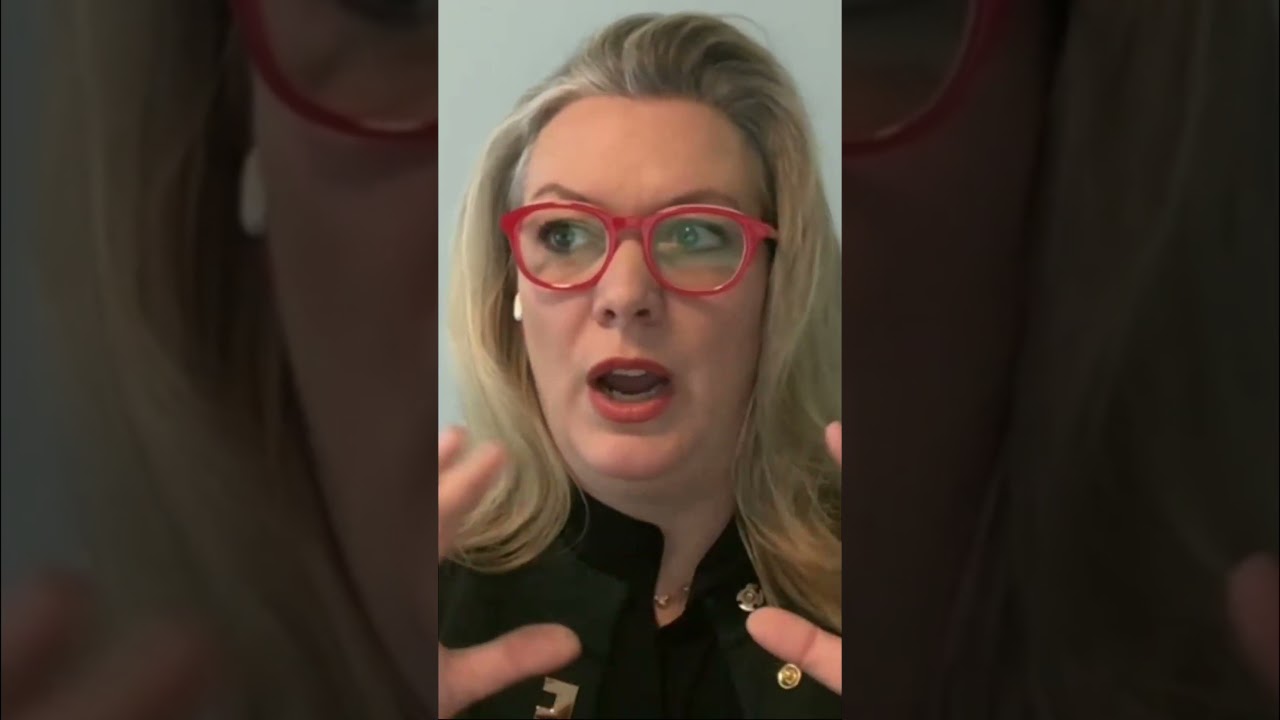
Andrea D. Carter, an organizational scientist, explains why belonging differs from fitting in. Belonging requires five measurable elements: comfort, connection, contribution, psychological safety, and well-being. When these are present, organizations see gains in innovation, quality, and speed.
Chapters
Our guest, Andrea D. Carter, organizational scientist and CEO of Andrea Carter Consulting. She's the creator of the Belonging First methodology, the first validated framework for measuring workplace belonging. And today she's breaking down what most workplaces still get wrong about belonging.
So belonging requires— it's different than fitting in. And we've, we've been socialized to believe that belonging is fitting in. And they're actually on either side of the spectrum here, right? So fitting in is, it's 100% on me for me to shapeshift into what you want from me, Bernadette, so that I can actually be accepted in the environment. Belonging, on the other hand, requires that both you and I participate. So it means that in an environment, in any given environment, you are not only receiving belonging, but you are giving belonging. I always say people always think that belonging is like, oh, it's a feeling. And I will push back on that. And I will say, well, no, belonging is actually a science that you can feel. And you actually need 5 indicators in order for your brain to go, OK, I belong here and I'm actually creating belonging here. Innovation, quality, speed, all of those things. So belonging starts with comfort, connection, contribution, psychological safety, and well-being. And those 5 came out of the data. OK, they're consistently what emerged as conditions that had to be present in order for belonging to be experienced.