Don't Let Bad Money Habits Kill Your 2017 with Financial Therapist, Kine' Corder
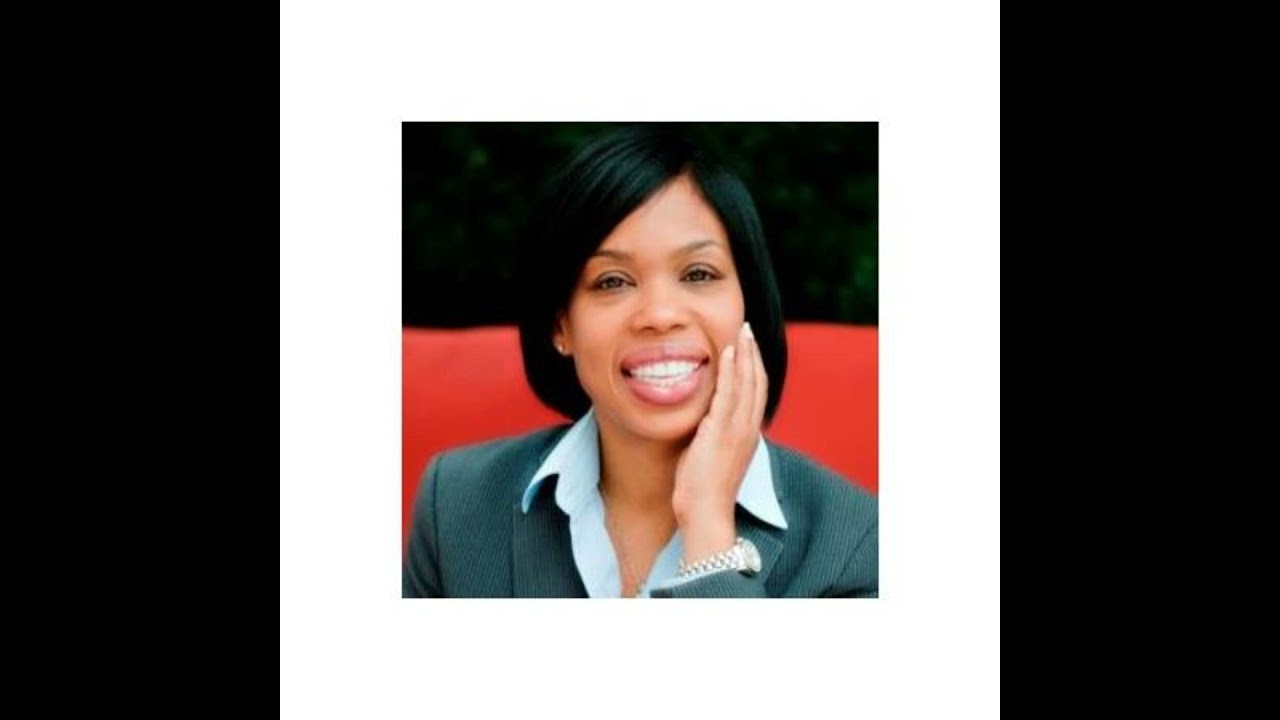
In this Shedding the Bitch Radio episode, host Bernadette Boas interviews financial therapist and CEO of Presidential Lifestyle, Keneé Corder. The conversation centers on how deep‑seated money beliefs—referred to as “bitches”—create prosperity blocks that keep listeners from saving, investing, and living the life they desire. Corder explains that many people operate from a scarcity mindset (“there’s not enough”) and outlines her financial‑therapy approach: identify, re‑program, and replace maladaptive money beliefs. She introduces the CPAPC process (Commit, Plan, Action, Progress, Celebrate) and practical systems such as automating bill pay, separating checking and savings accounts, and using accountability partners. The episode also covers the Money‑Mentality Quiz (Saver, Blamer, Hero, Enthusiast, Artist, Spender) and how to align one’s personal definition of prosperity with concrete financial goals. Throughout, the hosts encourage listeners to join the private Facebook group “Shift to Riches,” attend webinars, and consider Corder’s Prosperity Club and Prosperous Life Coaching programs. The tone is conversational, motivational, and occasionally humorous, with a strong emphasis on actionable steps and community support.
Chapters
Hello and welcome to Shedding the Bitch Radio, where you can discuss, debate, and get advice on how to discover and shed the bitches of fear, insecurity, self-doubt, and negative mindsets so you can realize your dreams and life purpose and create and accelerate the riches you want in life. Join us here live every Tuesday at noon Eastern and dialogue with us at 818-572-2910. You can also chat with us at blogtalkradio.com/sheddingthebitch or share your stories on our website at sheddingthebitch.com. Whatever the bitch is that's holding you back from living your life to the fullest, it's not worth giving up the riches in life that you deserve. So call in now and let Bernadette Boas know what's holding you back. 818-572-2910.
Welcome, welcome, welcome everybody! It is Shedding the Bitch Radio. Now if you think I like really push the limits when it comes to technology, today we're certainly doing it. Okay. So I have the video going, and if you saw the video from last week, my lovely guest, all of a sudden, like the last 10 minutes, the camera somehow moved itself. And so all you get is my lovely pretty face, and therefore you're just talking to me even when you're hearing her. And so I kind of had to do some editing and videoing. So we decided to push it even more so.
Yes.
And we are daring. We are daring. We are doing Facebook Live. We are doing a video. I am broadcasting through BlogTalk. I'm not sure where I should be looking, where I should be talking, but we're gonna have a great show. How is everybody? This is Kenee Corder.
Hello everyone!
Say hello for now, and then we're gonna come back to her. Yeah, we're gonna come back to her and, um, get a big introduction and dive into the conversation. It's all about money. Yeah, honey, money, money. It is Christmas week, um, huh? Hanukkah week, holiday week, whatever you might be celebrating.
Kwanzaa.
Kwanzaa. So whatever it is, uh, this is actually a perfect conversation to be having.
Absolutely.
Because you're out there spending and I'm locking myself in this house because I can't be, um, and right, and we're gonna get you regulated. Regulated. There you go, we're getting regulated today. And that sounds governmental, so, you know, don't worry about that. We're just going to get you money, money, money rich. Well, mindset too.
Yeah.
So anyway, so it's Christmas week, um, and I just want to, um, before I would forget, because I have a feeling we're just going to have too much fun here today. Yeah. I just want to wish you all a beautiful, beautiful, beautiful, beautiful, safe, fun holiday. Holiday week. I want you to be back here next week because then that leads into New Year's, so we're going to have some awesome conversation about gearing up for 2017. I really should have fixed the lighting for this particular Facebook Live broadcast. There's a lot of white in these broadcasts.
Hi everybody.
Hi Luvonne. Hi Thurman. These are all Kané's friends. Thank you for joining in. All right. I need to do a couple shoutouts. And for those of you in Atlanta, actually you don't even need to be in Atlanta, but I'd love for you to check out this organization, these two organizations and this group. So the first shoutout is to the BEST Academy. They're right here in Atlanta. And they serve kind of underprivileged, just kids that are brilliant and smart and want to learn and want to grow, and yet they're in tough neighborhoods, they're in tough situations or in tough environments. And I met them last week at a networking event, so shout out to Networking Over 40. Oh yeah, yeah, well, I admitted I was finally over 40, so I'm actually— and anyway, so the Best Academy, I met them and their set of students. There was a set of girls and a set of boys. The girls came from—
oh, don't kill me—
I am going to forget the girls' school that they came from. And they were accompanied by Corporate Kids. That is the other organization I would love for you to look into. Corporate Kids, an organization, again, spearheaded here in Atlanta, and it is from this individual who is looking to partner and, and match individual kids from this Beth Academy and this girls' school, which I am going to kill myself for not having in front of me, and with a company or a mentor that they can then partner with for a year, once a month for a year, and shadow the CEO. It's at the CEO level, which is fabulous. And so they're giving an opportunity to really kind of learn business and learn, you know, maybe what kind of industry they want to be in or what kind of specialty, what kind of schooling, all that kind of good stuff. So I have to do a shout out, Beth Academy and Corporate Kids. Hey, Catherine, it was wonderful. It was wonderful to meet you, to see you, and I know I owe you a phone call because I do plan to get involved. I do plan to get involved, whether that's from a mentorship, whether that's from just trying to help. The kids were beautiful. They were just wonderful kids.
And that's great because this is the season for giving. And it's not just about giving to our families and friends and to ourselves, but to those that we don't even know. And that's a big part of the money cycle is to give. That's because it keeps the money flowing.
You know what, there was a reason for my madness then. There was connection when I didn't even realize it. But yeah, so wherever you are around the world, because we have a large international audience, please just, you know, do one thing maybe this season, if you don't already, to really kind of give and serve your community because there are children, there are homeless, there are just people in need. Even your neighbor, just reach out and say hello.
Exactly. And I want to add that I know there are a lot of people who think I don't have enough to give, but you do. Because one reason is because every little bit counts. And the second reason is because if you don't give, you won't receive. And it's law. It's just universal law. So think about what you can give, even if it's just $10, $20. You can get— give a portion and you'll keep that money flowing in your life. Yeah, keep your prosperity going.
Great guest. She's helping everyone shift to riches. Yes. And we'll talk about shedding the bitches in a little bit because, because that's also what she's going to help you with when it comes to maybe your mindset and your beliefs and your past around money.
Exactly. Shed the bitch and just be rich.
Yeah, right. Yeah, there you go. All right, so if you haven't joined our new private group Facebook page. It's called Shift to Riches.
Look for it.
It's facebook.com/groups/shifttoriches. I just opened this up about a month ago. I'm finally— everybody, I'm finally heads down developing programs and writing a new book that you've asked me about since I wrote Shedding the Corporate Bitch. And I talked to you every week for the last 4 or 5 years about just your mindset and how do you really discover, confront, and shed what's holding you back so you can create the riches in your life. And those things that hold you back are what we call bitches. So we started this Facebook group, and 2017 is going to be wow for when, uh, and what we're going to do within that group. Okay, so I want you to join us, uh, facebook.com/group/shift2riches. I'll look for your invitation and be sure to, you know, bring you into the fold.
Let's see, what else? Hey, Yvonne, hey, Catherine, thanks for joining.
I can't do 5 different things, so I'm so glad she's there. I'm so glad she's here. My Deborah, Deborah's out there, Parker House Virtual Services, she's out there, she commented earlier, you know, I need a producer, I need a manager, I need a videographer. You know what, you're right, and 2017 is my plan to do all that. But for right now, it's my guest.
Delegate.
Okay, yeah, delegate, exactly. Okay, we're gonna introduce the topic. I'm gonna introduce your rich question. This is standard format for our Shedding the Bitch radio programs every Tuesday at noon Eastern time. Take a brief break, and Keneah and I are gonna smile at you on Facebook. We'll make it quick, I promise. And then we'll be back to get into this conversation, okay? The only downside about the Facebook Live is that when we do commercial breaks live on radio, we're having to make lovely faces at each other. Well, I'll tell you what though, you guys could be texting us on Facebook Live. You could be putting your comments in there, asking questions. What money questions do you have? But wait for my rich question. I'll let you know in a second.
Okay. All right.
So is your money— is your past money history— is the topic affecting your future. What we have seen our parents and grandparents experience around money affects our imprinting subconsciously.
Yep.
Add to that that our history of past money mistakes and trauma, and the patterns become deeply ingrained in our psyche and therefore in our behavior today. So what you're going to hear and learn, and what Kanae is going to bring to you, is why their bad money decisions may not be your fault. They're not your fault. How to determine your money mentality— that I even want to know this— negative and positive aspects of each money mentality. Learn the money cycle and how your money mentality affects how you navigate it. Okay, so the rich question I want you to be thinking about is, what is that one single— just one, I want one She wants one single money belief, good, bad, or indifferent, that you have, and maybe it's been ingrained in you for a while, that you sense— unless you really know it— you sense is causing you issue, is causing you blockage, is causing you to sabotage your desire to want to save, invest, and really just live the life that you want to live. All right, so that money belief, that's what we call bitches, is if they're limiting and they're holding you back. We wanna identify them so we can shed them and then you can create the riches in life you deserve, all right?
So we're gonna take a brief break.
Kané and I are gonna continue smiling at you on Facebook Live. Don't go anywhere.
Send us some comments.
Yeah, there you go, send us some comments. Answer that question, put it in there. Don't be afraid, self-awareness is key when it comes to you being able to finally purge what it is that might be holding you back, okay?
Absolutely.
So feel free to put it out there.
It might help somebody else.
Yeah, you might help somebody else. So we're going to take a quick break. We're going to run this little commercial for those listening on the radio, and we are going to be right back.
You are listening to Shedding the Bitch Radio with Bernadette Boas. We are inspiring individuals around the globe to discover, confront, and shed their bitches of fear, insecurity, and negativity so they can create the riches in their career, business, and life they deserve. Be sure to check out Bernadette Boas' book, Shedding the Corporate Bitch: Shifting from Bitch to Rich in Life and Business, available on Amazon and sheddingthebitch.com. We also want to thank our sponsors, TSR Consulting, who offers a broad range of tax services for small to corporate size clients. Go to TSRConsulting.com to learn more. And Parker House Virtual Services, who provides virtual assistants and social media support for small to medium-sized businesses. Email Deborah Parker at deborahparker78@gmail.com for more information. To become a sponsor or advertiser on our program, email us at mediarelations@sheddingthebitch.com. Shedding the Bitch Radio airs every Tuesday at noon Eastern time. Be sure to go to blogtalkradio.com/sheddingthebitch Shedding the Bitch Radio and follow the program for all of the updates and announcements of our guests and show topics. Now let's return to Bernadette and Shedding the Bitch Radio.
All right everyone, welcome, welcome, welcome. Like I said, we're trying to— we're trying to try trifecta here. We've got a camera going, the video, um, for YouTube, though we might be able to use our Facebook Live for that. We're Facebook Live, so hi everybody. Bernadette Boas, Kenae Corder, Shading the Bitch Radio, that's what you're listening to. And you're— we are talking your past money beliefs, and she's going to give you the solutions to get rid of them so you can turn them around and create riches. Clear your prosperity block and clear your prosperity. So let me introduce Kenae formally. Kenae Corder is a best-selling author, speaker, and financial therapist. Which is what I love. That she is the CEO of Presidential Lifestyle, a financial wellness company focused on wealth in all its forms. Kanae speaks to business owners, couples, and divorcees who would like to successfully navigate the money cycle and reduce stress and frustration associated with money. And I know we all have them at times, or maybe all the time. Before entering the financial services industry, she gained international popularity working as a spokesperson for for the ABC Extreme Makeover. She was featured with Oprah, Good Morning America, Elle, or I'm sorry, E! Channel, Entertainment Tonight, and worked with various magazines like Elle, Marie Claire Paris, TV Guide, and People Magazine. In 2009, Kané launched Presidential Lifestyle and wrote her first book, The Art of Starting Over. Is that that one over there? Okay, we'll talk about that. She most recently launched two new programs, Prosperity Club, a virtual classroom of money and mindset classes, and Prosperous Life Coaching, a group coaching platform. Kanae is dedicated to assisting clients just like you in discovering their idea of prosperity and attracting into their lives whatever it is that they want. She, she believes the further you are from your idea of prosperity, the closer you are to unhappiness. So we want to close that gap. We want to get you closer to prosperity. So you are closer to happiness. How about that?
Yeah.
All right. So we're keeping in mind that rich question, what's that one money belief that might be holding you back? And I just want to start off and ask, well, first of all, I love what you're doing.
Thank you.
And the financial therapist is beautiful because we all need therapy when it comes to money. Um, so tell us a little bit about your background, more so your own story with money that led you to this point.
Yeah. So two things. One, I started in the financial industry about 13 years ago. And one of the things I talk about in the book Journey to the Stage is that I didn't know anything about finance. I was a right-brain girl. I was creative. I was in the entertainment industry. But the entertainment industry has this fluctuation, like you have a job, you don't have a job, you have a job, you don't have a job. So, so a friend of mine said, well, why don't you come into real estate business with me? You know, we'll do mortgages and real estate.
And then we started doing credit repair.
I didn't know anything about any of these things, but I slowly learned and became the expert. And then clients would say, well, what's next? And I'm like, well, I don't know. So I started doing more research, and that's when I got licensed as a broker. So I started selling stocks and bonds and mutual funds. And then I learned that planning— clients needed to plan. It wasn't enough to just say, here, here's my money, give it, put it somewhere. What's your plan? So then I became a financial planning specialist, but I found that no matter how gorgeous the financial plan was, clients weren't following it. And the reason they weren't was because of their money beliefs. So I started studying financial behavior, and I learned that we're making decisions from our emotional brain, our inside, inside brain, but we think we're making our decisions logically. From the front where the logic— if I ask you a question, what'd you have for breakfast? You can answer that logically. Oh, eggs and toast, right? That's where your money decisions should be. Your money decisions should be in your logical brain. But I found that we were making emotional decisions around money.
And that, and that happens. I mean, I'm, I'm right there with you. I mean, you know, I'll find myself at the grocery store, you know, emotionally trying to, you know, kind of move move on, move away, avoid, distract, do something. And my money issue— because if I were to answer that same question, which I always— I don't give you a question to answer that I haven't always already asked and answered myself prior to coming into the show. Because if you're not, you know, because I understand that it's hard to talk about some of the subjects that we talk about. Yeah. Um, uh, yet— and money, I should say, money is one of them. However, we need to— we need, as individuals And then as groups of people, we need to help each other and we need to be willing to kind of, you know, push through the pain, push through the embarrassment, push through the shame, maybe push through the guilt, whatever your limiting belief, what we call bitches here in this world, whatever they are, you just need to be willing to kind of acknowledge them, confront them, as we say. So mine, you know, mine is I was— I'm one of 12 children. Grew up with parents that were almost grandparents in age, and my father came out of the Depression period.
Yes, I know.
So it was, you know, you have to work hard to earn anything or to deserve anything, or to, you know, and you had to— I mean, I was working at the age of 10. You had to hold on to it. He never had a credit card, you know. He did have a bank account. That's where he kept his cash. Um, and so I certainly— and then there was, you know, the fact that my mother would cook for 14, would spend for 14, would buy quantities to suit 14. So I go off to college, I'm like buying a farm. People are like, what are you doing? And I had like no real good kind of individual concept. So that's mine.
Yeah.
Um, okay, so you decided to to take on all of this.
Exactly.
And I definitely want to— I'm not going to pick up this one book because it's actually balancing all of you on Facebook Live, but her one book, Journey to the Stage: Stepping Up and Stepping Out, we'll share that in a moment. But I also want to, um, to just point out right now her book, The Art of Starting Over: A 30-Day Guide to Creating More Power Peace and pleasure in your personal life. Yes, exactly. I just want to take a nap.
That sounds so good.
And what I, what I know of it is it's just not a book, and which stories are great, we all have to relate to something, stories are great, but this is a guide. This is something that you can actually delve into and take time to work through whatever might be.
Exactly.
Might be holding you back.
And work with style. So there are, there are questions in there that you need to answer to help you figure out where you are, where you want to be, and then even how to bridge the gap between those two.
Right, because if you're hiding from who you truly are versus the mask that you might be putting on, or you might be at least just hiding from people, then you, you know, it's the best thing to do is to finally just go, you know what, I'm okay if blank, blank, blank. It's okay that I blank, blank, blank. And trust me, you'll feel like— I mean, I felt so liberated and free when I finally said it, my bitches. Um, but before we move on much further, I just want to make sure— make a note of all this information because I want you connecting with Kene, okay?
Excuse me.
First off, her website is presidentiallifestyle.com, so be sure to make a note of that. I love guests that make it easy on you, so go to Facebook and follow her, The Pres Lifestyle. Actually, if you just put in Kene Carter, you're going to find both her main page and plus her Prosper— or I'm sorry, her Presidential Lifestyle page. So you'll find both, but it, but it is facebook.com/ThePresLifeStyle. And then on Twitter, it's Kine Quarter. Kine, K-I-N-E Quarter. Uh, follow her, LinkedIn with her, tweet with her, Facebook with her. Ask her what it is that you're dealing with and struggling with and let her help you. Okay. Excuse me. Okay, so from there, um, what would you say is the number one thing, belief, mistake, whatever you want to— how you want to define it, okay, that women are doing when it comes to money?
I think the number one prosperity block is that there's not enough. That that's their life. And so they have that, but there's not enough for me. So as especially women, but men think this too, but especially women, one of the things we think is that we have to help everybody else, but we don't, we don't deserve anything ourselves. And so we, we sacrifice a lot. One, because we believe it's not enough. So if it's not enough, we're like, well, I'll let them have that. I don't deserve it anyway. So really, that's two. There's that, I don't deserve it, and then there's, it's not enough. Those are the two that I see the absolute most, but I would say it's not enough is probably number one.
And I think if many of you listening, which you are, you're entrepreneurs, you're corporate, you're even stay-at-home, but put in your head and think about, you know, even you as an entrepreneur, you know, being entrepreneurs ourselves, we run into entrepreneurs all the time, and they're constantly acting in a state of deprivation.
Yeah.
And desperation.
Yes.
And I just want to smack them because they come and push their business card in your face. They come and push their, their pitch in you. They're asking you for referrals before they even know you. And that is coming from a place that you're talking about. It's coming from a place that there isn't enough.
Exactly.
And let alone that they deserve it and, you know, whether or not they're worthy and all that kind of good stuff. Um, okay, so you call yourself— based on the fact that we know the number one thing is they feel that there's never enough, that obviously gets to the heart versus the head, gets to the emotion, it gets to the mindset.
Exactly.
So you call yourself a financial therapist. I love that, but define it for everybody out there just in case they're wondering.
Well, financial therapy is basically reconciling your emotions around money. So your emotions, money, and how they come together. Now, a lot of times we have maladaptive or negative beliefs around money. And when I say maladaptive, I mean that they are making us do things that we're thinking, oh, it's not enough, and so I act in that manner. So this is not a good way to think. And so we have to reprogram this. The same way we— and this is where the financial therapy comes in— the same way you have, let's say you have a document, a Word document, and you find that there are mistakes in that document. You go and you delete those mistakes. You change the word, the typo, to another word, right? This is what financial therapy does. It's just like having a Word document. You change, you edit the mistakes, you change the typos, and then you save. So now you have new money beliefs. Financial therapy helps you delete the old money beliefs, helps you write in new money beliefs, and save them so that on a daily basis, your subconscious is working from the new money beliefs and no longer from your old past money history.
Okay, so that's what we call shedding here in our world. Okay, in the Shedding the Bitch world. However, it's not as easy as, as you and I make it sound, right? I mean, we'll tell you it's not, you know, just, just delete it, just identify what it is that's happening and then just get rid of it. And it's kind of like, no. So what does the process really look like for an individual? What can they really expect to kind of process and go through? Because as you're drumming all that stuff up, that's drumming up different stuff. Absolutely. So, and then what— I mean, you know, it's not as easy as it sounds, but yet there is definitely joy and riches at the end of the tunnel. Absolutely. So what's that process?
So like you said, it's not as easy as it sounds. It takes some effort. And I'm going to use the word effort instead of work because it's not work when you are— when you start to see the progress, it's not work. It's actually some effort. You do have to put in effort. And I will equate it to if you've ever learned to play an instrument or if you ever learned to dance, or even workout. So let's say you were learning a dance, you learn one move at a time, right? And then you put it all together and you have a routine. Or let's say you're learning to play an instrument and you learn a couple notes and then you put it all together and then you have a song, right? Or let's say you're working out, you say, okay, I'm gonna get up, I'm gonna go to the gym. Next thing you know, you lost 5 pounds, you lost 10 pounds, you lost 15 pounds. It feels good. You see that progress, so you wanna keep doing it. So it will take some effort, but when you see the progress, you're gonna wanna keep doing it. And I know this because clients tell me, oh my gosh, I'm so proud of myself. I made this decision when I normally would have done this. And when that happens, you're like, I don't wanna stop, I wanna keep going. So that's the effort that it takes. Now once you get to that point, but how do you get to that point? The first thing is committing. So it's C-P-A-T, right? P is the last P is progress. So, C is for commit. You first just commit. I am going to change my financial behavior. I am going to do it differently. I am going to clear my prosperity blocks. Commit. The second P is plan.
How do you do that?
Either I'm going to work with Kiné, the financial therapist, or I'm going to find another financial therapist, or I'm going to do it on my own, but I am going to do it. And so that's the first part of your plan. And then you'll say, I'm going to start spending less. I'm going to start— I'm gonna start saving more. I'm going to start saying no sometimes to myself and others. And I'm going to enjoy my money and stop believing that there's not enough. So you've made this plan, right? That's your plan. And now take action. You can't just say it, you gotta do it.
So that's the A.
Exactly, A, take action. So act. Act is step by step every day. Like instead of grabbing that donut, you grab the apple, right? And it's just when you're trying to eat healthy. So instead of spending more than you can afford, instead of using that credit card, stop yourself. You say no. This is where you set boundaries. The last P is the P I said first. It's progress. Once you see that progress, you're not going to want to stop. And I'm going to throw in a little bonus C because you have to celebrate as you hit those milestones. You have to celebrate. As you see it happening, you go, Yay, now I'm going to go out and do this. Because you deserve it. You've worked hard. You've accomplished some things. You've acted. You've committed. You planned. You're in there.
This girl's not passionate at all about this subject.
No, I could care less.
Which, if you think about it, turn it around to how that passion can help you, can get embedded in you, and you know, and you can actually lean on that to kind of push through any of those things that are holding you back. I mean, just think about it because it's awesome. Um, all right, so CPAPC. Did I get it right?
You did.
Commit, plan, action, progress, celebrate.
Celebrate.
Okay, now through that process— I don't mean to be a Negative Nelly, but I do have to bring in the realism piece of it.
Okay.
So I know for myself, and I— we're talking money, but I'm going to throw weight in there.
Okay.
So I know for myself, I can't tell you how many times I thought I committed to my weight goal, my fitness goal, and yet I sit on the couch day in, day out, whatever the case might be.
Yeah.
Um, and I'm talking previously, and sometimes now, but previously. And money is the same thing, is, you know, I, you know —determined, and my clients, you know, so forth and so on. So what do you do? What does financial therapy do? Absolutely. And/or the, the STEP: Commit, Plan, Action, Progress, and Celebrate to address when you have a bad day, right?
So there are a couple of things I call them putting systems in place. So you can automate your life now. It's 2016, almost '17. You can automate your life now. And when you automate your life, you make it easier to stay on track. So what do I mean by automate your life? You pay your bills using online bill pay. And when I say online bill pay, I mean through your bank, not the other company that you owe, because you want to have control over it. And if the other company sets it up, you don't have any control. Online bill pay automates it. Um, you want to have automatic drafts coming from your checking account to your savings account. And I'll add, When you do that, you want that savings account to be away from that bank. Your checking account and savings account don't need to be at the same bank. I know it makes it easier, but that's why they're not going to be at the same bank, because it makes it easier. I need to make it hard for you.
I did that. I actually had to do that. I actually had to move my money about 3 miles away, and not only an easy 3 miles, a complicated 3 miles.
And so there are online banks out there like Capital One 360 and Ally where you can put the money. You can't even go to it. You can't even get to it. It's going to take you 3 3 days to get it back in your checking account, right? And that makes it a lot harder for you to spend it. And by then, 3 days pass, you no longer want that thing that you thought you wanted, right?
Oh, good. That— ah, yeah, that's true.
So you're automating these things and you're putting systems in place and some accountability, like putting that savings account in an online bank. Other accountability is to have a financial therapist or a partner. You have the— if I say, you know, Bernadette and I, we're going to save $5,000, the first person to $5,000, the first person to $1,000, the first person to $500, whatever the goal is. And so we're motivating each other and we're like, girl, I'm at $250, where are you? Oh no, I'm only at $200, I gotta catch up, you know? And so we're keeping each other accountable. Now, whether that's your financial therapist or your best friend, but let me tell you, not everybody can go on this journey with you. Yeah, sometimes you get— yeah, they're gonna say, no, I'm going out to eat, and you're gonna have to say, Sia, right? That's where you set those boundaries we talked about, right? And so having the right people around you is going to be important too. Now, we don't want to have to cut off our friends, but sometimes you have to do that because bad company corrupts good character. And if you want—
oh, that's a tweetable, that's a tweetable moment, Deborah. You out there, Deborah?
Bad company corrupts good character. So if you want to keep your good character and rub off on them You have to get really strong first and then you can do it. I love that.
And, and, you know, that can't be overemphasized because of the fact that your best friend, your sister, your mother, whomever, your spouse, partner, whatever, yes, they might have all good intentions to support you, but then— and I experienced this myself, I won't go into it, but then they have the fear of you changing, you getting better, you want to, you know, you getting different. And as a result of that, that starts them going, oh, maybe she doesn't take me with her, or maybe, you know, she's different and she doesn't want me anymore. And therefore they start, not necessarily intentionally, but some of them can, some of them can, um, start helping to sabotage. And so you need to, like you said, uh, you called it, uh, systems in place. You need to make sure you have things in place to, you know, work that mind on a daily basis because trust me, it's easy to get it— whoa.
And let's talk about that because in the therapy world, that is survivor's remorse. And so when you become— that's why they say it's lonely at the top. There's two reasons why there's— it's lonely at the top. One is because you don't take people with you. Two is because you take the wrong people with you. So you're trying to grab these people and carry them up the ladder, and meanwhile, they're dead weight and they're pulling you down and You get to the top and you resent that you ever took them there. And it's like, oh, get off the top. You can't stay here with me, right? Or you see somebody, they're like begging for help, or maybe they're silent and not begging for help and you're ignoring them because the squeaky wheel gets the oil. Right, right. So we see this loud—
I've lived on that little concept.
So when we do the money, when we talk about the money mentality, that is— that's the blamer. Usually the blamer is real loud. Everybody, woe is me.
Everybody's hurting me. And so, you know, the hero We're like, "Oh, let's help them.
Let's bring them up with us," right? Let them go. Let them fight on their own. They will get it. You're not their God. They will get it. Everybody has to learn their own lesson. That money lesson is your lesson. Once you learn it, I say, "Know the way, show the way." You got to know the way, go the way, show the way. So you know it first, you get it. And I don't want you to think it. I want you to know it. Know the way, go the way, show the way. But you gotta know it and go first, right? You gotta know it and you gotta go through it, and then you can pass down the lesson. Don't try to bring them up while you're still learning. Does that make sense?
Yes, well, it's because that no. So for anybody that hesitates or kind of gets uncomfortable about answering that question that we posed to you, so our rich question today was, what is that one belief, that one belief around money that, you know, could be with you for your entire life, or maybe it's happened recently, maybe you lost a job, maybe whatever. Yes. And you— and it's causing great stress and great, uh, damage to your ability to save, to invest, to just live the life that you want to live. So, and people get uncomfortable about that. Yeah. People don't— they, you know, all of a sudden I can see it every time when I go into a speaking engagement or to a workshop or training, or, or one of my coaching clients, their arms start to fold, they start to look down. Because they're getting uncomfortable. Yep. Um, she's, you know, she's stressing this. No, I love that. Know the way. So know what's causing it, know what's, you know, know your prosperity, your prosperity blocks, and then you can go the way that you want to go, that you've laid out in a plan that she talked about earlier after you committed. And then, uh, then you're going to show, and you're going to, you know, because I love the idea of Sharing, passing on your lessons, passing. That's why I started Shutting the Bitch and started everything that I'm doing is because I wanted to pass on my lessons. Okay, so we've talked about, um, them really needing to learn and understand, um, and we want to, um, always, you know, we want— not always, you don't have to always engage, um, a coach, a therapist. Yeah, such as, uh, Kanay, but it's a At the same time, you want somebody in your corner. So we talked about what happens when they all of a sudden start falling short. But I want to talk about that idea and that thing that you talked about, that when people start seeing progress, even the slightest bit, it changes that. Everything. So let's go into that.
So let's talk about that survivor's remorse. So there are two things that happen. One, we feel guilty. We feel shameful. When you do things, when things start to happen for you, you feel like, You can't talk about it. Now, when things aren't going well, you can talk about it all day long.
Anybody is willing to listen.
It's like, oh, I lost my job. My kids are bad. You know, my man left. Whatever the backstory is, right? You can talk about that all day long. And people are like, tell me more. They're all in. But when you start saying, girl, let me tell you how much this man loves me, then you're going to say— they're going to say, she lying. He don't love her that much. Isn't that the truth? Oh my gosh, I got this new deal. I have the best client ever. My client tipped me more than the actual bill, you know, and then they're like, she's not that good at what she does, you know, right? We don't want to hear the good stories. We only want to hear the bad stories.
Why is that, ladies? Kill that. Why is that? You deserve so much more.
Exactly. So we can't do that. And so what I call that is a peace party. You've got to have a peace party. You've got to be— not a pizza party. No, not a pizza party. You can't have a pizza party, but later. P-E-A-C-E. P-E-A-C-E. You have a peace party. And a peace party is when you can bring people together and say, this is what's going on great for me, what's going great for you? And during that peace party, you cannot complain. Now, whether that's on the phone with one person, maybe that's when you guys get together, doesn't matter. But there is a complaint-free zone, no complaining. And when you have this peace party, what you do is create this habit of being able to talk about what's going well in your life. And that's what you say. What's going well in your life? How many times do people say that to you? Not often, right? I want you to start saying that. What's going well in your life? And so even when you're having a bad day, I'm going to give you something. Because when you're having a bad day, you're going to want to be honest, right? And honesty, it might be that complaint. Here you go. This is what you say. Things are progressing nicely. Things are progressing nicely. That's it. That's all. Here's another one. I'm just detecting. I give you 3 words that I say when I'm having a bad day. How's your day? Interesting. I didn't say anything bad. I stayed positive. Or another word that I use all the time is, this is when you have a really bad day, you say, how was your day? You go, incredible.
Yeah. Well, because what you tell your subconscious is what is going to be projected. Exactly. You're sitting there going, "Uh, well, blah, blah, blah." The world's gonna be blah, blah, blah. Exactly. If it's incredible, all of a sudden that energy changes within you. That's beautiful.
Yeah, and so this is what you do. So that's one side of it, 'cause you've gotta control the controllable. And what can you control? Yourself. That's it. That's the only thing you have control over. So control your mind. That's using those incredible, interesting, it's progressing nicely words. But also knowing when to say, I can't go out with you, like set boundaries. So if you have a friend that's starting to talk negative, especially if they're starting to talk negative about you, then you have to say, I'm going to set some boundaries and I'm going to say no. You don't have to try to win them over. That is not your job. Right. They will convert when they see what you're doing is working. So set boundaries and say, I'm not hanging out with you today, girl or guy. You need to fix your— you need to fix your words. You need to fix your words. You are not going to imprint that on my subconscious. Right. And so this goes back back to that bad company corrupting good character. When you get strong, you can come back around them and you can impress on them. And they say, you know what, Kaneka is always so positive, I'm going to be more like her. You know what, Bernadette is always so positive, I'm going to be more like her.
Or don't you find that also there comes a time every once in a while, I know it happened to me tremendously, or they just fall off. That's not the right word. Well, you have to let them fall off. Oh yeah. You have to let them go.
I was going to say it.. So you graduate, remember you graduated from college or high school? Remember when that happened? Were you thinking, oh, I still want to go back to high school? No, you were like, I graduated, bye-bye, it's time for me to go on to the next thing. When you graduate from people too, and you graduate from bad habits. So when you graduate from those bad habits, you don't have to go back to them. You can make a conscious decision to go to the next level and stay there and then go to the next level and stay there.
Because remember, especially when it comes to money,— and, you know, and well, forget that— is if you allow someone else to not allow you to pursue prosperity— and that's going to be a good segue because I want to talk about her Prosperity Program— but, you know, if you allow others to corrupt that, to sabotage that, to pull it down, to depress it from where you want it to be, then you can't even be a victim because you did it to yourself.
Yep. And you lost control. You gave that control away.
Yeah, you gave your power. And I used to hate hearing that word as, as I was growing up. I thought it was so woo-woo. You gave away your power. But that— but I've come to learn in the last 5 years, it's taken me 40-some-odd years.
And that's a big part of prosperity, is to keep your power. Yeah, you know, power, peace, and pleasure. That is the formula for getting to prosperity. Now some of that is health Some of that is wealth, but we all have— what I found is that everybody has their own idea of prosperity. Absolutely. And once you get that in your head, that's the first step. What is my idea of prosperity? That's one question I ask in my coaching. That's the first question I ask the client. What is your idea of prosperity?
How do you define it? How do you know why? Exactly. You know, how do— would you envision it?
How do you know when you're there? Yeah, yeah, yeah. And so, you know, there's usually some dollar amount associated with it. You know, for some people that's going to be a million dollars, but for others that might might just be $100,000, you know, and there's nothing wrong with whatever it is that you have. So I call it know your numbers, right? And know your numbers. And when you know how much do you need, how much exactly do you need to live the life you desire? And we do an exercise to help you figure that out. And then we do an exercise to break that down because I want you to know how much you need to make each day in order to live the life you want to live. And so that way you don't have to get so upset and worried and stressed because if you know your making the money you need to make each day, or you're sticking to your plan, then you're fine. That's like your ticket to freedom because you don't have to stress over what's not happening because you see the progress right in front of you.
Absolutely, absolutely. So, um, what— which of your websites— I'm being asked, I'm being chatted to— which of your websites is this Facebook Live broadcasting from?
This is Kanae Quarter, my Kanae Quarter.
Okay. Yeah. All right. So that's that. And then Deborah is out there on our Shedding the Bitch page and Twitter and Facebook and Twitter. And she's out there if you have any questions, if you have, if you're not on Kanae's Facebook Live broadcast, and we're going to pack it. We're going to, yeah. We're going to package this up and then share it. But in the meantime, if you do have questions or stories or something you want to get addressed right now, in our last 15, 16 minutes of conversation. Be sure to go to those places or right here on Facebook Live and share them with us, okay? But at the same time, I had mentioned you can get onto Facebook with Kene directly at the Pres Lifestyle. Yes, that's H-E-P-R-E-S L-I-F-E-S-T-Y-L-E.
Right, or just do Kene Courter, I swear you'll find it. Or do Kene Courter, yeah. Yeah, you'll find it either way.
C-O-R-T-E-R. I love guests that make it easy for us. So go there and you can even after the broadcast, even after our radio program, you're going to be able to, you know, reach out to her at any time. Plus, Keneh Quarter on Twitter, Keneh Quarter. And then also please go to thepresidentiallifestyle.com, her website, and check out everything that she's doing because when we get back, we're going to take a short break. So those of you on Facebook Live, unfortunately radio broadcasts Don't make it easy to integrate our commercial time, so you could just— we'll try to talk to you quietly as we go to break. But make sure that you're reaching out to that, because then I want to get back and I want to continue this conversation, but really help you learn how Kine can help you. Well, that didn't even make sense. You know where I'm going, okay? So we're going to take a short break. Send your tweets, send your chats, chat, send your Facebook posts, whatever the case might be, and we'll be right back.
You are listening to Shedding the Bitch Radio with Bernadette Boas. We are inspiring individuals around the globe to discover, confront, and shed their bitches of fear, insecurity, and negativity so they can create the riches in their career, business, and life they deserve. Be sure to check out Bernadette's book, Shedding the Corporate Bitch: Shifting from Bitch to Rich, in Life and Business, available on Amazon and sheddingthebitch.com. We also want to thank our sponsors: TSR Consulting, who offers a broad range of tax services for small to corporate-sized clients. Go to TSRConsulting.com to learn more. And Parker House Virtual Services, who provides virtual assistance and social media support for small to medium-sized businesses. Email deborahparker@parkerhouseservices.com. At deborahparker78@gmail.com for more information. To become a sponsor or advertiser on our program, email us at mediarelations@sheddingthebitch.com. Shedding the Bitch Radio airs every Tuesday at noon Eastern time. Be sure to go to blogtalkradio.com/sheddingthebitchradio and follow the program for all of the updates and announcements. Announcements of our guests and show topics. Now let's return to Bernadette and Shedding the Bitch Radio.
Welcome back everybody, I'm talking to the financial therapist herself, Kenee Quarter. We are trying to like tri-effective multitask and we'll see how it goes.
Yes, we have radio, we have video, and we have Facebook Live going all at the same time.
You know, I, uh, my, my audience is so patient because I always try these, you know, new, new things, um, when we broadcast every Tuesday at noon Eastern time. You are listening and watching Shedding the Bitch Radio, and they are so great, um, because they take— a lot of them take us with them. So they'll download the podcast, they'll download the video, and so they're very patient with wanting me to try different ways that I can interact with you and bring great guests like Kanae to the, to the program. Thank you. I want to get it— oh, you don't need to thank me. I want to get into— but thank you, I shouldn't dismiss your, your gracious thanks. I want to get into what you do and what your Prosperity Life Coaching program is as well. I do want the listeners to understand more the Presidential Lifestyle Platform as well. Yes. Because you're, you're doing it, girl. So help us understand how we can leverage this.
So a lot of times the first step I say is to go to presidentiallifestyle.com, join the mailing list, get the newsletter. I send out a video blog on Fridays. It's called Financial Friday. It's a video blog. I usually talk about something financial. That's where I do a lot of the financial talk. So that's if you just want to get your feet wet and get connected. For those who say, I want a little bit more, I'm willing to spend a little money, then you can get the Prosperity Club. And the Prosperity Club is a virtual classroom, 24 mindset and money classes. And those are videos, those are audio recordings, ebooks, and, and this kind of helps you say, this gives you a marker, like, where am I starting from? Where, what have I done so far? Because I know you've done some things so far that you're probably not giving yourself credit for. And the Prosperity Club is a great way to do that. Cross Rating Club is also a great place where you can connect with other people because I do, on the 15th of every month, I do a question and answer session and I bring on an expert. And the expert talks about things you wanna know about, whether it's the Affordable Care Act and health insurance, 'cause health insurance is freaking confusing.
Around money. Yeah. Around money.
Exactly, because yeah, it's money, but it's further than that because we think money is just the dollar signs. But do you know how many things have dollar signs in front of it? Oh yeah. Yeah, your auto insurance. Everything. Because you can save 15% or more on car insurance, but what will that mean if you have a claim, right? So those are the experts that you want to hear about. You know, you, you may have life insurance. You say, do I have enough or not? Taxes— you may say, am I paying more than my fair share of taxes? And if you're getting a tax refund every year, what does that mean? You just gave the IRS a free loan and they didn't even pay you interest. They're giving it back to you and they're like, oh, thanks, we didn't need that, you paid too much, right? So these kind of questions, this is what we answer on the Prosperity Report. So if you're part of the Prosperity Club, you can be part of the— you can get the Prosperity Report. You also get the blog, the Financial Friday blog, and the 24 Mindset and Money classes that teach you how to earn, grow, protect, gift, and enjoy your money. And then—
say that again. Earn, grow, protect, gift, and enjoy your money.
Sweet! That's what you get for the Prosperity Club. And then there's the next level. That's when you can work with me on a deep and powerful way, and that's live coaching. And it's called the Prosperous Life Coaching Program. The Prosperous Life Coaching Program starts in January, just a few weeks, and we get you where you can, you can create a written prosperity plan. You're going to create a written prosperity plan. You're going to have money affirmations that you're going to say every day to help you get where you want to go. We'll do an exercise where you will clear your prosperity blocks every single session, and it's 12 sessions in the Prosperous Life Coaching Program, every single session we clear your prosperity blocks because it takes time. It doesn't just happen overnight. It takes time. And so in 6 months, you'll go from being frustrated and hurt to peaceful and healed financially. That's what you get with the Prosperity— Prosperous Life Coaching Program. You get it. Yeah, it's a lot.
No, well, it's a lot, but at the same time, and you're not going to you're not gonna like devour all of it at once. She's gonna— she has a process that she follows, drips, and allows you to kind of do it, do it when, you know, when you can, how you can, because we all move in a different way. You know, one person might be still on the fence, they say they're committed, but they're really kind of making every excuse in the book. I remember when I wrote my book and my editor called me and had— she said, you have to come to me. And I said, oh, well, I She said, just do it. So I was like, okay. Anyway, so she said, why haven't you been writing? I said, I am, I am. She's like, no, you're not. I haven't gotten anything in like 2 months. And I finally kind of broke down and shared with her why. So she's here to help you with that and to help understand that and even identify it maybe before you even— yes.
And that's something that I can do. That's exactly what the financial therapist is for, because I see what you don't see. I can see your blind spots. And so we help you identify those blind spots. You can't fix them if if you can't see them. Yes. And so that's why you need a financial therapist, right? Because when you get into the program, what you find is that you have these awakenings, these aha moments that we talk about. You have these awakenings, you're like, oh my goodness, I do do that. When you get your money mentality quiz, when you go to presidentiallifestyle.com and join the mailing list, you'll get your money mentality quiz. And that money mentality quiz will help you figure out your money mentality. So there are blamer, there's the saver, there is the hero, there's the artist, there is the enthusiast, and I'll tell you a little— and the saver. And I'll tell you a little about each one. The saver, that's what they do, they save. The blamer, they blame everybody else for their problems. The hero, they're rescuing everybody. That's why they don't have any money, because they're putting it on everybody else. Enthusiast, they're throwing money, they're buying a bar, they're having parties all the time. You know, the spender is just doing that. That's all they know how to do with money is spend it. They can't save it, they can't hold on to it. And the artist is like they have this love-hate relationship with money. Oh, I like it, but not so much.
Yeah, I'm supposed to starve for my craft.
Yes. No, you don't have to live like that. Right. So once you learn your money mentality, the next step is to figure out what's good about that money mentality and what's negative. So just like each one of those, the enthusiast, they know how to enjoy their money. They might not know how to save it, but they know how to enjoy it. The saver knows how to save it, but they don't know how to enjoy it. And so we'll help you adjust your money mentality so that you can earn, grow, protect, give, and enjoy your money. Who wouldn't want to do that? Exactly. How you navigate the money cycle is going to determine your lifestyle, and we want you to reach your heart's desire, and the way that you do that is to successfully navigate the money cycle. Awesome!
All right, we have a couple more minutes, and I want to give you an opportunity to— she's right, We're right now in the holiday season. You're spending, if you haven't already. You're gonna continue to spend, and then you're gonna have bill remorse. Yep. In January. Yep. And then you're gonna need to put a plan in place in order to figure out exactly, you know, how you can take care of it. Yeah. Without guilt, without anything else. She doesn't want that. She doesn't want you to drown in all that. So be sure to reach out to her in regards to that. So that's— see, you're, you're gonna go to the president— the, sorry, the presidentiallifestyle.com website and jump in. Yes, jump in before January.
Just put your name in there, your email address, and we'll be connected.
Okay, one last tip, and let's get a good one that has to do with everyone enjoying the next several weeks while at the same time being smart and productive about then transitioning into January? And I know you talked a lot about it, but what one tip would you have? I'm gonna give two.
The first, I'm gonna say go back to CPAPC, commit, plan, act, progress, celebrate. So remember that, I want you to remember that. But the new one that I'm gonna give is never make another resolution again. What I want you to do is change your lifestyle. How do you do that? CPAP, Commit, Plan, Act, Progress, Celebrate. You want to change your lifestyle. Don't say, I'm going to be a better steward of my money. What you're doing, what you're going to say to yourself is, from now on, I am going to spend less than I did last year. I am going to make more than I did last year. I am going to save more than I did last year, and come up with that number. Know your number. Never make another resolution again. Make a lifestyle.
Amen, sister. No, and because resolutions don't stick. No, they don't.
Lifestyle changes. You can't resolve to be a better person.
You have to evolve into a better person. Man, she has such tweetable comments. Deborah, Deborah's our social media guru out there with Parker House Virtual Services. I'll tell you, we're gonna be, you know, just sending out such great content from our guest Kanae Quarter, and I want to thank you so much for joining. Thank you. And I want you to check out her book I want you to check out her programs, because this is the type of transformation that all of my guests and Shedding the Bitch community wants to bring to you. And so in our last, like, minute or so, I'm watching the clock here, I'm going to turn you a little bit more towards me. Yeah. See the light? No, I'm kidding. But Shedding the Bitch Radio 2017 is going to be an awesome year, and it's going to be awesome for you, it's going to be awesome for our community as a whole, and I would love you to be joining us each and every Tuesday at noon Eastern time, because we bring you fabulous guests just like Tene each and every week. And then we do have one week that is devoted strictly to you with me, almost like your one-on-one coaching session, where you could be putting your questions, stories, or challenges out into, um, onto our Facebook post all month long. I'll answer them throughout the month and then bring them right here to dig deep in into them with you. Thank you. And then we're going to be doing, um, a lot more programs and a lot more online work with you, and so be sure you're also joining into our private Facebook group, Shift to Riches. Just go to facebook.com/groups/ShiftToRiches and just say you want to join and I'll make sure that quickly as possible. So I want to wish everyone a happy holiday, happy Hanukkah, Kwanzaa, whatever you might be celebrating over the— every holiday. Yeah, every holiday. Um, and but I won't wish you a happy New Year yet because we will be right back here next Tuesday at noon Eastern time.
And you will see me on my webinar. You have to go. Yes, you have to go to presidentiallifestyle.com to find out about when the webinar is coming.
Kenee Quarter, Shedding the Bitch Radio, thank you so much for joining us. And everybody out on Facebook Live, thank you so much for joining. Talk to you soon, everybody.
Thank you for listening to Shedding the Bitch Radio with Bernadette Boas. Join Bernadette every Tuesday at noon Eastern as she helps you shift your bitches to riches. And the dialogue is always going on at sheddingthebitch.com. See you next week.
Yeah, yeah, it went out a couple times, so I'll look through it. When you, um, when you download it, you can send it to me, right? Yeah, and then I'll look through it and— oh shoot.
And this too.
More from Bernadette



From Stuck to Leading, Episode 2 — Meet the 5 Inner Fears Destroying Your Leadership



