How Horses Can Help You Heal with Guest, Andrea Hall
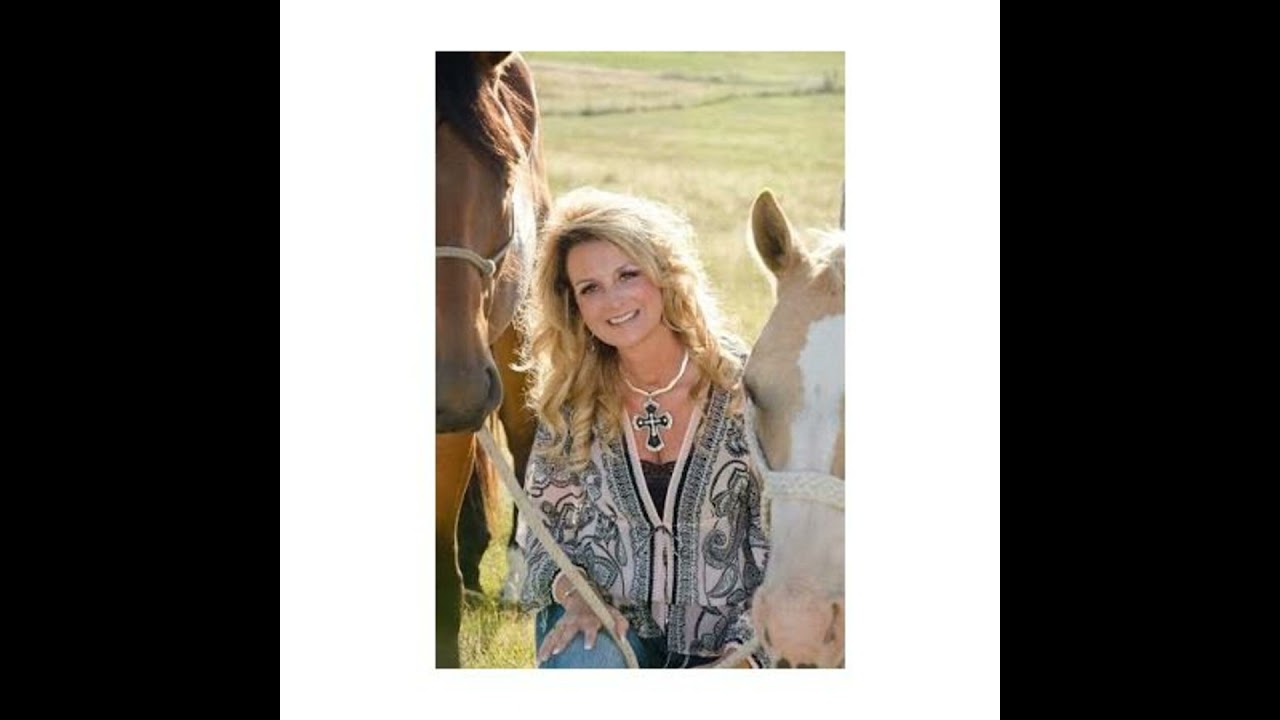
In this episode of Shedding the Bitch Radio, host Bernadette Boas interviews Andrea Hall, a former criminal defense attorney who became a certified equine Gestalt coach and runs Withers Whisper LLC in Colorado. Andrea shares her personal journey—from a high‑stress legal career, through a brain‑tumor diagnosis and a life‑changing horse‑focused Gestalt program—to founding a practice that uses horses as therapeutic partners. She explains how equine Gestalt coaching differs from traditional talk therapy: sessions begin with grounding and body awareness, then clients work in a round‑pen with a horse that acts as a "truth detector," reflecting the client’s emotional state and prompting insight. Andrea describes how the method helps lawyers manage stress, couples navigate divorce and unfinished business, and individuals uncover childhood trauma. Multiple client anecdotes illustrate horses signaling hidden issues (e.g., a horse biting to mirror a client’s past abuse) and facilitating breakthrough moments. The conversation also covers practical details—no riding is involved, the focus is on presence and interaction, each horse’s personality guides the work, and Andrea offers a free 30‑minute consultation. Listeners are directed to WithersWhisper.com, Andrea’s books (including Sex and Justice), and social media for further engagement.
Chapters
Blog Talk Radio.
Hello and welcome to Shedding the Bitch Radio, where you can discuss, debate, and get advice on how to discover and shed the bitches of fear, insecurity, self-doubt, and negative mindsets so you can realize your dreams and life purpose and create and accelerate the riches you want in life. Join us here here live every Tuesday at noon Eastern and dialogue with us at 818-572-2910. Hello and welcome to Shedding the Bitch Radio, where you can discuss, debate, and get advice on how to discover and shed the bitches of fear, insecurity, self-doubt, and negative mindsets so you can realize your dreams and life purpose and create and accelerate the riches you want in life. Join us here live every Tuesday at noon Eastern and dialogue with us at 818-572-2910. You can also chat with us at BlogTalkRadio Shedding the Bitch, or share your stories on our website at sheddingthebitch.com. Whatever the bitch is that's holding you back from living your life to the fullest, it's not worth giving up the riches in life that you deserve. So call in now and let Bernadette Boas know what's holding you back.
818-572-2910.
Good day, good day, good day everyone on this beautiful last Tuesday of August. Can you believe it? Can you actually believe that we are at the end of August and, and kind of rolling into Labor Day weekend this weekend? I just, I can't believe— I don't know where the year went. I truly don't. I was actually on a phone call yesterday trying to reconfigure my outrageous Comcast bill my cable and my internet bill. And even the customer service representative, she and I were laughing and just stunned at the fact that it's already almost September. But we're gonna make this last Tuesday a fabulous Tuesday wherever you might be around the world. Thank you for joining us, and we love the fact that many of you listen live, but majority of you download us and take us with you. So Uh, we always appreciate that, that. And this is going to be a fabulous show because when it comes to kind of uniqueness, uh, we always talk about, you know, thinking outside the box, being creative and innovative, trying new things and all that kind of good stuff. This subject, um, is certainly that all around— how horses can help you heal. But before we get to that, let's see, um It's been just one of those weeks since we've last talked where I'm recognizing the fact that it is rolling into September, that, that's leaving 4 months left to achieve whatever goals and objectives that you've set, that I've set. So I actually have spent a good much of the last week sitting down and really looking at and assessing and reworking my plan. Now typically we always talk about that at mid-year and/or even as we roll into each quarter, but at the same time I just felt that it was even that more important to just make sure that I am grounded in what it is that we're wrapping up the year working to accomplish. So just an idea for you as well as we roll into September, despite the fact that it is 4 months, it's not one of those kind of milestones of a quarter or half a year, you might just want to go back and take a look. And with time going as fast as it's going, it will be the end of the year before we know it, but we're not there yet. So we're going to enjoy the fall kind of, you know, starting to fill the air. The leaves are starting to fall even here in Atlanta, Georgia. The nuts are falling all over my metal carport, um, roof, so it sounds like there's a war going on in my backyard. But anyway, I will welcome, welcome, welcome fall, and I hope you do as well. We have some great guests lined up as we move forward on a variety of subjects. Everything we talk here about your career, your business, your life, and we really are going to run the gamut with our roster of guests coming up. Dorothy Kuhn, Chris Stefanik, we have August Cruz, Elliott Kast. You notice that there's a number of men, and I love when men don't hesitate to kind of reach out and ask if they can, you know, help our Shedding the Bitch community. So that's a beautiful thing. And of course, next Tuesday at noon Eastern time, our first Tuesday of every month is Ask Bernadette. Ask me anything about your career, your business, your life. You could post it all month long, all year round on Facebook or Twitter, whatever that question, story, or challenge might be, and I'm gonna get you some immediate advice, some immediate tips. And if I can't answer the question, such as like this subject today, I don't know much about horse therapy, so I'm not going to attempt to answer that question. I will reach out and get you the expert, such as our guest, and/or resource that you need in order to get the answers that you're looking for. So stay tuned for all of that and be sure you're posting those out on Facebook, out on Twitter, on our Shedding the Bits page. You can— majority of you reach out to me via LinkedIn, which I appreciate, so connect with me as well when you do that. But I get a lot of LinkedIn messages. You can reach me at Bernadette Boas at sheddingthebits.com or our blog sheddingthebits.com. So tons of ways to get the support and the help that you need, including our conversation today. So yes, we are talking how horses can help you heal. We have, we're going to be talking about equine gestalt coaching and our, our guests will explain that for me and for you, but it is how lawyers and professionals are finding ways to create balance and reduce stress in their life. Couples are using it to work on the relationship and heal the unfinished business that might exist in their life. And if they are choosing to divorce, she helps you, and this whole therapy helps you really to do that amicably and, and to put your children first. And then of course you want to be able to co-parent, uh, very— in a very healthy, mature way, uh, and she helps you with that as well. So you're going to learn what about Gestalt and what it is and how it is different than normal talk therapy. And it— she'll also help to correct my pronunciation if that's needed. What this type of healing and why it's different and more successful than other types of therapy, and what is the special gift horses bring to the session and Being someone who's been riding most of my life, um, I definitely have just an absolute love and adoration for, for horses. So I'm looking forward to hearing all about this as well. So if you're here for the first time, this is what we do. I give you a rich question hoping to ground you in the conversation we're going to have today with our guest, and I anticipate, like many of our guests she's going to help you and address whatever that question might be. I kind of did a little something different though today. I want you to really think about where you're sitting now and then consider, if you haven't before, what this type of coaching and this type of horse therapy can bring into your healing. So your rich question is, what therapies have you tried to date And what's worked and what hasn't, and really be honest about that. Make sure that there— you have a kind of an honest, blunt assessment of what you've tried, and if you haven't tried something, at least you can consider this today. But what have you tried, what has worked, and what has not worked? Now, if you are tagging with us, posting on Facebook or Twitter or even on LinkedIn, You can use hashtags #HorseTherapy, #Healing, or of course #ShedTheBitch. We're gonna take a quick break, and when we get back, I am going to dive into the introduction of our guest, and we'll get into this conversation. We will be right back.
You are listening to Shedding the Bitch Radio with Bernadette Boas. We are inspired Inspiring individuals around the globe to discover, confront, and shed their bitches of fear, insecurity, and negativity so they can create the riches in their career, business, and life they deserve. Be sure to check out Bernadette's book, Shedding the Corporate Bitch: Shifting from Bitch to Rich in Life and Business, available on Amazon and sheddingthebitch.com. We also want to thank our sponsors: North Georgia Tax Tax Solutions, who offers a broad range of tax services for small to corporate-sized clients. Go to NGTaxSolutions.com to learn more. And Parker House Virtual Services, who provides virtual assistance and social media support for small to medium-sized businesses. Email Deborah Parker at deborahparker.va@gmail.com for more information. To become a sponsor or advertiser on our program, email us at mediarelations@sheddingthebitch.com. Shedding the Bitch Radio airs every Tuesday at noon Eastern time. Be sure to go to blogtalkradio.com/sheddingthebitchradio and follow the program for all of the updates and announcements of our guests and show topics. Now let's return to Bernadette and Shedding the Bitch Radio.
Welcome back everyone. We are talking horse therapy today and I'm so excited to have this conversation because it is innovative, creative, and a different option for you when it comes to yourself or someone else needing some healing. So our guest Andrea Hall has worked as a high-powered criminal defense attorney for over 13 years, specializing in sex offenses and domestic violence. After discovering a brain tumor, Andrea decided it was time to get off the hamster wheel and leave the criminal justice system behind. Andrea has always loved and was attracted to horse. She has done numerous years of personal coaching with Personal Success Institute prior to getting certified. She was able to combine her love for horses, her ability to coach and help others into a new career as a certified equine Gestalt coach. Gestalt means wholeness, and this is what Andrea and the herd bring to lawyers and couples. She became certified through Melissa Pearce's Touched by a Horse program in May of 2016. She and her husband live in Eaton, Colorado, on 47 acres where she runs Withers Whisper LLC. She has 7 horses of her own and uses them in her EGC work. Andrea works with lawyers who either need to find balance in their life or discover what makes their heart sing again. She also works with couples who are wanting to take their relationship to another level. If divorce is the answer, she and the horses help them heal the unfinished business. A quote from Dr. Phil she loves is, "You have to earn your way out of the marriage before you can become whole." Paul. Check out Andrea's blog, interviews, workshops, and retreats. She is the author of Sex and Justice, and she has two more books coming out this summer where she is a contributing author: Living Your Joy: Creating a Joy-Filled Life by Joyce Graham, and her story is called For the Love of Horses and Touched by a Horse: Equine Coaching Stories. Anthology. So I want you to look at all— look for all of those things. You can reach Andrea. I want to make notes right now of what I want you to be kind of looking at while you're even listening is witherswhisper.com. Check out her book at sexandjusticebook.com. Basically, if you Facebook or tweet with her, Withers Whisper, you're going to find Andrea. Welcome to the program, Andrea. Hello, how are you?
I'm great.
The weather is a little warm and we're in our final cutting of hay this time of year, so it's been busy and sticky and scratchy and, you know, all kinds of stuff when you're around hay and heat at the same time.
All of the above. All of the above.
Well, you have a fascinating story— lawyer to horse therapist. So kind of what really was that breaking point that made you decide to leave your law practice? Because there's a lot of study and a lot of money behind that as well. So tell us, what's your story?
Yeah, yeah, my family really thought I was crazy for a while. I, I actually, before I found out that I had I had been in the middle of a 5-day jury trial, and my 18-month-old puppy died the morning of closing arguments, and I was completely devastated. And it was the first time in my career that I really felt like I could relate to a client, because every morning I would come in, I would attempt to make a record about, you know, I'd had no sleep, I'm not prepared, I'm dealing with a sick puppy, and it would just fall on deaf ears. And at the end, I said, you know what, You know what, I just really need to take a break and step away. And so I played with my nephew all summer long. I went to the pool and amusement parks and rode roller coasters and was like, this is what life looks like? Like, what is going on? And at the end of the summer, I went, I don't think I want to go back. However, it was one of those things where I had student loans, I had bills to pay, and I was like, what am I going to do? Like, this is the only thing I've ever wanted to do my whole life. And it was the first time in my life that I said, what am I going to do? Like, I always knew I was going to graduate from high school, where I was going to go to undergrad, the degree I was going to get. I was going to go to law school, where I was going to go, what type of lawyer I was going to be. And so this was the first time in my life I went, where, where am I going? And what am I doing? And who am I going to be when I grow up?
Right.
And so I did this soul searching for like the next 3 years. And in that process, I was physically getting sicker and sicker. And I finally discovered Melissa's program about a month before I found out I had the brain tumor. And when I found out that I had the brain tumor, that was really the 2x4 upside the head for me. Uh, I said, if I survive and it's not cancer, I'm going to do something different with my life. Because one of the first things I did when they said, you have a brain tumor, I immediately came home and I grabbed my Louise Hay book, How to Heal Your Life. And I went, hmm, imagine that I've lived in my head for the last 30-some years of my life. It's no wonder this has manifested the way it has. And so I said, no more, no more. I have got to do something different. And so when they told me it wasn't cancer, I said, that's it. So I completed my 2-year program with Melissa, and, um, yeah, it was a little bit of a process, and it still is, but I'm definitely, um, happier, more peaceful, more grounded. My body physically changes the minute I go to court. My heart rate changes, breathing pattern changes, my voice goes up 2 or 3 octaves, and I immediately go into fight mode. However, that was what I so accustomed to that I didn't even realize how stressed out my body was. I mean, I remember coming back from a 7-day vacation with my girlfriends in Mexico, and I went and saw my homeopathic doctor, and he's like, you're stressed out. I said, stressed out? I just came back from Mexico. I've been on the beach, had some sand in my crack, had some margaritas for the last 7 days, been with the girls. You know, what do you mean I'm stressed out? And he's like, you function at such a high level of stress that when you think you're relaxed, that's what normal people's stress level is. And I was like, you're crazy, I'm fine. Well, needless to say, after taking a year to recover from brain surgery and realizing how stressed out I really was and how I had functioned, what I thought was normal is definitely not normal.
Wow. Now at this time, and as you're going through this— well, you already went through that, were going through that program. Had you had horses leading up to this whole kind of shift that you were making to where when you did enter that program, it was natural for you to go into that program?
So as a kid, I was always attracted to horses. I always wanted them. However, even though, um, I wanted that, I was raised in what we would call a city. I mean, I lived in a town of 35,000 people, not necessarily a city. However, that's our city, right? So my mom's family was farmers and always had horses. So whenever we had the opportunity to go to visit, that was the first thing I always wanted to do. And in my early 20s, I was in a really bad horse riding accident. And now looking back, I see how I created that situation, because when you get on the back of a horse, your root chakra is connected with their will and determination. And so I, of course, was not in a good space, the horse was not wanting me anywhere near him because I had just gone through a bad breakup with a boyfriend. And so I just was like, I'm going to go ride horse and this is what I want to do. And the horse was like, you need to get away from me.
Yeah.
And so needless to say, when I got on the back of the horse and we took off, he wasn't listening to me. And I of course wanted him to do one thing and he wanted to do something else. And I wasn't an experienced enough rider So when he ripped around on me and ripped the reins out of my hands and took off, I didn't know what to do. So instinctively, I of course squeezed. Well, squeezing a horse means the horse should go faster, not to hold on, right? So the horse was like, she wants me to go faster, I'll go faster. Um, so the horse took off and bolted, and when he did, I could only hold on for so long. And so I ended up, you know, falling off, and I hit the ground in a seated position and flipped like 3 or 4 times. And so I broke my pelvis and shattered my arm and had 3 or 4 operations on my shoulder as a result of it and spent 6 months in a wheelchair. And I just was like, wow. So it took me a really long time after that to become comfortable around them. However, I was still always drawn to them and I couldn't figure out like what was my fascination. And my mom kept saying to me like, didn't 6 months in a wheelchair and laying in a hospital bed cure you of wanting to get on this 1,200-pound animal? And I was like, No, there's something about them that is so soothing for me when I'm around them. I'm just so grounded and peaceful and relaxed and my world disappears. So when I finally got to that place of comfort again, you know, I started taking riding lessons and, you know, things of that nature. So I did not own horses at the time that I started the program. It wasn't until after I finished the program that I actually bought my first horse. However, my husband had horses. So now I've acquired a whole herd, and we have, you know, 6 horses, and we just had a baby colt in March, and we've got another mare that's due in March timeframe in the spring, so we'll have another baby hopefully.
Awesome! Oh my gosh, what a, what a story. Well, first of all, you're like a cat, you have 9 lives that, you know, you know, and let's hope you have more actually, but that's fascinating. And, and what I— what's amazing too is, let me ask you, so you recognize that, you know, even the horse knew at that time that you weren't in the right place. And then even through that, you know, absolutely, yeah. And then through your brain tumor and, and everything else, you know, you were just recognizing that the world of Loll and whatnot wasn't congruent, and, you know, with what you wanted or needed in your life. So, you know, when did you recognize that as you went through that program maybe, or since, that you've had this shift and you've had this, you know, now this newfound breath in your world? Was it an aha moment or was it gradual for you?
I think the awareness of how my body physically changed when I was around the horses came at the very beginning. However, it's been a process to develop that because it's easy for me to go back to what is comfortable, right? This is a new muscle that I'm developing. So for me to be relaxed and in a peaceful state and grounded and centered is new. So am I able to do it? Sure. However, there are times that I jump back, you know, when I take on a client because, you know, we're still robbing Peter to pay Paul and still kind of doing both and things of that nature. So Yeah, when I go back to that, I go, okay, this isn't definitely what I want. It's better when I'm over here on this other side. So I'm definitely working towards being on the side of grounded and peaceful and centered more often than I'm not. However, it's just completely different when I just go hang out with the horses. My world just disappears and I'm like, oh, I could be out here for days and weeks. Why do I ever want to go back over to that ugly side?
Yeah. Yeah, but we can all understand where sometimes we just have to, you know, make those compromises, um, you know, and, and yet, yet, you know, at the same time, you know kind of what it feels like back with the horses. So that might be able to help you and others recognize that, you know, sometimes they do have to make these compromises, but they're short-term, and they know how to, you know, they know what mindset they want to be in, um, even when they have to go back.
Definitely an exit strategy for sure.
Yeah. Yeah, well, and okay, so am I pronouncing that word right? Gestalt?
What? It's Gestalt. You're very close.
Gestalt. Okay, Gestalt coach. Okay, so explain to us, and you did give us a definition within your, uh, bio, but if you can help us all get more grounded on exactly what that is and how it's unique and different than other therapies.
Sure.
So like you said in the opening, Gestalt is a German word that means wholeness. So the difference between talk therapy and what a Gestaltist does— now Gestalt is a therapy technique that talk therapists and other therapists use. You don't have to be a therapist to use it. And the good thing about us and the horses is— so Melissa was a psychotherapist and still actually is for over 35 years. And so she had a ranch in Arizona and also a ranch in Colorado. And when she would leave Arizona in the summer, since it's so bloody hot, her patients didn't want to not see her for 3 or 4 months, so they would come to Colorado. And on their downtime, they would get to go and spend time with the horses. And she saw how people responded after they had been with the horses and the healing that took place. So she took her knowledge that she had of being a horsewoman for, you know, X amount of years, and her— and the combination of the Gestalt technique, and combined them back in like 1985 when this was still really new and you didn't hear about it. Now when you say, oh, I work with horses, people, you know, are very— oh, I know somebody that does that, or I hear so-and-so does that. And there's so many different modalities now, it's becoming more of a a common practice, or at least common knowledge in most everybody's lives. When you say what you do, right, it's not like people look at you like you have 4 heads, like, what? So yes, the, the process of the Gestalt is, I guess how I refer to it, is like we rip the Band-Aid off and we get to the root and we heal that and then we close it up and you're able to move on. Where a lot of times at talk therapy, yes, you're talking. However, we're not necessarily getting to the root of the problem. And 9 times out of 10, and I would even gander to say it's probably 10 times out of 10, we all have baggage. And whatever is going on in your adult life really stems from something that happened as a trauma in childhood. Now, it doesn't have to be that, you know, your dad beat you or that You know, your mom was an alcoholic. I mean, it can be something as little as your teacher told you were stupid or you're not good at math, or you had a boyfriend that told you you were fat and ugly and never going to get anybody better than them. And so you've continued from the time that you took that information in and gathered information to whatever chronological age you are now to say, yep, I'm fat, I'm ugly, nobody's going to love me, I'm not going to get anybody better than them. Oh, I'm not good at math? Oh my God, I'm not good at math. Don't make me do math, right? And so whatever is the trigger now is not really the issue that's in front of you. It's something that is stemmed from childhood. So again, I grew up in a great family. My parents were married. There, there was no cheating. There was no alcoholism. However, I have trauma. My dad died when I was 17. Is my relationship the best with my mom? No, my mom was more of a masculine energy, so she taught me more masculine things than she did feminine things. Did my mom have girlfriends? No, my mom was a workaholic, you know. So there are things like that, and, and it could be great, like your parents might not even know any of that happened, but that's the story you made up about the situation, right? Unfortunately, your perception is reality, no matter if anybody would tell you any different. That is your reality. And so you bring all of that with you. And that's one of the things I tell couples is you are looking at somebody who is chronologically 25, 35, 45. However, they're a 10-year-old child that was hurt when their parents got divorced. They're a 17-year-old girl that was devastated when her father passed away. They are, you know, whatever they are, it's not the person you're in front of now. And so if you can fall in love or at least just acknowledge the trauma of the child that's in front of you, you can then have a different appreciation of the relationship. And that's what we work on healing, because the fact of the matter is, if you don't heal what's going on in this relationship, the next one's going to look the same. The only difference is they're going to be taller, skinnier, shorter, fatter. However, you are the common denominator, and you bring you to the party. So you can get divorced, that's fine. However, you're going to be in another lawyer's office 5 years from now dealing with the same drama if we don't fix what's going on over here, because you're going to attract the same thing. There's no way you're not.
Yeah, because you're not making any, any, uh, shifts to who you're— who you are and what you've brought to the table. Fascinating. Okay, so how do you— so, um, let's convert that, all of that, into trying to paint a picture of horse therapy and what and how, how they come into the picture, and then how this, you know, this obviously a dialogue conversation trying to dig deep and rip off that band-aid. How does that look like for those that don't understand how horses can heal them?
Sure. So horses are healing just in nature by themselves. They have four feet that are planted on the ground and they're connected to Mother Earth and they live in the moment. Where us as human beings typically are not in the moment. We're an instant gratification microwave society. So the first thing I do with whether it's a client or a couple is just to get them grounded and centered and back in their body. So they may have called me and scheduled an appointment 2 weeks ago for whatever reason. He left the toilet seat up again and I fell in, you know, or didn't close up the toothpaste or, you know, whatever, right? Like, that's really not the issue, but that's what set them off to call. Or, you know, I've got a lawyer who's like, you know, I'm in trouble, my marriage is in a wreck, I got to do something. So they call for one reason. However, when they ultimately sit down, it's getting them back in their body and finding what's going on in the present moment, like right here and right now, and working on that. So just to get them away from their cell phone, checking into their body. Can they feel their heartbeat? Can they feel the breathing? Are they in tune with their breathing? And noticing just sounds around them, right, is the first step. And then once we get there, it's like, just tell me what's, what's on your heart at this moment that you want to share. And we start with that process and start fleshing that out. And they're in the presence of the horse the whole time. So the horse is in the round pen. So while I'm sitting with a client, I'm sitting outside of the round pen. However, I'm also watching what is going on with the horse. So the horse is feeding me inner information the whole time that I'm having this conversation with the client. So the horse, in my opinion, is better than any forensically trained FBI agent when it comes to being a lie detector. They will pick up on energy, and they know if you are speaking your truth instantly, because they are attracted to energy that is in congruence with what is true for you. So I'll just give you an example. If I say to the horse, or I say to a question that's been given, you know, what color shirt do you have on? And I said I had a red shirt on, when in reality I had a black shirt on, the horse would not be attracted to that because I'm not speaking my truth. However, if I said I had a black shirt on the horse would be attracted to that, you know. And that's a lot of times what happens when clients eventually get into the round pen, is we start processing stuff and I'll be like, so how's your marriage? Oh, it's wonderful, because they're still attempting to convince themselves that it's wonderful, or they really want to believe that it is. And the horse is like, uh-uh, I'm having no part of that. And I'm like, okay, well, look what's going on with the horse right here, right now.
Right, that's what I wanted to ask. What is physically— is that horse doing in that type of, you know, kind of fake, fake disclosure? What is— what is—
they're ignoring the client. They're absolutely ignoring the client. They want no part of the clients at that point in time. And so I'm the type of coach that believes I don't hold the answers. That you hold all of the answers. I am only here to hold the mirror up for you to see the reflection and to discover what the answers are. So I'm asking the questions and getting them to check into their body to see what is real for them and fleshing that out for them so they get that aha moment. I mean, that's the best for me as a coach is when the client finally has that Oh my God, I get it. I understand. And then the horse joins up with them and the healing really begins. So all my horses have different personalities, just like we as humans have different personalities. And I never know. I just follow my intuition. And when I meet with a client, I say, this is the horse we're going to work with. And I just trust that it's the perfect horse and it's never steered me wrong. They get into the round pen eventually with the horse, and like I said, that's where the real healing begins. They get to connect with a 1,200-1,500-pound animal that they may or may not trust. They may or may not for the first time in their life get loved. They may be able to create boundaries for the first time with a 1,500-pound animal and go, I can do this at home with a human being. Look what I just did with a 1,500-pound animal. Learning how to trust a 1,500-pound animal and learning to trust their own intuition when they step outside into the real world. You know, there's any number of things that can happen, and like I said, it all stems from some sort of childhood trauma, period. Yep.
Interesting. Fascinating. Fascinating. Well, and yeah, so Now if I'm envisioning this, am I picturing someone walking with the horse, eventually getting on the horse? Is it about the ride experience, or is it really just about them being around the horse?
Yeah, so it's— my clients very seldom, if ever, get on the horse. I don't do hippotherapy, and that's what more of the riding is about. A lot of times that's done with people that have some sort of disability. They're autistic, cerebral palsy, things of that nature where the hippotherapy comes into. I do more of the Gestalt or the personal and emotional work. So the horse is feeding them information. So let's just say they were doing something and the horse joined up with them. The first thing I would say to the client is What just came up for you? Like, what are you noticing that the horse just did for you? Or the horse acknowledged, or they gave you an answer about, um, you know, different things happen. Like I said, that the horse is feeding me information. So I may get information potentially from the horse, and then I check in with the client and I'm like, is this true for you? Because something's going on. So if the client's not aware, I would say, okay, this is not a normal behavior of my horse. And I've just ran through in my head— so the horse, let's just say the horse walks up and starts biting on the round pen. And for your audience that may not know what that is, it's just basically metal panels that's in a circle where the horse goes and waits for the client. However, that type of behavior is indicative of me of some sort of addiction, which is typically cribbing or something of that nature where the horse wants to chew on something because they're bored or they have some sort of addiction, right? So mentally in my head I would go, okay, that's not a normal behavior for my horse. You know, do I have any vitamin or mineral nutrition issues with my horse? Okay, I've mentally ran through everything. So then I would check in with the client and I'd go Hey, the horse just did this. What was going on with you mentally, emotionally, or physically? Can you give me something? No. So then I'd look back at my horse and I'd go, okay, I know you're wanting to show me something. I'm either not picking it up or you need to give me another clear sign of what's going on. And the horse goes back and does whatever. So it's like, okay, so now I'm going, okay, there's some sort of an addiction and I need to flush something out more with this client to figure out where they can discover their answer, because the horse is feeding me an addictive, addictive information, and the client's not picking up on it because they're not able to go there, or they don't know that they have an addiction. So we flesh that out, right? And then they have their aha moment, and then there's healing after that. So right now we've just had your aha moment. And how do we move past that? And the horse helps them through that process. And 9 times out of 10, I got a client crying and the horse has got their head completely wrapped around them. They're doing chakra work on them, they're healing their heart. And I got a client that's sobbing with a 1,200-pound animal that's completely got them wrapped in love. And they're going, oh my gosh. I mean, prime example is I had a client— I do a weekly meetup group as well. And this week, it just so happened that I had a bunch of people signed up and only one person showed up. And she was going through some issues, and her husband had just passed away. And so we were working through some stuff, and she said to me a couple times about my horse— and now mind you, I hadn't used this horse in a while— and, um, she said, do you use this horse every week? And I said, no, as a matter of fact, I normally use Justice. And I said, I pulled Joy this week. And she goes, what did you say the horse's name was? And I said, this is Joy. And she said— and she just started bawling. And I said, okay, what just came up for you? And she said, for the last 2 weeks, I've been praying for Joy. And I said, well, there she is. She just showed up. She looks a little different. She has 4 legs and is about 1,500 pounds. However, she's here, and she went into the round pen, we did work, and she was, I bet, you know, 150 pounds lighter when she left at the end of the hour and a half.
Absolutely.
That's so those are the things that happen.
Yeah, no, that's awesome. And it is proof— that story in itself is proof that, you know, when you're asking for something, you know, it may not come to you in the way that you're envisioning. It may come from a totally different source, and in this case a horse. It's just a matter of asking and then seeking help, such as from Andrea Hall. So I want everyone to go to WithersWhisper.com and look over her site, look over what exactly she does and how four horses can heal you. And then I'm going to be mentioning a special gift, I'll call it, that she has for you. But be sure to also LinkedIn with her, Facebook with her, tweet with her. Withers Whisperer, basically you can Google that and you'll find her everywhere, which I absolutely love from our guests. And then of course, check out her book Sex and Justice, and you can do that at sexandjusticebook.com. All right, we have a lot more to talk about, but we're going to take a quick break, and then when we get back, I really want to understand. She works within the legal industry with lawyers. She works with couples. And I kind of want to understand what, you know, what that is all about and how you can leverage her support and her services as well. So we will be right back.
You are listening to Shedding the Bitch Radio with Bernadette Boas. We are inspiring individuals around around the globe to discover, confront, and shed their bitches of fear, insecurity, and negativity so they can create the riches in their career, business, and life they deserve. Be sure to check out Bernadette's book, Shedding the Corporate Bitch: Shifting from Bitch to Rich in Life and Business, available on Amazon and sheddingthebitch.com. We also want to thank our sponsors, North Georgia Tax Solutions, who offers a broad range of tax services for small to corporate size clients. Go to NGTaxSolutions.com to learn more. And Parker House Virtual Services, who provides virtual assistance and social media support for small to medium size businesses. Email Deborah Parker at deborahparker.va@gmail.com for more information. To become a sponsor or advertiser on our program, Email us at mediarelations@sheddingthebitch.com. Shedding the Bitch Radio airs every Tuesday at noon Eastern time. Be sure to go to blogtalkradio.com/sheddingthebitchradio and follow the program for all of the updates and announcements of our guests and show topics. Now let's return to Bernadette and Shedding the Bitch Radio.
Welcome back everyone. We are talking with Andrea Hall who is a Gestalt coach, basically horse therapy, equine Gestalt coach, horse therapy. And her story— one, you have to go back if you're just joining us and listen to her story at the beginning of the hour. At the same time, she is coming out of the legal industry and applying her horse therapy training into that profession. And I'll— and I, you know, that's quite obvious, Andrea, as to why you would pick, you know, kind of be attracted to and, and them attracted to you as far as the legal, legal professionals who are dealing with, with issues and challenges that they need support with. What, what had you focused on marriage and couples and, you know, trying to heal that type of relationship? What— was there anything that kind of drew, drew you to wanting to heal couples?
Yeah, so in my career as a criminal defense attorney, I did a lot of juvenile stuff, and, um, I saw what happened to most of the kiddos when there was a divorce going on. Um, they ended up in my office as a result typically of parents going through a divorce, because, uh, so many times you see the parents, because of the unfinished business, they're too busy fighting amongst themselves about the teapot set from the day they got married, or he was 5 minutes late picking up the kids, or 2 days late paying child support, or he's screwing the secretary, or whatever it is, right? Whatever the drama is that has caused them to get to a place of divorce. And that's why I say, you know, Dr. Phil says you have to earn your way out of the marriage. And that's what you need to do, because lawyers get involved and then it gets really stupid. And I go, you know, I was just dealing with this with one of my girlfriends. 3 years. 3 years it took her to get divorced. And I said, you have spent all of your kids' college savings. Like, I told her, I said, you're gonna walk away from this with nothing. And she goes, well, I can't I can't just leave now. And I go, but you realize at the end of this you are not going to have anything anyway. I said, because you are fighting and in the end the lawyers are going to get it all. And that's exactly what's happened. I said, so you didn't gain anything by fighting. I said, you've lost it all anyway, so you're starting over. But I said, you could have saved yourself 2 years worth of brain damage because you left the lawyers behind. 2 years ago. She goes, well, I didn't know what to do. And I was like, hello, I told you numerous days, weeks, months, years what to do, like leave. I said, because when there's no resistance from the other party, they're gonna fall on their face. I said, so if you quit pushing back, he's not gonna have any resistance. I said, and you can only control you. I said, so if And this is what I tell couples: if you've healed the unfinished business, there's nothing to fight about. You have no emotional attachment to the outcome, right? And you can put the kids first, right? Because that's who's the ones that are going to suffer. Because like I said, whether you did something intentionally to those kids, they've made up a story. I wasn't good enough, that's why my dad left. I wasn't lovable. That's why my mom left. If I had just cleaned up my bedroom more, my mom wouldn't have left. If I, you know, whatever the story is that they make up, and 9 times out of 10, that's not even the truth, right? However, that's their reality. And then they end up in the criminal justice system. And I mean, if I look back at my clients who are 35, 45, whatever, 49 now, and I look back What was the trauma that they sustained as a child? Where were their parents in their life? When was the last time they felt love and support? When did they first get involved in the juvenile justice system? Because you didn't just wake up at 49 and commit a criminal act. Now, some people do. You know, we're dealing with this big case here in Colorado now, this Christopher Watts, who, you know, killed his pregnant wife and two minor children. Like, what caused this man, who was supposedly a loving, devoted father excited to have a third baby, to have the wheels fall off the bus at 100 miles an hour and he just randomly kills three people? You know, right? It makes no sense. For the most part, we don't have that. We have somebody who's been involved in the criminal justice system and been a repeat offender. And I tell my clients all the time, like, this isn't like, um, you know, a special credit card. There's no airline miles, you don't get a free microwave. Like, dude, what's going on here? You know, and it all stems back from what has been the trauma in their life. And a lot of times it's from divorce. I mean, 50% or more of marriages end in divorce, and they're not clean. And when they are clean, typically lawyers are not involved. And that's either because you have a couple that is not typically a fighter, they don't like confrontation, or the emotional attachment is done. They, they know the marriage is over, and so they're not fighting about the little piddly stuff, right? Which is what typically happens in the relationship, and the kids are not thought about. So when I saw over the last 13 years what has happened, as well as a lot of times sex offenses and domestic violence are associated with divorces Mom is mad. Mom doesn't want Dad to see the kids. Oh, Susie came home and said Dad touched her. Um, you know, we're going through a divorce. I'm mad at him. He's got a new girlfriend. He pushed me. He tried to take my cell phone away from me. Now he's looking at domestic violence charges. You know, the list goes on and on. They're typically all intertwined. You don't just have one typically without the other. And so I knew that if we can deal with the parents, then there's hope for the kids. And that's a lot of times what happens in the juvenile justice system. It's the kid's fault, so let's put the kid in therapy, let's put the kid in drug rehab, but let's send them back to the crappy environment they, they have. And they wonder why they don't get better because we're not fixing what's going on at home. You're putting on a band-aid that needs a tourniquet and staples or stitches, right?
Now, are you, um, also helping the children, or you're just dealing with the children who are now grown and have to figure out what happened in their childhood to, you know, to get them to that point?
No, so typically when I work with couples, the first place is starting with the couples. However, it ends up being a family affair if they're willing to do that, just because there's, there's trauma that has already been sustained as a result of what's going on in the relationship. And like I said, I mean, this doesn't have to be somebody that's got, you know, abusive husband or an alcoholic wife or been, you know, sexually molested. We all have trauma, no matter how big or little it is. An ounce of pain is an ounce of pain, right?
Absolutely, absolutely, absolutely. Would you have any other stories of how the horses have helped your clients?
Oh gosh, well, I mean, every Yeah, every situation is healing in its nature. And the client always has an aha moment. I don't think that there's been one situation where I can say that a client hasn't been moved or had some sort of an experience. And there's borrowed benefit to everybody who's in the presence of the event that's taking place with whoever is having the experience, because we can all relate, or we know somebody who's going through something similar. So another example, One of my meetup groups, I had a mom whose son committed suicide probably a year before she was doing my meetups. And I normally use Justice, like I said earlier in this interview. All of the horses at the ranch that I was doing my work out of before we got our property has all rescue horses. And Justice was a horse that had been rescued like the rest of them. I had not had any issues in the past with Justice. However, for some reason, Justice was looking like he was wanting to bite at this lady, and I kept saying to her, like, what is going on? This is not my horse's natural behavior, so something is going on. And she just kept saying, I don't know, I don't know. And finally, her best friend who was there with her that day said I have something to say. Can I say something? And she was pretty intuitive, and she said this is exactly what her son used to do to her because he was a drug addict. He would pick and pick and pick until she finally caved and gave him what he wanted, whether it was money or food or pay rent or whatever. And so she wasn't able to pick up on it, yet I knew Justice was wanting to say something. To me, right?
Right.
And the minute that happened, she was like, oh my gosh, that is exactly what he used to do to me. And she just had this, you know, total epiphany around what was going on in their relationship. And, you know, we worked through some stuff, and the minute she had the awareness and was told, Justice stopped, stopped biting at her. But I kept saying to her, he's wanting to show you or tell you something. I don't know, because this is not my horse's behavior. He does not bite, he does not nibble. Something is going on. And like I said, the minute she acknowledged that that's what her son used to do to her, Justice stopped, and he didn't bother her again the whole time she was in the round pen. We processed some other stuff, and he did his work like he normally did. Uh, but prior to that, yeah, I just was like, okay, what is going on? And of course he was getting mad at me because he knew he wanted me to recognize something, and I kept going, you need to stop, what are you doing, this is not your behavior.
Yeah.
And yeah, he didn't— she didn't have an awareness until it was brought to her attention, and once she did, she went, uh-huh, I get it, I get it, that's what he used to do to me. And justice stopped.
Sweet, sweet, sweet, sweet. And, you know, we all know— I mean, every— my community knows how much I love dogs and how, you know, how just healing they are and how comforting and how— oh yeah, you know, those endless love. So horses as well. It's a beautiful thing. And I told you even before we got on the program, I just absolutely love, love, love the work that you're doing. Um, and everyone, thank you. Oh, you're welcome. But everyone, I want you to really think about and remember our question. If, if you tried other things before, really assess and be honest with yourself as to what— whether it's worked or it hasn't worked. And if it hasn't worked, that's okay. This is an option and something you might want to consider too. And she is offering— Andrea is offering a free 30-minute consultation to see how the horses and Andrea can help you heal your unfinished business. So I want you to make note, and we will make sure this information is, is that actually also posted in our tweets and our updates. So for those of you maybe driving and listening, do not like attempt to make note of this phone number or email while you're doing that, but you can call her directly at 970- 682-4405, or you can email her at andrea@witherswhispers— witherswhisper.com. At the same time, you can always go to witherswhisper.com, go to the contact page, and it'll provide that same information. So reach out to her, 30-minute free consultation she's offering, and she even mentioned before the program. It actually is even more than that because she'll follow up with you, kind of recap what you've, you've talked about and maybe what suggestions, tips, or advice she provided. At the same time, you can have a conversation with her. Yes, she's in Colorado, as she mentioned, and therefore if you have any questions about, you know, going out to Colorado and working with her one-on-one or any of the other services she provides, Be sure to get that information from her while you have that opportunity to get her expertise for 30 minutes. In our last minute or so, Andrea, is there anything else, advice, tips that you'd like to provide our listeners regarding this? It's been a great and very, you know, opening, mind-opening conversation.
Yeah. I think the last thing I would like to say is that I think people really need to trust their intuition. And my philosophy is the whisper of the horse echoes the spirit of the soul.
Ah, that's gorgeous. Can you say that again?
The whisper of the horse echoes the spirit of the soul.
Ah, that just gave me chills and goosebumps. That's beautiful. I love that. I love that. And I know Deborah's captured it so we can share it out as part of our program. That's awesome. I so appreciate you being part of the program, Andrea. This has been a very enlightening conversation.
It was an honor.
Yes, it was beautiful, and I look forward to following you and hearing more about the great work that you're doing., with the horses. So thank you.
Well, thank you so much.
You're very welcome. And everyone, like I mentioned, we do have Ask Bernadette next week. Before I get there, before I get there, I'm sorry, be sure to go to WithersWhisper.com and check out the work that Andrea does. Reach out to her on Facebook, Twitter, you can even LinkedIn with her. And again, Withers Whisper will get you pretty much everywhere you need to go in order to reach out. And really learn how Andrea's work can benefit you. So I sincerely appreciate that. And back to what I was saying, on September 4th, next Tuesday at noon Eastern time, we will answer your questions, stories, or challenges when it comes to your career, business, or life. So be sure, if you haven't already, go to Facebook, go to Twitter, Shed the Bitch. You can reach out to me on LinkedIn, even at Bernadette Boas at sheddingthebitch.com. Be sure to get the advice and the support that you need, whether it's next Tuesday on our Ask Bernadette episode, all month long, or even reaching out to Andrea Hall, our guest, to really understand how her horses can heal you. But we are very happy and honored to have you here with us each week, Tuesdays at noon Eastern time, and I hope you all have a beautiful and prosperous week. We'll look forward to having you right back here next Tuesday, everybody. Thank you.
Thank you for listening to Shedding the Bitch Radio with Bernadette Boas. Join Bernadette every Tuesday at noon Eastern as she helps you shift your bitches to riches. And the dialogue is always going on at sheddingthebitch.com. See you next week.
More from Bernadette



From Stuck to Leading, Episode 2 — Meet the 5 Inner Fears Destroying Your Leadership



