Staying Connected in this Topsy-Turvy World w/ Sharon Williams
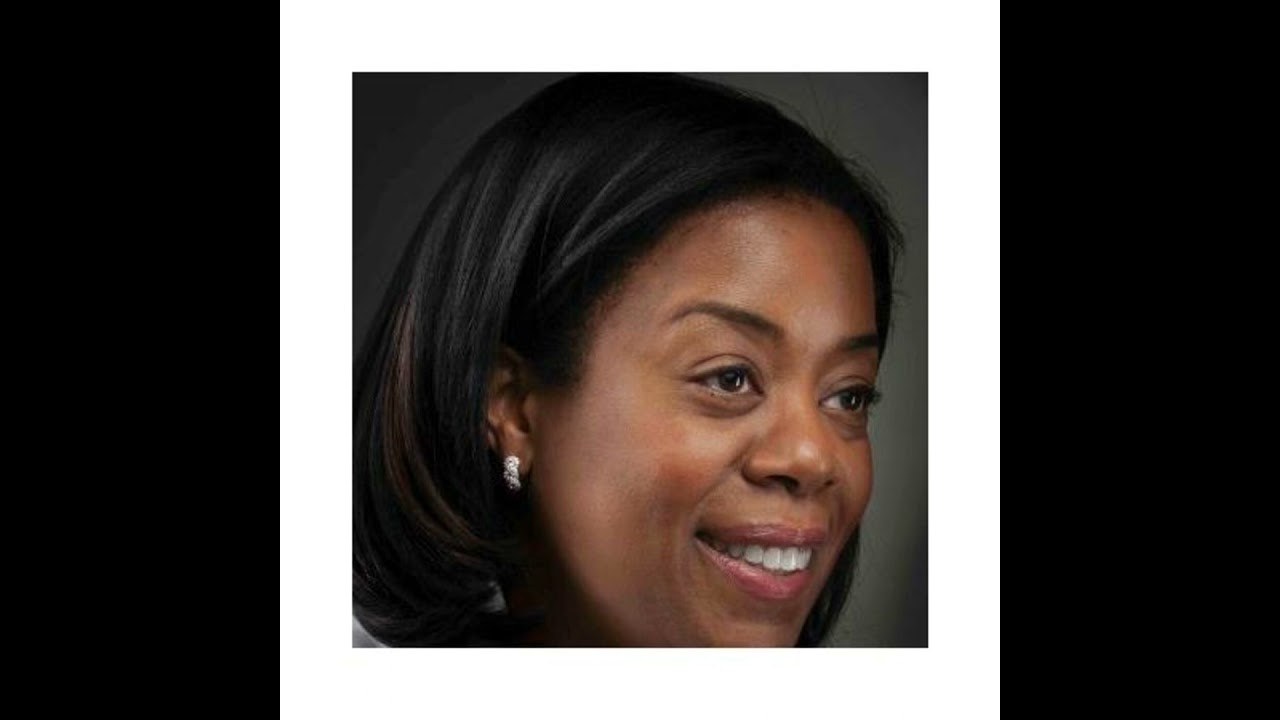
Sharon Williams, CEO of Go Blue Technology, discusses how genuine connections shaped her 25-year healthcare career and entrepreneurial path. She built a Bluetooth charging system for public spaces and shares practical advice: track milestones, follow up consistently, listen actively, and put your phone away during meals.
Chapters
BlogTalkRadio.
Hello and welcome to Shedding the Bitch Radio, where you can discuss, debate, and get advice on how to discover and shed the bitches of fear, insecurity, self-doubt, and negative mindset so you can realize your dreams and life purpose and create and accelerate the riches you want in life. Join us here live every Tuesday at noon Eastern and dialogue with us at 818-572-2910. You can also chat with us at BlogTalkRadio.com/SheddingtheBitch or or share your stories on our website at sheddingthebitch.com. Whatever the bitch is that's holding you back from living your life to the fullest, it's not worth giving up the riches in life that you deserve. So call in now and let Bernadette Boas know what's holding you back.
818-572-2910.
Good day, good day, good day everyone. And let's see, happy last day of Hanukkah. Happy last maybe 6 days till Christmas. And I'm in studio. I'm so excited. I'm in studio with our guest Sharon Williams.
Hi, Sharon. Hello, Bernadette.
How are you?
Fabulous, because I'm with you.
Aw, stop making me blush. Anyway, it is a wonderful day. It's actually warm in Atlanta right now.
Which is fabulous.
It's fabulous, except it's been really weird because you wake up to like 47-degree weather at 7 o'clock in the morning, and there was this deep creepy fog over the city. And I happen to walk my— I happen to walk Charlie, my dog. They all know Charlie. He's not here with me because we're in studio today, but— and we are recording, so you'll be able to see this on Shit in a Bitch YouTube channel. But so I take Charlie to our local park, and it has this big meadow which is just gorgeous. And it was really creepy there the other morning— yesterday morning, I think it was— because it was just like this fog, just not like off the ground, which, you know, fog kind of floats. It was like thick all the way to the ground.
Yeah.
So you really couldn't even see anybody. So I'm like, all of a sudden, I'm like feeling like I'm in somebody's murder mystery, going, OK, is somebody going to jump out at me on the— you know, from behind a tree or something? And then we were walking down the path, which was even eerier. Down the walking path and ran into a young woman with her dog, and she's like, oh my God, thank God I ran into somebody. She goes, this is the creepiest walk in this weather. And I said, well, I said it is, but then yet it's in this very kind of very nice community, cloister community.
Anyway, enough of that babbling about— it wasn't difficult, but it was mystical.
And we've gotten over the, um We had Ice-Mageddon, I guess, a few years ago. What did they call this whole disaster at the Atlanta airport the last couple of days?
Just a hot mess.
Yeah, it was a hot mess, wasn't it?
Chick-fil-A had to come rescue people and feed them.
Oh my— and then I also saw— so yeah, shout out to Chick-fil-A. Shout out to Krispy Kreme too, because I saw some clippings of them handing out dozens and dozens. And I actually thought about it. I was like, I wonder if I should get in my car and like take stuff down there. And then I thought, no, I'll just be adding to the mess that could be going on down there.
So, and the fleets were actually turning people in.
Oh, were they? I wasn't sure if people were able to come in to pick up, you know, family members or whomever and take them to hotels that were all booked. You know, it was crazy. It was crazy. But I hope you all were able to kind of like work your way through it and you've gotten wherever you need to go or you're working on it because I believe Some of you are still trying to get where you're supposed to be going because we are in the thick of it. We're in the last days and you're all trying to get home to your families and friends. So let's do it safely, calmly. Let's do it with joy in our hearts because you know what? You can't control the situation. It is what it is. Take a deep breath and just kind of, you know, hang out and enjoy the people around you. Enjoy the sightseeing of watching people and let them carry on. You don't have to carry on. Let them carry on. Let's see what else is going on. Last night of Hanukkah, like I said, happy, happy Hanukkah to all my friends around the world. Obviously, everybody's crazy and shopping. I'm not going home this year to my 11 brothers and sisters and all my nieces and nephews, which is hard. At the same time, I'll just drink a lot. And my sisters who are listening to this are going, yes! She will.
Yes, she will. No, I'm kidding. Somebody has to.
Yeah, somebody has to, you know? But I am going to miss everyone. And I tell them, like, every day on Facebook and on our tweet— on our text side— how much I'm going to miss them for the holiday. And you are going to New York, upstate.
Upstate New York, my family. Where you're from. Yeah, we'll have a white Christmas.
Hey, you know, you can't beat that.
Yeah, and good food.
And good food. I bet. Do you do the turkey thing on Thanksgiving?
We do ham.
Do you?
Yes, scalloped potatoes.
Oh, nice.
We do a prime rib.
Nice.
We'll do turkey one of those days, because my dad loves turkey.
Right. Well, friends of mine— because for Thanksgiving we have these orphan Thanksgivings, just whoever is left and don't have a family to go to. And we invite them kind of as a group of friends hanging out. So we obviously Thanksgiving turkey. Yeah. But then a debate started with, I don't want turkey for Christmas. I don't want turkey for Christmas. And I'm sitting there going, I'm sure as hell having turkey for Christmas.
Oh, you are?
You're a turkey person?
Yeah, I'm a turkey person. Because it's the only time I really eat it, at Thanksgiving and Christmas. So if anybody wants to cook pot roast or ham or anything, that's all fine and good. I will be buying myself, if that's the case, a turkey and cooking it and making sure I have tons of leftovers. Oh yeah, oh gosh, drum and bread, some turkey, tomato, little dash of salt, it's a beaut, and mayonnaise. It's a beautiful thing. It's a beautiful thing. Let's see, over the next couple of weeks, that's where just like, we can just talk food the rest of the hour. But speaking of talking, over the next couple of weeks, Deborah even mentioned Deborah Parker of Parker House Virtual Services.
She's out there.
Hi, Deborah.
Hey, Deborah.
She's always on mute, so she's like, hello. I always take a few minutes to get back to my call to unmute. Of course, of course. But she even mentioned the fact— oh my God, I just totally lost— oh, she even mentioned that we only have really, I guess, two— when is New Year's? So I think next week is really the last Tuesday of December. Before we get into the new year, 'cause New Year's is Monday, right?
Right.
The following Monday. Yeah. So yes, we only have one more radio episode of 2017.
Wow.
And as promised, and as we always do for the last 5 years, next week we'll be talking goals and resolutions and how to keep them, not just writing your goals, but we'll share tips and advice and sometimes tough love around how do you keep 'em? You know, I heard this very funny video this morning, and it was this guy that was joking about the fact that these people in the gym should stop bitching about the newbies, the year, you know, the new year newbies, because they'll be gone by Valentine's. Well, that doesn't make me feel good. You know, that doesn't make me feel good. I'm very, you know, big on goals and sticking to them. So we'll talk about that next week. We also have talked about, though, over the last couple of weeks We've talked about everything from managing the chaos at this time of year, overall stress, it doesn't matter if it's just at the holidays, and what you can do about that. How do you overcome the holiday blues? A lot of people deal with depression and sadness and loneliness this time of year. And sometimes you don't even know it. You can look at somebody and they look like they're kind of in the spirit, and yet they're dealing with a lot of stuff internally. So we talked about that. We also talked about, last week especially, We talked about how to find a job this time of year. I don't know—
it's hard.
You're corporate, we'll talk about that. And you know, they do all these layoffs the Monday after Thanksgiving.
Yeah.
And people are just like, what the heck? It's, you know, the holidays, and yet you're laying me off. And there's, you know, there's— don't take it personally, there's a lot of business reasons behind that. But it's also a great time of year to find a job, is during this time of year. So we've talked about that and provided you tips and things that you could be doing right now in regards to that. Check out our past episodes, you can go to blogtalkradio.com/sheddingthebitchradio. You can go right to our sheddingthebitch.com radio channel on Shedding the Bitch, our website, and you'll get all the past episodes as well. Don't forget our YouTube channel for Shedding the Bitch. And just like today, I have Sharon in the studio, we are videotaping, and so you'll see past episodes that we've had the pleasure of having our guests in studio, and you'll be able to see our lovely faces and see that I'm actually not looking like somebody from Long Island with big hair and big nails and whatnot, which I've been described as before. Okay, um, I'm actually, you know, that redhead Irish woman, whatever. So anyway, let's see what else is going on. All right, let's get into this conversation, shall we? We are talking connection. And there's a reason why we're actually having this conversation. We'll get into all that with Sharon, but we want to talk about connection. And a lot of people don't know how to make connections. And then when you make that connection, how do you foster them and really leverage them in your career, business, and life pursuits? And then there's kind of a technical— technology— technological way to stay connected. And this is the woman that's going to help you do that as well. So we're going to be talking about all of that, and we're going to tie it into being both a corporate professional and an entrepreneur and how to start, manage, or grow whatever kind of career it is that you're establishing for yourself. Alright, so we always leave you with a rich question to kind of get into your head as we're talking. Most likely our guests will address your question, and if not, then you always have an opportunity to go out to our Shedding the Bitch Facebook or Twitter page and leave us questions or comments or stories. You can also— I'll make sure you have Sharon's contact information throughout the show in case you want to reach out to her individually. And then you can always just reach out to me directly at BernadetteBoas@SheddingtheBitch.com, and I'll always make sure that our expert receives whatever question I can address for you, or you direct it to that guest. Okay, so here's your rich question for today. We're going to be talking about connections, relationships. What is your biggest challenge when it comes to making connections, uh, to the people that can help you, uh, really advance, or advance in your career, advance in your business growth? Maybe you are looking to start a business of your own It requires relationships.
It requires connections.
So what could you— what is your challenge in doing so? And think about that as we're talking. And if you're formulating questions, great. You can always call into us too at 1-818-572-2910 while we're live. And I will also watch the chat room in case anybody wants to kind of connect with us through the chat. So there's a lot of ways to get any of the questions that you have addressed. So that's your question, your biggest challenge when it comes to connecting, and your rich tags. Use the rich tags connecting or the hashtag connecting or the hashtag #shedthebitch. Okay, all right, when we get back, I'll introduce you formally to our guest and we'll get into this conversation. We'll be right back.
You are listening to Shedding the Bitch Radio with Bernadette Boas. We are inspiring individuals around the globe to discover, confront, confront and shed their bitches of fear, insecurity, and negativity so they can create the riches in their career, business, and life they deserve. Be sure to check out Bernadette Boas' book, Shedding the Corporate Bitch: Shifting from Bitch to Rich in Life and Business, available on Amazon and sheddingthebitch.com. We also want to thank our sponsors, TSR Consulting, who offers a broad range of tax services for small to corporate-sized clients. Go to TSRConsulting.com to learn more. And Parker House Virtual Services, who provides virtual assistance and social media support for small to medium-sized businesses. Email Deborah Parker at deborahparker78@gmail.com for more information. To become a sponsor or advertiser on our program, email us at MediaRelations@SheddingTheBitch.com. Shedding the Bitch Radio airs every Tuesday at noon Eastern time. Be sure to go to blogtalkradio.com/sheddingthebitchradio and follow the program for all of the updates and announcements of our guests and show topics. Now let's return to Bernadette and Shedding the Bitch Radio.
Welcome back everyone.
We are in studio with Sharon Williams. She's the CEO of Go Blue Technology. More importantly, she's the CEO of really being able to help you get connected or, or get relationships that can help you really prosper in whatever goal that you might have. And this is the perfect time of year to have this conversation as you're not only defining your goals, but you're all amped up to go into the new year with whatever goals you're going to be pursuing. So let me formally introduce you to her first, and then we'll dive in. Sharon is a healthcare executive and entrepreneur. Innovating technologies with Go Blue Technology to keep people connected. She has more than 25 years of experience in healthcare operations and policy with over a billion dollars of P&L responsibility. As a senior executive for several health plans, she was responsible for the overall operations of the health plan, including strategic direction, administration for all existing programs, and the development of new programs to ensure goals and objectives were met or exceeded. She has led and directed the overall improvement of operations, including provider contracting and relations, sales and marketing, claims operating systems, call center responsiveness, medical management, regulatory compliance, and finance. I was gonna start laughing when I read call center responsiveness, because I think every one of us want better call center responsiveness.
Yes. So it's awesome to have you.
It's awesome, awesome, awesome to have you. I want, as we dive into this conversation, I want you to be immediately connected with her. So please go to gobluetech.com, and that's blue without the E, so it's gobluetech.com, and SharonWilliamsPortfolio.com, and you can learn all about both of her technology that's gonna help you get connected, as well as all about Sharon herself. You can also Facebook with her at Sharon Williams. Tweet with her— oh, I love her Twitter handle. Tweet with her @SWHealth007. 007. That's right. Health 007. So that's SWHealth007. The girl thinks I'm wack.
I love it.
LinkedIn, of course, Sharon Williams, but you'll specifically find her as Sharon A. Williams. And, uh, and then of course, um, you can always— again, if your answer to your rich question is not addressed, then you can always email her directly at swhealth007@gmail.com. And I'll remind you of that throughout the program. All right, now that we've gotten all that, so help us understand kind of your background and your experience in the healthcare industry and kind of than taking it from corporate to being an entrepreneur?
Sure, and I love how you described my background. It sounded very exciting. That's more than it really is. You know, I started off my career kind of right out of grad school, and I was able to get my first job through connections. And I worked for an insurance company, and I got the interview because I had reached out to a friend of mine. Her dad was on the board of this company, and through this connection and he remembered me from high school. I went to convent and made the recommendation. So I was literally right out of grad school working for the chief operating officer for the largest health insurance company in upstate New York, and it was a great job, and I, and I loved it. And I think part of how I succeeded in my job was building great relationships with everyone throughout the organization and leading kind of enterprise-wide initiatives where it hits every single department. I needed people in order to reach my goal. I couldn't do it without them. And so high pressure, big goals, and I would just like bribe— nothing bribe people, but if I needed something kind of pushed ahead, I would show up with coffee, I would show up with a bottle of scotch. You know, when people saw me coming, well, they knew I was going to ask for something, but they knew I'd appreciate it. And part of building connections and keeping both my career and these relationships going is little things like saying thank you, or you're awesome, I really appreciate it, I know you're doing your job, but I appreciate you. And these are relationships I still have 25, 30 years later. I can still call on these people, and these people call on me. And I think as I look through my career, and I've moved through a number of different health insurance companies, all throughout the country. I think my greatest achievement is maintaining those relationships where anybody can call me if they need something. Yes. And so it's not all high-tech. Some of it is actually, you know, low-tech. It's just an email, it's a text. We're all connected on LinkedIn, Facebook, Twitter. And I think the other thing is when I just think of somebody, you know, if they just pop into my head, I call them or I reach out. So there's no regrets there. And I find that they do that with me as well. And I just love to hear somebody's voice, like, Sharon, I was just thinking of you. And I love that. And so to make the leap from kind of working for companies, helping them make millions, right? Right. Billions.
Right.
Right. Well, how can I do this for me?
And when did you make that leap?
What was the year?
It was a few years ago.
Okay.
So 2015. Okay. And I don't know why I didn't think of it earlier. You know, 2014 I started my consulting practice, but I really kind of kicked it into gear in 2015, right? Said I've really got to be deliberate about this. I have to build my own website. I can't just rely— I did it for a couple years, just word of mouth, because I had this kind of connection, right? That's how I started my business.
You mean, and when you say that, you mean from Prospecting and lead generation?
My lead generation was purely my network.
From your network.
Yeah, and I realized, okay, I've got to be a little more systematic about this, especially if I want to grow a little bit larger. Because people would say, well, show me your website. I didn't even have a website because I was busy. But I wanted to get beyond that. So I was like, okay, Sharon, 2016, I've got to get professional. Get a website, get a social media presence, and really build on that. But you find that even with all the social media, relationships never go out of style. It's in person, it's a phone call, and it's really just following up with people on what matters to them and really being able to listen.
Well, yes, and listen, I just cut you off.
You did it well.
To write, listen. And the reason why I did is because I wanted to kind of also touch on something that you said earlier too, when you were talking just those same points about connecting. And you mentioned that you, you know, you have them 25 years later and you're able to call on them. And connecting is not necessarily, you know, when you go out to these networking events and you have these people pushing their business cards in your face, you know, and then they ask you for their, you know, for your business card, and then they put it in a database and they start blasting you with, you know, these newsletters that you never even wanted.
This is—
what you're doing, what you're talking about is more fostering of those relationships and those connections, right?
Yes, I think of it as tiers. I'm glad you pointed out the business meetings and the social networking. When I think about my deep relationship, that's my tier 1, that's my home base. Those are deep relationships that I've built and cultivated over the years. I still go to events, I still take people's cards. You and I met at an event, right? We're sitting next We looked at each other like, who is this fabulous woman? We exchanged cards, right? No, you know it. And then I thought, who else do I want to introduce you to?
Right.
So I think we're natural networkers in that way. Yes. But even on LinkedIn, I get a lot of young professionals that reach out to me. I don't know them, but they say, you know, I saw your background and I'd like to learn kind of how do I get your work experience. And believe it or not, I say yes to most of them.
Nice.
And I say yes because I believe in paying it forward. Absolutely. I want to be the kind of mentor that I wanted, and I thought to myself, if you're brave enough or bold enough to reach out to somebody on LinkedIn and you're really just looking for advice, right, I'll do it. Plus, I'm also a coach, so I like to help out younger professionals. If I can make their path easier than mine, yeah, then let's do it.
Absolutely, absolutely. And I think a lot of I call them seasoned women.
Okay, seasoned, all right, I'll take it.
Yeah, yeah, yeah. Spicy.
Spicy.
Yes, she is. But, and I'll tell even them, because there are a lot of seasoned women that are making these transitions. And not even necessarily from corporate to entrepreneur, but they're just waking up to the fact that they really should have goals and passions of their own that they should be pursuing, even if they are heads down in a full-time job. And I'll even say to them that it's not just, you know, shooting an email or a LinkedIn connection, you know, that doesn't have a nice message to it, or just kind of like being very unintentional about it. You don't want to have an agenda, but you want it to be meaningful, you know, in order for that person to respond. And you're accepting those invitations because they made that connection with you, but more so they must have been genuine in what it was that they were looking for from you.
You know, you're spot on, and I loved your example about seasoned women reaching out about transition. About a month ago, a woman reached out to me on LinkedIn, and she's a chemist, and she works at a major pharmacy company. I'm not going to mention the name, Fortune 100, you know, and she's seasoned in her career. We just started talking, and I think she wanted to make the move to work for a health plan, and she wanted to know if she could leverage her pharmacy experience for health plan. I was like, absolutely. And I just talked about her current experience. I said, well, are you asking for support? If there was somebody out there you have a good relationship with, you're calling him your mentor, right? Do you ask him for opportunity? She just said, you know, I didn't even think to ask. Right?
Break my heart.
Right? And I also said, well, if you have this great relationship, why not ask for what you want? Right.
Right.
And she just got really quiet. And then I asked her, don't you think you're worth it? And I think a lot of women struggle with worth and struggle with value in relationships. Absolutely. And there's a lot of fabulous, amazing women, a lot of fabulous people out there, but it's in particular women, there's research that shows us that we don't ask for the raise, we don't ask for the money, we don't ask for the opportunity. And I would tell a lot of people that I coach, the people you want something with or want something from, they're not psychic. You have to kind of claim what you want. And I thank my mom for that. Believe it or not, you know, I was raised the youngest of 4. I have 3 older brothers. And, um, Either boys too.
It's the boy environment you were into.
Oh, definitely, because they have to stand up. They have. And I watch them, you know, they ask for mom for more money and vacations and all this stuff. And I would just observe that. But my mother always said, don't be passive-aggressive. If you want something, claim it, right? Claim it and just own it. And I think throughout my career, part of how I've been able to, um, move up the food chain and even become a successful entrepreneur, have my own business, is because I'm claiming what I want. And sometimes that's the hardest thing.
Number one, what do you want? Right, right. Well, yes, right, figuring that out.
And once you figure that out—
and be honest about it. Don't be scared.
It's good to be scared.
You know, there's a level of fear you want in answering that question, but it— because it'll turn exciting. It'll be an exciting fear, you know, and yes, you might not know even what— how you're going to go about pursuing that, you know, but you have to be honest with yourself about what it is you want. Absolutely.
You got to claim it, right? And because you really can't grow in a comfort zone, it's got to be a little painful, a little scary, and you face those fears and you get stronger and stronger, right? And less fearless.
Yep, absolutely.
Yes, fabulous. I know, I love it.
Well, and I think what you, what you also said too is, um, because, you know, 25 years ago you started making these relationships.
Yeah.
And now let's say 2015, '16, but you're also getting ready to, to launch a new— not just a business, but a new technology, a new product. You're going to be able to reach back to those people from 25 years ago.
And I'm the same way.
Yeah, I can reach back to my network even after everything I put my network through, as you all know about. But I can reach out to some of them and really still, you know, pull in that support, pull in that, you know, guidance, that mentorship. And that is what is absolutely just not only critical, but just so empowering about connecting.
Yeah, because nobody gets anywhere alone.
No.
You know, we're all interdependent.
Right.
And it's kind of— that took me a little while to learn, to be honest. It seems fairly intuitive, maybe for some of you watching, but this idea of like meeting people, because I just, you know, I'm a superwoman.
I don't need anybody.
But to say, you know, I really want your support for this project, especially Go Blue, because it's new. It is new technology. I'm learning a lot, and I know I would not be able to do what I've done with Go Blue without the support of like ATDC, the accelerator, or being co-located at Tech Square Labs. —here in Atlanta, in Atlanta, Georgia Tech. You need that community, right, of like-minded people who all have that entrepreneurial hustle, and they're genuinely excited for me, for people who are doing the work, and they want to help, and they want you to be successful.
Yeah, which is, you know, in especially corporate individuals, not just women, but corporate individuals, they just think it's all about, you know, that individual. It's it can be so consuming of selfishness and greed as opposed to, you know, coming out. It's not just in entrepreneurship. I don't want to make it sound as if it's just entrepreneurship, but you're also experiencing how they want you to be successful.
They do, and they actually said, "I want you to be successful." Right. And when I start talking about Go Blue, and we'll talk a little bit about what that is, but they get very excited and they say, "Well, who do I know?" How can I connect you? Yes. And I, you know, especially manufacturers, things that are all brand new to me. If I didn't have the support of ATVC, the support of Tech Square Labs, I would not be able to do what I'm doing today. So even just the idea of Go Blue, we actually went to a startup boot camp, and because I was just trying to think how How am I going to go from this corporate position to really kind of being an entrepreneur full tilt? They talk about burning the house down. Well, I didn't burn my house down. I didn't burn my house down. I'm doing it in a transitional manner. I came close. I came really close.
I know you did. Your story is amazing. Yeah, I came really close, but go ahead.
Yeah, no, so I didn't burn the house down. Built connections in different boats. But this idea of a mobile device charging on the go. And so even the name of the company, Go Blue, B-L-U, because it was the aggregated Bluetooth technology. Right. That's where that came from.
Some people hear Go Blue and they think Michigan.
Ah. And it's like, no, no. No, no, no. Bluetooth technology. And so just starting with an idea of also building community. Because we think about technology, sometimes it's you see people totally engrossed on their cell phones and they're really not connected. So we were thinking immediately of an energy community. Right.
Well, and on that note though, we're going to take a quick break because I do want to have kind of like a whole introductory conversation about Go Blue, what you're doing, how it is tied to this conversation about connecting. And because everybody, you definitely want to learn about this. So we're going to take a quick break, and when we get back, we'll continue our conversation with Sharon Williams of Go Blue Technology. We'll be right back.
You are listening to Shedding the Bitch Radio with Bernadette Boas. We are inspiring individuals around the globe to discover, confront, and shed their bitches of fear, insecurity, and negativity so they can create the riches in their career, business, and life they deserve. Be sure to check out Bernadette Boas' book, Shedding the Corporate Bitch: Shifting from Bitch to Rich in Life and Business, available on Amazon and sheddingthebitch.com. We also want to thank our sponsors, TSR Consulting, who offers a broad range of tax services for small to corporate-sized clients. Go to TSRConsulting.com to learn more. And Parker House Virtual Services, Services, who provides virtual assistance and social media support for small to medium-sized businesses. Email Deborah Parker at deborahparker78@gmail.com for more information. To become a sponsor or advertiser on our program, email us at mediarelations@sheddingthebitch.com. Shedding the Bitch Radio airs every Tuesday at noon Eastern time. Be sure to go to blogtalkradio.com/sheddingthebitchradio and follow the program for all of the updates and announcements of our guests and show topics. Now let's return to Bernadette and Shedding the Bitch Radio.
Welcome back everyone. We are talking to Sharon Williams all about connections, but there's a reason for it. Sharon, well, I'm going to let her tell her story. But Go Blue Technology, so gobluetech.com, I want you to go and check it all out. All right, so I am excited for you, and I don't blame all those other people in the technology arena and the community, which is very tight here in Atlanta, Georgia. But you have to tell us about this and kind of what you were getting into, kind of why you came up with this idea and how it's going to benefit every single one of us that are listening and watching.
All right. I'm excited too. So what is Go Blue? So Go Blue is a mobile device network community so that you can charge your mobile device on the go. What we're doing in the B2B, the business-to-business connections, we're selling emitting tiles. These are tiles where you can rest your cell phone on the tile while you're at a coffee shop, at the car dealer, and while you're doing whatever it is that you're doing— Having drinks. Having drinks, yes, you do that well, girl— that you can charge your cell phones on the go. And so we're excited about that. So there's a business community that will be purchasing the tiles, and then the consumers will just download the app to get access to the energy at no cost to the consumer. That, I mean, so everybody's excited about that. I remember even when I talked to you about this, you talk about connecting. In the tech world they call it customer discovery. So you talk to people and really listen to what they were saying. One of the first things he said to me is, well, I like it. How can I get this? Are you guys going to sell this to businesses? Right. And that was like the number one question we get as I share this story. So it taught us a couple of things, um, that we need to be prepared to sell the tile to consumers. We'll do that through our website. It's not available yet, but it will be in 2018.
Right.
Um, so we will have a direct-to-consumer product as well, but What I love about selling the product to businesses, the businesses really want to offer value to their customers. Sure. And you'd be surprised, more businesses want consumers to spend more time. There's a reason places like Starbucks want you to come in and bring your laptop and make it their office. Mm-hmm. You're going to consume more coffee, but you'll do it in a more relaxing environment. So you can imagine that these tiles that we're creating, they'll be able to customize a surface. So an entire table, for example, instead of just having 2 or 3 outlets, the entire table can be configured with these tiles that will snap together like Legos, right? Nice. Each tile has 3 different cells. You can rest your cell phone on the cell, almost anywhere on the tile, but maximum energy transmission on the cell. Charge your phone, they're waterproof, so if you spill your coffee or your cocktail—
hahaha— no, it's alcohol.
No, you can't do that. You can just keep going. So our first pilot is going to be at a restaurant at the Atlanta airport. Okay. And we're also going to have a pilot at Tech Square Labs. So it's kind of two different demographics. You've got kind of like real consumers that are going to use it at the airport and kind of tech-focused people that will really give us The business application, the business application, and just kind of more detail. Now, can you custom—
like you said custom, but can you just like have a design on the tile so you can license it? Absolutely, yes.
So clearly companies I know that would want to put their logo. Absolutely. Or, you know, there's a gentleman who's an artist, he's like, what if I want to design my own cover? You know, to be able to take that artwork and customize it.
Absolutely. Now the only You know, the one thing that I'm, as a consumer, I'm thinking about too is we will get more advertising in our face because like, say for instance, this is Rome, you know, I'm at my Rome Innovation workspace as our studio today. And so they have these beautiful farm-like tables and if they had them and they had like Starbucks advertising, because yeah, I mean, if it was me, I'd buy one and wanna use it as a, you know, advertisement. In another business. But I just, I just think it's awesome because I often forget my tech. I often forget, like today we forgot our microphone. Yeah, you know, you forget and you want something that's very convenient and very easy.
Yeah, I think the other thing we were thinking about with advertising is to make it more passive. So it's true that we may be able to print something on the actual tile, but there was another discussion around having advertising on the app Yes, that's true. And we're not going to do that, phase 1. Ah! Part of our customer discovery is, you know, we want the energy, we want— we're like in the restaurant or at the car dealer or at the hookah spot doing whatever it is we're doing, we don't want to constantly be bombarded. So we wanted to really kind of value the energy transmission and make sure that we get like energy utilization, things like that, back to the, the end user. Nice. Yeah, just for kind of phase 1. So we're not in a rush to really get in there and kind of use the communication platform for advertising. It's not to say it's not there, right?
Right.
And I think the other piece is people romanticize advertising and tech. They go, oh, we're going to be like Facebook or Twitter. You have to have billions of users to be able to get meaningful return on investment.
Well, not only that, but as your customer discovery sessions continue, um, because I know right now, uh, Facebook just changed up a lot on their platform and there's a lot of communication online about the videos now are— have advertisement, have commercials. Yeah, they don't just have the banner down the bottom, right? But in order for you to see whoever's video you just, you know, kind of clicked on, you're going to actually get commercials in the middle of that of that video and people were like, I did not sign up for this type of thing.
And what they're preparing you for is the subscription services if you don't want the advertising. So I think for years we've gotten used to a lot of free content, right? And now we've got to pay. Either way you're going to pay, either through exposure to advertising or you're going to pay through subscription services, right?
As a content provider and creator, it's kind of like, oh, but as a consumer it's like, oh, you know, it's good for me as a content creator creator. Not so good for me as a consumer, but anyway, love it. Okay, so, um, we have a lot more to talk about, about connections and relationships, so don't go anywhere. We're not going anywhere. But where can they kind of just stay in touch as this launch is happening? Because I would think at some point too they're going to want to— like, you know how you can find your Starbucks? Yeah, you know, they're going to want to find the restaurant in the airport that have these tile type of thing.
Yeah, so two things. The website, you could sign up and be on our mailing list.
Go tech dot com.
Go blue tech dot com. Go blue tech dot com. B-L-U. We're good. Go blue tech dot com. Yes, and as we get ready for kind of broader product launches, we're gonna have that information on our website. I think the other is once you download the app, when it becomes available, and by the way, this product is for both Android and Apple, products. Okay, it's not in the stores yet, but it will be in 2018. On the app itself, it has all the locations for the Go Blue Network. Nice. Yes, and then you can search by name, you can search by location.
Name of what? Name of a restaurant or name of a— okay, or name of a provider, right, right.
McDonald's, it could be a hotel, right. There's just a lot of interest right now. We're just really trying to manage the expectations and demand. We want a high-quality product for our marketplace. Launch. Sure, absolutely.
So you're thinking 2018, early, middle, late?
So our product launch—
I'm not pressuring her into a deadline, just kind of a time period. I love your energy and enthusiasm.
Thank you. First quarter 2018 here in Atlanta. Great. Woo! After that, we've already got manufacturers lined up. It's like we just can't move staff. Yeah, I bet. So by second to third quarter, we'll have broader product availability. Great.
I am so excited for you because I just know how much you've been putting into this. And, and blah blah blah.
I love it. I love it.
And I need it because I, like I said, I often forget my, forget my little chargers and stuff like that. All right, so we're gonna get back into— so just go to go blue technology or go blue tech.com, and also just link in with her Facebook, with her, and, uh, she's a great, you know, individual. SharonWilliamsPortfolio.com, you can also learn more about as well. All right, so we're, we are talking about these connections, and, and the one thing that, you know, we were talking about how you, um, how you, uh, can, you know, whether it's email or a phone call, but you then mentioned and talked about maintaining them. What do you suggest? Because you are a coach and you, you have clients when it comes to them starting, building, and growing their business and themselves as leaders. So what do you recommend that they do in order to foster and maintain and really build relationships, just not, you know, line items in a CRM application?
Right, thank you. I mean, so there is part of it, the CRM piece. So I do track birthdays for my really close friends. I know their children, their husbands, or significant others, their spouses. And I don't necessarily send cards for all of that, right, right, right, but it's like, you know, I had a friend who just had her 26th anniversary with her husband, and I called it 26 years and he's still alive, so congratulations, you know, so, and then she had to call me, and then we, you know, we start chatting, so here's some really basic tips to connecting, you know, and especially if it's somebody you want to develop a relationship with beyond wanting to sell them something and beyond wanting to get something from them. I think at its core, it's really important to share values with the people that you want to connect with. It can't be just transactional, right? That's really empty. And we could talk about— I know you had somebody here a couple weeks ago talking about sales, right, and building relationships in the sale. That's something different, and that was a fantastic video, and I highly recommend watching that video on sales. So this is about really connecting, building relationships with people you share values with, because when you don't share values, there are some things that come up that, you know, in the long term make it really challenging to keep that relationship and keep it authentic. So assuming you really care about the person, and it is about kind of building relationships, then I would think about reaching out to them like quarterly. Think about it either as a phone call or an email or a text depending on what the person likes. The other is if you see articles or something of interest that you know the person would enjoy. Love that. Like one of my best friends, actually I've known her since my freshman year of college, okay, I'm not gonna say how many years ago that was. They'll figure out I'm old as Methuselah. Yeah, like she loves the Foo Fighters, right? We've been to like several Foo Fighters concerts even here in Atlanta. Oh wow, okay. So they were on SNL and they did this great version of like the Christmas song and one of their classics. And Rolling Stone sent out the video, right? As soon as I saw it, I thought of her. So I sent her the video and said, you know, I thought she would love it. And then she just texted me back Thank you for thinking of me and Merry Christmas. Nice. So it's not rocket science, right? But it's when you know something somebody likes or is interested in and you see it, maybe it's a New York Times article or a Facebook posting, we share all that as a community. Yes. And even on my LinkedIn site, you'll see that I post certain things and I have certain friends I've known since grad school at school, and they'll respond, thank you, Sharon, you know, for sending that. Or if they post something, they'll call me out, Sharon Williams, I saw this science article because I'm a geek and I love NASA, I think you'd appreciate this, you know, the meteor showers or something. So it's sharing common interests and not kind of waiting for an invitation, or waiting for an invitation to reach out to somebody. It's really just coming from the heart, it's a very authentic place. Yep. And it's just, people appreciate that. They appreciate being thought of. So the birthdays, anniversaries are kind of the easy ones, but I think it's just coming in contact with your daily life. Right. In article content, a video, and just sharing that.
Well, and I think that you brought up the point of the birthdays and anniversaries, and I'll be the first to admit, I am horrible when it comes to sending cards or whatnot for birthdays and anniversaries, and my 11 brothers and sisters will say will agree with me. However, because I have a few sisters that, you know, they're organized, they have a box, they have all these cards in there for all the different occasions, and they have probably the list taped to the box of everybody's, you know, birthdays and anniversaries. But since I was a young kid, I just— I always celebrate, but I do it in a way of like phone calls, you know, a nice little image I'll pull down off of, you know, the internet, and I'll send it to them. You know, I've been gone away from them, kind of, you know, next door to them since I was like 17. No excuse, there's a post office right down the street from my house. I just— it's just never been something that I've really been good at. So I just realized that, well, the most important thing is connecting. And so I'll, you know, reach out to them, I'll send them a video. Like nowadays, you know, for the last few years, I'll, you know, do a video and sing them a song, something that I know will embarrass them, and post it on Facebook. And then I'll send it to them personally. But, you know, so I think it's just getting creative too, right, as far as being connected and doing it genuinely. Yeah, because again, those business cards being pushed in your face, it's not what it's about. It's— and even LinkedIn, LinkedIn, you know, you'll get barraged with invitations to be LinkedIn, and that— but at the same time, it's like, make it personal. Read their profile, add something in there, you know, to kind of just say that I actually— you mentioned listen before, and that's a degree of listening, is to really you know, kind of even on their profile, you can listen to what it is that they do and who they are in their profile and reflect back to that.
Absolutely. And I think the reflection piece is key in all your relationships, whether it's personal or professional. Mm-hmm. People want to know that you really see them and that you're listening to them. So, you know, I'm a management consultant, that's my bread and butter for the most part, and my clients sometimes say, how do you know that? This? Or how can you— you haven't been here long enough. How do you know? And it's like, well, I listen to your people, I listen to the calls, I listen to what's being said, I listen to what's not being said, I pay attention to tone, I pay attention to body language. But you can hear so much even on a conference call when you ask a tough question and how people backpedal verbally. You know, you can hear the hem and a hem and a hem. You can hear it. And so then, then I follow up. So I'm not going to put anybody on blast. You know, when you've got 20 people on a conference call, that's right. I never do that. Or sometimes I'll text my client, if it's the CEO or CFO, like, I don't know if you're hearing what I'm hearing, but let's follow up on the beautiful thing with technology. Yeah, you can do that. You can do that on the side. Um, because, you know, I really, I care deeply about operational outcomes. You'll see that on my website. But in executing value, part of that value is really just listening in ways that I think surprises my clients and even sometimes my friends. Yeah. And so being able to reflect that and reflect it hopefully in a non-threatening way. Right, right. And making time—
I've known you for a while, not real long, but I can never imagine you coming across in a threatening way.
Well, you know, thank you for saying that. So there's two things I just learned in that statement, right? Well, you're a very powerful woman and you're not a fearful woman. You live, you lead with love. You lead with passion and you're authentic. So you're not going to be threatened by somebody like me because you're authentic. In the business world, there's a lot of people who are not authentic. That's true. That's true. And in the business world there, I don't care whether you're an entrepreneur or working in corporate or nonprofit or government, human beings are human beings. And so many people are driven by fear and driven by scarcity. So, um, and so it took me a while to learn that because I'm not a fear-oriented person, right? But it took me a long time to realize how fearful people are, especially if people who have an understanding of what they're doing. So if I'm leading with content and I want to engage you on content, let's talk about— let's have to make— build a connection, right? Mm-hmm. And I like to keep it real, and I'm talking to you, and you don't do this, but you know there's people out there who BS, right? Then I'll ask a couple of other questions, right? And then I can hear the hemming and hemming and hemming, right? And then for some people, just asking questions or trying to get clarification or an objective reality, because I do think facts matter. And you know the political environment we're in right now. Yes, facts are under attack, right? Objective reality is under attack. So to have those conversations, um, I still need to kind of own my power. I need to stand in it, stand in my truth, realize, know me well enough to know that I'm not trying I'm not trying to threaten you. I'm not even trying to challenge you. I'm trying to do the job that you're supposed to be doing, competently and expertly.
Yes.
And even just being a woman doing this, you can throw on the person of color too. If you're watching YouTube, you can see me. That sometimes just— I'm not even leaning in. Right. And my mere presence can be a trigger for people. Yes. So as you're building connections, it's kind of— Understanding your audience, right? Understanding who you're talking to, and but most importantly, knowing who you are, knowing the value. I know the value I bring to the table, and I know I'm not a bad person. I know I'm not trying to do anything to anybody, and I just need to stay consistent with that.
Yeah, God, that's awesome. That's awesome. Well, because it's so true, and I was that— I was one of those fear-driven individuals when I was in corporate. That's what everything is about. And, and so I can so relate when you say that. Actually, I start getting like angst in my, in my gut when, you know, it still comes up and it reminds me, you know, that— and it reminds me in a good way, you know, I never want to go back to that person, but I'm gonna keep you in check type of thing. But I think she's making a great— you're making a great point about, you know, it's not even just kind of showing up and having a conversation with someone. It's really being even present. Yeah, it's being in the moment, which I've been training myself for a long time now to do, to stay in the moment, get out of my head, be in the moment, listen, engage. Sometimes it's hard, like in a kind of a position I'm in right now, trying to manage a couple things while I'm, you know, talking, you know, interviewing and talking to somebody at the same time. I'm doing those things, but I'm not off trying to figure something else out. I'm just trying to get something, you know, a multitasking thing done. But I think it's, it's important that people just really need— if they really want to truly connect, and especially like you saying, you know, these 25-year relationships, these 20-year relationships, these 10-year, 5-year— we've known each other maybe now a year. Yeah, you know, yeah, probably about a year. And, and, and we'll know each other for a longer period of time. Because we truly want to, and it is authentic, and it is genuine, and it's not without— with any motive or agenda. And so, you know, that's what the importance of connection is. That's what the importance of connection is. All right, I want to make sure I'm not overlooking any really critical conversations that we wanted to have.
But can I just pick up something you said? Because it was really profound. Absolutely. Yeah. Absolutely. You talk about being present, and I think a lot of people today I don't care if you're, you know, whether you're a parent, you're in the workplace, has difficulty being present. These little smartphones that we carry, I know I could just mimic the positioning right here, people are just face down the entire time. Even just walking in the airport, people are just face down. Sometimes when I'm feeling a little devilish, I'll put my hand in front of somebody's face when they're walking and they'll go, "Oh, what the fuck?" And I'm like, dude, look up. Do that. Look up. It's a simple thing, but part of being present is putting down the cell phone. Sure. Like, if I'm having dinner with a friend, and I have a friend that I love dearly, and actually, I met her on LinkedIn. Isn't that funny? We actually met in real life, and I'm practically like an auntie now to her lovely daughter. And her husband's like, oh, Sharon's here again. So we go out to eat and she starts with the cell phone. And I have to say—
The daughter does?
No. Oh, your friend. Oh, okay. My friend.
And then sometimes I just look at her and I say, are we going to have dinner together or are you going to have dinner with your cell phone and invite me? And then she'll go, okay, I'm going to put it down. I'm going to put it down. She really like can't help it. She's addicted to her phone. But I think part of just engaging somebody is putting down the cell phone. It's distractions. Yeah. And so I was having it with another friend and she brought her date. And her husband and their kids, and it was just a bunch of us. And as soon as we sat down, my friend, she's a mom, she goes, "Okay, give me your cell phones." Everybody puts their cell phones in the middle of the table. They're not allowed to look at them, and they've gotta like have conversation with people at the table. I think that's just another tool about being present. She says, well, she wants the Go Blue Tile so she can charge everybody's phone, when they're not at the dinner table, you know, off to the side, right, right, right, so they can, they can engage. Interesting.
Well, and I, you know, I heard on CBS This Morning or something the other day, and there was a group of young people they were interviewing, and they, they've adopted that practice. You have to. That if they're coming together and that they're really true friends and they really want to kind of, you know, be with each other, they just had to make sure that they got disconnected from it. And I'm as guilty as the next person, and I'll train myself to kind of put my phone in my trunk when I'm in my car, I'll put, you know, put the phone in the other room when I'm at home, and it is, it's just, it's hard, and because that's not connecting.
No, it's not. That is not connecting. I'll give you one last example. Being present is so important.
You know, all my family lives in upstate New New York.
I'm the one who moved away. And so I talk to my mom on a daily basis. I start my day with my mom. Sometimes I've got a lot going on, so I start multitasking. And she's like, Sharon, I can hear the keys clicking. This is our visit. This is my time to spend with my daughter. Do you have time for me or no? And I'm like, I'll put it down. And then I have to put my laptops, because I have several, I put them away. I said, I'm walking away, Mom. I'm giving you my undivided attention. Yes, we're gonna have a visit, right?
You have to. It has to be intentional. It has to be intentional. We are like all out of time.
It goes so fast. Do you believe it?
I think we made a connection, and hopefully we've all made a connection with all of you listening to us. Oh gosh, we're gonna have to do this again because we have like, you know, lots more to talk about. Um, but connection is what's key, and This is the time of year, guys and gals, this is the time of year that we all do, we are going to be gathering with people, even people that we might struggle with and strain with. Yet leverage that time to really just connect, even connect in your disagreements, connect in your, you know, your, you know, with each other.
Just find a way to connect.
Because we all are different, we all have different belief systems, and just find a way, challenge yourself over the next couple weeks in this chaos of the holidays and New Year's to just kind of teach yourself to find a different means of connecting and to be really present and intentional with that connection. All right, well, Sharon, thank you so much for being part of that.
You know, love it, love it, love it.
Everybody will be able to see our smiley faces tomorrow when I get it up online. Next week we are, we're talking not only goals, but we're talking about what can you be doing to keep them so you're not one of those people that bail out by, you know, February Valentine's or even, I was trying to think about it, St. Patrick's Day in March. People kind of tend to bail out by the February, March time period. And then go to our sheddingthebits.com radio page, look for our radio episodes in the past go to our YouTube Shedding the Bitch channel, see our lovely faces. But everybody have a rich, prosperous week, and I will look forward to having you right back here next Tuesday at noon Eastern time. Thanks everybody. Bye-bye.
Thank you for listening to Shedding the Bitch Radio with Bernadette Boas. Join Bernadette every Tuesday at noon Eastern as she helps you shift your bitches to rich. Riches. And the dialogue is always going on at sheddingthebitch.com. See you next week.
More from Bernadette



From Stuck to Leading, Episode 2 — Meet the 5 Inner Fears Destroying Your Leadership



