Why women love strong men with Elliott Katz
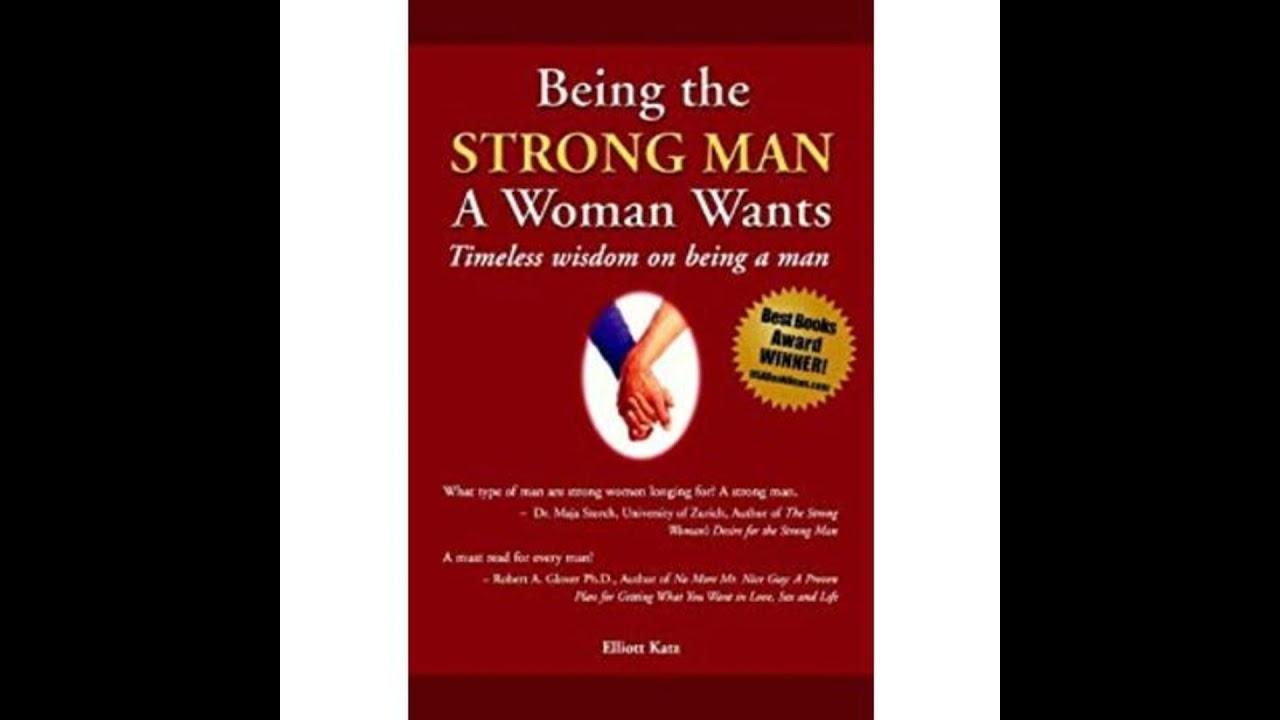
In this Shedding the Bitch Radio episode, host Bernadette Boas interviews relationship coach and author Elliott Katz about his book Being the Strong Man a Woman Wants. The conversation explores why many women feel modern men lack leadership, decision‑making, and responsibility, and how that gap stems from historical shifts in family structure and the loss of male role models. Katz explains the "timeless insights" passed down by fathers that he believes are essential for men to become the leaders women desire. He shares practical coaching methods, real‑world examples, and advice for both men (how to step up, solve problems, avoid over‑criticism) and women (how to encourage leadership without controlling). The dialogue also covers the demographic range of men seeking help, the rise of men’s groups, the importance of communication, and the mutual need for respect, appreciation, and shared responsibility in relationships. The episode ends with promotional plugs for Katz’s book and upcoming show topics.
Chapters
BlogTalkRadio.
Hello and welcome to Shedding the Bitch Radio, where you can discuss, debate, and get advice on how to discover and shed the bitches of fear, insecurity, self-doubt, and negative mindsets so you can realize your dreams and life purpose and create and accelerate the riches you want in life. Join us here live every Tuesday at noon Eastern and dialogue with us at 818-572-2910. You can also chat with us at BlogTalkRadio.com. Shedding the Bitch, or share your stories on our website at sheddingthebitch.com. Whatever the bitch is that's holding you back from living your life to the fullest, it's not worth giving up the riches in life that you deserve. So call in now and let Bernadette Boas know what's holding you back. 818-572-2910. Good day, good day, good day everyone. I seem to have a bit of a tickle in my throat. How are you? This is Bernadette Boas. You are listening to Shredding the Bitch Radio, and I'm so excited that you're here with us on this. Um, uh, at least in Atlanta it's nice, bright, and very chilly, which is what I've been begging for, for the like the last, uh, 3, 4 months of our steamy hot weather here in Hotlanta. Um, I hope it's beautiful, wonderful wherever you are, morning, noon, or night. I'm just thrilled that you, uh, have taken us along with you. Or maybe you are listening to us live. We have a huge audience of people that download us and take us, um, wherever they might journey, uh, in their day. So we're always thrilled about that. But it is a beautiful fall day. Uh, we are gearing up for Halloween, I guess. And, uh, it's just so interesting to me how One day we are kind of shedding off our, our clothes because it's so hot and so humid and just overall nasty, and then the next— literally, literally the next day, um, we were at 40 degrees, uh, yesterday morning I believe it was. And I, and I— my whole body responded to it, and I was pretty much laid up for the past day and a half, 2 days due to that change. But I'm welcoming, I'm welcoming late October and November. It's gonna get into the holiday season, which we will not talk about just yet. But at the same time, it does kind of bring a new sense of cleanliness, I think. The fresh air coming through, the chills coming through, the leaves falling, it just creates a really wonderful cleansing process. But I'm very excited about today's show. Many of you have heard my journey and my adventures when it comes to men and relationships over the last 5 or 6 years of the radio program. And so that is something we're going to touch on today with our guests. But before we get there, just some upcoming shows that we have going on, being that it is getting into late October, into a new month. Next week we'll round off the, the month with Dallas Woodburn, and I'm very excited to talk to her. She too, just like many of our guests, has a really great slant on just opening up your mind, opening up your heart, and opening up yourself to the changes and the transformations and the mind shifts that just bring us closer to our goals and our dreams. So I'll be looking forward to having that conversation with Dallas. And then we are getting into November, so the first Tuesday of November, or first Tuesday of every month, we have our Ask Me Anything episode, which basically you can post your questions, stories, challenges, gripes. You can post them onto our Facebook or our Twitter pages, Shedding the Bitch. I get a lot of them, most of them actually, through LinkedIn, right to my profile page on LinkedIn, and of course you could just look me up there as Bernadette Boas. People do email me, not as often, but they'll email me directly at BernadetteBoas@sheddingthebitch.com. But whatever means you happen to take, you can even call in live during the show. We don't need to mention your name if you don't want us to. But if you do want to talk to us live and really drill into whatever question or story or challenge you might be having, we could do that as well. With our episode that's the first Tuesday of every month. But when you do post on Facebook, Twitter, or elsewhere, I do respond immediately so you get those resources, you get those tips, and those pieces of advice. However, we then bring them here so other people can learn from what might, might be, you know, something they're dealing with that you also have dealt with. And of course, that's what we want to do here is to share our lessons, our blessings, our best practices, and all of that kind of good stuff. So that'll be, I believe it's November 6th, if you can believe it, the first Tuesday of November. Let's see, what else is going on? That's really it. So let's get into this conversation with our guests because I'm so looking forward to it. And typically what we do is we introduce you to the the topic of discussion. I will give you a rich question to think about and to ground yourself in around the subject, and we pretty much guarantee that your question most likely is going to be answered by our guest expert. And if it's not, then you're provided all their contact information so you can reach out individually to them. You can engage them. You can hire them. You can buy their books, whatever the case might be. We make sure you have all of that information for you to do that. Then we take a quick break, we come back and we get into the introduction and this deep conversation regarding why women love strong men. So many women today are frustrated with today's men who ask them out and then can't even choose a place to go for a cup of coffee. Married women are fed up with men who won't show any leadership and won't make a decision. In this episode, we will discuss with our guest how men can become the strong men that women love and need, and how women can help inspire their men to become leaders. So I want you to be listening to, to learn how men can become the strong men women love, why men today aren't being taught to be strong men, that women love, and then how women can encourage them to be the strong men they want. All right, so based on this question, it delves into a lot of areas, men and women. And let's even say if you happen to be in a same-sex relationship, it's your partner, your partner who you may want to be stronger, to be more of a leader, to be more of a decision-maker. So what I want you to be thinking about in this conversation is what are the traits and qualities of a man do you need to be a better you? What qualities or traits do you need from your man, in your man, party of your man, for you to be a better you? Now if you're Facebooking, tweeting with us, you, you can use the Rich tags relationship advice, hashtag strong men, or #ShedTheBitch. All right, when we come back, we're gonna dive into this conversation about why women love strong men with our guest, and we'll get an introduction to him and be ready to sit at the edge of our seats wanting to know what we could be doing to get better partners and better mes, I guess, yous. We'll be right back.
You are listening to Shedding the Bitch Radio with Bernadette Boas. We are inspiring individuals around the globe to discover, confront, and shed their bitches of fear, insecurity and negativity so they can create the riches in their career, business, and life they deserve. Be sure to check out Bernadette Boas' book, Shedding the Corporate Bitch: Shifting from Bitch to Rich in Life and Business, available on Amazon and sheddingthebitch.com. We also want to thank our sponsors, North Georgia Tax Solutions, who offers a broad range of tax services for small to corporate-sized clients. Go to NGTaxSolutions.com to learn more. And Parker House Virtual Services, who provides virtual assistance and social media support for small to medium-sized businesses. Email Deborah Parker at deborahparker.va@gmail.com for more information. To become a sponsor or advertiser on our program, email us at Media Relations at sheddingthebitch.com. Shedding the Bitch Radio airs every Tuesday at noon Eastern time. Be sure to go to blogtalkradio.com/sheddingthebitchradio and follow the program for all of the updates and announcements of our guests and show topics. Now let's return to Bernadette and Shedding the Bitch Radio.
Welcome back everyone, we are talking Why Women Love Strong Men. So after the end of a relationship, our guest Elliot Katz sought to learn about being a man in a relationship. He found books on relationships, but they said little to him. He found powerful timeless insights in the lessons that fathers and other male role models taught younger men. People started seeking his advice and would say, why didn't someone tell me this before? Moving beyond the trendy ideas about a man's role that don't seem to work, Elliott Katz shares insights on being a man that have withstood the test of time. Interestingly, these insights are the traits that he heard many women complain are lacking in men today. His book, Being the Strong Man a Woman Wants: Timeless Wisdom on Being a Man, is striking a chord and saving relationships around the world. It has been translated into 24 languages by publishers in Europe, Asia, Latin America, and Africa. He has done more than 200 radio and television interviews. He teaches the principles in this book to men and women and speaks at conferences to groups of men and women. I want you to all go right now, you can go out to Amazon and look for his book, Being the Strong Man a Woman Wants. You can also go to Elliott Katz's website to learn more about our guests. Welcome to the program, Elliott.
Great to be here.
I am so excited to talk about this. This subject has been, even before you and I kind of connected, a conversation that many of my— my being single, I have many single friends, and it's been one of those top-of-mind questions and discussions that we've had ourselves for many of the reasons that you talk about, whether or not, you know, there's trendy ideas going on about a man, you know, about a man's role these days with the feminist movement going on. Um, so I'd love to learn some backstory first as far as— I understand, you know, what happened to you at the end of a relationship, but really what led you to not only learn those things but more so put them in writing and write about it.
Well, that's a good question. So, like a lot of books of this type, it was my own journey. Like I said, I was married and then I got divorced, and like a lot of people, at first I blamed the other person. Then I came to the point of asking myself, "What do I have to learn from all this? I don't want to go through this again." And that really set me off on a journey. And like, as you said, I read books. They really didn't say anything to me. And it was only when I turned to those timeless insights that, you know, for generations fathers taught their sons about being a man. I was blown away because they coincided with, like you said, with what I heard women complain is lacking in men today. They don't show leadership, they don't make decisions, and they don't take responsibility. There seems to be a giant disconnect between all the things that men are being told and what women really want. And why I put it together in a book is, like, you know, as I was learning things, I was writing it down. And really, when you write something down, it helps you make it part of yourself. Like, it puts it in your mind, makes it part of your character. And when I initially wrote the book, I thought, "Well, this is just for me and my friends." And then I thought, "Well, this is sort of a North American phenomenon." But really what I realized is that this is human nature, that men have to be taught what it means to be a man in a relationship. It doesn't come naturally to them. You know, as you said, the book has been translated into 24 languages around the world, and places like Brazil where machismo originated, and in Japan where you think every man has a geisha. You know, in Eastern Europe and Western Europe, you know, in Italy, like it's all these places. So what it really made me realize, this men need to learn these things. It just doesn't come naturally to them. And then so today we have a lot of confused men who are really trying their best. You know, I meet a lot of divorced men who are decent people who really thought they were being good husbands and fathers and don't understand why they weren't appreciated. And And, and when I— as you said, when I tell them these things, when I teach them, you know, you have to be a leader, you have to know what's going on and take charge. It's like no one's— why don't they say, why didn't anyone tell me this before? You know, no one told me this. I— right, it's the first time I've been told this.
So, right, right.
All these women, there's all these people. Go ahead.
Well, let me ask you a question, because even as you expressed it verbally, not just in the writing When I first hear about, you know, the— when I first hear words such as timeless insights, and you know, I'm one of 11, or I'm one of 12. I have 6 brothers. My father, you know, was a much older father, and yet he also came from a time and a generation that, you know, spoke to more of the woman in the kitchen with the apron on. Than anything else. And so I'm just curious as far as I get the whole leadership and women do want men that know how to make a decision, know how to take control, know how to lead. How do you differentiate what your audience is or your readers may be thinking about when it comes to we need to kind of teach them the timeless insights 'Cause some people might go to the same place I went to, and as a matter of fact, some of my friends in our discussions over the last several months about we certainly don't want men going back to those male chauvinistic, you know, times, but yet at the same time, we know they're struggling today. Can you help us with that in understanding how to differentiate those attitudes?
That's a good question, and as you know, in the past several decades, women have really made a lot of You know, they really come a long way. The idea of women staying home in the kitchen is, you know, it's kind of— I don't think women generally want to do that because it's kind of boring. They want to go out in the world and, you know, contribute to the world as well. I think, you know, it's like when people say to me, "Are you telling men to be controlling? Are you telling men to be this controlling tyrant who says, 'Stay in the kitchen' and, you know, and just is a controlling tyrant?" in the home. No, that's not the case at all. I mean, the main thing is, you know, and so what happens is men today think, "Well, I don't want to be that, so I'll go to the other extreme. I won't make any decisions. I'll just let her make the decisions, and then she should be happy because I'll just do whatever she wants," and they can't understand why she's not happy. So I don't think any man, or any man that I know for sure, is thinking, you know, a man should be a controlling tyrant and you know, just rule the roost. No, but the problem is they've gone the other extreme and they think, "Yes dear, whatever you want, you decide." They think they're being great. And I tell them, I tell them, you know, you think you're doing a lot when you come home and you ask your wife, "What should you do?" and you do whatever she tells you. I tell them, women don't like telling men what to do. It makes them feel like he's a child and she is his mother. She wants a man who comes home, sees what's going on, sees what situations need to be dealt with, steps forward, finds a solution, and implements it. I tell them, just keep doing that and you'll be her hero.
Right, right, right, right, right. And what are— I mean, how are they— how do you help men put that into practice? Like, give us a day in the life of working with Elliott, you know, whether that is you as a speaker you know, off of the stage, are you working with someone one-on-one or maybe in a group? Um, you know, what are, what are men coming to you for? And then how are you able to kind of walk them through that shift?
Okay, so I do a lot of coaching. I mean, I do speaking as well, but you're talking about coaching situations. So a man will say, you know, his wife is really, you know, against him and he can't understand it. You know, he's working hard and they're working hard, long hours, bring in money to pay for everything. And they want to be good husbands and fathers. But I explain to them, you know, these problems that are going on in your home, you're just blaming them on your wife. Well, that doesn't cut it because, you know, if there's problems in your home, you're the man, it's your responsibility to deal with them. And you can't be oblivious to what's going on and then blame your wife for all these problems because she's not doing anything about it. So we discuss like specific problems And I give them suggestions on how they could possibly solve them themselves. It's very important. You know, a lot of people will go to counseling as if they want the counselor to solve all their problems. I'm not solving your problems. I'm giving you some ideas on how you can solve the problems yourself, because that's what a leader does.
Right.
And, you know, I was helping one fellow. You know, one of his children was quite estranged from him. I said, "Well, you know, you've got to talk to that person." This person, this child had dropped out of school. I said, "You've got to talk to them." Interesting, this person had a business. I said, "Why don't you hire them to work in your office? Because they're not doing anything. That's why they're just sitting around doing nothing, staying up all night, sleeping all day. Do something that will give them the motivation." So what I do is, you've got to solve the problem yourself because that's your job as the father of the family. Here are some ideas that you might try to apply, because you know, that's a big problem all around. People are going to their psychiatrist, their lawyer, their this, their that, "Solve my problems." No, you're the father, the husband, you've got to solve the problem yourself. Here are some ideas, think about them. If you think they would work, do them, but it's you solving the problem yourself. That's what a leader does.
That's what, what a leader does.
Yeah, exactly right.
Well, that's what I was going to ask you. So you talk about, you know, the men, um, being a leader, men being decision makers. So, you know, people hear the word leader, and as a matter of fact, even when I was, um, posting this episode out on LinkedIn, uh, I thought, okay, LinkedIn being a business, business, um site, and leader is often used predominantly in the business world as opposed to the personal, let's call it the personal community world. So paint us a picture of, so people are clear of how a, you know, what a leader looks like from a social, personal, home-based perspective, not just from an office business environment. What is it that women want men to do, to be when it comes to leadership?
Right, that's a good question. So in the business situation, a leader is someone who's appointed to that job because of their title or they own the business, right? So, you know, they're paying your salary, so they're the leader. In a family situation, a man has to be a worthy leader. His wife won't follow him if she doesn't feel he's worthy of, you know, he's a leader that's worthy of going along with, and he has to really earn it. He has to earn it by showing leadership, by showing that he is a worthy leader. And it's like I said, know what's going on in your family. See the situations that need to be dealt with. You know, does this situation merit you getting involved? Maybe it doesn't, but maybe it does, and if it does, Find out a solution. Maybe you don't know. Do research. That's what everybody does. Do research and implement it. And don't just leave it to your wife. I mean, a lot of men, and I was one of them, thought, "Well, you know, a woman, she knows more about raising kids. What do I know?" You know, like, "She knows more. I'll just let her handle it." And you think, "Well, I'm being so nice and non-controlling." No, and then when the time comes and you want to step forward and show some leadership, she just disregards what you say because you've been passive and oblivious the whole time. It's really— it's earning the respect of being a leader because by being a good leader— you know, your boss at work, he owns the business. You got to do what he says. Not in the family. It doesn't work that way.
Right, right. But at the same time, just because he owns the business doesn't necessarily make him a leader. It makes him the owner of the business, doesn't necessarily make him a leader, right?
Well, of course, but you know, if he's the boss and you don't do what he says, you know, he could— you might lose your job, right?
Well, true, true, but again, you know, leadership being those qualities and traits that make someone want to follow someone. Um, yeah, okay.
No, no, I agree. In a business, a good leader is someone you want to, uh, you have confidence in and you want to follow their leadership because you feel good about it, you feel that's the right thing to do. Absolutely. And the same thing in a family, right?
Right. And what are—
what's—
what are women's— apart from being like very generally as, um, complaining about them not being a leader, can you give us some specific things women are complaining about, um, when it comes to their husbands or partners in their relationship that are just not meeting their expectations of what they need?
You know, so many— it's been a fascinating journey for me because, you know, at first when the book came out, I'd tell men, "Read it, don't let your wife see it. Just do it. You'll see the difference." But women are the biggest supporters, and I say to them, "What does the book say a man should be?" And when I say a leader, they smile and they say, "Yeah, that's what I want. How do I get my husband to do this?" Or if they're single, "How do I find a man?" to take the lead. So it's really, you know, on major things you can't come home and say, "We're moving to Australia tomorrow." But on day-to-day things, a woman really wants a man to take the lead. It makes her feel safe. It makes her feel like she can trust him with her life. I had one woman say to me, "I'm not married because I can't find a man who will take the lead that I trust, and if I marry a man, I'm trusting him with my life." So she wants a man who's a leader, who she admires his leadership. But it's all day-to-day things. Women will call their husbands at work and say, "What do you want for supper tonight, chicken or fish?" And he says, "Whatever you make is good." And he can't understand why she's calling him, because she wants his input. Even for single women, I couldn't count the number of single women who will tell me, a man asks them out on a date, They can't even choose a place to go for a cup of coffee. And she thinks, well, if you can't even do that, how is he going to handle real situations? So I think what the problem is, like so many men today are so afraid of being accused of being controlling and abusive, they just say, well, I'll just do whatever she wants. And they were never taught that, no, that doesn't work. She really wants a man who's a leader, not a controlling tyrant, but a leader who can step forward. I was just talking to one woman, she said to me, She's single, she meets guys on these dating apps, and when a man asks her out, she looks at his profile and sees what's his idea of a first date. And if he says, "Well, I would take her here and take her there," then she'll go out with him. But if it just says, "We'll discuss it," she won't go out with him, because she wants a man who can take the lead.
Right, right, right. Well, I can't argue that, being single myself, like I had mentioned. I certainly want somebody who can make the decisions. But I wonder if it's a bigger thing, if it's more, you know, obviously it's communication, right? It comes down to, you know, have these two people really sat and communicated to each other what the other person needs and wants and what their goals and expectations and dreams are? Wouldn't you say? Wouldn't you say so?
Well, that's an interesting question because what I've seen I've seen and I observed is that men and women speak different languages. Do you agree with that, Bernadette? Yes, it's true. When a woman says, I don't know any woman who has told me that she said to a man, "I want you to take the lead." They'll say, "Oh, you're not doing enough," or, "You're not masculine enough." And a man will get offended by that or say, "Well, I'm doing so much for you, that's not enough for you? Like whatever I do?" They don't seem— and I explained to men, what she's really saying to you is she wants you to take the lead. She doesn't want to have to tell you what to do. She hates it. No, I just studied a few years ago. Yeah, all these married— like 25% of married women said they felt like married single mothers, that they were married but they really didn't have another parent to raise their kids with. Because the man thinks, oh, I'm You know, I'm bringing all this money, I help out as much as I can. What does she mean I'm not doing enough?
Right, right, right. So, so what's it— what's the big aha moment, or what's the big aha tip, advice, um, when it comes to that, when it comes to trying to get the Venus and the Mars to come together, um, and kind of get clarity around that?
Well, what I tell women is, you know, if you want him to take leadership, let him take the lead. Like, don't, you know, ask him, let's say there's a situation to be dealt with, ask him to deal with it. If he says, you know, what should I do? Just say, I don't know, do research. That's what I do. And just don't tell him what to do and let him deal with it. And don't contradict him or criticize him because men, that's what happens a lot. You know, men will try, he'll get criticized and as well, you know, I just won't do it because "Let her do it if she's going to criticize me." So I said, "You know, if you ask the man to do it, he'll probably do it differently than you would do it, but that's okay unless it's something dangerous. It's okay. Let him do it and then praise him for how he handled it." And really it's like encourage, you know, kind of encourage him. The same thing with making a decision. If he says, "You want to go to this place or that place for a cup of coffee?" Just say, "You decide," and then don't say another word, and then just let him decide. And then Don't criticize if it's a bad choice. Just say, well, next time we'll go to a better place. Just, you got to realize men are very sensitive. They don't like to be criticized. I think, well, you're going to criticize me, you just do it yourself. So just be careful.
I don't know anybody that will— I don't know that anybody likes to be criticized, but I get your— I totally get your point. Um, when you're asking them to do something, they do it, and then you don't like the outcome Um, you know, the worst thing you could do is just be, you know, just talk down to it or, or be, you know, or, or not appreciate that it at least attempted to do something, right?
Exactly. Nobody wants negative feedback. Nobody likes it, right?
Right. Now, so what's changed? Because like I said, you know, my father, my brothers, now my brothers with their children Want, you know, and their children, for instance, so my brothers are in their 60s, their children are in their 20s, but what's changed where men aren't being taught those timeless insights because, you know, I mean, yes, women have spoken up and want more equality because we, you know, it's just the right that we have, So what's changed to where the men, the boys, because my brothers would have learned from my father, their brother, or their kids learned from them. So what's changed because, you know, we all know that the way we act in life starts when we're very young. So what's changed?
Well, I think what you described is exactly what's happened is, you know, your brothers learned from their father and that's good, but A lot of kids, a lot of boys today don't learn from their fathers, and a lot of it has to do with the structure of our society. If you read histories of the family, they talk about how up until the turn of the 20th century, most families were on farms or small businesses, and fathers were always around, and sons worked with their fathers, and fathers were a strong influence on those sons' lives. They learned from watching them. That's how boys learn. They learn from male role models. Usually it's the father. So with industrialization at the beginning of the 20th century, fathers— people moved to cities, fathers were away all day at work and they came exhausted and the boys were raised by mothers, mostly by mothers, and then they went to school, most teachers were women, they watched television, men are portrayed as incapable buffoons. It's that whole role model of A man, and it's really true because I experience it and I know my friends experience it, you're sort of looking for a man to learn from, to learn what does it mean to be a man. So if, you know, a lot of boys are from families of divorce, so their fathers sometimes are totally absent, sometimes they're like visitors in their life, they lose a lot. So that has really affected young men today. And they're confused. And I talk to a lot of young men in their 20s today. They're really confused. They're going to get married and they're really not sure, "What is my role? What is my role as a man?" Because this traditional way of teaching a young man, it's not so much teaching as in verbalizing, as just being a role model. Like a young man being able to watch his father, how his father interacts with other men, how his father treats women, how a father treats his wife. This is how they learn. It's— and boys have lost that. And they're just— like I said, so many men today, when I tell them, you got to be the leader, that's why your wife is so frustrated with you, they say, no one's ever taught me this before.
Right, right. All right, so on that note, because we need to learn with the new dynamic and the new kind of structure that is out there. There's got to be solutions and answers to these challenges. So we're going to take a quick break. When we get back, we're going to talk with Eliot Katz regarding those solutions and those answers. But before we do break, I want you to go to eliotkatz.com, learn all about him, go out to Amazon, look for the book Being the Strong Man a Woman Wants: Timeless Wisdom On Being a Man, because we're going to talk about how men and women individually are responding to his, to his book and his messaging. And be sure to also look him up, Facebook, Being the Strong Man a Woman Wants. So when we get back, we'll continue our conversation with Elliott Katz. We'll be right back.
You are listening to Shedding the Bitch Radio with Bernadette Boas. We are inspiring individuals around the globe to discover, confront, confront and shed their bitches of fear, insecurity, and negativity so they can create the riches in their career, business, and life they deserve. Be sure to check out Bernadette's book, Shedding the Corporate Bitch: Shifting from Bitch to Rich in Life and Business, available on Amazon and sheddingthebitch.com. We also want to thank our sponsors, North Georgia Tax Solutions, who offers a broad range of tax services for small to corporate-size clients. Go to NGTaxSolutions.com to learn more. And Parker House Virtual Services, who provides virtual assistance and social media support for small to medium-sized businesses. Email Deborah Parker at deborahparker.va@gmail.com for more information. To become a sponsor or advertiser on our program, email us at mediarelations@sheddingthebitch.com. Shedding the Bitch Radio airs every Tuesday at noon Eastern time. Be sure to go to blogtalkradio.com/sheddingthebitchradio and follow the program for all of the updates and announcements of our guests and show topics. Now let's return to Bernadette and Shedding the Bitch Radio.
Welcome back everyone. We are talking to author and coach Elliott Katz, and he's got a great book and a great take on being the strong man a woman wants and how to go about doing that and what's causing kind of the, the disconnect between men and women today. So Elliot, I think you brought up a very valid point regarding the fact that just the whole society, the environment, the home life structure has all changed. And, you know, we don't even have to go back as far as the industrial age to recognize that. You know, even just over the last 10, 15, 20 years as women are finding, you know, their place out and beyond the home, and that's changing the dynamic for boys. Let alone men, to really have the role models and the examples in a father to kind of respond to. So being that this isn't— we're not going to go backwards, so it's, you know, not to say it's not going to get better, but even if we stayed where we are and the, you know, the family life gets even more fragmented going forward, what do you see, you know, boys and men and maybe their community helping them do in order for them to have that role model?
Yeah, that's a very good question. I think we're seeing a lot of changes. There's a lot of men's groups, there's all kinds of, and all different types of organizations and churches and barber shops and all over realizing men have to talk to each other because we got to learn, we got to support each other learning what it means to be a man. And I think in my own journey, what's fascinating is, like I said at the beginning, men needed to learn from other men, and there's tons of writings over the centuries by men sharing what they've learned about being a man with the intent of younger men reading this. I mean, even Rudyard Kipling's famous poem "If," it's like, "If you can all these things," and then it says, "Then you will be a man, my son." It's like, "This is what it means to be a man." There's all kinds of things. And that's really what my book is. It's just based on all these things that I read that said, "Wow, I wish I had known this. How come nobody taught me this?" That's what went into the book, and about so many insights that really made a difference. So, you know, there's all this reading you could do. There's all these groups to get involved with. All over the place there's men getting together, but just make sure that you—
Like meetup groups, you mean? Like meetup groups?
You know, I don't know if there are meetup groups, but there's all over, like there's men's groups, but just make sure they have the right values because a lot of men are, you know, like I don't want to criticize them, like these anti-feminist groups, like that's not helpful. That's just blaming women. That's not helpful. So you've got to be careful. You've got to get involved with a group of men who have healthy ideas. I don't know what kind of groups, you know, there's It's a big country, it's a big world, but look for other men. Look for, you know, you don't even have to join a group. Look for men that you admire. You know what's interesting? If you're passive and not strong, you see men who are strong and take charge in their families, you feel uncomfortable with them. You think, "Oh, they're old-fashioned." But they seem to have wives who admire them. Watch them. Watch somebody who's good at it. Like anything else you want to learn, watch somebody who's good at it. Watch a man who is strong. I talk about that in the book. Watch them, how they do things. Watch how they take the lead. Watch how if there's a situation with their kids, they don't just sit back and wait for their wives to take it. They step forward and deal with it. Learn from that. Learn from watching people who are doing it well.
Yeah.
Well, that's a fabulous point because to what you just said, You're told that for anything. You're told that if there's something from a business perspective, someone you admire, someone, the type of leader you want to be, then just emulate them and follow them and understand kind of their values and their qualities and their traits. And if you want to be a world-class athlete, then find one whose discipline and whose focus and whose persistence and determination is one that you want to kind of mirror. Yeah, I think it makes a lot of sense that if the same could be told for— as a wife or a mother or as a husband or a father, find those examples and emulate what it is that they're doing or learn more about what they're doing. I think that's a great, great point. So how are women responding to to what, you know, what you have in your book? You did mention that you would tell the men sometimes not to tell the wife that he's reading this book, but at some point I would think it would be a good thing for them to come together to really understand what it is that he's looking to learn and improve upon. So how are women responding to your book?
You know what, that was how I felt at the beginning. That, you know, I tell men, "Don't let your wife see it," but what's happened is women are among the biggest fans of the book, and they buy it for their husbands and their sons and their boyfriends, and they tell them to read it. And I have one friend, I gave him the book, and his wife was kind of suspicious, like, "What is it about?" And so then she read it, and she turned to her husband, and she said, "You know, we need to read this together, because you're not doing what the book says." Yeah, yeah, you know, women— I have to admit, initially I thought that women would not want to admit that they do want a man who takes the lead. Like, that's, that's how much I had to learn. So, so that's why I said don't let your wife see it, because she won't want to admit that I really do want a man. But oh, they say it, they, they're, they're freely admitted. Says, I don't want to make the decisions, I don't want to be the leader, I want my husband to be the leader. And he's not, and she's very frustrated with him. So it's been very positive. Like, you know, when I've been at book sales, like selling the book, I'm like, "It's the women, buy the book." The women buy it, and the men, I have to talk to them and talk to them because they've never heard this stuff before.
Well, and I think to all fairness to men, you know, in their defense, you know, they're kind of told that they have to have this kind of this mask on, this armor on, that they shouldn't cry, they shouldn't show emotions, they shouldn't do this, they shouldn't do that, they should always come off as blah blah blah blah blah. So having them, you know, finding them walking into a bookstore, you know, to grab the book calling being the strong man a woman wants, I can understand that, you know, to where they don't feel comfortable, you know, kind of initiating that, but yet if they could get the woman to, and what the woman's trying to say is, not even, "No, you're not behaving this way." I think it's, I think, you know, at least a lot of the, 'cause I have 5 sisters and all of them are married. And I think sometimes it's just more like, "Hey, look, honey, I know you're struggling with something. And maybe this book," being "The Strong Man a Woman Wants," "maybe this, you know, will give you some insight." So I think it's, as much as it could be them trying to send them a message, like, hey, but you know, honey, you're not doing what this guy says that you should be doing, you know, as a strong man. I think sometimes it's also, hey, look, I see that you're struggling, you know, trying to figure out, you know, what's up, and therefore maybe this book will help you. So I think that's very cool that your book, Being the Strong Man a Woman Wants: Timeless Wisdom on Being a Man— I, you know, I think it's cool that it's hitting on, on both sides of the of the aisle, so to speak, without— that's not a political stance, because I think it's important that, and I, you know, that both parties, both the man and the woman, are talking and sharing and disclosing where it is that they're, you know, struggling and might want some, some support and some help. But would you say, you know, because you even admitted it, that, you know, women don't want to come off as if they want the man taking the lead and whatnot, but do today's strong women want strong men or are they just playing a facade?
That's a good question because a lot of men think that strong women, if they just do whatever she says, then she'll be happy. But I've had lots of strong women who are successful and owning their own business or who are doctors and lawyers, they'll say, "You know, I may be a boss at work, but with a man I want to feel like a woman. I want him to take charge." You know, a strong woman wants a strong man. She doesn't want a weak man. She wants a man who is at least as strong as she is. And that's— so since so many women are really strong today, that means we men have to work on ourselves to be just as strong or stronger. I'll tell you a funny story. One woman said to me she's going to give the book to her husband and tell him to read it. It will take him about an hour because it's a short book, and after he's finished, she's waiting for him in the bedroom in her negligee. That's how she does it.
Well, you know, strength is sexy, and I can raise my hand being one of those strong women that people, you know, perceive. And at times I have not been strong at all, but that's, uh, that's for another show. But I would have to agree that, you know, as a strong woman and as someone who's had, you know, her share of powerful positions and very daunting jobs and whatnot, yes, we do want to come home and kick off our shoes and have someone that we, that we know will keep us safe and that will guide us and lead us where we want to go. And, you know, I'll tell you a funny story that I, I picture what, what I don't want in a man. And, you know, I dated someone who reminded me of, um, oh God, his name just went out of my head, that character on TV, uh, just sitting on the couch with his sweatpants and sweat, uh, you know, a t-shirt on and his, like, his hand cupped inside his sweatpants, just sitting on the couch watching TV, drinking a beer, you know. And it's just kind of like, yeah, that's not what I want. And so I do agree that if any woman says that they don't want a strong man, they just might be hiding the fact that they're interpreting strength to be something that is controlling or more abusive or more, you know, just overbearing, when all we really want is somebody who, you know, can make a decision, guide us, keep us safe, keep us secure. You know, and that kind of thing. So, you know, kudos to you for providing your own journey to help other people. I think it's, I think it's fabulous because we all, we all need to be fair to ourselves and admit where we need, we need help and what we really want in life.
All right, just to pick up what you said, there's a big difference between leadership and being controlling. Someone who's a leader thinks about the greater good of his of his wife and his family. Someone who's controlling is just thinking about themselves and they're very insecure. They're really opposites.
Right, no, I mean, you know, you're talking to the woman who admitted she was a corporate bitch for many, many, many years and it was purely a mask to hide the insecurities and the doubts that I had about myself. So you're absolutely right. You know, strength is a positive, productive word controlling is that, is that negative, overbearing, and really just reeks of insecurity and doubt and low self-esteem and all those kind of things. So what other, what tips or what pieces of advice, what if someone is sitting out there listening, now we do have predominantly a female listenership, but like you said, this is very much a message for the woman as much as the man. And so say the woman, she doesn't wanna just kind of throw something at her husband saying, "See, you're not doing what you're supposed to do." But let's go, let's err on the side of the women know that the men are struggling and/or want to be different. What are some things that she could be doing to kind of open those lines of communication and really trying to get an understanding of what her partner, mate, husband might be dealing with?
Well, I think in addition to the things we spoke about, like asking him to take on certain responsibilities, not only don't criticize, be supportive to him. Men work hard at their jobs and they really want to feel they're valued for their contribution. Even though they don't realize that just bringing in the money isn't enough. They have to be part of running the family and being a leader. So being supportive, really, what does a man want more than anything? He wants a partner who's his helper and supportive and helping to achieve the goals they have for their family. So just try your best to be supportive and encourage him, I guess, making decisions, showing leadership and dealing with situations. Be positive because you always get a more positive outcome when you're positive. If you're criticizing, people just back away and they'll just wait for you to tell them what to do because they figure, "Well, they're playing it safe. How could she criticize me if I just do whatever she says?" I tell them that even if you do what she says and it turns out wrong, she'll blame you because she'll say, "You knew I shouldn't have done that." Right, right. Because you're still responsible. You're still responsible for what goes on in your home, even if you just do whatever your wife says. As much as I believe in equality, the man is really held responsible. So, so for women, be supportive. Be supportive of what he's trying to do. Be, be positive. Men really want to make their wives happy. That's, that's an important thing to keep in mind. As frustrating as he is, right?
Well, let— yes, but let me touch on something that you just said, which, um, I'm not going to disagree with, but I think we need to change the language of how we present it because that— this is where the rub, you know, kind of can, can be generated. So you made a comment about the responsibility, and the responsibility, you know, does lie on the— lie on the man. That is definitely a place where women would absolutely disagree. Now, but it would be a place where women would also say that they are looking for the man to be, you know, like in your words, the leader. But that, but she won't wash her hands of feeling responsible and accountable still. Because there's one thing about somebody bringing home the bacon, as they used to say, and another person, you know, making sure that they stay alive, their kids, themselves, the other person stays alive. But I do think what we, what this whole subject brings up for me is I do think that we just need to all appreciate the fact that we want to be appreciated, respected, and taken care of. Right, right. And whether one is deemed in the primary spot or the secondary spot, is not what's important. It's more that— wouldn't you agree that it's— or what are your thoughts? I'll ask you what your thoughts are when it comes to, you know, what the other person's saying is, I just want to be respected and loved and cared for and taken care of, you know, and, and we need to find where that— where we meet, you know, and how we communicate that to one another. Does that make sense?
No, absolutely. I, I agree with you. I think what I was trying to say before is is when men avoid taking responsibility. It's not just avoiding, they start blaming their wives, and that's very negative. That's destructive. That's very destructive in a relationship. Take responsibility, don't blame. That was my point. But I agree with what you just said very much.
Yeah. Well, and again, Elliot, where does the fact that, you know, because I'm sure it plays a big role in your practice. You know, it is communication. It is making sure— yes, we might talk from Venus and he talks from Mars, but we— there has to be some common communication and understanding between, between two parties if we're going to make anything work, right?
Oh, absolutely, absolutely. But you know, sometimes I agree with you But sometimes communication becomes complaining and criticizing. You know, some people think, "Well, I'm telling you all your faults, so I'm communicating with you." You know, like, well, maybe that's not the best way to communicate. Definitely communication is important, but it's just not free flow of, "Let me tell you all your faults and all the things I can't stand about you." That's not good communication.
Yeah, right, right, right, right, right. All right, so in our last couple of minutes, any, any other like big wow or learning that we could be really leaning on when it comes to wanting to understand?
Well, I think the most important thing for both men and women— women need to understand that men when they're not showing the leadership and decision-making and taking the responsibility that you want from them and expect from them, to realize that maybe they're just not aware that's their role. And really keep that in mind and realize, "Well, I've got to encourage him to do this," because really so many men just aren't aware that this is their role. They think they're being nice guys, they just do whatever their wives want. And the same thing for men, to realize Women really want this. Don't be afraid that she's not going to accuse you of being controlling, unless you are controlling, but taking the lead, seeing a problem, finding a solution, implementing it. You keep doing that, she'll be your hero. It may take a few times, she might not react that way the first time, but if she sees that, yeah, this is a man, he sees a problem, he's stepping forward, he's not leaving it all to me. This is what she wants. And it takes me a while to convince men that this is really what they want.
Yeah, and what are the— what is the age demographic that predominantly come to you when you say that these men don't get it and don't know what these women want? What is the age range?
It's really like 20s, in their 20s to their 60s. It's like a lot of men just grew up not— just they haven't been taught this. And even like, it's surprising, even a man in their 60s think, I worked hard and "now my marriage is falling apart." And when you tell them, you can't, you know, you've got to step forward and deal with the problems in your family. You know, it's like, oh, they really thought if they just do what other wives tell them, you know, that that would help their husbands. And then for guys in their 20s, like men who are just getting married, they're engaged to get married, I give them the book to read and they say, "Yeah, yeah, I tried it. Wow, she was so positive to me." It's a real pleasure. It's been very rewarding. It's really rewarding to make peace between a husband and wife, a man and a woman. It's a very rewarding experience. Your audience can look on Amazon and see some of the customer reviews, like people saying, "This book saved my marriage," or people saying, "Ah, if I would have known this, my last relationship wouldn't have ended." It's very rewarding to say, "Huh, you know, we're making a difference. We're teaching that insight that for generations fathers taught their sons that has been lost to this generation." And it's making a difference. It's not just theories. Like some of these books you read, they're just all these theories about how relationships should be. This is the stuff that was taught for generations. The time-tested wisdom, it has withstood the test of time, and try it, you'll see it works.
Yeah, right, right. No, it's very true, and yes, I would attest from what I'm looking at. You know, go to eliakatz.com or go to Amazon and look up his book, and you'll see the reviews and the many people that are, you know, stating that they wish they had this book before my last failed relationship. I couldn't put it down. Every page I flipped, I found more. I had been doing wrong. Now I look forward to making positive changes and seeing where it goes. And I, you know, and I do want to just throw out one thing because it's not, it's, you know, right or wrong is one thing. Not being informed, not being educated, not being taught, not being role modeled something is a whole different story. And I think, you know, we have to err on the side of— you know, this isn't about who's right or who's wrong. It's more so, you know, are there changes that would benefit, you know, who you are in your relationships? And therefore, Elliott has some great tips and advice and examples and stories that you could be leaning on in order for you to make the changes that would enrich your relationships and even enrich who you are individually first. 'Cause you have to work on yourself first before you can make something else better. Just like they say on the airplane, put the mask on yourself first before helping others. And I think Eliot Katz's book, Being the Strong Man a Woman Wants: Timeless Wisdom on Being a Man, is that face mask that you could be using to kind of help yourself first and then help others. And if it happens to be the women out there, you need, you know, probably need to understand too what your husband's mate, partner might be dealing with, and therefore this book would be great insights for you as well, as he had mentioned. Well, Elliot, I want to thank you so much for being part of the program. This has been a great conversation.
Okay, thank you, Bernadette. I just want to mention it's available on Amazon as a paperback and an ebook. It's also an ebook on Kobo and iBooks.— and it's also available in bookstores. If they're sold out, just ask them to order it and they'll get it to you pretty quickly.
Ah, he beat me to it. Yes, I wanted to mention that. Nothing's better for an author if you go into your bookstore and they're out of a book. Ask them to order it and that will kind of give them a cue that this book is popular and needs to continue to be housed within their bookstore. So yes, his book is everywhere: Amazon, eBook on Kindle, and Kobo, and iBooks. And in the bookstore, so be sure to look it up. And again, Elliott Katz with Being the Strong Man a Woman Wants: Timeless Wisdom on Being a Man. Thank you so much, Elliott, for joining us. It's been great.
Thank you, Bernadette. It's great being here.
Thank you, thank you. And everyone, I want to remind you that next week we'll be talking to Dallas Woodburn, and then the following week is the first week of November, if you can believe it. And we'll be hearing turkeys gobbling soon enough. But that'll be Ask Bernadette, where I take your business life and career questions and provide you some tips, advice, and sometimes tough love so you can create and accelerate the riches in your life. Until then, everybody have a rich, prosperous week, and I'll look forward to having you right back here next Tuesday at noon Eastern time. Thanks, everybody. Thank you for listening to Shedding the Bitch Radio with Bernadette Boas. Join Bernadette every Tuesday at noon Eastern as she helps you shift your bitches to riches. And the dialogue is always going on at sheddingthebitch.com. See you next week.
More from Bernadette



From Stuck to Leading, Episode 2 — Meet the 5 Inner Fears Destroying Your Leadership



