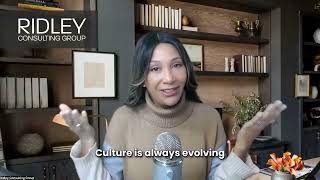
Beth Ridley says workplace culture has no finish line. Success means building a repeatable process: ask employees for feedback, turn it into strategy, measure what changes, and keep investing. Gen Z wants purpose and mental health support. Culture has to evolve or you lose people.
Chapters
Hi, Beth Ridley here. I was asked, what does success look like when it comes to workplace culture? The answer is there's no final destination. Culture is always evolving and that's a good thing to attract, engage and retain talent. Culture has to adapt because the workplace is constantly changing. So think about it. You're always bringing in new people, new new hires. And as Gen Z and early career professionals are entering the workforce, they have different expectations than my Generation did. For eXamp, Gen Z workers, they tend to prioritize purpose and meaning at work. They care deeply about mental health and well being much more than my generation did when I started out. Even norms around dress code have shifted over time. When I began my career, it was strictly business attire. Now it's basically casual. And it's not just generational differences. External forces are shaping workplace culture too. The pandemic changed how we work, and AI is transforming the skills that we need. And constant market shifts are making adaptability and resilience at work essential. So what does success look like? It's not about reaching a fixed state with your culture. It's about having a repeatable process to continually assess and strengthen your workplace culture. That means regularly asking employees how they feel feel, turning that feedback into strategies and measuring the impact. At the end of the day, success with this work means we have fully embedded a way to continually invest in our culture. So it becomes second nature. It becomes simply the way that you work.