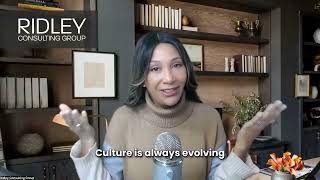
Beth Ridley talks with a workplace culture expert about how high productivity often burns people out. The guest proposes holistic performance: keeping strong results while investing in people as whole humans. Small shifts like normalizing stress conversations, checking in on the person not just the work, and adding a human moment to meetings can reduce burnout and improve retention.
Chapters
Welcome back. In today's fast paced workplace, a lot is getting accomplished, but at a high cost. Productivity is high, but burnout is real and mental health is suffering. Joining us now with hope is leadership and workplace culture expert Beth Ridley. She says holistic performance can help organizations shift from outdated models so that burnout isn't the price of productivity. It's great to see you.
Hi. Yes, I'm bringing hope.
Yes, I like that. And it's important because I hear a lot of people talking about this and you say there's a healthier way to lead and succeed.
There's a healthier way. And I think historically we always think of we want high performing teams, which is good.
Right.
So really productive, achieving our goals and results, but not at the expense of the people that are doing the performance. So I think we just have to prioritize the people and trust that when we value people as whole humans at work, the performance will follow.
Yeah, I like that because I do feel like if people are appreciated, but beyond that they know that their wellness is important, then they're gonna rise to meet the expectations for them at work. So what's happening then with performance and well being? And why is it a problem right now, do you think?
I think it's a problem because I feel like at work sometimes we don't feel like it's okay to be human. And in this environment there's a lot of uncertainty, there's a lot of stress and anxiety, possibly budget cuts, hiring freezes. So we're actually asking people to do even more with even less. And it's hard to not feel a certain way about that. But you have to come to work and always be on, continue to just focus on the work and act like all these things aren't happening. When you might be feeling stress and anxiety, which adds more stress and anxiety.
Right. Because it's almost like you're trying to hide it and be like, oh, I'm doing so great, which there is stress with that too. So there's this idea of high performance and you're praised for it at work. If your output is great and you're doing what you're supposed to, but it seems like that's no longer working.
It's no longer working. And frankly, sometimes it's your highest performers that have the greatest amount of stress and burnout. They're just good at masking it and they eventually burn out and they leave. So it's also impacting retention, which then impacts the stress because then you've got fewer people that are still Doing the bulk of the work.
Yeah. And if you lose a high performer, you've got other people then that have to kick in. You've got to train someone new. If you fill the position, all of that stuff. What is this holistic performance and how is it different?
It's just a term that I came up to maybe encourage leaders to just have a slight mind shift around this. Everybody says we want a high performing team. How about a holistic performing team? Which means that you can have high performance, but again, you're also investing in the people side of it as well. And really using being human at work as a strength and not as like a weak, seen as a weakness.
Yeah. And not something that you're trying to discourage or sort of put to the side. So if leaders can manage this shift and you're trying to show them how to do it, how can that support then holistic performance and this more human side to things?
And I'm trying to think of really small, simple things because I know people are busy and leaders, their biggest argument is, well, I just don't have time to do anything else other than to focus on the work. So I think there are small ways in your day to day that you can just signal that you do value being human. And I think the most important thing is just to model that by how you show up. And if you show up as a human and you talk about your, you know, I don't necessarily have all the answers. I'm not always right. Here's who I'm looking to for help or, you know, I'm feeling a little burned out. So I'm going to like block an hour on my calendar just to reset. It signals to everybody else that it is okay to be a human at work as opposed to acting like everything is okay and then again adding to the stress and the burnout.
I like that. So let's talk about some of the practical things that they can do right away to support holistic performance, which I think is a great idea. So first of all, you say make well being visible. And I've seen our corporation and our local station make this a priority and start talking about it, making things available. So just make it more visible.
Make it more visible and kind of just normalize these conversations. You know, if somebody really is very stressed out, it's kind of hard to approach them in the moment because we're not therapists and like, how can I help?
At that point it might be a.
Little bit too late. But if you just simply again talk about, you know, I'm feeling a little stressed out. Here's how I set boundaries. It's okay to set boundaries. I might take a short walk today just to reset. It's just signaling to people. And again, it's sort of normalizing. We're humans. It's okay to sometimes acknowledge what we might need to feel.
Well, I like this idea too, of one on one check ins. And you say to focus on the work and the worker.
The worker, yeah. So oftentimes we're in one on ones. How's it going? Are you going on schedule? Are we within the goals? Yes, exactly. Every once in a while, just sprinkle in, you know, what do you need to continue to feel motivated or is there anything that, you know, support that you need so that you can continue to do your best work?
I like that last. Add a human moment to every team meeting because meetings are tough for me. I hate meetings usually. Right. But I think if there's either a little fun or a little, like personal stuff catching up or something. So add a human element to meeting.
Add a human element. A lot of times people think, well, we're going to do that at our retreat, which may happen once a year or never. Or never. Just spring it in. Whether it's a fun icebreaker so you get to build authentic, positive connections or even, you know, having team members talk about how they're supporting one another. Because when you have positive connections, you build collective resilience and together you can weather challenges better.
Totally makes sense. Love this topic. It's important too.
And timely.
Yes, timely for sure. Thank you so much, Beth. And to rewatch this segment or to send it to you to someone else or one of your friends or your boss, maybe visit themorningblend. Com.