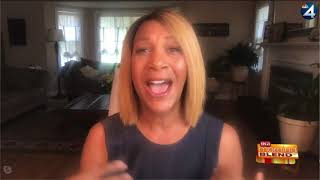
A short interview between Molly and Beth Ridley discussing why diversity and inclusion are both moral and business imperatives. Ridley emphasizes that diversity includes visible (race, gender, age) and less-visible differences (experience, education, working styles), recommends leaning into conversations with genuine curiosity and listening, and mentions a free 'DNI Kickstart Toolkit' for leaders available via the host website.
Chapters
Beth says diversity is more than just a good idea. It's also good for business. And she has some research to back it up. Beth Ridley used to work as a management consultant and senior leader in the corporate world. Now she helps others achieve positive and productive work environments. Hey, Beth.
Hi. Good morning. Good morning, Molly.
Good morning to you, too. Let's talk a little bit about this, because it does sound like a good idea. It seems that more employers are trying to do things to train employees and encourage it. But it's not just a great idea in theory, so to speak. It's also good in practice and good for business.
Yeah, absolutely. I say diversity and inclusion is not just a moral imperative. It's a business imperative, too. And there's plenty of evidence that shows diverse teams lead to better decision making, and better decision making leads to better business outcomes. So it makes complete business sense.
When we think of differences, we so often think of race, I think, especially right now, but also maybe gender. Are there other differences that we should think about when we talk about diversity?
Yeah, absolutely. I think we focus on the visible differences because they're visible, but there's a lot of differences beneath the surface that really factor into getting the most out of diversity in the workplace, especially so. Those would be things like life experiences or educational background, professional skills, even just differences in working styles. I think people don't appreciate that those differences really make a difference in the workplace as well.
Well, I think about age too. You know, working with senior people versus working with young people, and what we both have to offer each other is so important, I think. I also wonder why it's so difficult to drive inclusion in the workplace. Because I don't think it's just our employer, our boss's responsibility. It's the responsibility of all of us.
Yeah, I totally agree with you there. And the good thing is people can lead in the space of diversity inclusion at work without having to have, like, a certain title or, you know, it's not reserved for just senior leaders. We all contribute to the work environment. But I think sometimes it gets difficult because sometimes differences really matter more. So especially if they're closely linked to our personal identity, like race or gender is. So those conversations across differences can feel a little heavier or. Or loaded. A lot of times people are just reluctant to stray into territory that may make them feel uncomfortable because of what might happen in terms of a relationship with a boss or colleague at work. It just feels like there's more at stake. And I think people are kind of afraid of just like, putting their foot in their mouth or embarrassing themselves and saying the wrong thing.
That's a great point, I think. What's your number one best suggestion if you had to pick one thing to drive inclusion at work?
I think the one thing is just to lean into these conversations with genuine curiosity and care and compassion for other people. If you have that, people are really forgiving. If you sort of stumble or make mistakes, people can always tell when you're being genuine. And you can't go wrong when we're just being genuine and curious and care about other people.
I'm impressed by the honest, the open conversations that people are just finally now starting to have. And I think it's so important. It's tough, especially the first one, or if you're not used to it, but when we think about inclusion and truly welcoming people of all different for diversity's sake, whether it's gender, race, whatever it is, what's a communication style that's good for inclusion?
Yeah, I think, well, listening for one thing is really important. Not dominating the conversation. And also assume that you can always learn from someone even if you don't agree. So I always say seek to understand, not necessarily agree. That's a big difference. And usually that leads to better understanding and starting to replace any assumptions or stereotypes or biases with empathy and understanding.
I love that. What's in your free toolkit that you share with leaders on your website?
Yeah, so all sorts of information around, like I call them inclusive communication skills. So how you can lean into these uncomfortable conversations. Also some tips just in terms of activities that you can do at work and how to really think about measuring success of becoming a more inclusive culture at work. And again, resources that anyone can use at any level because we all have the opportunity to improve our workplaces.
I think the things that you're talking about are not just important, they're also necessary. So I appreciate it. Thank you so much, Beth.
Thank you, Molly.
Absolutely. Have a great day. And Beth has a free toolkit like we just mentioned for leaders that provides easy to implement tips to help build a culture of inclusion at work. You can get a link to the DNI Kickstart Toolkit that's on our website, which is thebrimfullife.com.