How to Have Dialog about Difficult Topics with Neighbors
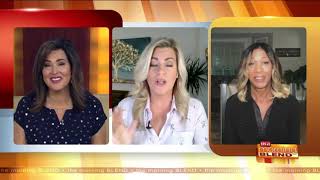
Beth Ridley, a leadership and workplace culture expert, talks through how to have conversations with neighbors about divisive issues. She emphasizes starting with connection and curiosity, and getting comfortable with discomfort.
Chapters
First up this morning, having difficult conversations with neighbors, why it happens, and how to mend the fences.
Ah, that's a good one. Mend the fences. Beth Ridley is a leadership expert and workplace culture consultant, and she recently organized a meeting in her community on having thoughtful communication on tough topics. And there are many right now. Hi, Beth.
Hi, Beth.
Hi. Good morning, ladies.
Good to see you. You know, I think this is something everybody can kind of relate to right now, right? Topics. There's topics that people think are just off limits right now, whether, you know, because you have differences of opinions. Are you seeing that happen even with neighbors?
I see it and I saw it on the news. Like, it seemed like every night there was like a news story about community where, like, neighbors against neighbors. They're yelling at each other in board meetings because there are big topics, like, you know, how to educate our kids, how to deal with the pandemic, climate change that, you know, people are very passionate about and they have a lot of different opinions.
And.
And then I saw it happen in my own neighborhood here, I live in Whitefish Bay, and the same thing was happening, and it made me so sad. I didn't want to become like a cliche or another news story about a community where neighbors are just not getting along.
Why do you think it is that we're seeing some of these problems that things are coming up where people in similar communities, same communities, are at odds with each other?
I think there's really two things happening. First of all, it's just human nature to want to be right. And so I think that we try to, like, double down with people and beliefs and information that confirms what we already believe because that feels more comfortable. So that doesn't help. And then on top of it, you know, I think we've just sort of lost the art of face to face communication and engaging with neighbors. I think we communicate way too much in impersonal ways, like email and social media. And we get so caught up in our daily lives, like with our families and with work, that I think we kind of leave what it means to be part of a community and have connections with our neighbors. I think that just gets left behind and we're out of practice.
I love what you say, and I think everybody can understand. They've seen on Facebook the fighting they've heard within their families or friends. I think difference of opinions is what makes life colorful and beautiful, because if you surround yourself with only people who believe in you, you're probably missing out in life. But a lot of people will want to Know, can we mend these odds between our neighbors or whoever if we have difficulties? Because I think so often people are just trying to convince someone of something that they may never be convinced of.
Yeah, I mean, well, Tiffany, you're exactly right. Actually, research shows that you get better decisions and better outcomes when you look at a challenge or an opportunity from multiple perspectives. I like to say not one person has the monopoly on the truth. So you need all perspectives and all thoughts on the table. And yes, I do think that we can get into the practice of face to face dialogue around difficult topics. Because the truth is, we do it at home. I say if you're either a spouse or a parent, you don't always agree with the people in your household. And we do find ways to be able to coexist together. And I also say if you work with humans, which most of us do, you're never always going to agree with your boss and coworkers. But yet we gotta show up and see them every day. So we do have the ability to bridge across differences with dialogue. I think we just gotta take some of those things that we're used to doing at home and at work and now apply it in our communities with our neighbors.
I love that you say there's no one right truth or there's no one right way to look at everything. Because I remember saying recently to my mom that it's difficult for me to deal with really opinionated people even if I agree with them. I mean, that's the thing. It's like people who don't allow for other input or other ideas. So tell us about some of the things we can do to make a difference as we have these dialogues.
Okay, so I think there's really three things that we have to keep in mind. So the first off is to always invest in having connection with other people. It is difficult to have a conversation when you don't agree, if you don't already know the person like them or trust them. When we have some sort of connection as a foundation, we're able to speak up and be more honest and to, you know, have the courage to say things out of compassion rather than contention. So I think just finding ways to invest in getting to know your neighbors, simple things like saying good morning when you say see them, maybe get involved in volunteering your community. So connection is an important ingredient. The other one is just approaching life with genuine curiosity. I think that when we can be open to other perspectives, it does open our minds to new possibilities. So just always seeking to understand, not necessarily agree Again, I think we're so conditioned, like you ladies said, to always be right. There's always one way. But I think we got to look for the and sort of and statements rather than right or wrong or black or white. Usually these difficult conversations, they're complex and there's many ways to look at it. So just genuine curiosity. And then the last one I would say is this is not easy. So we just got to get comfortable being uncomfortable and know that even though having difficult conversations pushes us outside of our comfort zone, that is where we learn and grow. So I like to practice being uncomfortable around different opinions by trying to seek out news sources that I don't normally consume just to round up my perspective. And again, I don't have to agree, but I always look for is there something that just heightens my awareness and I feel like I can just broaden my perspective even if I don't agree.
Such great open minded and inclusive. Yep, totally agree.
Tiff. Beth, thank you so much for joining us this morning. We appreciate it.
Bye Beth. Thanks lady.
Bye. Bye. See you later. Great tips in that conversation. I love it. To rewatch this segment or maybe you want to share with one of your neighbors, just go to our website themorning blend dot com.








