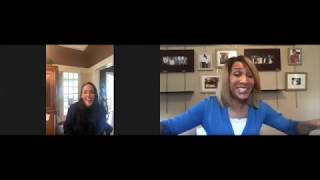
Michelle D'Attilio, CEO of soc, saw COVID coming after traveling in Asia and moved her small team remote before lockdowns hit. She prioritized practical setup, emotional readiness, and letting people decide together how to work safely.
Chapters
This afternoon, I'm chatting with Michelle Dattilio, who is the CEO and founder of soc, which is a social media digital advertising company. Michelle, thank you for joining. How are you?
How are you? How are you? Thank you for having me.
Yeah. So we were chatting a little bit.
Before I started to press record.
You have kind of like an interesting.
Journey with this whole pandemic.
You are a step ahead because you were flying back from Vietnam and Asia. So you sort of got a sneak peek of what was to come into the United States. With that knowledge in mind, how did you start thinking about your business? Even before we had, like, stay at.
Home or anything like that going on?
Yeah.
I think that the first thing that really came to mind was how do we get the team ready to be off site and continue to do the same level of work with the same level of efficiency and not only prep them from a personal or from a professional standpoint, but also personal standpoint. So are they comfortable, do they feel okay, etc. And so we were working from home, I think almost an entire week before Evers gave the order, just in preparation and keeping everyone safe. Because we're a small team, if one person gets sick, that's really difficult for the rest of us. So the first thing we did was just make sure the team was comfortable, set up to work, and then emotionally ready to work. I would say that was the first thing. And that was a lot of conversations with my business partner, Al, and the team as well, really wanted to get their input on what they were thinking and what their comfort levels were. So I feel like they all had an active role in making that decision.
Yeah. Which I think is really important because so much of what's happening, it feels like it's really out of our control. So. So anything where you can have a little bit of input or a little.
Bit of control, I think is a little reassuring. Yeah. Yeah. And that's what we did really early on. I think I'm gonna go early March, like, maybe early as March 6th. We sent out the first letter saying, if you don't feel safe, you are welcome to work at home. And that was, you know, that really started a conversation where they could. They could have some control over that.