Micromanagement and How to Change it for Good
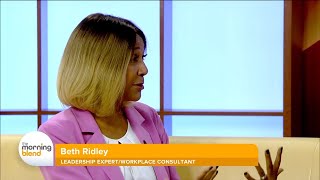
Leadership expert Beth Ridley says 70% of employees have experienced micromanagement, which tanks morale and productivity. Managers do it from fear or inexperience. The fix: clarify what you want, set clear check-in points, and keep your door open so people can work.
Questions this video answers
About 70% of employees.
Chapters
Welcome back to the Morning Blend. A recent study reports that about 70% of employees have been managed by a micromanager at some point in their career. And almost all of them said it hurt morale, their productivity, and many of them quit because of it. So how can we transition to a management style that's more trusting of our employees? Beth Ridley and is a leadership expert and workplace culture consultant, and she joins us now with some advice. Great to see you.
Hi. Good morning.
Nobody likes a micromanager, right?
Of course not.
Because it's like them saying you don't know how to do your job. I'm gonna tell you each little thing.
Yeah. It's taking away your autonomy, your sense of control over your work, and you feel a little judged also. So, yeah, that's never a good feeling.
Do you think, in your opinion, because you've worked in the corporate world for years, do micromanagers know that they're micromanagers? Are they unaware of it? I knew it.
I don't think they would do it. I mean, honestly, micromanagers generally think that they're doing a really good job. They're really proud of the fact that they're very detail oriented and probably coming from a sense of a little bit of a fear of loss of control and an attitude of like, you know, if you want something done right, you have to do it yourself. And, you know, I know best, maybe I'm in this position of authority, so I'm going to have a little bit more control and say what over the work? And it really ends up having the opposite effect of what they're hoping to accomplish.
Interesting that they're unaware of it but see it as a very positive thing. And they are probably working really hard. They're working too hard probably to do someone else's job or tell them how to do it. Why do you think is it that control thing? Because why do people become micromanagers?
A lot of it is sort of like early in your career in managing people, you haven't quite develop that skill to hold people accountable without having too much control over. Some of it is confidence in your own ability as a manager too. So, I mean, if I have to be honest, I had micromanaging tendencies when I first started managing people. I think it's something you sort of like grow away from as you have more experience and confidence managing people.
Because at the root of the problem or the issue is that it shows a lack of trust in somebody's ability. So you hire someone, or maybe you didn't hire them, someone else did. But you're hired to do a job and if I micromanage you, it's like saying I don't trust you to get the job done. Right.
You don't trust them or you think that your way is the best way. And I think we have to remember there are many ways of achieving the same outcome. Right. And so you sort of have to be open to. There could be other great ways, even if they're not your way.
Yeah, I think that's true of parenting too. We always think our way is the right way. What's the impact that you see from micromanaging people?
Well, definitely, like low morale. You know, people feel judged, you take authority and ownership away from their work. They're sort of like showing up and like, you know, I'm just more of a task master. But I think also long term, you impede growth and development of people. Right. If they don't have a chance to sort of stretch, try new things, take some risks and frankly make mistakes and learn from mistakes, how do you grow and develop confidence in your own career?
Yeah, it's so true. You know, there's that saying, people don't leave bad jobs, they leave bad bosses. Would you agree with that?
Oh, yes, I think so. Definitely. Yeah. It really comes down to the human and interpersonal relationships that can make or break your career experience.
Interesting. So how do we prevent micromanaging? Is it all on the micromanager to change?
I think some two way open communication is good, but I think managers have to be a little bit more self aware. And I think if you're sort of noticing tendencies of your constantly asking for updates or checking in, you might be a micromanager. If you're constantly maybe sharing your own ideas and not being open or listening to other ideas, you might be a micromanager. So some of it is self awareness. And I think again, if you're the employee, gently maybe suggesting, maybe could we have clarity on the outcome and have a definition of what the end result should be, but a little bit more openness to different ways of getting there.
Yeah. I was wondering as the employee what you can say, because probably confronting someone and being like you're a micromanager and I don't like it, you know, is there a way to sort of effectively communicate that it's a style that's not effective and that there's maybe that you'd like a little bit more autonomy and to have your input recognized?
Yeah, absolutely. I would definitely say, you know, broach that conversation with a little bit tact yeah, don't want to be like too, too blunt, but like three things to focus on. Could we spend some time being clear on like, what success looks like at the end of it, at the end of the project and the assignment. Could we put some guardrails in? Like, when do you want to hear from me? When should I come to you for help? And when can I have autonomy to make my own decisions? And then maybe instead of regular updates, just could we have more of an open door policy? I could use some of that time that I might spend in one on one meetings with you, giving you updates, to actually doing the work. And I promise to come to you when I have challenges, when I need your advice and counsel.
I like that. I liked what you said about focusing on outcomes. I didn't get it at first, but then when I thought about it, it's like, if I know this is our goal, this is what we hope to accomplish, then let me have more input on how we're gonna get there. If I know what you're looking for as an end goal, then let me have more authority, control over how I'm gonna go about getting there. And as long as the outcome is achieved, then that should be okay.
And you had mentioned, like a lot of times micromanagers spend too much time. And the truth is, once you get a little bit more comfortable trusting people, generally people surprise you. Right. They were hired for a reason. They're actually good at their job. They generally surprise you like, oh my gosh, I didn't know you could do it this way. Or the outcome is great. How they got there. I wouldn't have come up with that. You open it for more innovation and creativity and you gain time.
Yes.
Because you're not constantly checking in and overreaching. So once somebody gains that confidence of not being a micromanager, they really love it because they gain more time that they can redirect to better use of.
Their time doing other things. I love it. Such a great topic. Thank you so much, Beth. To watch this segment again, or maybe you want to send it to a co worker or your boss, go to our website, themorning blend.com.








