Optimize Generational Differences In The Workplace
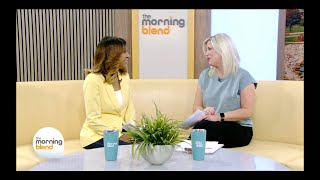
Beth Ridley breaks down three generations at work: Gen X values traditional work ethic, Millennials prioritize social impact and wellbeing, and Gen Z prefers direct texting over email. The fix is simple conversations about shared norms and explicit expectations, not assuming everyone works the same way.
Questions this video answers
1965–1980
1981–1996
Recent high school/college graduates occupying entry-level positions or summer interns.
Chapters
And welcome back. Well, today, many businesses and organizations have employees who come from different generations. This can bring unique perspectives, but it can also be tension when priorities and communication styles clash. Have you ever tried to talk to somebody who will only text you? Right. Joining us now is leadership expert and workplace consultant. She is Beth Ridley with ways that leaders can bridge the generational differences at work. Good to have you here.
Hi, good morning.
We were talking about some of the fun words that, you know, generations differ on, but this is, this goes beyond what's trendy and cool. This is really cultural in terms of the way we behave. So what are some of the primary generations? First and foremost, because I feel like Molly and I always try and remember them, we never can. So let's break it down.
So there's probably three in the workplace, Right? So you've got your Gen Xers. So they were born between 1965 and 1980. That would be me. Okay. And those tend to be your most. See senior leaders. All right, then the Millennials or Gen Y, they were born between 1981 and 1996. Consider those your directors or your manager level people, generally speaking. And then you've got your Gen Z ers. So think people just graduating from high school, college, filling your entry level positions at work, or those interns that are showing up this summer.
Okay, so we've got three generations, pretty distinct personalities in the workplace.
Yeah.
So let's break down first two. What are some of the pain points, maybe between Gen X and Millennials, as they are kind of upper and then leadership roles.
Right. I think the funny thing is, as a Gen Xer, when the Millennials entered the workforce, I had a lot of complaints about them that the Millennials are having now about the Gen Z ers.
So this is natural, is what you're saying.
Natural. Right. The people who have never worked before, who are just coming out of high school or college, you know, they are bringing their life experience into the workplace. It's always going to be different and they're going to be challenging the status quo. And for the rest of us, that means change. So I do think at this point, the Gen Xers and the Millennials are sort of like unified in maybe some of their disdain for the Gen zers or just the disdains a little bit too of a strong word. But I think just the challenges of their coming in with a new way of thinking and acting and behaving, that's challenging the status quo.
Okay, so are the communication styles similar?
So I think the big difference that Gen Xers and millennials are experiencing. Experiencing with the Gen Z' ers is really around work ethics and values, some really foundational things, and also communication styles.
Okay, okay. So because there is a different value driven piece of this that you are kind of the fundamentals.
I think so from what I see from the Gen Zers and I have a lot of experience, not just at work, but I've got three kids that fall in that category and I'm sort of seeing how they operate. They do care about things like mental health. Yes, they do well being, which are really, really important. I think older people like me, we just didn't grow up thinking that that was okay or acceptable to talk about at work. So it might feel a little unnatural and uncomfortable to us, but they will prioritize work, life balance and they'll ask, what are your programs at work that support well being, those types of things. They really care about doing good in the community and working for companies that want to have a positive social impact. Things like working in a diverse environment, an inclusive environment, the workplace culture, it really matters to them. And they're not afraid to say, if this isn't a fit for my values, I have options.
They leave.
And honestly, driving Uber is an option. Yeah, right.
They will leave within like minutes. I mean, they won't stick around and feel like they need to put it on their resume for a length of time.
And then for the older generation, it kind of feels like, well, you're not willing to pay your dues, you know, like you need the life experience and, you know, some things you have to be more flexible in your approach. You can't be so demanding and so you can see where the tension comes.
I've heard before, you don't get to do what you love right away. You gotta put your time in and do things you don't like.
Exactly. It's work. What do you think?
This is so great. Okay, so communication styles, because truly digital is different amongst the generations.
The communication styles, obviously they're younger people are more comfortable with texting and also just like the time to respond. So for me, if I received an email from my boss, I'm replying right away. Got you. Heard you. I'm on it. Younger people, not so much. They're like, I got it. But they'll respond when maybe they finished the project. Not to acknowledge that they got the email. That actually causes a lot of frustration in the workplace. It's also seen as maybe disrespectful. And I think younger people, they appreciate transparency, authenticity. They're More comfortable talking about personal lives at work because they grew up on social media, whereas there aren't many filters. Whereas older people. That's unprofessional. Like, why would we talk about that? And then younger people might feel like, well, then you don't really care about me as a person. So you can see where not as bad. It's just what you're used to in your preferences that I think it causes change for everybody.
So how do we bridge this then? That's the big thing. It's almost like, who's right? Do the younger people have to behave for their managers, or do the managers have to ease up for the new employees?
A little bit of both. And I say have fun with it. It's just a really good opportunity. Maybe have a conversation around what should our new norms at work be? So they just stay current and work for everybody. When those new interns are coming for the summer, that's a perfect way to say, hey, we're welcoming our interns. Let's talk about what kind of culture do we want to create for our team together and share our different preferences, our different styles, our shared values? And I think everybody can be a little bit flexible.
Yeah. I think what I hear you saying is it's like you have to have communication.
Yes.
And you really just have to address what the issues might be. And sometimes it's good for people to hear this because they don't always quite be able to quantify it on their own, what these issues are. But hearing you say, it's so obvious.
And frankly, not anybody, no one falls within the stereotype of their generation. So simply having the conversation uncovers a lot of things that people always wish. Like, there's some things that Gen Zers say they want. I'm like, I want that too. I was just afraid to ask for it. And then vice versa. So I think just having the conversations opens it up for everybody. In your own personal style, how can it be accommodated? But how can we all be flexible?
You need to come up with a checklist that people can just, like, grab under each generation so they can, like, have that conversation on paper.
Done.
Serious.
Okay. All right.
Now you can find it. To rewatch this segment or to send it to your boss or a co worker, an intern, or a new hire of another generation. Visit our website, TheMorningBlend.com.








