Politics at Work: Keeping the Peace
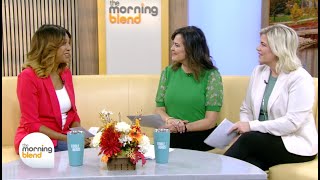
A short interview (video) featuring Beth Ridley, a leadership and workplace culture consultant, discussing how managers and employees can navigate political conversations at work—especially around a major election. Ridley recommends leaders reinforce core values, prepare teams before emotionally charged dates (e.g., election day), open meetings with brief reflection, and encourage respectful, feeling-focused conversations when someone is offended.
Chapters
And welcome back. Well, now that the race for president is front and center for everybody, it seems like everyone is talking politics socially.
And even at work, you can't avoid it. Seemingly harmless comments about the news or politics can make it uncomfortable. Or maybe you could even offend a co worker. So we called in Beth Ridley. She is a leadership and workplace consultant, culture consultant. To help us navigate heated political chats. Because it's not fun.
Yeah, we talk about bare minimum Mondays and here we are making it worse. I know it's not a fun topic, but it is really timely.
It's important. I mean, it truly is because I think it is coming up. How often are you hearing that politics actually come up at work?
That's probably the number one thing that leaders call me about.
Really?
No way.
Well, it's a big election. The first debates are tomorrow. So it's top of mind for people. And I mean, it's everywhere. It's in our social media, it's in the headlines. So even you might think like, oh, this was funny, or can you believe this? Because generally we think most people think the way that we do because we're so reasonable, but not everybody at work does. And so it's usually. It's very unintentional that people get offended and then it can sort of blow into something bigger.
Yeah. And it hurts people's feelings too. Offends and hurts people's feelings. So it's common, I think especially now and in the coming months ahead, it's going to be even more so. Like that. But why is it that politics become so emotional and so heated for us?
Do you think politics is one of those things? It's cool. Core to our values, our beliefs, it's shaped by our upbringing, our background. So it really does speak to who we are. So if we feel that we're being invalidated or marginalized or made fun of or just not understood, it kind of cuts to like us as individuals.
Yeah. I've actually been at a couple bars recently where they have a sign up that says no politics at the bar.
Yeah, that's hilarious.
Which is, you know, one of the.
Places you hear people gabbing the most. So I thought that was really interesting.
And they're drinking alcohol.
Right. And it can escalate.
But how do managers and leaders handle this? Because you don't want to over police, you don't want to limit free speech.
What do you do Exactly. You don't want to micromanage. But I do think similar to like no politics at the bar, what we do have in most companies are like core values around respect and how we work together and treat one another. You usually they're on the website and we don't take them very seriously. Now's the time to dust them off and actually talk about them in meetings and remind people we all come together. We don't always have a choice of who we work with, but we're bonded by our common mission around work. So how should we work together in a way that feels respectful for everybody? Just dust off those core values and actually use them?
Yeah.
It's interesting because you think about the bar sign that just says no politics discussed here. Is it reasonable to do that at work and just ban it, or are there things that you can do maybe?
I wouldn't go so far as banning it because that could get like, a little micromanaging. And honestly, if people do have the ability to have respectful conversations, you can pull it off. Just a lot of times we don't talk about those core values. I think it's probably more important in this environment to focus on what really unites us at work around our common mission, our common goals, things that bring us together that we can feel good about.
Yeah. So what happens, though, if inevitably it comes up, someone ends up getting offended? What should the worker do in that instance, if they feel offended? And what should the leader do?
Yeah, if the worker feels offended, I do think that there are ways that you can raise it to the co worker respectfully. And that usually means talking about how the comment made you feel without labeling the person. So you don't want to say something like, you are so rude and inconsiderate and what an idiot you are. Stay away from that and just say, you know, your comments sort of made me feel maybe not valued or respected. My beliefs are very different, and I just want you to know how it made me feel. Usually people can, like, get, you know, can. Can understand that and apologize, agree to maybe not talk about politics or. And move on from there.
Yeah.
What about leaders? And I'm thinking about the day after the election because you have to assume you might have half your employees who aren't happy about the results.
Yeah. So this is probably the biggest question that I get from leaders. How to prepare for November 6th, because rest assured, people are going to have emotions from elated and excited to angry, disappointed, and downright scared. So I think that leaders need to start preparing today versus worry about what to do on November 6th. And that preparation means in your team meetings, three things. One, bring in those core values and remind Everyone, like, this is how we are going to come together so that we can respectfully work together and just read them or even have a short little conversation about what they meet. It doesn't have to be long. The second one is to focus on again, like, why are we coming together? What's our common goal for this meeting? And even do, like, a mission moment and have people talk about something good that happened and something that makes us excited for showing up for work.
It's like a distraction in a way, a little bit.
You know what I mean?
Because it does. It reframes. It distracts and then reframes where your mind is at.
Yeah. And it actually gets us back to our why. And I was actually thinking this would be a good thing just to do on Mondays. Why do we show up at work? There are some good reasons why we choose to come together.
Yeah, exactly.
Now, here's actually important one. And I actually started doing this, and it works beautifully. And it also speaks to mental health. Before you lunge into the meetings, give people 30 seconds to just pause and reflect. Because the truth is, if politics aren't on our mind, other stuff is maybe someone had to take their dog to the vet over the weekend, or your dishwasher is broken. People are showing up at work stressed out, out, just in general. I find if you just give people 30 seconds to let's pause, maybe, you know, leave behind the baggage that you're coming to this meeting with, focus on what we want to do together and how you want to show up to create a really great environment while we're together. And then usually the meeting just takes a more positive, respectful tone. Generally, if you start doing that now, it won't be weird to do it on November 6th when nobody's probably ready to listen.
Very good point.
I like that one a lot. And I like the acknowledgement of how people come into a meeting sometimes of like, you know, your rushing in or whatever, and you're like, totally, you know.
You want to take a break. And I think showing people that you're. You're pausing for reflection or to kind of like, bring it, leave it at the door kind of thing shows the thoughtfulness that people tend to respect because they don't anticipate it going into a business meeting.
Correct. And you don't know people's politics. You don't want to ask, you don't know what's going on in people's lives. You don't want to pry. But this. People can use it however they want to to be their best version of themselves when the meeting starts.
So you don't want to go.
Right.
Everybody say whether you're a Democrat or Republican. All right, let's go.
Molly, you should do that and then report. And then. And then Tiffany and I will interview you to see how that went. You might be onto something. Thank you, Beth.
We'll see you back here on the 6th.
It's really good to see you.
All right.
To get in touch with Beth or to rewatch this segment or to share it with someone, maybe your boss, go to themorningblend.com.








