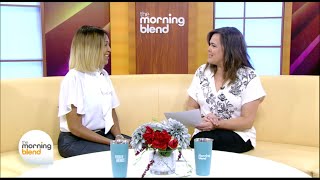
Beth Ridley on what Gen Z wants from work: flexible schedules through tech, real DEI efforts, AI tools that save time, honest two-way talk with leaders, and room to build something of their own. Leaders need to listen instead of waiting for Gen Z to fix things alone.
Chapters
Welcome back. Generation Z has been defined as individuals born between the mid-1990s and the early 2000s, early 2010s. This means that college graduates are entering the workforce and they come with their own unique set of ideas on exactly what that should look like. And joining us now is leadership expert and workplace culture consultant Beth Ridley to discuss some of these expectations which we're gonna say is good for all of us, right?
I think so, yeah.
I think that's good news. So we kind of defined what Generation Z is and they're entering the workforce. Many of them have graduated and they have certain expectations. And I wonder if some of it is living through the pandemic.
I think so. I mean, I think that this generation is experiencing a lot. So it's the pandemic, it's technology. Conversations about mental health and mental well being are far more in the forefront for them than they were for me. So I think all of that is sort of swirling in the back of their minds when they show up at work and sort of like what they're expecting.
I like that. All right, let's talk about what they expect from their employers, starting with this work life integration. Yeah, I think so many young people are thinking about that. For example, when I was graduating from college, it was just work, hard work all the time, work as much as you can. That's how you get ahead. Yeah.
And I think that they saw what that did to us or their parents, and maybe they could have a little bit more balance. I think that was part of the equation well before the pandemic. And then during the pandemic, many of them completed their school, high school, and even college virtually. So they knew that they could sort of use technology to have more, you know, seamless work life integration.
Yeah, I think it's fascinating. The other thing I think, and this makes us, I think, proud as parents, is I think they're much more dedicated to inclusion and diversity.
Oh, absolutely. They expect diversity. They know that that contributes to a thriving workplace cult. And they're very vocal about that and they're very vocal about when things are not working from a diversity, equity, inclusion front. And they also want to be part of those efforts. So I think that's a really good thing.
I do too. Technology you already mentioned. But I think this is so huge for this generation because it's really enabled work in a much different way.
Absolutely. And so I think a lot of times I see this with my own kids. I've got three Gen Zers at home, so I sort of like Study them and see what they're doing and they get really frustrated if they realize there's something that they're doing like admission, administrative work, that they could leverage technology so they'll speak up. And they're very comfortable with technology, especially with AI, not really a threat for them, but it's more like, okay, how do we use this? So that it makes my job easier. And again, it sort of like feeds into that work life balance and it frees myself up to do more things.
Yeah. And makes life easier without taking over my job. I think as it relates to AI, what about communication? What are they expecting there from their employers?
Transparent communication. A lot of two way communication, not everything top down. They have ideas, they're very vocal. You know, the one thing I really appreciate about Gen Z is they speak up and they advocate for themselves. So I feel like my generation benefits from that as well. I'm Gen X, so I'm kind of like just happy to have a job.
Me too.
And not really speaking up. So I'm like, go speak up more, Gen Z. Because you know, it benefits all of us. So again, they want to be part of decision making. They are not expecting everything to be told to them, top down. And so that two way communication is really important.
Yeah, and I think rightfully so. The other thing I've noticed is that entrepreneurial spirit. Do you think that they're looking for those types of opportunities?
They are. They're looking for growth and development opportunities. I think job title is maybe less important for them as much as, you know, great work experience. They're willing to volunteer, be on projects, initiate things. So I say really take advantage of that entrepreneurial spirit at work.
Mm. The thing that you said in conclusion that I thought was so great in your notes had to do with this sort of new hope. And I like that because it's positive. And I feel like so much of the last few years with the pandemic and feeling closed in and shut off from the world, I think that this is really, really positive to sort of embrace those expectations. A lot of them are extremely positive. The diversity, the inclusion, having an entrepreneurial spirit, expecting transparent communication.
I think so. I do feel like Gen Z, they are very anxious, they are very worried, they're afraid. They're living in a very difficult, challenging, dangerous time. I think they know that. But I also think that they're willing to be part of the solution. I think those of us who are older, a lot of times we say we're hopeful for the next generation, they'll figure it out. I don't think that's fair to, you know, to put all that work on them. So I think our job as leaders is to listen to them and to provide them the support that they need to sort of like, take things next level. Because I think they will. But we can't just expect them to do it and figure it out on their own.
I so agree. So great to have you here. Thank you so much. And I love the way that Gen Z can sort of inform our generation too. So here's the deal. You can re watch this segment, share it with someone, some of your friends or co workers. Visit our website themorningblend.com to learn more.