Why Tight Muscle Are Actually a "Safety Lock"
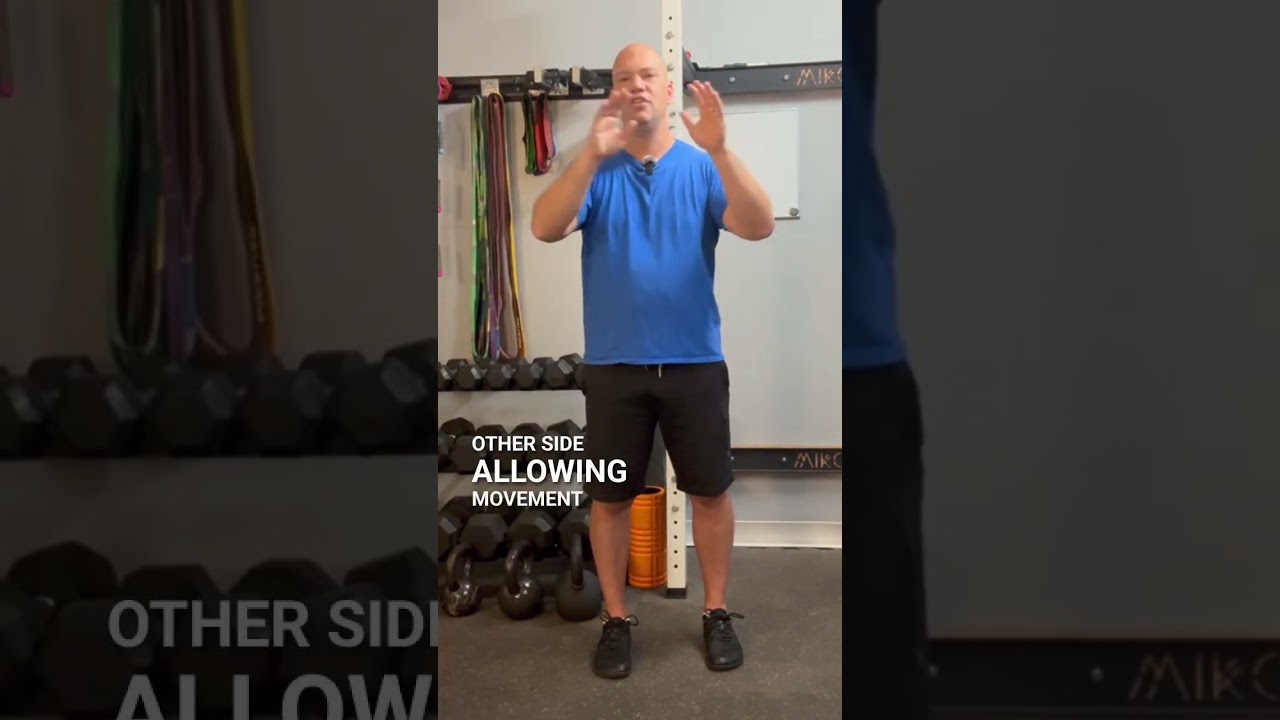
In this short explanatory video, the speaker argues that what people commonly label as "tight" muscles—such as hamstrings that won’t relax or shoulders that limit reach—are not the result of actual muscular shortening. Instead, they stem from the central nervous system (CNS) being in a heightened state of alert, a protective response that restricts movement. He revisits his earlier "spectrum" model, which positions the brain on one end constantly trying to protect the body and on the other end allowing free movement; the system cannot occupy both extremes simultaneously, so it shifts along the scale. The protective output can manifest as pain, weakness, or a sensation of tightness, all of which are negative symptoms indicating the CNS’s defensive mode rather than a structural muscle issue.










