Developing a Plan for Ongoing Training | CSR / Dispatcher Lunch & Learn Sessions
A call center training plan built on three principles: creating the right environment, equipping staff with skills, and exposing them to new challenges. Budget 3 to 5 percent of annual sales for training, cover technical and leadership skills, and match content to how people actually learn.
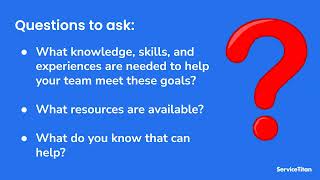
All right, so today's topic is all about training. And we know the way to improving and growing and becoming better is to get additional training and knowledge and experience. And so I wanted to talk to you about putting together a training plan for your call center for 2025 and what that might look like and give you a few ideas and things to think about as you're thinking about what this could look like. I'm going to break this into three sections. The first thing I'm going to talk about is the three E's of leadership development. And when I talk about leadership development, you'll see why I included this with a call center. Training. We're going to talk about training that's aligned with team and individual goals, how to put a and then how to put an actual training plan together. What are the fundamentals and what do you need for that? And I've even got a little bit of a bonus at the end as well. So let's start with the three E's of leadership development. The first E. And the reason I talk about leadership development, you might say, well, these are CSRs. What are we talking about? Leadership development. Everyone is a leader. And your job as a leader in your company is to create more leaders. And leaders are people who have the ability to influence others. And so we want all of our CSRS dispatchers to be leaders in your company. They are leading your customers, they are leading the technicians. And so when we're talking about leadership principles, please consider adding leadership as part of your training program and training plan for 2025. So when you're thinking about leadership development, the first thing we want to think about is creating an a conducive environment where leadership is the standard. So what, what are your teammates experiencing? Are you creating an environment that is promoting leadership, that is promoting making strong decisions, that is promoting being assertive in doing those traits that leaders do? This is the kind of team that we want to build. So think about the environment that they're in right now. What does that environment look like? Where do you have trainings with your team? Do you have things on the wall that are reminding your CSRs what to do, or is it very bare? What, what kind of resources do they have that's creating and adding or subtracting to the environment? When you develop a leadership environment, this allows people who are good to get even better. I would love it if some of you could share in the chat some of the things you do to create a strong environment or you're welcome to come off mute, but what are some of the things that you've done to create a learning environment in your call center? Any thoughts now? Britney ran a call center for a lot of years. Britney, what were some of the things you did in your environment to create a more learning environment?
One thing that I thought was really important. Sorry, guys, I don't have a voice, so I'm trying my best. One thing that I thought was really important was knowing how my people learned so that I was providing them with the right tools that they needed. So I always would have them fill out just a little short questionnaire, just figure out what their learning style is. And I feel like even just starting out on that foot, it just, it just kind of trickles down and it makes them feel more confident what they're doing and it allows them to grow. Does that make sense?
Totally does. I'm glad you brought that up. That's really good. Thank you for that. Bobby Joe, put a comment in here. Give ownership of projects. She's treating them like leaders already here. You're in charge of this project. We're going to work as a team to get this one done. I want your input on new protocol, new scripts. She's giving them the. Empowering them with the authority to help build some of these tools, which is great, Bobbi, because you know, they're the ones doing it every day. They may know what works and what doesn't work. So why not have their input to help you build that? I love that. Great. And, and one on ones. Andy also said one on ones. We're going to talk more about those as well, so thank you for that. The second E of leadership development is equipping them and that's giving them the resources that they need. Maybe it's a special training program, maybe it is a script, maybe it is the protocol. Maybe this is the call flow. Giving them the tools, whatever they might need to help them be successful in their job. Something that I'm. I'm ashamed to say because I know this is how it was in my own call center back in the day. But I would hire a new CSR and sit them down with an experience CSR and say, okay, just shadow, learn from them without all of the systems and processes documented. And, and when you're not giving them the tools and you're just asking them to shadow or do what another CSR does, that's having another person is a great resource, but we want to be able to give them everything they need to be successful. So equipping them from day one and as you see a hole or a need, you build more, more tools or you find better programs or people or information. These trainings that we do, this is a great resource to help train your team as well. So I put this quote down there. Leaders, equip leaders. Some of these ideas I stole from John Maxwell, who is one of the best leadership trainers in the entire world. And I've had the privilege to learn from him and mentor, be one of you know, he's been a strong mentor of mine for years. And so leaders are equipping leaders and they're building leaders and I just, I think that's so, so powerful. But you have to be able to give them what they need to do that. Jennifer Reese says regular team huddles with known goals, very good. They know what's expected because they're, they have that time together. Time is a resource. By giving our time to our team that is equipping them and giving them that attention. I don't know how many of you ever worked for someone that is very difficult to, it's very difficult to get time with them. So those one on ones are really special or team huddles are really special to have that time together. Time is definitely a resource also. Let's see. Danny says I'll have a CSR join in on interviews for new CSRs. That's a great, great one. I love that. The last E is exposure. You're exposing your team to opportunities and to experiences that they can participate in to give them the feeling of, of what leadership feels like. So I love what Bobby Jo said about giving, you know, giving them ownership over product projects and different things like that. So unless they're sitting in and having these exposures to such experiences, they're not going to know what questions to ask. So environment equipping them and exposure. Another thing I want to add to exposure is ride alongs, especially for CSR's dispatchers. Hopefully they're having ride alongs with your team on a regular basis. I know it can come at an expense to have somebody out of the call center and do that, but the experience that they get and the exposure they get to your team out in the field working with a, a customer, working on the equipment or in the home, doing whatever they're doing in the home, that is special because now they have a firsthand experience that they can relate to and it, it's actually a great way to equip them and give them exposure to do their jobs better. So I love that. Okay, Bobbi Jo has a question. Any Suggestions if all of our office staff is remote, I have an idea, but I want to see if anyone else has this same issue that maybe ride alongs may not be as convenient because your team is remote. One idea that I know a company in Arizona that I visited, they have, they had somebody go along and video the whole thing. And so they videoed the whole ride along. They videoed what the technician did before he went into the home, how they went and approached the customer. And so the whole ride along is actually videoed and documented and the, the technicians talking about why he's doing what he's doing. And it's all there. So then that is a great training video for your CSRs or dispatchers to watch and still kind of get that experience. They can't ask the questions as if they were there in person, but. But that's been super helpful for them and that's how they train a lot of their CSRs. It's also awesome whenever you do have a CSR going to ride along to have them come back and share their experience with the rest of the team so they can share what they learn and what they took away from it. Because you want them to be able to then teach and present. And because presenting and communicating is a leadership quality. And they, this is a performance job. They are presenting all day long on the phone. And so having them get the opportunity to come back and share with the rest of the team what they've learned is really, really cool. Lindsay did have an idea. She said offices, they, since their office is all remote, they join TechConnect meetings sometimes. Oh, it's sometimes nice for CSARS because you get a different perspective. Yeah, absolutely. The tech meetings, that's a great idea. Really, really like that. Andrea also said she makes a daily video for three minutes long with updates, jokes. Oh, very cool. I like that, Andrea. Great idea. Really good. Okay, so we're going to talk about designing training that's aligned with all of your team and individual goals as CSR leadership or call center leadership. Whatever your role is in your company, you probably know what the revenue goals are. Your CSRs know what the revenue goals are. Do they know how many jobs need to be booked? How many memberships need to be sold that month? Like these type of goals are really important. I'm pointing to these three specifically jobs. Book the revenue and the sales and memberships. Those are team goals. Those are usually like the whole company understands what those goals are and they're working towards those goals. So those are the team goals, but individual goals. Also include personal development, their individual performance, their career growth, what they are hoping to achieve individually in their career. We have a CSR at our company right now who has great goals and wants to advance into management and leadership. And so our CSR manager is looking for opportunities and things to trainings to help to let her attend and let her participate in to help empower her with her career growth growth goals. I'm mixing up my letters and my words here. So having those one on ones, that's many of you have mentioned one on ones. It's hard to know what their individual growth goals are unless you ask them and you're having those kind of conversations. So questions you should be asking to find out what their individual goals are and what your team goals are, what knowledge, skills and experiences are needed for my team to hit these goals. Where are we? Where are the gaps? And when I was running our call center, it was always like I would do scorecards with our team and I would find out like where were they? Always missing the mark. And it seemed like one area was adding value or building value on the call. And when CSRs do not build value on the call, it leads to objections. Pardon me just one second. It leads to objections, it leads to more questions. And so we had to do a lot of training and find ways to equip them better and give them resources to help them build value on the call. So a lot of role playing. We had value statements created for each of our services. We had value statements created for our people, value statements created for our company. I do have a 10 minute training on creating value statements available in our library. And so I can get, I can get that sent to you if you'd like that. In fact, I may post it in Masterminds later just so you have it in our Facebook Masterminds group. If you're not part of our Facebook Masterminds group, I'd encourage you to join there so that you can find that training, find out what other resources are available or what you know that can help your team or what do you know that can help your team? Ask. Ask these kind of questions to your team members. Okay, how do we get to the Masterminds group? Maybe Brittany or Krista can send me the link to that so that you can join the Masterminds because we'd love to have you there. It's a Facebook group for all things service titan. Okay. Fundamentals of a training plan. Now, as you're looking at building your training plan out for the upcoming year, here are a couple Things to keep in mind. First, you need a budget. And you may not have a budget. I get how that is. Training. Sometimes training gets forgotten and people don't put a budget line into the budget for training. But rule of thumb is a best practice. Your training budget should be 3 to 5% of your annual sales. Now this is your training overall as a company. This includes off sites. This includes in house training. This includes all types of training programs you may purchase. This includes coaches or trainers that you may bring in. So there should be a training budget available and depending on the the goals of the team and the growth of the team, the experience, that number could fluctuate. But I really advise business owners and operations managers to disperse this training budget among all the team members. And it seems like a lot of times people forget to give the budget to the office team because they just answer the phone. Which makes me furious because I'm like, no, this is your first point of contact. And the call center does need a budget for training. So determine what that budget is. If you don't have a budget for next year yet, please, if you are not the owner or operator, go to whoever is in charge of that and find out what kind of a budget you do have for training. I really encourage people to have their training budget match their marketing budget. If you're going to spend all this money on marketing but you don't have the training to back it up like that is, that's kind of crazy. So make sure you have a budget for training and then think about all the areas that you want to train your call center in. Now it's really easy to think about like just communication skills. But when I was doing the training for my call center team, I made sure we had technical skills, trade specific skills. Once a month, sometimes twice a month, I would either bring in the service manager, the install manager, someone with a great technical background to teach us about whatever the season was or what we would probably be getting a lot of calls on. For example, since we were H Vac in the summer, we would get a lot of calls where people had frozen coils. Like their, their AC is frozen, the AC is not working. And so we'd send a technician out there and they'd get there and the coils frozen so the AC or the technician can't do anything. So we really had to teach the CSRs and help them understand how to walk a customer through thawing the coil before we sent a technician out there. Definitely some technical stuff that is not standard common knowledge. A lot of homeowners don't know it and your CSRs don't know it. They have to be trained, they have to learn these things. So depending on the season, the time of the year, the different types of calls you're getting, think about what technical skills that they might need training on and then dump that into your annual planning. Like you know, okay April, we gotta start these AC technical training skills so that they're ready for AC season. Same for plumbing, like different common issues that come up. Frozen pipes. What are some of the things we should do? Like there are a lot of different things. Think about those types of calls and then prepare for it. Be proactive and put it into your training plan. Sales skills. Let me go back to technical skills. One other thing. If you're asking your CSRs to do upsells, for example at let's add on a water heater, let's add on a duct cleaning, anything you're asking them to upsell, they should have technical training on. Now they don't need to be have like the Nate certification or anything, but they need to have enough one on one knowledge that they can speak to it competently. So the second one is sales skills. CSRs don't like to be salespeople. I know that. But cells, the definition of cells is you're trying to get to a specific outcome. Their sales skills, they're trying to book a call, they're trying to book the job. So they need to have some ability and understanding of sales skills and how some of those work. So sales training is great. Have your salespeople come in and train. There are a lot of different platforms to help them increase their sales skills. Communication skills is another one right in hand with that. Those soft skills, that empathy, that listening, the way the call flow goes. Disc interpersonal development. If you've never done a disc training, we had one of our lunch and learns we talked all about the disc method and disc communication. If you've never heard of it, I can send you a video on that as well. I am a certified disc trainer with John Maxwell and so I love doing disc assessments to find out people people's communication style. And I train CSRs on how to identify those so they can speak to the person in the way they like to be spoke to in that communication style. So if that's something you guys are interested in, we can definitely do another training in one of our future lunch and learns on the disc assessment as well because it's really, really cool. Business and development. Teach them about the back end, teach them about the business side of things. Your team wants to know why some of these decisions are being made. Help them understand why the business needs to run the way it does. So giving them some training on that is a really cool thing too. And then there's leadership and management. It's really cool to be able to give your team that leadership training and management training. You never know who's going to step up and be your next leader and help your help your company thrive and grow. So we want to be providing training in all of these areas. The last section here, make sure your plan is aligning with your goals. So let me show you what this looks like. So here's a couple of like, simple templates you could just whip out in Excel or somewhere, wherever makes sense to you. But think about your team and the different types of technical skills they would need this year, the different types of communication skills you want them to improve on and just start kind of mapping it out for the year. Management skills, leadership skills, personal development, professional development. If there's any other type of skills that you think would be helpful for your team, make sure you put that in there. Maybe project planning skills. I want to make sure I call out Service Titan skills. Right. If you're, if you're moving to Dispatch Pro or maybe even contact Center Pro in January when that becomes available, there will be some, some really important Service Titan training that you'll want your team to do. Also, don't forget there is the Service Titan Certified user program for CSRs and dispatchers. Maybe you want this to be part of that. And Brittany, if you could find the link for the STCU for the CSR1 and put that in there, if anybody wants to check that out and get your team enrol enrolled in that, it's a really great program that walks your CSRs through Service Titan. There's a beginning stage, an intermediate and an advanced level. And once you complete all three, you get a certificate. Sarah, did you just finish this one? Is this the one you got? I'm trying to remember. Accounting. You got the accounting one. Yeah. Great. I'm working on the CSR one now and then I'm going to do the admin. Awesome. Yes. We have a lot of different ones. We have the accounting one, the CSR dispatcher one, we've got the administrator one and we're coming out with an inventory management one as well as. Oh, what's the other one that Danielle mentioned on the call? Do you remember there's another one? Yeah. If you go to Service Titan's website and look in the top corner, there's a place that says Customer Hub. You can click there and find all of these resources there. So perfect. Okay. Individual training plan. So once you've done this for your team as a whole and you're, you know, kind of what you want to map out for your team, you think about each individual person. Now you'll be doing some team trainings, but you may also want to invest in individual trainings for each individual. Just like you've got, you know, everybody's at a different level and needs different training. So making those plans individually as part of your year end process, moving into 2025, sit down and one on one with them and go through like what are some things you'd like to learn about and really have that conversation. There's nothing more valuable to an employee than knowing that their leader wants to invest in them and is invested in their success. So I think that's, it's really important to do that. This is a really sample training plan template that I made. I mean there's nothing special about it, but if you'd like a copy of this, put your name in the chat and I can send you a copy of this. I'm not going to post it in Masterminds. We share this at our Toolbox Live events. But it's, it's really easy. This, Let me just kind of walk you through this so you can show how to track it like in an Excel spreadsheet. Put the name there, what team they're on and then what different trainings that they'll be doing. Now this obviously is for a service technician, a vacuum pump, technical training, a sales training on offering options, creating an estimate, communication. So even your sales people, your whole team should have a variety of different types of learning and training throughout the year planned. And then the type of training is where are they going to get that training? Let's look at the first one for example. This one is in house and the service manager is going to do it. It's going to take one hour and this is when we're planning on doing it Cells. We're going to go to a classroom. This is actually a off site one or this is a virtual whatever that looks like an online one. So is this an online course? Are you going to somewhere, someone coming in somehow? Sometimes supply houses even provide training. So under, you know, connect with them and find out what trainings they have and then just track this and then kind of look how cool that is. It's, I mean, I know we're not in school. But you can see the learning taking place for each of your team members as you build this out for all of those. Okay, I'm going to save the chat after so I. I can send this to all. To all of you that are are mentioning that. Any questions on the training plan template? Putting the training plan together, laying it out before I move on to our last section here. I know I covered a lot. Must be doing a good job. Just kidding. Okay, the last thing I wanted to speak on was kind of what Brittany talked touched on earlier in the call, and it was your four learning styles. I used to be a school teacher before I got into the industry and got into the trades. And so I learned a lot about the different ways that humans learn. And this is not just children, this is adults too. And there are four different learning styles that we all have, and we all have a little bit of all of them, but some of us have stronger tendencies and learn better one style to another. So I like to think of the acronym VARK to help me remember the four styles. V is visual. If you're a visual learner, you learn by reading, seeing images, pictures, graphs. Like you need an image to help you remember something. A lot of people are visual learners. It's very hard to just like, think back to your school days. And if you just have an instructor up there talking all the time without any visuals, it's really hard sometimes to see that concept and make that concept make sense to you. So whenever you're teaching something, if you have visualizations to back it up, whether it's a slideshow, whether it's images, graphs, something like that, that can be super helpful for your team. A is auditory learners. The auditory learners learn by listening. They learn by hearing. The way that they. These are the people that like to listen to podcasts or listen to books, or they'd rather listen than actually look at those things. And we all have a little bit of this, but this one is definitely kind of a learned one. And some people are. Are definitely more natural, but more people are visual learners than auditory learners. So that just kind of reinforces the need for those visualizations. Reading and writing is another one. If you are somebody. If I'm a reader, writer, like, I'm always taking notes, every meeting, like, I'm writing things down so I can go back and read it, reread it, and then it just kind of is a way for me to process it better in my mind. But these types of learners learn best through words. Have you ever, I don't know Like, I sat in high school next to kids who never took notes, never. And I'm like, how are you not taking notes? But people learn differently. Some of them can just hear it and remember it and others, you know, need to write everything down. Kinesthetic learners learn best through tactical hands on experiences. And I would dare say most of your technicians are kinesthetic learners. You know, they need to go out there, they need to have their hands on the equipment, they need to be doing it to help learn it. And you know, as csrs, we're a lot the same way. We need to know where the mouse moves on the screen for service time. Like moving, doing things like that is really, really important. So hands on experiences. Role playing is a kinesthetic experience. Even though it doesn't sound like one, it is. You're actually having to move and be in the moment and so you can have a lot of fun. We did a CSR Academy event last month, a couple of friends and I, and we did some fun role playing activities. We did a, we had emojis. Everyone got handed a different emoji. And so as you were role playing, you had to be in that emotion of the emoji that you were holding and then you would switch it. So there were like happy face ones. So imagine the customer is super happy and then the, the CSR had to be another different one. I think one of them was like the in love one. And of course you wouldn't really be on a call like that, but it was more about practicing, saying the words. And so we, we change things up a little bit with emojis. Another fun thing that we did at CSR Academy as we were role playing is we did pop rocks. So you'd have to hurry and put pop rocks in your mouth as you were getting ready to, because then you're kind of laughing and you're taking the scariness of role playing out of it and you're just having fun. So find some fun ways, kinesthetic ways to do some role playing and things like that too. So any thoughts or ideas on any of these ways that you've noticed your team learns best things that you've tried that you could share with the rest of us. Any ideas? Okay, well, let's move on. Let's, let's go to questions and answers. I know that I've shared a lot today, so I'm anxious to hear if you have any questions specific to this training before we do our, our mastermind and breakout sessions. That would be great. Okay. I did have A question here from Andy. Andy said, what's the key to identifying learning styles?
Ooh.
And Andrea says, a combination to the four make a difference. So, Andy, I'm going to answer your question first. One way that can help you understand and figure out what their learning style is. And I want you to go try this right after this call. Find someone on your team to go experiment with, but go up to someone and say, I'm going to ask you a couple of questions. All right, Just stand in front of them and say, I'm going to ask you a couple of questions and then ask them some basic questions, like, tell me three plus six, and then watch where their eyes go if they go up like this, like, they're thinking about it, they're trying to visualize it. So if they look up, it's visualized visualization. If you ask them what's three plus six, and they keep their eyes level, like ear level, they're audio learners. They're trying to remember what they've heard. So they could look side to side, even, but it's not up or down. It's side to side or just straight ahead. They're audio learners, and if they look down, they're looking kind of at their hands. And so that's like a kinesthetic. So watch where their eyes go when you ask them some basic questions. Those three plus nine, what's the capital of Georgia? What's the. What year was the constitution signed? What is the name of vegetable that starts with R? Like, I don't know, different things like that. Just to see where their eyes go. But don't tell them you're watching their eyes, because then they will. You know, that's kind of your little secret mind reader trick. So. And Britney says some free Google quizzes. Oh, yeah, Google it. I'm sure there's some. Some cool things out there. But to Andrea's point, combining the four is the key. That is the key. Whenever you're doing a training, make sure you have a little bit of everything included in your training. So I have some lesson plan templates that I share at Toolbox Live that include some of those to think about, like, how will I make this a kinesthetic training? How will I add visually? What visual elements will I add to my training? What about auditory elements? Is there something they can listen to, a video or something for those learners? So, yeah, a lot of great ideas there. Okay. People close their eyes, Amanda. Okay. Interesting. Yeah. Well, I don't know where they're looking when they close their eyes. That's a, a good question there. Okay, I'm going to go ahead if there are there any other questions about trainings? Michelle says how can you find trainings that are available? What trainings are you looking for, Michelle? Are you looking for my 10 minute trainings or.
This is the first time I've ever been to a meeting like this and I'm new to the leadership side of, of of us and so like to get ideas on what we need to be trained on. I kind of have an idea. But where do you go to find what the options are? I guess. Does that make sense?
Yeah, for sure. Well, I would just, I would start by asking your team like what would you like training on? But I would like for me, once a month I would do a technical training. The second week of the month I would do call coaching. So we would listen to calls and I would identify areas in their calls where they needed help and find training for that. The third week I would do something more communication or sales training. And then the fourth week I would do call coaching again as a group. So that was kind of my monthly schedule. And then of course if there were any other little announcements or things I wanted to tack on, I would do that. But that was my teen training time. Once a month. It was weekly, but that's kind of how I scheduled it in my mind. And then.
Sorry, you said tech training call, listening to calls. What was the third thing?
The third one was sales or communication. And then the fourth one was another call coaching one where we'd listen to everybody's calls. And those are just great. Like I might handpick a couple or I might just randomly pick a, a couple because it's, it's important to do those individually but also as a group. And if you do it often enough, you know, and keep create a safe environment for them, they will, they will really get more used to it.
Okay, thank you.
You're welcome. In the customer hub, we're moving all of my 10 minute trainings over to a YouTube channel. They're not there yet. So let me find the URL for.
That.
And I will, I will find it and we can, I'll share that here in the chat in just a minute. Great question though, Michelle. And I'm so glad that you're here and that you're thinking about developing this training program for your team. Any other questions I'm missing? Okay, I'm going to go ahead and stop the recording and then we're going to, going to move into our Mastermind session.
More from Bill



Capturing the 80%: How SmartAC’s Gen-2 Targets Non-Membership Homeowners | Podcast Ep. 296

Build better customer data with every booking in ServiceTitan | TAD Tune-Up Series

The Biggest Change for Roofers Coming From Other Roofing Software to #ServiceTitan?


