This Inc. 5000 CEO did something shocking to "decommoditize" his business: He listened.
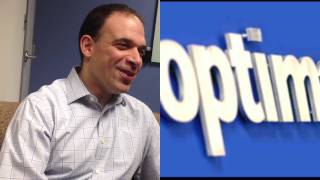
Henan Landa, CEO of Optimal Networks, hired strategist Bob London to research what clients actually worried about instead of relying on traditional sales tactics. London discovered executives were anxious about navigating technology trends, so they built SpotOn, a program that picks three key trends each year and delivers executive briefings. The approach increased referrals and lead flow.
Chapters
I'm Henan Landa, CEO and founder of Optimal Networks. We're an IT company located in Rockville, Maryland. Our biggest concern was based on our biggest desire, which was to grow. So I've been wanting to grow this company and make it larger and larger, and we've been experiencing some very kind of steady state, very, very small growth year over year, and we wanted to ramp that up. And we were finding it very, very difficult to do this. We had tried a series of morning breakfast events. We tried that for 18 months. We had tried telemarketing, we had tried sales, you know, just feet on the street, and a lot of networking. What we were starting to bump into is this issue where we knew we were offering something very special to the marketplace. Our clients knew it. We have very loyal clients and they like what we're doing, and we have intense focus on ridiculously great service. But this wasn't playing when you go talk to a new prospect. Me saying I provide great customer service versus somebody else saying they provide great customer service— impossible to tell, right? It's just impossible to tell. There comes a time when you are so inwardly focused, when you are talking to the same internal people over and over again. We have some very smart people in this conference. I had someone here who was doing business development for me who was very strategically minded. David Campbell, our COO, who just has a lot of energy and a lot of innovative thoughts that he brings to the table. An outside consultant who does our PR and a lot of our marketing production. I have me who's been doing this for, I don't know, 20+ years. And we're all doing the same things and we're all talking the same talks and at At some point you have to say, "Our little group here, for some reason, is not in tune with what's happening out there, and we need an external look. We need someone to figure this out for us and point us in the right direction." There are many, many people out there offering marketing advice, strategic advice, sales advice, and I met with a few of them. Probably the most interesting meeting I had was with Bob London. Bob asked me all sorts of questions. He really dug down into what some of our issues were and what we needed to accomplish. And a few days later comes this proposal, which frankly was a turning point in my relationship with Bob, because in his proposal he captured our situation and what I had said and what he had intuited. I mean, it was empathetic. It was like I was reading this proposal and I was like, He got it. Like, he got it, got it. He got it to a level that I didn't think was even possible. And the proposal actually changed my outlook, and it was at that point I was like, I'm going to work with this guy. I don't know exactly how, I don't know exactly when, but it's going to happen. That was the genesis of this strategic marketing project that we took on with Bob. The real key and the real beginning of the process was when he contacted some of our clients and went and met with them either over the phone or in person to really understand what he calls the elevator rant. Elevator rant is this phenomenal concept which is your client gets in the elevator with their coworker and they are complaining because that's what people do in elevators. And for 30 seconds they're complaining to their coworker. What are they complaining about? Because if you know what they're complaining about, you can address that complaint. So, this is a fantastic concept, and then he took all this information that he gathered from the clients, from the marketplace, you know, from whatever additional research he did, he put it in his cranial computer. Out came some very, very logical thinking about how to be effective and differentiated in our marketplace. A full, very detailed, very thorough report. A full marketing plan and a full sales plan and gave us metrics and gave us how to do return on investment on many of our different programs and really ratcheted up the professionalism of all of our marketing and sales activity. One of the main things that came out from Bob's interviews with the clients and the prospects, they were looking to us to guide them through the maze of technology. And technology is something that just, I mean, the pace of technology is just accelerating and accelerating and accelerating. And our key clients in most cases are non-technical executives and they have IT responsibilities and they cannot afford to spend the time, they don't want to spend the time to figure out which technology is coming next, which they should invest in, which they should skip. And they're looking to us to do that for them, to really guide them through this. We had been doing it in a very informal way. We had our ideas and we would talk to the clients sporadically. Bob London really pulled this out as the gem of the thing that we needed to focus on. And it's not just like, "Oh, it's optimal with a bright sunshine on top of it and a smiley face." It's not gonna cut it, okay? We really had to make kind of a fundamental programmatic change in what we were delivering. Bob London came up with this idea of a regular formalized campaign called Spot On, which we have implemented. Every 6 months, the leadership of our company gets together and votes on the top 3 technology trends. Then we take those 3 trends and we discuss them in depth and put together a formalized brief for our clients about these trends. And so now our clients can become better informed on what they should invest in, what they should not invest in. It's critical for them. If they miss an investment, their business can, can become uncompetitive. Windows 8. When it first came out, our clients wanted to know, should they invest in Windows 8? What was the purpose behind Windows 8? How did it affect their tablets and their mobile devices and their phones? Did they really need to move from Windows 7 to Windows 8? Couldn't they just wait? Is it gonna be another Microsoft Vista that people started invested— investing in and then realized they were wasting their money because it was such a terrible operating system? They need to know these things. More so, they need to know it from us. They need to hear from us what these trends are and what they should be doing and what our advice is and some very direct recommendations. By having this program, we not only were able to do this for our clients, it was kind of a benefit of membership, you know, membership has its privileges. If you're our client, you get the full brief. Not only that, you have an executive contact at our company coming to your office or having lunch with you and discussing not only the topics in general, but how they apply directly to you. Alright, so this had something else in it that was brilliant. It gave us a reason to go see the clients. Every 6 months we're out meeting with our clients. This is something that while we try to do it, you know, unless you have a real good solid reason, it doesn't always come to fruition. And the clients, they appreciate it. They appreciate sitting with us talking through the trends and learning about what's going on in the industry, and they feel more secure that they're getting guided. So now you take that as your top-level value that you're delivering your client And then you start bringing it out through the marketing channels. We have blogs, we have monthly articles that we, we produce, we have social media, we have broadcast emails that go out. And all these things begin to take on some of the topics that we talk about in Spot On with our clients. So if you're a prospect, you're not gonna get the full Spot On brief. But you will get a sense of the kind of value we're delivering in SpotOn and to our clients. And this may be something that you tune into, you're like, "Wait a minute, I wanna know what these guys think about Windows 8. I wanna know what these guys think about cloud computing or the cost of ownership of IT or security." And if that's intriguing, you may actually pick up the phone and say, "Hey, I'm interested." SpotOn was a way for us to connect and deliver to our clients elevator rant. The things that they were anxious about, the technology, the pace of technology, we had a direct way to deliver value and help them so that they wouldn't be anxious about it. And it gave us a method of disciplining our content so that now for a month or two months at a time, we are focusing on one particular topic, both to deliver it to the clients but also through all of our marketing channels. Which gives it a lot more impact. So now our marketing has taken on some new life. We have a new website that embodies this SpotOn concept as one of its central themes. We have SpotOn engine that is running at a clip both for our clients and for our prospects and through all the marketing channels. It's a message. So when someone says, "What do we do?" we can actually answer that question through the lens of who, who am I talking to? I'm talking to the non-technical executive who is the highest decision maker in charge of IT. And I know the kind of anxiety they're dealing with on the IT industry, and I know that I can resolve that. Not just that I can take care of their network. I can take care of their network better than anyone else out there. I can put them in the cloud. I can provide them with a whole range of activities. I can I can give them strategic IT guidance. I can, and I can walk them through this maze of IT and I can make them comfortable that they're doing it right. And that is the essence of our marketing now and the essence of our message. So it works. You know, what am I going to say? It works. We're getting a lot more referrals. We're getting much better lead flow. The messages are resonating. Resonating, which I think is the key, because when you're sitting in front of someone and you show them even the COVID page of the Spot On Brief and you see their eyebrows shooting off their head going, "God, I wish my IT company would give me that," you know, it's a win. I would say to anyone who is considering investing in marketing in a strategic way, someone who hasn't done this before, well, maybe you've thrown money into marketing before and nothing's come out of it, that's a fairly typical scenario, look at what Bob London is doing. He's a brilliant strategic thinker when it comes to marketing. You couldn't ask for someone better to take what your clients and your prospects want and deliver to you in a way that you can deliver on it.
More from Bob




Matt Bowe, fmr. Senior Director of Member Success, Leading Hotels of the World



Beyond Words: The Art of Unveiling Customer Intent Ft. Bob London and Rijuta Bhagwat | Thinkly Talks

How to find out if your product or service is indispensable to customers. (Spoiler: Just ask them)


E21 | Uncovering the Secrets of Deep Listening: A Conversation with the Uh-MAYZING Bob London!
