10 Reasons Why Most NEVER Heal From PTSD
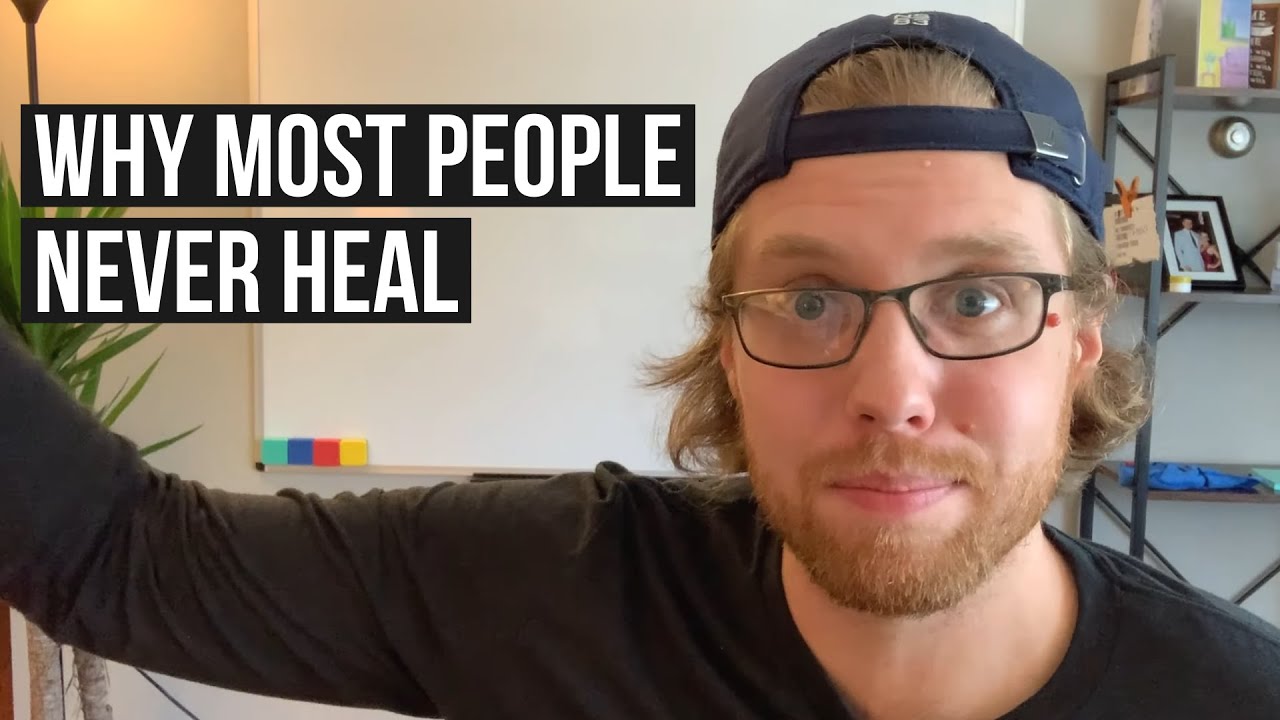
In this 20‑minute YouTube talk, Brad Schipke outlines ten fundamental mindset shifts that separate the minority who fully recover from PTSD from the majority who remain stuck in chronic pain and dysfunction. He begins by urging viewers to make a firm, personal commitment to do whatever it takes to heal, warning against half‑hearted effort. He then walks through each shift, contrasting the typical “mass‑mindset” (dependence, victimhood, lack of control, stagnation, pain avoidance, self‑deception, self‑hatred, emotional suppression, short‑term gratification, and playing small) with the opposite, empowering stance (independence, responsibility, self‑control, active change, befriending pain, radical honesty, self‑love, authentic emotional release, long‑term focus, and playing big). Throughout, Schipke shares personal anecdotes—his own rock‑bottom experience, his partner Kayleen’s intensive five‑day healing sprint, and vivid examples of how he moved from passive therapy attendance to intentional, goal‑driven sessions. He emphasizes practical actions: setting clear therapy goals, journaling emotions, scanning the body for suppressed feelings, choosing new mental pathways, and committing massive, consistent effort. The talk concludes with a recap of the ten shifts, a call to action to subscribe, and an invitation for viewers to engage in future content.
Chapters
Hey everyone, Brad Schipke here, and today I'm going to be talking to you about why most people never recover from PTSD. Now, this seems like a sad topic, but I'm actually going to show you the pitfalls that you need to avoid, and I outlined 10 different things that we're going to walk through today, that if you can avoid those and make these very key essential mindset shifts, you will be in the group that succeeds and fully recovers versus in the masses where like, 'cause most people don't recover. If you look at the masses out there, most people are not out there healing, living their best life, and making progress, right? Most people out there are in pain. They're suffering. They've gone to years, if not decades, of therapy and are seeing no results. They're on a slew, a grocery list of medications, and not getting better. When you look out, when I look out into the world, I see that most of the people are in pain. I don't see most of the people recovering. And what I wanted to do for this video is I wanted to really analyze what are the key differences for the masses that are in a lot of pain and constantly in pain and maybe suffering for decades and decades and decades, and between this, the smaller segment of people that fully recover and go on to live like their dream life? I've always been very interested in that. Like, what is the difference between the people, like the majority that don't make it, and the minority that do, right? And as I analyzed it, um, as someone who's helped a lot of people go from, you know, you know, the majority group to the minority group, from being unsuccessful in healing to successfully healing and fully recovering, I've really narrowed it down to these 10 things. So if you can really grasp these 10 basic principles of healing, you will make it there. And these are the foundational things that you need to develop. So, and the beautiful thing is that the successful people, they weren't born different. They went through just as much trauma. They went through even sometimes A lot of times even worse trauma than the people who end up suffering for their entire life, but they made the change. They made the conscious decision, the conscious commitment to do whatever it took to get that out of their life for good, right? So what I want you to do right now before we even get to the content is I want you to make that commitment to yourself that you will commit to doing whatever it takes to get this out of your life for good because that is what it takes. Some half-hearted, half-assed belief that you're going to get better isn't going to cut it. You need to commit to yourself to do whatever it takes for as long as it takes to get there. Now, it doesn't mean you need to like overwhelm yourself and like, you know, push yourself to like, to like, uh, exhaustion every single day. It just means that you won't give up. That's the primary thing. And if you don't give up, if you just constantly and consistently take those little steps forward day after day after day after day and you just don't stop you will make it. And that's one of the first differences between the successful and the unsuccessful. The unsuccessful, basically, they, they like, they got to this point where their pain, which like, I can't blame them because I was in, I was in that group too. I was in the unsuccessful group too. I was in the, you know, the, the hurt, depressed, um, hating my life group, you know, thinking about, you know, suicidal, having suicidal thoughts. I was in that group, right? I know what that's like, right? But, um, To make that change, you need to make that commitment. So I want you to make that commitment right now with me. And right now I'm going to dive into those 10 things that I've kind of discovered that differentiates the two. And the really cool way I'm going to put this in a way where like I'm going to highlight how the mass, like most of the people think, and how you need to be thinking in order if you want to be successful. So I'm going to go through, go through this and then how to make the change to What you should be thinking about. So the first thing I see is that the, the masses that are not healing, that are going through the traditional system, they are in a dependent state, right? So they're in a state where, you know, they wake up and they're like— and they put all of their hope into somebody else in order to heal them, right? So this might be a therapist, this might be a doctor, this might be a psychiatrist, this might be a psychologist. This might be some type of medication. They're always looking for something else, something else out in the world to heal them, right? They're like, oh, this medication will heal me. This therapy will heal me. This person will heal me. Like, I'll get the secret sauce. I'll get the secret little thing that's gonna like make me fully recover. I'm gonna get that little magic pill, right? And I'm gonna keep looking in some other person, right? So I put my hope into someone, someone else for my healing. That's what most people do. The successful people, what they do is they go from that dependent state to an independent state. Now, they might still use a lot of the traditional pathways for recovery, right? They might still go to therapy. They might, you know, go to doctors and the same psychologist or psychiatrist or whatever, but their intention in the way that they approach the situation is vastly and very significantly different. So instead of going in with this energy of like, oh, I'm walking in here expecting you to fix me. They go in with that independent attitude and they're like, okay, this is what we're going to do, this is what I want to work on, this is where I want to go, and I'm committed to getting there. Example. So again, I, I, when I talk about all these things in the majority and like the few that are successful, I was, I was in that majority where like I was depressed and I was not a very pleasant person to be around, just to be, to be perfectly honest. Um, so in my beginning of my recovery, I was a very dependent person. I was very dependent I had a very dependent mindset, right? And what that got me was like things got worse and worse and worse and worse and worse and worse until I spiraled down to my rock bottom. But I put my hope into a therapist. I put my hope into some other type of modality or whatever it was, and it wasn't getting me the results I wanted, right? Because I had a half-hearted, half-hearted, half-hearted attitude going into this. So I wasn't like, I'm committed. I know where I'm going. I know what I want. I know like I want to get there. I wasn't taking control. Of my recovery. I was, I was releasing all control of my recovery. I like, I'm like, I don't want it, you fix me. I don't want to fix me. I don't want to do any of the work. And that's what it was, you know. And that's where I see a lot of people, and that's where I was stuck. Um, and it wasn't until, unfortunately, and unfortunately this is a big turning point for a lot of people, is that they have to hit rock bottom, right? They have to hit the low of the low of the low in order to make a change. So I hope that I can get you before you hit the bottom. Hope I can catch you like up here and help you make the change right now so you don't have to go as low as I did or Kaylin did or anybody else that I know that hit rock bottom. I hope you don't have to go that low. But for me, I had to hit that bottom, right? So I, I like, man, I kind of sped it up. I kind of like to do things, uh, you know, I go all in, right? So I went all in on my, my downward trajectory. I went down. I was like, I was like straight down. So I went like down and like then I hit rock bottom. And then, you know, when you're at that point, you really ask yourself some, some deep questions, right? So a lot of things are going wrong. You're experiencing a lot of pain, and that's when you start to reflect, right? So you're basically— rock bottom is just like a forced, forced moment of reflection, right? Where everything's going wrong and like you're forced into this, this position of pain where you are forced to reflect. Why is this going wrong? What am I doing wrong? What can I do differently? So you're forced into that situation. But like I said, you don't have to be forced in that situation. You can do that at any point in your recovery, in your downward trajectory. You can say, why is this happening? At any point. It's just that most people choose not to ask, not to make any changes, and then that just drives them further and further down until they hit that rock bottom point. So for me, that rock bottom point was a huge turning point for me, and it was, it was a, it was a launching point. So like I hit and then I launched. But then, you know, it wasn't, it wasn't perfect from that point on, but that started my upward trajectory from there. So from there, I made the decision, I made the commitment. I'm like, I am no longer going to put my hope into somebody else. I'm no longer going to put my hope in a, you know, a therapist or, or a book or this guru or whatever. Like, I'm doing this, I'm doing this my way, and I'm going to, I'm going to take control of this. I'm going to take responsibility for this, and I'm going to go full force in what I believe is right. So The first thing I did is I went back to the same, the very same therapist, right? The very same therapist that I had when I was in this dependent state. I went back to her and I'm like, okay, you know, let's— this is what I want to do. I want to work on this specific memory and I want to work on processing this and let's go right now, right? So before, when I would attend a therapy session, I would kind of come in and then she would kind of just like talk with me. I was like, I was totally hands-off, right? Like I had— I wouldn't take any control. I was just like, okay, you guide the session. I don't know anything. I'm, I'm kind of just dumb and ignorant and don't know anything. So you take control and you basically direct my healing in my life in the time that's here. Um, but what I did this time was like, I went in there with intention. I knew what I wanted to work on, right? Um, so I didn't, I didn't, I didn't allow that beginning session of chitchat. I'm like, okay, here's what I want. Here's where I want to go. This is how I want to feel. Let's go. And we started right then and there. So in the past, I would probably get like 20, 30 minutes of like healing work. But after, after I started being independent, it was like 45 minutes. So there's only like 5 minutes of downtime if you're talking about like a 50-minute session. So I went in there and I took control. I'm like, this is what we're doing. And then from there, with that same independent attitude, I was like, let me buy every single book I can find on Amazon and let me freaking read it, let me tear it apart, let me try everything, let me learn all the tools, right? Let me learn everything I can from everywhere. And I tried all these different types of therapy and I tried all these different books, all these things that I saw in books. Some things were like super spiritual and like, I'm like, this is a little crazy. But I'm like, when you're at that rock bottom moment, I'll do pretty much anything, right? So I tried it. So I tried everything that I could get my hands on, but the most important shift It wasn't any one tool. It wasn't like any modality. It wasn't like a therapy. It wasn't a therapist. It was me going from that dependent attitude to an independent attitude, taking control of my recovery, me doing whatever it took and being like, if I'm going to heal, it's up to me. If I'm going to beat this thing, it's going to be because of me. And that's the major— that's the first major shift that I Distinguished from the unsuccessful versus the successful in healing. So if you want to— if you feel like you're— if you identify for yourself, are you in a dependent state? Are you going to therapy and just expecting the therapist to heal you? And then you're just, you know, sitting back— Oh, almost fell— the rest of the week and just doing nothing. Because I can tell you that won't get you anywhere. If you're just going to therapy once a week, you're not gonna go anywhere. You need to take, take hold of the reins of your own life, of your own recovery, and start directing it, right? So that's the first— you, you need to— first shift you need to make, you need to make in order to fully recover. Now the second shift and the, the second big differentiation is to go from a place of blaming and making excuses to taking full responsibility. So this kind of— this is kind of just a different dimension of the first, going from dependent to independent. But what I see out there, again, when I kind of analyze, okay, what's the difference between, you know, the unsuccessful and the successful people that have— that, uh, I've seen out there, or the people that I've coached, is that, you know, the unsuccessful people, they kind of have this major, major— it's like a crisis out there, man. It's a, it's a crisis. This major, major victim mentality where, like, and like, it— like, trauma kind of develops that. And I had it. I had— again, I speak from personal experience. You know, I might have had the worst victim mentality out of everyone, you know. So I'm— when I say all these things, I'm by no means putting anybody down because like I did it. I did all these things. So that shift is to go from, you know, blaming, making excuses, having that victim mentality, to taking responsibility for yourself and just owning things. Owning things 100%. Owning your situation 100%. Owning everything in your life and be like, Again, I'm going to take control of this, right? So a lot of people out there, they like to, they like to put the blame on, on a lot of things. They'll put the blame on like, my therapist isn't good enough, or like, you know, my boyfriend doesn't support me, or like this, this person doesn't support me, or this person doesn't like me, or I had this trauma in my past, I had this trauma in my past, I had this trauma in my past. I promise you that I can find somebody who has gone through just as much as you've gone through And actually way more than you've gone through, and have fully has fully recovered. So, like there's like here's the thing. Here's what happens, right? When you when you start pointing outwards, you are releasing all control over your life, and you can't do anything. You're releasing all power and all control over to somebody else or some other idea or something, right? The only thing. The only person that can, that you, or the only thing in your life that you can control is yourself. And essentially what you're doing when you're like, oh, this trauma, I can't heal because of this trauma, or I can't heal because of, you know, this person in my life, or this person in my life, or my whole family, or whatever it is, what you're doing is like, you're taking all your control, you're putting it out there, when in reality, the only person you can control is you. So again, instead of looking out there, focus— stop focusing on all the things you can't control. You can't control those people. You can't control what they do to you, but you can control you. And most people put all their focus on all the things they can't control and none of the focus on the things that they actually can control. And the trick here is to flip that 100%. Don't pay any attention to this other stuff. What other people think, other people Do focus on you. Focus on you. Everything else will get better. Okay? Focus on you 100%. Focus on your healing. Focus on your mind and changing your inner world because when you change your inner world, your outer world will change. So again, I have been here many, many, many, many, many, many, many times. There were. I'll tell you a quick story about kind of how I embodied this. Hardcore victim mentality in my life. So there was in in in as you know my partner Kayleen in business and in life, my lovely partner Kayleen. There were there were some people in her life that hurt that hurt her a lot, right? That caused her a lot of trauma in her past, and I became very very very resentful. Right? And a lot of that trauma that Kayleen was have, that Kayleen went through, all like caused a lot of anger in her, and a lot of the anger was coming out at me, right? So I love Kayleen, and I've always loved Kayleen. And there was a point where I developed a major victim mentality where I blamed her for how my life was going because, you know, she would get angry because of the stuff that she went through. And I started to, you know, get really hurt and, and start to go down, you know, down the spiral. Um, so I started to blame her, but even more so, I blamed the people that hurt her. And I remember just like not being able to sleep at night with just so much anger and rage, and it was just so scary to have. But like, I remember sitting one night, I'm like, man, I am like— these people don't even know what I'm experiencing. I remember laying down on my bed and I'm like, I'm just like fuming, I'm just so angry because like at these people that hurt the person, like the love of my life, the person I like really, really, really care about. And I was just fuming and I just remember thinking this one night, I was like, man, these people like, like they might be on like some beautiful cruise in the Caribbean and I'm here stuck in my bed thinking about them. And I'm like, they're just alive in my head, they could be out doing whatever they're doing. But they had— they've like set up— they're like living in my head. They set up shop in my head and like they're controlling me. They're controlling my life, my state, my, my life, man. Um, you know, my entire emotional state. And then from there, I like realized how much of a victim I was being and how much like I was putting— releasing all the power and control I had. So then right then and there, I asked myself, what can I do to make myself feel better? How can I move past these emotions? Because they're my emotions. Right? That was another thing I realized, like, these aren't their emotions. Okay, they kind of trigger these emotions inside of me, but at the end of the day, they're my emotions. They're not responsible for my emotions. I'm responsible for my emotions because I'm the only person who can control my emotions. Now, that's a radical view. You may not like it. Some people don't like it when I say, oh, you can control your emotions, or you're responsible for your emotions. But you are. If you're not, then who is? Who can control your emotions other than you? And I'm not saying that it's right for someone to, you know, say mean things or anything like that. I mean, I used to be bullied a lot. I do not like people who do those things, trust me, and nor do I condone any of that stuff. But at the end of the day, it's like, are you going to let some bully in your life control you? Are you going to let someone who's done all these bad things in your life control you? Are you going to own it? And are you going to learn how to overcome those emotions? that you feel, your emotions. Because once you, once you get to that point where you've accepted, okay, these are my emotions, I'm going to control them, I'm going to do whatever, whatever it takes to overcome these, that's when you start making progress. And the best thing— like, one of the worst things you can do is like allow all of these other people or outside forces to affect you in such a negative way, right? It's like you're letting all those things win. You're letting like that, that bad person win, or that Abuser win, or that traumatic experience to win, or whatever. You're letting all the negative in your life win when you do that. So if you really want to fight back, you have to take responsibility for yourself. You have to own it. You have to be like, this is— these are my emotions, and I am going to do whatever it takes to overcome it, to heal it, to feel good, to feel good for me, for me. So that is the big transition you'll need to make. That's the second thing. To go from blaming, making excuses, developing this hardcore victim mentality, to going to the side of taking full responsibility and owning it. Owning it. Owning your life 100%. You can't control what happens to you. You can't. But you can control how you react to it. So own your life, own your emotions, own your recovery, own every element of it. And focus on that. Focus on what you can do versus all the things you can't do, and you will start making steps forward. All right, so let's move into the third thing. Again, kind of ties into the last thing. Most people that I see out there who are unsuccessful with healing basically release all control. Like, and one very common thing is like, I can't control my triggers, I can't control my thoughts, I can't control my emotions, I can't control anything. Right? So that's a very common excuse that I hear from people when they say like, I can't heal. They're like, I can't— well, I can't control my thoughts. I can't control all these things in my life. And basically when they do that, they're like, oh, I can't do anything. And they just like set up shop down at rock bottom. And then, you know, since they're like— they kind of have given up altogether. Again, I've been there, I've been there, I know what it's like. Uh, but they set up shop, they start building a house down there at rock bottom, and they never escape because they believe that they can't change, that they have no control over anything. And nothing at all, right? So that's what most people do. And the few people that are successful in healing, they take control, right? They realize, hey, I can control this thought. Yes, it's not easy. Yes, it's freaking hard. Yes, it's hard to control my emotion. Yes, it's hard to make that decision to, to, um, do the positive thing versus the negative thing, but I can control me. And they make that decision because it is a decision that you make. That is a choice that you make. Now, like I said before, there are things that you can't control, right? Like you can't control what other people do, think, say, whatever to you. Um, you can control you, and you can actually control in the way that you react to it and whether or not you allow it, whether or not you allow it to continue. There are a lot of things that are in your control that you just give away, right? So you do have control over things. Um, you have control of your thoughts, you have control of your emotions, you have control over your choices. It's just that We usually just release control over everything, the only thing that we have control over. So that was the third thing. The fourth thing, this is a really good one. This one will really help you. It's very simple. It's so simple, but it's such a key mindset shift that I had that I was like, it blew my mind and it changed, changed my entire recovery. Once I like learned this, it's so simple and you'll be like, once you hear it, you'll be like, that's, that's too simple. That's kind of dumb. But I swear to God, it is amazing. And if you can grasp this, you will, you will start to self-correct, right? And this is kind of a principle that will help you get into that independent state of healing, right? So this— which one am I at? 4. So the 4th thing now is most people feel like they're stuck. Right, that they can never change. And the few people that recover, um, look for change, right? So change, the principle of change, right? And that change is required for change. And again, like I said, it's so simple, it's so dumb. But most people, they get stuck in these pathways, these, these habitual ways of thinking. You know, they have this one trigger and then they have this automatic mind, uh, thought, uh, process that just spirals them out of control. Like one bad thing can happen, it can, it can trigger this negative thought pattern that just spirals them out of control, right? So I'll just tell you a story of like kind of how I kind of discovered this myself and how, how, how it's impacted my life. And it's been incredibly, incredibly helpful. And it might be— maybe this one should have even been first because like it's so obvious and so simple, but at the same time almost nobody is doing it. Because it's challenging. And although it's obvious, it's like also not obvious when you are in your own head and you're just like kind of overwhelmed. Your mind is just swimming with all these different things. But I remember, um, kind of figuring this out when I was like around the same time, you know, I had the story of like these people were hurting Kayleen and I was blaming them and blaming them and blaming them and blaming them. I remember again, I think this is This is just an example, but around that same time, I remember laying in bed and being like, man, I just keep blaming them and blaming them and blaming them. I keep getting angry at them, and what does that get me? I just thought about like kind of like the steps that happen. I'm like, okay, like I get triggered, I get angry, I flip out, like my blood boils, I can't focus, I can't do anything productive, and basically the rest of my night is shot, right? Just because, you know, one little tiny trigger. And then I just kind of go down this sequence of anger. And I'm like, wow, I keep doing that. And I know the result that's going to happen. I know like if I hear about this person or see this person and I make the choice to get angry and I make the choice to dwell on that and just think and imagine and visualize all the bad things that person did, if I make that choice to do that, I know exactly what's going to happen. I know the exact sequence of events that is going to occur if I take that first step of blaming this person, right? I know if I blame this person, I'll get angry, I'll spin out of control, I'll start visualizing all these negative things, and I'll ruin my night and might even get in a fight with Kayleen just to, you know, put some sprinkles on the top. So I was like, man, I keep doing this thing again and again and again and again. Why am I not learning that this isn't a good strategy? Why am I not freaking getting it? And that's where most people are stuck. They keep doing this thing again and again and again and again. They keep reacting to these old stimuluses in the same way. They keep doing the same thing. They keep running away from their problems. They keep running and numbing with TV or video games or whatever else. They keep doing the same thing again and again and again and again and they know— That it doesn't work. They don't take that tiny step back just to be like, this is— just to acknowledge this isn't working. What's something else I can do? I need to change. I need to do something different. I know this path doesn't work. I know if I go down this path, it will be bad. It will be negative. So I need to change that path. I need to choose a new path. And that right there has changed my life. Just saying the word change, change, change. Choose a new path in my mind when something bad happens. When you feel this emotion overwhelm you, choose a new path. Don't go down that old path. You know where that old path goes. You need to change. You need to choose a new path that will lead you to a different destination. And there's in that situation, you know one thing. You know one thing that you can guarantee that that path that you've been going down. is the wrong path. And a lot of people get stuck because they're like, I don't know a better path. But what I say is, you only know one thing. You know that that path that you're on right now freaking sucks and it's going to lead you to a very, very bad place. So the likelihood that you pick a different path and it's a little bit better is very, very high. So take the chance and just do anything different and you will likely get a more positive outcome. And then if you keep changing, you keep just basically testing, like, let's go down this path, let's see what's down here, let's go down this path, let's go down here, you will eventually find better and better and better paths to go down, better and better solutions for your current problems. But it starts with change, it starts with realizing that the path you're going down right now is not working. It's not. So like, when you get triggered by your Here's an example, a different example, example from my life, right? So like, Kaylee and I used to, we used to fight a lot, right? So we used to get in a lot of fights and it got, I'm not like a fighter. I like, I do not like conflict pretty much at all. So, but I got to this point where I became a fighter and I just remember like, you know, I would I would start seeing like Kayleen get get angry or a little frustrated or something, and then like that would trigger some like anger inside of me as well. And I just remember like my habit from that point was like to be like, why? Like why are you angry? Like I didn't do anything wrong. Why are you angry? And then it was like I would instigate even further. I'm like, and then she would and then she would come back, and then we just. You know, heat up and heat up and the pressure would build and build and build and build and then it would be a really big fight. But I just remember in that scenario, like, are you in a scenario like that where like you were getting angry or are you like building, going down this path of anger knowing that that path doesn't work? So another example going with that same story, I discovered that If I don't make that remark and I still feel my, my anger of emotion, I make the choice instead of like kind of instigating, I make the choice, I go down the different path of taking a step out of a room and then journaling down all of my anger. I was able to process that anger. I was able to still get it all out of me. And I didn't— I wasn't, you know, suppressing it. I was releasing it just in a different medium that didn't hurt the people I loved. And that was a different path I chose. And I was like, wow, this path actually works. It works really dang well. So that's what you got to do. You got to realize you're first— you're on the wrong path and that you need to make a change. You need to make a change. You need to make a new path. All right, so that was the, uh, the 4th thing there. I hope you got a lot of value out of that one, even though it was super simple. Just realizing that you are on the wrong path, you need to choose a new path, will help you immensely. You need to do something different. All right. So the 5th thing here is that most people who don't recover, who never recover, avoid their pain. They avoid their pain like the plague. They're like, the pain, the pain, I don't want the pain, I need to go away from the pain, I need to run from the pain, the pain, it's so much, and it is. And again, I've been there. But the people who are successful in their healing, they befriend their pain. They realize their pain is there for a reason. Their pain is there to teach them a lesson. Their pain is there to help them grow, and they don't see as they don't look at pain as something as like they're trying to get away from. No, they don't like it. No one likes pain, right? But they befriend it. They use it. They use it for their growth, for their lessons. So they look at the pain and they see an opportunity, whereas the people who who never recover, they look at their pain. And they're like, I don't want to go there. I don't want to go there ever. I don't want to— I don't want to think about it. I don't want to even anything, right? And again, like, again, I've been there. I like— it's freaking hard. It's freaking hard. But that's why I'm here, to help you make that shift. Because if you keep running away from your pain, you're never going to get to the root of the pain of why it's happening in the first place, and you're never going to be able to heal it. And that's the distinction. That's the difference. If you keep running away from your pain, you'll never get to the root of it. You'll never learn the lessons you need to learn in order to overcome it. So you need to make the shift from going from, I'm terrified of this pain, I'm gonna run away from it, I'm never going to face it, I'm never gonna feel my emotions, to befriending it, to saying, hey, it's there to help me, it's there to teach me. How can I, how can I use this pain? What is the message this pain is trying to tell me, and how can I use it? To overcome it, to make my life better, to improve. So what you need to do is you need to redefine it. You need to start moving towards it and using it for lessons and using it for growth. Um, so that's the 5th thing. It's a huge thing. It's a huge thing. When you do that, I would recommend— it makes it a lot easier to have some, some, some tools to help you face that pain. And I do intend on releasing a few more videos about how to face that pain, how to look at it and actually learn the lessons from it. But a key shift you need to make is going from avoiding it, avoiding the pain like a plague, to befriending it and using it for your recovery. Because it's such a positive force in your life. And if you can change that belief— and you might be, Brad, Brad, you're freaking crazy, right? But basically pain in your life, pain in your life is just basically an alarm in your body, like Please pay attention. Please pay attention. Fix me. Fix me. Fix me. Fix me. That's what pain is. And when you look at it, when you look at the pain, you're looking at the problem. And you're like, okay, how can I solve this? What's going wrong? How can I fix it? Why is this happening? And you start to dissect the problem and fix it. So that was the fifth thing: avoiding pain versus befriending it. Now the sixth one. This is another really huge breakthrough for me. It was such a massive, massive, massive break. Breakthrough, and it has to do with repression and suppression of emotions. And this is a really hard one for most people to deal with. But most people who never recover, the people who never recover, they do a lot of lying, lying to themselves, self-deception, and self-denial. So they lie to themselves, they deceive themselves, and they didn't— like, they deny that they're feeling or thinking certain things, right? And the people who fully recover, they get to a place where they are fully honest and they value honesty. And I'm not talking about like the, the trite honesty where you're like, I always need to tell the truth to other people and I can never lie and I can never whatever. I'm talking about like the honesty to yourself. I mean, that's like honesty just across the board is super important. Being honest to yourself, being authentic, That's you being honest out into the world, bringing your authentic self. That's you being honest out into the world, but you honestly expressing your emotions. How do you honestly feel? How did this trauma honestly affect you? How did these things in your life honestly affect you? Because what happens is that when you experience a trauma, all of those emotions, all of those, all of that negative energy, um, negative thoughts, negative beliefs, all of that is like inside of you. Right? And most of the time we deny that. We suppress it. It's repressed. We lie to ourselves. Oh, it's not that big of a deal. We deceive ourselves. It's like, okay, well, that, you know, that wasn't— that thing didn't really hurt me that bad. Or you deny it and be like, it's not even there. Like, I don't even feel this. And a lot of times we feel guilt. We feel guilt over the emotions that we feel. We're like, oh, we shouldn't feel this way. We're not supposed to feel this way because we were brought up to maybe not get angry at people. So you might be, you know, suppressing, or the anger might be repressed inside of you. You might be holding that down. You might be lying to yourself when, like, like, you're angry about something, but like you're lying to yourself saying that I'm not angry. But in reality, you've just been trained to think that anger is bad. And that's just an example. It can be any sort of emotion. It might be sadness, might be crying. You know, like, you know, I wanna cry, but I'm not being honest about my need to have to cry. So I hold it in and I push it down. And that's what this is all about. It's like when you don't honestly allow yourself to express what you need to express or face what you need to face or say what you need to say honestly, then all that stuff is gonna be held in. So until you're able to go inside of yourself and honestly express all the, the, the things that you're holding back, you're not going to be able to go forward because that's it. You're just going to be holding it in. So honesty, honesty, honesty, honesty, honesty. Be honest with yourself. How do you honestly feel? How do you honestly feel? How did this thing honestly affect you? Let it out. Journal it out. Whatever it is, let the emotions out. Just be honest. Be honest. And then once you're honest with yourself, you feel— just try it. You'll try it. And like, when you're honest with yourself and just let it go, you'll feel this massive release, this pent-up release that you've held on— held inside of you for so long. If you're just honest about it, you know, maybe you weren't allowed to be angry when you're younger. Maybe you weren't allowed to be sad. Maybe you weren't allowed to cry. Maybe you weren't allowed to do all these things. But when you're just like— when you just accept yourself and you're like, I want to cry. I need to cry. Or like, this part of me is really angry. Or like, this part of me is really hurt. And you allow that part of you to express its hurt feelings. You allow that angry part of you to express how angry it is, and, and not in any negative way. And you allow that part of you that wants to cry to cry. And when you do that, you express your emotions and you let it go. You let it go. You're no longer clinging to it. You're no longer holding to— holding on to it for dear life. It's gone. You're letting it go. Right? And obviously this is like an oversimplification of kind of the process, but the honesty will be an amazing, amazing turning point for you in recovery if you're really able to grasp it and pull it in. All right, so that was what? That was, that was number 6. We're on to 7. We're moving along here. This is awesome. So number 7 here is that most people are in this state of self-hatred where they hate themselves, they hate their lives, and they hate Everything in it, right? I say those together because that's what I used to say. I'm like, I hate my life. I hate my— I don't even— I'm not even gonna say it because I don't like saying that stuff anymore. So they go from a place of self-hatred to a place of self-love. So what this really does to you, and you'll find that a lot of these things I'm talking about are like interconnected and like they kind of mesh together in a really beautiful, beautiful way. So when you, when you hate yourself and when you're really down on yourself, and you beat yourself up, basically you are just— you are— you're going to be unable to go to the deeper levels inside of yourself that you're going to need to get to. Whereas you need to start making that shift to the self-love and finding that innate value within yourself, that innate worth inside of yourself, regardless of where you're at. And that love will just unlock More and more pieces, because you can just think about this for yourself. Like when someone's angry at you, what do you do? When someone gets mad at you and is angry and is like, "You, you, you shall blah," whatever. I don't know how to get angry anymore. But when someone's angry at you, what do you do? You'll either like you'll lash out, you'll fight them back, or you'll like you'll like you'll you'll shrink, or you'll close up. You'll close up altogether. And when you're angry and mad to yourself, or you hate yourself, you're hard on yourself, you're just closing everything up, or you're causing a different part of yourself to fight. So you just have this big inner conflict inside of yourself, and you don't have that inner harmony, right? Which is peace. Another way to say that is peace. So when you're fighting yourself, you're unable to get that point of peace because there'll always be that inner conflict because you're starting it. Like, when you're like, you're, you're starting the fight, you're like throwing the first punch, and then like Another part of you is going to throw another punch, and like it's just like this mayhem inside of you, right? But when you approach it with love, like when someone approaches you with love, how do you feel? You might be like, oh, a little defensive at first. Like I don't believe you. Like I'm a little skeptical. Like someone used to say they used to love me in the past and they hurt me, whatever. But if that person just came came at you with love, love, love, love, nothing but love, and I mean real love, like. Unconditional, unconditional, unclouded love just for you, you would eventually open up, get to a point where you would build trust with that person and your heart would start opening up and you would open up even more, right? So that's, that's the importance of self-love, is that it opens up these parts of you that have been locked away for so long from being pushed away or yelled at or whatever. So like I said before, you need to find that when you're at rock bottom, you can still find that self-love. There are still reasons to love you. There are reasons that you can be loved even if you're at rock bottom right now. And honestly, that is the best place to find self-love, because if you can find love for yourself there, you can find it anywhere. And that's where I found love for myself, was at that rock bottom moment. So That's the thing that you will need to think about. You know, what, what are the things that cannot be taken away from me? Maybe it's my smile, you know. Maybe it's that, you know, I can make people laugh, you know. Maybe it's that, like, I think people are good. Maybe it's like I want to help people. Maybe those are the things that are good about me. What are all the good things about me? You can just start listing and listing and listing and listing all of those, and those are all the things that you can't take away. So you want to look for all the things that that are good about you, that are like worth— like why you're so worthy— that can never be taken away. And when you find that, you have that foundation of love for yourself, you will be able to unlock more and more closed-off areas of yourself so you can heal and go deeper into your own healing. All right, so that was number 7. Again, we're cruising. This is good. All right, so number 8 is to go— again, this— again, a lot of these are connected together— is to go from a place where you're, you're suppressing emotion, right? So what most people do is when they go through a trauma— and this is why they don't recover— they go through a trauma, um, or multiple traumas or whatever, they go through all these hard experiences and they suppress all their emotions. And what that means is that they push them down so they don't have to feel them, right? So you go through this thing, you experience a lot of emotions come up, and then you push them down, right? And then you might like, you might push them down, then you get triggered, and then they all come out, and then you push them back down again. You get triggered, they all come out, and you push them back down again. But you, you start to build this habit of suppression and this habit of pushing all of your emotions down. So it's like this big, just pressurized thing inside of you just waiting to explode. Now you need to go from a place of that where you're suppressing and, and holding back all of your emotions to a place of releasing your emotions, expressing your emotions authentically, honestly, like I was saying before. And that's the major, major shift you need to take, because if you're unable to Honestly express. This is what I was saying earlier. If you're unable to honestly release all the emotions that you're feeling, or just allow yourself to feel the emotions that you should have felt back then, you won't be able to get through it. So example, example in my life. Life. This is an example from my life. So I used it was it used to be so hard for me to express emotion, and it still is challenging. It's like it's it's not. An innate thing for me to do. Like, my, my nature is to kind of hold it down, and it's very hard for me to access emotions. But I have learned, I have developed the skill to release my emotions and to let them out, and has been a game changer. I wouldn't have been able to heal without it. And for a lot of you out there, you've been pushing down emotions for so long that it's become a habit. And you may, you may not even know if you can even feel, right? You might have that like Thought in your head is like, man, Brad, like, I don't even know if I can feel anymore. I don't know. I don't even know if I can let these emotions out if I wanted to. Or you might be like, I want to let these emotions out and I can't even cry. And all of you know, like, what a good cry feels like. It feels so good, right? It feels amazing to let it out, let those emotions out. And that's all I'm talking about here is just like letting it out, letting out your emotions honestly. So what you're going to need to do is develop the skill of releasing emotions, letting them go. And it is a skill. And a great way to do this is to get into a quiet place where you're all alone, no one's around, and you lay down, you get comfortable, you do a few relaxation exercises, and then you scan your body for where you're feeling the emotion. And then you consciously release and relax that part of your body, and you will feel some emotions start to come up. But it's a practice, and you need to be intentional about doing this. So that is what I— like, a key change that you'll need to take is to go from suppressing your emotions, holding them all back, to releasing them, expressing them authentically and honestly. Because when you do that, you're letting it go. And a big part of healing and trauma is allowing yourself to honestly express the emotions, thoughts, and beliefs that were created at the point of the trauma. So you go through this trauma and you don't allow yourself to truly feel it. You lose this loved one, you don't truly allow yourself to grieve, so you hold on to it and it's in there. But if you start releasing those emotions and letting them go, you're going to start to heal. So that was the, the, uh, 8th thing. Again, we're cruising here. And the 9th, 9th thing here is that most people, um, who never recover go— are in a place where they are addicted. They are totally addicted to short-term gratification. And it goes along with what I was saying before, um, with your— you're just kind of stuck and running and numbing and trying to get relief, um, instantly. But like, people who never recover, they are addicted to that short-term gratification, and thus they are unable to even think about or even working towards consistently a long-term goal. And that's what recovery is— it's a long-term goal. And long-term can be different for everybody. It can be defined differently for everybody, but it can be anywhere from, you know, 3 months, 6 months, 12 months, 2 years, 3 years, depending on who you are and the level of effort that you put forth. So that's the major shift you need to take, is to go from short-term thinking and addicted to short-term gratification to long-term, becoming a long-term thinker and becoming addicted to long-term success and gratification. Right? And you do that by removing a lot of the short-term, um, kind of gratification things that you, you do, all the short-term gratification actions that you have, and start replacing them with the more long-term, um, thinking actions. And also it just helps to think long-term as well and get around other people who are thinking long-term and working towards that goal as well. Um, because like I said, sometimes I— every time Every time in recovery, you will start working on something and you will not see traction instantly. You will not see it instantly. It will require some work. Some things you might need to work at for weeks before you get a breakthrough in recovery. That's just the reality. And like, if you were just like, if you have this short-term mentality, you're gonna be like, I went to— I like, I tried this thing once. I did this processing tool once and it didn't work, therefore it doesn't work. And if that's your mentality, if you try something once and you're like, oh, it doesn't work, therefore it will never work, then you will never heal. And that's why most people are broken, because they'll try something once and then they'll give up. Maybe it is the wrong thing. Maybe you try it and you actually give it a good try and it doesn't work. And then at that point, people are like, oh, I knew it wasn't going to work. I told you it wasn't going to work. See, I'm still broken. I still— like, my life still sucks. Be like, at that point, you have to go back to be like, okay, this path isn't working. I need to what? I need to change. I need to go down a new path. And you're seeing how all of these are starting to tie together here. So if you are only taking short-term actions, you will not get there. You will not heal because you need to start thinking long-term because the action that you take today, you might not see results from and you have to be okay with that. That's just part of the process. You have to, you have to be okay with working for an hour, 2 hours, 3 hours, and seeing no results and still have the confidence and the hope and the belief in yourself that someday you will get better. So you need to be able to work and see nothing and work and see nothing and work and see nothing and work and see nothing and work and see nothing until you do, until the reward actually comes, right? And that's, and that's, that's the thing is like most of what life is, most of like The things that you need to do, or like most of the goals that you have in life, they're longer-term goals and you're not going to see them instantly. You're going to have to work and not see anything and work and not seeing anything and work and not see anything. If you want to lose weight, you're gonna have to diet and not see any results for a while, right? Like, you might not look that much different for like the first 2 months, you know, but then on month 3, you'll be like, wow, I'm starting to look good. Like, probably see a steady decline in your weight, but you might not, you might not look any different. And you might, like, if you were thinking short-term, you'd be like, wow, like, like, this isn't worth it. I'm like, this isn't moving fast enough. But you need to be patient, and you need to think long-term, and you need to stay consistent with your actions until you see the results of them. So if you can make that shift from instant gratification, addicted to instant gratification— I'm only looking for the thing that's going to get me relief right now, right? Right? So if you're just like— that's where most people with medication are. And I don't have anything against medication. Medication has saved the lives of many people, and it's been required for a lot of people. But a lot of people also get dependent on it because their belief is like, I'm only gonna look for the thing that's going to give me the quick hit. I'm just looking for the hit, right? Whether it's TV or food or medication or therapy, again, it's almost like you're in this dependent state. I'm looking for this little quick fix, right? You need to get out of that. There is no quick fix. There is no quick fix. There are fixes that are faster than others. There are paths— like if you have someone to guide you and help you through the process who's already done it, that will be a lot quicker than going on your own, for example. But the process is going to take time regardless of what you do. So you have to get out of that instant quick fix attitude. All right, so that was the 9th thing. And the 10th thing The 10th thing is that most people who never recover play small. They play small, they act small, they do small things. They're not all in. They'll try something once. They'll be like, oh, I watched this video and whatever, and I'll go back to watching TV. I'll go back to doing this. I'll go back to doing this. They play small. They don't take massive action. But you need to make that shift from playing small to playing big, from, from not really caring, not really making this a priority, to making this your main priority and going all in and being 100,000% committed to overcoming this no matter what the hell hits you. Because you will— a lot of, a lot of stuff is going to hit you. You're going to face a lot of problems, and you have to have the commitment to make it through there. So become someone who thinks big. Become someone who acts big. Become someone who plays big. Become someone who takes massive action, who just goes and does it. Example: Kayleen in her recovery, right? She was somebody— she wasn't always like this, but there was a turning point after some of her rock bottom moments where she, she, she was like, I'm, I'm, I'm done playing small. I am done just trying like all these little things. I want to work. I want to go. I want to freaking I can launch. I'm ready for this, right? I'm committed. I'm gonna do whatever it takes. And what she did is she took 5 days and spent over 50 hours of healing, processing on those 5 days. And at the end of that 50 hours, at the end of that 5 days, can you imagine that healing for 5 days? There was even a point in that, in the, in the 5 days where she passed out because she was pushing herself so hard. But she was at a point where it was like, do or die, I'm gonna get this done. I'm going to get this done. When you have that level of commitment and you act that big and you play that big, you start seeing results. So she did that and she was able to heal her flashbacks and her nightmares. Never has had one ever again, right? And there— that— I'm not saying that's just one element of PTSD. There was, there was a lot of other stuff that had to be fixed and worked through, but she played big and she got— she won big. And that's the point of this. When you play big, you win big. Most people play small, and that's why they lose. Because they play small. If you're going in half-assed, like, what do you expect? If you're doing like one hour of therapy a week, what do you expect? Like, do you expect to fully heal on one hour a week when you're not even really committed and the therapist is just having a basic conversation with you? Like, what do you expect to happen? You need to play big if you want big results. So. That's it. I'll go through all 10 again so you get a recap of everything I went through. I hope this is a valuable video for you. So the first one is going from dependence to independence. So going from that state where you're dependent on other people, you want other people to save you, from taking full control, owning everything, owning your life, owning it, your emotions, your thoughts, everything 100%. The second thing was going from a victim mentality of blaming and making excuses to taking full responsibility and owning everything. The third thing was going from a place of no control to control, where you can control your thoughts, you can control your emotions, and you accept that you do have control. You accept that you do— you can make choices over your life and you can influence your life in a positive way. And the fourth thing was going from a place where you feel like you're stuck and nothing will ever change to knowing that you must change and things need to change if you want to see change, right? Choosing that new path. If you, you know where this path is going to go, you can You can keep going down that path if you want, but if you want something different, you need to go down a new path. And the 5th one, I love this one, is from avoiding pain to befriending pain. So instead of avoiding pain, running away from it like the plague, running towards it, befriending it, being like, how can I solve this? How can I use this? What is this pain trying to tell me? Because the pain is telling you to try to fix something. You have to figure out what that thing is and then fix it. And the 6th thing is going from lying, deceiving, in, in denial to yourself, lying to yourself, um, and deceiving yourself, to going to pure honesty. Honesty in yourself and allowing yourself to say, express, feel everything honestly, honestly, um, so you get it out of you, right? So it's not fucking pent up in you, um, not being fully expressed. And the 7th thing was going from self-hatred to self-love, because love will open doors. Love will open up Parts of you that previously would not be able to be accessed. And number 8 was suppressing emotions, pressuring it, pulling it, pushing it down until it just explodes inside of you, to expressing it and releasing it, letting it go, allowing yourself to cry, allowing yourself— another example with this, I like, when I started to learn how to express my emotions, like I used to have like a, like a, like a twitch. From, from my— from the trauma I went through, I used to have like a, like a twitch, an actual twitch, um, because I was so scared, right? My body would, would literally twitch. Um, so when I learned to honestly express my emotions and I like lay down or relax myself in the way that I told you, my body would start making these weird like movements. And sometimes like I would make these weird sounds, but I was like, I'm going to allow myself to feel what I need to feel to let this go and to process this. And that was a huge, huge turning point for me, is to go from suppressing to releasing. So the 9th thing here is going from short-term, addicted to short-term things and only looking for that next, next hit, to looking for the long-term things and being able to take action and see no results for long periods of time, because that is what it takes to achieve most goals that are worthy. And number 10 is to go from playing small to playing big. So I hope you guys make the, the choice, the decision To play big in your life because this is 100% possible for you. You can fully recover, and nothing is holding you back except for yourself. Maybe maybe maybe that doesn't feel good. Maybe it doesn't feel good, right? But once you once you once you acknowledge that and accept that I'm the one that's holding me back, that's when you start to move forward. And when you want to move forward, we are here for you to support you, cheer for you every step of the way. So, uh, subscribe to our channel if you like this video. I will make more and more like this. We're gonna make videos like this every week. Let me know if you enjoyed this. Comment below if you like this, if you want more videos kind of like this style where I'm kind of just riffing like this. This was a lot of fun. I really enjoyed it. But yeah, make sure to hit subscribe, uh, hit that, um, notification bell and subscribe.










