Do you have these PTSD symptoms? (Full Checklist)
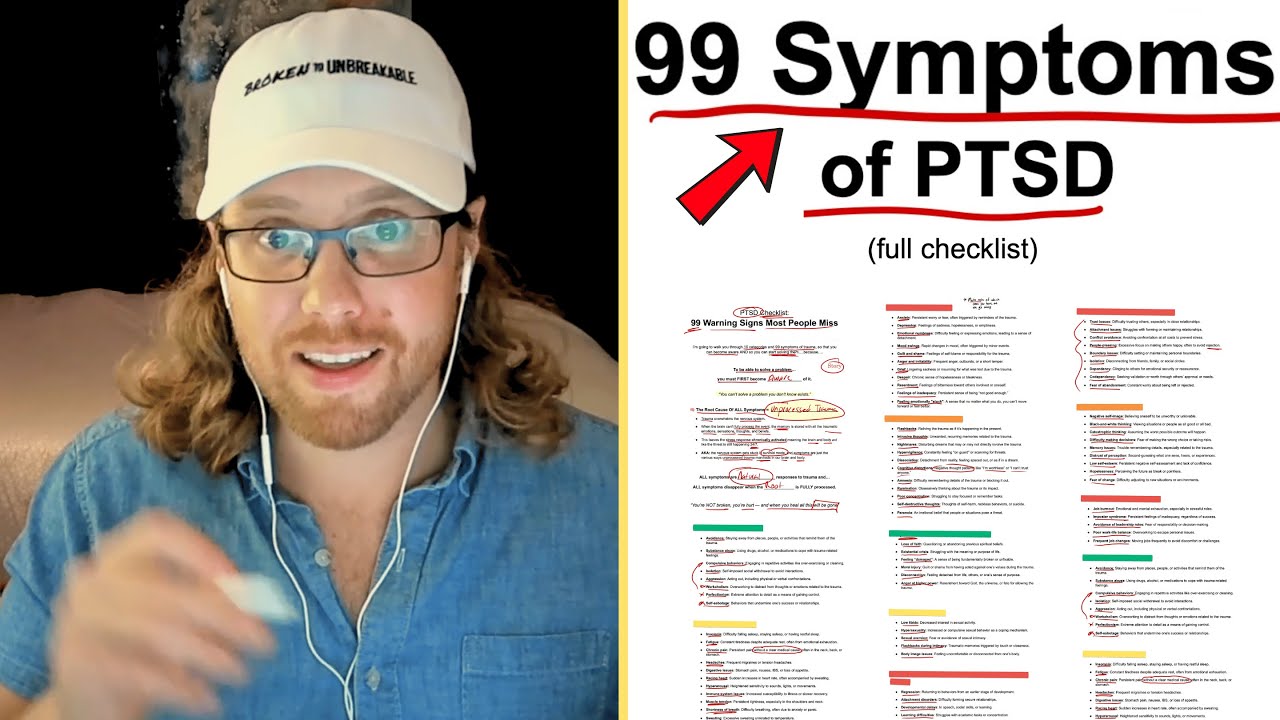
Brad Schipke walks through 99 PTSD symptoms across ten categories: emotional, psychological, behavioral, physical, social, cognitive, spiritual, sexual, developmental, and occupational. Unprocessed trauma keeps your nervous system stuck in survival mode. Pick one symptom, trace it back to its source, and process the trauma to heal.
Chapters
Hey everybody, Brad Schipke here. And in this video, I'm going to be walking you through 99 different warning signs that most people miss when it comes to PTSD. I'm going to be walking you through a full checklist on 10 different categories and 99 different symptoms of trauma so that you can become aware and so you can actually start solving them, which is the most important piece because to be able to solve a problem, you must first Become aware of it because you can't solve a problem that you don't know exists. Now, before we dive into the list, I want you to realize the root cause of all symptoms, which is unprocessed trauma. Now, trauma overwhelms their nervous system. And when the brain can't fully process the event, the memory is stored with all of the traumatic emotions, sensations, thoughts, and beliefs. And this leaves the stress response chronically activated, meaning that the brain and the body act like the threat is still happening 24/7. So this is why you are experiencing all of these symptoms, aka the nervous system gets stuck in survival mode. And the symptoms are really just various ways that the unprocessed trauma manifests in our brain and our body. So everything ultimately always comes back down to unprocessed trauma, meaning if you want to actually solve these symptoms, you're going to have to go back to identify the root of these traumas to fully process them. And then when you do that, all of these symptoms can be healed. Now, what I want you to realize is that all of these symptoms here Are actually natural responses to trauma, and all symptoms disappear when the root is fully processed. So you're not broken; you're just hurt. And when you heal, all of this will be gone forever. So it really is a natural process that every human being goes through when they experience a traumatic event. So you aren't broken. This is normal. Obviously, it's not normal for the average person, but. For somebody who goes through a trauma, it's normal for your body and your brain to react in these ways. So without further ado, I'm going to walk you through the 99 symptoms of PTSD, give you the full checklist. And what I want you to do as we're going through this is I just want you to make note of which ones you have as we go along. So I'll walk you through 10 different categories here, and we'll start with the very first one here, which is emotional symptoms. First one being anxiety, which is a persistent worry or fear often triggered by reminders of the trauma. Depression, feelings of sadness, hopelessness, or emptiness. Emotional numbness, which is difficulty feeling or expressing emotions, leading to a sense of detachment. Another one is mood swings. So when you have rapid changes in your mood, often triggered by minor events. You can also have guilt and shame, which is feelings of self-blame or responsibility for the trauma. Anger and irritability, which is frequent angry outbursts or short temper. There's also grief, which is a lingering sadness or mourning. For what has been lost due to the trauma. There's also despair, which is a chronic sense of hopelessness or bleakness in the world. There's resentment, which is feelings of bitterness towards others involved or oneself. Feelings of inadequacy, which is a persistent sense of not being, quote, good enough. And feeling emotionally stuck, a sense of that no matter what you do, that you can't move forward or feel better. So I want you to go through and just look through all of these. And jot down which ones that you're currently struggling with. Now, the second category here is psychological symptoms, and these include flashbacks, which is a reliving of the trauma as if it's happening in the present. Now, this can be emotionally, visually, or physically. You actually feel that you are back at the trauma. There are intrusive thoughts, which are unwanted recurring memories related to the trauma or thoughts around the memories. There are nightmares, which are disturbing dreams that you might have. That may or may not be directly correlated to the trauma. So they might be just nightmares that are recurring, but they might not necessarily be an explicit moment-for-moment replay of the trauma that you went through. Hypervigilance, which is a constant feeling of on guard or scanning for threats or feeling on edge. There is dissociation, which is detachment from reality, feeling spaced out, or as if life is a dream. There's also cognitive distortions. Which are, another way to put it, are negative thought patterns like, I'm worthless, I just can't trust anybody, things like that. And there's amnesia, which is difficulty remembering details of the trauma or blocking it out. There's rumination, obsessively thinking about the trauma or its impact. Poor concentration or focus problems, where you struggle to stay focused or remember tasks. There are self-destructive thoughts, thoughts of self-harm, reckless behavior, or even taking your own life. There is paranoia, which is an irrational belief that people or situations pose a threat when they really don't. So those are all the psychological symptoms. Make sure to go through those and just take a mental note or jot down which ones you are currently struggling with. Now, the third category here are behavioral symptoms. These include avoidance, staying away from places, people, or activities that remind you of the trauma, substance abuse, which are drugs, alcohol, medications to cope with the trauma-related feelings. Compulsive behaviors, which is engaging in repetitive activities like overexercising or cleaning. There's isolation, which is self-imposed social withdrawal to avoid interactions. Aggression, which is acting out, including physical or verbal confrontations. Workaholism, which is overworking to distract yourself from thoughts or emotions related to your trauma, which is very similar to compulsive behaviors up here. Perfectionism, which is extreme attention to detail as a means of gaining control. Self-sabotage, which are behaviors that undermine one's own success or relationships. Now, these are huge. Like when we come to the behavioral symptoms themselves, a lot of people don't realize that these are actually symptoms of trauma, things like the workaholism or perfectionism, or even self-sabotage, which can kind of exist underneath everything and be in the subconscious where you are completely unaware of it. So hopefully some of these things are opening your eyes. Now let's move on to the 4th category here, which are physical symptoms, which I know a lot of people struggle with. If you're experiencing physical symptoms and also have PTSD, then there's a high likelihood that they are caused from the trauma. Now, the first one here is insomnia, which is difficulty falling asleep, staying asleep, or having a restful sleep. There's fatigue, which is, or chronic fatigue syndrome is another common thing seen with PTSD, which is constant tiredness despite adequate rest. Often from emotional exhaustion, so your adrenals and your body is just so exhausted because it's on high alert 24/7. It just drains all of your resources. There's chronic pain, which is persistent pain without a clear medical cause, often in the neck, back, or stomach, but it can honestly be anywhere, including migraines, which is actually the next one here, which are headaches, frequent migraines, or tension headaches. And I just want to go back to the chronic pain issue because. A big piece here is without a clear medical cause. So I don't advocate people just automatically diagnosing their physical symptoms as trauma symptoms. But if you have gone to a doctor and they, there is no clear medical cause for your symptoms, the next logical conclusion is to, to think this is probably caused by trauma. The next one here is digestive issues, which are stomach pain, nausea, Irritable bowel syndrome, or a loss of appetite. There's racing heart, which is a sudden increase in heart rate, often accompanied by sweating. So for me, I had a lot of these, and I even went to the doctor once because I wasn't sure if I was having a heart attack. My heart was pounding so strongly, but the doctor said I was fine and sent me back home. And turns out that was just caused by trauma as well. The next one here is hyperarousal, which is a heightened sensitivity to sounds, lights, and movements. Next one is immune system issues, which is an increased susceptibility to illness or slower recovery. So if you find yourself getting ill or sick a lot, then you might be struggling from immune system issues. There's muscle tension, shortness of breath, and even extreme sweating. Now the 5th area here are social and relational symptoms. And these go down to trust issues, which is difficulty trusting others, especially in close relationships. Attachment issues, which are struggles with forming or maintaining relationships. We have an anxious or an avoidant attachment style, or a combination of both. And the next one is conflict avoidance. So avoiding confrontation at all costs to prevent stress. There's people pleasing behaviors, which is excessive focus on making other people happy, often to avoid rejection, which is a key piece there. We often do people pleasing behaviors to avoid rejection. The next one here is boundary issues. So difficulty setting or maintaining personal boundaries. Isolation, disconnecting from friends, family, or social circles. Dependency, which is clinging to others for emotional security or reassurance. And there's also codependency, which is seeking validation or worth through others' approval or needs. And the last one here is fear of abandonment. So a constant worry about being left Or rejected, and all of these things here again are caused by trauma. And at this point, we're halfway through the list now, and you're probably like, "Oh my God! There are all these things are caused by trauma." But the good news is, is that if you can trace these back to trauma, you can heal the trauma, and then you can solve all of these symptoms here. So there is hope. The next one here is cognitive symptoms. So we have a negative self-image, which is believing oneself to be unworthy or unlovable. Black and white thinking, which is viewing situations or people as all good or all bad. There's catastrophic thinking or catastrophizing, which is assuming the worst possible outcome will happen. And there's difficulty making decisions, which is fear of making the wrong choice or taking risks. There's memory issues, which is trouble remembering details, especially related to the trauma. There's a distrust of your own perception. Which is second-guessing what you see, what you hear, what you experience. So it's almost like gaslighting yourself, or maybe that you've been gaslit so much that you start gaslighting yourself. There's low self-esteem, which is persistent negative self-assessment and lack of confidence. Hopelessness, which is perceiving the future as bleak or pointless. There's fear of change, which is a difficulty adjusting to new situations or environments. Now the next category here is spiritual and existential symptoms. So this can be a loss of faith, which is questioning or abandoning previous spiritual beliefs or practices. There's an existential crisis, which is struggling with the meaning or purpose of life. There's feeling, quote, damaged, a sense of being fundamentally broken or unfixable, which at its root is a trauma issue, but it is a spiritual issue, an existential issue as well. A moral injury, which is a guilt or shame from having acted against one's values during the trauma. Disconnection, which is feeling detached from life, others, or one's own sense of purpose. And anger at a higher power, which is resentment towards God, the universe, or fate for allowing the trauma to happen to you in the first place. Now, the next piece here is sexual symptoms. The first one is a low libido. So it's a decreased interest in sexual activity. There's hypersexuality, which is the opposite, which is an increased or compulsive sexual behavior as a coping mechanism. There's sexual aversion, which is a fear or an avoidance of sexual intimacy. And there are flashbacks during intimacy, which are traumatic memories that are triggered by touch or closeness or sexual intimacy. And there's body image issues where you feel uncomfortable or disconnected from your own body. Now, the 9th one here, is developmental symptoms in cases of childhood trauma. So these are all symptoms that stem from early childhood. The first one here is regression, which is when you return to behaviors in an earlier stage in development. So you act more like a child, feel more like a child, think more like a child, have more behaviors like you were when you were younger. There are attachment disorders, which is difficulty forming secure relationships. There's developmental delays in speech, social skills, or learning. Which obviously applies more to children as they are growing up, but those developmental delays can also affect adults as well. And then there are learning difficulties, so struggling with academic tasks or concentration. And there are also behavioral problems where you are acting out in defiance or aggression. Now, the final category here is occupational symptoms, where you have job burnout, which is an emotional and mental exhaustion, especially in stressful roles or positions, imposter syndrome, Which is a persistent feeling of inadequacy regardless of your success. There's avoidance of leadership roles, which is a fear of responsibility fundamentally, or in your own decision-making abilities. And there's poor work-life balance, which is where you overwork to escape your personal issues. And the last one here is frequent job changes, moving jobs frequently to avoid discomfort or challenges. Now I want you to go through and just reflect on this full list here. From the very beginning, these 99 different symptoms of PTSD, and just go through and really ask yourself honestly, just go back through this list and see, do I experience any of these things? Because this list right here can be the thing that you keep coming back to again and again and again. And you don't have to solve all of these at once. The, the core goal of this video was to help you become aware of the different symptoms that exist so that you can pinpoint the biggest one that you are facing right now so you can start to solve it. So I don't want you to get overwhelmed with all of these different symptoms. I want you to pick one, really dial in on that, and start processing the root cause of that one symptom. And then you can always come back to this video, come back to this list, find the next biggest issue, and start processing that. If you enjoyed this video, just give me a like and subscribe. If you want to coach with me personally, there's a link in the description that you can check out. No pressure. I don't care if you click it or not. The most important thing is I want you to get value from this video, but I hope you enjoyed this and I'll see you in the next one.










