Andy Storch Make More Marbles Podcast
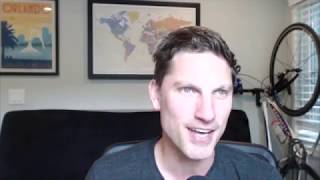
Andy Storch talks with Brad Hart about building a peak-performance mindset through gratitude and intentional habits. He breaks down his task-management system using index cards and color-coded boards, explains why entrepreneurs need to obsess over marketing and sales, and shares how to reclaim time from social media through a digital detox.
Chapters
Welcome to Make More Marbles. My name is Brad Hart, and we're here to interview the game changers, the future makers, the co collaborators and creators who are here to collaborate with one another towards a better future for all of us. Enjoy the show. We've got a great guest coming up for you right now.
All right, now streaming.
All right, all right.
Oh, I just got a notification. You're tagging me on Facebook.
My video on Facebook. Oh, snap. What's up? You want to go ahead and share that if you guys are watching replay? Yeah, if you guys are watching replay, go ahead and drop a comment below saying hashtag replay. We appreciate you being here. Thank you so much. My name is Brad Hart, and welcome to Make More Marvels. Today we're gonna have Andy Storch on the podcast what's up, Andy?
What is up, Brad? It is Friday. I'm excited to be on here to see you in your glasses and your hat doing the Facebook live dance. You are making my day, and it makes me want to do great things like come on this show.
I appreciate it, brother. Yeah, we haven't actually done a podcast in quite a while. I did 103 episodes in a very short period of time, and I got kind of burned out on the whole podcasting thing. But the podcast is back. We are going live again. We. We got some new cool stuff coming for you guys. So stay around, stay tuned. You can check us out on itunes, Stitcher, Google Play, Spotify, all the places doing all the things, mostly great. And we are so grateful that you are here today. Welcome to make More marbles and let's get underway. So, Andy, first question. Can you tell me a little bit about yourself? Who you are, what you do, what you're grateful for, what you're excited about at the moment.
Oh, man, so many things. Thank you, Brad, for this opportunity. It is exciting. Thank you to have you on for me to be on. I guess I had you on my podcast recently. So I am a consultant, a coach, a facilitator. I'm a podcaster, I'm a husband, I'm a father. I'm many things. Husband and father are top priority, of course, But I also run a consulting business connecting companies with really great talent development solutions. So I run programs like leadership development, business acumen, sales training, things like that. I also host two podcasts. One is on personal development called the Andy Storch show, and the other is on more corporate development called the talent development Hot Seat. And I love doing a lot of things on social media, connecting with awesome. People like you learning every day from my children, from my friends, from my mastermind group, from everyone around me. And I am grateful for this wonderful day, this wonderful opportunity, and everything that I'm learning and the, you know, the chance to learn and grow and get better every day.
So if you wanted to leave, we'll start with the end. Because I feel like I want to give people a little bit of something that would make them stop in their tracks and say, oh, this Andy guy. Somebody to talk to. Let me tell you what, we'll listen to this guy. So answer me this. If you had a bumper sticker that could be on every car, Tesla automated, not automated. It doesn't matter. Right. Every car around the world is running around with your bumper sticker. What would you want to say?
Oh, I've heard a version of this question before, and I think it would say, you know, to borrow from your last question, I think it would say some version of be grateful or live in gratitude. Because I think when people are living in gratitude or they're focused on gratitude, it's so much harder to be stressed out or to be angry at other people. It just changes your whole mindset and changes your life. And then my second option would be to say, take responsibility. Because when you take full responsibility for your life and for your actions and everything's going on and you stop trying to blame other people, there'll be less complaining, less stress, maybe less war, less fights, I'm not sure. But between those two things, I think we can make the world a much better place.
I love it. And gratitude itself is actually a separate vibration than most of the other things that we occupy in our emotional feelings. Right? You have, you know, low vibration feelings like fear, pride, lust, jealousy, all these different types of things that humans all feel. And they're fine. There's nothing wrong with them. There's lower vibration. Right. If you actually were to map them out with various scientific technology to actually see what you're doing, you're putting out there into the world, it would be a little bit different than joy, abundance, gratitude, you know, the things that are a little bit higher on the spectrum. And there's actually some science now. I try to stay out of the woo and into the science most of the time also in Southern California. So it can be a little bit challenging. Where I'm from, New York, and I grew up, you know, going to college and getting a degree in science and learning the scientific method. And now coming out here is a lot of, like, pseudoscience and a lot of kind of spirituality, which is all great, and there's science to it as well, but. But I think the cool part is that a lot of what is being learned. Is also being corroborated by science, right? We have different techniques to study this type of thing. And one thing that I've been reading a lot about lately. I'm actually reading a book called Moving through parallel worlds to achieve your dreams. Which is about quantum physics. It talks about the state of the quantum universe. Being something that our perception actually defines. So things exist in a probability before they're observed. And this is quantum theory 101. And then once they're observed. The observer actually creates the reality, right? They lock into place in that instant. So by changing your vibrational state. You're changing what you're pushing away. You're changing what you're pulling towards you. And not only that, you're actually creating reality. With your thoughts and feelings and observations about the world. So if you observe the same scenario. And you have a negative thought versus a positive thought. You're going to actually change that scenario. For the better or for the worse. So when they say things like. Your vibe attracts your tribe. And all these kind of, you know, kitschy sayings. It's not untrue, it's really true. We're actually having an effect as an observer. On our outside environment. What do you think about that, Andy?
I think that's deep, man. That's deeper than I was going to go. But you mentioned a couple things about perception and what we observe. And one of the things I've learned over the last couple of years. Studying a lot of these things in different ways. Is that perception is reality, right? So how we perceive the world is our reality. And we focus on all the bad things that are going on. Things that we want to complain about. That's our mindset. Then our life is not going to be so good. But you can definitely shift that to focus more on gratitude. To change that vibe, as you mentioned, and change your attitude, change your mindset and change your own reality. By changing your perception and owning what's going on. And I learned this from the great Tony Robbins. I know you're a big fan and you've been to many of his events. I've been to 2. I went to UPW for the first time a year and a half ago. And he talked a lot about living life in a beautiful state Versus living in a suffering state. And the studies that were done to basically support the fact that if you focus on gratitude. You really Cannot be in a suffering state. It's hard to be angry at other people if you're focusing on gratitude. It's hard to be upset if you're focusing on gratitude. Now there are plenty of things that could happen in life that are hard to overcome that we'll be upset about, you know, if we lose loved ones or you get really sick, or even if somebody just runs into your car. But if you focus on gratitude, it's so hard to be stressed out and angry. And so I try to remember that when any of those challenging times come up.
So you work with a lot of really powerful entrepreneurs. I'm going to segue a little bit. So what role does gratitude play in their lives and what struggles have they overcome as a result of living in a different state of mind on a day to day basis or state of emotion?
Well, I'll say that I don't want to BS here. I think you work with probably more powerful entrepreneur or successful entrepreneurs than I do. I tend to work more with people in the corporate world. And in that world I see a lot of people that have not really caught on to things like this. And they might be successful in that they have risen to a certain level, they've made a certain amount of money, but they're not necessarily happy or they don't necessarily seem to be living life in beautiful state or anything close to that.
The ones that I like, the science of success, they've mastered to some extent and now they're working on the art of fulfillment. Or maybe they're not.
Yeah, maybe they are, maybe they're not. And I put success in quotes because I think success, whether you're an entrepreneur, you're in corporate world, or whatever you're doing is really, it's relative. Right? It's up to us to define. I think so many people let other people define what success looks like. It's money, it's the car you drive, the house you live in, where do you live, Whatever it is, do you have to go? For some of us it's freedom and getting to live life however we want. Right. Do we have to go on a long commute to an office or do we get to sit at home wearing a hat and funky glasses doing Facebook live during the day and making our own schedule, like Brad Hart. So it depends on. But that may not be your definition of success. It might be something else. So I think a lot of people are chasing, especially in the corporate world, chasing this idea of success, which is, you know, moving up the corporate ladder, having a Certain number of people reporting to them, getting to a certain level. But they might sacrifice their health or relationships or happiness or fulfillment. And the most successful people, in my mind, are the ones that find a way to find that balance, whatever it is, are actually doing something that fulfills them, are taking care of their life, their health, their relationships, and are, you know, truly happy and probably grateful for where they are and what they've accomplished, what they've learned. And I think on the entrepreneurship spectrum, the same can be true. While so many people go into entrepreneurship because they want to run their own business or own their life, a lot of people, I think, and I see, and you probably have more experience with this than I do, but they're still letting their business run them. Right. They're getting caught up, trying to grow the business to a certain level, trying to. Because they're comparing themselves to other people out there. I want to get as big. I want to be as cool and popular as Brad Hart. I want to be Tony Robbins one day, or I want to be whatever it is. And you're always comparing yourself, and then you put so much pressure on yourself, and then it's hard to live in that state of gratitude for everything I have. And so that's where I've gotten to, which I think has been the ultimate success for me. And I borrowed this from someone I interviewed on my podcast a long time ago, that the definition of success is to be truly happy with your life now and live with no regrets. And while I'm completely inspired by so many people I meet in all walks of life, business, fitness, whatever it is, I've stopped really comparing myself to others because I'm really happy and satisfied and fulfilled in my own life. And I really admire other entrepreneurs and business leaders that I see that are living in that way as well.
Yeah. There's an old saying, comparison is the thief of joy. And I think it rings more now than ever because you have so many opportunities to compare yourself to others. Oh, yeah, right. And gratitude is a habit and a muscle that you have to develop, just like all the habits and muscles that we develop to go on social media for eight hours a day or whatever the hell people are doing.
Right.
Screen time report has come up. I've seen that every single Sunday. I'm like, how much time I spend on my phone? That's insane. How many times did I pick it up? It doesn't seem real, but it's true. Like, you are constantly being trained and reinforced and given, you know, brain chemicals and happy feelings.
Totally dopamine hits.
Yeah, continue to feed the machine, which is what we're doing right now. But I want to mindful way and really be a contributor to the community as opposed to just going on and scrolling mindlessly. And there's nothing wrong with that from time to time, every once in a while you got to kill some time or you're looking for inspiration. But I find myself going through my feed and reading about all the wonderful things everybody's doing and feeling worse and worse and worse about myself. And I can't help it. I think it's just how our brains are wired, so I would just rather avoid it completely. So I've done things like grayscale my phone and just block all the apps and notifications. And I want to spend as little time on this thing as possible so that I can have the space and the time to create something that is of merit that I can then share with everybody.
Yeah, you bring up some important points. I think that the comparison, fomo, all that stuff on social media, it's real. Younger generation is suffering from depression at greater levels because of they're sitting at home looking at their phone, seeing the party they didn't get invited to, the things people are going to. And I'm susceptible to that as well. And I spend plenty of time on social media. A few things I've done to shift my mindset a little bit on it once I was working with a coach a while back who really helped me think about or always be cognizant of my ratio of creation versus consumption. So am I creating valuable things, putting things out there? How much time am I spending doing that versus how much time am I consuming? And then I think a lot about what I'm consuming and where I'm consuming it. And so you mentioned, like, you see a lot of people doing great things out there. I think even that is better than going onto Facebook and seeing all the political arguments and negative things and complaining because I've chosen not to really participate in those things. I found that they've really disappeared from my feed. You know, Facebook's pretty smart about that stuff with the algorithm. And so, you know, like Jim Rohn said, you're the average of the five people you spend the most time with. Tony Robbins says you rise to the level of the peers that you spend your time with. So you think about that not just in terms of the people that you're physically hanging out with, but the people that you expose yourself to on social media. Are they positive and are they authentic? Because you want to be around people who are sharing real stuff, even the negative, you know, the real life. And not just bragging and showing pictures of them in their nice car because you don't really know what else is going on. And then the other thing on that note that I try to keep in mind and I always recommend for other people, is to remember that when you're looking at the great things people are doing on social media and you start comparing it to your own life, you are comparing your life, your whole life, to someone else's highlight reel, and you really don't know what's going on behind the scenes. And what I have found as I continue to grow my network and talk to more and more people at every level, every rung, different positions, whatever it is, is that everybody is struggling with something. Everybody has some kind of issue going on. Everybody has a challenge. Everybody's worried. People that are rich and successful that you think are doing so well, they still could be anxious, they could be depressed. You have no freaking clue what is going on behind the scenes. And so it's just a bad idea to sit there and think, well, they have it all figured out. I wish that I could do that, too. And then the other thing is that if they are really successful, if you start to really appreciate the work that they've put in to get there, you know, there really are no, quote, overnight successes and say, I can get there too, if I just work hard and have some patience. I choose, therefore, keeping all those things in mind, I look at people that are in places where I want to get to, and I choose to be inspired by them rather than comparing myself to them. It's not easy. It takes a big, I think, a big mindset and psychological shift. But if you're able to make that, you can still spend your time around those people or observing those people on social media and say, what can I learn from them and how can I use what they're doing and what they're sharing to get better? And if I can't, maybe I just need to hide them from my feed or spend less time on social media like you said.
Yeah. And I think there's a lot of pieces to this. Right. And it's not an easy solution. I feel like a lot of people now feel though their social networks are their actual peer group. Right. And they feel as though they have to be on social media in order to run their businesses or they need to make sure they stay in touch with people. And the only way to do it is to be on a platform Like Facebook. And that's, you know, to credit to Facebook. It's been an incredible journey for them and they've dominated in the space. You know, they've built a very addicting than anything else. They built a very addicting platform. But, you know, I can see the writing on the wall. I think people are going to have real struggles with addiction related to social media and we might have to intervene like we do with alcohol and other drugs. It's totally hijacking your brain. And, you know, the only way to get off it is to really detox and do these digital detoxes. So let's get practical and tactical for a minute. So we've talked a bit about peak performance and you're very humble and modest about who you work with. I know you work with some really great people, whether it be in the corporate space or entrepreneurship. Doesn't really matter, right. Peak performers are peak perform wherever you find them. So what are some of the habits or tools that they're using? We'd love to give some just kind of takeaways, maybe three to five that you're seeing that people are doing or using that are very effective in their careers, whatever they choose.
Yeah, there's a lot of things and everybody's different, everybody's doing different things. But I'll give you a few that I think have contributed to my own success and that I see contributing to success of others. And again, success being up to you what that is. But we're all trying to achieve things. I imagine if anybody's following you or watching this, you know, they're probably a high achiever. And so I would say number one is, you know, getting clear on where you want to go and why. You know, most people, successful people I associate with and myself included, spend time writing down goals, setting a clear vision. I don't think you have to know where you want to be in five or 10 years. Some people are big fans of that. I know some I have friends that say, I have no idea where we're going to be going. I just want to get better every single day. But they have something key that they're working on. They have a goal, they have a bit of a vision. And the key is they know why. Because when you have a purpose, you have a why connected to that goal or that vision. It's going to help you get through those challenging times. And I think more and more people are on this now since Simon Sinek came out with his famous TED Talk and then his book called Find you'd, why and so having that why, if you want to get in better shape, and you know why, you're more likely to overcome the challenges and go to the gym. The second thing is you've got that plan, you've got that vision to know how you're going to get there, right? So setting up those mini goals, those milestones, and then find some ways to improve your productivity. So going back to what you were talking about before with social media, our phones, there are so many distractions. I mean, tons and tons of distractions out there. And even the most skilled workers are often going to be distracted by those things and get a lot less done because it's a myth that any of us can really multitask. So if you realize that and you set yourself up to do focus sessions, turn off notifications. Like you mentioned, I have almost all notifications off on my phone. There are very few left on there. And I'll often, you know, toss it on the chair or put in another room behind me so that it cannot distract me. Most people work with their desk, their phone sitting right next to them on their desk, and every time it buzzes. There's many studies to back this up. I was just reading about them in a book I'm reading this week called Great Leaders have no Rules by Kevin Cruz, that even when that phone buzzes, even if you don't pick it up or look at the notification, it still pulls your brain attention, your brain waves away from what you're doing, and then it takes a full minute or more for you to get back to it and refocus on what you were doing. And if you think about that happening 300 times in a day, how much time are you losing in productivity? So having the goals, planning your day, avoiding the distractions, you know, turning off those notifications. And then the other big thing that I'll put in there is I think that the most successful people that I'm around and the things that contribute to me are they think about their life holistically, they take care of their health, which means they go to the gym, they meditate, they practice gratitude, they spend time around people that are positive and lift them up and make their life overall better. And then they're therefore happier, right? Getting enough sleep. I think those things are all things that improve our productivity and allow us to get more things done. And then the last thing I'll add, especially as it relates to you, Brad, is I think that most of those successful people have coaches or in a mastermind group or at least try to surround Themselves with really other successful people that they want to emulate or learn from or be inspired by, and that those things end up lifting them up as well.
I love it. So, essentially, let's break this down. So you got the what, which is the goal or the target that you're trying to pit. And that's a logical thing, like, where do I want to be logically, right? And then you have the why, which is how you tie emotion into it. So you have logic and emotion working for it. You. And then you have what I call the how, which is the mechanics of the massive action that you have to take to get there. And it's going to be inconsistent in the sense that, you know, you're not going to get it right, all the 100% right right off the bat. So you have to, okay, be okay living in the idea of, okay, what's the, you know, the best plan I got, Take some time, really think, plan it out. Okay, take that action, notice what you're getting, and then kind of refine and learn as you get feedback from the environment about what's working, what isn't, and scale up what's working, scale down, what is it? And that's really the trick, right, to anything that you want to achieve in life. Any success that you want to have is just taking your best shot at it, being really clear on what you want to create, why you want to create it, and getting after it. And once you get after it, you'll get feedback and then you can refine your process after that. And so many people get stuck on, I got to have it all right before I start. That's one of the traps. Or they get stuck on. Oh, well, I tried that and I failed. So everything's a failure. Whereas you might have to try 3, 5, 10, 15 things before you can start to get traction. And then it might be a hundred things that you've tried before you really get success. You'll get bouts of success and things will work for a while and then they'll stop working. So you just got to kind of commit to the process. I don't know anybody who's super successful, wealthy, you know, I don't know anybody who has truly passive income. I have leveraged income. I have leverage in my business and my life, but I don't have anything that's passive. Everything takes work. Everything takes a little bit of. I was reading a book called the Road Less Stupid by Keith Cummingham, who is the original riff dad, rich dad. So he's the guy who is the rich dad in Robert Kiyosaki's book, Rich Dad, Poor Dad. So in his book he prescribes two things which are really, really wonderful. And he uses an analogy which I'll lead in with, which is there's no such thing as passive picture. There's a bunch of people on one of those whirly gigs at the playgrounds and it's really heavy and it's hard to get pushed. We can get it going, but then it's going to get its own momentum. It's going to keep going. But what happens if you stop? Well, eventually the ride is going to stop, right? And in order to keep it moving, you're going to have to swipe at it every once in a while and just keep that momentum going. That's more like what leverage income is. It's not that you can just set it up and forget it forever, because eventually natural decay and entropy in the universe will bring it back to its normal state, which is thought. But if you every once in a while come in and just give it another swipe, it'll keep going. Another thing that Keith talks about in his book, which I think is really fascinating when I start to incorporate into my life more often, is the concept of thinking time, where you just eliminate all distractions. You sit in a chair, you have a notebook, you get rid all the bells and whistles, you go to the bathroom beforehand, you make sure there's nothing that could possibly distract you, and you think for as long as you possibly can, usually 40, 45 minutes. And then based on the questions you asked, the answers that you got, then you go through and you look your answers and you prioritize and rationalize those calendar the actions. Get moving on that. But doing that two, three times a week can change everything because it's going to keep you from wasting so much time in, you know, essentially irresponsible action where you haven't thought all the way through all your actions and what you're clear on, why you're doing it and what the massive action plan is. You got to be able to come back and reel that in and be like, hey, this is what the best shot I've got is. Knowing what you know, notwithstanding what I said before, you're going to take that best shot and you're going to learn from the environment what the next best shot would be, and then go back to thinking time and make that a consistent habit. So few people think, and so few people actually take the time to write down their thoughts. It's. It's gobbledygook. And you can tell by just speaking to people that they haven't really thought through what they're saying or doing and why.
Yep.
And I can relate to that. That can be the difference between nothing and a billion dollar company.
It's so true. And, you know, taking time to think and then obviously, and then talking, communicating that with those, those coaches and mentors and friends that you have around you. But you're right. In this world where we're constantly distracted, people are afraid to be bored or alone. People are rarely anywhere without their smartphone or device nearby or something getting their attention. And I've gotten in the habit of, you know, with my morning routine of spending time thinking and writing my journal every morning and in the evening as well, right before bed. And I get so many ideas that come to me and actually write these things down and, you know, it's become kind of normal for me, but. And I probably still don't spend enough time doing it, but I know most people don't. And that's where I'm getting a lot of ideas that allow me to try different things. And I want to highlight something that you said earlier, Brad. You said, we're not going to get it right the first time. We're not always going to get it right. And so many people hold themselves back because they're, they're trying to make it perfect. And this is something that luckily I haven't had a big problem with. But there are a lot of perfectionists out there. And if you haven't heard it already, perfect is the enemy of progress. Right. If you're trying to make it perfect.
And perfect is irrelevant, it's a perception. Right. It's not even really exists. Right.
Just like success, it's like, what is that? And you're always going to be chasing it. It can always be better, whatever it is. Right. And so I definitely would rather take a step, make some progress, try some things. If it doesn't work out, pivot and try something else. But it requires a big mindset shift. If you grew up with a fixed mindset like I did. If you're familiar with the book Mindset by Dr. Carol Dweck, that was a game changer for me to think about shifting my mindset to going after hard things, trying things, not worrying about failure, because, you know, it's just information that allows me to pivot or change things. But it means that you have to not worry as much about what other people think about what you're doing, and just keep trying stuff and, you know, to go back to Tony, I think he talks about the importance of, you know, pivoting and trying things over and over again and that the only real failure is in giving up. And so if you're just. You're continually working on the problem and giving your time, yourself time to think, like you said, and talk to other people, you're going to keep making progress and, you know, eventually things are going.
To work out for you. Yeah. And I just want to give people a practical, tactical solution to this. So you've done your thinking time. You're clear on your next action steps. There's three pieces that you want to be using, right. Using your calendar to block out time for the things that you're going to do. Now, whether it be consistently or not, everything that I do is in my calendar. So that's important. I either do it right then if I can, or I put it in the calendar. That's my action step I take right now, regardless. And then I have two little pieces of technology here. They're called post IT notes, called index cards. These post IT notes are three different things, right. So the green ones are things I do myself without anybody's help. And I have a scrum board as well. I'll talk about that next. The yellow ones, I do things that are, you know, are with so distracting my killing my.
I'm dancing right now.
Yellow ones are things I do with others but still require my input and effort. And then orange things are things I delegate completely. And this could be something I have one meeting on and then it's off my plate. Right. But that's my little system. And these are extreme post IT notes, so they can work in construction sites and rain and the wind, they never unstick. You can move them around and stuff like that. And then I have a scrum board, which I could show you, but it's essentially just three places in my office where they go. So it's the to do list. And they're green, yellow and orange. It's the doing list. What I'm currently focused on, which is what I see when I walk right in the office each and every day. And it's the done list. And every quarter I purge the done list. I just went through a whole purging ceremony for Q2 where I took like, I don't know, a hundred and some odd post it notes off of the thing. And then every day I use an index card because you can't do 100 things in a day typically, but you can do the top five and if it doesn't fit on the index card, it doesn't get done that day. But I go to my post it notes, I go to my calendar and I compile everything I'm supposed to be doing, ideally the night before. But a lot of times I do it in the morning and I just focus on getting these tasks done and doing them first. And they're not errands, they're not like phone calls, they're not stuff that could be done later in the day when I'm less fresh. It's the stuff that I got to put real brain power into right now in the morning. And I want to knock those out first in my first two or three hour block of time before my attention and energy starts to dip.
I love it. I like it.
They're all done. I checked them all off. Boom. Rip it off. Celebrate, celebrate. That's my day.
That's great. And I, you know, the, the scheduling over, I made when I made a shift from to do list to scheduling. And I still use a hybrid of both, but I find that I got a lot more done. And then prioritizing, you know, to your point, which is what you're doing, right, you're writing all the things you want to do, you're prioritizing, you're categorizing. It allows you to figure out who's doing what where.
It may seem like a really good idea right now, but I'll look at the thing on the to do list like two weeks from now and be like, that's irrelevant. Or it would never, it was never a good idea in the first place. Right? Yeah. And you just keep prioritizing as a result of that. You don't lose anything that way and your brain doesn't freak out. Oh my God. That was a great idea. I can't believe I lost it. So it's up there, but it doesn't mean I have to do it right. It might become irrelevant in the future.
Where do you. Do you do some delegation as well? Do you think about tasks that you're. You are really good at? The enjoy versus being able to delegate.
That's what the orange cards are for. That's, that's where those go. So while I'm thinking about the task, I'm thinking about, am I the best person to be doing this? And if not me, then who is the best person to be doing this? And that is important as well. I might do it first just to get it right or like understand the process so then I can create a formula, workflow that I can then delegate, which is really important. A lot of people hire people and then they're like, oh, just do that. And they had the outcome the way they wanted in their mind, but they haven't actually gone through it and done it and seen all the roadblocks. And they end up spending hours and hours and hours, the person figuring it out and getting a substandard result that you're not interested in.
Right.
You could just do it once, document it, doing it. Write out a little checklist. And then here's the checklist. Okay, let's work together. Make sure you understand it. Okay, you're off to the races. And now the rule becomes, you always keep the checklist open. This is the employee or the person, the contractor that's actually doing the task. Make sure that it's up to the standards that I set. And if it's not, we're gonna have a conversation about was the checklist unclear? Did we not communicate the expectations properly? You know, I apologize. What do I need to do or train you on to get this to be. To be perfect and then I can't do it? Well, then the conversation has to become, well, you don't have to be beg for me to pay you right. So why should I have to beg for you to do the job that you're doing right? You gotta. You get to fire yourself. If you don't want to keep up the responsibilities of the job, that's up to you. You can choose to fire yourself or you can choose to keep this job. If you want to keep the job, the easy way to do that is just to do what's on the list, period. And we'll make it really clear and no brainer for you. That's a great way to keep the BS and the time wasting out of your business.
Yeah, that's good. I'm trying to get better at that myself. This is an area where I am looking to improve. I just hired my first virtual assistant a few months ago, and we've been exploring different things she can help me with. I know there's a lot of things I still need to delegate and need to take the time, make the investment up front to make the video, you know, the screen flow and document the whole process and say, here's how I want it done and, and get her working on it as well as I'm starting to empower her and challenge her to leverage her strengths to help me in areas where I'm not good. So for instance, she just started creating a social media sharing calendar and things that I would never do myself. And it's starting to be really beneficial. But it's a new thing for me to figure out how to delegate some of that stuff and document it really well so that it's done the right way.
Yeah, I think a valuable rubric is, and I'll just use this for all entrepreneurs. If you are making less than a quarter million a year, right. 250 grand a year U.S. you should be spending about 80% of your time as the business owner on marketing and sales. If you're above that mark, then you can start to switch it to, okay, I'm going to start doing more of the back end stuff, more of the systems, the process, the scale of these various systems. In your business, you got to think of your business as like a pyramid, right. It starts out on the lowest level. It's like actions. That's the things that get executed every day by you and buy others in your business. Actions in a row become a process. Processes in a row become system. Systems in a row become a business right at the very top of the ladder, if you will. So if you're getting bogged down in actions and process as the business owner all the time and they're not again using that rubric like If I'm making $240,000 and I'm not still spending 80% of my time on sales and marketing, then I'm not using my leverage at the highest part of the business. It's got to be you who's going to do that. Nobody's going to show up and care about your business more than you are to make that happen. Once you get above that level now you got to start to pull out all of those processes that you've been doing successfully to get to that mark and make them a process where you can hire other people to begin to implement those things so they continue to happen. Maybe they're at 70% or 80% of the standard, but now you're freed up to think more of in an ownership role, in a process role. In the beginning, it's getting to that level and then above that, it's starting to shift your time to more scale and more leverage and more process and hiring the right people because you don't have the cash flow to support the people before that point. You don't have the cash flow to start spending a considerable amount of money on ads, which is competitive in the marketplace. You don't have the cash flow to really step away from your business and take more time to Think and plan. You got to get to that point. It's not that much money as much as people think, oh, my God, it's a lot of money. I've had a month where we made a million dollars at the hedge fund. And I'm not saying that's every month, but it can happen if you have the right systems and team in place, because now you have multiple people pulling towards the same goal than the other way. We had our agency, which is running like 75, 80k a month, and I sold my share in that this business. We did, I think, 115,000 last quarter, just me and a very small team working on a new product that I'd never launched before. So it's totally possible to get to that number, provided you have the right pieces in place and you're focused on the right things. So I think it's really important as a beginning entrepreneur to not focus on too many things. And if you're not versed and really solid on, I would say two things, direct response copy and high ticket sales. You're probably under serving yourself. And you need to get more skills before you really take on the role of entrepreneurship. Once you can ring that cash register consistently and money's flowing through the business, a lot of amazing things can happen. But most people get stuck because they're in some other rabbit hole. That doesn't matter right now.
Yeah. Or a lot of times entrepreneurs start a business because they're good at a thing, but they didn't realize they're good at that. Sales. They're going to be in sales. Right. Sales are going to be the number one thing. They've got to go out and sell. They've got to bring in that business. And that's what I'm hyper focused on right now, too. What's that?
Nothing happens until you have a customer or client that pays you.
That's right. That makes sense.
So, yeah, and again, I didn't mean to derail this, but I think it's really important. Like, there's so many things that look like a duck and quack like a duck, but they aren't a duck out there on the Internet. You know, there's so many people saying, oh, you got to do this, you got to do that. And I see these people running around and I have conversations about what they talk about in public, and they're like, oh, I'm crushing. I'm making all this money and blah, blah, blah, blah. And then they talk about it private. And I have my own struggles in private. I'm not perfect, right. I just see what's happening. I see what they put out into the world. I see what's actually happening behind the scenes. There are very few entrepreneurs that have it together completely and really have the support that they need to run a business and have enough money coming through the door to make it all happen. So I less, I listen to less and less and less people and I'm highly skeptical of people for a very long time before I listen to them. But there are a few that stand out and I don't need to call out either way at the moment. But I'm really impressed with what Alex Moscow is doing, for example, here in community and I'm really impressed with what Andrew Cruz is doing. And Brad Newman, who's one of my proteges, he's crushing. He's starting to get an entrepreneurship now. He's one of the more consistent people I've known and I go to a lot of masterminds like people like Sam Ovens and Roger James Hamilton and a360. And I haven't gone to war room yet, but I spent a lot of time around digital marketer community and I'm just impressed with the ones that can keep it moving consistently and continue to get those results that a lot of entrepreneurs will never get because they haven't really mastered those first two skills. If you can market and you can sell, you can grow a business. If you can't, then you need to focus on those skills until you're competent.
Well, to get back to what we were talking about earlier, bringing all this discussion together, we were talking about all the distractions that can be on social media. There can be everywhere in your life. I think everything in business and life is about priorities and trade offs. Right. And what you're saying is when you're in that earlier stages trying to grow your business, you need to be really focused on sales and marketing, focus on what you're good at, what is your core business. There are going to be a lot of people around you who are doing different things, who are going to say, hey, you can make passive income doing this. Or you know, I see one person in my feed all the time Talking about making $250,000 a year, posting on Instagram or something, you know, buy my form. And it's like it's so easy to get distracted by these things and go, oh yeah, I wanted to go do Instagram now. But no, my thing is LinkedIn. That's where I spend a lot of my time. And I think the more we can get focused on those things. And it's the same thing with everything in life. We have trade offs and we have priorities. And you might see someone that's killing it in business, but maybe they're not taking care of their health or maybe their relationship is not going that well. They might need help there. I personally have spent so much time focused on my health and trying to find that that I haven't spent as much time as other people in my business. And therefore it's probably not as successful as it could be. But I'm very happy with where I am because of where I've spent my time. And I think, you know, like I said, if we start to think about all those things as trade offs and think about, okay, what is that goal, what's my why, what's my purpose? And then how do I want to get there? And you think about the values and the goal overall, it allows you to kind of eliminate those other distractions or at least say no more often. Because the more successful you get, the more connected you get. Like you are, like I'm getting to be. You get a lot of opportunities coming your way and you've got to be able to say no to those things.
So yeah, the no muscle, that's the next muscle you got to build once you have some success. Like you said, it's constant. You know, I get hit up for something every single day, usually, usually multiple things. And this is not me bragging or saying how great I am. I just, I have a lot of connections to a lot of people who have been influenced by me in some way over the years by what I write or what I, when I speak or they've come to my masterminds or they've been a client and they're consistently reaching out to me with opportunities. And that's wonderful and I love it. I have to get really, really tight on what type of opportunities. And I do ruffle some feathers and I do, you know, get a little cagey with people when I say no because I want to protect my time and integrity of time above everything. Because without my, my clarity and my purpose, I can't be who I am. Right. And neither can you. So you got to be really clear on what you're going to play with and not. And if I'm going to switch shift gears, it's got to be something that is worth the upside and it's worth the downside. You know, I can manage the downside. I understand what the downside is. I can live with that going wrong and that the upside is worth that risk. So that if I do make a shift, I get to the ultimate thing. So, you know, I've been actually starting to move in another direction away from, you know, the typical online coaching, masterminding world and looking at a big real estate project. And I don't need to go into all the details right now, but I have to really decide like, okay, how big does this thing need to be potentially for me to like shift gears and really focus on that 100%. And then what can I do in the meantime to continue to bring cash in so that I continue to live and not stress while I go after this big thing. And that's been a challenge for me. Like if you're going to upgrade to a bigger thing and take a big shot, that's going to potentially be the billion dollar idea. You got to have those pieces in place. And I think most people get stymied by that. So I have two choices. Either I jettison everything and go in and just blind faith and trust that everything's going to work out and it might, or more intelligent decision is to continue what I'm doing, start to carve out consistent amounts of time for that new thing to flourish and then focus on it more and more as time goes on. You have the two trains methodology, right. It's like you have one train that's chugging along, you don't just stop that train, you get another train moving up. Yep. Where it's at. So you're going the same speed, you can jump over and then the other train takes off and it's train that goes 300 miles an hour versus you know, the old steam engine that's just going to chug along at 30.
Right. It's great to have opportunities. Right. It's a good problem to have. But, but it can create a problem if you're not able to prioritize. And you know, I don't know anything about your opportunity, but you have to think about what is the long term thing that you want and is it worth the trade off. So if you have an opportunity to jump on a business that could make you hundreds of millions of dollars, but it's going to change your lifestyle in a way that you're going to be working all the time and you know, maybe give up time with your family or friends or you're going to sleep less or whatever, maybe that's what you want or maybe you have to say and maybe that's really cool, but not.
For me and maybe that's okay. For a short period of time, you have to weigh consequences, have those conversations with your significant other and your family. Hey, you know, I'm going to work really hard for two years on this thing. Yep. And it's going to, it's going to crush us, but then we're going to be in a better position.
Right.
And if it's a go and everybody's great. This is why people get divorced. You know, they make huge communicate. They don't have that right. They make huge personal shifts in their lives and businesses and they don't consult the people who have been supporting them up until now. It's not necessary, you know, necessarily that they've, they've signed up for that lifestyle. You know, you got to kind of. It might be better to, to talk about.
For a lot of people, it just happens to them and they're drifting, quite frankly, they're drifting. It just happens to them and they're doing it for other people. You know, I hate to say, having done a lot of work in the corporate world, but there are a lot of people that are putting in all that time. They're getting pulled into that and they're doing it for other people, for other businesses, not even their own. And that's okay. And everybody doesn't have to be an entrepreneur. Like, we need people that work for companies. But I just think you'll need to think about how and where they're spending their time. And is that where they really want to be? Is that how they want to live their life?
Yeah, and I love it. And I think a good way to wrap this up is just to talk about that concept of drift for a second. And if you haven't heard it, there's a great book called Outwitting the Devil.
I read it a few months ago. It's amazing.
It's good. There's an audio version, it's on YouTube. It's like a hundred year old book at this point. Or it was like written and then not published for a while.
38 I think. But yeah, it wasn't published until like 2005 or.
Exactly. So it's a great book. And the key takeaways are that, you know, they use a lot of, you know, kind of biblical language about the devil and how he works in our lives and all that. But the metaphor is this, right? That if you are just going through life, we have a tendency to drift. Right. We kind of just get into his own. We do the same thing day in, day out. We rarely pick our head up to see what's actually going on and what we're getting in our life. And it's really easy to fall into that pattern because we're habit based creatures and that's how the devil controls us. We just let you drift. We're going to keep you drifting for as long as possible and one day you're going to wake up and say, oh my God, I wasted half my life doing something I didn't care about, that it wasn't intentional, that it wasn't my best and highest humanity and service. And the way to combat drift is to consistently pull yourself out of it and say, am I drifting? What am I doing? Why am I doing it? How am I doing it? Is it moving me towards where I actually want to be? And is it the highest use and purpose of my life? And that's a really. I still recommend reading it, but it's a really powerful thing to think about and it scares the shit out of you if you think about it. It's like, wow, oh my gosh. And you're shifting, you know, tomorrow I'm 34 and all of a sudden I'm 44 and 54 and happens faster than you think.
Totally. And it's a, it's a powerful book and a powerful concept. Like you said, Napoleon Hill wrote it, I think 1938. And then his wife made him promise not to publish it because it was so controversial. It's very damning of the church and the school system and basically our way of life in general. And you read it today, in 2019 and not much has changed. It's just as applicable. And it's all about how most people are drifting. They're letting society determine how they live their lives. They're not really living intentionally like you and I have talked about. And if you want to get better at that, you want to take control of your life, you know, think about all the things that Brad and I talked about earlier, which is about setting those goals, understanding your purpose, knowing how you want to live your life, where you want to get to, what are the right actions, what are your priorities, what are your values, what's your purpose, what's your why? And are you living in conjunction with those things? Are you living aligned to those things and are you giving the right attention to the right places, including your family? If you're married and you have kids. Again, going back to my own situation, like I said, I'm married, I have two kids, we dinner together every night. I don't really work much on weekends. My businesses or my business could be Much bigger if I spent all my time on that. But that's not what my main priority is. Right. And so we all get to determine that for ourselves. The problem is a lot of people are not doing that. And so that's the wake up call about drifting is, you know, instead of that, try to live life more intentionally. And everybody gets to live their life differently. But you've got to think about what are your priorities, what are your values, how do you want to live and then do it.
Yeah. And I just want to kind of wrap this all in a nice, neat little bow right now and talk about how these are all simple things. Right. Nothing we've described in this podcast, in this interview is difficult in the sense of, you know, complexity. It's not complex, it's simple. But it's not easy day in and day out. And the reason it's not easy is because, guess what? Life has distractions. It has bells and whistles. It has shiny objects. And you got to be able to keep your focus and discipline on the things actually matter. But it does get easier because you get better. Life stays difficult. It stays at the level of difficulty. It is depending on what you're trying to do. It could be more or less difficult, but you get better. So don't sit around and be like, I wish life was easier. Just get better. Yeah. And pretty soon you're playing life on God mode, cheat codes, whatever you want to call it. If you're a video game nerd like I am, you know, you're going to be looking at life like my level has gotten to this point, but life is still here because life isn't changing or getting more difficult. You're getting better. And just keep that in mind as you level up and just make these 1% gains that compound, and pretty soon you're in a much better place than you were. So we're gonna wrap up. Andy, thank you so much for being on the show. We really are grateful to have you here, brother. Any last words for the audience and we're gonna sign off.
I like what you said there. It reminded me, I think Jim Rohn said it. Don't wish it was easier, wish you were better. And that could be a great way to sum everything up because we have so many challenges in front of us, so many distractions like we talked about, so many competing priorities, things that we want to do, things that other people want us to do, and that's great. Life is more fulfilling when it's challenging and we have things to figure out. It's not going to be easy, but it is going to be worth it. And the more intentional we live, the better our life is going to be. And so, you know, just think about all those things we talked about and live your best life today because we only get one shot and I want to make the most of it.
Thank you so much guys. Thank you everybody who joined on the live Jonathan, Jamie, Denise, Xander, Denise, Kyle, Jonathan, you guys are rock stars. Really appreciate you for checking us out. If you're watching the replay, hit replay in the comments below. If you got any value out of this, I'd appreciate a like smash that heart button, hit us up in a share, send it out to the carrier pigeons, the smoke signals, the pony express riders, however the hell you distribute your media these days. And we appreciate you guys. We love you. Thank you. And this has been Make More Marbles. My name is Brad Hart. I've been with Andy Storch and we are so grateful for having you here. Have a great day and go do great things.
Peace.
Thanks so much for listening to the Make More Marbles podcast. For more tips, hacks and strategies to create Create an amazing, abundant life in your health, wealth, relationships, whatever that means to you. Head on over to makemoremarbles.com, check out our cool explainer video about what we're about and join our community of entrepreneurial game changers. We want to help you level up your life in every possible way. And don't forget to subscribe to us on itunes, Stitcher or Google Play wherever you listen to your podcast and please do leave a review. Thank you so much and we'll see you on the next podcast.
More from Brad

The #1 Reason AI Isn’t Working for You (Yet) #AI #businessowner #founderenergy




What tasks would the best assistant ever be able to do for you? #BusinessSystems #BusinessOperations



Nobody expects you to use a harder way when there's a better way. #AI #businessowner

Which side of the table will you be on in 2026? #AI #Mastermind #BusinessOwner

