Bacon Wrapped Marbles: Brad Costanzo Talks Marketing, Mission and Working with Jesse Itzler
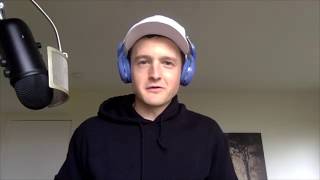
Brad Costanzo breaks down his access plus influence equals opportunity framework for building businesses. He covers digital marketing tactics like messenger bots and targeted ads, why clear messaging matters before you amplify it, and how to network by adding specific value first. He also discusses acquiring existing e-commerce businesses and the Wealth Dynamics profiles that shape how entrepreneurs work best.
Chapters
Welcome to Make More Marbles. My name is Brad Hart and we're here to interview the game changers, the future makers, the co collaborators and creators who are here to collaborate with one another towards a better future for all of us. Enjoy the show. We've got a great guest coming up for you right now. Welcome to Make More Marvels. My name is Brad Hart. Today we are. I'm super stoked because I listen to your podcast. We bounce each other off each other a bunch of times and we just.
Hung out at tnc Internet marketing party.
Yeah. Imp. So this is Brad Costanzo from Bacon Wrap Business. Brad is a bad for a lot of reasons, but I want to tell you some of the more important reasons. He's a serial entrepreneur with an extensive background in digital marketing, finance and publishing. He founded and exited two businesses and currently runs Costanzo Marketing Group. George Costanzo need not apply, a boutique consulting firm that helps businesses use proven marketing campaigns and strategic relationships to grow. He and his partners are actively looking to acquire e commerce businesses that provide liquidity, capital and relief to their owners. He is also the host of the podcast Bacon Wrap Business with Brad Costanzo on itunes. Check it out. He's writing a book about how to access, about how access and influence are the hinges that swing the door of opportunity. I love that quote. Thank you, Brad. And thank you for being here.
Thank you, man. It's been great. As I said, I was watching you on your Facebook live for about 20 or 30 minutes prior to this and resonate with a lot of the messages that you put forth. And even though we've only really, I think, hung out that one time, even though we're here in San Diego, which is a shame, I think we're kindred spirits in a lot of ways.
I appreciate that, Brad. Thank you. And it's just great to kind of meet some people that are actually out there in the world podcasting. This is a relatively new podcast, so I'm super excited to be bouncing off you and just it's the perfect stage and I don't believe in accidents. So really awesome to have you here. So, yeah, let's wrap on marketing for a minute. Like, what do you see is kind of happening out there in the world and what do you think entrepreneurs are up against in this new, incredible, incredibly fast moving world of social media, etc.
Well, the biggest trend I see is this thing called the Yellow Pages and it's really amazing. They deliver it right to your door.
Get out of here.
They do. It's really amazing.
Brilliant.
How Do I invest? I think it is a wave of the future. So what is happening in marketing that's such a big, big question.
Yeah. What's exciting right now? What gets you up in the morning? What gets you excited to do what you do and helping your clients with.
What'S getting, you know, some of the more exciting things are the fact that it's, you know, you just mentioned there's a book I'm writing and the concept of access and influence. Right. And how access and influence are the hinges that swing the doors of opportunity. And one of the most exciting parts of this, by the way, that's this concept is a kind of a broad one, and I'm happy to drill down on it. But more than ever right now, we live in a time where we have access to more resources, we have access to more people, we have access to more opportunity than we ever have. Anybody can be an influencer. You know, you can have. You can have a crazy idea, you get on YouTube, you become an influencer, you have the ability to impact the lives of others or their decisions or their, especially their buying decisions. And it is just created so much more opportunity for the large business, the small business, the individual, to not only connect with the things that matter to them, but also to connect with the customers. They're going to keep the lights on. And I've seen this both with some of my friends, some of my clients, and I think it's only expanding, especially this concept of influencer marketing which has been around for ever, really. It's, I mean, you know, famous people, celebrities doing ads and whatnot. And that's, you know, but in the past, that's the only type of influencer marketing that was available. It was, you know, because it was mass media and there was mass celebrities, but now, oftentimes, like on Instagram, for instance, got an E commerce business. And I've had more success getting small influencers with maybe 10,000 people in their audience, but highly engaged than I have buying an ad with somebody who's got a million followers. Because it all has to do with the engagement level of the person. And that's really exciting. It's new, it's changing. And I mean, I've been in the marketing business since 2008, and I can't tell you how much I've seen it changed and it's just exponentially going. But that's kind of the quick and dirty. What kind of excites me is just, I mean, the ability out there to reach your people.
Well, it's leverage on Us on a, on a more kind of farm scale. I had Stefan Arnio, who's a really great real estate coach, on the, on the podcast a little while ago. And Stefan said something that was really poignant. He's like, we're kind of going back to 1910 where everybody lived on the farm and they were all entrepreneurs and they all had three people in the house and you know, everybody had their little business. Right. And now that's really becoming true again. It's like, yeah, we all have this digital nomads, but at the same time we're all becoming entrepreneurs. We all have our little sphere of influence and it's really, really, really expensive to reach all those eyeballs. Even if you have the Etsy store, if you don't have dollars to generate that marketing machine, you're not going to be getting the type of eyeballs. So finding ways or efficiencies to get the attention that you need with the direct message that you need those people to hear is really the name of the game and doing that in a way that doesn't burn wheelbarrows full of money.
Exactly, exactly.
So what would you say if you were kind of just getting started here and figuring out this piece of marketing? Like, what are some of the lowest hanging fruit opportun opportunities to get into today? Maybe a new social network that most people aren't checking out yet or a new tool like 22 Social? I'm really happy with that team over there. Yeah, they're really rad. Just kind of some of the maybe two or three examples of things that are just coming onto the scene that are really interesting, exciting for people just starting out.
Messenger bots are very exciting for me and also very precarious in like Facebook messenger bots and messenger bots and utilizing the ability to connect using kind of a semi artificial intelligence or at least programmed intelligence for folks who aren't familiar with it. That's, you know, the ability to integrate Facebook messenger and use it as an automated communication system. Whether people opt in to receive your message via messenger and you start to send automated messages back and forth in there where you can give them pre programmed answers that they just select A or B. You can make it, you can put multimedia in there and you can make it a really fun experience. At the same time, it's ripe for a bunch of marketers to just absolutely screw it up and ruin.
Marketers ruin everything eventually. Right?
But I think in some markets it's going to be like in business opportunity and education and entrepreneurial education, it's just going to be assessed, please, of idiots out there. But in the general market, I think it's really good because they're not going to be inundated with people trying to sell them hopium and try to trick them. Because, I mean, marketing by trickery doesn't really work anymore. I mean, not that much. It works to a certain type of people. But a normal business, like with one business that is a client of mine, we are doing Facebook ads to just generate a question like, hey, here's, here's what we're doing, here's what we've got. Send me a message and tell us if we are, you know, if this is like you mentioned real estate, this is in the real estate investment niche. Like, send us a message, tell us which model of real estate in your investing is it wholesaling, rehabbing, landlord, etc. And depending upon what they, they click the button in the ad and depending on what they say or what they select, we can send them a different message. That's working. It's starting to work really well. It's not that different than a phone tree that's been around forever, right? You call in, which is absolutely the bane of most people's existence, which is, hey, would you. For sales push one, for support, push two. But I think where messenger bots really help, there is. You don't have to sit there and listen to some computer talk to you. You see it, you can click on it, you can go much, much quicker without sitting and waiting for somebody. So that's one of the more exciting little tactical pieces that I've been diving into learning a lot about because I don't know that much about it. And it's, I've been hesitant to go full in just because, you know, you can also completely ruin your customer's experience if you try to get too cutesy with it. So I think if you play with it, you know, just a little bit, but that I'm trying to think of anything, any of the trends that I'm really liking and, you know, kind of capitalize on ultimately. Not like, I try to stick to more proven campaigns. And I think the, like, I like the foundations and the fundamentals which are, you know, a good offer, communicating clearly to a hungry audience is better than anything. I forget where I heard this, but clarity, clarity trumps creativity. I think it is. Or something like that. Like, do you. Who are, you know, who are you? What can I do here on your website? Why should I do it? If you can answer those three questions, you're going to do.
All right.
So I try to go back to the basics.
Yeah. And I think you hit on a really big key, is like, it doesn't matter what the tool is, the tools are always going to change. If you're not really clear on your message and who needs to hear it, then you're not going to know who you're looking to target. A and B, you're not going to be able to target those people in an effective, efficient way. And see, finally, once they hear your message, if you do reach them, forget it, like, they're gone. Right. You got to really have a good understanding how people work. And I always say the best marketers are the most empathetic people, the best salespeople, the best negotiators, because they really get it and they can put themselves. That's all empathy is. It's the most attractive quality that a person can own honestly and have and develop is just to be able to put somebody, you know, you don't know. You don't know what they've been through, but you can put yourself in their shoes long enough to really create a message that's going to speak to them, guide them from A to B. And that's mastery.
Yeah. And I've got a process that I take my clients through. It's really one of the very first things. I call it magnified messaging. And it's like when you take a magnifying glass to the sun and it takes these warm, diffuse rays of sunlight and it turns it into a laser beam that Darth Vader would be jealous of. And it cuts through the confusion and the fog, and it creates a really explosive or specific event in the, in the prospect's mind that, wow, I know who this person is. I know who they serve, what they do, what benefits I'll get from doing this and what I should do next. And it's not rocket science, but it's, it's, as I said, it's. It's magnifying the message. And you want to magnify it before you can amplify it, I think, because otherwise too many people go out there and they say, yeah, I'm a life. Like I'm a life coach or I'm a. A lawyer or I'm a mortgage broker. You know, whatever it is, they just, they. That's not this day and age. You. You have to be a lot more clear and a lot more poignant and who you help, how you help them, and why they should, you know, why they should work with you.
Absolutely. And your bio is a perfect testament of that. Right. It's like, hey, you know, everybody hates writing about themselves in third person, but.
If you want to serve people.
Yeah, if you really want to serve people at a high level, they have to understand who you are. Why does it matter? Like, what's in it for me, really? That's what the question everybody's asking is, like, at the very base of it. Like, whether you're an empathetic person or not. Like, we all need, want, and desire things. And the beautiful thing about society is we can all give, give, give, give, give more than we take if we choose so. Right. Two reasons I love entrepreneurs, and I always say this, I borrowed this from. From a mentor, is I love entrepreneurs because they create more than they consume and they create before they consume. And if everybody just did that, the world would change overnight. So that's why I serve and support entrepreneurs.
You say that Sherbakov. Who told you that?
It was. It was actually Kurt, a friend of Mike's that told me. But yeah, you know exactly where that came from. I love Mike.
Well, I said that because I heard you mentioned that. And I know, and I know Mike, but I heard you say that on the. On the other Facebook Live.
Yeah. Mike might have said it for all I know, but we're actually going to a house build or a refugee camp build in Athens for Syrian refugees here in a couple weeks. So. Yeah. Check out Mike Sherbakov, the Greatness Foundation. Yeah, he's. He's the kind of guy you meet and you're like, I want to be a better man because I met Mike Sherbakov.
It's true.
He's like, one of the most thoughtful people ever met. Yeah. So, you know, as you guys know, like, I want to bring you guys the best people. I want to. I want you to get the cutting edge information. I want you to understand the strategies that are working. But more importantly than that, I want you to talk about bacon. No, I'm just kidding. I want you to.
Pete's Paleo in San Diego. Best bacon ever, but keep going.
Right on. I want you to understand that, you know, even the best strategy in the world that Brad or somebody gave you would. Would pale in comparison to the right operator, the right mindset, the right person that understands that, you know, the mindsets. 80% of the game, you can, you know, the strategy is going to change every time technology change every time Facebook's algorithm changes. Your strategy is not worth a whole lot. But if you can be the mindset that just you know, you're. You're the fountain, not the flow. Then the game changes for you. And I want you to get to that place as quickly as possible because then anything you get into, you can win at or over time. Win at, you know, Absolutely, man.
It's mindset, you know, it's funny. So I've. I actually had a mastermind that I was running for a couple years with a partner. We're no longer doing it at this moment. We split amicably. But it was funny because like the four pillars of a mastermind and this is going to come back to the mindset in a moment. Really like, why do people join a business related mastermind? And I really broke it down to four elements, which is they come there for the, the candy, which is the marketing, business tactics and the fun stuff that it's cool, right? They come there for the, you know, they come there for the connections and they come there for the people. Obviously they come there for them to learn how to overcome the necessary evils of business, which is everything except sales. Everything except collecting money.
That's.
We get into business because we want to make money, we want to be successful, right? And then we realized we got to deal with human resources and finance and operations and customer service and all this other crap. This isn't fun. The fun part is making money, making an impact and having a good time. But so, and I think a lot that's one of the other big reasons is people come to masterminds because that's where people talk about the real crap, that it's not pretty. And then the fourth part really is the mindset. The parts that have been always the most impactful for the members of my mastermind has been when we talk about the crap that you have to deal with. The feelings of loneliness, the feelings of being a fraud, the frustrations of not feeling good enough and being burned out and the interpersonal relationship, you know, issues that it causes and the limiting beliefs that all of us deal with. And a lot of times, as you've probably seen, the tougher they are on the exterior, the more fragile they are inside. And it's just amazing how when people get their mind right, everything else kind of falls into place and myself included. It's funny. Nobody has it all figured out.
Nope, nobody has it all figured out. I was just saying that earlier. It's so funny. Like, you know, we have these kind of fun words that we use all the time like stress and crushing it and, you know, getting after it or the grind, like it's a badge of honor. It's like guys hustle, just, you know, it's, it works, but it kind of has a limit. Right. But flow, on the other hand, when you get into flow and you, you invest in yourself, over time, you get more leverage than you ever thought possible. So eventually you have to, you have to grow past that stage.
Yep, yep, yep. So I've heard you talk a lot about wealth dynamics and whatnot. So you're a, what is your, what is your profile? Do you say you're your supporter?
Supporter, yeah, big time.
Nice.
How about yourself? Yeah.
So I've taken it twice. And the first time I fell supporter was my primary role, and the second time I took it, I was a deal maker. And they were very similar, but they were very close to each other on the axis. And I imagine a lot of people listening to your podcast by this time, they've probably heard you talk about wealth dynamics. And if not, go check out a link. I'm sure you'll put a link in the show notes. But it had a big, profound impact on me because I started to realize that, man, if I'm doing all this other stuff, I'm trying to put a square peg in a round hole and. But yeah, the supporter dealmaker, it's kind of funny. Like I shift back and forth between the two and a lot of the ways I support people is by making deals for them with them, etc.
Right.
Like it's connecting the dots. And yeah, ever since I discovered that about myself, like you said, it's like it becomes much easier to be in the flow. It becomes easier to say no to stuff.
So. Yes, yes, absolutely. And to know how things are going to go wrong. You almost become like a Jedi with entrepreneurship and you're definitely more practical than me. You're more of a, you know, a practical timing, like, hey, we're, we know what's the utility in this right now kind of guy versus, like, I'm a little more of a mushy, gushy relationship guy, you know, just a little bit. Like, it's a minor detail, but it's.
It makes a difference. And yeah, absolutely.
It's so fun to see those little things play out. And honestly, like, I could have made a lot more money in my life, but I did that. You know, we had a million dollar month and a hedge fund and I was more disconnected and beat up and burned out than I'd ever fel. Yeah, Life. Yeah. So, you know, you can be successful doing things you're not meant to do and you know, I think there's a better way, you know?
Yeah. What was it? I forget who said the quote. Oh, man. I forget who this was. But it's kind of a famous quote, or at least in my world it is. You know, you can fail at something you hate, right? You can do something. You can. You can fail at something you hate. Like, if it's a job you hate, you can be the best in the world at it, but you hate it or you can fail at it. It's like you can fail at something you hate. Why don't you try to, you know, try to at least succeed at something you love? Because if you fail at something you, you know, if you fail is trying at something that you love, at least. Yeah. I forget what the quote was, but.
It was Jim Carrey, actually. He was talking about his dad. My dad was an accountant and he hated it. He wanted to be a comedian. So you could fail at something he loves. You might as well take a chance.
Was it Jim Carrey?
You fail at something you hate, so you might as well take a chance.
Yeah. So you've heard that.
Yeah, it's great.
And it's really true. The. The funny part. Back to Wealth Dynamics for a second. It's so where my. And you know, it comes with a. There's like the little. The circular grid of where you fall. So depending on when I take it, it always is. It's. I've got a good portion in supporter, a decent amount in star and a decent amount in. In. What is it? Dealmaker. Right. And it's funny, like right now in my life. So I'm the host of a podcast. There's the star. I'm working with clients, supporting their visions and their goals for what they want to do. There's my supporter, and I'm currently trying to buy one company. Next week. I'm negotiating to purchase one company and then potentially another one. So there's my deal maker role. And it's kind of funny how the three things that I'm constantly doing are, like. Are right there in that sweet spot.
Yeah. And it's really cool. Like, I just did two or three Facebook lives today. I've been really going after the Wealth Dynamics piece and, like, putting new terminology on it and just, I want to get one in the can for every type. And then eventually I would love if somebody came back and, like, watched them all and they're like, oh, I'm ready. I'm going to interview you. That's the supporter. That would be kind of a rad thing. I don't know. I'm just, I'm manifesting it, I'm attending it.
I'll interview about the supporter thing.
Yeah, that would be rad. Thank you. Yeah. If you want to check into it. So, yeah, the, the question doesn't become can I succeed at entrepreneurship? That answer is definitely yes, provided you're willing to invest in yourself and understand who you are first.
Yep.
And that's really the journey you're on. It's the wealth creation journey, not the, you know, A to B. There's a lot of ways to go from London to Moscow. You can walk, you can ride a bike, you can go through the channel and drive, or you can take the private jet. I'd rather have you guys take the private jets where you want to go, right?
Oh, exactly. And, you know, this kind of feeds into the concept of my book as well that is being written. And it's, it's actually still like it's taking on a form of its own. As I, as I write it, I start to realize new little aspects of this.
But.
So I've always been the type of person over on the right side of the wealth dynamic spectrum is that, you know, when I, whenever I have a question or a problem or challenge, I always think, who first. I always try to align myself with people.
Like an owl.
Exactly. So, but then I started to look at all the things that have given me success in the past and trying to find a common thread. And then I try to find. And then I started to realize the thread, this thread, that giving me success is the same thread that has given every single person success, societies and civilization success. And I found that it really hinges on two things, access and influence. And when I say access, it's kind of funny. People think it's. I'm just talking about networking, like, oh, access to people, whatever, or influence. Like, can you, you know, do people love you? Are you famous? And it's so much deeper than that. So you think about what is access? Well, access is, you know, it can be access to people, sure. But it's access to capital, access to education, access to supportive family, friends, colleagues, access to ideas, access to distribution, access to talent, access to anything. Right. So if you don't, you know, if you don't have these things and you don't have to own them.
Right.
That's the other thing. You either own them or you can get them. You can own them, rent them, access them, borrow them, but if you cannot access them, you can't do crap in this world that's why, you know, people are stuck in poverty. They can't, they can't access the support of people. They don't have access to that right. Education and knowledge and mindset and people around them. So I sort of thing, this goes really fundamental access to natural resources. You know, if you're a country, one of the reasons the US is so strong, we have access to super abundant natural resources. Now the other side of it is influence. So influence is just simply the ability to cause somebody else to act. When you think about it like the actor to believe something or take an action because of you, you know, tribal chiefs, they had the most influence because maybe people were scared of them, that they beat them up. So they got to be the chieftain in politics right now. The person who can, who has the most power, who has the most access, one feeds the other. The more access you get, the more influence you have. Because people want the access to what you've got, so they'll do what you say. Now, interestingly, right now, and we touched on this in the very beginning, that the entire economy is switching from an ownership based economy to a sharing and access based economy. You don't need a car if you can access one on Uber, right? You get that. At the same time, there's this ubiquity of accessing information with the, with the Internet. With my friend Dan Martel. I don't know if you know Dan, he launched Clarity FM before he sold it, which I thought was brilliant several years ago. Like, you know, expert business advice on demand. And you could just go out there, put yourself, and if you're willing to pay by the minute, you can get great people, pick their brains for a few minutes, access to information. And at the same time, that also made me think of one of my favorite quotes from Jay Abraham, marketing guru, author, etc. Who said, if you take away all of my business acumen and marketing insights and strategies except one, I'd want to be left with the knowledge of how to get the rights to anything and decide how to use it later. How can I get access? So that could be how I need distribution for my product. Well, how can I find people who've got that access? And how can I strike a deal? Here's the deal maker in me. How can I strike a deal to get them to promote my stuff that's mutually beneficial? Well, I can pay for it, I can do a mutually beneficial relationship, etc. But now that's one thing. But now if I know where the access is, that's one thing. But I can't walk through that door unless I've got influence. So how can I make them want to work with me? How can I influence them to want.
To work with me?
And that can be anything from personal rapport to paying them money. Either they like you, you pay them. Those are the two opposite extremes. Or you just add value to them in one way or another. And interestingly, like, people always ask me, how do you monetize your podcast, Brad? So, like, I don't accept sponsorships, and I don't, you know, I don't make direct money from that. But the return on podcasting for me has been access to influence.
Right?
I've gotten access to people who are really influential, and I've gotten them because I started out with a little bit of access to influence, which allowed me to influence other people with access. And it just grew and grew and grew. And now I've got some relationships with some amazing clients, friends, partners, simply because I was able to leverage those two hinges, right? The small doors that swing big hit small hinges, swing big doors. Those are access and influence. And it was just kind of a cool. It was a cool epiphany that I had, and it's very empowering. It was for me, and hopefully it is for your listeners that there's so much more opportunity out there. If you just stop and ask yourself, like, if I want to get to point B and I'm at point A, what do I need? What do I need in order for that to happen? And then you don't have to think, what do I have to own? What can I access if I don't own it? Where can I access it? And okay, now I've identified where. Now how can I influence that person to want to work with me? And that's. That concept has served me really well in my career. And that little epiphany caused me to. I was talking with a friend of mine who said, you know, you should write a book about that. So that's where that kind of came from. And it's. It's been a fun, empowering. I don't know, like, I don't know if it's a mantra. Access and influence equals opportunity.
That's like the deal maker motto, right? It's like access and influence swings the doors of opportunity. And I have a saying for dealmakers, too. I have acronyms for all of them, actually connect resources, opportunities, people and systems together.
Yeah.
That's how you create your opportunity. And then you put yourself in the middle of that. You're the value creator. And that's how you make value. You bring the people to the marketplace. Right. So it's a really fascinating thing and it's cool to hear it from. From your perspective, because I know you've been down this road already and you have a little bit minorly different skill set than I do, you know, but it's. It's the same kind of thing. It's all love and it's all good. It's all part of the big grand wealth creation cycle.
So it's cool to see.
I do know Dan, by the way. He's a mentor and friend. I love him very much.
Yeah, Dan's great.
I thought Clarity was an incredible startup. That's actually how I learned about him in the beginning.
Yeah, same here.
And yeah, he's been exceptionally great about that. But the thing you said that most resonated with me is, you know, the idea that there's always access if you're willing to be resourceful. Right. You don't need the resources if you're willing to be resourceful. That's Tony Robbins right there. You know, he talks about this a lot. And he talks about how proximity is power. And like, you start to take all these little quotes and kind of wrap them around what you're saying, and they really become true. Right. It's like, how do you get big deals done when you don't know anybody? You don't know a whole lot? You know, you kind of. You start with the idea in mind, that vision. You start collecting these resources over time, and then you just see how they fit together. Yeah, anybody can do that. But dealmakers are especially good at understanding that.
Yeah. And I think that's where my strength came to, because I've unconsciously or subconsciously utilized those throughout my life. And I was like, what is it that's driven me success in other people? It's, you know, it's access to these things. And, you know, I always think ahead of time. And by the way, you play the long game with it, it's kind of hard to, you know, wield access and influence transactionally because you kind of burn out really quickly.
But when you run out of money. Right. It just. It's like a zero sum game. Like, I give to you, you give to me. You're cool by yourself, I'm cool by myself. But a general relationship is when we come together and we're better than the sum of our parts.
Yep.
And that's it. We create more value that way.
Absolutely. And that's ultimately what you Know, the grease. The grease on the hinges.
Right.
If you would. Because I like this visual of the door. Right. The two hinges are accidentally.
Yeah, I agree.
The grease on the hinges is value. And that value, as I said, it can come in the form of somebody of paying somebody, which is value. It can come in the form of somebody liking you and just doing you a favor because they think you're cool and they want to see you succeed. Or it can come in the form of you provide you've given them access to something that they. That they value. You know, like one of my. One of my biggest clients, people always ask me, how did you get this guy? How did you work with him? Because he's a. He's a pretty marquee name. Pun fully intended for those. But. Yeah, but I mean, it was literally, I interviewed him on my podcast. It was over the course of the year. I found ways to stay in contact with him. And it wasn't for any ulterior motive. Just, this is somebody that I'd like to have more in my life. And I saw an opportunity, something that he was doing, and I proactively reached out and I said, this is what you need, and I will do it for you for free. In fact, I'm already doing it for you. Just jump on the wagon. And I just helped. And I added value without being asked for it. I made myself indispensable. I gave him access to me without wanting anything in return. And that created, you know, that created the beginning of a relationship. And then, you know, the more that my value that I added was helpful, it created influence.
Right?
So one of my mentors even told me to do this a long time ago, which is, you want to create really big relationships with big people. You know, reach out and add value without being asked. Make yourself indispensable to them.
And specific and considerate value, that's well timed and well thought out. Not just, hey, how can I help you? Like, they get 50,000 of those a day. Nobody wants to have to think about how they don't know you. They don't know what you're good at.
Did you see my Facebook post on that just the other day?
I mean, I think we're all. All these little, you know, all our little kind of worlds, they always cross over. We're probably talking about some of the same things. I gotta be honest.
So here is exactly what I posted. I'm gonna. It was a short post, but I will read it to you because. So I get this question a lot. And then also my Clients do. And I read some of the emails that they get, which was, man, I really like what you're doing. And I think, you know, you're an inspiration. And I'm, you know, I'm trying to get going and trying to make something of myself, et cetera. And, you know, is there any way that I can add value to any. Let me know how I can add value to you and I will. I'm in.
Right.
So first of all, that's better. That's one step above saying, hey, can I have X? Right? They're just going and asking for crap.
Yes, right.
He's asking if he can add value. Well, here's what I wrote, and it's short, but I said I love questions. I love asking people what they're trying to accomplish and how I can help them. But if you really want to make an impression, don't ask them how can I add value to you? Don't make them do your thinking for you. Add value without asking permission or waiting until you're asked. Do it without expectation of a favor. Do it because you're cool and can help. And if you can, do it without even asking them what they need and creatively anticipating it, even better. Right? So don't make me do my thinking for you. Find out, do a little bit of research, see what I'm working on, ask some questions, get into a conversation, and then go out and drop some value in my lap and I'll be like, well, damn, we're gonna be friends. So it's not rocket science, but it's, it's crazy.
And a willingness to see past what you can get out of something and just what you can give to the relationship. And I have a saying, it's like the busier people in the world, they've all got a pile of stuff, right? And they're really just waiting for somebody to come along and have enough, you know, fire lit under them just to grab a shovel and start shoveling. And if you're that guy, it's going to show up and start shoveling. You can make inroads to some of the biggest people on the planet. And that's just the key right there. It's just going to play the long game and you got to be willing to just contribute, possibly can.
Well, you mentioned earlier what the, the quote of, what was it?
Entrepreneurs create and create before more and before they consume.
That's exactly it. So create before, not just you consume, but anticipate the market, anticipate the needs in the market. Don't Wait for the market to sit back and tell you what. What it wants, because by then, all the opportunity is gone. You mentioned this in your Facebook Live about, if you're at a company, how can you do this? I did a podcast episode exactly on this about the difference between being an entrepreneur and being entrepreneurial. There's a world of difference. An entrepreneur is somebody who's stepping out into the ring by themselves and is guaranteed to get some black eyes, get kicked in the nuts, and cry themselves asleep. Right? It sucks. It is not for everybody. I said, don't. Don't do this unless you have to. You'll know. But anybody can be entrepreneurial. You're an accounts receivable clerk. Take the marketing manager out to lunch and just start asking questions. I just ask, what are you working on? What's the biggest thing that's keeping us up at night? I just like to know what's going on at the company. He might say, man, our digital marketing strategy is just terrible. It's just terrible. You're an accounts receivable clerk. You don't know crap about digital marketing. But if you're listening. I said, if you're listening to my podcast, you. You know somebody who does, right? You know, you know me, and I wasn't fishing for a referral, but I was like, you literally could. If you asked around and you found these opportunities. And you don't have to give a crap about the company, you could. You can absolutely be selfish as hell and think, how can I make more money? Well, okay, cool. I give a crap about me, but now I got to give a crap about what they want. So find what people want and then ask them. And you don't have to solve their problem. But if you can be resourceful, if you know somebody who can, you can start to make a very nice living for yourself and open those doors of opportunity, right? Because you can utilize access and influence. Well, you've got access to me because you listen to my show, or you, you know how to get access to me and you want influence with me. Send me an email. Say, brad, I may have a referral for you, right? Like, boom. And you've already got influence with your boss. So see how it all kind of interplays? But that's why I said, we're kind of kindred spirits. When I was listening a lot of the stuff you were saying, I was like, yeah, I absolutely preach this stuff.
That'd be hard, guys. There's just a few little pieces that you need, and most people don't get These. It's like the double opt in. Send each person a note saying, hey, I want you to meet this person. Here's three reasons. Why is it okay to connect?
Oh, my God. That's a. Such a. Not a pet peeve, but a absolute must. It's a must. Introduce me blindly. Like, do not just surprisingly send me an email and say, hey, you need to meet Brad Hart. He's really cool. And then CCU on this. I'm like, dude, I want to meet him.
Right. And, well, maybe you do, maybe you.
Don'T, but give me the opportunity. That's the worst.
Yeah, exactly. Give me the opportunity to say yes, no, or not right now if I'm busy. Right. Let's ping this, you know, two weeks from now. Thank. Actually make the effort to say. And you don't have to do, like, a whole lot. You just one email, the other email, or one Facebook mess, the other face.
So glad you said that when you.
Got yes on both sides. Cool. Here's a quick connect, guys. I already told you about each other on separate threads. Enjoy. Take it away. It's my greatest pleasure in life to connect wonderful people together. Boom. There's your script. Go.
I'm so glad you said that. Yes. Such a pet peeve. And I pride myself, like, I do pet. I don't pat myself on the back for a lot of stuff, but I give the best freaking introductions when I make them. I get. I get so many people go like.
That was on the podcast. Want to make the world a little.
Bit of a better place.
Know this stuff.
Exactly.
Kicked in the mouth a couple times because you don't know what you don't know until you learn this stuff. This is stuff that you get after 10,000 connections.
100%, you know, and it's.
And I can't expect somebody day one to understand why this is valuable and how it's going to benefit them and the people around them.
Mm.
I go through their own journey, and, you know, that's gonna take time. So if I can help you with one little piece, then go for it. Yep.
You know, one of the. Since I was bringing up other topics that I talked about. These are hot button issues. And this is kind of a mindset thing, too. I just. I just recorded a topic, an episode that was inspired by an article I read, and I posted this on my Facebook, which was. You know who Ryan Holiday is.
Sure do. Yeah.
I accidentally hit mute.
I love Ryan.
Yeah.
Cool.
So he wrote multiple books, but so there was a. So this article was really poignant. But it's also, from a meta perspective, a brilliant marketing tactic. So the name of the article is I don't have faith in myself. I have evidence. And in essence, his thing is don't believe in yourself. That's what he's saying. So first of all, from the meta marketing perspective, this is what we call, like, counter conventional wisdom. And if you can do that, you can actually get somebody's attention in the marketplace. If you say, goals are bad, goals will cause you to fail, or if you can say, you know, I mean, back in the movie Wall street, greed is good. Gordon Gekko, right? And when he came, people go, huh? Like, if you can make people do a double take because you're going against traditional wisdom, you can, you know, kind of grab them by the ear balls. So what? So what his premise was, he goes, everybody in personal development says believe in yourself. When nobody believed in me. I believed in myself. I believe in myself. He's like, that's bullshit. That's, you know, the most successful people don't believe in themselves. What they do is they have evidence and they build a case for taking the actions, right? So if you are listening to this and I've used the accounts receivable clerk because, by the way, my first, my second job out of college, accounts receivable clerk for Disney. So I can use that, I can make fun of us. But if I thought, okay, I'm an accounts receivable clerk, I'm going to start a software business right? Now you can say, I believed in myself. Like, that's kind of foolish, right? Like, oh, I believe in myself. I believe I have what it takes. But really, if there's no evidence that I have what it takes, do I have education on that, do I know people, do I have anything doing that, then I'm probably making a reckless decision. But there's hope in this. Like Ryan mentioned, he goes, you know, I've written two books, and when I first set out to write a book, I didn't believe I could write a book. That would be ridiculous. But I had a case. Like, I built evidence. So he's like, I was working for a publishing company. I had been writing a blog for a long time and I knew how to write. So. So he goes, I assemble the case for my potential success, and it's not airy fairy, law of attraction bs. It's alright. So listen, here's, by the way, best accounts receivable clerk. So I might say, all right, I want to start a software company. Okay, what is my case? Well, a I use software B. There are people out there, like Clarity fm. I can handle these. Like, I can access these people. I have money to invest. I have this, I have that, like, start to assemble a case for your probable success. And what that's gonna do is that's gonna give you a firmer foundation that's not going to crumble when crap gets hard. Because crap is gonna get hard if you set out to be an entrepreneur.
Right.
It always does. And one of the best examples he used in this. He used in this story was that certain people feel as though they have this delusion of grandeur. Right? Like, but my success is written in the. You know, it's written in stone. It's like, I'm just waiting for my opportunity to come. Like, Napoleon felt that, Hitler felt that. They both believed they could take Russia, and it was out of pure ego. There was no case, There was no evidence that they could take Russia. Everybody else had tried to take Russia and failed.
Like, Right.
Throughout history. It was much bigger, all this other crap. Who.
Why did they want it?
Right?
I don't get it. Like, you got. You got the whole world, and it's like, it's ego. Like you said, it's your own doing eventually.
Why? Yeah, why do you. Yeah, why do you. Why do you want the tundra? You know, Trump believed that the being president would be easier. He had no reason to believe this, but he has this delusion of grandeur, probably more so than most people in this world, whether you're pro Trump or anti Trump, everybody can say, like, the guy loves himself and he believes he's destined for greatness no matter what, and that everything will prevail. Well, he's realizing that crap, it's a lot harder than this. So I got really empowered by this because I'd never thought about it before. And I've actually given the advice to entrepreneurs that you have to sometimes have a delusional belief, a delusional optimism that you can do it because you need that faith. True to a point. But if you can build evidence, if you can say, I've got this, I've got this. I've got a supporting wife or a supporting husband, and I do have an education, and I like to read, and I'm good to learn, and I've got three hours extra a day that I can make. Like, I can build a case for my paper. Potential for success. Talk about being a realist, right? That is. That hit me right in between the eyes. And I thought it was just advice that a lot of People need to hear.
You know, there's a quote that comes up all the time around the Make More Marvels community. And what I always say is you can argue with reality as much as you want, provided you're willing to be wrong 100% of the time.
I like that.
And that's pretty much what you're describing is like you can have the grandest delusions and like confidence is great, guys, but everything in life is a rational, paradoxical dichotomy, right? It's really difficult to know which way the pendulum is swinging right now. And when you're in balance, you know it, because life tends to support people in balance. But yeah, you've made some really great points, Brad. And I really love hearing it from you because you've been around, man, you've seen this how it goes. You have that really cool like collected viewpoint which is hard to find. It's a more practical viewpoint than even I have sometimes. And I can kind of go there and I can, I can bring that in. But even I feel delusional sometimes in what I can create because I have to. I'm trying to change the damn world. Like you got to be a little delusional the day until you change the world. It's a crazy frickin idea, right? As Peter Diamandis like, you know, the X Prize was like, you know, years of doing this.
And by the way, I am absolutely not guilty of. But like, you know, I proudly proclaim I am. I have delusions of grandeur. I have delusions of like I'm delusionally optimistic on stuff, which has really helped me. But sometimes it's gotten me into. It's gotten me over my head, you know, and that happens to all of us. But so you need that to fuel yourself. But here's the thing, that's not the plan, you know, that's not a good, that's not a good thing for your profession. So you can use that as a tool to help you persevere when times get rough. But don't go in, you know, don't go into battle wearing a, you know, wearing a leotard. You know, take some armor, Take some armor with you. And that armor is evidence that you can.
Unless it's like one of those, you know, floaty tubs, you know, one of those kiddie pools that are filled with whatever, you know, that might be an okay battle to get in part of a little wrestling match.
That's a completely different story. I sometimes like delusionally optimistic entrepreneurs because sometimes they start a business, they get it going and they realize it's a lot harder than they thought. And then there might be an opportunity to, for me to come in and purchase this business and run with it. Because I am also, I believe I'm done with startups. I think startup is a four letter word in my, in my world because it's, it's. I would much rather come in and purchase something that I can add value to that's already got legs, right? Foundations built.
Yeah. F ups versus startups.
You know, you look at it like this, 90, the stat is something like 95% of businesses fail in the first five years. You know, it's insane. So why do we all want to build a business from the ground floor? Why don't we go find companies that have been around for five years and see if we can work out a way to creatively purchase them? And I had that epiphany, actually. Another friend of mine was telling me, he goes, you know, when we want to, when we want transportation, we go buy a car. When we want a house, we go buy a house. You want clothes on your back. You don't go buy yarn and knit your own clothes. You go buy a shirt and a pair of jeans. Why is it we feel as though we have to buy, I'm sorry, build our own cash flow, our own source of income from the ground floor. Why do we think we have to do that? By the way, almost everything I told you that we buy, we finance this crap, we finance a car, we finance a house, we buy our clothes with credit cards and you know, you can finance the purchase of a business very easily, creatively, without ever using banks. And it's something that I am working on doing right now for the first time, I am far from an expert, but this is one of those areas that I'm leaping out of my comfort zone and utilizing access, influence and all the other knowledge. I've got to start to purchase some companies and God willing, next month.
And it makes so much sense as a deal maker. It just does, right? It's just, that's a deal maker, right? Because the creators are gonna create crazy different, you know, and they're gonna come up with the new ideas to change the world. But that's not your flow, so that's why it's work for you. But you can take over from those people and crush it. You can connect that value to the market.
Although I think it, you know, for the lords, the accumulators, the mechanics, the.
The even sports, more mature industries for sure, right?
Well, we all just realize like creators, creators and stars do have the art, the artist in them, right? And that's an entrepreneurs do I do as well? I like to see my own. Like I had another company that I built up and I was so proud of what I did and the branding of it. And I was like, oh, this is a crappy business model. What, what did I do? You know, the artist in me trumped the entrepreneur and you know, I had to take my lumps. But it's a, I don't know, it's an interesting concept, especially if you know you have value to give. There's a lot of things out there. It's almost like dogs, right? Like now I bought like I didn't get my dog from the pound, but there's a lot of unwanted dogs out. There's a lot of dogs in the pound. They're perfectly good dogs. They just need some love and they become the best mutts in the world. I look at it with businesses like that. There's entrepreneurs who started businesses and got over their head or just burned out and tired and they haven't added the, you know, they, you know, they don't know how to add more value and their brains just aren't working on it. So a good example is what I'm looking at. They've, they've, you know, doing about $4 million top line and they've never done any digital marketing. They've just done all print ads. And it's perfect for digital marketing. But he's just like, I can learn this crap myself. I don't want to. I could hire somebody, pay them a couple hundred thousand dollars a year to come in and run it. I don't really want to. I'm either happy where I'm at or I'll sell it. And I was like, well, I see a lot of low hanging fruit. There you go, let's do this thing.
So, so who are the best deal makers you've ever seen? I mean, you know, we talk about the trumps of the world, but like, who are the other ones that are just blowing you away? And what mentors have you had that were also really great dealmakers?
Roland Frazier is my, is, is the one that. So he's one of the partners in digital marketer. He's a mentor and a friend of mine.
And.
And I just learn everything. Like he's the guy I want to be when I grow up. In a lot of ways, I love it. I'm trying to think who are some.
Other deal makers that really blow your socks off.
Wayne Huizenga is amazing, Amazing deal maker. Some of the. You know, he's the one who started Blockbuster and waste management and a bunch of other stuff. And I've got his book here, and it's. It's an amazing book about just some of the crazy stories he did of roll ups and investment banking. Not investment banking.
What's it called?
Oh, shoot. What is it called? Wayne has. I go, what's the name of the book?
I'm sending this to my deal makers in my. In my network as soon as we're done here. Like, I'm hacking this for you guys right now. I'm learning all I can.
It's called the making of a Blockbuster.
I love it. Yeah.
And how Wayne Huizenga built a sports entertainment empire from trash, grit and videotape. Right. He did it through the back of a lot of roll ups and different things like that. A lot of people in. Jay Abraham. I mentioned Jay. I think of Jay as a deal maker more than anything else in the entrepreneurial thing because, I mean, almost Jay's number one thing is strategic alliances and joint ventures. Right. And it's. And I agree, that's deal making 101. So I'd say those are probably some.
Of the ones that Joshua, you know, Jay Faizette's a support or star. And then Josh was more like a deal maker type. He's a hard negotiator, man. He's tough. Yeah. And, you know, he's hit me over the head a few times over the years. I'll tell you, I love him to death, but grind it. Yeah.
So it's funny about me. So this is why, by the way, I don't fall strictly in the deal maker. Like, I'm not right there in the bullseye. I'm a crappy negotiator. You know, I'm too damn nice.
I'm too nice. Right. I just expect everybody's playing the same game. I am like, oh, we're all cool buddies. No, man. Some people just making that deal. Best deal I can make. I get it.
No, yeah. I wanted to work on it.
I just.
It's like, I want to support the seller. I want to support the buyer, but.
I want to make win, win, win for everybody because I want everybody to just stop having to work so hard and love each other. That would be amazing.
No, but you know, you know how I get over that, though. Like, so, okay, there was a problem. I'm a crappy negotiator because I don't like conflict, either. A good deal maker loves conflict.
Bingo. They thrive on conflict.
Yes.
You love drama.
I don't. But you know, what I do is I bring in people that are my investment partners and my backers, and we play good cop, bad cop. So I get to be good cop. I get to be good cop. I build the rapport, I build the trust. And it's. And then if, you know, when it comes to the negotiation, I can say, listen, my partner say this, my partner say that, or they bring them in and they get to talk about the reasons it won't work, and I get to talk about the reasons why now I think it will. So I found a way to. What is it? My deficiencies.
Right.
Like, outsource my deficiencies.
It's great too, because, like, this is how people can begin to add value, each other. So just use, like the traditional superstar agent would be a deal maker. Right? So like Tony Robbins with an agent or like Beyonce with their agent, like, you would be that role. Or, you know, Josh and Jay, like, that's a great example. And then they just need, like a lord type, like a Rob to balance them out, you know?
Yeah.
And that. That really is a powerful trifecta combination that you could build from there. Right. He's got all those four quadrants covered. You know, I just want to reiterate for the guys listening at home, like, I love all these people to death. It's just they're different people. They have different things that they value, and they have different things that they do that they're great at that are all necessary to this whole wealth creation cycle. That's the only point I'm trying to make.
Yep.
Awesome, man. Well, since it's the Make More Marbles podcast, Brad, and you've been so gracious with your time. I always kind of spring this on people when they come on the show. We're all about helping people to connect resources, opportunities, people and systems together. As I mentioned, like a true deal maker should. But we also want to seek in every encounter to diagnose, create space for, serve, support, and solve. So what's your biggest pain point right now or the biggest opportunity that you want? Just voice it on your lap or what connection, what resources, what opportunity for anybody listening to reach out to you with right now, if you could ask for anything, if we could weigh this magic wand, what would that be?
Cool. So, first of all, as I think about this, I got to give you props. Either you did this naturally or you listened to my podcast because you're the Only one. So here's. Let me first before I do that, let me explain what you did right right there. And most people will say this. So Brad, how can I support you? Right? How can I add value to you? We just talked about this, right. And that's such an open ended question. And I'm like, oh shit, I don't know. That's like, you know, do my laundry. Right. But, but you asked me very specific questions and you went into detail and you gave me little. You gave me little. I think of them as like thought handles like every once in a while. Oh, I can grab onto that. Right. So on my podcast I do at my last question is I call the Nutcracker and I go here is where we flip the script on you. And you've been so grateful helping us out. Here's where myself and my listeners get to help you. What's a nut you're trying to crack? What I mean by that is what's a resource you're trying to get a person you're trying to meet, somebody you're trying to hire, skill you're trying to learn, money you're trying to raise.
Right?
Like I'm feeding them cues. So you're the only other person who did it exactly like I do. And I'm always patting myself on the back, proud of that because I've gotten some gold out the of that at times. So good on you. Good on sir.
A fisherman sees another fisherman from afar.
Yes, I recognize that. So things I am working on right now is I am looking for potential resources, people who are good operators, especially with marketing knowledge. People, especially if it's E commerce. I may be buying this E commerce business. I will not be running it. I've run an E commerce business before. I'm not a good operator. I'm looking for people who are very skilled operationally at the e commerce business. I am looking for people who do have access to other whether they own a business or know people who do who are this business is and it really doesn't matter what size, ideally half a million dollars and up but where the owner might be a little bit burned out, at a loss for resources, at a loss for words for what can I I just don't know what to do. I'm kind of at wit's end because I can potentially step in as a consultant. I can potentially buy the business and bring cash to it. I can. And liquidity for the owner and relief. But I'm always looking for people and more than the type of business I'm looking for the situation. Right. If the owner's in that situation. I am looking for. I'm always on the lookout for a good project manager.
Right.
Someone who, you know, someone who's really good at the tactical project management, who can, you know, work with me close, keep me on track, keep them on, you know, keep the whole thing on track. What else am I looking for more specifically? Oh, so one of my clients, Jesse Itzler, who I kind of mentioned here, I didn't mention his name. I am helping him find very marquee level speaking gigs.
Right.
So for those of you who don't know who Jesse Itzler is, you can simply go to his website or go to wedohardstuff.com but he's a, you know, he's part owner of the Atlanta Hawks. He started Marquis Jets, Eco Coconut Water. He's married to the founder of Spanx, and he's in one of the.
She's wonderful, by the way. Sarah's awesome. I just got to spend some time with her in Atlanta not too long ago.
With the band. Yeah, yeah, exactly. She's amazing. And I'm like, I'm actually helping both of them with like, some big marquee speaking gigs. And they're both amazing speakers. So if you or any people, you know, have big stages. Nice.
Yeah, no, I got. This is gonna be rad. So you know Phil Randazzo over at American Dream University, I want to say.
I know of Phil, but I don't know him personally.
Yeah. So that would be a perfect one for Jesse because it's all about veterans. It's all about giving back. It's all about how do we connect veterans who are leaders in wartime to now peacetime, and how do we support those people in their transition. So that would be great. And I'd be happy to make that. That recommendation perfect to you. For Jesse, Absolutely.
That's fantastic. Because he said he's like, listen, he loves speaking and he's magnifying his message and he wants to do it a little bit more. And he's amazing. And he says, I want to do more speaking. And then he says that until he's getting like, booked three or four times a month. Whoa, whoa, hold on. But let me think. If there's anything else right off the top of my head that I'm looking for that I don't actually have, I think that's, you know, that's. That's some of the primary stuff.
So I just want to point out two things. Asking it is given and specific. Considerate value. Right. I could have said, oh, I got some guy, and, you know, whatever. And I think I could maybe. No, I just talked to Phil today, and I think it would be perfect for Jesse. Like, if he wants to do it, it's no, you know, but we can float it to Jesse. He might say yes, and then I'll float it, you know, float it back to Phil, and we'll make it work. If it works. Great. Cool. And there's so much value to be out of there. And a lot of people, you know, have been on their stage a lot of times. Charlie Hone, who used work for Tim Ferriss, good friend of mine, Ryan Holiday, they're all supporting this cause. I think it'd be really cool to have Jesse on board if he's into it. And I have no dog in that fight, so that's how you do it, guys, is what I'm saying.
Yeah, exactly. And as I said, yeah, like you said, specific questions.
Thought.
Think of thought handles. Like, that's my visual. Like, how can I give you something to grasp and stop asking people, how can I support you? Right. I don't know.
Specific, considered value. Okay. I'm gonna leave on that note, because you're awesome. I really appreciate you, Brad. How can people get in touch with you if they have one of those things? And what should they check out next?
So the best thing they can do is email me@askbradaconwrappedbusiness.com and it's a. You can also listen to the podcast@baconrappedbusiness.com or you can find it on itunes. I've got, you know, Costanza marketing.com et cetera. That's more of a brochure page, but, yeah, ask brad@baconritebusiness.com and feel free to reach out. Tell me what you thought, ask me questions, make some introductions, Crack my nuts.
All right.
What are you gonna do? Crack my nuts. But that's about it, man. This has been a lot of fun.
Thank you, Brad. Thank you so much for being on the show. We really appreciate you from all of us here at Make More Marbles, we're super grateful for your time and attention and energy. And let's go out there and do some cool stuff.
Let's make it happen.
Right on, brother. All right, thanks so much for listening to the Make More Marbles podcast. For more tips, hacks and strategies to create an amazing, abundant life in your health, wealth, and relationships, whatever that means to you, head on over to makemoremarbles.com. check out our cool explainer video about what we're about and join our community of entrepreneurial game changers. We want to help you level level up your life in every possible way. And don't forget to subscribe to us on itunes, Stitcher or Google Play wherever you listen to your podcast. And please do leave a review. Thank you so much and we'll see you on the next podcast.
More from Brad

The #1 Reason AI Isn’t Working for You (Yet) #AI #businessowner #founderenergy




What tasks would the best assistant ever be able to do for you? #BusinessSystems #BusinessOperations



Nobody expects you to use a harder way when there's a better way. #AI #businessowner

Which side of the table will you be on in 2026? #AI #Mastermind #BusinessOwner

