Draw Shop Founder Summer Felix-Mulder Tackles Addiction With Cutting Edge Technology
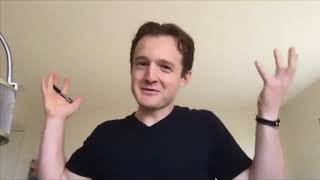
YouTube interview (Make More Marbles) featuring Brad Hart interviewing Summer Felix‑Mulder, founder of The Draw Shop. Summer recounts her entrepreneurial path from copywriting and infomercials to founding a whiteboard/explainer video studio that grew over eight years, emphasizing storytelling, client conversions, and strategic networking (Joe Polish, Abundance360, Genius Network). She discusses operational growth, hiring/artistic constraints, and empowerment of team leads. Summer also describes co‑founding Clear Health Technologies—motivated by addiction in their communities—which researches physiological and behavioral biomarkers (heart rate, cortisol, sleep, hydration, social behavior) to predict relapse, runs a Herox contest to drive tech solutions, launched a Healing Addiction Summit, and is building Eden, a gamified app for recovery challenges and community support. Contact: summer@thedrawshop.com.
Chapters
Welcome to Make More Marbles. My name is Brad Hart and we're here to interview the game changers, the future makers, the co collaborators and creators who are here to collaborate with one another towards a better future for all of us. Enjoy the show. We've got a great guest coming up for you right now. Welcome to Make More Marbles. My name is Brad Hart, and today I am thrilled, honored, overjoyed, and Grateful to have Miss. Miss. Mrs.
I'm Mrs. Now.
Mrs. Felix. How are you today? Wonderful to have you.
I'm great. How are you?
I'm so great. I am so great. And we are actually neighbors. I live in Cardiff and you live in Encinitas.
I want to say I'm in. So I was in Carlsbad. I'm now in Rancho Bernardo Poway area. Okay, close enough.
Yeah, I've been out there. It's kind of by like Lake Hodges area. It's really nice.
Yeah, it's beautiful.
Wow. And you are the founder of the draw Shop. And if you've been hanging around make more Marvels, you might have seen our Hungry Hungry Hippos grabbing for all the marbles video. And that's Summer's handiwork over there. They are an incredible shop. They make videos that explain an idea or concept using a whiteboard and voiceover. And it's really, really effective getting a message across. It took me four years to get the message to the point where it was draw Shop worthy. But I'm really grateful to say that we finally did it and it's up and everybody can see it and it's exciting. That's brought us in so many people that are just like, I love it.
Let's.
Let's do it. I don't even know what you guys do, but let's do it.
That's awesome.
And sometimes we don't know what we do, so.
It happens. It happens.
We make magic happen. We make more marbles. It's good stuff. Summer, why don't you kind of ground for the audience that might not have following you or, you know, you're kind of behind the curtains a little bit. I never heard your name until somebody said, oh, it's the founder of the draw Shop. That's kind of fun. What's been your journey so far up to this point?
So I've kind of always been in that entrepreneurial world. I would say definitely had some nine to five jobs, you know, right out of college, but always wanted to be working for myself. So I started, started some little cheesy party planning businesses. Things like that. When I was like 18, 19, and then outside of college, I actually met a boy. And me and that boy ended up getting married. That was my first husband. And we started a business. And we had that business for, I feel like almost nine years. And then we sold that. We got divorced, we did have two kids. And then I kind of was in this space of, all right, what am I going to do now? And I got into. I always. I was always a writer, so I was always into copywriting and storytelling and writing my own short fiction pieces. And I ended up getting into copywriting for a lot of different businesses and entrepreneurs, and that led into infomercials and directing infomercials, and then that led into ghost writing. So I worked with a ton of really amazing authors. And that was when I met my business partner today. And it was through a mutual client that we were both working with. And along that journey, Eric, my partner, sent over to me a video that Dan Pink had done. And it was his TED Talk turned into a whiteboard animation video. And we were both kind of just like, wow, that's awesome. And I kind of just wrote back to him. He sent it to me in a. In a message. And he's like, check this out, or check your email. I don't even know if we could get video at the time on our phone or in a text. And I was like, let's do this. And so he's like, well, you can write, I can find the artist. Let's figure this thing out. And so we did. We just figured it out, and it turned out pretty well. I had a client that really needed a video, and I suggested going this route. And he's like, all right, let's do it. And it converted like crazy. And so then he had people that he knew that was like, well, we want one too. And then all of a sudden, it was just. It just became this thing. And people were coming at us all over the place, and we were like, well, I guess it's time to incorporate this. And so for a while, we were kind of juggling, you know, two different careers, really. And then it was like, all right, now it's time to go in full force. And now we're over eight years in business.
That's wonderful Summer. And it's great to see how it evolved over time. And I think a lot of people will, you know, say, oh, yeah, the eight year, ten year overnight success. No, it took a lot of iterations before you finally landed on the thing that was like, aha. And it makes a lot of sense in retrospect. You look back and you say to yourself, okay, cool. You know, obviously, video plus, you know, fun visuals and over, you know, cartoonish type of things, it's gonna engage people more than just somebody talking or even a video. But looking back, hindsight's always 20 20. But looking forward, what do you think some of the trends are that maybe people aren't really paying attention to yet that make a lot of sense based on what you've learned from the draw shop experience? Marrying all these things that people love into something that is just a no brainer in retrospect?
Yeah, I mean, I think there's so many really cool video styles out there. I mean, there's infographic, there's the whiteboard, there's different cartooning styles. And we've done a lot of all of things. And what it really comes down to is anything that really makes that viewer engaged because there's so many flashy things that you can do. And people go, that's so awesome. And then at the end of the video, if they're just like, okay, but now what? And that's like, that's kind of the worst thing. You want people to look at it and go, okay, I'm so compelled to take action. And you can see a lot of that with, you know, there's so many Kickstarter campaigns out there. And so they have to be so freaking clear on what it is that they want that person to do and what their mission is so that people can actually feel a part of it. So the best thing is for people to feel a part of that. So whether it's, you know, the handheld video that's kind of taking people on a whole story and it's just that one shot that's like, I mean, I see that a lot and it works. It's really powerful. It works really well. And even if it is just words coming up on a screen, you know, sometimes that works really well. It's really about how you're telling a story. So what I keep seeing is in terms of trends, is really allowing the viewer to become a part of that story that you're telling and to get them so engaged that they're just like, wow, I want to be a part of that, or I already feel a part of that.
I love that. And you've actually networked into a lot of really great organizations. Like, for example, I've seen you guys at Abundance 360 Obsemia Genius Network. Can you talk a little bit about some of those where they came in the journey, and maybe some of the key winnings and learnings that you've learned about being a part of these networks of entrepreneurs as well.
Yeah. So probably how we got into meeting Peter Diamandis of Abundance360 and also meeting Dan Sullivan at Strategic Coach was first through Joe Polish of Genius Network. And anybody who knows him knows that he is such a connector, and he really takes notice of what people are doing and what it is that their cause is. And we were really new in our business. Eric knew Joe not super well, but he knew him. And he was like, you know, this is a network that we've got to be a part of. And we reached out to Joe and we turned actually one of his videos, which is Selling evil, that was on YouTube. Pretty awesome. It's a pretty really cool perspective on, you know, whether selling is evil or not and his take on it. And we turned that into a whiteboard video. And we kind of did it as a surprise to him, just because we wanted to get to know him on a deeper level. And it was, like, so cool. And so we connected with him, became a part of his network, and he then connected us with so many different people who actually had a really strong, you know. Cause, I mean, through him, we got introduced to people at the United nations, and we were doing work with them. Through him, we've worked with for so many incredible causes. And through him, we met Peter and Dan. And I will say that had we not. I think that was such a critical part in our journey. Having just met him and then being a part of his network and then realizing, you know, seeing all the networks that he was connected to and then becoming a part of those networks. I mean, it's absolutely, like, it's been so instrumental in our business and our growth and our personal growth, and, of course, just the relationships that we've made and really, you know, honing in, like, what's important to us in our business.
Yeah, it's so important to understand, like, you can have the best thing in the world, but if nobody knows about it, if it lives in a box underneath the ocean and nobody's ever heard of it, doesn't help anybody. So getting in those networks and understanding that the right connection at the right time is everything. And Joe is the perfect example of somebody who spent his entire career just becoming that hub, right. That leader. And he's a marketer. Right. And that's his skill set, and he's good at it. But what he really excels at more than Anything else is just being in the right place at the right time with the right people.
Yeah, definitely.
And you know, you see Peter, you see Joe, you see Yannick Silver is another great example of somebody who runs, you know, these big high end masterminds and connects people.
Yeah, absolutely. And you know, the thing too is that people are in these groups, everybody helps each other and to the point where they start to collaborate together. So you might not have realized that you could actually have some type of a partnership or collaboration with, you know, X type of business. And it turns out, wow, we could really help each other so much. And so that's been a huge lesson and benefit from working and meeting all of these entrepreneurs and the things that they stand for.
It sounds like to me, Summer, you were willing to make a video at cost or whatever you did. I don't know exactly how it panned out, but if I'm hearing you correctly, you said you made a video for Joe at first.
That's correct.
Yeah, I've seen that work astoundingly well, by the way, in the creative world. I just want to share a story to share. Quick. Miguel at Grumo, I don't know if you know Grumo Media, they make those explainer videos. They're kind of like demo videos.
Yes, yes.
So Miguel's a dear friend and we've worked together a lot. He got started in his career by making one for Ash, not Ashton Kutcher. He did that later. I'm sorry, the guy started Reddit is crap.
Oh, I know who you mean. I know you mean.
Yeah, and Hitmonk as well. And he says names on the tip of my tongue and I can't picture it. Anyway, for the founder and they saw it, they loved it. For Hitmonk and that launched his whole career. He ended up going to Y Combinator and getting like 15 clients from that to start. So any one of those things, like let's say you strategically wanted to use this as a way to make more marbles, you could do your very best work consistently for maybe 10 clients that you know are like the Joe Polishes of the world, the people who connect. If you do a really great job and you're not asking for anything in return, but if you do a really great job, they're going to refer you to the people. Because now you've, you've inserted yourself in their mind as the person. Oh, if you need a video, go to Summer, go to. Right, whoever.
Well, and you put yourself in a position of. Yeah, and you put yourself in A position of being a giver and not a taker. You're really. You're really offering some. Some value to somebody else. But, yeah, I think that's. That's probably. That's a piece of advice that I will give to a ton of people. You know, even if you think like, well, we can't really afford to do that, you can. You can't not do it.
Because until you have a cachet and a track record and some case studies, you know, there's just no way to start a business these days, especially one of merit, and that's gonna matter and stand the test of time, like what you've built. His name is Alexis Ohanian, by the way. I just thought of it.
Okay. Okay.
So anyway, moving on. Summer. What. Okay, now that you're in this business and you've been in it for eight years, and I know you've tripled your rates because I locked in a really good one. You guys were nice enough to honor it. So I know that you've done well. And you considered, you know, I would say you're getting more work than you can handle. Is that an accurate statement?
You know, there's times when our team has felt that way, but we've done. I think we've done a pretty good job at being able to continue to grow and fill. I think it's because we have such a really streamlined process, and so it makes things really simple for the different departments. But, yeah, we've been able to grow pretty well. There's definitely been some times where we're like, ouch. Super growing pain right now, you know, and team gets overwhelmed when we're, like, going, okay, you guys need massages? We now. We now, like, get them massages every week.
I love that.
Yeah, it's really good. They need to feel appreciated. But no, they're so awesome. And we, you know, there was times in the beginning, because there were some pretty fast growth right at the beginning, and we were like, oh, crap, oh, crap, oh, crap. And now it's just regularly keeping on top of it. And now that we have different people in charge of different things, we can hear, you know, those little pain points a lot sooner than we were before when it was Eric and I overseeing.
Most of it, 100%. And where have you noticed the biggest pain points come from? Is it a lack of talent? Is it a lack of staff, lack of capacity? Where do you find that you guys can. Are constrained most when you do get constrained?
You know, I think it's been usually the hardest thing for Us has been to find good artists that really get. Because it's not. There's a lot of really good artists out there. But for the things that we're doing, I mean, it's not hard for us to get. You know, I mean, it's always hard. You want somebody who's really talented, and you really need somebody who gets marketing. That's super important. But we've. We've got a really great team of copywriters now. We've really great voiceover artists. We have really great artists. However, it's a different. Like, it's so different when you're drawing on a whiteboard and it's all live drawn. If we're doing something that's graphics or like motion stop or 2D cartooning, all of that is, you know, it's a different kind of a talent. It's just, you know, you're doing it on a computer and it's more technical. But that drawing on. Even if you're a really, really, really good artist, which we've had some that are just amazing, it's. It's quite a thing to adapt to drawing that way on a whiteboard.
Yeah, absolutely.
Yeah.
The question I had is, what do you feel like if you were to wave a magic wand in your own business right now, looking back and being like, okay, you know, if we were to double or triple in size, what do you think the thing that you to really cultivate would be next? Would it be more artistic talent? Would it be more capacity? Would it be more systems? I know you guys are pretty streamlined. You have basecamp and teamwork. I think you're using. But what are some of the things where you're like, okay, if we were to grow? Because I don't think leads are a problem. I don't even think sales are a problem. I think it's going to be capacity, right at this point.
Yeah. Yeah, it is. And here's the thing. I think I will say one thing, is that Eric and I have learned so much from previous businesses, so we were very mindful when we went into business together. This time, I think I would say it is definitely being ahead of, like, now I was just telling you, like, now we can. We can look at the different people on our team, and we've empowered them to tell us when they're overwhelmed. Whereas I think in the beginning, sometimes they don't want to do that because they don't want to complain.
Right.
You know what I mean?
Everybody wants to suffer in silence. That martyrdom.
I know. I mean, I Would say, honestly, if the moment that we started empowering these different people and, like, hey, you know, like our art director, for example, or our office manager, like, when we started to empower those people to say, hey, you're okay to make these decisions, Go ahead and do it, you know, definitely, you can run it by us and all that, but we trust you.
You.
You don't need to okay every single step and move through us. We trust you. And that allowed them to start treating those departments within the business as their own business, within our business. You know what I mean? So it became important to them. And I think, you know, what was also really important is, I mean, incentivizing as well. I mean, with. With everyone on our team, there's, you know, always that working towards goals. So I don't even know if I'm answering the question correctly.
Yeah. And it's kind of spurring some other questions. I look at this as like we're pulling on threads, you know, or we're unraveling the sweater to reveal, if you will.
Because here's the funny thing, too, is you're causing me to think more about things that I'm like, I'm figuring it out as I'm talking to you, because there's things that I'm like, oh, I know. But then you forget to look back. Like, oh, yeah, it's a long time, but it's also not that long of time. And you. You get wrapped in so many things in life. I mean, Eric and I now have two other businesses. Right. So there's other things that we're thinking about. And it's funny to go back to think of, oh, wow, remember those first couple of years, like, what was on our brain all the time? And you forget some of those. Forget some of those things. You forget to look back and go, wow, we did that part really well. Oh, we should have done this, though, instead of that.
Human beings have this incredible capacity to forget pain.
I know. Especially your kids when you tell them to do chores. Anyways.
Sommer, how have you grown as an entrepreneur since the beginning? And do you feel like the businesses you're running now, you say you have two other businesses. I'd love to dive into that as well. How do you feel like you've changed? What do you think that you were best at? And what do you think that you really suck at now, and how do you compensate for that?
Oh, man, there's so many things I'm not good at. I still have the talk with myself of, like, what am I doing? I'm in way over my head, but I've got this great business partner who's like, no, we're doing awesome. It talks me down. There's so much I'm still learning. But I will say one of the biggest things for me was letting go of having to control everything. And one of the best things I heard as an early entrepreneur early on was you're not going to be good at everything. And there are certain things that you're good at, and those are the things that you should focus on, and then you should hire out and look to other people for those. For those weaknesses. And doing that has been amazing. And I started to realize, hey, it's okay to be really talented at outsourcing and finding those right people, but that's a whole thing itself, is finding those right people. So I've really learned how to vet out the right people that are going to be on your team because your team is so important. And I've learned not to hold on to somebody for too long because you feel bad and out of guilt because you're not really doing them any favors either if they're not thriving in a position, you know, with your team. So, I mean, those two things have been really important. Learning lessons to hire out and team up with people that are better at the things that you're not good at, that are good at the things that you're not good at, but also making sure that you guys can work together. So we do all kinds of. And you probably know all these. We do Colby testing and all kinds of different tests to see how well a person can be in a position and how well they are for what you need them for, because sometimes they might be really good at something, but they're not going to work well with you and your personality type, of course.
Have you done Wealth Dynamics? Is that one of the ones you guys use?
No, I haven't. I've heard of that. I'm writing it down right now.
Yeah, well, Dynamics is one of my favorite tests. I'm a supporter, and you can, when you do it, send me the results. I'll geek out with you about it for a minute.
Awesome. Okay.
Yeah, it's really fun. That's our favorite tool, actually. But Colby's great. Myers Briggs is great. The ones that do the best with us are the ones that like, okay, now what? Right? Because you can be like, oh, you're these four letters, and it's like, meh.
Yeah.
There's no way to know what that actually means. Then it's Hard. But yeah, Colby is a great one as well. Summer, if you could you talk about your other two businesses now, what else you got going on at this moment?
Yes, so Eric and I have two businesses. They're quite different than the Draw Shop and they're both different from each other as well. One of them is called Clear Health Technologies. And really that started with the passion from. For Eric and I in helping addicts. And the idea came basically from. It actually probably first started when the conversation became really loud. And I think it was Joe Polish actually who started talking about his experience with addiction. And it kind of allowed a lot of people to open up about, you know, whether they had a spouse or, or a loved one or they themselves were going through that. And I definitely have had family members and friends. I've lost friends. And my business partner Eric, the same has lost friends. He has family members that have been in jail who've lost their whole entire families because of addiction. And we started to dive into and have conversations about how it's being handled and how we just feel it's totally wrong, it's not effective at all. And in our conversations and in just the people that we've been around, people like Peter Diamandis and going to abundance 360 and seeing these technologies that, you know, are going to be available to cure diseases or to locate things within your body before you even know what's happening, all of these things, you know, started to make our imagination go wild. And Eric was like, well, what if there was a technology that could predict relapse before the user even knows they're going into relapse?
Wow.
And that little conversation just kind of spawned off into something pretty big for us and started taking up a ton of our attention. We met with Herox and put together a contest for that because we're like, well, okay, well, look at what Peter has done with various contests and people solving all of these crazy problems through technology. We could do this too. We can fund this contest and we can give out a million dollars to the person that can do that. But first we had to go through a whole bunch of research. And so in that research, we just kept learning more and more and more. And we started meeting families and we then made a documentary. And it just became like all of these, all of these things that we just weren't aware of before that we started to become really passionate about. And so we are still doing that contest. We still have the goal to bring once that that it's a wearable device is how we See it. Once that piece of technology is actually made, we then want to manufacture it and put it out into the world at the same time. We've developed a community and we started. We actually just launched this past week with the Healing Addiction Summit. So it's a virtual summit and we've got incredible experts there like Dr. Mark Hyman, Dr. Gabor, mate Dave Asprey. So many incredible brain geniuses and health experts that have come to really shared their insights on what's happening with the body, what's happening mentally, and how loved ones can support those. So that's clear health.
That's beautiful summer. And I want to introduce you to somebody named David Sanders who runs Strength and Hope. And he's had many, many issues, come up with that as well in his own life. And my roommate, myself, my father, my best friend. There's so many different pieces there. So we'll connect offline about that.
Absolutely, I would love to.
Yeah, there's a lot there. And I agree that the way that we're approaching addiction recovery in the United States is just totally backwards. You know, we see other countries like Portugal and the way they do it, just way more effective ways to do it, especially now with new technologies like you mentioned. You know, I'm a big geek about Peter. He changed my life. Abundance360 is an incredible event. You know, I didn't get to go this year, but last year I just blown away by what they were doing and oh yeah, support in any way that I can. So there's definitely people that are more, you know, like for example, I made a video about quitting alcohol that was the number one on YouTube for about two years. So that was pretty cool. I didn't even like expect it to be or I just kind of showed. Yeah, you just don't know what that can do. I just shared another post recently about overcoming depression and people reached out and said I saved their life. And I don't know if that's true or not, but if that's their reality, then, hey, I mean, I'm gonna keep sharing, right?
Well, you're. It's an amazing thing because you see how many people don't. They're desperate for that connection and community because they're, they're probably not getting a lot of that in their, you know, every day to day life because of the shame and the guilt and feeling isolated. You know, I can't tell other people about this. And we've had the same response. I mean, it was. I was telling this this past week when the summit launched. So many people were reaching out to us and me personally through. Through Facebook and Messenger and people just being so vulnerable and open about their stories and their children and their spouse and their siblings. And I mean, it was like. It was. It was a lot. It was intense. It was so intense. I just had a night where I was just like. I just had to, like, cry for a good solid hour because it was just so. It's just so crazy what's going on out there and how. And how it is. What's heartbreaking is how these people are being treated and feeling so alone or so many people getting taken advantage of.
Yeah. And it's almost like it's incentive. We have a lot of perverse incentives in society. We don't need to go into those crazy rabbit holes. But I really, truly feel like, you know, the solutions that are profitable are not the solutions that are going to work.
Right.
And that is the long and short of it. And that's true of so many different things. And where you find these inefficiencies and injustices in society, it normally comes down to that. It's like, what's the incentive? And when you look at, you know, there's a great saying, Winston Churchill, democracy is the worst form of government, except for all the others. I feel the same is true of capitalism and a lot of other societal things that, like, they're the best we have so far, but in order to continue to progress, we need to maybe shuffle some of these off or at least shift them enough so that they actually incentivize people to do the right things.
Oh, exactly. Exactly.
So it's just an interesting time. We live in the technological pieces, I think, are the most rapid pieces we can bring into the fray.
Right.
If we need exponential change in order to fix the problems, then we need to work on exponential technologies.
That's right.
And promote those technologies. I feel like most of the solutions to our problems already exist, provided that we actually knew what they were.
Well, and that's the thing, you know, with our research, what we found was, you know, because we had to first say, hey, does your body. Is it even doing something before relapse? Because is there anything happening that the, you know, the person suffering might not actually feel yet until that point of the scream, and we call it the scream, where it's just like, ah, I don't care, you know, what's happening in the brain? And it was so amazing. What we found was that it is. It's out there and there's already actually pieces of technology that can measure those things that we discovered, those biomarkers that we found. And so it's just now putting it all together, like you said. I mean, there's so much already out there that exists that we don't even know about. But that's. I'm sure, for the same reason that you have connected with Peter and that he's, you know, such a freaking game changer and life changer for so many people, is that he sees that, like, every single problem in the world to him has a solution.
Yeah. It's just. Do we know what it is yet? Well, we don't know what it is.
Right. We can get there, though, with what we have, and we can, you know, with. With how quickly things are growing, we can get there.
It's so funny you mentioned the screams. I had a scream moment recently. You know, I've been sober mostly for the last six years.
Congratulations.
Thank you. Yeah, I've been. I've been sitting. I was sitting on an airplane coming back to Los Angeles or San Francisco or wherever I was going recently, and I just was in the aisle in the middle seat. I normally sit in the aisle so I can get up and walk around. So I'm like, already a little bit on edge just being jammed in there. And this guy sitting next to me, we were chatting. He's a nice guy, but at some point he just starts ordering vodkas and just knocking them back, knocking them back. And I'm like, smelling it, and it's right there, and it's like, he's not even using chaser. He's just nailing bottles of vodka. I had this real moment where I'm sitting here, I'm like, wow, I could have a coup shots and just pass out right now. You know, that would be fine. And just noticing that, or it just becomes so easy to just be like, oh, who would know? Right? And you just start kind of building up the story around it. It's like, I would know. And, you know, now I live with somebody who's in recovery. Like, I can't be. You know, that's my new standard. And if it wasn't for that, I probably would have succumbed that day. But, you know, looking back at it, I'm like, oh, I know exactly what you're talking about. It's like that moment where all of the stuff that you are, all your identity, everything kind of gets put to the side for a minute, and it becomes really easy to go back to exactly what you were doing. And your brain, it's right there. To go right back to alcoholic tendencies. It really is that easy. It's just that one scenario. So, you know, there's a lot to be said for. How do we, you know, Same thing with social media addiction. I'm addicted to fricking Facebook. I can't help.
Oh yeah, I know.
Billions of dollars addicting me. So, hey, you won. Good job. You're growing an entire generation of people. But, you know, there's ways you can fight it. There's ways you can, you can short circuit it and it just comes back to presence and awareness. Really. It's just like, oh, this is coming up and having that moment.
So true. And that's so true. That's what it is.
You didn't even jump in and say, hey, this is something I need to pay attention to. Because that is so easy for most people. And I have a lot of willpower. But willpower is not going to get it done every time.
Right, exactly.
So, all right, I would love for you to share kind of some of the research that you found because you alluded to some things that might be really fun, fascinating. Like what are some of the, you know, the key myths that you were able to debunk in this early stage of your research? I know there's still a lot to do, but you know, like, for example, the being able to tell when people are going to relapse, like, what does that look like at a scientific level?
Well, like there's, there's so many different things and I wish I could be as. We had a. We had a neuroscientist that helped us and put all of this together. So I'm, you know, talking about weaknesses. I'm definitely, I don't, I, I don't have that language within me. But I can tell you in layman's turn, from what I under what we got from it.
Layman's term is probably perfect.
Exactly. So, you know, there's things that you're not even thinking about. I mean, there's hydration levels that are, you know, you're suddenly becoming dehydrated. There's things happening. There's things. Signals in the different parts of your brain. You know, there's that, you know, the Labrador side of your brain. There's the brain that can, you know, decide yes or no or this is a good decision or not. And so there's stuff happening pre. Pre. That Labrador brain take side of your brain taking over and going, I don't really care. Like there's. You're not going to rationalize this for me, this is what I'm doing right now. There's. There's also social media. You were mentioning social media. There's behavior. So there's. How are you behaving on social media? Or have you. Have you gone into isolation? Were you posting a ton? Are you acting a little bit crazy? There's things that you can meas with that as well. There's response. There's all kinds of ways that you respond to. Say, like chatbots, for example. There's chatbots that are like, almost like a therapist. They are, you know, acting as. They have certain questions that they're asking, and there's certain answers that they're getting, and they know, you know, they can kind of predict, hmm, maybe we need to ask this question now. Maybe we need to ask that question. Maybe it's now time to bring in a live person. So there's things like that. There's. I'm trying to remember all of the different. Oh, there's, of course, your heart rate. There's adrenaline, there's cortisol levels. There's so many things that are going on that. And most of these can all be, you know, predicted. There's. The way to measure the brain is, like, through. They have contact lenses out there that can measure certain brain waves and what's happening, what kind of state of mind you're in. Are you stressed? Are you sad? Are you depressed? Are you. Did something really emotional just happen? Did you just get into an argument with somebody? Things like that. It's crazy. Your sleep habits, you know, how much sleep did you get? What are you operating off of today? So I don't know if that helps, but those are some of the things that we found that it's just like, oh, holy cow. Because sometimes it's. Maybe it's nothing that happened. Maybe it's just a health. Maybe it is you didn't get a good night's sleep or maybe. You know what I mean? Like, are you sensitive? What, for a woman? What time of month is it for you? You know?
Yeah, that's so important to realize. We're always going through changes, especially hormonally, that can affect everything, you know, like, show up and you woke up on the wrong side of the bed that day. That can ruin a lot of things that you worked really hard to build in relationships and otherwise, you know, sobriety and otherwise. And we're not just, you know, talking about these acute things that can really kill people and hurt people and screw them up. It's like that, you know, there's Relational things that people don't communicate around or they don't have the capacity to communicate around that you can really screw it up. And most people will be like, oh, it's just, you had a bad day. Some people, you know, they'll take that personally and carry with them for a long time. So it's being aware of where you're at. You know, sleep, hydration, heart rate, adrenaline, cortisol. It sounds like these are all stress responses.
Yes.
These are negative reinforcement for your body where dopamine, oxytocin, serotonin, endorphins, the things that positively addict us and form habits are not being represented as much.
Exactly, exactly.
And then we go to the chemicals for the dopamine, for the oxytocin, for the serotonin, for the.
Exactly.
Addict needs dopamine. That's really what it is. That's exactly fighting to get that. That's the quickest pathway to get it. That's really it how we could maybe begin to shift some of these things. Because if we understand the human algorithm, right, if we understand like, oh, if this, then that we can begin to notice and then, you know, again become aware, which is something anybody can do, but from a technological standpoint, track and then intervene at the right time.
Exactly. And that was, you know, and that was such a big part of our conversation. We have, we. It's funny. So we had another business before this that we had been working on slowly, slowly, slowly. And then it pretty much started to really take off in terms of development after we started working on the Clear Health project. And that was, you know, because the conversation was, okay, well, now that you've predicted the relapse, now what, you know, now what do we do? How do we interview Veen? And so, you know, of course, through all the studies, we started to see that, well, people need, you know, different people need different things. And so, you know, one, one form of recovery might not be the same the right path for you than it is for him. You know what I mean? So we had been working on this app, it's called Eden. And in the beginning, it was really just about, hey, how can we get people to do little, little acts of good things that reach a bigger goal? So basically taking those things, small, small steps towards a big goal. Because people get so overwhelmed when it's like, oh my gosh, I have to make a million dollars by the, by the end of the year, you know, whatever it is. But if you give me like the small steps, like here, let's start working towards your first 5,000. Okay. Now to your 10. Now. You know what I mean? You're more likely to actually accomplish it because it's not so overwhelming. And so we created this app that's in development now, launching at the end of March. And we started to look at it and realize, oh, what we've created with it is challenges. So kind of like WordPress is to websites, Eden is to challenges, create all these different challenges. And, you know, so many of the experts on our summit with the people that we've spoken to, people that are in recovery, that I've spoken to, everybody keeps coming back to that whole thing with community and being accountable and, you know, knowing that you have somebody who's supporting you on all of those little steps. And it can be very little little steps that make you feel accomplished, you know, and so that was something that we wanted to create. And so we have a closed version, you know, that is for those in recovery that can take those challenges. And with these challenges, you earn badges. And there's a whole fun side to it where those badges turn into dollars or money towards whoever's sponsoring the challenge. But, you know, it's that whole thing of, you know, having something that you are being accountable to each day, and maybe that is just, you know, hugging somebody and maybe it's, you know, doing some type of act of kindness, paying it forward, whatever, whatever that is. Going to a meeting, if you need to, calling a sponsor, looking at making sure that you connect with your daughter, whoever it is, things like that that you just do on a daily basis, and that you have other people that are supporting you in that.
Yeah, I think this is going to continue to get better and better so we can track more things like the Internet of things, blockchain, you know, all these different pieces that come into play where you think, okay, all of these, you know, positive reinforcements for the right behavior. Pavlok is another great example. Minisha T has that app that, you know, shocks you when you don't do something.
Yes, yes.
You know, don't eat the cookie. Yeah, exactly. You start adding all these pieces together, you're like, oh, interesting. So we've gotten enough data now to really understand how humans work and how to incent them to do the right things. Now we just have to get the adoption. We have to shift the belief so that people actually use these tools.
Right, right.
Make it fun. If you can make it fun. And it's game.
That's the whole thing. Gamify it, and people are, you know, hooked.
I love it. Well, hopefully they won't just be walking around shocking everybody.
And yeah.
Positive reinforcement too. Sommer, thank you so much for being here. I wanted to just kind of wrap up with. We talked about a few ways. I know I can support you for sure, but in the broader sense, I just wanted to say how grateful I am on behalf of the community for you coming in, just sharing some of your lessons and some of the things that you're really passionate about in the world. And we want to ask you the question, this is the Make More Marvels podcast. We want to help you move your mission forward faster. So what are some of the connections, resources, opportunities, people or systems that you need to make that happen?
Oh, for us, I mean, it's all about, you know, you heard, you've now heard about our Healing Addiction Summit. It's something that's going to be going on. We're going to continue to do more summits. We're going to have a monthly, you know, we're going to podcasts, all kinds of things. So really, if I'm going to ask for one thing, it would be for people to really share those stories. Contact me directly to be guest or guest expert. We really are looking for more of that to really bring the conversation out there and have more people feel comfortable in sharing and really be proud of where they're at.
I love that summer. And what's the best way for people to get in touch if they have a story for you?
I'm gonna say reach out to me@summerdrawshop.com Got it.
S U M M E R at the drawshop.
Correct. Yes.
Perfect. Thank you so much, so much for being here. Words of wisdom for the folks at home.
Here's what I would say. There's something that you're thinking about all the time, every day that you really want to do. It might be holding you back, but just start that conversation and see where it leads. Because sometimes one little idea, one conversation can really spawn off into something big.
That's beautiful, Summer. Thank you so much for being here.
Thank you.
Thanks so much for listening to the Make More Marbles podcast for more tips, hacks and strategies to create an amazing, abundant life in your health, wealth and relationships. Whatever that means to you. Head on over to makemoremarbles.com check out our cool explainer video about what we're about and join our community of entrepreneurial game changers. We want to help you level up your life in every possible way. And don't forget to subscribe to us on itunes, Stitcher or Google Play wherever you listen to your podcast. And please do leave a review. Thank you so much and we'll see you on the next podcast.
More from Brad

The #1 Reason AI Isn’t Working for You (Yet) #AI #businessowner #founderenergy




What tasks would the best assistant ever be able to do for you? #BusinessSystems #BusinessOperations



Nobody expects you to use a harder way when there's a better way. #AI #businessowner

Which side of the table will you be on in 2026? #AI #Mastermind #BusinessOwner

