EJ Carrion on the Future of Education, Bringing Mentorship Online, and Helping Students Succeed
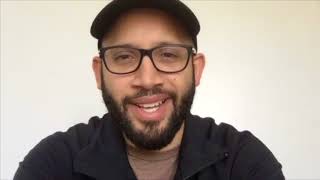
Interview (Make More Marbles podcast, Apr 12, 2018) with EJ Carrión about his personal journey and Student Success Agency — an online near‑peer mentoring/tutoring service for high schoolers. EJ describes the counselor capacity problem (one counselor per ~500 students; average student gets ~38 minutes/year), program scale (about 86,000 mentor‑student interactions; operating in 52 schools; sixth year of operation), partnerships (Gates scholarship/recognition, Foundation ties), revenue and growth (March revenue ~$75,000; projecting ~$1.3M for the financial year; aiming for 100 schools in 2018 and larger expansion), product vision (24/7 access, proactive outreach, data/analytics for social‑emotional learning) and key challenges (institutional credibility, fundraising, proving research impact).
Chapters
Welcome to Make More Marbles. My name is Brad Hart and we're here to interview the game changers, the future makers, the co collaborators and creators who are here to collaborate with one another towards a better future for all of us. Enjoy the show. We've got a great guest coming up for you right now. Welcome to Make More Marbles. My name is Brad Hart and today I have EJ carrying on the show.
What's going on, ej, what's up, brother? How you been? I am well.
Thank you so much for being on the show. And I just want to tell you guys, EJ has some straight fire to spit today. He is Forbes 30 under 30. He's been to the White House. He's been on multiple media outlets. He's helped many, many high school students to get the education that they really need to thrive in the modern day era. As we know, our education system, if you've been in it, is not up to snuff. It's not the worst thing that's ever happened, but it certainly needs improvement. So you're working with multiple organizations to do that. Ej, why don't you tell us a little bit about your hero's journey so far that's brought you to where you are today because I think people can, you know, they can see your success and be respectful of that, but ultimately they'll relate more to your failures along the way and how you became who you. So let's, let's start there.
Yeah, man. I mean, I think, you know, I always like to say my goal is that at the end of these people could feel like, man, if that guy can do it, so can I. So I was, I was an average. You know, my story goes all the way back from just like high school and how I started my business. I was a average kid in high school. I did not graduate in the top 25% when I took the ACT my junior year. My eighth grade brother got a higher score than me and I was raised by an awesome mom who got lotto parents. And my mom said to me, it's not your iq, it's your I will. It's not about how much smart you have, it's about how much heart you have. I ended up getting my first all a report card in the last semester of my senior year. Ended up applying to 30 different scholarships, five different universities. I only got accepted into one of my universities and I got three scholarships back. One was a $500 scholarship. The second one was a $1,500 scholarship. But the last one was a letter from Bill and Melinda Gates. I won the prestigious Bill gates scholarship. Over 40,000 students apply, only a few receive it. I got a full ride scholarship to go to school, ended up graduating school in four years with honors in the front of my class rather than in middle and high school. And really just kind of become, became this brand for average kid, first generation success. And so I really think a lot of our businesses come from our own personal journey. So I said for myself, we're given the problems that we have so we can become the person we're meant to be. And so my problem was like, you know, this whole college process, being a kid who didn't know or didn't have any plan after high school and now being able to do that. And so we created a company called Student success Agency that basically helps solve the school counselor problem. In schools, there's one counselor every 500 students. The average student only gets 38 minutes with their counselor a year. The counselor is only available during the day when kids are in class. And so it's a very like, you know, friction place of service that we, that we, that we should be able to change. So what we fix is this overbooked counselor, overlooked student problem. And so what we do is we give students access to high quality advising, mentoring and tutoring from the palm of their hand by creating these online near peer mentors where we train, vet college students, graduate students to receive and requests requests from high school students on those three things. We do about 86,000 interactions between our mentors and our students. And we're currently in 52 schools across the country from Hawaii, from Virginia to Hawaii. And we've grown relatively fast in the last two years. We really caught the steam. But the first, we're in our sixth year and it's really, the first four years was pretty brutal. And I'd be happy to talk about that time as well.
Yeah, absolutely. I mean, it sounds like you've already accomplished so much and there's still so much to come, right? These little 1% gains over time that we talk about, they get bigger and bigger. They don't look like much in the beginning, but man, do they start to take off. Can you talk a little bit about like from the student's perspective, how this works? So they're interacting with you, they sign up online. Is this something that comes to the school and.
Yeah, so. So for sure, for sure. So schools pay for this for their schools. So schools say, hey, we want to modernize how we support our children. So currently most schools provide Support services during the day. But we try to help schools think about how do you support your kids anywhere, anytime. And so we provide that online like support line for their students. And so when we kick it off, we kind of kick it off where the school signs up and then there's like an installment where we come out and set it up for them. And it's a presentation. We get the kids excited, we teach them how to use it, and kids sign up and basically make sure the program's a success. We do also have a parent model where if your kid doesn't go to a school where this is a service, you can go online and ask for access to the student success agency.
I love it. Okay. So the schools pay for it. It's already in the education budget and they get to divert funds that they would normally be spend on guidance counselors and the like into this program so that the students have additional support when they need it. Right. 24, 7. That's the name of the game these days. They can go on YouTube and learn almost anything. But they want to make sure that they have those school provided resources that they can reach out to those mentorship opportunities that they can reach out to. So are the mentors typically people who are in the school system or outside the school system?
Outside the school system. So the average, the average, average mentors by 23 to 24 years old. So I say this is the perfect part time job for college students, young entrepreneurs, artists, anyone who needs a side hustle where you can like mentor and guide students. And then you are able to be kind of the support to tool for students, depending on what your strengths are. And then we send students your way that aligns with those requests and it goes from there.
I love that. So it's essentially a marketplace for people who would tutor, mentor that are in the job market already. And they kind of say, okay, these are the things you need to really know. Right. To make it out here. Can you talk about the experiences of some of the mentors in this program? Like how do they find you? What are their backgrounds typically? What do they. Yeah, regarding students teaching.
Yeah. So we have, so we have partnerships with like, you know, me and myself, the Bill Gates Foundation, Hispanic Scholarship Fund, and we really work with the top universities, career centers to really find these people. Right now we're still at a cadence where like we're not too big, where a lot of it's still been a lot of word of mouth. So that scale issue hasn't, you know, it's something we're Thinking about as we continue to grow. But yeah, it's something where it's been mainly word of mouth referrals from other people. But we're really looking forward for three things. Are your, are you relatable, are you available? And are you marketable? So how do we be able to market your skill set so that kids think you're pretty cool to text you and connect with you online? Because you never meet these kids in person. You'll be working with kids all across the country and you're texting and working with these kids from your phone around your schedule. We believe like the next phase of like, you know, what Uber has done with, with the Lyft, has done with taxis, with Airbnb, with hotel, Netflix and Blockbusters. Those are about to hit the most traditional pieces of our, of our, of our economy, medical, financial, education. And so what we're trying to do is really provide a convenient model to receive a traditional service. And so it's just that channeling where now kids from the palm of their hand can receive help. And it's not only available during the day. And so our work is set up the same way we want it to be convenient, where our college kids have different class times, but they could be available around the clock when it fits for them. And so we have, you know, 50 plus agents who are working with thousands of students every month on request. And it's, it's been a, it's been a good, it's been a good run.
I love it. And the, the Bill Gates foundation partnership, I'm sure gives you guys a lot more reach and impact and credibility and you would have otherwise. Can you talk about some of the success stories that these kids have had working with these mentors and like, you know, give me, give me your hero's journey. One of the students real quick.
Yeah, no, yeah, man. There's so many. I mean, one that's very, that kind of just resonates now is we had students from South Texas who weren't citizens and DACA students and they weren't thinking they can go to college or even get scholarships. And we have a DACA representative kind of agent on our team who is phenomenal and amazing and she's helped one of our specific students in that realm get a scholarship which paid 75% of her school and she's the first of her family to go to school and go to college. And what's interesting, she's about to be a sophomore and is wanting to be an agent one day. So it's really Cool to kind of see, you know, this person lived in North Carolina helping this kid in South Texas figure out can school be a possibility for them. And so we get tons of different unique requests from, you know, how to get into Stanford to, you know, how do I ask a girl out for the prom. Like, we get tons of different requests. So it's.
What's the advice I wanted? Just curious.
I don't know who. So whoever asked those advice, I wonder, you know, who was on call or needed for that specific one. I don't even know what the advice was. I should actually be able to figure that out. But it's just, we get a lot of different.
Yeah, that's fun. I like it. That's cool. It's humanizing too, because it's like you get so up in the numbers and oh and this and that, fighting this war on, blah, blah, blah, and you know, changing the status quo. But really what I think people connect with most is these stories of individuals, right? How they're using the platform, the advice they're asking, benefits they're receiving. And ultimately, I think, you know, people out there with kids and in school, like, they know there's a problem. They've been in the job market, they understand, you know, they've had a rosy story that, you know, they school and got into their best job and everything. Yeah, I've, I've never been personally like somebody who could make anything out of my degree. I School in 2007, when the market was about to crash, applied to 200 jobs, did the old shotgun, the resume thing. I didn't get anything. I got one interview and the guy said, hey, starting salary is 40,000 a year. But I don't see on your resume where you got your PhD. I'm like, wait a second, hold on a second. You're telling me I got to go to eight more years of school just to get a job that pays 40 grand? I'm like, I'm out. I'm done. Traditional education. So yeah, I think it's becoming more and more like that, where kids are realizing that this whole educational system might be ready for a tear down and a rebrand.
And that's where my biggest excitement is as an entrepreneur. I think a lot of times when I talk about entrepreneurship, for me, I'm definitely more on that impact base. I believe in that legacy. I think it's a perfect time to be passionate about education. The next 30, 50 years is going to be really, really exciting where those changes and innovation can pan out and work where there's other options rather than traditional colleges. There's maybe even just more innovation in high schools. And I just see student Success agency being a front wave of what school looks like in the future. We're trying to build the future in school and I think this is our first wave of innovation of many other kind of ideas and approaches that we want to take after we get our first win. And, and yeah, I think students want that. Students. I think what we can see one to one relationships and building relationships with students is the number one way to actually educate and succeed. The problem is it's hard to scale that and that's what we try to do. Our mentors are not just sitting waiting for them to ask for help. We reach out to the students like, hey, what's going on? I see that, you know, ACT is coming up in your, in your area. Here's a link. Let me know how I could help. We're a very proactive group of people and we try to build relationships with our students. You know, we'll sit and talk with them for, you know, 30 minutes about who's better, LeBron James or Michael Jordan. I mean, it's, you know, it's. We'll hear them freestyle or whatever the case may be the biggest relate. Like we are all about. You can't fake care. And anything I say to an entrepreneur is like, before you can think about scale, think about care. And that is like, it's non Sexy. I visited 43 of our 52 schools last semester and I was on the road and I mean, I went to rural, rural Minnesota to, you know, Hawaii, to Birmingham, Alabama. And I'm talking, you know, with these schools and students and was it, Was it? I think it's the best use of my time is to sit down and really be present authentic and genuine with the customer and realizing, listening, how you. How do you want school to look like? It's time for kids to own education, their education, and that's what we're trying to do.
I love that. And you know, you hit on something really important there. You got to care before you scale and you really got to nail it, right? You got to have the model down, because down it's paint by numbers, right? It's systematized. There's a process to it. It doesn't take the humanity out of it necessarily. That's a key component to it. But really understanding that as an entrepreneur, you need to get it right before you can get it right big because otherwise you're just amplifying the problems. I think Bill Gates actually said this says you don't want to. You don't want to leverage inefficiency. It just creates more inefficiency. You got to get it right before you can nail it and scale it. So I have a question about, you know, just from your own personal journey as an entrepreneur, what are some of the things you really good at? You know, obviously you're a great speaker, very talented, but what are the things you just at and really your gears you need people to help support you with?
Yeah, no, I break this down. So in a entrepreneurial talk that I give, I kind of say, you know, look at yourself kind of as like a nail and you. So as a nail, you can't, you know, you're a point at the end, so if you don't have anything holding you up, you'll fall over. And so I think there's three type of CEOs, and I think most big ideas need three people. Some people like Steve Jobs and Elon Musk can do all three. But I think us average people need to be able to have three people to run a very successful business. And these are three CEOs. You need the chief executive officer. So I would say that is where I am bad at. I am not the natural business person. I actually graduated with journalism from college. I didn't learn what entrepreneurship was until I was 19. I was. But what I am is I'm a great. The second wave of CEO, chief evangelist officer. And as a person who, you know, bleeds the passion, fights the war on recruitment, getting people excited, listening to the customer, being people oriented. And that's where I play and 247 of my day is in that part of the business. Chief evangelist. I have a great co founder who really runs the business. I mean, he runs the business in full to the whole point of, you know, every time on Friday we have financial Fridays and he tells me what we have and what I can spend. I mean, it's a very cut and dry for us. And then the last thing that I think you need is a chief engineering officer. And that is if you're going to do any tech or product work. And that. And that is just a big piece as well. I think I do really well on product kind of vision, but just articulating, having development experience, I really have zero. But that is, you know, we have a tech team that works with us and we communicate and our head of product is a great, great guy and plays as our cto, our chief engineer. And so those are kind of the places that I see are important. And I'm only really good at a few things, and that is I can sell. I can be a relator to people. I can tell story. And I have vision for my life. Anything around vision has always been a skill set, but what I get is paying attention to details. Organization skills, contracts, the finances, pretty much that. Anything that, like, the business people know what they're doing. I would say I'm more of an artist or like a philanthropist than an entrepreneur, naturally.
Yeah. I'm actually wealth dynamics and a relator on strengths finder. What are some of the tests, you guys?
Yeah, yeah, yeah. So cool. Yeah. Strength finders. I'm a relator, so that was one relator. Self assurance. I believe I know everything. Right.
Talking to Amir right now.
Ideation, futuristic and activator.
Okay, so we're off by three. So I'm self assured. Hold on. I'm relator. Self assured. Learner, Input, focus. So I can get, like, really detail oriented. That's not where that. That tripped me up because I get so bogged down in that stuff. It makes me crazy. And I just want to connect with people and help them. So I really love the 3 CEO model. So it's really like a yes guy, a no guy.
Yeah.
Like, what are we actually doing?
Yeah. Correct. Correct. That's perfect.
That is a perfect Financial Fridays. I'm totally stealing that. It used to be stir Fridays, but now it's financial Fridays, and Taco Tuesday will maintain.
Yeah, there you go.
Okay, cool. So, ej, like, let's talk about what you guys haven't figured out in your business model yet. Like, what can we support you with best here? Because ultimately, I feel like we're. We're here to collaborate. Right. We're not the hungry hippos grabbing for all the marbles where the make more marbles people. And I'll ask this in a way that I asked every guest. This doesn't mean it's the end of the show, but I want to get really clear on how I can help you is what are the connections, the resources, the opportunities, the people, the systems, you know, the crops, if you will, that we can connect you to to.
Move your mission forward faster. Yeah. I think for us right now, we have been very in a nice groove. Like, we're growing at a cadence that I think is good for us. So, like, for instance, we were in five high school districts in 2015 and 2016, 52 in 2017, and we're looking to hit 100 in 2018. And we're really driving in on this current low hanging fruit and that is these high schools that are getting grants for college success. So I think for me, if I could sit down and talk to an investor or I can talk to an advisor, I think a lot of it would be around institutional credibility. We were just a bunch of kids, we thought of this idea, institutional credibility. I would say it'd be like research and like getting the story out from a white paper academic point of view where we're now having, you know, institutional studies on how our product, you know, creates more college goers and persistence and then as well as just like you know, raising money to develop our product where we have a list of things on our trello board and things that we need to get accomplished that allows us capitalize on this growth. I think we're going to see we grown 1000% since 2014 and now we're really on this grind. We're just really jiving right now. And it wasn't always like that. So really we're just really laser focused on that. But I think money and more institutional credibility on our story could help.
Okay. I met a guy last week who just raised a billion and a half dollars at Goldman Sachs Relationships all life. So that might be interesting. I'll ping him, you know, I just do the double opt in method, you know, make sure everybody's cool with it. And then my uncle turns out is he's been 20 years, he's been like the principal of one of the largest school districts in the country. So interesting to have a chat with him. Just really.
Yeah, absolutely.
And yeah, those are two for now. And I'll think of a few others I'm sure. But yeah, everybody listening out there, by the way, this is why I do what I do. Like there's no big secret to this. It's like I want to connect with great people and help them and we get to make cool content for you guys because you get to listen to their mission, understand how you can reach out and support as well. And that's what I want to encourage, is that we're all working together to further these goals, right? The food, utilities, shelter and education. Those are the lighting the fuse that brings humanity to the next level. We can move everybody from having to spend 80, 90% of their time, energy, attention, just frickin surviving to now thriving in abundance at a basic, having their basics covered. Because I think most of the reason people struggle in this world is because they're afraid. And afraid people can't take positive Action, they just can't. And we all feel fear and that motivates us to some extent. But if it cripples us, that's not good. So if we could take away some of the fear, take away some of the distress and ultimately move people in this place of abundance and love and taking action and creating things that they always wanted to create, I think most people would do that and some won't. But that's okay too because we don't need everybody. We just need a very strong contingent of people who want to get out there and do stuff and feel trapped in their job, in their life, in their prison, you know, the golden handcuffs that they can't do it when they would otherwise I believe. So that's really what we do here. So ej, enough about us. What is a way that we can take this to the next level? Like where do you see this going in 5, 10 years and how do we help you get there?
Yeah, no, I personally think we're building the future of school. I think, I think that in the next 10 years kids will be interacting with their school more online than in the traditional campuses. I think what wework has done to work will happen to, will happen to school. And what I mean here is that the first wave of online education was content online schools, Khan Academy, all these courses, skillshare, Udemy. But what you see is that without the accountability online, not a lot of people finish and persist through. And so I think the second wave of online education is support. And so you're having more and more high school kids take online classes. You're having, you're having more and more of your school reverting to online things. Eventually your staff and the people will need to be online as well. And that's where I think we're going to be building an infrastructure so that we could help schools communicate with teenagers online in a safe and secure data driven way. Everything that happens on our software, we build relationships with kids and all of that is connected and we're able to know about students and build analytics based off of their self talk how the phrases and use the biggest problems that happen. If I can go up to a school district and say here's a quarter million of text messages we have collected from your students and analyze them for you, I will know we will be able to create a digital assessment that currently doesn't exist off of social emotional learning resilience. I like to say what Facebook does for advertisers by getting people to connect and collecting that data. I think we'll be able to do for schools. And so our whole goal is to help schools be able to go online correctly. I think that first wave was online schools try to model what we do in person. And I think it's not now. Like, the only reason holding schools back with attendance, if that's how schools get paid, is by butts and seats. And we're really trying to push and change that where, you know, the kid needs to be at school for two hours, the kid needs to be at school for two hours. And so I, I think that's where we're gonna play. I think this is just what we're building, but I think we're building a future of school, potentially maybe our own high school one day. But yeah, that's our goal is to really modernize that digital communication and bring schools into that space.
Wonderful. And what would be kind of a crazy get for you? Like, what would be like, the best thing that could happen for this movement or this mission? What would be like.
Yeah, I think the best thing that could happen is that, like, Chan Zuckerberg foundation initiative, you know, heard our story and, you know, believed in it. Or the Gates foundation or the, or, you know, some, some big organization. I'm thinking XQ School Prize. I think that's their name, Ms. Jobs foundation, you know, put a lot of money into that, I think, because I truly think the things we're doing in school, some of the most innovative things going on right now. And if you're trying to tell me we could build where kids could have one to one advising anytime for the same price as one counselor, you know, we're able to service every single student. And we've been doing it for six years now. It's something we've been working at. And right now I just think we're at this, like, bend point in our business where we're ready to go from, you know, 100 high schools to, you know, 2,000 high schools across the country in the next five years. And that growth is where we're really focused on right now.
I love it. I love it. Yeah, I don't want to help for sure, so. All right, great. We got a better model to help these kids, right? If it includes not being at school all the time, if it includes some more online education, I think that's where things are going anyway, Right? We're moving out of the place and into our home offices. We're moving into coffee shops. Kids are going to be doing the same thing pretty soon. What are some of the biggest objections you come across in regular life and how do we overcome those? Like, you know, when you're talking to, talking to investors, what are some of the things that you're running up against and maybe work on getting a better. Not rebuttal I guess is the right word but you know, better reframe for them.
Yeah. So for schools it's really, I mean a lot of things that I share with you is I don't know how fast innovation is going to work. I know it's going to happen my lifetime, you know, it's going to look a lot different. And so I'm very a patient entrepreneur. I'm not trying to win in seven years. I'm trying to, you know, create life designs. I'm obsessed with creating new categories in this space and being patient enough to see those out. And so for me, schools, I think a lot of times it's just for us it's just like a lot of times they want well what's your research, what's your database? And for us we're a new really organization and I see the importance but a lot of times by the time we get the research, something completely different works. Time changes so quickly and so articulating and a lot of just time like being youthful, you know, we're 28 year old founders and you know, zero education experience in schools. It's just a lot of times like that's really what's holding us back is like what's your data, what's your experience? And then from investors, we're not like traditional tech entrepreneurs. I mean me and my co founder don't develop, have zero developing experience and we do have this like social impact, you know, piece to it. So in a sense of like, you know that you're amber going through school. So like there's that like is it, you know, people are worried about that business model but we're, our whole goal is focused on changing the world. We're trying to build products that make education win. And so there's a very social legacy is really big on this. People over profit is one of our biggest models and it just doesn't work with a very traditional vc. Traditional. And then like you know, you have this traditional, you know, tech people who live in Silicon Valley. I mean we're, we're all over. We don't have an office. I work from home. Everyone works from home. We haven't taken out any money or raised any money yet. And everything we've done today has been, you know, we've been able to do this all off of pure hustle. And I think that goes back to, you know, trying to get into schools. And we've been building and building and building. Getting shots and hitting home runs. Getting shots and hitting home runs. And that's to me how you get the chance to get your credibility 100%.
So essentially you've raised no outside investor capital. You guys don't have any debt though, so you're obviously making revenue. Can you share some revenue milestones?
Yeah, yeah, Yep. So we're doing about, I think in March. We did 75,000 in March. So we're looking to do about 1.3 million in this financial year. So a lot of times for us it's a lot of to change it around. It's a lot to look at from you got the school model is how we get paid but how the financial model works from January to December. So you'll see half of the growth in half of the semesters because every year you kind of start up new contracts and so you close them in June and rewrite them in August and it's kind of. So yeah, I mean we are, I mean we're moving and figures.
That's huge. Most businesses never make it that far. And then the next question is always profitability and whatnot. I'm not gonna get there quite yet. I want to just ask, have you been able to penetrate into more affluent communities and schools? Like what are some of the, the bigger ones? Like, you know, that are.
Yeah, I think, I think that's really an exciting piece. I do think parents would pay for our program. I think private schools, I think that everyone needs a customer support line to their high school and that's what we offer you, you know, your direct, you can call your DirecTV, you can call your phone company, but your kids can't call for support from their school. And we spend $184 billion as a country on student support services in our Department of Ed budget and all that's only available during the day. It's just a whole different model of thinking be more access driven, not time driven and realizing that that's possible. And so I think absolutely what's our challenge is, is we're just really grooving right now. I mean we're a four person team. We're grooving right now and really like, you know, we're getting off of school. You know, we're looking at closing a big contract with LA School Unified. I think we're going to double again this year. I think we'll do hundred schools you know, servicing, you know, 10,000 kids monthly. And that's just, you know, right now we're doing about 86,000 messages and so a month. And so these are just things that we're really winning right now, which is weird for me. I actually don't like winning. I do well in chaos. I think my word for our. So I like to be the chaos of our team when everything is going well is when I'm the least happy. And so I want to be the person who finds how we can get better. But right now it's just we're trying to focus in on this 2 inch hole and really go in on this like grant space for low income schools. Because one, I feel it really relies with my personal brand as a speaker and as a person. And also it's just what we offer for schools, that extra human capital, that extra data, that extra support just really aligns in this needs space. And I mean there's, I mean there's millions, you know, billions of dollars in the grant space.
And so yeah, it's massive.
We're just really winning right there. But I totally think like another great marketplace would be international kids. Kids who want to go to America at schools. You know, like there's just so many models. And that's why I say I think we're building the future of school. And what I mean is support role of different. You know, me telling my kid about, yeah, you only could have access during school to a counselor to now that like advising and supports, you know, like this concept of like wait, it wasn't available all the time. Is the life design we're building for the future of school.
And how have teachers kind of, you know, been giving you feedback? Are they excited? Do they see the results in their students? Are they promoting you guys? Like, because obviously there's a, there's an insight type of community whether the teachers in the administration.
That's one of the hardest parts here. And I think a lot of school counselors look at us well, they don't think a lot. I think what I say is our product doesn't, our product doesn't work if you don't have one counselor because you need it. You need an in person being who's advocate. And also we could deal with like 90% of the issues. Like counselors don't need their degrees for 90% of the things they do. But it's that 10% when a kid says suicide, depression, I'm cutting myself. That is when it's their specialty. And so you need that counselor to provide that in person support. Our model is like now what we do is we just turn that counselor into a general and we become the foot soldiers fighting that fight so they can build more relationships. It's really impossible to. There's one counselor every 500 kids. You can't build all the relationships. So we just help counselors scale and think differently and be that service around the clock for them so that when they know they're spending time here or that they got to go home and recharge and just support their own family, their kids are being met and all that data goes back to the counselor so him or her could do their job better. I think we make counselors exponentially better by having a web network of college mentors supporting them around the clock from kids digital device.
That's huge. Yeah. And I think the data play is massive, right? Because ultimately end of the day it's kind of. It puts you at odds with the current economic system. Any data play, if you go to a Silicon Valley investor going to be like, okay, well how do we use this data to advertise ultimately? And that's what they want to do. But that is kind of counter indicative or counterintuitive to what you guys are actually going to do because you're not going to be advertising to these kids. You can gain insights that you might not otherwise have gained about what kids actually want and then, you know, anonymously or those findings up anonymously and sell them to advertising firms.
And I don't know how nerd out you guys are in and the readers are about that. But like this whole social, emotional learning kind of like we believe that student success is more than GPAs, grades and test scores. Right. It's the stuff behind the stuff. How do you do social, emotional, resilience, grit, self confidence, building expectation, those type of things. And so like when we could now it's the first time I believe where we could provide sophisticated feedback loop involved schools where that comes from real relationships. Like kids build real relationships. Like we have a summer event where kids fly to meet our mentors in person so they can connect and see each other in person. And like these is like real like connections that are happening. But what's happening is we're able to collect all that data from the phone calls to the second to the text message to every word. And I can tell you a self talk of a kid from the beginning of the program to the end of the program of just how their mindset has shifted. Because this conversation, yes, it's recorded here, but it's not being analyzed. And a lot of times teachers are doing all these amazing counselors, mentors, but it's not analyzed and being filtered and recorded. And that's what's magical about our online process is that not only are we offering support to kids, we're now transcribing and analyzing all that words and conversations. So not only do you know your student body, I can tell you Johnny's, you know, self talk and emotional rollercoaster as a 16 year old kid started at September when there was the FAFSA in October, to the parents getting divorced in February, to wanting to buy a car in March and now wanting a job. And because we have that relationship, we can tell you that the overall ambition of a kid, the overall self talk, the mental makeup, the how much of the conversations about college entrepreneurship. And that is where I think what we're going to be able to build a digital backpack, a digital assessment for schools to know more than any GPA ACT could ever give them. Right.
Well, and then you can also be pointing out problems that might arise too. Right. This kid might need a little bit of attention because, you know, he fits the profile of whatever. Obviously we're moving into this brave new world of we have way too much data about everybody, nobody has any privacy. So there's that side of it. But you know, there's a very real concern that, you know, the I forget the name of the kids that did Columbine or one of these other school shooters I don't have on the top of my head. But there's a very real possibility that you could see that coming correct through the interactions.
Yeah. And I think last thing we'll hit on this so we can go to another topic is. Yeah, like a great example. One of a student in our was talking to one of our mentors about what they wanted to do and she said, I want to be a counselor for abused children. And so we have alert systems. So the word abused children like got alerted and our counselor on staff was able to articulate to their counselor like, hey, I think you should talk to this kid. Like that's a very niche thing, like why? And it's because she was being abused. You know, she had no voice, she had no one to go to. And so CPS was called, she was able to get out of her situation. Her mom was there and we were able to. And it was all not by the kids saying that they were wanting help. It was all by learning about the experience and analyzing the things that kids say they want to do or be. And that was just like just the beginning for us. And so we need to do, we need tons of more investment to really analyze our data and to really build out these metrics. But we're at the cusp.
That's really brilliant. Nijay. You're doing a great work out there in the world. And I just want to say how appreciative I am. Yeah, and that's, you know, that's, I think the important part here is getting these stories out to other entrepreneurs, investors, philanthropists in this network that we've built. And this is not the Brad Hart show. I say that all the time. This is the Make More Marvel show. It's about how can we collaborate to do more together. So, you know, for anybody listening that has a connection, a resource, an opportunity, what have you that wants to reach out, what's the best way to do that?
Yeah, I would say for me it would be, you know, my email, you know, EJCUDENTSUCCESS CO. So EJCUDENTSUCCUST CO. I mean, yeah, that would be the best way. And we're pretty responsive and yeah, we're moving a ton and we're doing really solid growth for just a bunch of guys who had this idea of wanting to do more and said, hey, what would we wanted when we were 16 years old as first generation college students? And you know, that's, that's what happened. And so I didn't know what I do today existed. I just really followed my gut on what I cared about. And I think that's what's fun about entrepreneurship. That social aspect is becoming a real thing and I think more investors are wanting to do that and I think that's, that's cool.
Absolutely.
And legacies become the new currency.
Well, and as blockchain and as cryptocurrency and as different legal structures start to shift, you know, we still have the same laws we had since 1938. It's kind of stupid, you know, at this point it's like, how do we incentivize more people to share more cool stuff with each other and everybody can win along the way. That's really the world I want to see. So, you know, on the same way that you're changing education, I'm really focused on the economic incentives. How do we update and track and incent the right behavior in society as opposed to making, you know, unfortunately, you know, capitalism has come as far as it can and needs an update. That's all.
Absolutely.
So yeah, man. Okay. So you can reach out to ejcuccessacademy Student Success Co and you know, check out the wonderful work you guys are doing. You're getting a ton of great press. It's beautiful that everybody's coming to support you. I'm gonna make some some personal introductions to reach out on my behalf. But yeah, man, this is beautiful work. I'm really grateful to have you on the show and thank you so much on behalf of everybody at Make More Marbles. Keep rocking, keep kicking ass and however we can support you, we'd be happy to.
Yeah, man, keep being you. It really is really awesome to see.
Thank you. Thanks so much for listening to the Make More Marbles podcast. For more tips, hacks and strategies to create an amazing, abundant life in your health, wealth and relationships. Whatever that means to you. Head on over to makemoremarbles.com check out our cool explainer video about what we're about and join our community of entrepreneurial game changers. We want to to help you level up your life in every possible way. And don't forget to subscribe to us on itunes, Stitcher or Google Play wherever you listen to your podcast and please do leave a review. Thank you so much and we'll see you on the next podcast.
More from Brad

The #1 Reason AI Isn’t Working for You (Yet) #AI #businessowner #founderenergy




What tasks would the best assistant ever be able to do for you? #BusinessSystems #BusinessOperations



Nobody expects you to use a harder way when there's a better way. #AI #businessowner

Which side of the table will you be on in 2026? #AI #Mastermind #BusinessOwner

