Getting Your MBA in Retail: Karen Waksman Talks Big Chains and How to Get Your Product into Them
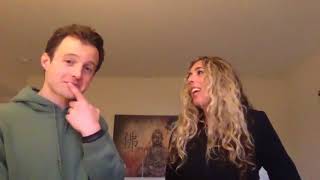
Make More Marbles host Brad Hart interviews Karen Waksman (founder of Retail MBA) about her path from retail sales rep to teacher/consultant and how she helps product creators get placement in big-box and chain retailers. They compare selling on Amazon/Shopify versus brick-and-mortar, explain why retail can raise company valuation, describe buyer mindsets and practical pitching tactics (virtual meetings, focusing on conversion signals), and outline financing options like retail factoring. A client case study (a dog-shaped pillow) illustrates a path from online acceptance to local, regional and corporate Walmart placements. The session is informal, audience-driven, and includes resources for contacting Retail MBA (retailmba.com).
Questions this video answers
Feb 24, 2018
Eight years
About 3,200 Walmart stores
Amazon-only businesses: ~2–3x revenue; businesses with some retail accounts: ~6–7x revenue (quoted from an M&A expert)
Retail factoring
Chapters
Welcome to Make More Marbles. My name is Brad Hart and we're here to interview the game changers, the future makers, the co collaborators and creators who are here to collaborate with one another towards a better future for all of us. Enjoy the show. We've got a great guest coming up for you right now. Okay. And we are going live on Facebook. Going live on Facebook. Live on Facebook. Going live.
Are you dancing?
This is what we do. We do the Facebook dance. All right, Karen. Karen Waxman. There she is. Bam.
How did it know?
The first one of all the Karens in all the world. I love it. Welcome to the Make More Marvels podcast live edition. This is a Facebook Live with Ms. Karen Waksman. How are you doing, Karen?
Hi. How you doing, everyone?
Karen has a business called Retail mba I do. That helps people get into big box stores and different various, you know, wonderful chains that they might want to have their product in. And she's incredible at it. And she's also a part of our little local mastermind group. Every Wednesday night here in Cardiff, California, we have the Cardiff, California conscious co creation something or other.
I don't know, there's a bunch of seasons something community. Community.
There we go. And Karen is a member of that. And she comes by every so often, hangs out, and we jam on problems. And one day I was like, you know what? I got a problem for Karen.
You got a problem?
I got a problem for Karen. It's about the appointment setting thing. And we're going to talk about that, you know, offline. But I was like, why don't we do a podcast and then we'll unscrew my head and, you know, fix whatever's wrong and then we'll go and get tacos because it is Taco Tuesday after all.
Wow. You share everything on Facebook?
Pretty much, yeah. People want to get a real good sense of life and what it's all about.
This is it. This is the way it goes.
This is the way to do it.
Understood.
Share all the things. So Karen's here in my home and we're gonna talk about her business. Okay. Which I think is fascinating. Anybody out there that does E commerce, she's incredible at it. So definitely connect with her after the show or just look her up on retailmba.com.
Retailmba.Com yeah.
So, Karen, can you tell us a little bit of your hero's journey so far? Heroine's journey, I should say, of how you became who you are, what is important to you, and what are the lessons you've learned along the way that made you who you are today?
That's a really good question. You talk about related to Retail mba?
I would say sure, yeah. And kind of get us to this point where it's like, okay, cool, we have a grounding story and we understand who this person is we're speaking with.
Yeah.
And then from there, I can kind of start pulling on threads. That's what I do. I pull on threads until the sweater unravels and reveals the naked truth.
All right, so again, my name is Karen Waxman, founder of a company called Retail MBA. I started back in the early 2000s. I had this vision, this dream to go to move to New York and work in the fashion industry.
That's what I knew.
It was something that I always wanted to do since I was a kid. You know, some of us just had this obsession with going to New York, and that's what I wanted to do. So I never understood why, but I went. And that's when I got hired by a. I had done sales for many years. Nice hat. And so, yeah, so basically, I followed my dream. I worked for this guy. He had a company selling products to retailers, and I just wanted to work for him. He did not give me a lot of support. And so I had to learn the hard way how to get products in stores. And so that's how it all started. I did it for years. I ended up learning how to do great things with retail and sold millions and millions products and stuff. And it was fun. It was amazing. Magical. Many years later, it's a completely different story. But I ended up starting to teach my simple formula that helps me get products in the stores. And so the journey around that was I was with, you know, I did that. You know, I sold people's products for years, and I was good at it. And then what happened was I moved back to California and I don't know, people kept bringing me their products. And one day this guy gave me this product, and I just watched how he tried to get his product in his stores. He was a sales guy and he thought he'd do well, and he couldn't get his product in his store no matter what.
What store was he trying to get.
Into at the time? It was Walmart or anyone who would just buy his product. And so bottom line is, after months and months of him trying himself to get products in stores, he came to me and I just kind of did a few things and I got his product in stores in a couple weeks. And so. And it was in the Walmart in a Couple weeks. And what happened was he tried for so long, and then when I did it really quickly and easily, and I had no relationships to those buyers, I had no anything. I just knew what to say to them. I realized there was a formula there. And so that's how it started. I had this aha moment of, wow, I do this thing to get products in the stores, and I could share that thing with other people. And then that turned into me learning how to actually communicate and speak and share that other people. And there was a whole sorts of trauma and drama around learning how to be that instead of a salesperson. So it's very different to sell somebody else's product. But now all of a sudden, I'm selling me. I'm selling my story. And, you know, it really brought up a lot of interesting things. I feel like business is the best form of therapy, you know, And I learned so much about myself because I was like, who am I to share this with other people? You know, there's other people who've been doing this longer or better or this or that. I went through it. So it took a long time for me to really align with. With this aspect of me that really wanted to share and help people. And so that's how it started.
How long has it been now since you started retail?
Mba, but eight years.
Wow. Congratulations.
Eight years.
And so you're in New York, came out to California, started the business, or was it already going when you live there?
No, I didn't start the business, you know, for several years later. I mean, so I did. I was just a rep for years. Never thought I would teach people how to make money with products.
And now you run events and you help people get into stores. You have all these different programs. I really love talking to Karen because it's really easy because she's great at what she does and she takes a lot of action. So all you have to do is like, just steer her just two little millimeters in the right direction. She just goes the next time. It's a whole nother set of problems. It's really fun.
Well, we have a lot of fun. Yes. So, yeah, so that's. You know, I do a lot of things around it. I never would have thought, you know, this. And by the way, I did this as a side project for a couple of years too. You know, sales. Sales is great. You know, it's a great place to be in. And so, yeah, so I just couldn't let this one go. Every time I spoke at an event, anytime somebody told me they got products or anytime anything sort of strange happened, I just. Just was happy, you know? And then eventually I'm like, I have to figure out what to do with this dream of mine, this new dream.
And you guys know I geek out on Wealth Dynamics. We were pretty sure that Karen was more like a deal maker type.
No, we weren't.
I was pretty sure. I am pretty good at diagnosing.
You're a hustler. You can. And I'm like, what do you think of me? I don't.
Game recognized game, you know, Like, I.
Just assume that's not how I am.
But it turns out she's actually a star.
Yes. Yes. So that's funny.
So it actually makes a lot of sense that you would really resonate with getting on stage and sharing your message and doing events, because that's really what stars are doing, right? They're using the power of the personality to share ideas with people that change their lives and then taking that opportunity moving forward. I think where stars get stuck is when they try to do too much behind the scenes instead of just being the front and center of the show. So can you talk about how knowing that has changed the way you're gonna approach your business? Now? I know that's a relatively recent development.
Oh, no. It's completely shifted my perception on who I am and how I am in business. I mean, so, like, even last week I'm speaking at an event in LA and I'm realizing I'm on stage and all of a sudden I'm noticing that, like, I like, I'm. This is my thing, you know, and then I go and kind of run away, you know, like, I'm one of those people. I mean, I love people. I have a lot of friends and everything, but I like my wait time. But then I like the group dynamics. So I've just been noticing in my life and everything going on that I like the group dynamic. So that's been huge for me, which means I have to do more events and I have to do other things and I have to, you know, get out there more. And I've been doing that. And ever since then, all of a sudden, I'm just part of a lot of groups, right? So a lot of interactions, a lot of things like that. How is that impacting my business? I clearly just need to do that. And also, when I was reading the stars thing, you know, there was a whole thing around your brand, you know, like, you're supposed to support your business. You are the brand, Your face is the brand. Your Behavior is the brand. You need to be focused on the brand. That's through the videos and stuff I was learning about. And I realized, like, there was a point where I was getting a lot of people copying my business. Not like copying and starting over and whatever. They were just copying my face.
Right. Literally copying your content and putting it out as.
And I just couldn't figure it out. I mean, I got. I took care of it, but like, I couldn't figure out, like, why did I get, you know, how did I manifest this? Right. But what I realized was they were using the brand that I had been working. You know, I do videos and all these things. And so I realized. And that's one of the things that they were talking about as a star, be careful with your brand. Because people like, that was also a strange thing about that, right? Don't they talk about.
They see that it's so natural for you, and they're like, well, I can't do it.
Can we piggyback off of.
Right. How do I piggyback off their success? If you don't have the value, structure, the integrity, you'll just go ahead and rip it off.
Yeah.
And you're seeing your courses being ripped off all over the world.
So it was. There was a period where, I mean, that's a whole other story. You know, having a business again can be so annoying. So, yeah, at the end of the day, I learned. I realized that that kind of makes sense is how that happened. But at the time, I just couldn't figure it out. Like, who does this? You know? But yeah, so that's the other thing. So now I'm focused on more branding and I need to hire the rest of my crew to help along with that path.
I love it. And by the way, this is a live podcast, guys. So if you're on Facebook live, I see Mary, Adrian, Jenn, Sarah, Natalie, John, Nicholas, Zach. Hey, what's up, man? We got Mary, Michael, Allison, Bella. We love you too, Bella.
Hi, Bella.
Danielle, Max, Alyssa, jc, William, Renee, Jason, Steven. This is just a really well attended show, so please jump in.
Thank you, everyone for joining us.
Yeah, they saw your bright, smiling face. They wanted to come say hello. So please, please, please go ahead and ask questions and we'll get to those as soon as we can. But, Karen, if you wanted the world to know one thing, and you just wish that everybody knew this one thing, what would that one thing be for you?
Brad, you ask very complex questions.
I know. There's so much I love spinning you.
Up like a tough how do you.
Take as long as you need to end?
I mean, like, people are waiting for me to say something cooler than that. Okay, what do I want people to know? Well, I'm going to focus on retail because we're talking retail. So I'm not going to be that deep right now. And I'll tell you that at the end of the day, I truly believe in my heart that if you have a product that you, you really love and appreciate that you should, you should go for retail. Big chain stores are looking at and are hungry for new products. And put aside all that you thought about retail. You know, I meet people all day long who, you know, think that it's going to be a nightmare or difficult or they're not going to be able to afford working with them. And every misconception is keeping them away from experience. The coolest thing in the world of seeing your product on a store shelf. I mean, there's nothing cooler than that. I have to tell you, it is so magical to experience that. So even just once, you know, just to see it and just experience it. So that's as non deep as I'm gonna go right now.
No, I like it. No, that's good. Because it's people that can't really associate enough pleasure to the thing that they actually want and enough pain to not having it or to not taking action towards it. That's what really, you know, sticks people in the gut. And your dreams will die inside you if you're not able to go ahead and do that. So just by, you know, I don't know what drives you exactly, but I have a pretty good idea just spending a lot of time around you. Like, what were the things that you think made it pleasurable enough for you to get that success and also painful enough not to have it in the beginning that really drove you.
You know, there's just something within my heart told me that, you know, I really believe now that my purpose is to help and inspire as many people as possible while I'm here.
I love that.
So that's like my purpose. You know, I'm speaking at an event last week and it's like, if I could just get the message out that's possible for you. Like, you know, just get you excited for a bit, help shift some sort of inspiration. I'm excited. That's like, I feel like that's what I'm here for. That's the thing for me. So, number one, just getting, being out there and just sharing that message. And what was the other question by.
The way, that's the manifest acronym. Make a New Inspiring Future Through Enrollment Speaking and Thought Leadership. That's a star all over. The other question is, you know, what is the, the painful aspect of it?
Right?
What is the thing that drove you to be successful? Because you're more successful than a lot of people I meet. And I feel like everybody can relate to failure more than they can relate to success because not everybody's experienced success, but everybody's experienced failure at some point.
Oh, I've had so much failure.
Yeah.
I mean, yeah. Well, first of all, look at this. You guys have like, you're talking to people on Facebook. How many years have I been doing this? Like, I haven't even started trying to play with Facebook Live. And like, all these things in the way you're doing, people are having conversations. I don't know half of what I need to know. It's like a constant torture with your business when you're, you're looking, you know, for, you know, you're trying to grow your business. You don't know crap, you know, like, and you keep learning, keep evolving and stuff. And so it's really hard for me because I hang out with all these top Internet marketers and they're always talking about all these amazing things that they're doing and I'm like, so old school ghetto, you know, and like, and I, but I mean, I get my message out, but there's always something new in terms of painful memories. I mean, there's so many. So, you know, I've spoken at like, large events. I used to early on. I couldn't sleep all night. I was sick all night before an event, like all night. Like, I didn't sleep a wink, you know, I mean, it took almost a year or two. And I'm a, I have a personality. Like, I have a, you know, I have a mouth, you know, I could talk. Me going like on stage and just being terrorized by it happened every single time. Once I got on stage, I was fine, but. But it took a long time for me to get over that. You know, the experience where, you know, you know, there's a few times where my business almost went under because of like, you know, various, you know, things that you never would have thought, you know, like again, like the people caught stealing and this and that and all these things and maybe some mistakes that I made over the years. And so, I mean, there was even a point one time where, you know, things got like, on hold. Like all these problems happened online. My business shut down. Like Sites went like. It was like a multitude of crazy things that occurred. And I'm crying, I'm upset at home, Everything just. I don't know what to do because I love this business, and I worked on it for so long, but I almost have to get a job. Like, it was like that. And at the time, I think it was like, the people closest to me told me to go get a job, and I would never have thought in a million years. They're like, just, karen, look, you're stuck. Just go get a job. Just go get a job and you can do this later on the side or whatever. And I'll never forget them because I curse them. That's all they like to do. What, like, you. You can't tell me, like, my mom and I are, like, the closest. We were like, the friends, you know, like, we are so close. And she said, because she was. I could feel her. She just didn't want me to suffer. And I was like, but because of these people, you know, it was a relationship at the time. And then it was also like, you know, my mom, whatever. And they both, like, were just like, dude, just go get a job. Be like everybody else. You know, have to do this all the time, and perfect. I'm like, can I swear F you? You know, like, I was like, no, I am not quitting. I'm not giving up. And I turned it around in a few months. Like, it worked out, but, like, you.
Needed that pain, right? You needed that.
That was agony. And then on top of it, have everyone tell me that, like, you know, maybe my dreams a little crazy. You know, maybe people don't make money with information or people don't. Whatever. So. So there was a lot of pain points around that.
Yeah. And I think the right information applied at the right time. I mean, we have some great questions coming through. It can really change your life. So I want to shift into your zone of genius right now. Now that we're kind of grounded. We know who you are and how you became who you are. What are some of the things that you.
Hi, Sherry. Wow, you guys know each other?
Yeah, of course. Sherry's another maverick. She's awesome. And thank you for being here so much. Dale, thank you for joining. Nelson, thanks for the question, Nicholas. We're answering here in a second. I just want to set this up because I feel like we should give a little bit of value. We should just make sure that people come away knowing something about retail that they didn't know before. And maybe some people sell on Shopify for example, or Amazon. I know I sell on Amazon and my team does. How does that differ? And what's the same also with retail?
So that's a really good question with Amazon and retail. So I was just speaking at an actual ASM event the other day. Amazing selling machine. If you don't know who that is, because I've done events with them in the past and stuff. So what I'll say about. Okay, think about Amazon. So they're giving you a platform, right? You pay a little bit of money, you get on their platform, you're able to sell products for them. A top Amazon seller doesn't just post a product and then hope, you know that the money will come in. Right. So they'll make some money if they do nothing. But if they tweak their SEO and they'll drive traffic, Facebook ads or Google Ads or whatever, they will make more money. Right? So. And the reason why you're willing to do that on Amazon versus your own site is because they have millions of people who are, or bigger, whatever, going to see your product. And it's just a lot easier.
Right.
That's why compounding success now most people think of retail something completely different, but it's exactly the same. So with chain stores, what's happening there is that they are giving you their platform. They have access to millions of people and people say, oh, well, if I get a retail order, I'll get a purchase order. That's it. You know, I make my money, I made my million dollars and I'm happy. Right. But with retail, you can sell your product to them and then you can leave it alone and hope the product sells, or you can invest a little bit of extra money and drive people to the stores or online or wherever it's selling and make more money for you and for them. And so most people miss that mark, that they don't realize this is a platform, this is a partnership. We're working together. And this is an opportunity for you to help the retailer sell. Because guess what, you. The initial order will probably be small. With the retail chains, once you get the second order or the third order now you're talking millions and millions of dollars. It's really possible for you. I mean, obviously there's exceptions to the rule. Depends on the retailer or whatever. But the big stores, I mean, one, one order can 100x your Amazon business, you know, so that's a really big deal. Now here's another thing. So actually I was at an event, Mavericks, you know, Maverick event. Yep. There's a Guy named, I'm gonna give him credit, Steve Little.
Love you, Steve.
Steve's awesome. He is a merger and acquisition guy and he basically sells companies and for a living, he's amazing. And so we're hanging out and he tells me this thing and it was so mind blowing to me. He says, so he sells companies for a living. He says, you know, yeah, I'm dealing with this Amazon company. I'm trying to sell this company all these things. And what he's saying is, is that if you actually sell your Amazon business, you sell it, you can sell for 2 to 3 points what your current revenue is basically.
So 2 to 3x of money you're making before expenses.
Exactly. So that's basically what you can sell your company for. If you get just a couple of retail accounts, like the bigger chain stores, Even like some.com, you know what I mean? You can sell your company for six to seven points.
Okay, interesting.
So it's not even about whether or not you have an ego to put your product in stores or anything like that. It's whether or not you want to eventually sell your company to be able to have higher valuation for your company. And it makes sense, right? Because if you're, if you have this business and all of your money is just in Amazon, what are you going to do? Like, you know, if something goes wrong, if Amazon changes the chant algorithms or channels or whatever, then you're, you know, pretty much that's a problem. Right. So having more level distribution enables, you know, people who purchase from you to support, you know, that.
Oh, I'm all over it. I'm making sure the right people are seeing this.
I know. Like, what are you doing, dude?
Because things that you're. No, the things that you're talking about, I think would really valuable, be valuable.
For the people that I'm telling you.
Gave some people some love. Yeah, yeah. And that's really important to understand from an acquirer's perspective too. Right. If I want to go buy a business and I'm an investor, so I'll put my investor hat on, which is also my New York hat over there, but I'll leave it over there for now. But I'm an investor and I want to buy a business. Do I want to buy a business that is subject to the whims of Jeff Bezos and Amazon and could go away very quickly if they change their algorithm? Or do I want a business that has multiple diversified places that are stable and stalwart? Like, you know, Whole Foods is not a great example because now it's owned by Amazon, but, you know, Walmart, et cetera, that could also be a platform for you to sell products. So, you know, what are you thinking about when you buy in a business? Well, you want to know that you will have ways to sell your product consistently over the long term. You'll get your ROI back. And that's the difference between 2.3x valuation or a 6 to 7x valuation. So that's huge. Just that one.
It could be like four to five. You know, don't quote me and yell at me later.
Markets vary.
I mean, all I know is what I hear from an M and A expert, and he's a really good one. So, like, I'm just gonna assume that that is correct and accurate. And at the end of the day. So, number one, you need to go after retail just because. And also, it's actually not that hard. I mean, they're really, actually hungry for new products and. But I will tell you that Amazon sellers who sell like a white bath mat and make millions and millions of dollars, you know, need to finesse their product to make it a little bit more interesting for retail. You know, because with retail, with the chain stores, they only have X amount of square footage they're accountable for, and whatever they put in, the store needs to sell. So it just needs. And when people are walking into the store, they're coming in for the experience. And so it can't just be some piece of whatever, you know, it just. It needs to be a little bit more of a user experience. You know what I mean? It needs to be something a little bit more finesse y. So if you have a white bath mat, put a little color design on it, you know, what's trending now, make it a little bit more interesting, that type of thing.
So what you're saying is more of a brand, more of a story, more of a pleasing aesthetic.
Yeah, and some people have it, right? I mean, I have people who Amazon sellers all day long. I have, you know, coaching programs and stuff. And, you know, they gave me 30 products and they're like, pick one. And I'm like, all right. And so then we go through all of them and I'm like, crap, Crap. You know, and then we can kind of like, figure out which one it is. You know, there's always a way. And even if you don't have, like, the best products, you can like, what are inventions? An invention is where someone goes out and goes to the store and looks at store shelves and see what's missing from their assortment and then they just tweak an existing product. So Amazon sellers just need to do the same thing. If they're willing to spend a little bit of time, that's what they would do.
I like it. So what you're saying, if I'm hearing you correctly, is that things that sell on Amazon may do okay in retail and things that do well in retail. Does it like, is there a cross pollination? Like if it does well in retail, it'll do well on Amazon or vice versa or do they have to change to go into different marketplaces?
It depends on the product. You know, some products just are selling really well and you have a really good story. Like walmart.com Walmart stores are a lot easier actually to get into than a lot of other chain stores if you're an Amazon seller. Because I mean they're literally calling people. I mean, I don't know if you've gotten a call from Walmart, but they are trying to compete so much with Amazon.
It makes sense.
They are actually picking all the top sellers and reaching out to them because.
I think they're most close in the marketplace to being competitors with one another and they're serving the same types of people.
They're totally doing that. So I get that, I understand it. And Walmart is also the low price leader.
Right.
So some people are like, oh, I don't make any money on Walmart. I'm like, because you pick the low price leader, you know, they're always gonna hammer you on price. There's hundreds and hundreds and hundreds of other mass, mass, mass retailers amongst tens of millions, you know, of other types of retail. But like whatever the strategy is, just be aware that if you are selling Walmart and you're like, oh, you know, retail is crap. You know, it's not. It's because of the type of company you've chosen. Some people don't care. They just want to get into Walmart. Other words, want to make money.
I like it. Could you give us an example of a product you've helped take to retail? Sure.
So like me take or I like to focus on like my client.
Yeah, Client success story.
Okay, so one of my cutest ones, I always talk about this one because he just makes me smile. So he created a dog pillow.
Okay.
It's a picture of a dog and it's in the shape of a pillow.
Okay.
I think it's called Lilly P. Okay. So basically this guy, actually his first product was keychains that had animals on them. Look at my arms are like Moving around like, like a wild woman on this video. He has like two videos here and I'm looking down here, but the video up there is alarming me. So it's that. So if that's what you're looking at, I'm so sorry. That's awesome.
She's also whacking me every once in a while.
I know I'm moving around, giving me.
The old shimmy shake.
I didn't know this is gonna be a video today. I'm not prepared today. So anyways, so what were we talking about?
Oh, right. So one of your clients success stories.
Okay, so dog pillow. So the first one was dog magnet and he wanted to learn how to get in stores. So I walked him through the process and he takes his dog magnet and gets into 3200 Walmarts. And he didn't have any real sales with this product, but he weaseled in the door. He got, you know, he knew what to say and he got his product into 3200 Walmarts. Then he has the second product and he was like, I love this product and I don't like my magnet so I want this product in a Walmart. So he thought he was cool and he went to the corporate buyer and the corporate buyer was like, I don't trust this is gonna sell. No.
Is that because he hadn't sold his original?
Sometimes the buyer is like, this is gonna convert and sometimes not. It really depends on the story. In his case, it was a really, really, really new product and the buyer just didn't have. Because also this one was a big pillow, you know, so it takes up a lot of room. So it's a lot of extra space for them and they sometimes don't want to risk that for something that they don't know it's gonna convert. So most people don't know this, but the physical store buyer at Walmart is different than the online buyer and the local. So and Walmart also has a local buying program where you can actually sell to one individual store. You can also sell to Walmart on a regional level. So that's another way. Then there are all different budgets and then there's all sorts of other ways to sell in Walmart, but those are like some basic examples of that. But basically because he went to the corporate buyer and the corporate buyer said no. Then he got on the online buyer, you know, to the online buyer and online buyer said yes. But he was like, oh, that's not cool, you know, I want to get stores. So then he was like, okay, I'm gonna go. Then he knew that there were other possibilities because most people would just quit, but he knew what to do. So then he went to the local buyer and he got his product. It's not a local buyer, local buying program they allowed to purchase him from one store. He got it in there, but it sold really well. So then he got a floor display and he put his kids on the floor display. So he was so proud. So he shows us this picture of him with the kids on the display and he's so proud, right? Because it's got like a million pillows and it's in Walmart and local store and the thing blows out. Then it sells like crazy. And then he gets into more stores and more stores. So then he starts opening up different Walmart local accounts and then he grows that way. And then the regional buyer picked it up 128 stores. Then like the online thing is selling. And then now he's went full circle back to corporate.
Wow.
So the cool thing about that is now he has two products in the Walmart, totally different by the truckloads, just crushing it. And this is a guy who just hadn't sold. He doesn't sell anywhere else. He's like, he's just very. Just wanted Walmart.
Did he start to experience supply chain difficulties as soon as he got really popular and successful?
He does this in Cal. He does this in his hometown. He like rented an warehouse space and he's like, they're doing it as a family. Like ghetto, you know, like stitching. And I shouldn't call it ghetto because now it's probably cute, you know, but.
At the time you made the money, now you can reinvest back.
Yeah.
So he's like, right.
So like they are, they're sewing there. I mean, he's got like a crew there. Like he's made in America like a whole thing. And so they were like all night, all nighters at this warehouse, sewing up some pillows.
I love it. That's awesome.
And so actually it's on my Facebook page, pictures of him and like, that's beautiful.
And thank you for helping people do this because it seems so daunting, right? It seems so scary. I think one of the reasons that it's scary is because it's difficult to get rejected. And to get rejected on a corporate level takes a while. Like there's a sales cycle. You talk to multiple different people. And I can remember my own story of I love these flossers. If you guys have ever hung out with me, I'M obnoxious with these things. I hate having stuff stuck in my teeth. I'll always excuse myself after a meal. I'll go floss in the bathroom or whatever. But it's obviously not the most attractive quality that I have. However, I thought there was really something there. And I met a gentleman named Steven Q. I've had on the show before, who's just brilliant. I don't know if his podcast came out this week or next week. Anyway, Stephen is brilliant. He's started the One Simple Idea book and that whole thing. So he actually inspired me to go out and create a flosspick dispenser as opposed to the little jar of toothpicks at the restaurant. So I'm like, oh, floss pick should be the next thing. I went to Proctor and Gamble. I went to Colgate. I went to all these big companies, and they said, no, no, no, no, no. I had the patent, I had all the drawings, everything. So that was my one failure which prevented me from keeping going. So why I'm so grateful for Karen is because she's somebody that can help you regardless of whether you know what to do or not. She's somebody can help you, you know, not go down the wrong rabbit hole. You know, I still think the floss dispenser is a great idea, but, you know, maybe. Maybe the big buyers don't agree, so.
By the way, do you know that my Barry's first real speaking event was at Stephen Keys get out of Here in the Bay Area.
He's such a beautiful man. I love so.
That's funny. Yeah. Like, years ago, maybe. One of my few. So, yes, I know him. I know him a long time.
He's a gentleman and a scholar.
We speak on a lot of same speaking stuff. I love it, but. Yeah, but somehow, like, I got more into the Amazon world and Shopify and all that stuff, and they're doing more adventure stuff.
Can you just kind of take us into the mind of these buyers? They're all a little bit different. Like, what do they care about? And how do we present ourselves as product creators and distributors in the best possible light so we have the highest chance of success?
That's a really difficult question to answer because it depends on the product and how you would present it. So I think my secret sauce is how do you get the buyer to believe the product will convert? That's the thing. Like, it's not hard to do, but you just have to think about it from the buyer's perspective. They are so in trouble because of Amazon, right? They'll go to a store, then they'll look online and to see which price is better, you know, and so people are, are, you know, Amazon's killing, you know, really hurting them. So they're having to get really smart. Now a lot of people think that retailers are going to go under and all these things. I honestly don't believe, I really authentically believe that there are slow moving ships who got, you know, somebody came on, did some things and now they're catching up. They're going as fast as physically possible to catch up, you know, online and all these things. And so I do believe that it's like I see it because I do webinars every month on a different retailer. I see what's going on with them. You know, I do events with retailers. I'm very aware of what's going on. I mean they're fighting a good fight, you know, and there's a lot of products by the end. I'm going on a tangent, but I'll just say this. A lot of people think that like retailers are going to go away. And I'll tell you that there are certain products that you are not going to always just go online to buy like Home Depot and all that stuff. You guys want to physically touch the couch that you're going to buy and all these things. I mean, some people don't, but a lot of people need that, you know.
So IKEA is another great example.
Ikea and all sorts of other categories as well. So just be aware.
I actually read a statistic recently, it was a couple years ago that was only 5%. I think it's about between 10 and 15% of all sales are happening online versus offline. So 85 to 90% of retail is still happening in brick and mortar stores. Oh yeah, it's nowhere near being over the tipping point.
Yeah, I hear it all the time by the way, like Amazon. Oh, but retail is going, they're not going anywhere. One website think about like, I mean, you know, if you look at the top 100 websites, they're all of the other retailers too. Amazon is just one of them. You know what I mean? So if you get a few more accounts, you can be well.
And it's so important not to pigeonhole yourself too because if you have the thesis that Amazon's the only way, then you're never going to go beyond that to create something that's going to allow you to have that diversified business that you can ultimately sell for high multiple or just have more cash flow. And more protection that cash flow. Because if one of your sales channels goes down, whether it's your fault or not, you're out of business.
Yep. You talked about so. Oh, yeah. The buyer's perspective, right.
Go for it.
They just want to make money. They want to make sure that the product sells. They have a day job. Their day job is to figure out which product is going to sell once it's in stores. Because again, like, that's their job. So if you had a day job and it's counting on you, you know, buying things that make money, you just want to look at the products. Now, there's one buyer who typically buys products for all of their stores. So there is a buyer who buys consumer electronics for more specific, specifically iPhone accessories. And there's a buyer who buys women's shoes. And there's a buyer who buys something very specific. There's hundreds and thousands of buyers and. Or thousands of buyers, you know, per retailer. Okay. So from the buyer's perspective, they see the same product all day, every day. So. And maybe they have a few products they're responsible for. And so if you're gonna bring them a product to some Amazon sellers or whatever, I just use an example. I deal with a lot of inventors as well. But say that like, you know, you just have to think from the buyer's perspective. It's not just about you selling products well online. It's also, is there a market for it? Are people interested it? If I put it in stores, how will I know it's going to sell? So everything you want to talk to them about is will this convert? You know what I mean? So how do you get them to believe that? Well, if you have sales figures, you say, I've sold over X number of hundreds of thousands of units of this product or whatever. A lot of people don't have that. Like, I have a lot of clients who have zero sales, zero anything, and they get their products in a chain store. So there's always a way to make the buyer believe it will convert. It's just the way that you create a story. So, you know, if you are going to like, retailers love it when you sell in other retail chains. So if you've sold your product anywhere before, they actually want to hear about it. In other industries, they don't want to hear about competition. Right. But in this case, they actually really like that. If you, again, you can still get into chain stores with zero sales or anything because it happens all the time with that. You just have to have a little bit More finessing of a story.
Sounds like you're pretty good at finessing. I like it.
Well, it just. What's going to make the buyer believe it's going to sell well.
And it kind of comes back to that whole chicken and the egg thing. You think that you need sales in order to get inventory, or you think you need inventory in order to get sales, but it sounds like you just need a great story delivered to the right person at the right time, looking for something that you can provide, and then you're off to the races.
So, by the way, I want to tell you that about 90% of all the interactions over the last several years have been virtual with buyers. They'll meet you after they buy from you. Most like, they'll be taught. Obviously, there's exceptions to the rules. Some retailers want you to fly in. Most of them, actually. They'll meet you virtually. Then they'll, like, see your product. And it's really important that you come up with that compelling message, because it's 80% strategy, 20% actually sales. So if you have, like a, you know, decent amount of. If you're willing to put a little work into that, you know, you can literally get an order virtually meet with the buyer later once it starts making real money. You know what I mean? So that's something that most people don't want to go after retail chains because they think they're gonna have to fly all over the country and all these things. And so again, it's like you have just a few minutes, you're barely talking to, you know, the buyer just. It's like, has to go in, be really compelling, and then they'll say yes or no.
So if you're blending, because we mentioned Steven already, and I think he's got a great model for this. If you're blending Steven's model and your model. Let's say our models are totally different, right? But let's say you could marry them together. Let's say it was all right, I have this idea, I go and I get it drawn out. I get a provisional patent which costs 3, 400 bucks, whatever it is.
Yeah, we don't. It's not the same. Right.
And then you have this story of this product. You believe that you could get into a store and you're able to sell it. Would it be possible to start a business with very little capital?
And.
Because I'm all about helping people get over the hurdles that they have, mentally, physically, or otherwise to actually get started. So let's say you did have somebody who had a great idea, who maybe had some story and branding around it and then wanted to get in retail. He said with zero sales, would that be one of the places they could do it or would you do it entirely different? I know Steven's and your models are very different, but if you were to marry the two together.
Yeah. So, okay, so there's a lot of ways to sell something and make something and whatever. So the, what you're talking about, just so you guys know, if you don't know his model, it's more licensing. You basically come up with an idea and you rent that idea to a company and they make it and they produce it and so forth and. But then there's people like me who come up with an idea and like I just want to turn it into a business because it's more my personality. So I want to make this thing and whatever. With retailers actually there's a way for you to get it, someone to pay for it actually. So you can actually get someone to, to give you the money to manufacture and so forth. You have to have come up with the original and the product and you know, the actual product itself. Like you have to go to manufacture, you have to do, start the setup. So you do need to do that. And there are people who, you know, people come up with, put it on their credit card. They, you know, all the ways that you start a business. Right. But if you get an order. So sometimes people don't want to go after Bed Bath and Beyond, for example, because they're worried that they can't afford the, you know, whatever. So what I would say to you is that there's something called retail factoring. So there are third party companies who would actually, if you had a purchase order from, you know, Home Depot or whatever, they'll pay for that order. They'll give you the money to manufacture, develop it and so forth and then help you, you know, you deliver it and then once you get paid, they'll get paid. Does that make sense?
No, that makes a lot.
So, so, and they're happy to do it because they know they're going to get paid by the big chain store. So. And you don't even need good credit because they're basing it off the retailers credit.
Interesting.
Now I mean there's obviously again exceptions to the rule, but there are a lot of companies out there who, who do that. So basically you could get most of your products financed. It's very common. I mean you can't. Nobody knows how to pay for 100,000 unit order, you know, like it's not just hanging out in someone's bank account. It's really not right.
That seems to be the biggest hurdle is like, oh, I need to be successful before I can be successful. Right.
It's actually not true. And so there are third party companies who are happy to do it for a couple points, like two to three points. You set it up in advance even before you start going after retail chains. And then when you get an order, you bring in the purchase order and they handle it.
This is called retail factoring.
It's called retail factoring.
So you can just Google these companies or is there a list that you provide?
I do give people, like, I have some contacts and so forth. You can reach out to me. I'm happy to support.
I love that. So what would be. We talked about kind of generating an idea. We talked about getting into retail. We talked about some of the strategies you used to contact buyers and talked about buyers and spin that story and get them to buy in and create a PO and then you're off to the races. What are the other pieces of this chain that we might have overlooked?
I mean, there's so many moving parts. I mean, does anybody have a product that they're stuck with or they're kind of worried about? Does anybody have any questions or anything?
Yeah, please, guys, questions are welcome.
Questions about retail. I'm happy to support you there.
Absolutely. We got a lot of people came and jumped on for a bit. So that's super nice. Thank you for being here, guys.
Well, I mean, what else can I tell you about retail? I mean, the bottom is that buyers change jobs every six months to a year.
Wow.
And when I started in the business back in early 2000s, they were there for years and years. So if they didn't like you, your hair or whatever, you do not make money with them. So that.
How could anybody not like your hair? Karen, come on, that just sounds ridiculous.
Women and situations and business. Sometimes, you know, there's gorgeous. But no, but they really were. You know, there's just times where they just, you know, they didn't like your face. I don't know.
They had cut of your gym. Got it.
Whatever it is, they just don't like you, you know, and you're done. You know, it's a lot of people think that you need these buyer relationships to get your products in stores, but the truth is there's no buyer relationships at all. The reason they change, I think there's a lot of reasons. First of all, when a buyer Changed jobs from being, you know, the underwear buyer to something else. They actually become better buyers. Right. They learn different math, different situations and everything. Right. The other thing is, is that they don't want any emotional connection to you and the vendor.
Interesting.
So back in the day, people are paying people off to be able to get a buyer deal. Right? Because they stay for years. We're besties, we'll go to dinner, we'll go to meals. You like me, you know, I get a million dollar order. I love you, you know, like you want cash, I'll do whatever you want. Right. So I didn't do any of those things. But I will tell you that it was not uncommon and things got a little sticky and now the retailers can't afford that. They need new product.
They're moving around on purpose.
So partially it's because they do not want any emotional connection from you and the vendor. So the thing that you need to understand is that whoever's telling you that they have relationships for people for years and years at retail is absolutely inaccurate. Maybe the CEO and the vpn, like some of the really top people, but most of the buyers always changing.
So they don't get fired necessarily. They just get moved around.
They get moved around or they switch companies or whatever. So basically what that means for you is if you are worried that you are going to screw up and you're gonna make a mess of the whole thing, if you're willing to learn a little bit and try and get in stores, you should do that. I'll tell you that even if the buyer says no to you, in six months, there's probably another buyer.
That's amazing.
So on the one hand, it's horrible for the big companies who've been doing that for years, because they have to establish a new relationship, right, with these buyers. Every time the buyers go, it really causes them a problem. But for the new guy, for the people starting out, it's fantastic because you don't totally mess with your business or anything like that. Does that make sense?
No, it makes a lot of sense because I think most people's mythology would have them believe that, oh, we got to get this person, this relationship, this buyer. But in reality, it's actually more of a level playing field now.
Oh yeah, you can ever been. You can't go to lunch, you can't buy them a meal, you can't give them a gift for the holidays, they'll send it back. You can't even send typically an unsolicited email. I mean, sample interesting. They cut all emotional ties. So what I teach, it's got nothing to do with sales or anything. It's all strategy. And that's why I work. Like when I first started, the reason why, when I was working with, like, Stephen back in the day, like, with his audience, they were all engineer types and people who hated sales. And, like, I love those guys. They were so much fun, you know, for me, like, I'm like, just do this, this and that. And they like, got it, you know, they were so much fun. They were so methodical. And I'm like, try. You know, like. But the thing is, with those, it's. They understood that it was all strategy. And so it was so great because it wasn't even about, hey, you know, lalala, buy my product. It wasn't any of that. They're not even listening to you. They don't even care about you. They only care about the product and the way you present it.
And that's the way it should be ultimately. Right? They all want to make money. You want to make money. And if you could just take all that emotion out of it and say, hey, what's going to win in the marketplace? And here's why I think it's going to win. You have the best story, the best data to back it up. You win.
Yeah. So, I mean, so that's another reason why I think that if you are willing to do a little bit of work, it's a great time to go after some.
That's brilliant. Karen, can we just switch gears here and talk about what it's like to work with you or how that works? I just really love to know what the process looks like for somebody who's maybe watching at home or is going to see this on the replay. Thank you so much for being here live or if you're. If you're watching replay. Thank you for being here. I really work hard to develop relationships with people who just get things at a level that I will never get them. I'm never going to be the top retail person. I'm never going to be the top whatever. I can only go on the marble making journey I'm on. But in doing so, I can bring people like Karen, who's a verifiable expert in this niche, to you, so you can then learn from them. And also, if you decide to, and it makes sense, maybe hire her. Because honestly, if you need help in this particular area, I'm not gonna be shy about it. Like, go and hire this woman to help you blow up your brand. So that's gonna be awesome. Karen, what does it look like to work with you? How do people reach out?
So you go to my website, retail mba.com youm can find me on Facebook too. And my phone number, my company number and email is on that site.
Cool.
Retail mba.com retail mba.com and so yeah, I have a training program, a weekend. You can know exactly how to go up the stores yourself. It includes a year of like interaction, coaching calls with me in a group setting. I have like other stuff, like coaching, one on one stuff. And then I also do live events where I partner up with retailers and all that stuff. So there's all sorts of amazing things that I do. I also have a YouTube channel. Anyways, all of that, you can kind of track me down. Retail.
Right on. Yes. Go check it out. And Karen, if. All right, so this is the part of Make More Marbles where I talk about kind of the philosophy and the reason I do these is because at the end of the day, we all need help and we all have problems and we all could solve them more easily. In my opinion, in my value set is that if we work together, we can win more. Right? Instead of just competing with each other all the time, how do we cooperate towards, you know, winning more? And what that looks like for us is, you know, connecting and catalyzing resources, opportunities, people and systems together. I call it crops. So, you know, with the intent being how do we move your mission forward faster? So for anybody watching at home or for anybody on our team or in our community, what are the ways that we can help you move your mission forward faster?
You're asking me?
Yeah, of course. This is your platform.
My platform. You know, I just want to get my message out more. So if you know anyone who has an audience that really wants to hear about retail, come my way. If you want to learn about retail, join us. And we have a community of our own. And I'd love to have you part of it, but yeah, anybody who knows anybody who has a retail product, I'd love to help them. It's my strange favorite thing to talk about.
The queen of retail. I love it. And she's a bright standing star. And get her on your podcast, get her out there on stages. There's so many people out there that need what she has, and she's so humble. She doesn't even realize it sometimes how smart she is about this. And I'm just listening to her say things and like, you're freaking brilliant. I don't know if people would tell.
You that I gotta give him a hug. Karen, you're nice. I'm not mad at you anymore for doing a video. I didn't know that we were doing a video today.
People don't trust me until they see.
Until they know.
I know.
I know. I love you too.
All right, so if anybody else has questions, please hit them up in the comments. We will respond. I have also tagged Karen in this post if you want to go ahead and find her. She's at the very bottom in the beginning before everybody joined. I'm just going to run through, make sure we didn't miss any of the great questions that you guys are answering. I like how you mentioned the cross influence between Amazon retail. Thank you, Nicholas. Thank you for the question. Come on, Karen. Brad. You guys are both rad. Thank you, Megan. I love you too. Hi, Nealam. How are you, Karen? Karen's good people. I like them. I like them too. I'm a big fan. Thank you guys so much for being here. We're gonna wrap this up. Karen, any parting words of wisdom or things you want the audience to know?
Just sending you all love and light and I wish you a magical New Year's.
Merry Christmas. Hannah Kwanzaka to you.
Just want to just send you so much love and good energy. Thanks for joining us.
Love you guys. Thank you so much for being here. We're gonna go eat tacos and solve my problems. I got some problems. Tell you what. All right, guys, love you. Marble makers out. Thanks so much for listening to the Make More Marbles podcast for more tips, hacks and strategies to create an amazing, abundant life in your health, wealth and relationships, whatever that means to you. Head on over to makemoremarbles.com check out our cool explainer video about what we're about and join our community of entrepreneurial game changers. We want to help you level up your life in every possible way. And don't forget to subscribe to us on itunes, Stitcher or Google Play, wherever you're listening your podcast. And please do leave a review. Thank you so much and we'll see you on the next podcast.
More from Brad

The #1 Reason AI Isn’t Working for You (Yet) #AI #businessowner #founderenergy




What tasks would the best assistant ever be able to do for you? #BusinessSystems #BusinessOperations



Nobody expects you to use a harder way when there's a better way. #AI #businessowner

Which side of the table will you be on in 2026? #AI #Mastermind #BusinessOwner

