How to Retire by 27: Reaching Passive Income Goals in Record Time with Diego Corzo
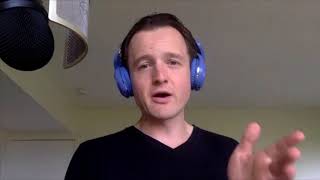
Diego Corzo retired by 27 using house-hacking and rental properties. The Austin realtor owns 11 rental doors across two states and credits Rich Dad Poor Dad and a mastermind group called GoBundance with shifting his mindset from employee to investor. He started small with owner-occupant loans and the 1% rule, compounding results over time.
Chapters
Welcome to Make More Marbles. My name is Brad Hart and we're here to interview the game changers, the future makers, the co collaborators and creators who are here to collaborate with one another towards a better future for all of us. Enjoy the show. We've got a great guest coming up for you right now. Welcome to Make More Marbles. My name is Brad Hart and today I am thrilled to be joined by Diego Corso. Diego, in addition to being a top Realtor for Keller Williams, one of the most successful real estate companies in the world, he is also a passive income creator, a cash flow master, if you will. He's out of Austin, Texas, graduated Florida State, and he worked for an IT company at a school. And then he felt that climbing the corporate ladder wasn't, you know, the future he wanted for himself. So became interested in real estate. Bought his first property, was 23, and only three years later, at age 26, he owns 11, generates passive income from them every single month. Now, Diego's goal is to achieve financial freedom by the time he's 27. So he got 12 months to go and we're gonna help him get there. Additionally, Diego wants to work, works as a Realtor in the Austin area. So if y' all follow Diego's journey to financial freedom@freebie26.com that's f r e e b y26.com we're going to come back to that at the very end as well. Welcome to the show, Diego. Thanks so much for being here.
Thank you very much, Brad. It is a pleasure to be here and share my story with your audience.
Absolutely, my friend. And so, you know, I've worked in a lot of different industries over the years. I worked in real estate New York out of college. You know, I started at a firm. I think this will ground the story, so I'll just share this really quickly. Called Bond New York in 2008, when the worst possible time you could be going into real estate or the stock market for that matter, just everything, it was like the wind had been sucked out of New York City and everybody was struggling at this point. But, you know, with a little bit of guidance, a little bit of mentorship and a lot of luck and a lot of determination, a lot of grit, I had some really great mentors. Noah, Bruno, Nelson, if they happen to be listening, thank you so much for this. That kind of taught me the ropes. You know, they taught me how to market and generate leads and close deals and negotiate with landlords and just work through a deal from start to finish. It was the first time I had ever done something not as an entrepreneur, I'd done that before, but very entrepreneurial. Right. It was only by the sweat of my brow that it would make it happen. It was do or die, man, you know, so I totally understand that. And I went on to get, you know, five promotions in two years and the team of six, but it would have never been for the mentorship that I received, you know, would have never. I'd never be the person I am today, you know, in real estate or anything else. So I think a good grounding question is kind of, how did you get into this? Who are your mentors and what, what brought you to the point you're at today where you have 11 properties turning cash over every single month?
Yeah. So the first. So I'm 26, but in 2011, when I was 21, I went to an event called Succeed Faster. It was for college students and it was an invitation only event. And one of the speakers, his name was Adam Carroll, he introduced me to the book Rich Dad, Poor Dad. And when I read that book, I. I had a complete mindset shift on what I wanted to do with my life and how I wanted to make the income for the rest of my life. I decided that I didn't just want to be an employee and climb the corporate ladder for 45 years and then retire, but I wanted to make my money work for me. And I decided that starting early would be the best thing for me. And my goal was to buy one house a year and learn the ropes for a couple of years. And by the age of 35, my goal was to own 10 properties. But with the help of my mentors and a mastermind group that I belong to, I've been able to go a lot faster. Now I own 11 doors in Austin and in Florida, where I invest over there too.
And what do you think the number one thing that your mentors taught you was like, you know, I read Rich Dad, Poor Dad. I think a lot of people have. And that's right. It gives you a kind of like a really basic overview. But when you really want to get into it and get into ready, it really takes somebody who's been there before to show you the ropes. So what were some of the things that these people taught you taking you from the beginner? And maybe some people can see this as like the low hanging fruit to get started in a real estate career, if that's what they're interested in.
Yeah, for sure. So the first thing that they taught me was that when I take a job or when I go and do something, I should either do it for equity or for knowledge. And that is something that I learned from David Osborne, who, he wrote the book Wealth Can't Wait and he's based out of Austin too. But he taught me that. And from there, every opportunity that I took or every opportunity that I faced, I decided to be to only take it if I either learned something or if I had some equity in it. And that is what helped me. That is what gave me the mindset to quit my job at Corporate America and partner up with a business partner. To be a Realtor and to have a real estate team, that was one thing. And then the other thing that got me involved was that I had to look at deals as much as possible. And the metric that I use was following the 1% rule, which basically really quick, it just says that if I buy a house for 100,000, then that the rent should be at least around $1,000 a month. And by following that rule, I was able to look a lot of deals and get experience. So that when a deal did come up, when I had the money, I wasn't thinking, oh, should I do it or should I not? I already said, okay, go, let's do it.
I like that. So you can, you almost pre framed action right when this shows up. If this is, you know, conditional to that, then I buy. And you didn't say, oh, I got to buy a million dollar property and make 10,000amonth. Cause those don't ex often what you're saying, start with a relatively small amount of money, like $100,000. Property could easily turn a thousand or even 1500amonth. But the same effect over time, if you start putting more and more properties to work, you get more and more leverage, more and more capital, more and more cash flow, and then you can bring on bigger and bigger deals. So I think, you know, I'm going to pre, preempt what I think a lot of people are thinking at home. But Diego, I don't have any money to start right. How do I start deals when I am brand new to this? And what would be the first two or three things you would do if you were going to start your real estate business and investing over again?
Yeah. So the first thing that I would do if, if you're a millennial, and that's the way that I got started, is through a strategy called house hacking, which basically is When I was 23 or 24, I bought my first property and it had four bedrooms, I lived in the master and I rented out the other three rooms to roommates that worked in the same industry as I was working really close to the area where I bought the property. But what that helped me with was that my mortgage was getting paid by my roommates. So then my expenses were very low. Now when you buy a property and you're going to live there, you also take advantage of the owner occupant loans. So a lot of people really, they think that you need 20% down, but if you're gonna live in the property, you only need 3% to 5% down. So automatically what I tell other millennials or other invest or other people that want to do the house hacking is that you do not need as much capital as one would think. And then by doing the house hacking, most of the mortgage payment would get paid by other people. And what that meant for me was if you compare me to somebody else that was renting an apartment here in Austin for 12,000, for $1200 a month, all of the sudden in one year I'm able to save $14,000 while my friend is paying $14,000 on rent on an apartment. And that is what gave me the, the leverage so that I could put more money working for me in other properties.
That's such a great hack, guys. I just want to reiterate because that's a really important thing to understand is like you can get started right now owning property for less than you think. I mean, so even if you wanted to buy a big four bedroom house, which in a lot of places would probably cost you half a million bucks to a million bucks, right? A little bit more expensive nowadays certainly San Diego, if you wanted to buy the house I'm living in now, which the rent is like, I don't know, five grand, four bedrooms, you know, it would probably cost you close to a million dollars or more, right? And then, you know, as a function of that, 20% down is a lot of money, 150, 200 grand, whatever. But if you can get it into 3 or 5%, now you're talking about getting that same kind of leverage with 30 or $50,000, which most people can come by fairly easily by doing, you know, bigger deals in their, in their current line of work. And then after that you have basically a free rent situation, which nowadays with different community housing boards, I could see how like on Facebook, you could fill those vacancies very easily and keep a lease structure and kind of learn the things. But I think the most important lesson would be, you know, don't let lack of resources or perceived lack of resources affect the way you look at it from a resourcefulness standpoint, right. If you don't need the resources on hand, if you're resourceful, if you're willing to go out there and ask, really at the end of the day, that's what tripped up with is they're just not willing to ask what they want. They never get it.
Exactly. And the whole thing too is that once they learn that is like they really have to take action. And that's something that, that I can say that I did, right? I am resourceful and I did take action once I did get those resources. Right.
And that's almost the hardest part, right. It's just getting that ball rolling because after time, you know, especially with real estate, because it's, and it's a cash flow asset and you get more and more and more leverage over time. You get better and better credit, more and more relationships, it gets easier over time. Literally the hardest thing you can do is start. And it's all, you know, uphill from there really at the end of the day. But people think about it, it's going to get harder and harder, more and more risk and oh my God, just because they don't know, they don't understand what you have now, which is this, this, this place of confidence and certainty and space where you can make really great high level decisions. Because now you have this cash coming in every month where you're like, oh, I'm not stressed about it anymore.
Exactly. And that is. And once I did that and I was able to buy a few more investment properties, that's when I was able to quit my corporate job because number one, I was living for free. And that rent payment that kept on coming from the roommates in my house also paid for my car. So all of the sudden my debts or my expenses are getting paid by other people and all I had left was paying for my entertainment, my food, and that's it. So the cool part was that I, when I decided to quit, it was more of a calculated decision. I calculated risk rather than just saying, screw it, I'm out. And I quit two weeks later and biting my nails hoping to see where, what else, what other thing I can do, where money will come from.
Yeah. And you immediately put yourself in what Roger Hamilton Wealth Dynamics and Millionaire Master Plan would call infrared, right? You're below the level of your being able to pay your bills. And that creates all this fear and anxiety and stress. And from that space, it's really difficult to make abundant minded decisions because you're focused on where is it going to come from. But if you already have that and you know your bills are being paid now, you can make more consistently strategic decisions over time that will yield much more fruit. Right. And lower your risk in various ways. Can you kind of give people a sense who are listening at home? You know, what was the thing or the moment where it all shifted for you? It's like, you know, you read the rich dad, poor dad, you went to that. But like, you know, we know that that's not the whole story because otherwise, you know, everybody who ever went to a seminar would a wealthy real estate investor, but you actually fell through it. Right. And I'm sure along the way there were times when you're like this isn't for me or life tested you or you had a challenge. It seemed insurmountable at share a story of when that was the case and what brought you through that so that people at home can understand that, you know, they'll respect you for your success, but they'll love you for your failures and really relate to that. Because everybody can relate to failure.
Oh yeah, for sure, for sure. Well, I'll share this and this is something that I haven't shared a lot on interviews, but going into one of the obstacles that I've had in the beginning. So I'm a dreamer. What that means is that what the American society, they will call me, a dreamer. And what that means is that I came here as a child and my parents, they overstayed their visa so we became undocumented. And when I turned 18, I finally realized what it really meant to not be able to drive. So I couldn't drive until the age of 23. I wasn't able to go and go and qualify for student loans when I graduated high school and I wanted to go to college. So I funded myself. I had to hit a job and build a company because I also found out that I couldn't work in the beginning. So there were a lot of these obstacles and I haven't shared this with lot of people. But then when I wanted to buy a house back in 2013, that was a huge issue and I had to show extra proof. I have to show extra documents to show that I would be able to get money in the future from my job or from my investments, from whatever to show that I'm a well qualified buyer. And having that as an obstacle definitely made it hard to where when I read rich dad, poor dad and you're Talking to other people and other investors, you think like, okay, well if I do this, if I am persistent towards my goals, things will work. But when you get those obstacles, it's like, okay, maybe I can't do this, maybe this is not for me. But I said screw it. And I just found any door that was open just a little bit and I just went through it. So that, and what that taught me is that if I can do it as an immigrant, with all those obstacles that a dreamer has, anybody can do it. Especially if you're American and you're a citizen, it's a lot easier.
That's a, that's a great point. And like, I don't think people who are born here really understand how difficult it can be if, you know, you take all these things for granted. Yeah, I'm an American citizen. I was born, you know, my family's been here for 300 frickin years. Like I don't have any disadvantages. There's no story that I have except for, you know, growing up and the things I experienced. And everybody has their own struggles, you know, as far as that goes, like, I don't, I can't even relate to that. But I was just in Greece, for example, working with Syrian refugees, with Mike Sherbakov and the Greatness foundation and Journey Tribe and all those wonderful people and just understanding, like what's it like to not have a country that wants you to be in limbo between two places that you know, you may or may not be there forever. Right. You don't have access to clean water and food maybe that you need and things that we just take for granted that we can earn a living so we have the ability, do we not also have the responsibility to make the very best of ourselves? And I wonder what's going to really make it. Tip for a lot of people that may or may not really get that what, you know, they're focused on the negative, they're focused on themselves or they're focused on whatever it is that's causing them pain instead of being the solution and the change which then opens the light up for others to shine as well.
Exactly. And I think that a lot of people like when you come here from outside the United States, so I came from South America when I was a child and you could totally tell that immigrant mentality, like there's so much abundance in the United States that they're not in South American countries. So it's like, I just want to make an amazing life here in the United States. And when I Read the Rich dad Poor. That. And I met my mentors. It's like, if I just take action on what they taught and what they teach me, then I'll be able to do it and. And actually follow that American dream, you know? And for me, for my family back in the day, was for me to go to college and get an amazing job, which I did. I went to college to get an amazing job, but then I got introduced to that financial freedom, like, what it really means to be financially free. And nobody had ever taught me that. I didn't learn that in high school. I didn't learn that in college. So I had to go outside and read books and find a community where that was the norm. So now I belong to a Mastermind group called GoBundance, and they are a mastermind of millionaires. And they have taken me under their wing, and now they are helping me become a millionaire. But their norm for them is, okay, how much did you make passive this month? Right. It's a lot different than going to a happy hour every single day with other friends and them complaining about life or about traffic. Right. This is more, how is your life amazing? And how can I help it be more amazing in that sense?
Yeah. And I've heard of and bumped up against. I have a client out in San Antonio. He's an Air Force veteran, and he's in real estate as well. And I think he went to one of those events. He said only hype things about it. And I'll connect you with him offline. Cause I think it would be a really good connection. He's in Texas anyway. But yeah, I mean, this is the thing you guys got to understand is that all of what Diego is saying is also available to you. Whether you come from somewhere else, you come from the States, you're rich, poor, in between, doesn't matter. Like, you can all get a mastermind group to keep you accountable and to share resources, opportunities, connections, whatever, what have you. You can all get mentors. Whether you pay for those mentors or do it through relationships, it's actually better to pay in some respects. Like, I'm starting to realize as I do this more, it's like, it's more on them to make sure you get the results. Yeah, you got to show up and do the work. But, like, when you pay somebody and now they're taking you under their wing as a client, it's like their reputation's on the line. Like, they want you to be successful so that they can go and use your case study to enroll More people into what they're doing, if that's what they choose to do. Right. And I find the best mentors are the people with the most approved in a way, give them that opportunity to prove and to invest in you. And this is an idea I've been playing with. So let's. Let's kind of just ground that with a story. So let's talk about a time, Diego, when you had a mentor that you. Or not, you can kind of talk about the situation around that. And how did you find that person? And what was one thing that they allowed you to close the gap on?
One mentor? I mean, this is an interesting one because I. So my business partner right now here in Austin, I am an agent in Keller Williams. And my business partner and I, we own a real estate team. But the way that I met him was he was my agent when I was trying to buy a house. But I ran through a lot of obstacles and it didn't go through. But what I did is because I was good with technology. I offered him out of value to bring him value, to thank him for all the work that he did for me, to help him out in his business. So I created a database for him, and it went through. Then after we became good friends, I asked him if I could drive him around to see what it would be, what it would mean to be a realtor. So for a couple of weekends, I spent them working for free, driving him around just to see if I liked it. And from there, a couple of years later, after I didn't, after I was an agent by myself and he was an agent by himself, we decided to partner up. And he was the one that asked me to become his partner because of the value that I gave him. So what that helped me was to quit Corporate America. But it also gave me the opportunity to learn from somebody that's been doing real estate for 12, 15 years, where I was only doing it for one year. So in that gap was that now I'm learning one on one every day from somebody who has years of experience. And now I am able to take that. And I leverage his connections, I leverage his sphere, and he leverages my time. Right. So it's a perfect. It's a great partnership.
Absolutely. And you touched on something earlier that I want to just kind of call back right now. Is that belief, right? If you had never had the belief that you should either work for experience or equity, right. You would never have worked for free for this gentleman. It would have never opened up all these different. You would Never become friends. You would have never opened up the resources and connections. And it's not like you're taking anything. You're giving abundantly. It's an abundant exchange. You're both coming away better than the sum of your parts. But if you had a belief of, oh, this person's taking advantage of me, or, oh, this person needs free labor, oh, this, that, and the other thing that so many people do in the world, they only think about themselves. And therefore they say stuck because they're not willing to give, give, give, give, give, and then receive. Right? As Gary Vee would say, like, you know, jab, jab, jab, jab, jab, jab, jab. Right hook. Anyway, what I'm saying and what I think you're saying is that it's the belief structures that you held, whether you knew them to be right or wrong. You believed in the mentorship that you were given, that you should only work for either experience or equity. I have similar beliefs that I'm willing to try things because I can't look at the dots going forward, right? I can't. I don't know what this interview will lead to or that interview will lead to. Some of the people that have been on this show, for example, I've never met before in my life, but I know they're people because they're recommended by others. So I don't need to know. I just know that I'm in the right place. I trust that I'm in the right place at the right time. And if you listening at home could just take that one piece is just understand that mentorship and masterminds work. No matter what you're trying to do, whether it be real estate, finance, you name it, it works. Find somebody, model them, work with them, get a team, get the people around you that'll support you, and then finally give until you feel like you can't give any more and then expand your capacity and give some more. If you did those two things, you'd be way ahead of everybody else. And everything else is details.
In fact, I couldn't agree more. For real, he is like, drop the mic.
Yeah, I just went off on a little bit of a rant there. I typically try not to do that, but that was just coming out of me. And I appreciate you allowing me to take that space. And just honestly, what we're here to do is be a vessel, right? It's not about Diego or Brad. Like, I could die tomorrow and my life's complete. I'm really happy with the life I'VE had so far. I hope I live a long time, but you just never know in this world, right? So every moment is an opportunity to be a vessel or create something or to channel something that you may never have a chance to do it or say again.
Exactly, exactly. And here's the thing that when I learned from my mentors, they are playing in a level that is higher than mine. Right. But what I've learned too, because what happens is a lot of people, they may get a little bit that's scared of their success, but because these guys are playing at a high level, they may not want to take as much action because of all the hard work that that may take. But what I say is don't compare your chapter one to somebody else's chapter 10, right? But go with the flow. Just take action. And as time passes by, you will be able to connect the dots. But in the beginning, it might look like you're as you're trying to achieve your level of success, whatever that means to you. It's not going to be a straight line, going to be more ups and downs and ups and downs. And you may lose money, you may make money, you may lose relationships and make awesome relationships. Who knows, right? But it's the journey. It's like enjoying the journey is what's going to lead you to a better life. And also understand that sometimes in a specific level of your life, you may not be as happy with, with what's going on. But something that I learned from Hal Elrod, he said this one thing and it stood with me. He said, don't focus on your level of happiness. No. Or be happy with the life that you have as you build the life of your dreams. Because a lot of people, they feel like, oh, I can only achieve happiness when I, when I make 10,000amonth or when I get that new promotion on my job. But you have to be happy with what you have and be grateful as you're achieving your end goal. And from that moment on, I've been always being like, okay, I am happy. But I know that there is more. And I know that there is more. And once I reach that, I know that there is more. But I'm always happy with the life that I have.
So it's a, it's a balance between being grateful now for what's here now, appreciating and what you appreciate, appreciates. And a grateful heart is a magnet for miracles, as I love to say. I borrowed that from Mike Sherbakov and essentially understanding that desire is innate in Our creation. Right? It's a cause set in motion. It's of the father. Right? That's what that word means. Like inspire in spirit, desire of the Father does what these words mean? And like these are causes set in motion towards creating something down the line that will be even better. And the better it gets, Diego, the better it can get.
Exactly.
So if you could just get into that flow and understand that, yeah, there's going to be challenges, but the challenges even are there to make you grow. And if you can be grateful for the challenges because they make you into the person for whom the things you want, need and desire show up effortlessly, then you're already most of the way towards winning the game. So comparison is the thief of joy. Stop comparing. Chapter one. Chapter. I say that all the time. Thank you so much for saying that and just understanding that, you know, nothing external will ever make you happy. Nothing external will ever make you okay. Your brain especially is not wired to make you happy. It's wired to make you survive. So what is the thing? What is the greater than some of our parts that we are creating and we are paying attention to, which is allowing us to become that person that will ultimately be a happy, productive, fulfilled member society and most importantly, fulfilled because you could be successful. And if you're not, that's the ultimate failure.
Exactly, exactly.
Nail it.
No, but, yeah, but. And it's interesting because like I've been to a lot of events on the personal development round and going to Tony Robbins events, right? It's all about, it's all about that level of fulfillment that you want to achieve. But it's always coming from the grateful side, from the happiness side. And knowing that, and knowing that you are most happy when you're growing, Right? And if we're not growing, no matter, like, no matter how much we grow, even if it's just a little bit, we are happier because a lot of people think that, oh, I want to retire when I'm 30 or 35. But you will not. You may enjoy that for a month and then after that your body, yourself, you're going to go crazy. Because us, as humans, we always want some growth. And that's where, when we're growing, that's when we feel more fulfilled.
Yeah. And I think Tim said it really well in the four hour work week. He says if you're the type of person who can retire by 30, you know, let's assume you start with no money and you get to that place and you got all this money and you were that driven, you're going to want to stick bicycle spokes in your eyes pretty quick there, because you're going to be so bored that you're not going to want to change anything anyway. So that's why he advocates many retirements and all that, you know, now look at it as not a function of now retiring or never working again, but now being able to work on whatever you want and really follow your desires and your highest creative purpose here on the planet. You know, for the amount of time you have, whatever you believe is fine. Like, you may or not may or not believe in after, like. But what we do know is that this is a limited time thing. The way we exist now probably won't be forever, and we have to make the best of it, what we have. So, you know, Diego, for you, I guess this is a really good segue. What is the thing that, if you were to die, having accomplished would really make your life worthwhile?
If I were to die, if I accomplished something.
Yeah. What would be the thing that you'd want to leave the world or change in the world or. Or leave behind? That. That would be your legacy.
Yeah. For me, it would be that you can really. For millennials, I feel like what I want to do is, like, I want to help other people that are my age. Right. That are millennials. And if I can just leave them with the mindset that they can become financially free as a millennial and just leave them with that. With that thought and do it in. With. With a way of integrity, I feel that it is achievable. That is the one thing that I will leave with them, that as a millennial, you can achieve financial freedom, but you have to do it with integrity. And as I said before, you have to give value first. And if they do that, it is possible.
Absolutely. And value can be anything. Right. I mean, as many needs, wants, and desires as there are, there are also ways to add value to humans. Right. Because every single desire is a cost set in motion to a product, a service, whatever, that can fulfill that. It can be an experience, a trip, a chat, whatever, you know, like, there's so many ways to add value. If you just get into the mindset of, how can I help people? That can mean any number of a million things. And your thing might be through inspiring people to get into real estate. You know, my thing might be, you know, cooperation over competition, marble makers versus marble takers, and more for everybody.
Yeah. And the one thing that I would like to share, too, is, like, it can just start with you. Right. A Lot of people, they think it's right.
You got to start it right. You got to push that first. And nobody else is going to push it until they start to see that, oh wait, this guy's serious. Let's help him out or get out of his way.
Exactly right. Like, I feel like your energy level, I've been, when I was on my job there was, I know that I can tell you like two times that it happened, but they were like, Diego, it's 7 o' clock or it's like it's 8:30. Why are you smiling? And it was like, well, because I'm like, I love my life. I have, I've done my affirmations, I've done what I, what I do in the mornings, right. And I'm happy. But like they didn't understand my energy level was like from the morning that I wake up. As you radiate that people will notice. Right. Are you the person in the room that when you get in, everybody's happy and everybody can you, you, you leave the room and everybody's happier with more energy or do you leave the room and everybody's like, oh, thank God he left. He just, he makes me so sad. Or he, he just takes out energy from me. So just by being that person, you can already influence other people in a positive way. And that's what I feel like a lot of people can do every day of their lives.
And it has nothing to do with externality. It's understanding how this leadership, if you're going to be a leader and change things and influence people, starts with self leadership. It's understanding how this thing works, how this thing works, and putting it all together in a way that's sustainable and it's not hard. Tony teaches us peak performance strategies. It's your emotional state, how to change it both right now and over time so that you don't have to feel or get yourself into a peak state all the time because you actually feel better as a function of just being at any given time one piece and then just understanding that what entrusting that life is happening for you and what you put out there is going to come right back. And a lot of times it's like 10 or 20 fold, never in the way you anticipate, but it's always going to come back.
Exactly, exactly. And just make sure that you just have that, that belief that things at the end of the day, they are going to work out. And when you look back and you connect the dots, you're like, wow, that was a Hell of a ride. And those good times and bad times, they were there for a reason. And when you have a failure, you learn from that so that it doesn't happen again. And that is what, like when, when you have a positive or a negative experience, no matter which one you have, you should always learn from that and go back and be like, okay, how can I? If it was good, how could have been better? And if it was, it was a failure, how could you not have failed, right?
And even reframing failure, right. Failure is only an opportunity to win or learn, right? There's no failure. That's a story we make up. Just like there's no past and no future. They both don't exist. One's already happened, it is what it is. The other one hasn't. Hasn't happened yet, right? So the only moment you have to act is right now. So what can you do right now, at this moment? Make a decision, Cut off all other possible paths and go for it. And then consistency over time will yield better and better, better results, and you'll get better and better. It's like I always use the analogy of getting up to plate. Like, the best hitters in the world strike out 7 out of 10 times. You know why they're best hitters in the world? Because they get up to plate and they keep. They keep taking a whack at the ball and eventually they hit grand slams. They don't sit in the dugout and say, oh, I should think about hitting the ball. No, they get up and they take their best shot at it each time. They get a little bit better each time. So really, life is a function of how many times can you get a bat, as many times, have breaths in your body to get up and swing at the ball. And then finally, what's your hit rate and how can you increase it over time? Simple as that.
Exactly, exactly. And I, and I feel too, in using that analogy, I feel like a lot of people when, whether it's real estate or investing in the stock market or creating a business, they feel like they're number one as soon as they step on the plate, that they need to hit a home run, right? So they're not going to take action. Oh, because this is not a home run. Because I'm not going to 3, like 100x my money or 100x what I invested. But if you focus on more on getting just to the next plate. Getting. Just. Just get to first base. Just get to first base. Just get to first base by the end of the by the end of the all those hits, you're gonna have somebody on first base, second base, third base, right? And then when you're ready because of that experience of just hitting it a couple of times, then you can hit the home run. And when that happens, you can get all excited. But if you're just hoping to go for, as an example, to read as many books before you take action, it's just gonna be more of entertainment rather than you taking action and setting, saying and doing what you said you were going to do.
Yeah, and that's the key is action trumps all. Knowing the right answer is irrelevant. Like, the world's moving too fast for that. We know for sure. Like, it's all kind of. We're figuring it out. Sometimes it works and sometimes it doesn't. And yeah, once you've figured it out, then you can, okay, go back and repeat that and scale it. But the beginning, it's like, well, this is a new world. We're always entering world that the old rules may or may not apply, and that's changing faster than ever. The only thing that's constant in the world is change right now. So if you're not changing and adapting, if you don't have that ability to just go and say, hey, you know, I'm going to adapt to whatever shows up, then you're already living in the past. You're already setting yourself up to fail or win and learn in this case, you know, so people listening at home, you know, it's not an intellectual exercise. This is real life happening, right? These are the moments when we make a decision that changes the course of our lives. So if you're at home, I want you to take whatever desire you have and make it a cause set in motion. Decide today to take action on it. And then consistently, at least one to two to three things a day, just move the ball forward. If you could take your 250 productive days a year and just move the ball forward by three items that actually make an impact, you're going to be way further ahead than most people are in 10 years just by doing that. And Diego is a prime example. And it gets easier over time because you're compounding on your efforts.
Exactly, exactly. And just keep knowing that. For example, right Now I own 11 doors in real estate, but I've only been doing it for four years or three years, right. So I've been taking consistent action. So when a lot of people tell me, well, I don't know if I can get to that level, it's like, well, you just have to take consistent actions and connect with the right people and have the right mindset so that you can get to that level. Yeah. Because what happens is a lot of people will not do. They will not get connected to the right people and will. And then when they go and they share what they want to do with their friends or something, they may be the ones who are, oh, no, my uncle tried that and it didn't work. Or my aunt tried that and it didn't work. Right. But connecting with the right people, I believe, will also take you to the next level. Yeah.
And just stop discouraging people from living their dreams. I mean, like, that's one thing that I just never got for a while. And I was like, you know, I was trying to be helpful by, like, pointing out the things that could go wrong, but in reality, like, that's gonna happen regardless. They're gonna figure out what's not wrong, what's right or wrong. So I just encourage people now, and if they ask for support, I give them support. Because, you know, who am I to traipse on somebody's dreams just because they don't make sense to me? I'm not seeing. I'm not living the life they're living. I'm not. I'm not here to do the thing they're here to do. So instead, I just took a back seat to that and I said, well, my ego aside, how can I serve and support this person best? Even if it's getting to a place where they can shift or do whatever they want to do next, and it's not up to me, I'm not living their life for them. But if they're asking for help in a sincere way, I'm happy to offer it. So let's. Let's use that as a segue because I want to be respectful of your time today. I do appreciate you taking your time to discuss with the community today. I think this is so important. Right. Because we're literally the future of how entrepreneurship is going to look. Living with passion, making money, having fulfillment, being happy and excited about what people are doing instead of just living a job, you know, that's somebody else's deal, which is nothing wrong with that. It's not a judgment. It's just, you know, it's not going to be sustainable. Automation and robotics are going to come and wipe most of that out in 20 years. Right. So, you know, let's teach people the skills that it really takes to thrive in the modern world. A and B, how can we support each other. So let's use this example, right? We're all about planting seeds and creating crops here at Make More Marbles, which, you know, is an acronym. It's seek in every encounter to diagnose, create space, serve, support, and solve. That's seeds and then crops is connect resources, opportunities, people, and systems together. So understanding that framework, what is a way that myself or anybody in the community who may be listening can. Can help you with a connection or resource and opportunity, A person or a system that will help you further your mission.
Yeah. So for. For me in that sense, and I really appreciate you explaining that. So you're asking what it can help me. Me being Diego. Right. Yeah.
You've given so much to us. Want to give back to you and anybody who's listening, we'll give them a way to reach out to you in a minute.
Yeah, for sure. But I guess for. For me would be to. Whether it's. To. Whether it will be a connection that has audience to millennials where I can share my story in the hopes that I inspire. That I inspire them, whether it is going and doing. Really executing on that side hustle that they haven't been able to get the courage to do it because of their influences that they have in their lives. I believe that connections in that sense. And for me to get in front of as many people to share my message and especially for. To show the other immigrants may be dreamers, because there's about 800,000 of me that are in the same situation as I am, and to show them that if you're really hungry, if you're hungry enough, it is a possibility for you to. Whether it is achieving financial freedom or going to that. Or achieving that goal that you want to achieve. Right. Because it's not about the money, but when you make the money, when. When making money is. Is not what's important, but the helping other people, I believe that that's where you have the most impact, because you're coming from the heart and not from. And not from greed.
Yeah. And. And you still get your needs met. You know, doing well does not preclude doing good or vice versa. Right. It's just not.
That's a.
That's a story we need to drop. Right. You know, you doing well for others and yourself is not mutually exclusive. So, Diego, how can people best get in contact with you if you have that connection to those millennial audiences that you're looking to share your story with?
Yeah. It will be. The best way would be to either add me on Facebook or email me at diegoreeby26.com Nice.
Free by 26. And Diego, is it just facebook.com DiegoCorzo yeah.
Facebook.com DiegoCorzo that'll be the best way.
That's D I E, G O C O R Z O. Awesome. And while you're there, add me to Brad Hart. Right on, guys. So thank you on the behalf of the Make More Marbles community and myself and everybody listening at home. Thank you so much, Diego, for being on the show and sharing us with us, your wisdom. And guys, like, I just want to point out again, like, we've had so many dozens of wonderful entrepreneurs and people and investors and just incredible folks on this podcast so far and you're seeing the same consistent themes. It's not rocket surgery, guys. It's not an unattainable goal. These are normal people that have done extraordinary things because of their mindset. So the strategies will always shift, technology will always shift, the landscape will always shift, but the mindset will never. Investing in that will never hurt you. So do that and continually take action. And I think you can achieve all your goals and more in this lifetime faster than you think. Have a beautiful day.
Thank you.
Thanks so much for listening to the Make More Marbles podcast. For more tips, hacks and strategies to create an amazing, abundant life in your health, wealth and relationships, whatever that means to you, head on over to makemoremarbles.com check out our cool explainer video about what we're about and join our community of entrepreneurs, game changers. We want to help you level up your life in every possible way. And don't forget to subscribe to us on itunes, Stitcher or Google Play wherever you listen to your podcast. And please do leave a review. Thank you so much and we'll see you on the next podcast.
More from Brad

The #1 Reason AI Isn’t Working for You (Yet) #AI #businessowner #founderenergy




What tasks would the best assistant ever be able to do for you? #BusinessSystems #BusinessOperations



Nobody expects you to use a harder way when there's a better way. #AI #businessowner

Which side of the table will you be on in 2026? #AI #Mastermind #BusinessOwner

