Quitting Video Game Addiction, Building a Massive Following: Cam Adair Talks Game Quitters
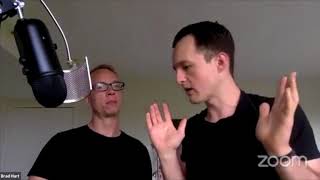
Cam Adair quit gaming after a decade-long addiction and built Game Quitters into a platform reaching 50,000 monthly users across 81 countries. He recommends a 90-day detox, journaling, and peer support to break the habit, and grew the community through SEO, Reddit engagement, and speaking tours.
Questions this video answers
Jan 24, 2018 (live YouTube/podcast livestream).
About 10 years.
About 50,000 members/users per month across 81 countries.
Approximately 90% male; core age ~23 (college-aged); on YouTube 48% are aged 25–34.
About 27 hours/week gaming and about 27 hours/week on other online activities (porn/browsing), ~54 hours total.
Chapters
Welcome to make More Marbles. My name is Brad Hart, and we're here to interview the game changers, the future makers, the co collaborators and creators who are here to collaborate with one another towards a better future for all of us. Enjoy the show. We've got a great guest coming up for you right now. What's up, everybody? This is exciting.
All right.
We're going live on Facebook. I am super stoked because today I've got Mr. Cam Adair on the show. What's up, Cam?
What's going on? This is what we're using. Yeah.
This is the mic right here. This is where the magic happens. Say hi to everybody.
This is where the magic happens. Because we're in your bedroom.
Oh, also my office. It's a dual purpose room. We got a beautiful view out here of sunny San Diego, California. And Cam, since he's my neighbor and we surf together, figured we'd just have him jump on the show. We'd go live on Facebook.
Why not?
So Cam is the founder of Game Quitters. If you're not familiar with Game Quitters, you need to get. Yeah, go ahead and give it a Sherry share. If you are struggling with any type of video game addiction, if that's ever been an issue for you, Cam has a bunch of really great content about that. He's been featured in a lot of really great publications lately and on TV shows.
There's way too many media interviews this year. Way too many. But I mean, all of them. Forbes, abc, Vice, where else? So many. A lot we can talk about that. How to get media, how to kind of, like, share your story in a way that connects. And, you know, I was talking to our mutual friend Eric James yesterday, and one of the things I was describing to him was about how, you know, where there's smoke, you can kind of fan the flames and really use that as an opportunity to really blow things up. And I've done that a couple times this year. I have some plans of how I'm going to do that in October coming up. And I think that it's a strategy that can work really, really well for people if they understand some of the key fundamentals.
Awesome. So we're going to talk about how to get pr, how to blow up your brand, how to not blow up while you blow up your brand. Because Cam has been under a lot of stress lately with just everything going on, and he's hiring and he's trying to expand. He's trying to stay in his flow. So we always talk about different people's Flow and what they're really great at and why they should stick to that and who they should be hiring in order to stay and flow. So we'll talk a little bit about that. We'll also take questions to the audience. I just want to give shout outs. Steve, Miguel. I'm addicted to you, baby, too. Thank you, Jillian. Thank you so much for jumping on. Nicholas, Jason, we got. Ryan's here, Got Mary. You guys are awesome. Please do share this live feed if you want to learn more about this and you think your audiences would be interested in as well. Dominic, what's up, brother? Thanks so much. So, Cam, let's just start it out with this. So tell us about how game quitter started. What was like the moment where you're like, all right, this is something, you know, it's got to change. I can change it. And it's something that must change, really, in the world.
Yeah. So game queries came from my own personal journey. So I was addicted to playing video games for 10 years. Dropped out of high school, never graduated. My friends were off to college, and I was living at home in my parents basement, gaming up to 16 hours a day. Super depressed, I began to pretend to have jobs. I eventually wrote a suicide note. And that's kind of the night where I knew I needed to make a change. And the initial change was seeing a counselor. And the deal that this counselor and I made was that I either had to go on antidepressants or I had to get and keep a job. And so I decided I'm not really big on antidepressants. So I got a job at H and M. And that was kind of the beginning of that journey. But what happened was I committed that if I wasn't going to end my life, I had to do the complete opposite, which was to truly try to realize my potential, to truly see, you know, if I applied my talents, if I actually went for it, like, what could I actually achieve? So for two years, I was kind of, you know, trying to improve my social skills, working on different goals, working on my personal development. And then I relapsed. And when I relapsed, I started gaming 16 hours a day again literally overnight. And that happened for five months straight.
So it almost went from you were doing it, you stopped, and then you relapsed. And it was even worse for.
And for me, it was like, how did I go from not gaming for two years to gaming 16 hours a day and doing it overnight?
Yeah.
And I realized there was something else that had to be going on. And when I began to investigate what that was, I realized that I was gaming for specific reasons. So I was gaming to escape. I was gaming to socially connect. I was gaming to see growth and progress, and I was gaming to feel a sense of purpose. And those were the reasons why I was gaming. It wasn't just because games were fun. What I thought about was, you know, I'm probably not the only person in the world who is struggling to quit playing video games. And so I looked online for what the advice was at the time. And the advice was stuff that, you know, doesn't work. So, you know, go hang out with your friends when all your friends play, or go study more when you're playing games to avoid studying. And I thought, you know, what, if someone is genuinely searching for an answer to this problem and that's the advice they're getting, then they're going to look at that and be like this. This doesn't get me. This doesn't connect. This person is a parent who thought it would be a good idea to write an SEO optimized article on how to quit playing video games and to give some advice that's super predictable and doesn't actually work and actually just causes someone to check out and go back and game. So I shared my story. Hey, gaming is up your life. I'm a real gamer. I'm a hardcore gamer. This is what I learned and this is how you can take that and apply it to your life. And the article just blew up.
So by sharing that hero's journey, just to kind of get a sense of the messaging here, because I think it's gonna roll really well into the pr. So you were able to talk about you as a character. You talked about your desire, you talked about your conflict, right? You wanted to get your life straight up, but gaming was just like your dragon, right? It was this thing that you couldn't escape from and you decided to go all in. You relapsed, you had a few different twists and turns, but ultimately you were trying to stop gaming. And that was what you were trying to achieve. And then as a result from this whole journey of getting yourself to stop gaming, you learn what worked, what didn't, and you were able to transform yourself in a way that not only resonated with people out there who really got it, or just parents trying to do a good deed. And, you know, not anything as the parents, they're obviously trying to help, but they didn't really get it like you got it. And you couldn't really speak they couldn't really speak the language that these kids were speaking. So as a result, you were able to create this narrative, these two heroes, journeys, if you will, of both overcoming your addiction, but also what you had to learn and transform over the way. So what did transform for you, Cam? Like what really changed that was like, no more, never again, I'm done. And this is going to be my life from now on is helping and serving others.
Yeah. So I mean first from a personal standpoint, I knew that to game would mean to do the bare minimum. And if I was continuing to game, I would only do the absolute bare minimum I had to do to be able to pay bills and survive and then maximize the amount of time that I could be off gaming. So that was the decision for me to not continue to game. Even the moderation was, look, I actually want to achieve more with my life. I actually want to see what's possible. And if I'm gaming, I'm never going to pursue anything else. So that was on the personal side. Now, from a business perspective, for four years after writing that article and then having a TEDx talk come out that also had a good response, I didn't actually create a business. And the reason was I was trying to get myself ready. But I got to a point where I realized it was almost like a responsibility. I had to actually create a platform for this because there were thousands of people reaching out to me every single day all over the world saying, hey, I want help. I struggle with this too. And all they had for four years was one article and one TEDx talk that was fairly basic. So I felt this responsibility and I felt like no one else was going to try to solve this problem. No organization, no government, no one was going to do it.
Certainly not the game manufacturers who are spending billions and making billions on these games. I mean, I've toured like Blizzard for example, their launch studio or whatever you want to call it that they use to run World of Warcraft is like 25 people working around the clock. It looks like the space shuttle launch at NASA. It's incredible.
They have billions of dollars here. You know, they employ state of the art, world class behavioral psychologists on staff. I mean, they make these games as they should in a lot of ways. I'm not gonna say it's morally wrong, but they make these games to be as engaging or fun or stimulating as.
Possible and therefore addictive.
And therefore there is potential for addiction if you're at risk. And I just felt like I had to do something. And so I eventually Got to a point where I kind of said it, you know, I will do something. Fine. I'll be the person to kind of go out there and start making this and, you know. Now Game quitters is serving 50,000 members a month in 81 countries around the world.
Wow. So it's been four years since the beginning of the journey.
Two and a half with Game Quitters.
Okay, got it. So game quarters started two and a half years ago and now your current metrics are about 45, 50,000 people a month are checking out your content.
Yeah.
And then of that kind of tell me what some of that breaks down to. So, like, how many people are watching videos? I know you have a podcast now, is that right? We have a podcast, yeah, you have a podcast. So kind of talk some of the metrics of that and then what you've learned in getting to where you're at and what you would do differently maybe if you had to start over knowing what you know now.
Yeah. So just to give you an idea of just demographics even, especially amongst platforms, so, you know, we have a YouTube channel, we have a free community forum, we have a Reddit community, we have a live chat community, and we have an online program, all of that stuff, podcast. And so our main demographic is kind of a 23 year old male college student. About 90% of the community are male, 23 years old college student. What happens is you're able to get away with your gaming addiction in high school. You get to college now, you don't have parent supervision, you are more independent. You, you have harder classwork, more responsibilities, and you have more stress. And the way you deal with stress is you game. Gaming then gets you behind on class, so you're more stressed, so you game. And that's where the cycle happens eventually, where maybe you fail out of class, fail out of college. And now we're finding research that's found men in their early 20s, their employment rates are dropping sharper than any other group. And economists right now are wondering, where are all these men? Like a guy in his early 20s, if he's not going to school, you would expect him to be in the workforce, but he's not. And actually they found that 75% of the time that they used to spend going to work is actually being spent on gaming. So there's a lot of men in their early 20s who were just kind of stuck at home gaming. And now 48% of our audience on YouTube is between 25 and 34.
Wow.
Which is interesting because YouTube would typically be a younger platform, but 25 to 34. So who is that? Well, those are people who have maybe finished college, maybe failed out of college, maybe they have a family and now they're not very present with their kids or not present with their wife. They're maybe working a job, but they come home and they're just gaming. So they're very much living this life of go to a job that you're not super passionate about, come home, you're tired, you just want to check out from the day, so you're just going to go and game and you're not really living a life that's super fulfilling for you. So a couple takeaways I would just share first for people listening to this, number one, find where your audience is and go to them. Got it. So typically therapists ask me, I'm a therapist, I want to help. How do we get people to seek help? Only 5 or maybe 10% of people who actually have a problem with mental health or addiction will actually seek professional treatment for. But there's this 90, 95% of people who need help or want help don't seek help for it. So how do we get in front of them? Because that's a lot of people. Yeah. And so what we do is we're on Reddit, gamers hang out on Reddit, we're on YouTube, gamers hang out on YouTube. And we've created a forum, Right. I tried to create a Facebook group at one point, but gamers are adamantly against Facebook for privacy reasons. So we started a forum, right? So we started a Discord chat where people can live chat with each other. So go to where they are and put your content in front of them. Cause then they find it. And then if they connect with your content, then they'll come back to your site. Right. Instead of just hoping that they magically find you.
Yeah, I like that. Because like, you know, I've seen Twitch just take off in the gaming community, people playing live video games and then watching, you know, people watching themselves basically watch other people play live video games. And you can talk about why you think that's a good idea or not, but the fact is that people are doing it right and they're getting better at games and they're learning and they have a community, they can leave comments. And I think maybe, and maybe you've tried this already, but from an advertising perspective, that's exactly where you need to be. And you have to come at it not as like, hey, you're screwing up your life by playing video games. No, if you think this is a problem, we're here to help. No pressure. Come check us out. And just get that name in front of people, you know, Game Quarters. Game Quarters. Game Quarters. So what have you done in that realm? I mean, you know, I know you've done a ton of pr. We could talk about kind of your strategies there as well, but what have you done to really get this message in front of people besides organic so far? Because that's really where it starts to scale. Once you can pay for a customer, then ultimately you have a business. Until then, it's kind of, you know, it's. It's inconsistent at best. It can be lumpy. You get a bunch of press, and then it kind of dies out, or you're trying to serve a bunch of people, and then it dies out again. So what are some of the ways you've consistentized this? I guess it's a terrible word I just made up.
So. I mean, one of the number one ways that people find our community is they literally type how to quit playing video games into Google or YouTube. So that alone, if someone's looking for help, that's by far going to be the actual search term that they use. So that alone, I believe 5,000 unique people come to our site from that alone every single month. So that's. Number one, what are the actual terms and phrases that people who are actively seeking help are looking for? So that's where we start. Number two, just like you said, we're very intentional about navigating what the conversation is for someone or what the obstacles are for someone who will feel defensive from this issue. So what we do is even in any media I do, any podcast, any content, I say right off the top, look, I'm not against gaming. I'm not here to say gaming is bad. I'm not here to say you should play or you shouldn't play. I'm just here to say, look, if you're someone who wants help or has identified that maybe you're struggling and you're open to support, we're here. And if not, like, go do your thing. We're not against gaming, even though I personally think gaming is a waste of time and there's a lot of other things that you can do that are far more productive. Right?
Because life is awesome. That's your tactic.
Life is awesome. I mean, at the end of the day, like, it's not like I'm spending eight hours a day watching TV either. And so when someone makes the argument, well, gaming's not any Worse than tv. First of all, that's a whole different conversation. But that doesn't mean that you should just be unproductive with half of your day, eight hours tv, eight hours gaming, who cares? There's so much else that you can do, right? But if you're talking to a gamer, he's gonna be very defensive about the fact that society thinks that he's a lazy virgin, he doesn't shower, he's wasting all his potential. So you have to actually navigate that conversation, especially in your marketing and in your content, in your messaging to say, look, I'm not going to attack you and say that you're like your life. But if you want help and you have this knowing that you need to make a change, then we're here to help you. First of all, because we're real gamers, we get it. Second of all, because we have resources that actually work both from, you can read the stories of people who have quit and you can actually just look at the scientific research we've done with professor in Australia of the program actually working.
Nice.
So if you actually want real support, we're here. And if you don't, like, go do your thing. We're not here to tell you what to do, but we are available. Got it.
So you talked about Reddit, especially as a community for gamers, and I've noticed that Reddit is probably one of the hardest marketplaces. I don't even know if you call it a marketplace, but the hardest communities to really gain traction is because the BS meter is like through the roof on Reddit. So anybody that comes across as even a little bit, you know, might be trying to sell something or might, you know, be acting in a way that would be considered markety, they're gonna be all over that and downvote you and everything else. So I've never really played in those waters. But I'm curious because it's so much of your audience is like, what are some of the things that are working on Reddit with regard to that? How did you kind of first start getting into Reddit? And then finally, what would you recommend if people, you know, besides the obvious BS factor, What are some of the other things that people just don't know about Reddit as a platform compared to.
YouTube or others, Reddit's super challenging. I certainly have dealt with a lot on Reddit. The main thing is that Reddit is very much against any self promotion. And so for me, I've been, I've tried to be creative with that and at the same time. A big part of what I did was I actually joined the community and became like a member of the community before I ever started posting any content. So I would go and I would answer people's questions. I would just. Any way I could actually serve someone, excuse me, who is, who is on that group in a way where it wasn't about me. Right. So when someone looks at my post history on Reddit, they're gonna see, you know, a couple times where I've linked a video or a piece of content, but they're also gonna find like 4000 other posts where I've been there, like actually genuinely answering people's questions.
Wow, 4,000, that's amazing.
Like a lot. Like probably actually even more than that. But the point is, if you want to be able to post your videos on Reddit, you have to come across as you're not self promoting and you're actually a member of the community. So now I'm a moderator of the community. I do post some content, I post our podcasts, but it's always coming from a place of I'm a member of the community. So I kind of have some of that leeway now. But I also have to be very careful. And I still go in there, I still answer questions.
The tide could easily turn if they feel like, oh, cam, sold out or whatever the story might be. Right, okay, cool. So with regard to Reddit, I think the key takeaways there are just be a good person and get on there and help people.
Right.
Become a moderator if you can really give back to the community in ways that aren't self promoting. And then finally, once you have that kind of credibility and trust establishing kind of people know you are and you've been on the thread for a while, it might be worth starting to dabble in a small way with some of your own content that doesn't seem too cheesy.
One of the ways I did it was, you know, I took essentially the top 10 questions or the top questions that I would see people post and I turned those into videos. Right. So then those can be linked back to people, whether it's from myself or someone else in the community. As, you know, someone's like, hey, how do I deal with cravings? It's like, well, if you have a super high quality piece of content on exactly how to deal with cravings, then someone can say, hey, here's a couple of things on cravings. By the way, watch this video, it has more information. And now they're going to your video. They're Learning and maybe they want to go check out your website or whatever.
But that's generally accepted as a practice.
Yeah, that's, that's what I've done. And again, you know, you have to do it sporadically. So if you're new and you're looking to, you know, maybe submit your article to a subreddit, I think, you know, number one, you should spend two or three weeks actually developing relationships with people in that community and then you'll maybe post a piece of content. But don't post content all the time. Right. Make sure it's more infrequent, but you're developing relationships.
I like that. Okay, cool. So one of the things that I think a lot of video gamers, and maybe you have corollary kind of data on this, you've done the research. But one of the things I've noticed is that pornography addiction or anything to do with kind of going down the rabbit hole on the Internet, plus video game addiction, do they tend to correlate or have you seen that data or.
Yeah. So most of our community struggles with gaming, porn and the Internet. Got it. And so the way I would relate it is, you know, they game because they want to see advancement in their life. This comes from our own research. So advancement and to escape gaming is fully immersive. Right. So, you know, whatever is happening in life, you can go and game and you don't even have to think about it. The problem is when you turn the game off and you look around your room and you're like, shit, my life is in the same place. Right. Because nothing's changed. So people game to feel a sense of advancement and an immersive place where they can escape for the connection that they desire. They can go watch porn. Right. It's a false sense of connection, but it is a sense of connection. So they watch porn and then for all the rest of their time where they're bored, they can just mindlessly browse the Internet, watch people play video games, watch other people live their life. And from our research, we found that 20. The average, the average amount of time someone games in our community is about 27 hours a week of gaming and about 27 hours of just other online activities which could be pornography or anything else. Porn or just random browsing. So that's like, you know, almost 60 hours a week.
Wow.
That people are just kind of checked out.
It's more than a full time job. Yeah.
Wow.
Okay, so. All right, so let's talk about this from like an addiction perspective. So there's Four main chemicals that you know, and I use the acronym dose to remember them all. So you have dopamine, oxytocin, serotonin, and endorphins. And then you have one major pain chemical which your body, you know, kind of looks at. Like anytime you have cortisol, it could be a lion, it could be a really stressful situation, or it could just be a bad day, you know, or like, I stubbed my toe and that produces cortisol. But your body can't really differentiate. It thinks it's all murder by lions.
Right?
So anytime you feel cortisol, you know, you go after one of those four chemicals. So we talked about some of them, like that sense of achievement, that's all dopamine, right? You can go do cocaine or you can play video games that uplevel, right? Endorphins typically come from working out or being in some danger or pain and then getting out of it. Serotonin definitely comes from, like, Facebook, peer approval, that sense of achievement. And then finally, oxytocin is more of that pornographic addiction, right? That's like that connection with self that would normally come from cuddles, snuggles, sex, hugs, just human contact, physical touch. So thinking about this dose, like, what are the ways to kind of unhook or decouple that addictive train or that bad habit and then replace it? Because we know, you know, for the power of habit and other works that you can't really just, you know, remove a habit in a vacuum. You have to replace it with something positive. So what would be some of your best recommendations for people to do that?
So number one is we recommend a 90 day detox.
Okay.
And we recommend 90 days cold turkey from gaming or from porn or, you know, any sort of kind of negative addiction or habit that you're having. I'd recommend 90 days. We've had people do it for sugar and food and other things. 90 days is important because that's what research shows. It is the amount of time it takes for your brain to come back to normal dopamine expectation levels. So what happens, as you mentioned with dopamine is if your brain is used to this level of stimulation and real life plays here, well, then real life is boring. And so there are actual structural changes that happen to your brain because of that. So number one is numbed pleasure response, so everyday activities don't really satisfy you. Number two, hyper reactivity to gaming, which means that gaming is really exciting and life is boring. It's the contrast between the two. And number three is Willpower erosion, which happens due to changes to your prefrontal cortex. So even if you wanted to quit or if you wanted to change your habits, well, you wouldn't have the willpower to do it anyways. So it takes 90 days for your brain to come back to normal levels. That's really important. So commit to 90 Days and you can learn more about that. Gamecore.com detox Now, 90 Days is also important because that's the amount of time it takes to develop sustainable habits. And for attachment theory, because to quit gaming is like to go through a breakup. And if you've ever been through a breakup, you know that, you know, initially, like even physically, you're having a response where you actually like physically miss your partner. And so same thing with gaming or any addiction. There's a period where you're going to go through kind of like a breakup phase. And 90 days is generally what it kind of shows for attachment to kind.
Of reduce oxytocin withdrawal, endorphin withdrawal, dopamine withdrawal. Yeah, all that.
So during that time, you know, there's two really important things, which is awareness and intention. So awareness is why were you drawn to games? Or why were you drawn to porn? Or why are you drawn to. To Netflix or food or sugar? What's it fulfilling for you? And I don't ask that from a rhetorical place. I mean, genuinely, what are you drawn to this for? Like, what needs does it fulfill for you? For gaming, that was escape, social connection, constant measurable growth, and the FELA sense of purpose. Those are genuine human needs that we have, but we can fulfill them in other things, right? I can go surfing to escape. I can hang out with my homie Brad.
Taco Tuesday.
Taco Tuesday. For social connection, you know, to see growth and progress while I have a business, right, I go surfing, I dj, and to feel a sense of purpose. Like, I'm very in touch with my why, you know, growing game quarters, being able to make an impact. I just went to Tanzania. So you can fulfill these and other things, but it's the intention to fulfill them and other things. Now, initially, you might not be very good at it. You're entering a new chapter of your life where maybe your level of competency around remembering to go surfing for stress or to hang out with your friends so you're not missing that social connection, that skill development or that competency can be low, even though your need for it to be very high is very high and urgent in the moment that you quit, whatever addiction. So intention scheduling your day Having an agenda, being really, really intentional with how you spend your time and planning ahead, being proactive so that you're not in a situation where you're like, well, I'm bored. I have nothing to do, so I might as well watch porn. Or I might as well game. Or might as well go on social media, right?
Because the demons get louder as you have this vacuum, something's going to fill it, right? So if you're not filling your time with productive activities, so what do you recommend? Like having a sheet of like, okay, these are the to do lists, these are the not to do lists. And just kind of like, you know, focusing on those things and just keep doing stuff, or just forcing yourself to get into that habit. Because at the beginning of building a habit, it's all willpower, at least for the first couple weeks, and then it starts to kind of grow and eventually willpower is not necessary. You just do it.
Yeah. So a couple of recommendations. Number one, your mindset's one day at a time or one hour at a time. Just get through the next hour, get through the next day, get through the next activity. Number two, there are three different types of activities I would recommend people kind of commit to. So that's something mentally engaging, something where you can. It's a skill you can develop, learn a new language, learn. Join a martial arts club, start a side project, start a side business, like something that is really engaging for you. Number two is something you can do at home when you're tired and bored, right? So when you get home from the day and you just want to relax, what are you going to do? So reading, cooking, listening to podcasts, anything like that, drawing or coloring, anything like that that can kind of occupy you. And it doesn't take a lot of energy, but it's something you can do when you're at home and you're tired and you're bored from the day. And number three is something social. So what activity can you have where you're able to make some new friends who have interests in something other than the addiction or the habit that you were just using? So if you're trying to stop drinking for 90 days, you're going to need to find some new friends who don't just like to go out and drink. Right. So finding some sort of activity or meetup where you can find those friends will help a lot. But, yeah, scheduling it into your calendar, having a list in your phone, having a list of, like, I see you have, you know, different resources on your walls here, and I'm Sure. It's because you want to be reminded of them, Right. So can you write activities on a sticky note? Like, how can you kind of get it in front of you as much as possible? Sometimes I'll change the wallpaper on my iPhone if I need to be reminded of something. So whatever it takes, that's what you should do. But finding some different ways to remind yourself definitely helps a lot. Yeah.
And what I do, and you can see it here, is index cards, right? So there's three basic areas of my life. There's health, wealth, and relationships. In every area, I just have. If it doesn't fit on an index card, it's too many things. These are the reminders of the things that I need to focus on for relationships, wealth, and health. And that's it. And if it doesn't fit on the index card, it doesn't go on there. Next month, it'll be a different index card.
So in the moment when you're feeling, like, triggered or more emotional, like, how do you bring those reminders back into your life?
Well, I'm looking right at them all day.
What if you weren't here?
What if I wasn't here? Yeah. So for me, I would just say, you know, I've done a lot of Tony Robbins work, right. I've done ten different Tony Robbins. So I would first try to change my state. Right. Am I getting enough water? Your brain immediately slows down when you get, you know, dehydrated and you're more willing to do different things. I don't drink anymore. I've conquered that in my life. I have a certain set of belief structures that kind of will take over. But I think in that moment I'll just try to focus on changing my state, which is changing my physiology, my focus and what I'm saying. And then when that has changed, then I can usually make more empowering decisions. And it starts with that, right? If you're in a shitty state, you're gonna do shitty things.
So simple.
Yeah. So, yeah, if you guys just radically change your body and what you're doing with it, do 20 push ups and there are, you know, a couple squats or just take a run down the street. Like, I'll. I'll literally get up in the morning, I'll feel like crap because I didn't sleep well or because I didn't get enough sleep, and I'll just say, all right, well, leaving all that behind for a minute, throw on my favorite, you know, Sia or Martin Garrick's or something, I go Just run in the ocean. Then I jump in the ocean, I scream at the ocean if I have to. Whatever it is, just to get whatever that is going on out and just be done with it. Get my body moving, get my blood moving, get breath, get oxygen. And then from that place, then I can start to address the things that are now minuscule in comparison that would have crushed me in a bad state. So that's kind of how I do it. But everybody's different and everybody has different energy levels, but, you know, striving towards a thing that you can always go to as like a break glass in case of emergency. Because we all have days, guys. Like, I don't want you to get the sense like Cam is always great all the time or Brad is always great all the time. It's just not the truth. Right. We have days where it's like life is, you know, trying to stuff ten pounds into a five pound bag and beat us to death. You know, And I know we all have these days. And just having those break glass in case of emergency people in our lives habits, you know, do this thing, you know, before you do that thing is just a lifesaver because you're now you're not undoing all the progress you've made.
Yeah. And being aware of what your triggers are. Right. So for me, like, anxiety is a very real experience that I have in my life in a lot of different ways. And ironically, the more I've kind of cultivated an ability to be aware of that emotion, I experience, I look back on my life and I see so much of my behavior when I was a teenager and a kid, and I'm like, I had no awareness of it, but I imagine that's a big part of why certain things happen. So I'm aware of anxiety in my life and I try to pay attention to, you know, what are the red flags? So am I breathing right? Am I feeling like kind of I want to. I want to get out or escape? And I pay a lot of attention to what are some of those triggers for me, so that when I notice that I'm experiencing them, I immediately go, oh, okay, I'm feeling anxious. Okay, why? And where is that coming from? And I begin to make that shift. Right. So the more aware you can be of the different emotions you're experiencing or the triggers, the more you now have the ability to influence them in the direction that you want. But if you're not aware of what they are in the first place, well, then you're not gonna be able to do Anything about it. Just want to say hi. People just want to say what's up to Matthew and Diego and Devin and I saw Iris was here, so shout out to anyone from Gamecore that's on here right now.
Yeah, we got Devin, Justin, Christian, Chad. Devin, do you want to get some book recommendations? We'll definitely do that in a second. Diego, welcome. Chrissy, welcome. Tiki, Matthew, David, you guys are awesome. Thank you. Brad, David, Lisa, Jeet, April. Wow, a lot of people tuning in. Tom, Marco, Raji, always love to see you on here, guys. Thank you. David, Amber, Miriam, you guys are awesome. Thank you. And happy birthday, by the way. Chris.
Awesome.
Janine, Gary. Rock stars. All right, cool. So a couple book recommendations. What are the things that people should be reading, do you think?
The Slight Edge by Jeff Olson. Love the slight edge. The Power of Habit by Charlie Dohig.
Yeah.
Is that how you say it?
Dohig?
Something like that.
D u h, I G G the.
Power of Habit, Darren Greatly by Brene Brown, I think is a masterpiece.
She has the top TEDx talk too.
I'm coming for you.
How many is your have now?
We have like between both of them, I think we've crossed like 6,600 thousand views.
That's awesome, man. Congratulations. Yeah, Brene is the top. I think one one in three. I think she holds. And then I think Tony Robbins is up there too. A couple others.
That book really helped me understand the power of vulnerability and the way that shame was really impacting my life, especially from the different emotions and the different decisions I was making. So that one was really important. The slight edge for me allowed me to go from being a procrastinator, a perfectionist who never actually took action on anything, to being able to take action. Because I started to recognize that, look, if I just do it one day at a time, those small changes compounding over longer period of time will really actually produce major results. So even with YouTube, you know, when I started YouTube, I committed to one video every single week for three years because I knew that if I just did it one video at a time and tried to improve each video a little bit each time over three years, then that would turn into an asset and a platform that I could then be able to use, you know, in whatever way. But if I waited till my videos were perfect or I waited till I somehow had a hundred thousand subscribers to start, then I would never start. Right. So just one video consistently each week, improve it a little bit each time, and trust in the compounding interest of time. That's really where I would get to. So this Live Edge is a book that really helped me with that.
That's awesome. And I always talk about the 1% rule, but I'll just reiterate it here. If you can get 1% better every day, I'm not talking 10% or 100% better. 1% better every day after a year is not 365. That would be addition compounding. It's 3,778% better. So you're 38 times better than when you started at with anything in life. And you can always focus on 1%. That's awesome, Cam. So we talked about gamequarters.com detox. Do you recommend any other tools at Gamequitters that people should check out when they're getting started on their journey in any type of addiction? Because you know, even if it's. That's the medium and there's certain specific things about video game addiction that are obviously unique. I think addiction as a whole, I've talked a lot of addiction therapies. Like it's a similar pathway. Right. It's a similar type of thing that goes down. So what would you recommend for people who might be addicted to something slightly off base here, but still might, you know, get a lot of value out of it.
Yeah. So first I'd recommend that having a peer support community or having, you know, a community that you can be open with and really engage with is really important. So I would recommend, you know, joining the Game Quiz forum and then starting a journal. And the journal is really important to understand what your emotions are, to process your experience and to be able to share with other people and get feedback from them. Right. So you're not alone and you don't have to do it alone. In fact, doing it alone is probably why you are where you are, where you're not where you want to be. Right. So surrounding yourself by other people, whether it's online, if you don't have that support group right now, find it online and the Game Quiz forum, even if for you, you don't resonate with gaming addiction, the community's open to just wanting to help you be able to live the best life that you can. The message may be, or the topic may be around video games, but the message is really about living a great life. And so yeah, you can definitely do that. And journaling is just therapeutically proven to really help. So that's number one. Number two is YouTube. You know, we have 150 videos for free on YouTube. Any question on this subject is answered on there. And even though the content is again on gaming, the lessons are really applicable kind of across mediums. And so I have a friend, Christine, who's one of my oldest friends. She's great, she's a new entrepreneur, just opened her own dance studio. So really excited for her. And Christine, I know watches my video sometimes and she had, I don't even know if she's ever even played a video game, but she says that she gets value out of it. And so regardless of whether gaming is something that you care about or not, I think you can take the lessons and apply them into your own life.
And I just want to add one more because this is an anecdote from my own life is Frank who you know now and myself, we both did a, I did 18 months, it started as a 30 day challenge and he did a 12 month challenge on quitting alcohol. So we just decided one day we're going to make a video about it and you would think like it would just kind of go off into the world and do nothing and whatever, a few people would watch it. But I've gotten no more. No less than a thousand people reach out that particular video. We spent 22 minutes talking about our, you know, kind of different things around alcohol. And you never know. Guys like you got to be able to share your story because it helps others and you have no idea how many people it could possibly help. We were the number one result on quitting alcohol on YouTube for like a year. So so many people watched that video, got value out of it, wrote in, emailed, downloaded the guide like it doesn't take much but your contribution, once you've gotten pieces of this figured out for yourself, could, you know, impact so many people. And they're going to want to hear from you because everybody's a little bit different, right? You might not want to hear from Brad or K, but if you share your story in your way, somebody might resonate with that. You might change somebody's life or a lot of people's life. So I think it's worth looking at is like, you know, to keep yourself accountable because now every time somebody emails me I'm like, well, I'm not gonna go back to drinking. You know, I can't be that guy anymore. It's, it's worth thinking about like it's another way to get leverage on yourself and also help others.
And what I'd love to say is that I feel like, I mean Game Quarters is just an example of, of the power of your Story to create a movement to impact millions of people. And I believe that we all have that story. We all have a story inside. You know, it may not have to do with addiction or overcoming adversity, but, you know, even I was talking to a friend, and he's currently taking care of his mom, who, you know, is very ill and, you know, on her last kind of years. And that's a very challenging experience. And, you know, I was talking to him about it, and he's like, you know, Cam, I understand that we all have a story to share that can impact people, but, like, I don't have one.
Got it.
And I think, like, dude, how many millions of people out there right now are taking care of a family member who is sick? And what about the impact on you when you're going through that experience? I have a friend who had to take care of our friend who passed away from als and for two, three years, as he was his main caregiver, that was a really challenging experience. How do you find your own time? How do you emotionally come back after spending time being a caregiver and then having to go in and work on work projects when you're kind of living this experience of life is short. Right. And people in that position need support, too. So if you're willing to be courageous, to share your story. Excuse me, Open up and just let your story speak for itself, then the people who resonate and connect and get value out of that will find you. And that could potentially turn into an entire community, an entire movement that can impact millions of people. And so we all have that story. So I just want to encourage people, start sharing your story. Whether it's you experience anxiety or you're scared about being vulnerable, or you have a dream, but people don't believe in you or whatever it is, share that story. Because by opening up, that allows the rest of the world to connect with you. And now that could actually turn into something where you can help people. Yeah.
And ultimately, I think we all, at the end of the day, want to feel like we're part of something bigger than ourselves. And by doing that, you're giving people permission just by listening your video. That might be the little thing that just brings them into the fold and creates more connection among humanity. We have so much news media out there that's just telling the world how terrible it is. But, you know, and that's. I get it, right? If they put a headline that said 99.999% of the world today was just fine, nobody would watch it. But at the same time, like, not everything is war, rape, murder, death, destruction, bombs, Trump, you know, nonsense just on the news that makes you crazy. Most of the world is doing great. And if you can bring more positive messaging to the world, it gives people an opportunity to really tap into the joy and the abundance and the good stuff that's actually happening all around them and not just get into a hole where the world is terrible and they don't care. Because without a reason, without a strong enough purpose, nobody will ever pull themselves out of addiction. They need to have a why that's strong enough to bring them back into the fold. And from that place, oh, my God. I mean, we're unleashing so much potential if it's not being wasted, you know, And I'm not trying to judge anybody and what they decided to do with their life. That's not the point. I'm just saying that I see the potential in everybody. Right. And I think you do, too. And if. And if you really believe in the potential of humanity and what we can create together, you have to share your stories. That's how we're wired, is to resonate with stories.
So. Yeah. And do it in whatever way you feel called to, whether it's writing a post on Facebook, you know, on Medium, making a video on YouTube, making a video on Instagram, going Facebook Live. Like, do whatever feels most authentic to you. And just know that by you sharing your story, it's not about you.
Yes.
It's not about you sharing your story, because, oh, you're so special that you need to share your story. It's about, does your story have the ability to impact one other person? Yes. And if it impacted one other person, is it worth it for you to open up and share your story? And of course it is. Yeah. Right. So start sharing your story, because you don't know who's going to see it and how that's going to impact their lives. And when I shared my story, I did not know that it would turn into what Game Quarters is now. And Game Quarters now is this really crazy, awesome experience. And it's so much bigger than me. I'm just a part for the ride, and I'm just doing kind of what I can to apply my talents in that direction. But it all came just from me sharing a vulnerable story. And so you never know how things can work out. But I can guarantee if you share your story, someone who's meant to see it today will see it, and that will make a difference.
Absolutely. And since I want to reward the people who stuck around to the end. Cam, why don't you share your top three tips on when you have a platform? I have a lot of influencers watching, David, I see you there, et cetera. Who, you know, want to get pr, they want to get more. You know, they're kind of already where you're at and they want to be, you know, featured on more different things. Like what would be your top two or three tips for them?
So first, in your network you have a lot more people who are connected to people who work as journalists or in the media than you think. So in March, I did 25 media interviews in five days. And all of that came from me just posting on Facebook saying, hey, does anyone in my hometown have any connections to the media? And a couple people got tagged. And then I knew the next tip, which was, you have to understand how to create a hook for your story. So my hook, and I have a whole blog post on this of like exactly how to get media. But the hook media cares about something interesting, something local and something timely. So when I was going back home for a speaking gig, that was the timeliness I was going to speak at this charity. Something local was, I'm born and raised in that hometown. I don't live there anymore. So I didn't say, you know, I live there. I just said, you know, I'm a Canadian or Calgary born entrepreneur. And then something interesting is we're solving video game addiction worldwide.
Yes, it's working. And the data and the science to back it up.
So I said, hey look, my name is Cam, I'm a Calgary born entrepreneur coming back home to give a speech on how we're solving video game addiction worldwide. And would that be something you guys would be interested in writing about? And if not, you know, here's another idea I'd be happy to do kind of warning signs for parents to pay attention to. And really I'm just looking to bring as much value to the audience as possible. And I'm open to suggestions. I like that. And that's all I put. And then, you know, one media outlet picked it up. And then when one wants you, they all want you, right? And then you can start sending it out to all the other ones and be like, hey, we just wrote this piece, do you want to do an interview too? And next thing you know, it was like 25 interviews in five days. It was totally crazy.
So it just started with one. And then you can start trading up the chain too, because once the lower local stations pick it up, maybe you'll get bumped.
So how I'm applying this right now is so I go to Burning man in two weeks and then I fly to Portugal for a month and then I come back in October and I have a speaking gig in San Francisco, one in San Diego and one in Phoenix. So I have three. So that's cool. But I also pay attention to like, from a marketing campaign standpoint, how can you really blow things up? So looking at three speaking gigs in three weeks in three cities, what if I turn that into a whole kind of speaking tour and then reached out to a bunch of high schools in each city and say, hey, look, I'll come speak. I'll even speak for free, or I'll speak for a small honorarium. But I want to get between 12 and 15 speaking gigs in that three week span in three different cities. Kind of put like a tour name behind it and then reach out to all the local media and say, because now I'm coming to their city to do a speaking gig around this subject and the media is going to want to write about it. So now I not only go and speak 12 to 15 times in three weeks in three cities, but then we have a whole bunch of media coverage around it. And then social media is like an amplifier where social media then is also seeing all this coverage. And then people are like, holy shit, what's going on? You're blowing up. Even though you've kind of socially engineered it all and yeah, sure, you are blowing up or whatever, but it's been like, it's very easy and simple. It's a simple strategy that can actually work, I think, for anyone, if you know how to position your story in a way that connects with media.
And just to be clear, again, that was ask, right? Ask who do you know in the local media to get started, have a hook that's interesting, local and timely and then finally be humble, right? I think that was the key takeaway for me is like, hey, I have this, I have this and I'm open to suggestions, right? I think this is interesting because I want to add as much value to the audience as possible and I'm open to suggestions so that you can get, you know, people if they're not interested. Oh, that last little hook might actually get in the door. And once you have one, you can leverage that to a million others so you can get as busy as you want just by getting one credible news outlet to say yes and it's a decent story. And then, you know, journalists are busy, they just need content, right? And they're usually on the deadline to get more content so that if you can just show up and it checks enough of their boxes, they're happy to support you.
Right. And you know, with the media, just something I'll say is understand why you're doing it. So if you're doing media because you want thousands and thousands of people to go to your website and become customers, it's probably not going to happen. Right, right. We had the second biggest story in Canada all year, over 500,000 views. It was, you know, when people were opening up Apple News on their phone, they were like seeing my name and that didn't convert to massive traffic share website.
But it is awareness and brand building.
A lot of brand building and a lot of awareness. And, you know, people still do see media as this very credible thing. And so the social proof and the credibility that people feel or perceive based on you being on these outlets does matter. So an actual kind of practical example of how that's worked for me is just the word of mouth amongst my friends or my network or, you know, people who follow me on social media. That has been like wildfire since all the media I've been doing because people who follow me have seen it and now they're like, they perceive things as more legit. So now they're telling more people or they're more engaged with the content. So it hasn't been like all these new people coming to the website and converting into customers. It's been more, my friends in my current network really spreading the message more because they have a better understanding of it. Yeah.
And also like, it's less risk on them, you know, from a perspective, like when we recommend things, you don't want to blow back on us. So now it's like legit. Right. And now you can recommend it without fear because, like, oh, he was on frickin, you know, all these news outlets and look how legit it is. And I think that's just like a subconscious thing that you need to realize. Like, people need a reason and they need to lower their risk in doing things. Okay, cool. So I do have to unfortunately cut a little bit short here today, but I want to leave you guys with one thing. The Make More Marvels podcast is all about, you know, how can we add more value through collaboration? So how can we connect resources, opportunities, people and systems together? And Cam, since you've been so generous and sharing your experiences and stories and tips with us, we want to know, for anybody watching at home, for myself or anybody in the community, or people that watch this or listen to this on the podcast, what is a way we can add to your life and help you to achieve your goals faster?
Yeah. So if you know anyone who's struggling with a video game addiction or technology addiction, let them know about gamequares.com game quiz on YouTube. That alone, just the word of mouth from that spreads really, really well. If you know a school or university or a counselor or psychologist or anyone who you think could find value in this, definitely let them know. I also love to speak. I do coaching. So if you have any questions, you can reach out to me and I'd be happy to answer them and connect with you. And, you know, I'm really looking for, you know, Game Quiz for me has been a case study in how I can use the power of my story to create a movement to impact millions of people. And so I'm looking for a couple other people who are looking to do the same in whatever way they feel called to. So maybe there's an issue that you care about, maybe there's an experience you've been through, but you really want to take that and not just become a coach, but truly create a platform to impact people at scale. And so I'm looking for a couple people who are looking to go on the journey for that. So if that's you, reach out to me and I'd love to have a conversation.
You made a great point. It's not just the Kami Dare show, it's the Game Quitter show. Just like it's not the Brad Hart show to make more Marvel show. Right. So you want to bring people into the fold who also want to carry that banner and maybe don't want to go through all the pain of actually building it themselves because it's a lot of work. Right? You've been doing this for years. You know what it's about, Cam. Where can people find you?
So Facebook, Instagram, Twitter, Amrondaire. On most of those platforms, CameronDare.com, gamequiz.com, Gamequiz on YouTube, you can find me. If you search for me, you can find me. And I answer all my emails. So send me an email. I'd love to connect.
Awesome, guys. Thank you so much for being here live. We really appreciate you. Thank you, Cam, for being on the show. Awesome. And we will be back with you soon. Thanks so much for listening to the Make More Marbles podcast for more tips, hacks and strategies to create an amazing, abundant life in your health, wealth and relationships, whatever that means to you. Head on over to makemoremarbles.com check out our cool explainer video about what we're about and join our community of entrepreneurial game changers. We want to help you level up your life in every possible way. And don't forget to subscribe to us on itunes, Stitcher or Google Play wherever you listen to your podcast. And please do leave a review. Thank you so much and we'll see you on the next podcast.
More from Brad

The #1 Reason AI Isn’t Working for You (Yet) #AI #businessowner #founderenergy




What tasks would the best assistant ever be able to do for you? #BusinessSystems #BusinessOperations



Nobody expects you to use a harder way when there's a better way. #AI #businessowner

Which side of the table will you be on in 2026? #AI #Mastermind #BusinessOwner

