Stephen Key Tells All His Simple Strategies for Success
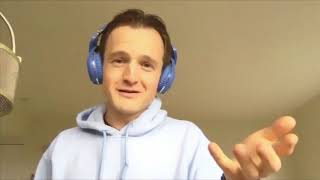
Stephen Key, author of One Simple Idea, shares how he built a career licensing product ideas to companies. He studies existing products, makes small improvements, files provisional patents for credibility, and pitches to manufacturers. His example: a wall ball that caught Michael Jordan's attention.
Chapters
Welcome to Make More Marbles. My name is Brad Hart and we're here to interview the game changers, the future makers, the co collaborators and creators who are here to collaborate with one another towards a better future for all of us. Enjoy the show. We've got a great guest coming up for you right now. Welcome to Make More Marbles. My name is Brad Hart and I am thrilled, honored and overjoyed because this is a man that I have been following for a very long time. His book was one of the first books, including the four Hour Workweek and some of the books that just got me started on the path to entrepreneurship. I was kind of that intrapreneur want a preneur, wanted to get into something where I had more freedom and time. And you know what they say, it's like if you knew how hard it was going to be, you would have never started. But these are the types of books that got me going on my journey and I read over and over and again gave as gifts. Stephen Key is on the show today. Stephen is the author of One Simple Idea. He is the founder of InventRight. He's got some incredible insights on licensing and business models that don't take up all your time, but the one right idea can really make you a fortune. Steven, welcome to the show.
Well, thank you very much, Brad. It's a pleasure being here.
And we actually have some mutual friends you mentioned. Tim Ferriss is one of your early proteges. I know Tim a little bit and we've kept in touch here and there over the years. But also Daniel DiPiazza, if you're is a mutual friend. I was on his podcast not too long ago when he got started and that was actually one of the more popular shows he did. I just wanted to just say thank you for getting him in front of more people and everything you've done behind the scenes. We don't have to go into all the nitty gritty details, but I don't think that book would have happened without you. And I'm grateful because he's got such a great message as well.
Well, thank you for saying that, Brett. He's a wonderful guy and I just really enjoyed our conversation. In fact, I like that he asked me some really hard questions on the podcast. It made me kind of giggle and that's why I think we hit it off so well. He wasn't afraid to ask some of the tough ones.
You know, you got to get into it sometimes. So why don't we go tough a little bit? I mean, I'M sure your life today doesn't mirror your life how it's ever always been. I mean, you have this, you know, kind of like O'Reilly a little bit. You go and you speak and you write books and you do all the things that you love to do, or at least that seems what it is on the outside. But let's talk a little bit about that hero's journey over the years. What are some of the trials and tribulations that have formed you into the man who you are today? And how can we relate this to the audience in a way where they'll say, hey, you know, I respect you for your successes, but I really love you for your failures?
Oh, boy. Someone asked me about my failures recently and they had asked me, I guess, have you stumbled along the way? Well, yes, I stumbled completely along the way. I didn't have someone to guide me. Or maybe I was too stubborn to find something to guide me because I just did everything the hard way. I was too stubborn. Looking back, I wish I had listened to my dad a little bit more and was open to try some things to maybe take this journey a little quicker. Right. This whole journey about finding things you love to do and helping others and bringing products to market and all the things that I love to do. But it's taken me a long time, Brad, and hopefully I can help other people get to the point where they can do it a little quicker. But I've made every mistake you can make from not listening to smart people. There you go, number two, being too stubborn. There's a point of being ridiculous, and those are just, those are just a few of my many mistakes.
It's really important to be able to look back and see the common themes that came through all your successes and all your failures and then be able to relate that in a way that's both valuable and inspirational, but also practical and tactical for the next generation. If you were to start all over again, knowing what you know now, what would be some of the things that you would, you would do differently?
I think I wouldn't. I didn't want to work for anybody when I first started out. I thought I could figure it out myself and I did. I think looking back, I would have taken more jobs that would have prepared me for some of the skills that every entrepreneur needs. I did take an early sales job. I did door to door sales, which I absolutely hated, but it was the best job I could have possibly ever had. I think I, early on I probably should have worked with for a company to Learn maybe some management, maybe, you know, maybe some structure that might been helpful. I was afraid I was going to be defined by the job I took. So I was so against to taking any job. Looking back, you're never defined by the job that you're currently doing. So just take those jobs to learn as many skills as you can. Keep an open mind, be curious, raise your hand for everything. And don't let those jobs define where you are at any particular time because you never know where it's going to lead. And I tell everybody, don't count anybody out. Because I was people, people counted me out early on and I went on to hopefully to prove them wrong.
Yeah. And one of the key things I think that runs through all of these reflections, especially when I ask guests about what they've learned, is that when they chose things that were being put to them by fear or by the ego, if you will, they tend to struggle. And then when they step away from that, they tend to see, oh, okay, well, if I step out of this ego mind and I say, well, okay, maybe I should have learned some more managerial type of leadership type of things or had more structure, I should have taken some more jobs. But we had that strong headedness about us. I certainly not immune to this. I've had this happen to me in my own life many, many, many times. And I still am struggling with this from time to time. It's like, I know better. I know how to figure this out. I've got this licked. I can do it. But then life hands you a new lesson and it's learning the lessons that we grow. And I don't really believe in failure. You know, I've reframed it to say, all right, did I win? No. Okay, well, what did I learn? And then what can I take to the next try? So I think, you know, having what I know about your journey has been.
A lot of that.
It's been, you know, sometimes you win and you've won a ton. And I want to talk about some of those big wins and those are exciting, like the Michael Jordan basketball hoop. I just think that's super cool. But there's also the times when you learn and the learning lessons are what's most valuable because it's not, you know, coming to fear and saying, I'll never try again. It's, it's okay, well, how do I do better next time? How do I fail forward or fail better next time? So which would you like to dive into first? Let's talk about wins or let's talk about failures.
Well, let's talk about the failures. Those are fun. Those are always fun. My wife had mentioned to me, how can you get back up so fast when something hits you so hard? Because I think I'm in the game of rejection. And that game that I like to play so much that I come up with a great idea, I show it to a company. If they like it, they license those ideas from me and allow. Allow me to be creative. And so it's that lifestyle I really like. But basically, Brad, I just get beat up. I could wallpaper my house with rejection letters. In fact, I kept every one. Wow. Because I thought, well, number one, I wanted to have a paper trail in case they ever did anything funny. But number two, it didn't. You know, it bothers, I guess I look at this. I look at rejection this way. Yes, I'm in the game of rejection. And yes, it bothers me. It really bothers me. It bothers me so much. I want to figure out a way for those guys to say yes. So it's motivating to me. It doesn't slow me down. It doesn't discourage me at all, actually, it's motivating. I go, okay, I got to know, all right, this isn't right. Or how can I come back with something that they will want? So it's okay to be. I think to get knocked down, I think it makes you tough. I think it makes you. It just allows you to. It's pretty humbling, by the way. But besides that, I think it's a good thing to get knocked down. I think it's fine. In fact, I think anybody that's been successful has failed so many times that they're probably the last person standing. And when you're the last person standing, I think this is what luck is. You're the last person standing, and an opportunity just happens to walk by and you grab it. I think that's what luck is. So I think you have to. You have to get the no's. And I've had plenty. In fact, I had one recently. Can I talk about the one I had recently? Oh, please.
Yes.
And. And so I'm so proud of this, by the way. And I still have mountains to climb and still things I want to do. But sure enough, I wanted to write. I've been writing for online magazines for about 10 years. It started with all business and went to inc.com, entrepreneur.com, but I wanted to write for Forbes. And so I made a pitch like everybody else. It's pitching ideas I made my pitch. I still have to pitch, too. And the editor was very kind. He wrote a very nice rejection letter back to me saying, no, you're not gonna write for us because you want to write about a topic you're writing, you're writing about for everybody else. And what. What more can you possibly say? It was just brutal. And so I, you know, I licked my wounds, but I still wanted to write for them. And sure enough, just last week, I've written my second article for them now. So I'm an official contributor for Forbes. Because I came back. See, I got knocked down. I came back, it was about a year later, and I looked at. And this is what I've. This is what I've learned, and this is what I'm trying to teach other people. I just didn't look at them close enough. I didn't find the holes. They were there. I wanted to force my ideas into their product line. I wanted to force my ideas into their content when I should have been looking at their content and finding the holes. Because once I found the holes, I was able to write content that they needed and that they were missing. And so I'm very proud that I've overcome that success. That's why I'm so proud of it. It's not really a big deal, but I'm proud of it.
And it's actually. I'm chuckling because I've been enforced three times and I can't crack entrepreneur to save my life. So it's actually.
Well, it's not. A lot of people are looking at it the wrong way. Like I just. Like I just mentioned, we are trying to force ourselves into a situation when basically, if you just look at it close enough, the opportunity will present itself.
That's really great advice. You know, honestly, like, find the holes, right? That's. Every opportunity is that somebody wants or needs something. And whether that's somebody being the end user or an editor or a gatekeeper or whoever, and finding what that is and then being clear and valuable and specific and considerate of that person, that decision maker, that. That opens so many doors. And that's really what you're doing, is you're finding what the needs are and then presenting those needs.
Yeah, because the other way I was trying to, I was forcing them to take what I thought they needed and they didn't need that. So I think if you're right, I think if you look at what their needs are, what their listeners or readers, what their needs are, and then when you give them that especially in this situation, giving them that content, it worked beautiful. So I think it's about doing your homework a little bit and don't rush into it, and it's okay to fail, no big deal. But it took me a second time to really get serious about it, to get it, so I'm pretty happy about it.
Yeah. And you're talking about the essence of service. That's what the whole economy is about. At the end of the day, it's really that people want, need and desire things. And if you're willing to get out of your own stuff long enough to just ask the right questions and figure out what it is that people need, well, then the world is yours. Because opportunity is everywhere, because people's problems are everywhere. Their needs, wants and desires are everywhere. If you could just be a person who steps into that gap and says, I'm going to serve, then the world is open to you.
I think you're absolutely right, and I don't think a lot of us are looking at it that way. I do believe good content, you have to deliver good content if you do want an audience. And you're going to have to give it away. And that's hard for a lot of people to think that way. I was given great advice early on that if you're. If you're going to be a leader in an industry, then don't be afraid to giving it all away. Because the people that will, they will definitely appreciate it. And guess what? They'll come back for more. So it's not like you're going to give it all away. It's impossible to give it all away. So give it away, be proud of it, be confident, and your audience will keep on coming back for more. There you go.
And give away your best stuff first so that they want to be closer and nearer to you. Because if you can change your life without even having them pay for it, now you're really in an amazing place. I met one of my heroes recently, a guy named Roger James Hamilton at a dinner in Los Angeles. It was Peter Diamandis, I'm sure you're familiar with. He runs this mastermind called Abundance360. So we're both there and we're sitting at dinner, and I geek out with Roger because I'm really big into wealth dynamics. It's one of my favorite tools for entrepreneurs, and it helps people kind of sort out whether they're good at ideas, whether they're good with people, whether good at timing or whether they're good with numbers, which, you know, if you know, and you've been in business a long time, all those are necessary. If you have three or four of those things, you have a very expensive hobby. So I'm geeking out with Roger about wealth dynamics, and he said something that was really fascinating to me. He says, you know, people want money, right? But they don't understand what the root of that is. They don't understand that people pay first with attention. And if they like what they're getting for their attention, they'll give time. And if they spend their time and it's invested wisely and they get a return from that, then and only then will they consider investing their money, Right? So if you want more money, you got to start with, how do I get more attention? And really, that's just the art of lead generation. And it might sound a little bit, you know, robotic to say it's lead generation, but that's all of those things.
It's.
It's really giving a crap enough to ask people what their problems are and how. How we might be able to solve them. And it's sometimes leadership in the sense of, you know, as a product creator, for example, Steve Jobs had a great quote that was, you know, you can't always ask people what they want. Just like Henry Ford, you know, they would have asked for faster horses. Sometimes you have to show it to them. But if you have a really good idea, and this is where I'm going with this, then you'll be able to prevent that, present that solution rather, that they've always wanted, even though they couldn't really articulate it or really say it. But then when they see it, they know it. So as a product creator, and I'm crap at this, I've never been good at creating products. In fact, inspired by you, I created my first and only provisional patent, which I tried to sell to P and G and Colgate, which was my flosspick dispenser, which went nowhere and they said no. And I still think it's a great.
To the.
To the discontent of every female I've ever been in proximity of. But I like clean teeth. I don't like crap in my teeth. What can I say? Picks are ineffective. So let's go flosspix. And we could put little ads on them and we can make a nice roll. And I had all the drawings and I did the provisional patent and I failed, and I failed, and I failed miserably to be able to see.
Sell it.
From a product creator standpoint who's had, you know, a Lot of success with different products. How do you approach that conundrum? And this is a little bit deep, and this is a nuanced question. So I want to just kind of spin you up like a top and just let you go as long as you need to, to. To do that. Because I can serve people as a function of. I'm good with people. I know how to do that. But from an ideas perspective, I fall down on my face. I'm not a good creator of ideas that actually serve a market need. Would never be a Steve Jobs. But I know that you have that same kind of flow, and I'm wondering how you approach it.
Well, Brad, I think I fit into your camp a little bit. I'm not very good at it either. I cheat. How's that?
I love it. No, please. Cheat sheets are my jam, so go for it.
I cheat. And I've cheated at it a couple different ways. I realized that no one has the crystal ball, okay? And companies make mistakes all the time. They launch a new product, no one buys it, all right? Who knows for sure? No one knows for sure, okay? So what I've done, and I've been trying to teach others to do it the same way, I don't see problems like some inventors do. I just don't see problems. So I look at someone's product line and study. I study their mission statement, I study their products. I look at the price point, I look at the packaging, I look at the benefit, I look at who's buying it. I look at the reviews on Amazon. I just look at it and study it and go, wow. You know, I find something I kind of like myself, so I'm interested in it, but I'm just kind of wondering what's next, because those companies are going to come out with a new product. And I also know that the designers that are working for these companies aren't happy at all. In fact, they don't want to be working for someone else and they don't want to be giving their great work away and they're only collecting a paycheck. And people design for the love of design. They love it, but they're not getting the pats on the back. So realizing that companies need new ideas, realizing their designers are not that great, I think I can out design them with no design background basically at all. Talk about gutsy, right? But I think we all can do that because we know what we like and what we don't like. So I just look at their product line, I look at it very closely And I try to think, what's next? And I play these games of coming up with variations. So it's very mechanical, I guess. I just come up with these weird games and I start to dream and imagine and come up with all these terrible ideas. They're so terrible, they're laughable. But every once in a while there's something beautiful and I don't know where it comes from. I used to think it was. I used to call it my little man that would appear and kind of whisper something in my ear. But something magical happens. There's just a great idea that I don't know how it happened. It happened because I was being playful. So then I take those ideas and I send it to those companies that are looking that I was looking at. It's going to be something similar to what they're doing. See, I cheat. I look at their existing product line and I make a slight variation on products are already selling. So I cheat. I don't try to come up with something new. I don't try to reinvent the wheel. I don't try to do any of those hard things and I try to get out ahead of the designers. And so that's how I've done it. And it's very mechanical. I hate to say it, but I think a lot of professional product designers do it the same way. They do it through observation and I do the same thing. So I don't try to take. Just like I said earlier, I don't try to take my ideas and then force it into their product line. I think that's too hard. I think you study what they're looking for, study with their customers are complaining about, study their products and then come up with a variation. I was pretty long winded, but that's.
How I do it. Oh, no, that's what I was looking for. So this is brilliant on a lot of ways. And subtle, nuanced genius is sometimes difficult to unpack. So I'm going to unpack a few of these little pieces here. So you're already going to a company that's already successful selling something so they already have evidence to believe. So that belief, that super credibility that needs to be crossed for anybody to take a risk on anything is already relatively established. And all you're really doing, if you're in your own words, cheating is getting really clear and iterating on, okay, what could this be next? What would be the next logical thing? That if I was a designer at this company and I was super lit up and I love my work And I'm really goofing out and geeking out about this. What would I create next that would be enough of a variation without going so far off the road reservation that we're never going to get approved from a financial perspective, it makes no sense on a risk perspective. So there's a reasonable degree of certainty that this next little iteration is going to actually work because it's already worked something similar to that. And let's just get practical and tactical here. Can we use an example of something that you've actually iterated upon that was successful?
Yeah. Let's talk about the Michael Jordan wall ball. Boom.
Love it.
Michael Jordan wall ball.
I'm getting one for the office. Okay, so that was an iteration on.
Which, well, the company Ohio Art was selling a Nerf indoor basketball game. Square, plastic. You've seen the little games, the basketball games, and they had the license of Michael Jordan, but it was just this little sticker they put on the back. It wasn't even colors. Like, it was like. I don't know, I think it was blue. It was terrible. I would. I was putting up my. I had it up in my office, and I was coming up with ideas. Shooting. I love to play basketball. Shooting, you know, shots. And I looked at, I go, you know, that. That's not very attractive, you know, So I played the games. So I looked at, I go, why does it. Why does that backboard have to be square? Does it have to be square? I don't think it does. Does it have to be plastic? I don't think it does. And so what can I do to it? Can I change the shape? Can I add sound? Can I change the net? Does it have to be one net? Could it be two nets? So I came up with all these variations, and one of them was a hippo. And the backboard was in the shape of a hippo. And the mouth was the rim. And you would throw food in its mouth. Okay, that's fun for kids. That's a variation that's just being whimsical. But I also thought, wow, what if Michael. What if I was playing against Michael Jordan? I said, yeah, you know, So I went down and I bought a poster Michael Jordan and I put it up on the backboard. So the backboard actually became Michael. And it wasn't square. It was his silhouette. And it wasn't just two colors. It was full colors. And I loved it. And I just did some really simple things. And why did it have to be in a box? You know, why couldn't it be In a clamshell. So you could actually see the license of Michael Jordan. If it was paper, it's gonna be cheaper than plastic. Everything I did lowered the cost, leveraged the license of Michael Jordan, and made it fun. So that's how you can take an existing idea that's already out there, play with it, and come up with the variations. And what was so amazing about this? I showed it. I showed it to my wife, which I met at this toy company. She was brilliant, and she wasn't wild about it. She hates when I tell this story, but she just wasn't wild about it. But I was. So I tell everybody, don't ask anybody. Trust your instincts. Don't ask anybody. And show it to the company, right? And it was so easy to do. Cost maybe $10 to put it together. I sent it over to Ohio Art, and within three days, contract came over. They didn't even know me. And it was like, we love the idea. Let's do a split royalty. We'll give whatever amount to Michael and give you some amount. And I was like, you got to be kidding me. Three days later, I had a contract on an idea. I was hooked, and it sold for 10 years. And Saturday morning, Michael would come on. I'd be watching cartoons with the kids, and Michael would come on, and he'd shoot the Nerf ball. It would go in, he'd look at the audience, and he would say, best looking backboard I've ever seen. I was dumbfounded by it. So, yeah, that's a simple story that sold for 10 years. I'm pretty happy about it, too.
Story too. Because what really. What I dig about it so much is that because you're just playing right work for you, it seems like when it's going well is like the essence of play, and play is the essence of work. I have a dear friend. He actually worked for Tim for a number of years. His name is Charlie Hone, and he's written several books on the nature of play and how the most successful inventors, the most successful, you know, the people that we laud as geniuses, the Einsteins, they were all playing. And when you. You can tell that when somebody is being whimsical and fun and playful with life, that they're not only having the most fun, but they're doing their best and highest work. It's not a grind. It's not bedraudgery. It's not something that you don't look forward to every day. And those are like those fleeting moments of genius that come through and change the world in some way. And it's really beautiful to see. So thank you for relating that story.
Well, I think, you know, I started out at Santa Clara University in the business department, and I couldn't stand it. And I took an art class. I didn't take any in high school. I didn't know I was creative. I took an art class and just loved working with my hands. There was something magical about it. I wasn't very good at it, but I could tell I loved it. I thought, gee, if I could do this for a living, maybe even do this for a lifetime, that once I started studying a little bit about artists and why they create, you realize you never have to stop creating. You never have to stop being an artist. You don't have to stop that. You can do that for the rest of your life. And be curious, be childlike, be fun. And my dad gave me the freedom to walk away and start a whole new career, and it was just wonderful advice. I don't know if a lot of parents would have done that. My dad did it, but he loved what he did. And getting back, if you really, truly like what you do, it's not work. I mean, that's ridiculous. I could never say what I do is work. No way. I look forward to it probably too much.
And it's been inspiring to so many and beautiful. And I'm just so grateful that I had the opportunity to kind of dig out these little pieces that are really interesting to me, you know, seven years or eight years on since I've read your book, I would really love to know how the provisional patent landscape has changed. What you've noticed is working and not working in that scope, and everything is changing so quickly. Maybe not so much from a regulatory perspective, but certainly from a competition perspective. So what are some of the things that you maybe recommend now that you didn't then, or vice versa, that are kind of shifting in the marketplace and with a legal, you know, protection perspective for your ideas?
Yeah, everybody, that's a great question. A lot of us are afraid to show our ideas. They think people are going to steal our ideas. And I just don't think that's true. I think there's a couple bad apples. Of course you hear those stories. But because of open innovation, which means companies want and want to work with creative people outside their walls, because of crowdfunding, 3D printing, because of Shark Tank, for everybody's watching Shark Tank on Friday night, I think what's happened is there's more and more opportunities for everyone to get in the space. And because there's some great tools and the attitudes of companies that are looking for ideas outside their walls, it's just making it easier for all of us. I get to see a licensing agreement signed, I would say, just about every week. And what's really amazing about that, there are no patents. Now, when you tell a patent attorney, oh, geez, you know, you can license an idea just with the provisional patent application, they're like, yeah, really? So. But yes, because it's not about protection, it's about selling ideas go in and out so quick. To sue someone and chase them around the place, that's ridiculous. Takes too much time and energy and money. And because things can be brought to market so quick, it is about selling. And the lifespan of products is getting shorter and shorter and shorter. So I think there's this great thing that's happening. So it's not. Don't be fearful. File a good provisional patent application. I think you should always do that. It gives you perceived ownership, because I don't think you ever own anything. And find those companies that love us, find those companies that embrace us, find those companies that say on their website, do you have an idea? We like to see it. And if they don't treat you very well, if you reach out to a company, they don't know what to do with you and they take too long getting back to you and they're just not being very polite, go on to the next one. Because there's thousands of them out there that will embrace us, creative people, and they don't care where a good idea comes from. Just show it to me.
It's so important to understand that even if you had all the patents and all the. And everything was legal. Legal. And, you know, at the end of the day, a contract's only as good as the people who sign it, Right? If people want to go after a marketplace and they're going to do it, I mean, it's likely that they're going to do it in an unscrupulous way anyway. So like you said, it's like, just get after it. Talk to the right people. Try to do business with people who, you know, are above board in the sense that they have a track record of working with these types of folks. And then additionally, like, you know, what, are you gonna bring a lottery ticket to a lawsuit? It doesn't matter. You can always come up with another idea.
No, you know what's. Because I went to federal court, I sued, you know, a little toy company called Lego, and I Remember seeing my name, Stephen Key Design vs. Lego Inc. And Federal court in San Francisco. And I learned a lot of things through that three year process. I learned, number one, I never want to do it again. Number two, it's not black and white, it's shades of gray. And looking back, I think that situation probably could have been avoided. No one wants to go through court. Most people cannot afford to go through infringement case. It costs millions of dollars and years off your life. But it's changed. That was back in 2003 and the same environment does not exist today because of social media. You know what's great about social media, we have the power. And companies have realized that now, right? It used to be if someone did something wrong, I could tell my neighbor, maybe a couple friends down the street at the pub. Now if someone does something weird, I could put it on social media and share it to thousands of people and it never goes away. So I think companies are looking at that and going, you know, we have to be, we have to treat people fairly. And because that's our audience, our audience does have a voice, our audience does vote now with like crowdfunding. And so I think they're aware of it and I think they're gonna. Some of the ones that maybe are not playing fair will end up playing a little bit more fair.
I think you just brought up a couple really great points. And I want to kind of pull on the threads, you know, if you pull on enough threads, you know, unravel the sweater and get to the naked truth. We actually are working not to plug something I'm working on. We're actually working on a book, the Choice. And it's this idea of like, okay, we all were faced with these challenges and we made a choice to do different things. And we just had a meeting with the publishers and the 13 authors that are collaborating on this book, a business partner and I, and we were all talking about ways we could kind of tie it to the news cycle because, you know, ideally we could get behind a charity or use a charitable element to kind of use as a, you know, a leverage point for media attention. And that's, you know, practical and tactical. It's a great way to get a book out there or an idea out there is to kind of leverage authority. What's going on and what you said was really telling and interesting is that people do have the power. Nowadays. You're seeing on the news all the time, people are now getting called out for their indiscretions that they thought were private. They thought they had the power to hold up. And you know, I won't name names specifically because I just think it's more of a function of society now, is that if you do something like that, whether it was 10 years ago or five minutes ago and you do something that ultimately was not in the best interest of the person or you didn't have the right intent behind it, it's going to come out and people are going to hold you accountable to it. And that's great. So we came up with a slogan that I thought was really perfect for our particular use is make a choice to use your voice. And in this new social media landscape that we have, it's a really incredible thing to think that there are no bastions of power that are not subject to the scrutiny of the general public. And I think that will continue to become more of the norm is that the individual has so much power to influence and affect the world provided they do it in the right way and provided that the injustice that they're calling out is something that is also shared or cared about by the people that they're sharing it with. And you know, you're right, Stephen. You know, in a world where there are bad actors and there are bad apples, I think having that playing field level helps everybody. It makes the world a better place. It makes it a safer place and not just more noise and echo chamber like it has been for so long.
No, I think you're absolutely right. I think we all have a voice and I think it's important for people to use it at times and use it correctly too.
It's double edged sword for sure. And you can definitely of somebody who doesn't necessarily deserve it as well. So you got to be careful and cognizant of that.
Yeah. And I would always recommend anybody to think twice or give yourself a break or 24 hour timeout, whatever you want to call it, before you go down that slippery slope of staying or writing something that maybe you haven't really thought it through. So I think it's a great thing. It's not just three guys in a room making decisions anymore. I mean, look at crowdfunding. Now people are voting with their wallet. How exciting is that? It's a game changer. It's forcing companies to even look at their product submissions differently. In the toy industry, the big, big companies were, you know, they had these big walls up and you had to go through toy brokers. They made it really hard. But now because of social media, they're embracing it. I went to a toy show In New York and they let me in, they let me film it, they let me share it with the world. The walls will come just tumbling down because they're embracing that openness. I like it. And being transparent. I think it's wonderful. Hopefully more and more companies will embrace it. I think a lot of companies are afraid of it and I do believe the bad actors are going to have a really tough time with this. So those are the guys that are silent. You know, if there's an organization out there or a company that's quiet, there's probably a reason why.
Yeah, no, it's a really important distinction and I'm sure you've seen the world change so much. You've had such a long and illustrious career. What are some of the things you wish hadn't changed or you're kind of lamenting like, oh man, the world today versus the world that, you know, you kind of cut your teeth in. You know, I'm a relatively young man, I'm 32. And I've seen it change so drastically. And I talked to 18, 19 year olds that, you know, I remember a world before the Internet. I remember a world before everybody had a cell phone. I can't even imagine what it'd be like to have a, you know, a much longer time frame to look at things.
I, I think there's. You just have. It's hard to self manage yourself a little bit now with all the distractions. That's all I think it is. And there's a lot of people that are very determined that there could be a lot of noise, but they're still going to be very dedicated to their craft, no matter whatever that is. I think you have to block out the noise and realize some of the garbage that goes in, it's hard for it to get that garbage back out. So be very selective with who you listen to. Do your homework on everybody and everything. Right? Don't be curious. By God, yes, be curious, but don't let it just be so all consuming. I mean, who doesn't look at their phone all day long? Even I have a hard time with it. How do you walk away anymore? How do you disconnect anymore? It used to be my wife would plan vacations to some far off place that they didn't have the Internet that used to work, but that doesn't even work anymore. So it takes a lot of self discipline and I'll be the first one to raise my hand. I'm not very good at it either.
Nobody is. It hijacks your brain that's what these devices and apps are meant to do. Like, the reason that Facebook notifications are red is because red is the color of danger and blood.
It's a habit, like some of the other habits that people have, that's hard to get rid of and stop. So. Yeah, but it's such a wonderful tool, too. You know, the Internet's the largest library in the world. I'm always trying to find something that someone hasn't written about. I love it. To do some research, and every once in a while, I find something that no one has written about. And I'm always, like, so amazed that's happened, because it's hard. It used to be I could in my back in the day when it was just starting up, I used to play a trick with my office manager trying to find things that were not on the Internet. And I was pretty good at it back then. It's really hard now, but you can do it. But, largest library in the world. How great is that?
Yeah, it's funny, just. In the last few years, I went on a silent meditation retreat after Thanksgiving. This weekend, I spent three days in the woods just being silent, being by myself with Korean monks up in upstate New York. And I had done that retreat two years prior to. And it was very strict, very silent, you know, no Internet, no phones, no nothing. And now all the monks want to talk to me. I'm like, guys, I came here to shut up. It's like. And they're all on their phones, and they got WI fi at the retreat center, and everybody's, like, yapping away.
I'm like, this is.
You're killing me now. It's not going to change, you know, and you just have to embrace it.
Looking back, I was able to entertain myself with a couple army men on the carpet of my living room, and I could entertain myself for hours. I hope we haven't lost that. That not having having the ability to entertain yourself anywhere that you are by. By being creative, by thinking differently, by. By imagining things. Hopefully we're not losing that, because I think we are. It's that time alone. I don't. I think it's really important that time to entertain yourself when things aren't there to entertain you. That's the thing. I think. I think they're gonna look back and go, what happened? Because I don't think kids are given that opportunity anymore.
Stephen, what does your life look like today? And what are some of the things you enjoy most spending your time on?
Well, first of all, I'm really excited about the industry I'm in, and most of my friends and neighbors are like, why don't you playing golf with us? And why don't you come out and play? And why don't you stop doing what you're doing? You should. You should want to quit. No, I'm really excited about it. In fact, I'm more excited about it. So I have mountains I want to climb. There's things I want to do. I'm not creative with products so much, but maybe how to educate people how they can do things a little faster, a little easier for them. I'm fascinated by that. I'm very curious of what problems people are having during this process to see if I can help some way. I think you have to stay real close to it or you become dinosaur. So I'm working hard. I probably never worked as hard. I think my wife has given me a couple more years before I have to stop. And I don't know what I would do. Brad. So I wake up every day. I'm very. I have a schedule that I follow. I wake up every day about the same time, very, very early. And I enjoy it. I wish I could do more. I'm trying to figure out how to do more with less. That's what I'm trying to figure out these days.
I love that. How can we do more with less? And that's really the essence of life. We can always add more to it, but it's in the taking away that the magic happens. Creating that space for whatever shows up. And if it's intentional, we can create something magical with it. Stephen, I just want to say how grateful I am. This is a personal honor to be able to have a chat with you today, but I know there's so many people out there that need and want to hear your message, and I'm just so grateful. On behalf of everybody who listens to the show, I just want to say thank you for spending your time with us today. And we want to kind of put it back on you for a second. One of the things I always ask every guest, I never tell them beforehand, is this is the Make More Marvel show, right? We want to win more through collaboration. One of the ways we do that is by connecting resources, opportunities, people, and systems together. We call it crops, and we'd like to do that for you. What's a way that we can help you connect to the things that are going to move your mission forward faster?
Well, the most important thing I think, for me is to share. We have a YouTube channel called Inventright TV. And we do. I do. Along with my team. There's three of us. We produce videos on this project process of licensing your ideas to companies and collecting royalties. We do it every week. I think there's over 300 videos and we give it all away. Everything you need to be successful in this business, we talk about. And I think people should listen to it, share it, enjoy it, ask questions, and have fun with it. We do. We have a blast doing it. So that's what I like to share with everybody. You don't have to jump in real quick, but I think you'll really enjoy our videos. We really do like doing them. I think people do, too.
I can't wait to check it out. And I've followed your stuff over the years. I didn't realize you had a YouTube channel, so thank you for that. What are some of the ways people can get in touch if they have an idea or they want to work with you or what's the best way?
Oh, boy. I think the best way to start is the videos because it gives you a foundation. I also believe if you want to know more about licensing, I would pick up one simple idea. It's the yellow book. It lays out 10 steps that I've been using, my students, been using all around the world. And it works and it gets you started very, very quickly. But if anybody wants to send me a quick note, it's really simple. I'll give you my direct email. Here you go. My office hates it when I do this, but I absolutely love it. My wife even hates it, too. I get my telephone number out all the time. She goes, why do you do that? I go, no one ever calls my direct email is my full name Stephen Key, all lowercase Stephen, keyventright R, A, G, H, T. You don't want to invent wrong. You want to invent right dot com. Send me a message. And if you go onto the YouTube channel, ask a couple questions and of course you can find me on entrepreneur.cominc.com as I mentioned earlier, forbes.com now.
Wonderful, Stephen, and congratulations on everything. And it's just great to finally meet some of the people. There's always a maxim in this type of thing. It's like, don't meet your heroes. You might be disappointed. And that's definitely because people are people, right? And they're people. Sometimes they're in a good mood, sometimes a bad mood. Sometimes they're having a great day and.
They'Re on top of the world.
And sometimes they are not. I have only had great experiences with you as a person. I am really grateful that we got to connect today and I'm looking forward to doing it again in the future. Stephen thank you so much on behalf of everybody at Make More Marvels in the Community for being on the show today and for inspiring all the people that you do.
Pleasure's all mine. Thank you very much.
Brad, thanks so much for listening to the Make More Marbles podcast. For more tips, hacks and strategies to create an amazing abundant life in your health, wealth, relationships, whatever that means to you, head on over to makemoremarbles.com check out our cool explainer video about what we're about and join our community of entrepreneurial game changers. We want to help you level up your life in every possible way. And don't forget to subscribe to us on itunes, Stitcher or Google Play wherever you listen to your podcast and please do leave a review. Thank you so much and we'll see you on the next podcast.
More from Brad

The #1 Reason AI Isn’t Working for You (Yet) #AI #businessowner #founderenergy




What tasks would the best assistant ever be able to do for you? #BusinessSystems #BusinessOperations



Nobody expects you to use a harder way when there's a better way. #AI #businessowner

Which side of the table will you be on in 2026? #AI #Mastermind #BusinessOwner

