The Startup’s Secret Weapon: Alex Lavidge on Psychometrics and Data Driven Growth
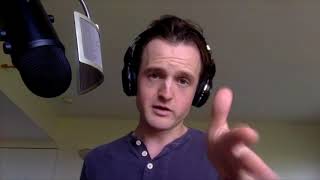
This is a conversational interview (Make More Marbles) with host Brad Hart and guest Alex Lavidge discussing startup strategy and community-building in the U.S. Southeast. Major themes: where to deploy capital (regional industry fits like healthcare in Nashville), investor alignment and signals (validation, LOIs/contracts, customer-funded early traction), the primacy of product–market fit (with the team as an investor 'insurance policy'), practical market-research/psychographic approaches to speed validation, and founder wellbeing/personal branding as foundations for sustained success. The episode mixes tactical fundraising advice (self‑finance to show traction; investors prefer funding growth not experiments) with philosophical points about collaboration, building ecosystems, and sustaining founder health and flow.
Chapters
Welcome to Make More Marbles. My name is Brad Hart and we're here to interview the game changers, the future makers, the co collaborators and creators who are here to collaborate with one another towards a better future for all of us. Enjoy the show. We've got a great guest coming up for you right now. Welcome to Make More Marbles. My name is Brad Hart. Today I am flabbergasted because I haven't seen Alex in like two and a half years. I want to say less time.
That sounds about right.
And you never used to meet somebody when you're like, you just drop in with them and every little thread you pull on is like another 15, 20 minute conversation and just flows and we're all doing the same things. We have the same values. That was Alex in Chattanooga about two and a half years ago when I was considering moving there because there's a lot of money being put into, put to work in the Southeast for entrepreneurship especially. I just had an opportunity to meet Sara Blakely. She's the first female self made billionaire. She's the founder of Spanx. Her and her husband Jesse Itzler are big into, you know, helping local, like in Atlanta, specifically entrepreneurs to grow their businesses and support them. So I went down there with the Mavericks with Yannick Silver and I met Sarah and she said a couple things that really blew me away, one of which is, you know, female entrepreneurs are the most underutilized resource in the world today. And I was like, right. And then finally, you know, the size of the vision.
Right.
And how she, even though she's doing what she's doing, it's because that she wasn't worried about her or her family or even her tribe or community. It was like, how can I affect the world at large and enroll a lot of people into a big vision and then take that success and help the community she cares about? So getting to work with those entrepreneurs is really awesome. I know that you're doing similar stuff now, working with hedge funds and investment funds to put more money to work in the Chattanooga area and beyond. So why don't you kind of get us caught up on what that that looks like, how people can help if they share those values and why it's so important.
Yeah. So first off, really good catching up with you again, man. I remember one of the conversations like it was yesterday was talking about the differences between linear business models and exponential ones after I had gotten back, I think from a really cool group called Abundance360, which is held in Beverly Hills each year. Wait, you Were there not last year, but in previous years, I've gone. I met Peter.
I was more excited to meet Peter than I was like the president, United States. Not the one we have now, the one before.
Yeah.
Did you know that orange is the new black when it comes to presidents? I didn't know if you knew.
Nice. But yeah, I mean, he's definitely a huge role model of mine and I feel like, you know, so for me, I grew up in East Tennessee. My hometown is Knoxville, Tennessee. But moved out to Silicon Valley where it just lit my soul on fire in terms of really being able to tap into my own imagination, understand not just science, but more importantly the applied sciences. And how can you put these things together? As for instance, going back to Peter, he calls them these exponential technologies and then overlapping those with real product, market fit and opportunities that are out there. And so since I came back to my hometown of Knoxville earlier, started up Knoxville's first entrepreneurial community center and co working workspace and have led a variety of different initiatives. I think it was like 2012, Fast Company called the group. I helped put together the leading example of social innovation for the state of Tennessee by being a part of trying to help put the region on the map to say, hey, with low cost of living, low cost of doing business, the Southeast should be a place where we're able to attract more capital and attract talent to go do really cool stuff. Because if you look at some of the major innovation hubs across the country, places like Austin, Texas, where I just spent some time this year for three months, or San Francisco or Seattle, it's getting ridiculously expensive in some of these places. And if I've learned anything about innovation and entrepreneurship over the years, it's that the more you have Runway, the easier it is to innovate and to eventually get it right. Because finding that product market fit and getting your business to scale always takes longer than you think it's going to take.
Yeah, it's a really great point, is like how can you create urgency but also have enough Runway so that like the natural, you know, six, seven pivots, sometimes it takes to get to their thing actually has time to happen. Because the worst thing you could do as an entrepreneur is under capitalize or bootstrap till you die. Right? Because ultimately like we're out here to enroll people into our vision. Damn it. Like we're not gonna do. That's like a non starter. Every time I hear the word solopreneur, I cringe. Because nothing of great merit is ever achieved individually. Right. You bring what you bring to the table. You surround yourself, people that balance you out. It's all good. It's all part of the workflow. So if you can get that product market fit. And by the way, Austin's fun. I just yesterday.
Yeah, I love that town.
If you guys could just. Change, right?
Absolutely. Absolutely.
This is not the heat, man.
It's funny.
100. 100 degrees in California is doable. We can make it work, but we can make it work.
That's right. That's right.
But yeah, if, you know, I think, you know, for me, if I could teach anybody anything, it would be create urgency, but also have the Runway. And enrolling people into the vision is part of that. So how do you enroll these big money people? What are the things they care about that are getting them to invest in these projects? Is it the roi? Is it the purpose? Is it the mission behind it? Do they want to give back? Like, maybe it's a combination of all these things, but I think for anybody listening at home, like, if you're going to really go after it and raise, you know, $100,000, a million dollars, $10 million, whatever it's going to be to fund the team that's going to build the dream. Yeah, how are you doing that? What do you. What do these people care about?
Yeah, let's talk about alignment a little bit. And by alignment, I mean, you know, looking at there, that there's a saying Einstein had, if a fish being told it has to climb a tree, its whole life will end up thinking that it's stupid. I see that with a lot of solopreneurs, if you will, or entrepreneurs where they have a great idea, but let's be honest, they're in the wrong environment. So I think one of the things in the Southeast is if you look at, for instance, unless you're in the Bay Area and have a strong track record and reputation, going after a B2C market, which is going to always start off with a very, very high customer acquisition cost, a lot of unknowns. So you have to have massive Runway in order to make that work. The odds are not in your favor. The odds are more in your favor. And these are general rules of thumb. I mean, there are always exceptions. But going after the B2B market can yield better, predictable outcomes. And at the end of the day, that's what business is about. Smart business is about creating systems that yield predictable outcomes. So when you look across the Southeast, there are different regions that are known for different things. We're talking about Atlanta, for instance. Atlanta is a very strong fintech area. Or you look at Nashville. Nashville is very well known now for healthcare and health tech. I was just interviewing a guy, Vic Otto, who heads up what is considered by CB Insights. They released a map of the most active VCs in each state. His VC firm, Solidus, was listed as the most active. He, as an offshoot of that, launched a seed fund called Jumpstart Foundry which invests solely in health care, health related health tech startup companies. Now why does that make sense? Because it's Nashville healthcare represents a $33.8 billion economic impact in the city. Roughly, I think it's close to like 18 publicly health care traded companies and roughly 3400 healthcare companies total just in the region. So if you're a startup, you have a really great opportunity to go speak directly with industry across the street and say, what's your biggest problem? Or what's going to add value? You know, how do you need to save time, save money or make more money? What is that? You know, start with the value proposition and arguably the best investment right out of the gate, if you're going to play that game is it's going to come from your customers, it's going to come from your clients, it's going to come directly from industry because they get it. And what a huge validator because then you're able to show proof of concept, go out and make it work, and then go up to investors, the most of whom now these days, they don't really want to fund experiments, they want to fund growth. For every 10 investors you talk to, nine are going to be interested in funding something that scales and maybe you get lucky and one is like, yeah, that's a really cool idea, let's try it out. But that's becoming, in my opinion, having, you know, scanning a lot of the, you know, deal flow that happens throughout the Southeast is becoming even less frequent as the years go by. Meaning that if you want to show that proof of concept, it's typically best to self finance and self fund so you can show through some kind of validation what that customer acquisition cost is going to look like. And then take it out to the outside world and be like, hey, I'm looking for help, I've got a pulse. This isn't just an idea, this is something real that people are resonating with.
So that's brilliant. I want to riff on a few things and pull on a couple threads here because we unravel the sweater and we get to the truth, right? Sure. Which is maybe we both need a little more sunshine.
Yeah, yeah, yeah.
The. So you talked about Jumpstart Foundry being in the healthcare niche in the healthcare city, right. $33.8 billion in net economic impact in healthcare in that city. Which is. Yeah, right. And what I think you'll find if you start looking is like, there's a city like that everywhere, right?
That's right.
You know, everybody loves Silicon Valley and that's the whole thing. But, you know, okay, cool. If you want to do a tech, you know, change the world startup, that might be a place to go, but it's not the only place to go, certainly. And industries, it might make a lot of sense to be in different places. And being around those industry parties now, the strategy can become, how do you, at least for me, I'm a people guy. How do you connect the dots? How do you get those people to come to your mixers? How do you get those people to, you know, maybe take them out to drinks, get them in the room, talking to each other, adding value to each other, and you can learn and then be the, you know, be the leader, be the coordinator, the facilitator that's now connecting these dots, staying on the.
With your.
With your finger on the pulse of what's actually going on. And then ultimately that leads to the conversations which lead to not only. Only being successful in your mvp, but also getting the funding that you need, because those are the people that know the people. And if you're willing to ask and you have something really good, like you said, they want to fuel growth. If you're already growing, they want to make that happen because that allows them to lower their risk. And at the end of the day, that's right. If they're going to put capital to work, that's the number one question they're asking. Question number one, how do I not lose money? Question number two. Refer to question number one, to paraphrase Warren Buffett, but it's really true. Like, if you have money. This is a lesson I learned in my hedge funds. To go from, you know, GarageBand, a couple million bucks to the, to the big leagues. Now I'm dealing with investors who are already rich. They already have. Why do they want to take risk? Why do they want. They have more to lose and they have to gain. Why do they want to take risk? So, yeah, like when I, when I was asking, is kind of a leading question as far as the values and the alignment, that's so important. But the key piece that most people miss when having Investor conversations is that they already have the money. Why should they put it to work with you? Why is your startup a good bet? It's not because your idea. It's because your metrics and numbers and they can make a reasonable determination based on those metrics and numbers that if they put their money to work, they're not going to lose all of it and they're probably going to make more.
Yeah, I think that's the simplest way to put it. And so, you know, making sure that you've got alignment, you've got validation, you know, work on the fundamentals and the foundation first. Right. Like making sure you've got the right advisors, the right mentors, the right access to talent. You're having ongoing communication with your clients or your customers, and then just essentially being able to validate and fill up that CRM database so that it's not just a lot of noise, like, these are real suspects, prospects, qualified sales leads that are there. And the best thing that the investor wants to hear is to say, hey, all we need is money, and we've got letters of intent, contracts, and we're ready to go. The only thing holding us back is capital. And of course, you know, that's. It'd be nice if every entrepreneur could say that and also walk on water. It's not always possible, but you want to get as close to that as you can. Because again, I just think that, you know, unless you're in the Bay Area or unless you just have overwhelming technological talent on your team, like, I was a part of a startup here in town called Variable. We were CNN Money back in the day, I think 20 called us the hottest gizmo at Consumer Electronics show in Las Vegas that year. 2014, we were labeled as global manufacturing, one of the top 10 manufacturing startups in the world, all for this little device that we were making with interchangeable sensors that can measure different things that would then communicate with your smart device. When we were getting that off the ground, a huge part of what made that fundable was the fact that the founder, Dr. George Yu, had been this legendary wonder kid. Zipped through Georgia tech, got his PhD in electrical engineering, was able to before the age of 30, was doing projects with NASA, Department of Homeland Security on mobile sensors, was attracting some of the best talent in the region. And so I think what a lot of investors think in the back of their head is, okay, I don't necessarily understand what this is, but what I do get is these are all amazing professionals and engineers that are out there making amazing stuff and their market value alone is worth the investment I'm putting into them. Because even if they have to pivot, that skill set is so rare that whether it's, you know, during the operation of that business or at the exit, let's be honest, when a lot of exits happen with a lot of startup companies, they're not just purchasing the technology or the customers. In some cases, they're also purchasing or acquiring the talent that came with building that technology so that they can then put them to work doing other things. In some cases. It just depends.
Yeah, I just had a conversation on the show with Tucker Max. He runs, you know, he's obviously infamous for his books, but he also runs startup that just crossed the 10 million mark in revenue called Book in a Box. And one of the things, you know, we kind of went back and forth on, I was like, I think it's the team that makes the dream work. He's like, actually, I would disagree. Until you have product market fit, the team doesn't matter. So we're kind of going back and forth between these two pieces. But it's like they're obviously both important. But if you were to say and weigh in on this, which do you think is the most important to have?
I think product market fit, hands down.
Okay, cool. So I'm going to into my earlier belief that, you know, that the team is everything, but I do think the product market track the right team, which allows you to go to big very quick.
The team is the insurance policy for investors, basically, at the end of the day. I mean, there are lots of different pathways to establishing trust and credibility. So they want to know that a team can execute, but also know that just, you know, there's quantifiable market value with the skill sets that people on the team are bringing to the table, at least in the technology space. Right.
And at the end of the day, you know, there's got to be that team to drive the thing forward.
Yeah, Right.
If there's not, and then, you know, and they build the system, the process, and the workflow to make the thing happen. You know, the best ideas, if it's in a box locked under the ocean and nobody ever saw it, who cares?
Yeah.
So, you know, these are the pieces. And like you said, you don't have to hit the ideal. You don't have to be perfect and walk on water. But the closer you can get to these ideals, the better. So we talked about alignment, we talked about values, we talked about product market fit, we talked about a team, and we talked about capital having enough Runway so that you have not only urgency to get it going, but also enough to really make it work. What other things that you perceive may or may not have been covered during that last few times? I was yapping on my lips.
Yeah, no, it's, it's a great question because I think, you know, just about a lot of success in life can be boiled down to a formula, at least for the opening moves. It's a lot like chess, right? I don't know if you're a chess player, Brad, but I've loved chess my whole life. And I can say that for the first, maybe four, five, six moves into the game, you want to be pretty well versed in what are the right opening moves and you don't really want to reinvent that. There's a lot of science and foresight that's gone into some of that. But then once you get deeper into the game, that's when you've got to be a little bit better about thinking on your feet and thinking several moves ahead. The same is true with the startup. And so, you know, in my career I've worked with close to, I counted it up a few weeks ago, 207 different startups throughout my career, either as a mentor, an investor, an employee, as an entrepreneur, myself, a consultant, you name it. So I've kind of, you know, been learning a lot of lessons along the way as I'm venturing off to start launching my own things again. And I came up with this book idea that I've been working on and I'll give you the quick intro. I say, you know, as the self appointed president of the aaaa, the anti acronym association of America, you know, I realized, I realized that a lot of business people love acronyms. So maybe that's a way to get through a very important idea for why most startups don't work. So I came up with it. Farts. Fire. Aim. Ready. Trash. Start. Over. Startup farts. So check out startup farts.com here in about a month or so. And I'm going to have a cool website. I'm working with some developers on where I'm going to be collecting stories from around the world of entrepreneurs that were so focused on getting things done, but not on getting the right things done and in the right order because they didn't have that template. And that's one of the biggest challenges that entrepreneurs face is there's only 36 hours a day, nine days a week, as I like to joke, and there's not really any unless they have experience or unless they've got really great mentors, it's a constant challenge with taking up bandwidth for figuring out how am I going to prioritize my time. And so to being able to. I mean, I still to this day have not seen a good website where you can download not the business plans or the pitchbooks, but the actual Gantt charts of some of the great, you know, legendary startup companies. You know, from like the Airbnb to the Ubers to, you know, all of these, you know, like, high exo quotient companies that are out there. Right. I don't think that exists. I mean, it's one of those things in my own life, I have to go just work my network and talk to the product manager and be like, so what were the inflection points that you guys went through to get from step one to step 952 with going through this process? Because you can learn a lot about that and then sort of, you know, tweak from a project management perspective, how can you get more done in less time and avoid predictable pitfalls? But most people just don't embrace this idea that you got to slow down like that before you can speed up. Because if you have a really slick game plan and Gantt chart that the team can unify around, so it becomes less about thinking on your feet, but more just about getting it done. And you've really got confidence that you're getting the right things done and you're always going to pivot, you're always going to shift things around a little bit. But at least there's that structure that's been thought through. It doesn't happen very often. And as such, you've got a lot of startups that are farting, that are making these, you know, very predictable mistakes. So I'm hoping that that's a way that we can bring together lessons of, you know, failures, celebrate that as success stories, but also laugh at ourselves at the same time. Because at the end of the day, I mean, you know, when we can be completely transparent and vulnerable and recognize we're all going through the same challenges, we've all got the same, same obstacles with getting our ideas off the ground. The stronger all of us are.
I love that. And I think the more we can create communities around entrepreneurship, not to, like, tell everybody it'd be okay and hold hands and keep them by. Sure, sure. Talk about the real stuff. Like, I put up a post earlier and I Mostly stuff. And I love Facebook and I've got a lot of really wonderful people that follow what I write and I write every day. So obviously there's a lot. But I'm always blown away consistently by when I share something. I had a speaking coach, his name is Thomas Blackwell, and he told me that will respect you for your successes. They'll respect you, but they'll love you for your failures.
Yep.
So I was sharing that my last two or three startup projects, you know, I had this mastermind trip to China. I had this other mastermind that I've been working on for almost two years. Like they're both not working out and I have to. And now I have to pivot and that's like a lot of revenue that I was counting on to actually make this year work. And now I'm kind of getting my ass handed to me. So it's an opportunity for me to step up into the gap and say, you know, I've got a, I've got a note right here on my damn desk that says stop spending. Right, right.
Yeah. With that.
Because I, I'm constantly a work in progress. Just because I've been successful past doesn't mean I'll be successful again in the future. And if I take my eye off the ball and I get into my own story about how I'm gonna fail and everything's horrible and blah, blah, blah, whatever else, your mind wants to serve up as a reason. Because that's what we're doing. We're always looking for reasons why things are the way we are. We're meaning if you start buying pretty soon, you're gonna be at the end of a frickin rope, you know?
Right.
Kicking it out from under you. So, you know, for me, it's just a constant set of being really clear and honest with where you're at, understanding that people will actually love you more for it, and then finally taking the necessary course corrects after you had your few moments to suffer. You shouldn't live there, but you can even suffer for a minute and just get back into it, get back into the flow. So today, feeling kind of crappy, I ran three miles from the store, ubered back. You know, I looked at my podcast schedule. I had four wonderful people on the podcast today, including yourself. And yeah, cool. You're right back into it. It's like it never happened. Because the end of the day, like it's what you focus on is what you feel, the things that aren't working and you can find them if you look.
Yeah, right.
Guess what? That's. That's your reality. But if you can find the things that are going right and expound on those and multiply those, then it'll overcome all the other crap. And nobody tells stories about the failures because we all focus on that. Right. Or we love the stories of the failures.
And I would add to that on top of that, that, you know, that's also part of the narrative that, oh, you've got to go through so many failures in life before you reach success. As I get older, my response to that is maybe I think sometimes we're a byproduct of our environments and our systems. And so, you know, as much as success is about being in the right place at the right time and willpower, it's also about, you know, what communities, what environments are we placing ourselves in where that kind of rubs off on us. And so there's, you know, as long as. I mean, the thing I see with a lot of entrepreneurial communities, and I think we're even figuring this out here in Chattanooga too, is that, you know, given that, you know, we see this shift even now more than ever, investors saying, I don't really want to fund product development, I don't want to fund prototypes, I don't want to fund. I mean, unless it's just like a legendary person with this like, rock star.
Credentials, like magically half a billion.
Yeah, right. Like that kind of stuff. Sure. You know, it's just that it's like the world is. The world is not like Shark Tank. I mean, that's a TV show. It's a myth. There. There is very seldom, unless you're talking about friends, family and fools, there's no money at the end of the rainbow that's just going to pour out of the sky unless you are truly at the top 1% of what you do. So, in which case, focusing on a lot of things that you're talking about personal development, focusing on your finances, your relationships, your health, not just physical health, but in mind, body and spirit. Focusing on personal branding. I mean, hell, that's something I'm even now kind of going back to square one on because, you know, I've been around startup culture for 10 years and I've been constantly go, go, go. And I'm like, you know what? I'm not doing a good job of telling my story. In fact, I suck at it. Yeah.
That realization opens up the space for possibility. Like, you're one of the smartest startup people I know and nobody's ever heard. So it's like, I want the smart people in my life who get more exposure and maybe take A page out of my book, which is, I can promote the hell out of anything.
That's cool, man. I appreciate it. And the feelings mutual. And so, you know, I'm, again, I'm taking my own advice. I'm slowing down before I speed up. And I'm saying, okay, well, how can I start to brand myself, do more speaking engagements, you know, get my own and yeah, just get. And just start to scale the conversation. Because so much of success in life, it's not just doing that inner work, which is so important, but also, you know, finding the right people that can help us get to where we want to go. Primarily because we can connect. I love it. Primarily because we can connect with them on a level where, you know, we see a part of ourselves in them. Like psychology teaches us we're most likely to help those that are most like ourselves. And so the way that we can, you know, help to sort of put our virtual selves out there as much as possible and to think of ourselves as a brand. Help to use one of your lines, which I've used often, stop chasing. Start attracting. Start attracting the right people based off whatever it is that we want to do. Those are the foundational pieces that I think often get missed. And it's really frustrating because I see a lot of startups with a lot of potential, but it doesn't go as well as it could. Very quickly, the fund can get sucked out of it because there wasn't a process, things weren't thought through, or in other cases, going back to square one. You know, the person didn't have, in this case, the founder of the entrepreneur, didn't have everything in their own lives aligned in the right way and on autopilot that allowed them to then take it to the next level to go launch something as large as what they care about.
And we see examples of this all the time, of really successful CEOs building incredible companies who shall remain nameless, who are literally falling apart at the seams. Everybody's talking about how they felt uncomfortable in the place or whatever it's happening because they're so drilled into this one piece. And that insecurity, or whatever you want to call it, has driven them to be so significant and so successful. And then when they get to that place, they're in the public eye all the time. We realize, wait a second, they don't really have their life figured out.
Yeah, right.
And people are getting up because, you know, hey, this is the leader, and they need to behave in a certain way. But the things that got Them to where they are, aren't the things that are gonna keep them there. And if they ignore that. Sure. Like, it's like there's water coming in, you know, and you, you can ignore it, but eventually the ship's gonna sink.
Absolutely.
So that's great. And, and I think another thing that just because this. Again, another thread to pull on.
Yes.
People are so obsessed with zebras. I mean, I'm so obsessed with unicorns. I've looked my whole life, I still haven't found a unicorn.
Mm.
Looked under trees and I've looked.
I've been to the frickin.
But you know what I have found? When you go to the Serengeti, you'll see this, you'll see a zebra, right?
You'll see.
And my favorite thing in the world is black and white animals. I'd love to know what your favorite one is. But you'll see one zebra and then you're like, oh, that's so cool, it's a zebra. I've never seen a zebra before. Oh my God, that's so amazing. Then you see in the next seven minutes, about 7,000 and zebras, and you're like, forget zebras, they're everywhere, right? They're ubiquitous.
Sure.
It's a great metaphor for startups, right? It's a great metaphor for businesses in general. Like, zebras are ubiquitous. They're everywhere. They're hard to spot by the predators that want to take them down. They're consistent. You take one down, there's another 10 to fill its place. But what I haven't found is unicorn.
Right.
And you might search your whole life and not find a unicorn, but these cash flow businesses that are all around us, we can jump into and make incremental improvements on and really move the needle for a lot of people. So you don't have to be a unicorn chaser, you can start being a zebra collector.
I think that's spot on. And on top of that, a lot of the best cash flow positive businesses arguably aren't sexy. They're not in the Silicon Valley limelight and they're not the kind of things you're going to hear about on the news. But I've learned over the years, insecurity screams, money talks, wealth whispers, and power is invisible. And you know, I think the deeper you kind of get into the business world, and I'm sure, you know, you're in the, in the same boat, you know, you meet some of these people that are doing some really amazing things, sometimes you've never heard of them. But they're behind the scenes writing big checks, making things happen. In some cases, not really caring who gets the credit, because they just want to be successful and sort through a lot of the, frankly, bullshit that's out there when it comes to the entrepreneurial world, where I remember even, like, going back to my college days, I called the entrepreneurship club that I'm young and I like the idea of being rich club. Let's be honest, that's honestly what it was. But as you get older, you realize that there's really. It's not about the archetypes or the attention or the, you know, trying to get your face on the COVID of some magazine or whatever. I mean, all those are things, frankly, the people I see that have gotten to that point, they just don't really care. You know, they're about focusing on a much deeper, higher calling.
That's so awesome. And I'm gonna reiterate because insecurity yells, money talks, wealth whispers. And power is invisible.
Mm.
Unbelievable. What a great, great saying. Thank you for that. So, yeah, man. And it's so funny to see because when you really get into it, what we're doing is changing the world. And it's changing sometimes our world internally. It's sometimes changing the world of the people that are just directly in contact with us. Sometimes it's people that we influence through various tools and leverage opportunities. But if you're not solid and on good ground, it doesn't mean you have everything perfect. That's not what I'm saying. But if you're not on a solid grounding where you really are owning your own shit, how do you expect to influence anybody if you can't influence yourself? If you can't lead yourself, how can you lead others? And the mark of a leader is not creating more followers. Anybody can do that. Anybody with a hot ass on Instagram gain a lot of followers. The mark of a leader is, do I create more leaders?
Yeah.
So do I get the leverage that I need to get that my message lives on beyond me, and the domino and the ripple effects go on forever. And that might sound like. But it's true.
Saying goes, change begins within. I'm reminded there's a quote by Sun Tzu, he who controls many men is powerful. He who is the master of himself reigns supreme. Or something like that. It's the same idea.
The battle is won before it's ever fought.
Yeah, that's exactly. So. Yeah, I just, you know, I mean, I personally even. I think we're talking about this before the podcast I spent three months at one of my favorite places in the country called Optimum Health Institute.
It's a vegan retreat in Austin, Texas.
It's outside of Austin, Texas, in a little town called cedar Creek, about 25 miles east of Austin. There's another one actually in San Diego where you're at, please. But yeah, the only two locations in the country. And this is a place where people from across the world come to eat plant based macrobiotic meals. And these are my words, not there. You know, speaking just independently, I felt that half of the guests that I see there are people that are just peak performers. They're athletes, they're entrepreneurs, they're just, you know, constantly taking their lives to the next level. Really, really amazing, inspiring people. And they're there just to hit the reset button to get re energized and then get back to their lives and do their thing. You have another half of people that show up that have what the culture there calls health opportunities. So I've seen people show up at this place with diabetes, both type 1 and type 2 cancer, Lyme disease, psoriasis, depression. Again, not speaking for the organization, just as an independent person looking within seen some people overcome some overwhelming odds simply because by being on a plant based diet, they're able to revitalize their immune system. But more importantly, more than just the food, there's an emphasis on mind, body and spirit and letting go of all the things that are not serving us with each of those three influences in our life and being very focused on from there afterwards. Moving forward to stay healthy. It's not just about, you know, consuming healthy food to stay healthy. It's about consuming knowledge, not distraction in our mind in order to stay healthy. And likewise, you know, embracing love, not fear for our spirit as fuel to keep us going. And if you create that right environment, you know, you are by design unstoppable. And so for me, being there for three months was just a great way of, you know, getting back into my element after just going for years of just non stop work, work, work. You know, again, like I joked at 36 hours a day, nine days a week, which as I've gotten older, I mean, I know there are a lot of, I won't name any names, but just, you know, entrepreneurial icons, let's call them.
They're just like, oh, you gotta hustle.
You gotta work, you gotta do the work, you gotta just go, go, go.
You gotta give it your all that message. But the reality is you can only hustle so long till you burn out. And then you got to find flow. And if you don't find flow, you have no.
That's right. It should be a marathon, not a sprint. And even when it is a marathon, take a break every once in a while and take care of yourself.
But not every problem is a nail and not every tool is a hammer. And if you try to hustle everything, you're going to miss the opportunities to really get the most leverage and make the most impact and needy energy. When you're hustling.
Right.
People tend to, you know, push, be pushed away by that.
Right.
They're not attracted to that because it lacks the same need that they have. Right.
Yeah.
The people should be attracted to you because you have what they need, want and desire, and then you can help that as well. And I think that that comes from a place of not just saying, I have everything figured out and everything's perfect. That's not true either. It's like, no, I can facilitate a transformation because I've gone from A to B, and I can help you get there, too, in whatever product, service, doesn't matter.
And I think when we're at our best, we attract other people into our lives that are at their best. And that's so important, you know, as we manifest the right relationships, both friendships and professional. You know, for people to be able to look at us and say, wow, you seem like, just by design, really healthy, happy, abundant, and for that to be authentic and real. I mean, we all are born with really good bullshit to try. And, you know, I've been around entrepreneurs that, frankly, they've got amazing ideas. But I'm like, you just look like you're stressing the F out, man. You know, this is. It's like you're taking what should be fun and making it not fun because you're constantly, oh, I gotta. You know, it's like that repels the flow, the energy that should really make something that's really cool. Cool into something great.
Yeah. And if you're looking at somebody and they're about to fall down and they say they want to change the world. Right. Change begins with. That's a beautiful reminder. And thank you for that because that's been to the detriment of my finances, honestly, the last few years. Like, I used to be the hustle grind hard guy, and we made tons of money doing that, and I burned out. So now being able to come back to it from a place of health and true feeling, you know, I have my relationships, I have my health worked out. Now the money thing. I get to do it bigger, and I get to do it from a sustainable place, and I get to do it from a place of, you know, I feel like I'm truly contributing and not just trying to survive.
Yeah.
And that's where my best ideas and insights come from. So you may be at a different stage in your journey, and that's great, and that's encouraged. Maybe you need to go through that hustle phase, but understanding that there's a bigger picture of plan, people go through cycles can be a really great reminder that this journey's not over. And it's never the same man, never the same river. You're gonna keep changing and growing and just kind of embrace that. Just get excited about that, because it's. If you knew everything that was gonna happen to you, if you knew the book was gonna end, what the hell would be the point of living?
And that's a cool way to bring it around full circle in terms of. I get excited as you see all these entrepreneurial communities pop up across the country. And what I see as the foundation beyond just business support, resources and events and conferences and all that great stuff, is what we're talking about, resources for the individual to go, you know, to do, like, flotation therapy or to go, you know, sit in a sauna or a spa somewhere, or to go do yoga or to get, you know, roughing or acupressure or whatever it is. You know, all of these different health and wellness resources that, you know, are prevalent in places like San Francisco or Seattle or, you know, major metropolitan areas, but in other cities. You know, I just. For me, personally, I've seen a correlation between communities that have stuff like that and have, like, both healthy meal options and sort of, if you will, oases for the mind, body, and spirit in their community with having successful innovation coming out of those communities, as opposed toward the places where it's just, like, all fast food and, you know, maybe, like, there's a gym and that's it. That that place doesn't really attract those with an imagination. It might attract people that can execute, and that's great, but. But those aren't the places, in my opinion, where the next big idea will emerge from, because it's not a culture that encourages and celebrates ongoing renewal of the mind, body, and spirit, which is so important for getting new ideas off the ground.
One quick point. The founder of Airbnb actually came up with the idea when they were on a meditation retreat. And I've done this. There's one called the Juan Dharma center up in upstate New York in Claverock. It's about an hour north of New York City. I recommend it all the time because it's just one of the coolest places that exists, right? It's 468 complete silence, Korean Buddhist, one Dharma Center. You know, you do the meditation, do all that, or you could just be completely by yourself and in silence for three or four days. And how many people. And they do the meals and they got the cater, you know, the catered vegetarian meals and nobody talks to each other, they smile and they're having a beautiful time. But you know, that's the thing they're there to do meditate and ground themselves. So if you guys haven't experienced something like that, please do reach out and let me know. And, and also I'd like to know the name of the center here in San Diego so I can check it out because I'm always exploring different options to kind of reset. You know, coming back from Austin, I just had way too many tacos. So it might be.
Well, check it out. The website is optimumhealth.org and the name of the place is Optimal Health Institute. Again, they've got locations in San Diego and the other one is outside of Austin, Texas and Cedar Creek Research the.
Macrobiotic plant based diet for people with like colitis, for example. Because I have a few people in my life that struggle from that.
I think in general there's a lot of science that's been coming out that shows, you know, if you look at, for instance, when most animals, mammals get sick, they don't eat, they allow their systems to, you know, strengthen their immune system. People don't always do that. And the science shows that fasting or just juicing, like vegetable juicing for just up to like three days can really just do wonders for hitting the reset button on that immune system. And if you're consistent and just keep with it, it's not a guarantee. Nothing is guaranteed in life. But I do encourage that everyone with a health opportunity, at least try it before they judge it or before they say, well, that's just not for me.
Right? What's the worst that happens?
You know, what's the worst can happen.
For 30 days about five years ago, and I haven't stopped since. I'm like, this is so much better. I don't have to worry about breakfast. I can just do my thing and I feel good and I can eat ice cream at the end of the night and I don't feel like crap in the morning.
And.
It'S amazing. And I get more and more shredded as time goes on. And I'm like, what the heck is going on? Sure. My body keeps dropping. I'm like, I'm the guy I used to hate who could eat whatever he wanted.
Totally.
100%. Okay, cool. So this has been awesome. We could go on forever and ever.
We could, man.
And maybe we'll have you back on the show. We could just dig into more stuff because I your own transition. Like, you were a little overweight when I first met you. Now you look really healthy and clean and it's awesome. So, you know, I know you're practicing what you're preaching and that's awesome. What I want to ask is because this is the make more marvels community we're all about, as opposed to competition, what is a connection, a resource, an opportunity, a person or a system that we could plug you into? Anybody at home listening or myself or my team that would help you to get to the next level in your business or life.
So I am currently launching an agency model called thestartupexperts.com and really interested in chatting with other market professionals and growth hackers in the startup community. I'm fairly well connected with most angel investors and investment groups, or at least a fair number of them in the Southeast. And you know, given that they're interested in funding growth, I've learned over the years that a great way to of doing work with startups, if that's your passion, is keep investors very close to the hip because they can be the ones that can endorse you and go up to their portfolio companies and say, hey, you need to work with this person in order to help you get to the next level. And so I found over the years that a lot of entrepreneurs are just sort of in this go, go, go mentality. But there are a lot of market research techniques and we can talk about that maybe during the next podcast. You know, from everything from data scraping to doing online surveys with, you know, pre established random samples that overlap with psychographic data. So, you know, rather than going through months of AB testing, just figure out, you know, hey, how can you optimize your conversion rates for email or social media or whatever, you can actually get to that point a lot faster. And that's what I'm really passionate about. And I enjoy working with others and collaborating with others that are equally as passionate about market research and growth, hacking sales and marketing in particular.
That's awesome. And that's such a huge service because like, when you're trying to get your message. Like, you got a message, you got a desire, you're inspired to share something, man, that's most of the puzzle. It really is. When you clear what it is, you have that desire and you're inspired. But then, okay, how do I reach the actual people that need to hear it in a way where I don't go do it and I can make a business?
Because that's.
At the end of the day, you know, the only thing that's going to keep you from, from having the success that you want to have is I'm not making enough money to reach the people I want to reach with my message, my product, my service, or all three.
And I've seen that happen a lot. I mean, I can't tell you how many clients I've worked with over the years where, you know, to quote one of my favorite entrepreneurial icons, Steve Blank, has a great line, a vision.
I interviewed him, Forbes.
Oh, he's just, he's one of my favorite people. He, you know, he's got the great line, a vision is not a fact. Right. And so I've seen companies where they'll, you know, spend hundreds of thousands of dollars developing software. They're all convinced they're the smartest people in the room. They go out to market, it's not the right fit. And then they're like, oh, now we need to start doing market research. And I'm like, you realize you could have actually not paid for a single hour of code. There are prototyping websites out there, so you can create the simulation of what the software would be like without actually building it, and then go out and do random samples, figure out who's even interested in this, and then develop that product development conversation much more cost effectively than just hitting the ground running. And so there are ways to get to that magic sweet spot of a predictable revenue with a lot less stress, a lot less anxiety, a lot less cost, and make it a heck of a lot more fun. But I think there's still, the types of people that are teaching that way of thinking are often like, if you were to say, look at mit, one of my favorite books, Discipline Entrepreneurship by a guy named Bill Olay, I pronounce. I hope I'm pronouncing his last name correctly. You know, he says, if you look at all the technology companies that came out of MIT since 2006, I could get this wrong. But it was somewhere in the ballpark. If you had like the 17th world's largest economy, because, because, you know, and if you look at discipline, entrepreneurships, you know, step by step, it guides you through how to look at market validation scientifically and how to basically write the script before you execute. A lot like a film, right? Like no one goes out and just shoots a full feature film and expects it to be successful and they don't have a script. But oftentimes in startup culture, that's exactly what happens, right? Ready, fire, aim. Ready, fire, aim. And so helping. So yeah, sure.
Strength to get product market fit. It's my strength to bring smart people together and do the thing. So now if I'm going to be really like hard on myself, I'm going to invest whatever the hell it takes, time, energy, money, connections, etc. Into learning what you know about this psychographics piece. Because if I can get that dialed in from the get, I've got them, got the metaphors, I've got the experience, I've got the resources, I got the opportunities for people to come into my fold. And now I just need to be in a way that's really effective and like been gutting it out for long enough, man. I've done the interviews with, you know, the, the virgin and you know, the major authors and all. I've got the goods. Let's find a way to deliver the goods to the right people. That's not gonna crush us.
I'm right there with you, man. I think that's the, you know, going back to what you said, the Sun Tzu line. The war is won and before it's fought. The same is true with the startup. You know, you, you should know your customers and how they think or at least have a really strong hypotheses or theories regarding what that decision making process is like and then be able to work backwards from there regarding developing that product or service.
I got another great book that I'm always recommending is Ask by Ryan Levesque. I just lost a question.
Oh, I love that one. Yeah, yeah, yeah.
Somebody was considering my mastermind or Ryan's mastermind and they chose Ryan's and I totally get, get it. It's more expensive but it's definitely high quality for their, like they wanted to market marketing.
Yeah, sure. But he's also based in Austin, Texas, I think.
Yeah, Ryan's just a genius. He lives in China, he's worked with a hundred billion dollar companies. He's done 100 million leads over the years.
That's awesome.
Through quiz funnels and all this different stuff. But this psychographics piece, guys, like this is, this is not Something to be scared of. It won the last election. Research and marketing. Understanding what people want more than they even do is the name of the game and it makes everything else much easier. So where can people reach out to you to learn more about this?
Alex just so for better or worse, there's only one Alex Lavage in the world. A L E X Lavage L A V I D G E. So you can just type me under Google and I'll be the only one that pops up. Done deal.
That's a lot better that I'm competing against porn stars and lawyers.
So yeah, so in some ways that's good. In other ways it forces me to do at least try to stay out of trouble. So. But yeah, just Twitter, Facebook, all that stuff. Always love meeting cool, new, inspiring people, seeing how we can help each other. Always believe we're on this earth to help each other thrive.
And 100% aligned with that value. And that's why we've connected so many times and just so deep. Like we always go so deep. Nuggets, Alex. And I'm just so grateful for our time together.
Likewise.
I'd love to continue the conversation offline and just let everybody go back to it. So from all of us here at Make More Marvels, thank you very much for listening. Reach out to Alex if any of this stuff is resonating with you. And I want to bring more people on like him who are fricking geniuses of what they do, but nobody might know their name as a household name. And that needs to change because, you know, at the end of the day, man, the more people you help, the more people you help.
That's right, man. I appreciate it.
My pleasure. Okay, thanks so much for listening to the Make More Marbles podcast for more tips, hacks and strategies to create an amazing, abundant life in your health, wealth, relationships, whatever that means to you. Head on over to makemoremarbles.com check out our cool explainer video about what we're about, and join our community of unique entrepreneurial game changers. We want to help you level up your life in every possible way. And don't forget to subscribe to us on itunes, Stitcher, or Google Play wherever you're listening your podcast. And please do leave a review. Thank you so much and we'll see you on the next podcast.
More from Brad

The #1 Reason AI Isn’t Working for You (Yet) #AI #businessowner #founderenergy




What tasks would the best assistant ever be able to do for you? #BusinessSystems #BusinessOperations



Nobody expects you to use a harder way when there's a better way. #AI #businessowner

Which side of the table will you be on in 2026? #AI #Mastermind #BusinessOwner

