Tim Harris’ Rules for Success: Contrarian Advice That Just Might Change Your Life
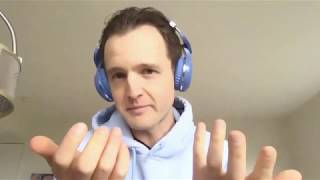
This is a Make More Marbles podcast interview (host Brad Hart) with Tim Harris (coaching author/real-estate investor). Tim and his wife Julie built large-scale real-estate sales (100+ houses/year early on), pivoted into coaching and podcasting (Real Estate Coaching Radio), and authored Harris Rules (international bestseller). Key practical/contrarian principles emphasized: don't follow your passion; discipline is "do what you don't want to do when you don't want to do it"; ego as fear; motion creates emotion; buy real estate with cash/no debt; prioritize profit as the product. The episode mixes personal origin stories, coaching anecdotes (phone fear example), market pivot strategies around the 2006–2008 crash, and tactical advice for entrepreneurs and agents.
Chapters
Welcome to Make More Marbles. My name is Brad Hart, and we're here to interview the game changers, the future makers, the co collaborators and creators who are here to collaborate with one another towards a better future for all of us. Enjoy the show. We've got a great guest coming up for you right now. Welcome to Make More Marbles. My name is Brad Hart, and today I'm joined by Mr. Tim Harris. Tim, how you doing today, sir?
I am doing fantastic, and it is my pleasure and honor to be on your podcast.
I am stoked to have you on the show, and I've been doing this a little while. But you've been going at the podcast game for quite a long time. For the people who may have not heard of you yet, can you give us a little bit of a background on what you're doing in the world?
Well, we have. I mean, you mentioned the podcast. Let's start there. We have Real Estate Coaching Radio, which we started four years ago, three years ago, I don't remember. You know, it's had millions of downloads, and we have, you know, tens of thousands of people that listen to us every day. And just, it's really been a fun exercise. And, you know, an experiment is really what it started out as. And now it's something that we just really look forward to doing every day. You know, it's obviously on itunes and Stitcher and the rest of us and the rest of all those normal outlets. And as far as, like, ways to learn about Julie and I, probably the best way is to just buy our book on Amazon. It's called Harris Rules. It's now a number one international bestseller, which is exceeded all of our expectations. And then if you know our website, timandjillieharris.com but those are pretty much. That's who we are. If you read our book, you'll know who we are. Really?
100%. I get a kick out of that. When you say Harris Rules, I always think of that kid. O' Doyle rules. Where's my $2? You remember that John Cusack movie? I can't remember the name.
You know, the funny thing about the title is that I had two intentions. Julie and I, obviously, we'd been working on this book in one form or another for, like, forever. We've written other books, but this is a book we really wanted to kind of condense everything that we've learned from having literally hundreds of thousands of coaching calls. We wanted to get it down into some sort of easy to read, not complicated or mystical format. So it's really, it's easy to write a fat book. It's hard to write a big book because a fat book you can throw in all kinds of fluff and all kinds of stories and all kinds of whatever. But to write a really condensed book just drills down that's fluff free takes a ton of time. But when Julie and I were thinking about the title Harris Rules because it's a little offensive because it sounds like there's a lot of ego associated with oh, who are they to say they rule? But that isn't really what the intent of it was. But we know that it would be received by some people as being sort of an affront to their egos. But the reality of it is this is just sort of the best practices and really the rules that we've learned from coaching for the past forever, that if you apply and doesn't just apply to real estate folks, we have a lot of podcast listeners that aren't even real estate folks. When you apply these rules, they're very practical and tactical. They really do, when applied in conjunction with all the others, can have an incredibly impactful result in your business and personal life.
I'm going to dig into those roles in a little bit. I want to get a little bit more grounded with kind of the hero's journey so far for you, Tim and Julie as well, who couldn't be here today, but obviously you guys work together and you're married. And I'd really love to get a sense of what it's been like for you thus far. What's been some of the things that have really shaped you as a person and you guys coming together and just being who you are in the world today.
A lot of ways I could run at that, which I appreciate a question. It's open ended like that. Julie and I have been married forever. I'm 47 and Julie's 46. We got married when we were 21 and 20. We're high school sweethearts. We're from Columbus, Ohio. We've lived in many places in the country. And you know, as far as like what our hero's journey, that's kind of a. I mean, I don't even feel comfortable wearing the word hero for even a millisecond. But our journey has started out as basically, you know, broke, impoverished college students. We put money together to buy our first investment property. We had a actually we started together in high school, then through college we had a car clean and detailing business that, you know, as when we got out of college, we sold and didn't sell it for anything, really. We just gave it to our competitor, who we knew would take great care of the clients. A lot of those clients then became real estate clients. That gave us a lot of momentum in our first year in the business. Now, this is a long damn time ago. This is back in the early mid-90s. We sold over 100 houses our first year in the business. That is something that I understand has a record that frankly, we didn't even know what we. We. It was literally, Julie and I, we tell the story and people think like we're being. Trying to seem too humble, but it's true. We were literally sitting outside of a movie theater in Dublin, Ohio, and we were on. You know, we were waiting for a movie to start, and we were trying to remember all the houses we'd sold. And we got up to the number around 75. This was like August, you know, July August. And we called our broker and we asked him, like, you know, is that a good number? We really had no clue how many houses the average agent sells per year. We just were totally, completely ignorant. We just drilled down, worked our asses off. You know, we're willing to do what we didn't want to do, and we didn't want to do it at the highest level, even before we realized that that was kind of a theme of our lives the next. The following couple decades. But, yeah, we added it all up. It was the 75 number. Rory said, get to 100 and call me back. That's what he said. He said, you know, get to 100 and call you back. So we did. We got to 100. Actually ended up in contract and selling 103. And after that happened, basically, we had just really an uncomfortable amount of attention. National association of Realtors, at the time we were with ReMax, we did just all these different. The real estate industry loves to use your word, a hero. And doing that made us a hero. And then Howard Britton, all these other people that if you're in the real estate space, you'll know who they are. They kind of gravitated towards us, asked us to be speakers and all these other types of things. And just from that, you know, we build a moment. We built momentum. And it was at a, you know, I'm skipping the real estate career. But we sold real estate for almost 10 years, selling between 100 and 200 houses per year. Julie and I've been investing in real estate properties by accident. Again, true story. We got into coaching. It was at a Howard Britton event Howard was like, 97, 98, 99. Howard. Don't remember. Howard was saying, I'm going to start this coaching thing, and, you know, I might take on 20 clients. And, you know, this is in front of a group of 2,000 people. We're experimenting it with it. So if you want to be one of the 20 clients, bring your business card up on break. So then comes the break, and literally everyone in the audience just throwing their business cards at them. And then somebody in the office, somebody out in the hall asked, hey, would you guys coach me? I was like, don't know what the hell that means, but let's give it a try. And that. Not that person, but the person after that is actually still a coaching client from all those years ago. Michael Gordon. And so that's basically how we got into coaching. And the coaching thing then just started to spin up again. A lot of it from riding on the coattails of our previous cells when we had had that success selling real estate. And eventually the coaching business got to the point where it just made more sense to put our best energies towards that than it was selling real estate in Columbus, Ohio. So does that make sense?
That makes a lot of sense. Beautifully told. And I just want to say how grateful I am, because it's like you stepped into each piece. You know, you needed the money. You started out doing that. You just threw your heart and soul into it together, and you made. You just made, you know, not a Killing. That's probably not the right word, but you did an incredible job just getting into it and loving it. And then, okay, when the next highest and best use of your talents and services showed up, you stepped into that and that and that. And you never said, oh, I'm not going to do that or I'm not going to serve at that level. You just said, yes, and you're going to find a way. And I really love that about your stories. You didn't just say, oh, my God, what am I going to do? It's just as opportunity showed up, you said, I'm going to figure it out. Is that kind of how it went for you guys?
Yeah, pretty much. We didn't overanalyze too much worrying about how we were going to do it. You know, we had. We were. Julie and I are very proud. It's probably the Ohio in us, but we're very practical about when we're making decisions. You know, we're very. We don't have. There's not a lot of, you know, there's not a lot of like romance associated with the business decisions we make, we make and we've always done this before I had the ability to really verbalize it like I'm trying to now. We've always made decisions based on profit. We've always made decisions based on the ability to make a certain amount of money after everything so that we could invest in real estate. Our end game back when, you know, when Julie and I were in college, you know, back when we were starting to sell real estate, our end game was always to have enough rental properties that were paid off that we could, that were, you know, cash flowing that our money could work for us and we no longer had to work for our money. That is our definition of rich where your money works for you and you no longer have to work for your money. So we, I can't say we've always stayed on mission, right for all of our military friends out there, they'll appreciate that. I can't say we've always stayed, kept that as our true north, but pretty much we always have. We've always benchmarked our success every year by the number of houses that we were able to buy. And Julie and I don't borrow money, we only pay cash. So a lot of people that are investing in real estate. Yeah, a lot of people on, you know, they're going to. Oh my God. Why aren't you leveraging yourself? Because here's the answer. Why? Never seen a person with no debt go bankrupt, that's why. And I've seen too many people as a result of coaching who've taken too many risks leveraging themselves into too much debt have that reverse on them. But our plan has been methodical, boring, as I said, non romantic, not particularly exciting. Nobody celebrates it when we purchase another house. But that's how we've always kept ourselves on the straight and narrow. Is this moving us towards our goal or away from our goal? And that's been the same goal we've had. I mean, like I said, we've been married for 27 years. Next year.
I can't wait to see your Wealth Dynamics profile. I have a feeling you guys are two peas in a pod. Very much on the practical trader Tempo spectrum if I had to take a guess. But I've been wrong before. It's a really beautiful thing to see when two people come together like that and as part of their partnership they also create together, they create wealth together and they have a very specific goal or action item in mind. And it's one of these rules that makes you successful. It's this no debt rule. I'm sure you guys sailed through 2008 not worrying about a thing. And yeah, you took a little bit of hit on, you know, unactualized revenue or unactualized asset.
Actually, we didn't. Truthfully, we didn't. I mean, here's. Because here's what we did. We pivoted. So when the market. When the market changed, we saw the. Julie and I saw. I remember, dude, it was a coaching call. It was September of 2007. I even remember the guy's first name. His name was Mark. And I. He was crying on our coaching call. And. And this was a guy that was making to him over a million dollars per year, net before taxes, living in California, right, kicking it, kicking owning it. And all of a sudden his market, his business, completely and totally went to crap. He had been using the same loan officers forever. And those law officers had been putting all of his deals into these subprime deals. When New Century failed, I mean, this was forever ago, right? 11 years ago. But I remember this like it was yesterday. New Century failed and all these other. And all of a sudden, all these other subprimers failed. When people talk about the real estate crash, they always talk about it being in 2008, but it really did start 2006. It started because I won't get into the semantics of it, but it was obvious to anybody who was paying attention the real estate markets were going to crash. So what Julie and I did is we pivoted and we started teaching agents how to basically go after this. What we knew was going to happen, the distressed market, short sales REOs becoming, you know, preferred, all that. So we focused, we pivoted from normal sort of business building, coaching to focused on that. So whatever you were doing, still do it if it's working. But here's this other thing. And as a result of that, agents were able to shift from working primarily with your traditional customers, real estate clients, and they're able to pivot to focus on the distress stuff. And some of those guys made so much money that they're. I mean, they basically were, you know, they're rich, they don't have to work anymore. And some of them we still get to this day, which is, you know, incredibly powerful. We'll still get emails from people. You know, they're on our private Facebook page where they'll say, I've been following Tim and Julie and they saved my ass back in the real estate crash. They got me doing this, the other thing, and now I built My business back up again. And I mean, so during the dance, your question. We killed it during the crash because we were able to buy real estate, dude. We stayed on Mission and we bought places in Vegas, everywhere we buy in usually six to eight different states and stuff went on sale and it went on sale to the point where we waited intentionally for people to be so pessimistic about real estate that we could go and buy. We don't buy fancy stuff. We buy normal meat and potato houses and we just started buying them like crazy. And you know, so to answer your question, and it may be more helpful way there's money to be made regardless of what direction the market's going. You can't, you know, a lot of people think they can only make market when all, every money only make money when all ships are rising. But the reality of it is there's still the same amount of money out there just flowing to different people. So you just have to acknowledge that maybe it's flowing in a different direction than the direction you've been headed. And if you change, you're gonna. There's no reason you should have any kind of personal recession. Does that make sense?
It makes a lot of sense. And for people listening at home, I mean it's basically just a short selling market. You know, you can make money on the way up, money on the way down. The key is not getting emotional as the market shows you what it wants to do next. Because you're never going to outlast the market. The market can stay irrational longer than you can stay solvent.
Warren Buffett would say, yeah, and you know, Warren Buffett came out and said what he said. He said I would be. Someone asked him what his investment thesis was and this is like in what, 2009. He said, if I were a small individual, mom pop, I would be buying single family homes. That's what he said. Then they asked him why he wasn't. He said he couldn't figure out how to scale the management of it. But.
Everywhere, they're all over California for sure. I'm pretty sure it's, it's nationwide and they've got the money to back that for sure. So that's some, I'm sure these are some of your rules, right Tim? So can we talk about some of your other more popular rules that people should like? If everybody should know one of your rules or two year rules, which ones would they be?
Well, can I pick the most offensive ones that will piss people off the most?
Yeah, please get after it.
Alright, so yeah, you Know what, It's funny. I was. I had a brain fart. I had forgotten the fact that you came from the financial industry. And you are absolutely correct. And I actually learned what I just told you from somebody who was also in the financial industry. He had to tell me that he makes money regardless of what direction the stock market goes. And he said he makes more money when people are panicking because they'll call in more trades irrationally. And if he can't talk them down, he gets commission on every sale. So, yeah, what you're saying makes perfect sense. Alright, so I'll tell you one of the ones that usually goes against most people's. This isn't an actual rule. Or maybe let me make sure it's not. I'm pretty sure it's not. Okay. Don't do what you're passionate about. Don't. Don't follow your passion. There would be one that's something that raises eyebrows. People don't like to hear it. You know, don't do. Don't follow your passion. Your passion will betray you. Passions are emotion attached to ego. You know, you and I were talking about Ryan Halliday. He talks about that in his Ego the Enemy book, one of the books we suggest to all of our podcast listeners and all of our coaching clients. Great book. So, yeah, I mean, if you're following your passion, you think that just because you have a passion for something that's going to lead to profits and the profits are going to be an abundance, that you can reinvest that money and be rich where your money works for you, no longer work for your money, well, you're probably going to be disappointed. You're probably going to fail. So the idea that just because you have a passion in something that the money will follow, that would be something that I think a lot of people get confused about. That would be, you know, when I'm speaking to a general audience, that's something that usually raises eyebrows because it completely flows against the current zeitgeist about what it takes to be a successful entrepreneur. I'm curious, what's your opinion on that?
So, yes, and what I've learned, and I spent 10 years trying to figure this out, was that I had really successful mentors. I've done a lot of different types of careers, including real estate. I was a real estate agent in New York City for several years before my dad passed away, is that I've gotten great advice from people who are obviously successful because success leaves clues. That just didn't work for me. And I'LL tell you why. It's because I didn't have the same flow or wealth creation dynamic that that person had. So if they were really good with ideas, for example, and I wasn't an ideas guy, I was a people guy and I took their ideas type advice, I would fall flat on my face. And it's not because it's bad advice, it's just bad advice for me who's dynamic or flow if you will, as people. And that's where I should be spending my time is building relationships and working with people. It sounds like to me if I had to guess again, we could confirm this. I can send you a token for this test. It's one of the best tests I've ever taken for entrepreneurs called Wealth Dynamics. I didn't make it, it's Roger James Hamilton. But over half a million people have taken it. All my clients have to, all my employees and contractors have to take it. Because I need to know where they fit and what they're going to be good at so I can understand how to fit them into the puzzle that is teamwork and leadership. So you know, if I get advice about systems and process and spreadsheets and I'm trying to do it, but I'm on the other side of the wealth dynamic spectrum, you know, I'm going to fail and fall flat on my face. So when you give advice like that, that's like everybody should do this thing. Yes. And if it's naturally people that are going to be great at that kind of tempo energy that you seem to have, that timing, that market savvy that, you know, follow the profit, a lot of people aren't going to be lit up by that and therefore will not succeed because they're not driving with the why or the what or the who that actually is their dynamic, if that makes sense.
I like what you said, but can we debate it just ever? So does your listeners.
I would love to. Yeah, absolutely. Because I'm always looking better and tighter on this particular art. I think this will revolutionize the entrepreneurship industry and that's what I'm looking to do.
Well, let's hope. Alright, so first of all, passion is a fleeting feeling. It's just an emotion that's usually tied to some sort of ego thing which is in itself is not a bad thing. But if you're only. So what we found coaching, you know, salespeople, entrepreneurs is that for the most part those who believe who are passion driven, who are after their one thing you mentioned that who are trying to do have that be their North Star. They only work at a high level when they feel a certain way. Okay. They only work at a high level when they feel certainly. And if you only work at a high level when you feel a certain way and that, that way you dissociate with the word passion because all this love that feeling, right? So if you're only gonna achieve at a high level, make that call. Do that sales presentation at a high level. Or maybe you, whatever it is that you do, whatever your, your craft is when, at a high level, when you feel a certain way, you don't feel that way often enough to really have any long term benefit from it. Okay? So there's the one thing and that's the reason we suggest that folks don't follow their passion because well, that's another.
Habit that I think is the most important habit you could ever form. And I'm a big Tony Robbins guy and that's one of the things that Tony's taught for 40 years now is that that emotional mastery, it's not because you feel like it. You don't always wake up feeling like it. It's because you that state, that emotional state mastered where you can get into it very quickly and continue to wire and fire it over time.
Okay, you mentioned Tony, so let's talk about him for a second. I have noticed that his we're probably going to be doing if we, if we chase pulling the string. We're. He's keynotes this thing called Real Estate Wealth Expo. We're talking with him about, you know, doing some presenting with them and I. So I was watching to see what Tony was presenting because he's usually the keynote and I have noticed that he has. I really like Tony Robbins and I really appreciate the fact that he has integrity and what he says. He is willing to evolve what he says and how he says it. So I'm watching this real. Yeah. Which is really cool because most people that are in any kind of, you know. Right.
He's the best, but he also doesn't.
Need to be doing.
He's doing. He doesn't need to be beating the crap out himself. He's half a billionaire at this point. He doesn't need to do anything ever again. But he loves what he does and it helps people and he keeps doing it. That's why we bring people.
Yeah, that exactly. And so I was listening to him present World State Wealth Expo and he was being shockingly on what would the word be? There were no secret type phraseology. He wasn't trying to Even remote, remotely sound mystical or spiritual. Whereas maybe before, when he was really heavily into nlp, really heavy into mindset stuff. By before, I mean maybe two decades ago, his presentation would have been a lot less practical and tactful than it was. That what I was watching. And one of the things he did talk about in his own way was one of the points in Harris Rules, which is basically your ever increasing long term success comes down to this, the acceptance of this one truism. It's doing what you don't want to do when you don't want to do it at the highest level.
Yes.
Yeah, right. I mean, that's not that verbalizing. That is something that is when I say it, when, you know, people say, well, duh. But really, how many people do that? How many people in life wait around to feel a certain way? That's a passionate, oh my gosh, now I feel inspired. Right?
So I think, yeah, the definition is important because I do agree with the premise that you shouldn't wait around to feel motivated. Motivation, right. It wears off. So we recommend it daily, however, to be inspired and to have a why that drives you forward regardless of how you feel. Now that's something you can work with.
Yes, exactly. So how do you actually use this? How do we. How do you and I make this thing practical? Right. It's because your action, your emotional state will follow your actions. And again, this is an intuitive thing that everyone knows that maybe they can't like put the thoughts together. So if you're not feeling motivated, if you're not feeling inspired, if you didn't wait when I talk to me today, do your podcast, you get into action, you get your thing going, you maybe have a cup of coffee, you get, you know, you work out whatever it is. So your emotional state will always change in when you're in action. If you wait to feel a certain way, passion, thinking that somehow that's going to get you into action, you will fail, most likely. And that's the reason that so many people like I am working on my mindset. I hear that. I don't know if you hear that. I hear that all the time. I'm working on my mindset. I'm gonna read some mindset books. I'm gonna. Okay, how's that working out for you? There's a whole industry that's nothing about helping people mentally masturbate themselves into oblivion working on their mindset where the reality of it was, is there just to get into action. They would all of a sudden find that their mindset and started to trigger these types of emotions that they need to build the momentum that they need must have in order to become successful at whatever they choose. So I think we're saying just got.
To the same conclusion recently and I put it pretty succinctly and I won't toot my own horn, but I did put this on my Facebook about a week ago. It was don't wait till you feel good to do something productive. Do something productive and you'll feel good. And that seemed to get a lot of traction and people like that. But I think it's really succinct. It's like you said, motion creates emotion. When you feel good, yes, you'll take more action, but you'll also feel good from taking action. So if you hate the way you feel, I don't wake up every day and I'm sure Tony will say the same thing or Tim or Julie or anybody who's been successful say the same thing. You don't wake up every day ready to crush it and take on the world. Sometimes you wake up in a cold sweat, in a panic with a million things going through your head and running through your day. But then you have habits that catch you. You have habits that make sure that you are good to go. You have that cup of coffee, you go for a run, you jump in the ocean, punch some waves. Whatever you do to get yourself in that state that then you can be of best and highest service. And your why is it can't be about you completely?
I mean it might start with you.
But you know, for me like, and I learned this from Sarah Blakely and I'm gonna probably butcher it but she said something I was really telling and she's a, you know, the first female self made billionaire. So I tend to listen when she speaks. She said something that really stuck with me. She says if your why or your vision is just to take care of you, you're gonna make like 75 grand a year. If it's you and your family, maybe it's 150, 200. If it's you, your family, community, your tribe, maybe you're up to half a million a year. But if you want to make millions, you want to make billions, you have to have a vision that encompasses what all those people because otherwise why are you going to do it? If it's just about you, you're going to fall short.
So let's drill down on that because I love that. So I'll tell you about a coaching call. True story. This was forever ago. 10 years ago I had a guy, brilliant, smart, wonderful, just really nice guy. And he was absolutely petrified to pick up the phone and make any kind of call that would resemble a sales call. Just wouldn't do it because every time. And so, you know, a couple coaching calls go by. He's not even making the simplest of contacts to folks that would be, you know, great real estate clients for him. So on the coaching call, we went through it. So I acted like I was the customer. I sort of wanted to model out this. So. And he was going to basically keep track of the emotions he was feeling. Right. So I was having him make him sort of a mental. He probably was writing it down, I don't know, is on the, under the other end of the phone. So here was the process. So I'm about to call up a prospect, okay, now write down all the feelings you're feeling. And he wrote down this long list of. I'm worried that they're going to say this to me. They're going to ask me on a question I don't know the answer to that. They're going to make me uncomfortable because they're going to say this or this is going to happen or the rejection or da da, da da. So as soon as he was basically ready to get into action, his ego filled his mind with all of these. It was attacking him in such a way that was creating the self doubt because why? He was focused on his own self. He was focused on himself. Your point? He was focused on his own emotions, he was focused on how he felt. He was focused on, oh my God, what if they say this or they do this? How am I going to feel as a result if they reject me, if they hang up the phone, if they say I have an ugly dog or whatever his mind was filling with. So I had him write this down and he did. And it was only one week later that he said it made a huge impact. It was, how can I be of service to you? And I had him write that down. He took a picture of it, sent it to me and it was, I'm sure it's still there right in front of his computer. So before he picks up the phone, his mental state has to be. And being of service to the person on the other end of the phone, like you and I are being right now. You and I, we're, we're in a zone. We're not trying to self aggrandize ourselves. It doesn't feel like either one of us are doing that. We're trying to use words that are intentionally designed to help the people listening to us. Well, that's what I wanted him to do when he was on his. Making his prospecting calls. Because when you're in that state, to your point, again, of making a contribution, of trying to help the other person, your ego cannot. It cannot be the loudest voice in your head. So all those feelings of self doubt, all those feelings of, oh, my gosh, what if this happens? Or if they say this, they say the other thing, all those things that were basically killing his potential were maybe still there in his head. I'm not Dr. Phil. I can't make that go away. But they weren't the loudest voice in his head because he was focusing on the fact that the person on the other phone needed his help and he knew he could help them. And that was a pivotal moment for him.
I love that, Tim. And it's true. It's like those voices never go away. Your ego is always going to be there, and it's there for a reason. It's to protect you.
Right.
So keep you alive.
Right.
But there's. There's a point at which the ego no longer serves, and you have to allow spirit to come in or whatever you believe in, right? This. This grander force that's bigger than us, that we're all a part of, to come in and say, all right, what's the best and highest good for all things concern? And you see, like, I just read a great book by Ray Dalio, who I also follow. He's another billionaire who runs the biggest hedge fund in the world. And Ray just put out a great book that I recommend to everybody. It's called Principles. And the first volume is Life and Work Principles. And one of the things he talks about is how people who are very successful tend to think in second, third, and fourth order consequences. They think of things that are more than just what affects them and more than just affect the here and now. And as a result, they tend to think of other people and consider the best and highest good for all concerned and do things that may not be in their best interest in the short term so that long term, everybody can win more. And that's one of the main key tenets here at Make More Marbles is, you know, you might seem, you know, your ego might mess with you from time to time and thinking, oh, I got to get mine right? And that's really what your ego saying. It's like, you know, in the scarcity mode, I have to get mine. When you zoom out and you say, all right, well, what's best for everybody? How can I play the long game here? Well, then you ultimately end up winning more because you create a bigger pie. And that's one.
Yeah.
And that's.
That's reason you're doing your show. That's the reason that you're. That I'm on your show big with that exact intent. It's the. The ripples that come from the pebble heading the pond. And you and I can see the immediate ripples, but the ones that people that are listening to this, you know, hundred years from now, you know, one of the thing you just said could have the most profound impact on their lives. I mean, that's what's resonating inside your head. That's. You're right. That's the. I don't. I don't like sounding spiritual because it's confusing to a lot of folks. Confusing to me. Here, I wrote something down here, and maybe this will resonate with your listeners. So this is something that I've learned the hard way through lots of coaching calls. And frankly, even the blessing about coaching is that it also causes a lot of introspection, which is sometimes unpleasant. That's the truth. So I wrote down ego equals fear. Now, what is that fear? You got me triggered on this. So the word fear and ego are synonymous. I know they're not. But just for the sake of explanation, let's think about this. There's two types of fear. And this is not just tim. Pontificating, though it is a little bit. This is stuff that if you were to drill down and read, there's been psychological stuff, circadian brain, lizard brain, all that type of stuff. People way smarter than me will be able to explain this in very scientific terms, if you're interested in learning more about this. But let me just skim the surface. There's two types of fear. The psychological fear and physical fear. Physical fear is easy to understand. Physical fear is just, you know, again, the lizard brain thing, the hardwired brain thing that makes us fighter, fight or flight, that, you know, the things about to eat me, the bus is about to hit me. Fortunately, in most people's lives, unless you're like one of our, you know, military clients, you know, we're blessed to have some guys that are retired SEALs. Those guys have felt really profound fear, and they will not, you know, they don't say they don't feel fear. They do feel fear, but they've been trained up to the point where they still take action. So that aside, there's two types of physical fear and psychological fear. Most people in all reality in their lives might feel real physical fear once or twice. Maybe, you know, maybe you have some money that tries to mug you or something happens. But for the most part, we live these very blessed, elegant lives where we can stay in our light, nice little bubbles and we really don't have to basically experience too much fear. Are we on the same page so far? Agreed. Okay, then there's psychological fear. Now, psychological fear is ego fear. Psychological fear is the. Is the, you know, the what if. The can I do this? Your listeners, your people that are listening, you're inspiring entrepreneurs. Obviously a lot of the things that's going to hold them back is their unwillingness or their inability to sell. You can have the best product ever, but if you cannot sell it, you will fail. And somebody you know will figure out a better way to sell a lesser product and make a ton of money because of the fact that they didn't have that fear. At least they're willing to move around it. The example I gave you, that coaching client, that was psychological fear. It was rooted in his ego. So there's psychological fear and there's real fear, the psychological fear, all the thoughts you have in your head. But here's the interesting thing that's fascinating about scientific as I'll get the actual physical physiological reaction that we have to both fear is just the same. So if you are, you know, wherever you are and you have some real scary fiscal. You, you know, almost step off the curb in New York City, almost get hit by a cab, somebody pulls you back and you have that holy, that just happened moment. That's a real fear thing. Or you see the cab coming and you jump off. Fight or flight kicked in. That's a real thing, the psychological fear. Oh my gosh, I'm gonna pick up the phone or I'm gonna go in a sales presentation or I'm gonna have to, you know, whatever it is, this the way our bodies react. Identical same chemicals are really same. Whatever's cortisol. Yeah, exactly. So what we experience is the same as if we were being almost eaten by the pterodactyl. If you believe that humans are around during dinosaurs, which, you know, people are starting to believe. So if you believe those things, you know, if that psychological fear is the same as that physical fear, there's no wonder that when people are feeling psychological fear that they're so they have tunnel vision. Because when you feel fear, your body reacts in a way that's designed to get you the hell out of that situation either through you know, running or fighting your way out when you pick up the phone. I use that as an example because most people are paralyzed by that or, you know, public speaking. And you've had that rush of doubt, that rush of fear. You get that same tunnel vision and your brain wants you to get out of that situation and you're. And the result is basically failure. So what you have to realize is the psychological fear is optional. The psychological fear you can actually minimize. You can't ever get rid of it, but you can control it to the point where you can choose not to react to it just like our Navy SEAL friends do through knowing what you're going to say and how you're going to say it, through having an organized approach, through experience, frankly. But you don't even really have that much truthfully nowadays. You don't even have to have, you know, that much experience. If you got your real estate license today, if you followed a few, you know, fundamental rules about, you know, salesmanship and all the rest of it, you could probably be successful in most markets relatively quick, you know, if you were able to move past this fear thing. Because the fear thing is what makes people do dumb things in business. Makes what people do dumb things in life because they're trying to avoid, like, look, look how we build these, like real estate. I keep on going back to that because that's our primary customer. You know, they'll buy leads. Why do you buy leads when the world is full of leads? You buy leads because you're fearful of actually talking to people about trying to basically pre qualify them to become a lead. But there's so many examples like that, how fear is the ultimate destructor. And fear, for the sake of this explanation, is synonymous with ego. Fear is the ultimate destructor of your potential, your potentiality. If you don't accept the fact that psychological fear, physical fear are two separate things, and psychological fear, how you choose to react to a certain conversation that's going on in your head, it's just that it's a choice. Does that that vibe with you?
This, and I just want to add, I'm going to. Yes. And this just to play off it, I think the only real. And to use your Navy SEAL reference, I have a lot of blessed, have a lot of friends that have served in Special Forces. And one of the things they say is they revert to the level of their training right when things hit the fan. It's not rising your potential, it's what am I trained to do. And that's the best I'm going to be able to do in that situation. So they already know that going in and that's why they train so hard so that the worst day is their best. And if you add to that, well, we can train too, you know, and luckily our training isn't life or death. But if you can approach every day as an opportunity and let's get practical tactical here to get the reps right and wire and fire those states emotional clarity and wire and fire those abilities to continue to pick up the phone. When I first got started, before I even got in my real estate career, when everything came down around us and this is 2007, I graduated from college in 2007. My first job after I couldn't get a bartending gig or any other gig for that matter, was as a junior broker. And what we did was sit in a room on Wall Street, 44 Wall, never forget and call 500 times from. I would get on the train at 4am, 6am, I would be cold calling 500 times in the morning till 12 o' clock and I would get hung up on a lot. But it was the best education I could ever have because the ones that were exciting were exciting and I got over the fear really quickly. I would do a half hour lunch, get a bagel, come back, buy a new tie because I would normally spill something on my tie and then go ahead and call 500 people and get rejected again in the afternoon. Some people stayed at night and called Australia and other places. You know, we did England in the morning, we did US during the afternoon. Some people would say and call Australia. I actually went and got my real estate license at night just to hedge my bets. And that's how I ended up in real estate. They swooped me up, you know, they could see something in me from that moment on. I ended up working for the 8th largest real estate firm in New York City and got five promotions inside two years. Had a team of six people working for me and then my dad passed away. So that education of just getting in it and just wiring and firing every day, it was because I had no choice. I was going to do that or I had to move home, right? I would either go into debt or, or fail or lose it or whatever. And even I only lasted for a month and a half on that job before I just couldn't stand it anymore. It was just so dull and so just soul sucking to be in a windowless room just making phone calls all day with people that didn't want to talk to me. I had to eventually quit. However, it gave me the biggest lesson was that you can overcome any fear and you can make it fun doing it if you're, if you're willing to.
Yeah, I mean, so. Yes, but you, what you were just expressing is the doing what you didn't want to do and you didn't want to do at the highest level. What you were expressing is basically the essence of what it takes to be successful long term in anything. And that's the very thing that, you know, it's the funniest. I wrote this down when you were. Why do most people decide to be small business owners or entrepreneurs, in your opinion? Why do most people decide to take the leap and whatever, whatever.
I always tell people, if I knew how hard it would have been before I started, I would have never. And the reason is, I believe that when you have a desire to do something, they only give you enough challenges. Like life is designed this way so that you don't quit so you can continue to grow and you don't quit. But if I knew how hard it would have been, forgot it, I would have never started.
You know what? That's a really honest answer.
Because, you know, they want, they want whatever. Want to be in control of their time. They want to. Guess what? You're making yourself a job that's 80 hours a week instead of leaving one that's 40 hours a week with zero risk. Now you have all the risk and now it's all on you.
Dude. That's a shockingly honest answer and I really love it. Because the truth is that there's this.
All.
The whole entrepreneurial myth thing has really been spun up in the past, I don't know, 10 years. And there's so much sort of romantic, romantic notions about being a small business owner. And it's exactly what you just said. It's so much more work, takes so much more time and really, not everyone should do it. You, A lot of people can, you know, have fantastic lives, better lives if they keep their normal, you know, day in, day out job and then just have some sort of side job, some sort of side hustle, as the kids call it nowadays, you know, and that's the truth. But yeah, you're right. Most people get into business because they want to have a sense of freedom. They don't want to have a boss. They want to this. They have this big sort of, you know, I want to sit around and, you know, read books and go on podcasts every day. And I want to work on my website and I want to just do all this other creative outlet type stuff and they fail, you know, it that's you have to get into real estate and be very. So when we ask that question, usually of audiences and mostly salespeople and they all raise their hands and they'll say the question is, by the way, what is your product? Right? And this might be a good place for us to round the bend. I don't know how long your show is, but what is your product? And that's a question that if you really think about that question, a lot of people will absolutely be offended by what truly is the right answer. So. And I imagine that when I go through this process briefly, you'll have maybe your initial reaction might not be, might be similar to what I see a lot on a lot of faces of the folks that when we present this live. So I ask what your product is and people will say I want to make a contribution. They say I want to build a team where I can take care of all the folks on my team. They'll say I want to build a better, you know, they have all these sort of, you know, really well intentioned, sort of nice, socially correct, you know, answers. And then they'll say, sometimes they'll say great customer service. Or if I'm presenting, Julie and I presenting to agents, they'll say, well we, our product is selling houses, our product is the other thing. And the answer is your product. And the only answer is your product is profit. Because if you don't have profit, unless you're running a non profit, then you don't have a business and you're out of business. And see, nobody says that, nobody tells people that the real point or one of your main drivers in business has to be driving a profit out of it. Or unless you're already rich, where your money works for you. You know, I'm grabbed to work for your money. Unless you're focused and have literally at the top line every year when you're doing your business planning or every month like we do when you're reviewing your P and L, if you don't have profit as the first line, you will not make any because there will always be some squeaky wheel that needs greased. There'll always be some sort of, you know, employee that wants a raise. There always be some sort of marketing idea. You have to have product as your profit. And if your business, unless you're some sort of publicly traded business where you know you're playing your money comes from Stock. I'm talking about normal mom and pops who are, as they say, customer driven, or rather their prop. Their profit comes from customers, not from selling stock in their company. You understand what I'm saying more than I probably.
You're also not bankrolled by the government where if you mess up.
Yeah, exactly.
Because they still want a navy, you know, they're not going to be like, oh, well, we won't pay for the navy anymore, so you can raise as much money as you want, right?
But if you're, as a small business owner, if this is not a thing that's trendy to say, but it's the truth. If you don't have profit as your goal, as your main driver, you will not make any. You will be basically operating at a deficiency every month and you will be, as you said, better off had you kept your job. And people are afraid. It's almost like it's become the last social taboo to talk about the fact that, that your whole point of being in business, unless it's a social venture, nonprofit, whatnot, is to make profit. And most people know how to spend money, like in real estate. In a lot of businesses, they like to talk about how many units. You know, I sold 300 houses or 600 houses or billion houses. Well, how much profit did you make? Okay, well, send me your tax return and then you'll see their tax returns. And here's what the shocking truth is. If you don't. Well, I'm, I won't make you uncomfortable. So does that with this. Well, I'll, you know, I'll take the risk because I bet you you'll know. If you don't mind, you can edit this off if you don't like the question. How much profit do you think the average big brokerage makes? You know, before expenses, before paying their agents, before paying their overhead, before paying their rents? What do you think the average big brokerage makes?
Well, I only know from my own experience that they're on a 5050 split with most agents when they're starting out. And then it can go up to 70, 30.
Well, I mean, I mean on a macro level, right? So if your brokerage makes, and I know this because I look at brokerage's P&LS, I work with big brokerages, Julie, and work with the, you know, some of the largest broker owners in the country. And if you make a, so you say a billion dollars in commissions and let's say your brokerage takes in, you know, $30 million and all the rest of it, most Brokerages, and this isn't, this is a fact, make usually around 3% and then from that they have to pay all their Sprite. They're making no money. That's the point. So your brokerage could bring, it could sell a billion dollars in real estate, let's say, and make tens of millions of dollars in commission. You as the broker owner are probably making, well, you're sure as hell making a lot less than your top agent. You're making hundreds of thousands while they're making personally millions of dollars. Now here's another little fascinating thing. And again, this is all, you know, factual based on a guy that I interviewed on our podcast who is one of the most recognized experts on doing mergers and acquisitions in the real estate space. He's starting to do mergers and acquisitions for these real estate agents are forming these teams. I asked him the same question. What are you seeing as their profit? And I, and I had my own opinion based on coaching, but it was nice to hear it from someone who had actually looked at spreadsheets like dozens of them. And he said around 10%. And I thought that was really fascinating. So that means to break this down again. This is, you know, profit is your motive, but that isn't your motive. If you have a big, if you're following that big team model and big teams are making their ways into other industries as well, insurance and car sales and things like that. Well, if you make a million dollars in commissions, not sales commissions, guys, as a team, you're probably as the guy who, or gal was taking all the risk, only going to make $100,000 plus or minus. That's okay, that's before taxes. That's how much you're going to pay yourself roughly, you know, $8,000 a month in your company is in your entity is making 100,000 or 80,000amonth, let's say, and you're making roughly 10% of that. That's fascinating to me. So you, your team that you spend all this time working on, all this time building all these, you know, you're only going to make the same amount of money that somebody who literally is in your same office who only sells only grosses, has total gross commissions. You're an ex real estate person. So, you know, I'm saying I've probably around 175, 150. So the person selling 175, 150 who you probably as a team leader looked down upon is making the same net income as you. Now why has that happened to my industry? It's because no one has stopped to actually have an honest conversation with real estate agents that are spinning up these teams and these. No one said, hey, guess what? Your driver should be profit, not just having all these units for the sake of bragging about the fact you've sold a thousand units, when the reality of it was you could have actually put more money in your pocket had you sold, you know, 20% of those numbers. That make sense.
Harried and crazy. Yeah. It doesn't matter if you make a million at the end of the year.
If you spend 999,000 in your experience, is that I'm. I don't have as much experience as you do with looking into other industries. Have you? And especially in your. Your market days are. Is that plaguing other industries outside of real estate, where you've seen that type of model coming, especially the Internet marketing.
You know, you'll see these big launches and people talk about, oh, I made three, five, ten million dollars on a launch. And we ask, okay, well, you know, after you pay out affiliate commissions and all that, and expensive. This is not a digital product.
Right.
You think the margin would be pretty high, but it's like some of it's. They're losing and it's like, how can you possibly bring several million dollars through the door and never actually make a profit? And that's obscene to me. You know, who is making a profit is Facebook for ads. You know, they're affiliate decent money. You know, the people that kind of, you know, everybody but them, essentially their team is making.
Why don't people talk about that? So why is it. Why is it that this is a taboo topic?
I really would love to dig into this more. I got another podcast coming up in six minutes, Tim, but we're gonna, we're gonna keep talking here because you're a pretty sharp guy and I'd love to get into it with you. I'd love to be on your show as well, if you'll have me.
Of course.
I want to. I want to kind of wind this one down with a question I like to ask all my guests. I never tell them what it's going to be beforehand, but this is the Make Money podcast, and we're all about helping entrepreneurs, investors and philanthropists win more by collaborating. The way we do that is we connect resources, opportunities, people and systems together. It's an acronym we call crops. So since you've been so generous with us and sharing your time, your wisdom, and I want to continue to do that, we want to open that question up to You, Tim, what's a way that we can connect a resource, an opportunity, a person system to your current mission in life, that we can help you get there faster?
Oh, I like that. I would say that the best way, if people want to basically get more Tim and Julie, is just listen to our daily podcast. And it's easy to find. You know, it's a real estate coaching radio, but you can find it online. And like I said at the top of the show, the book Harris Rules we really have. It's not really all. It's kind of like our Best of album. There's another book we're working on now which actually does deal with, you know, the question that we were just playing around with with regards to financial questions. That's our next book. But those are the two ways if someone wants to, you know, learn more about Julie. And I joke that we're trying to bring, like, stoic philosophy to modern business. And that's kind of what we're trying to do, make things practical and tactical so people can actually have lives that aren't all about basically being a slave to their business or being a slave to, you know, being a slave. I mean, they can actually create financial abundance in their lives. And if you just keep your head screwed on straight, it's actually easier to do that then frankly, a lot of people maybe want you to know or want you to believe it is. It's not complicated. And when you follow and when you stay on mission for long enough to your point earlier, you're going to accomplish your goal, provided that the mission you chose in the first place was one that was going to be in alignment with where you wanted to be. You know, that's the other. You know, that's another topic for another day.
Absolutely. Thank you for that. And how can people get in touch if they want to reach out?
Oh, we can email Tim and Julie. Harris.com TimandJulieHarris.com Wonderful, Tim, thank you so.
Much for being on the show. I'm sorry Julie couldn't make it. Please send my regards to. I'm really excited to continue the conversation. Apologies for having a jet, but it's been an absolute pleasure on behalf of everybody at Make More Marbles. We really appreciate you being here and thank you.
Likewise. It has been my pleasure and honor. And yes, I absolutely invite you to be on our podcast.
Thank you very much, Tim. I'm looking forward to it. Thanks so much for listening to the Make More Marbles podcast for more tips, hacks and strategies to create an amazing, abundant life in your health, wealth, relationships, or whatever that means to you. Head on over to makemoremarbles.com check out our cool explainer video about what we're about, and join our community of entrepreneurial game changers. We want to help you level up your life in every possible way. And don't forget to subscribe to us on itunes, Stitcher or Google Play wherever you're listening to your podcast. And please do leave a review. Thank you so much and we'll see you on the next podcast.
More from Brad

The #1 Reason AI Isn’t Working for You (Yet) #AI #businessowner #founderenergy




What tasks would the best assistant ever be able to do for you? #BusinessSystems #BusinessOperations



Nobody expects you to use a harder way when there's a better way. #AI #businessowner

Which side of the table will you be on in 2026? #AI #Mastermind #BusinessOwner

