💥 Discover Salta, Argentina 🇦🇷 A Recruiter’s Nearshore Adventure | 🎙 The Nearshore Cafe Podcast
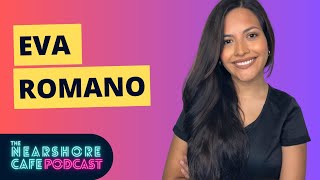
In this episode of the Nearshore Cafe Podcast, host Brian Samson interviews Eva Romano, a bilingual talent‑acquisition professional who grew up between Colorado and Salta, Argentina. Eva explains why she chose to live in Salta, describing its northern location, high‑altitude dry climate, slow‑paced lifestyle and strong siesta tradition. She shares details of local food (empanadas) and the cultural importance of mate, contrasting its social use in Salta with its study‑aid role in Buenos Aires. The conversation then moves to Eva’s bilingual upbringing, the family dynamic of speaking English at school and with siblings while using Spanish at home, and how her two older brothers introduced her to recruiting. Eva outlines her six‑year career helping U.S. companies hire Argentine talent, highlighting Argentina’s above‑average English proficiency, strong work ethic, modest time‑zone difference, and the creative resilience forged by economic instability. She discusses differences in workplace culture—greater meritocracy, willingness to disagree, informal and personable leadership—and how Argentine diversity adds value to VC‑backed tech teams. Finally, Eva advises companies new to nearshoring in Argentina to invest in cultural research and adapt benefits and management practices to local expectations, noting that Argentine pride responds positively to genuine interest. She ends with a light‑hearted anecdote about discovering fish tacos in California.
Chapters
Welcome to the Nearshore Cafe Podcast, home to the most interesting stories and people doing business in Latin America.
Welcome everyone to another episode of the Nearshore Cafe Podcast. I'm Brian Samson, your host, and I wanted to give a shout out to our sponsor today. That's Nearshore Direct. Go nearshoredirect.com. They provide all kinds of talent throughout Latin America. For growing US companies. I'm really excited about our guest today, Eva Romano. Welcome Eva to the show.
Hi Brian, thank you so much for having me here today. I'm really excited to be here on this podcast.
Well, Eva, I've been really looking forward to having you as a guest because I think unlike a lot of people we've had, you've kind of lived this split dual country passport life of Colorado and Argentina. And I'm sure that'll be a recurring theme throughout to get your perspective. But one of the more interesting things is you're not in Buenos Aires, you're elsewhere, but you're in Argentina. And it's a place not everyone thinks about when they think about Argentina. So why don't we start there? Tell us where you are and a little bit more about this great place you call home.
Absolutely. So I'm originally— I was born here in Salta. So I'm originally from this province in Argentina called Salta. And like you said, a lot of people people, when I mention I'm from Argentina, their mind automatically goes to, oh, Buenos Aires. So that's usually what I get when I'm traveling as well, or when I start working with someone new. Um, but I'm actually based in Salta. I was born here and I've been living here for the past, um, 2 or 3 years now. Before that, I actually did live in Buenos Aires for around 5 or 6 years. Um, but yeah, it's, it's been a journey. Um, you know, I'm sure we can get into the reasons, uh, later on in the podcast, but I ended up choosing Salta over Buenos Aires. You know, a few years ago I decided to come back home, which was actually something I never thought I would do. When I left Salta, you know, I just, I was just out of high school and I was like, you know, I want to leave this little town and go into the big city and that's going to be my place moving forward. It didn't work out like that. I ended up coming back to this little town. But yeah, a lot of people are not familiar with Salta and I'm a huge advocate of, you know, my hometown. I am a fan, and I always encourage people to come visit.
Amazing. Um, so I've, I've had the good fortune to travel to a few different places around Argentina, and not everyone even realizes how big of a country it is and the diverse topography and geography. Um, I've been in Mendoza and, you know, wine country, and Buenos Aires, of course, and, uh, Tandil, which is like famous for salami, of all things, and yeah, uh, Patagonia. Um, but I have not yet been to Salta. So maybe just as a reference point, like, where is it on the map? What's the climate like? Population? You know, just, just give some basics to start.
Yeah, absolutely. So Salta is a province that is up north in Argentina. We— I always use as a reference that we're right on the border with Bolivia. We could actually drive to Bolivia. It's only a few hours away. And, you know, I would say some main characteristics and differences between a place like Buenos are on one hand the weather. We have very dry weather, so in the summer it can get really, really hot. Um, we're also at a higher altitude, so, you know, you can definitely feel the sun a lot more and you can get tanned a lot easier in a place like Salta. Um, we usually have really warm weather during the summer. Sometimes for some people it can be a little bit too much if you're not used to it. So for me, my perfect seasons and what I always recommend to people visiting, they're spring or autumn. That's like the perfect midpoint weather where it's warm but not too warm or too cold. On the other hand, I would say pace here is very different to a place like Buenos Aires. And maybe, you know, you know, living in a place like Hawaii and the differences between like a San Francisco. Yeah. I feel like it's very much like that. The way we live here in Salta is so much slower than in Buenos Aires. Just our pace, the way we speak, how we go about our days. Here in Salta, we're very big about siestas. Siestas are very important, so much so that everything is closed during siesta time. You will not find a restaurant or a shop or anything really to do. During siesta time. And that is because of the weather as well, because it gets too hot, like after 1 PM until like 4 or 5 PM. It's just way too hot. So the best thing you could do is go home and take a nap. So that's very big here. And I feel like a lot of people are very confused when they want to go out and, you know, do some shopping at 2 PM and everything is going to be closed. So that's, that's one of the big things and big differences here as well.
Oh, that's interesting. You know, I don't think I saw the siesta culture at all in Buenos Aires. Is that so? With, so with that, how does that impact maybe like the digital nomad experience of, you know, people that maybe are working with a different country or say connecting with the US?
Oh yeah, 100%. Yeah, I feel like as a digital nomad, you adapt to certain things and for sure siesta that is usually not an option, really depending on what type of work you're doing though. Um, what I do enjoy about, you know, remote work is the flexibility that comes with it. So, you know, depending on the project that I've worked with, I have actually had the opportunity to adjust that to my, you know, hometown lifestyle in occasions, right? Um, which that I feel is a huge benefit of the nomad life and working remotely. Um, when I was in Buenos Aires, I had to adapt to, you know, that kind of lifestyle and pace just because more so about of my surroundings, you know, shops and everything, they close a lot earlier than here. So here usually shops will reopen at like 5 PM and then they'll be open until like midnight, uh, whereas in Buenos Aires a lot of things would close at like 6 or 7 PM. So, you know, oftentimes I would log out of work, maybe, you know, fix up a merienda or something, and then I would want to go out and do some shopping. And in Buenos Aires it's like everything is closed and it's really like 7 PM. So I've personally been able to find that flexibility to kind of adapt depending on where I am, both in terms of time zone and lifestyle.
Yeah. What's the food culture like in a place like Salta?
So Salta is very known and very famous for our empanadas. I'm going to be the first person to say that we have the best empanadas. We're always competing with other provinces, mainly like Tucumán. Tucumán is a big one. They're always thinking they have the best empanadas, but, um, I have to say empanadas salteñas— that's what we call them— are the best, which are basically made out of, um, like ground meat, um, potatoes, egg, and onions. Those are like the main ingredients. They can vary, but potatoes and eggs are like the main difference between other empanadas. And usually you can have them both ways, either like baked or fried, but the most like iconic and known ones are fried.
Interesting. That sounds good. And I think I saw earlier you had mate. Now, not everyone knows about mate. Is that a big part of lifestyle in Salta? And maybe you could even explain a little bit about what, you know, the bombilla and everything else that you have right there.
Yeah, absolutely. Yeah, I would say mate is, is very attached to the type of lifestyle we have here. And I feel like each province and of course Uruguay has mate as well, and each country enjoys it in a different way. Here, particularly in Salta, to me it's very attached to relaxing and time off and being with friends. Whereas when I was in Buenos Aires, it was very much related to studying or working. Um, that was kind of the case. It has some caffeine in it, so that also helps to keep you awake. So while I was in university in Buenos Aires, a lot of my, um, friends, we would just get together to study and have mates so that could keep us awake for those long study nights. Whereas here, you know, you do have it in those cases, but it is very much like, you know, hey, let's go to the plaza, let's go to the park and have some mate and just, you know, have that social moment with friends or family. Um, so for those of, of you that don't know mate, my best way to usually describe it— it's kind of hard because it's very unique, but it is kind of like a tea. Um, so it's like a mix of herbs. Um, it, like I mentioned, it does have a little bit of caffeine in it, not as much as coffee. Um, so it's kind of that midpoint between tea and coffee, and we have it with this straw which we call bombilla. And the mate itself, which is like the cup it's in, can really vary on, you know, the material that it's made of. I have a mate that isn't like the original kind. It's very modern. This one is actually made of plastic, which a lot of people are against that because the original mate is actually made out of like a tree. Yeah, and it has this whole process into when you first buy it, you have to like clean it up in a certain way before using it for the first time. This is just plastic, you just go straight into it. It's very modern. A lot of people prefer this because it's easier to clean up, whereas the other one can be a little bit more of a hassle. But it's a huge part of our culture for sure.
Yeah, one of my most prized, uh, things that I brought back from Argentina. We have a couple mate cups on a bookshelf. I think we got the original style, like the, from the tree, you know, and I think we got them from like a San Telmo Sunday market or something like that. But yeah, it was, we, we really, we really take pride in like when we have visitors at our home, you know, like Oh, what's that? You know, and we, you know, it's a, it's, it's a pretty fun thing to talk about. Um, so tell us a little more about you. Um, uh, this upbringing in Colorado, Argentina, um, where did you live when you went to school? Kind of take us through the journey to, uh, just getting started with work.
Yeah, absolutely. So, um, I was born in Argentina. Like I mentioned, I am originally from Salta, where I'm currently based. My whole family is from here. And we moved to the States as a family when I was just around 1 year old, so I was just a baby. And, you know, we moved a lot while we were in the States. We were there for a total of 10 years. We moved around a lot, but the place that I remember the most, and we were probably there for 5 years, is Colorado, mainly Colorado Springs. We also lived in Denver for a while. But then we really moved from Virginia, Wisconsin, spent some time in Chicago. My family really liked traveling and like road trips. So we visited a lot of places like Arizona, Las Vegas. We really like just jumping in the car and getting on road trips. So, you know, what I remember the most was while we were in Colorado, you know, during this whole period of time, I was a child. So there are a lot of things that I don't remember. So clearly, but essentially I did my elementary school in the US and then probably when I was 11 or 12 years old, we moved back to Argentina to Salta where I am now. And I did my high school here, middle school and high school years. So I was here for about, I would say, 6 or 7 years. And then after high school, I moved to Buenos Aires to go to university. I was there for probably 6 years, and then I decided to come back to Salta, and I've been here for the past 2 years or so.
Yeah. What was language like in your household growing up? Because you're bouncing back and forth all the time.
Yeah, that was actually a very interesting dynamic. So, you know, like I said, when we moved to the US, I was 1 year old. I really didn't speak at that age. And then all of a sudden I was in a different country with a different language, and I started going to like kindergarten, started going to school, and obviously there we would speak in English. Um, so my mom will always tell me stories about me coming back from school and, you know, telling her about my day and everything we learned and everything we did. And I was like, I love to sing all these songs. I was like, 3 little monkeys, and she was just staring at me having no idea what I was saying because my parents couldn't speak English that well. Um, they could, you know, kind of understand it at that point, but they wouldn't speak it very well. So she would kind of understand me and she would reply in Spanish. So I understood Spanish to perfection because that's what I was used to in the household, but I would always speak in English. And also with my siblings, I have two older brothers, and our dynamic has always— and up to this day, it's always been in English between us. But, you know, with our parents, we speak in Spanish and we can speak in English to them. They'll fully understand, but they will reply in Spanish. So that was kind of the dynamic that we had.
So interesting. That's, that's great. Now, you, for those that don't know, your career is in talent acquisition. And not only is your career, you mentioned your brothers. It's like a family of talent acquisition. So maybe if you could talk a little bit about that and also your journey, you know, in the talent acquisition field. Were you working with US companies, domestic companies?
Yeah, absolutely. Yeah. So like you mentioned, I come from a family of recruiters. I am the youngest sibling of 3. I have 2 older brothers. They are around 10 years older than I am. So we have a little bit of an age gap there. So naturally they got into you know, the working market, um, a while before I did. So, you know, they, they got into this market at a time where it wasn't that common. Um, you know, just especially working remotely wasn't as common at the time. So I remember at some points, you know, I was living with them and I was still in, in high school or in middle school, and I would hear them talking like over the phone. Um, you know, I really didn't fully understand what they were doing. They were recruiters at that point, and I was like, what? I was like, what are these guys doing? I didn't really fully understand, but I somehow got immersed into it at a young age because I would repeatedly hear them over the phone and just each of us have our own interviewing style and our own pitch and our own selling style. So I naturally started hearing that and getting immersed into that world. And then when it was my time to kind of join the workforce, I really didn't want to do recruiting at the time. I was like, no, my path is going to be completely different. I'm not going to be like my brothers. What they do is boring. That's really what I thought, you know, I'm going to have a cooler job. Um, but you know, at some point they actually came to me and said, hey Eva, this is, you know, even if you don't want to do this, these are some really interesting skills that would be great for you to start learning, even if, you know, you don't end up being a recruiter. So they sat me down oftentimes and they would be like, hey, you know, this is what sourcing means, this is interviewing. Did you want to just sit next to me and listen through this interview or client intake call? I was like, okay, fine. Didn't really have anything better to do. And doing so, that's where I started to learn and kind of have a new interest in this. It's like, hey, this, this isn't that bad. Yeah, this is kind of cool. And particularly what I liked about it is being able to have that diversity in terms of culture and reconnect with what, you know, that US culture part inside of me and being able to use the language because since we had moved back to Latina, I really didn't have the need to use English anymore. So that's where I started, you know, being interested and how I slowly got immersed into recruiting myself and it's been around 6 or 7 years now since then.
Yeah. And one thing that not everybody knows is there are a lot of recruiters all over Latin America that work with US companies, US candidates, US jobs. But I think Argentina especially has kind of built this population of recruiters and there's a lot of people like you. What do you think What do you think is it about Argentina as a country that produces so many recruiters that end up working with US companies?
Yeah, that's a great question. I think, you know, like I said, I have 6 or 7 years of experience working, you know, from Argentina for US companies. But I also have insights from my brothers that have been in the industry for much longer. And the industry and the market has kind of evolved. And I've been able to see that through them where, you know, nowadays, 2023, it's not the same market that, you know, you used to have 15 years years ago when they started, it wasn't as big and as popular as it is nowadays. But answering your question, I think what makes Argentina in particular, um, you know, just very interesting for U.S. companies to hire folks here is that on one hand, our English level overall, I think, is kind of above average compared to some other South American or Latin American countries. That's actually something that I had this when we moved back from the US to Argentina, which by the way, I couldn't speak Spanish. We moved back, um, but I was surprised about the amount of people that, you know, could speak pretty good English. Um, so, you know, we here in Argentina, people get taught English from a young age, and I think also the fact that we're very much of a melting pot and the Argentine culture is just very welcoming and curious of other you know, people and foreigners, um, you know, people just have that desire to learn English to be able to communicate with foreigners. So I think that's a huge advantage, you know, having that above average English level. On the other side, um, you know, I think the working culture and working ethics that we have here, um, is definitely something that's, that's interesting. Um, I think that people here in Argentina, and this applies to Latin America as a whole, have a very strong work ethic in terms of hard work, you know. And I think this is a mix of our historical and economical background, you know. We're just very used to working hard. So I think that that's also a huge advantage that we have here. And of course, you know, the time difference that we have with places like the US where it's not that big of a gap really. And in many occasions for me as a, you know, from a perspective as a remote worker, it has been beneficial for me to have that, you know, different time zone, which is just a few hours, but it really gives me like time in the morning to do my own thing until, you know, it's 8:00 AM in a place like, you know, San Francisco or something like that.
Yeah, yeah, absolutely. A couple things you said that I wanted to, uh, just echo because, um, I've seen this myself is the natural curiosity, I think, of Argentines, um, and curious about different cultures, um, and even like U.S. politics and pop culture. I probably had more interesting conversations with Argentines about U.S. politics than I have about— than I have with, like, for one reason or another. Um, just like this, uh, it's like innate. Like, they just want to know, they want to share their ideas, they want to talk about it. Um, just one of the, the many things I really enjoy about it.
Yeah, 100%. Um, you know, here in Argentina, we, we love talking about so many things, and sometimes we talk about things that we don't know that much. That's one of the things that You know, a lot of people sometimes criticize about us, like Argentines will just say whatever and pretend they know, uh, you know, a little bit about everything. But I do think we are genuinely and, you know, naturally curious. And, you know, that, that's something that's very interesting, and that I think it makes it a country that is also very welcoming to foreigners. And that's why so many people and remote workers and digital nomads from other countries do decide to move to places like Argentina as well, because they just find it so welcoming and find people naturally interested in them and their culture. Whereas there are other countries that are a lot more reluctant to foreigners.
Yeah. In particular, I wanted to dive more into the tech culture because that's something that you've worked in the last couple of years. And when I think of, you know, I've lived in San Francisco and I think of the VC-funded tech companies and and it's a frenetic pace and you gotta get to market quick and everyone's rallied around this mission and energy. And of course there's plenty of tech startups in Argentina as well, but it's not like that everywhere in Latin America. What do you think in particular about the work style and culture that makes Argentina such a so well aligned with that VC-funded tech world?
Yeah, that's a great one. I think overall diversity in the workplace, I think, is something that can bring a huge advantage. And I do think there are some pretty big differences between the working culture in America versus here in Argentina. But that's where really I find the most opportunity for growth. Many times in these contexts, working for, you know, maybe an Argentine startup that is providing services to, you know, a US-based company, is that oftentimes there will, you know, be brainstorming sessions where folks from here, from Argentina, come up with certain ideas or perspectives that really no one in America might have thought of, you know, in another setup, and vice versa as well. That's why I think it's so nurturing to have this diversity in the workplace, we come from different mindsets. And although we are very similar in many, many ways, and I find that in my own like personal background, right, growing up in the US and then living here, ethic and our personality, I feel like that brings a lot to the table. And that many times, you know, for people that are working in the US, they're like, oh wow, I never would have thought about that. We're very much about thinking outside of the box. As well, generally. So, you know, we come up sometimes with crazy ideas where maybe someone in the US is like, oh wow, that's a little bit too much. But I feel like bringing those, you know, diverse ideas to the table and in a brainstorming session is just extremely valuable for both cultures.
Yeah, I think two things come to mind, you know, as you talk about that. The first is I don't think Argentines are afraid to disagree. And sometimes when companies talk about collaboration and creativity, what they really mean is, does the boss have a good idea, right? And I think Argentines truly believe in meritocracy, not just the best idea that the boss had, but the best idea period, right? And that matters and that creates breakthroughs. But the other thing that I wanted to get your take on, because sometimes, especially for someone who's got the shared US and Argentine perspective. Now, I'm not one to talk now because the stability of the US dollar is a little less in question now or a little more in question. But For a long time, inflation has been a big deal for Argentines. Political instability, government mismanagement. I don't want to get you in trouble for saying anything, but economic hardships. It's not the easiest life, right? Like things that are outside of control. I've heard stories of people where just from mismanagement, they've got $1,000 in the bank account one day and then the next day it's worth $100 and they can't even access it. Right. So I think really where I'm going with that is the frameworks of the country and the institutions don't always work. Work. But maybe because of that, it's created this cleverness, this creativity, this like super flexible way to solve problems. And I'd love to get your take on that.
Oh, 100%. I totally agree. And I think, like I mentioned, it is all about a historical and economical background that is the reason our culture and our personality is this way. I definitely think this, the context that we've lived in for several years has made us resilient, creative, and having to think of different ways to, you know, go about a problem because, you know, that instability that we have generally just in our economy and politically, it just one day, you know, you have something, the next day you don't. One day something seems to be going fine, the next it's just us, you know, terrible. So I think that ability to kind of reinvent ourselves and through struggles find an opportunity to just be better, because, you know, many times we don't have an option, right? We don't really have a choice. You just have to get through, um, you know, the struggle, the problem, the difficulty, and, you know, find light at the end of the way. And I think that's really what makes us very productive in a fast-paced changing environment. Many times these VC-backed companies or startups at earlier stages, they have that kind of environment, right, where you really have to adapt to different situations and be flexible. And I feel like that comes very naturally to us just because of our, our whole context and situation. So 100%.
Yeah. Let's talk a little about leadership. How do you think leaders in Argentina are the same or different? You know, and think about like the VC-funded tech type of companies that we're all familiar with. Is it almost similar? Are there some key differences? And you know, how, how those leaders run their teams or the leadership styles and cultures?
Yeah, yeah, I definitely think there are certain similarities and differences. Um, I'll talk about the differences, which are, are more interesting. Um, so I would say leadership in a place here like Argentina, um, in a certain way I feel like it's a bit more personable and informal. We are very social people here in Argentina, and, you know, we're very much about affection and being close to each other. So many times I think to be a good leader you have to have that portion of that here in Argentina where you're very like relatable and sometimes, like I said, informal, where there's not like this hierarchy, um, as much, you know, where it's, oh, you know, I'm talking to the boss or the CEO, this has to be like very serious and businessy. Obviously it depends on, on the context, right, and the type of company you're working with. But I feel, and in my experience as well, those relationships have been more successful when you can be more personable and where again there's not like that difference in, oh, this is my boss, so I have to change my tone or something. Whereas, you know, in the US market, I've noticed that difference a little bit more. Again, it depends on the context and the type of company, but I feel like when you have that kind of merged culture where you're working with, you know, South America and US, both parts have to give in a little bit, right, to be successful. So we kind of have to adapt a little bit to your working style and vice versa. As well. So I find, you know, leadership sometimes with US folks to be more successful when there's a little bit of that distance. And that's kind of the style that I've seen for the most part. And I feel like for us at first it could be kind of strange and kind of, okay, that's the way it is here. But, you know, we learn to adapt and I feel like we also kind of are able to get a little bit past that skin with Americans just because of our personality and the way we are. So they kind of end up giving in a little bit more as well.
Yeah, yeah. Just a few more questions for you, Eva. I think we're really blessed to have your perspective with all these different countries and different outlooks and perspectives. There's a lot of movement lately towards just curiosity about Latin America, and companies are starting to look at it way more than ever before. You know, maybe it was because of COVID and remote work or whatever. If you could just give one piece of advice to companies that are maybe looking to nearshore for the very first time, and they've circled Argentina as the country to do it in, what would be that number one piece of advice you'd give them?
So I would say, and I've seen especially recently, you know, as a personal experience, companies either approach me or companies that I work for, you know, to kind of work together. And one kind of issue that I've seen is really the lack of knowledge of our culture and our market. Um, you know, I think it's easy to think, oh, you know, it's just cost-effective and time zone effective and that's it, you know, let's just jump into that market. But having that lack of research and, you know, genuinely being interested in, in our culture and our work ethics and really knowing the differences, the pros and cons is key because, you know, I don't think it's all rainbows and butterflies. I do think it can be extremely beneficial, but you have to have a setup, you know, beforehand for that to be, you know, a positive experience. And that setup comes from, you know, actually doing your research and being knowledgeable about our culture and the way we work, the way we speak, just so there's also no surprises both on your end and on the other end. In general, we are a very prideful country. We are very proud about our culture, about ourselves. That's something that we're often criticized about, but when we notice that someone genuinely puts thought into, you know, doing their research and learning more about our country and our culture, we just find that, you know, extremely welcoming and we will give that back, right? So it is a little bit offensive for someone to come in and not know anything and all of a sudden, no, I want to build a team in Argentina, but I know nothing about your culture. So I would say that is key and that would be my piece of advice, really learning, you know, what are the key differences, what is important to Argentines that maybe isn't as important for us, and therefore adapting, you know, their team, their benefits, their overall culture to us as well. So I would definitely think that's a good piece of advice.
Great answer. Just one more fun question and then we'll wrap up here for the day. So you recently had the chance to go to California. What was the most interesting food that you had that maybe isn't as easy to find in Salta?
Oh wow, that's a good question. Um, I would say what was the most interesting, what I enjoyed the most, was tacos. Um, you all may know that California has a big Mexican influence as well. Um, so I actually had fish tacos for the first time in California, and I didn't even know that existed. I mean, I knew about tacos, but not fish tacos specifically. Um, so that was something I tried for the first time, and I, I don't know how many fish tacos I had while I was in California. I lost count because I loved it. I thought they were the best ever. I was like, why don't we have this back home? So I had way too many of those. Um, so yeah, I would definitely say that. And we don't really have— tacos aren't really a thing here in, in Salta, so that was great to have there.
All right, well, that's all the time we have, uh, for today. I— Eva, thank you so much, and a big thanks to our sponsor, Nearshore Direct. GoNearshoreDirect.com. Eva, it was great having you today.
It was great being here. Thank you so much.
Thanks for joining us at the Nearshore Cafe podcast. Tune in next week for a new episode featuring another special guest.
More from Brian

From BPO Agent to Client Experience Manager: Ana Rodriguez on Nicaragua's Nearshore Talent

From BPO Agent to Client Experience Manager: Ana Rodriguez on Nicaragua's Nearshore Talent

Building Sales Teams in Mexico: Mario Oliveros Figueroa on LATAM Talent & Cross-Border Selling

From Automation Engineer to Data Platform: Victor Fernandes on Brazil Tech Talent

H1B Crackdown & The Nearshore Shift: Robert Bouchard (H1B Guy) on LATAM Talent | 🎙 TNC

Nearshoring Yourself; step by step to building an expat life in Mexico |🎙 The Nearshore Cafe Podcast

Scaling high-performing teams in Costa Rica staffing legend Doug Firestone on growing to 225 LATAM

How to Scale in LATAM? Navigating Currency, Taxes, and Labor Laws | 🎙 The Nearshore Cafe Podcast



AI in LATAM: How to Break Into Mexico’s Tech Market |🎙The Nearshore Cafe Podcast