🇦🇺 Nearshore Nomad Journey ➡️ 🇨🇴 From Australia to Colombia | 🎙 The Nearshore Cafe Podcast
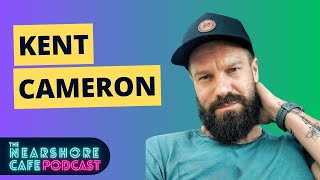
In this episode of the Nearshore Cafe Podcast, host Brian Samson interviews Kent Cameron, an Australian digital nomad who has been living in Cali, Colombia for the past 8‑9 months (and in Latin America for about five years). Kent describes daily life in Cali – the hot climate, salsa culture, markets, food staples like arepas, avocado, chicken and beef, and the vibrant street scene. He explains how the city’s infrastructure has improved, with fast internet (including Starlink) and coworking spaces such as WeWork, and how he connects with other expats through Facebook groups and language‑exchange nights. Kent outlines his work model: a mix of entrepreneurship and freelancing, serving U.S. companies as a contractor, using payment platforms like Payoneer and Deel to receive USD. He shares the challenges of learning Spanish (initial over‑confidence, now B1‑B2 level) and the need for discipline to balance work and distractions. The conversation also covers his love of cycling – riding the hills around Medellín and Rionegro, the “Letras de Altos” climb, and the cyclist‑friendly culture in Colombia. Kent describes his modern apartment, amenities, and the low cost of everyday items (e.g., a coffee and eggs for under $1). He offers advice to prospective nomads: be self‑aware, stay disciplined, and understand the slower bureaucratic processes. The episode is sponsored by Plug Technologies.
Chapters
Welcome to the Nearshore Cafe Podcast, home to the most interesting stories and people doing business in Latin America.
Welcome everyone to the Nearshore Cafe Podcast sponsored by Plug Technologies. My name is Brian Samson. I'm one of your co-hosts here today, uh, 8-year founder of nearshore LATAM-based companies. Along with me is my co-host Kent Cameron, a digital nomad currently living in LATAM, and we are super excited to be here.
Super excited, looking forward to diving in. So yeah, let's get into it.
All right. Well, Kent, you have a really interesting story, and I really want our listeners and viewers to understand, like, just what does it mean to be a digital nomad in Latin America and how you got into this world and all that stuff. But I think what would be really interesting is if we can kind of plant where you are today. So like, where are you living? What's daily life like? You know, it looks like you're in a pretty cool modern background. Yeah, tell us a little more about, you know, daily life.
So yeah, that's great. I'd love to share that with you, Brian. Yeah, so right now I'm based in a place which is in southern Colombia called Cali.
Okay, yeah, Cali, right?
Yeah, that's it. Cool, right? Yeah, so I'm based in Cali and it's known as the salsa capital of the world. And I don't like to be brutally honest with you, I don't know if that's like 100% legit. Um, it's definitely something that the, the culture here is, is based on and it's like a big thing. So, you know, um, the, the culture passes down, you know, generation to generation and all that sort of stuff. So you can't, uh, deny that it's pretty popular here. So, um, yeah, so, so Sausage is a big thing in this town. Um, it's a, it's probably the third largest city in Colombia. So, so I, I actually moved down here about 8 or 9 months ago. Okay. But, um, yeah, interesting stories behind that because I've been coming here for a long time, uh, because, um, you may or may not have been to Colombia, but, uh, in Colombia it's like, it's very culturally rich, like up to the eyeballs with things, you know. It's— there's so many things to do, and this is one of the One of the things I discovered in my journey, um, so yeah, uh, funny, funny story is my, my parents actually were, uh, like professional dancers. They met each other, um, and that's how they met. And so essentially, like, I didn't know that, like, I actually got into this, um, yeah, it wasn't necessarily my thing, right? I didn't, I didn't know I liked this, but somehow it's in my blood, I think.
So Yeah, that's great. And so you said Cali is in the southern part of Colombia. Like, what's the weather like out there?
Great question. Yeah, so it's super hot here. So what I love about it is that it's really predictable. So it's hot all year round. And me being from, like, you know, from Australia, you know, there's pretty good weather there. In the north. So it's sort of just been a natural transition for me.
Yeah, yeah, right on. And so you said it's the third biggest city. Tell us a little more about like kind of daily life there and like, you know, are people going to the markets all day and like the food and the culture, the coffee culture, you know, Nearshore Cafe, we love our coffee here.
Absolutely. Absolutely. So, so yeah, I think, um, like day in the life here, it's kind of, kind of interesting. Can be a little chaotic, um, you know, obviously, uh, but it's also, uh, I would say, um, kind of like a destination you don't really go for coffee. Like the, the altitude, uh, isn't really primed for that, you know. So like it's dry and hot, um, but there's lots of, you know, like trees, and it's very like sort of nature, nature-based, you know. Most of Columbia is pretty diverse. Um, but yeah, so, so I, I would say like people drink a lot of coffee, but we don't produce a lot of coffee here. But there are lots of farms that they produce lots of other things. Um, don't quote me exactly on what they do, but, but there's, there's a lot of different things they produce. And agriculture's, you know, it's a big thing. So, so yeah, like, um, so, so as you maybe could imagine, if you, if you, if you, if you been to Latin America, right? So you've been and you've seen like markets and, and all that sort of stuff. There's, there's definitely like a really vibrant, um, like sort of culture where you can go and buy anything really cheap. Um, fruits, there's like crazy amount of fruits and different vegetables. Like, as, as I mentioned, it's, it's quite diverse. So it depends on what location, depending on what you're going to get. So yeah, yeah, um, yeah, very interesting, um, dynamic kind of first place.
What are, what are the typical people eating for breakfast, lunch, and dinner out there?
Yeah, so, um, again, it's kind of specific, so, but also there seems to be the same thing. So like in, in, in the morning, most people have like arepas and, um, they have like avocado and they'll have some meat or something like that. It's very, very common. Eggs as well. Um, you know, that sort of thing. Like it's a combination fairly fairly hearty sort of food. You know, lots of soups and different sort of like food like that. Sorry, I can't say all the names of it. That's— you put me on the spot here.
That's okay. And is rice and beans, is that a staple or is there like certain meat that's more commonly used than others?
Okay, so meat. Yeah, I think like chicken, chicken and res, like like kind of like steak or beef is like a staple. Yeah, like in every meal you get that. Yeah, for sure. Yeah, for sure. Right on.
And now we know that you're a digital nomad, which is something that is, like you said, has really become popular about a decade ago and especially, you know, driven by COVID. For those that don't know, I live in Hawaii and there's been a lot more digital nomads that live here too, you know, where you're, as long as you have internet and a laptop, we can all make it work. How, like, just kind of how is the infrastructure out there? Internet and phone service and technology? And are there other people like you? Are there other, other nomads, digital nomads in Cali?
Yeah, yeah. So yeah, I can talk about that. So over the years, I've been sort of going in and out of Colombia for the last 5 years, seeing like the infrastructure really change and become a lot more robust. You know, post-COVID is a great, great reason. And also, I think, I don't know if you've seen like Starlink, I think is also available here as well. So, oh, cool. Yeah, like internet. Yeah, internet's not really an issue, you know, and So really fast internet, readily available. So yeah, so in terms of foreigners, so it's a real popular place. Lots of people, you know, travel all over the world here, including, you know, a lot of people from America. There's lots of people from America, interestingly enough. So yeah, so it's a really popular touristy kind of place to come. I think like the salsa is a key thing that like drives people down here. They come down, you know, and they want to, they want to go to all the good clubs and, you know, they want to try all the different things. And so, yeah, it's a really unique place for that reason. Right on.
Now, have you partaken in the salsa culture?
Yeah, yeah. Look, I try. Yeah. Like, you know, it's a great opportunity, you know, to get out and do that. You know, obviously you need to be kind of disciplined because like The culture here, you know, it's very collective. People want to share their culture. It's, uh, you know, something they're very proud about, uh, and I think, like, um, they have every right to be, right? But, but also, you know, sometimes when you're, when you're juggling, like, work and, and, and also, like, seeing a country and, and all that sort of stuff, you need to be sort of disciplined about it, right? Um, otherwise you could, you could be dancing all night, you know. Um, so, so, you know, Um, that's just my 10 cents. Yeah, so, so the weekends, um, it's pretty common, uh, to go out with friends and, and just like go and casually dance at various like clubs and, um, you know, bars and things like that. It's super, um, it's super like very, very friendly for anyone coming all over the world. Um, you'll, you'll find that there's like a very easy transition here for sure.
Yeah, it seems like a very welcoming place. And, you know, just kind of back to the digital nomad environment, like, are there startups here? Like, are there coworking spaces? Like, how do you guys meet each other and find each other out there?
I think the most common go-to point is like a WeWork. They're all over the world. You're familiar with those, right?
Of course. Yeah.
So yeah, so there's several locations here where you can, you can plug and play and it's pretty economical. And yeah, like I think the other go-to, which I'm a fan of, is just going to like various online Facebook groups and things. And that seems to be the easiest thing, you know, like sometimes you might be in different places and, you know, like sometimes a drama to get around at times. So yeah, busy, all those things. Yeah, so there's plenty of room to meet people. There's like this thing I noticed the other night. I went past it. I haven't been, but it's called like a gringo, like language night, Spanish night or something like that. And it's one of those classic things. So there's a lot of those sorts of initiatives. So if you came down anytime, you're more than welcome. You could essentially go and learn Spanish pretty quickly. Right on. How's your Spanish, by the way? Sorry to break your flow, but how's your Spanish?
Interestingly enough, my Spanish has been pretty stagnant since I became a nearshore entrepreneur for the very reason that everyone that I interact with, their English level is so high that like, there's really, you know, I just kind of throw in some Spanish words, I think, for fun, but Otherwise, the population that I work with, the English is so abundant, fluency is so advanced that all my conversations are just easily in English and it's just super unscripted and just casual, which is something that really attracted me to the region.
Yeah, yeah, absolutely. Yeah, it's one of those things that's kind of elusive, right? Like you need to you need to use it or you lose it sort of thing. So yeah, it makes sense. Yeah, it's no easy feat either, you know, the Spanish language if you didn't learn when you were at school or something like that. So yeah, so it's a good one, that one.
Yeah. Yeah. Well, tell us a little more about, you know, as a digital nomad, that's a pretty vague thing, but like, what do you do day to day? Like, what do you do for work?
Yeah, absolutely. So, um, I think like the whole digital nomad thing, it's like there's, um, there's many different like variations and sort of, sort of like models, I think, like of how you can work. And, um, you know, it could be anything from, uh, you could be freelancer, you could be like remote employment's one, another one, uh, you could be like entrepreneurship's an obvious one. You know, you could be like a content producer, maybe you're an investor, you know, like in the finance side of things. So there's a ton of different ways and I guess my sort of categorization of it was I took like the entrepreneurship route and also the freelancing route seemed to be the right one for me. And I probably didn't anticipate as many like learning curves. So, you know, there's a ton of stuff I didn't know before I left and now I know. So that was really cool. And like, just really like the main thing I do is I played with coding, I played with like recruiting, teaching. I've done a number of things and that seemed to have got me across the line.
Yeah. Yeah. And recruiting and coding, you know, are two often in-demand skill sets. And I'd imagine the cost of living in Cali is a little bit less than the cost if you were to move to the US.
It's a great point. Yeah. I've had this question so many times. So, yeah, Brian, I think the motivation for me to originally go was that I was trying to fix that overhead, like, cost problem, you know. So it's like, sort of, you know, you want to minimize your overheads, you know, maximize your, you know, your income. So I was thinking in the same vein. Yeah, it was like, I, I was thinking in terms of options, like, you know, before I left, it was like, do I live with my parents? Do I I stay in the job and do like a side hustle thing? Do I raise money or what do I do next? And so it kind of came to a point where I was like, I need a fourth option, you know what I mean? Like it was sort of like I need another option because neither of those appealed to me at all. And I was like, what is that option? And I came up with like South America starting in Mexico. Because I guess like just to share with you, I think if you look at the problem statement, it's like trying to minimize your overheads, you know, Mexico automatically is, you know, very different in terms of like sort of purchasing power when it comes to like Australia versus Mexico or Sydney versus like say the beaches in Mexico, you know, it's a very different thing. So So achieve that goal. And then the other one I liked was it was on the same time zone as the US. So I could like effectively access like this massive market, right? So I just like, I looked at it and I thought, well, this is like classic arbitrage. Like it's almost like I checked up, I checked up the actual like term, it's called currency arbitrage or forex arbitrage. Is that right? Yeah. And so that was the initial incentive and it seemed to work. 5 years later I'm here. So I guess it worked. But, you know, so, yeah, so that was the appeal to get started.
Yeah. I also think it can make someone like you incredibly attractive for companies, you know, looking for that talent arbitrage, you know, because here you've got, a digital nomad with skills that easily adapt to the Western world because that's where you're from, because your overhead is just a fraction of what your competition in the US, your overhead is a fraction of that cost. So it allows you to still make a massive margin, but also price your own personal services more competitively. And I think that you've really cracked the code. You really cracked the system on that.
Thanks. Well, I'm getting there. I did it well. Yeah, I think like I got some things in retrospect straight away, you know, like you obviously get by default a cheaper environment in that sense or less cost. And then, you know, the other things like there was front with plenty of challenges I can share with you and takeaways, but it's like Yeah, that it's sort of a journey and, you know, you get certain things upfront and other things later on. So yeah, that was generally the cadence of it all. So yeah, cool.
You know, forgive me, we haven't really spent much time on your, just your overall backstory, Ken. Obviously you're an Aussie. Tell us, just kind of tell us a little more about like growing up and how you, you know, I know you talked about the fourth option, but just kind of tell us a little more about, you know, Kenton growing up, Kenton High School, and like your journey to this exciting continent.
Awesome question. Yeah, thanks for asking. I guess, so yeah, Aussie, born and raised in a place called Brisbane out in the country in between, like it's a place called Ferny Hills. So went there, you know, it was classically educated, went through all that, very entrepreneurial family. So yeah, it was like, you know, sitting there watching, you know, dad like in the pool room downstairs, you know, build up on a sales service business and that led on to a number of international companies, which was interesting. And so I spent a lot of my time just like sort of arguing with my parents about business decisions at a dinner table and, you know, like, you know, building prototypes of things. So that was kind of my background, fairly creative, practical. And then, yeah, so like first overseas trip out of Australia, I was always seeking diversity. You know, I think it came from one of the schools I went to, super diverse. And I was like, wow, like, let's get out and see what's going on. Yeah, like, I, I guess, like, sorry, just touching on school. Um, yeah, definitely, um, always in trouble. Um, great at doing that. Um, you know, always looking, looking for a response, like, pretty much, you know. So, um, a bit of a character. Um, definitely, um, played a lot of sport. Um, quite athletic, like, athletic career. Um, you know, like, um, basically, like, tons of those normal things. But yeah, so My first, my first like trip was to London. So I went to Europe and did the Europe side of things. And yeah, like my career sort of like bloomed getting into sort of like IT recruitment, property development, accounting. I did a whole different heap of different disciplines and then landed on technology and sort of, you know, 20 years later here I am. So yeah. That's the story.
Well, talk a little about, you know, like what you expected when you came to Latin America, if anything, right? Like it's, you know, kind of hard to anticipate. And then, you know, what surprised you in a good way? What surprised you in a not so good way? You know, tell us some more about that.
Yeah, absolutely. So I guess there was, There's a couple of things that really stand out. So I'll probably start by talking about Spanish. Maybe that's a good one. We kind of touched on that. So my interpretation was that, you know, you go online and you can learn Spanish in a month, you know, like no problem, done, like thanks for coming, right? So that was the biggest misconception. I never knew any Spanish. Like growing up, I learned some German and English obviously was the dominant language. So like, I really didn't know any Spanish at all. So, okay, I spent about a month and became conversationally fluent. Like, I think it's pretty easy to have a conversation, people can understand, you know. But then I bumped into all sorts of challenges which were much more difficult to communicate through. And I realized soon that I really didn't know anything. That the learning curve and the type of learning curves in Latin America for me were getting my head across that language to the level that I needed because I love getting on the road, I love getting out and about and I needed a lot more. A lot of people here speak English. So it's super widely acceptable to speak in English to some extent. In major cities, but when you go off the beaten track, it's a different story. When you work, it's a different story. So yeah, so that's like the first thing. So learning Spanish after going to universities here, working in the workplace, you know, dealing with, you know, like meeting friends and having social situations and, you know, even some working contexts, like, so yeah, like I realized that, yeah, it was a big journey and it's still ongoing. I think I think I'm like at nearly a high, like, B1 or maybe B2 level in university standards. Um, but, but, um, you know, like, you can get away with it now. I can get away with it better now than I did back then. But yeah, so, so that was the first one. Um, okay, might lean on this. So major world events. So, um, when you're traveling and you're, you know, nomadic, essentially, it's like, uh, um, if there's a major change, um, in the world, you know, that, that can be challenging on a local basis, like, you know, when you're at home. But when you're away, um, I found like that was kind of interesting. So, so that, that was something I didn't expect, uh, was just, you know, any world change, major world changes or world events. So yeah, that was interesting. And I'd say also like migration to some extent. So systems are a little slower, you know, you need a little bit of help, you know, those things are really important. So that was a little challenging. So yeah, so I was expecting, you know, it's gonna be different, but I could just slot in, but it was much longer kind of like timeline. Yeah, so, so yeah, so what else? Just also learning new skills. So you think sometimes that, say, a skill, you know, translates like in your local market to say another market. And I had to learn like the whole US market and understand exactly, you know, what was needed and also where I could work, you know, like sometimes there'll be companies that will say, oh look, we're hiring remote, but that's remote in the US and they may not be necessarily open. So like you have to figure out your like kind of framework for that, which is an art form for sure. Yeah.
To jump on that for a second. So obviously you've worked with some US companies. How did they pay you?
Yeah, that's a good question. So One of the things, because I'm an Australian resident, so the interesting thing was, is I found like there was companies that were open to paying me as like essentially as an AKA kind of like contractor to some extent, but not a locally based contractor, like a contractor who would, you know, help them out, you know, and consult on whatever it was. And then, you know, it'd be a month-by-month basis and there's a ton of companies that will do that. So it was interesting to explore that because again, the goal was to have some form of like arbitrage around the earnings, right? So get some US dollars and live in a location which is like obviously not as expensive and go from there. So yeah, there's actually like quite a lot of companies who are open to that. But you have to, you have to like definitely search. It's not like a straightforward, you know, hey, everyone's putting their hands up. So you, you have to go and have those conversations. Yeah, that, that's sort of how it works. So like there's a number of like options out there. So there's like, like payment, payment platforms, which are really useful, really easy to use. You can, you can sort of like just set up an account and they'll utilize your bank account back in. Whatever location you are based, originally based in.
Could you share, you know, for those that are interested, could you share a couple of those companies?
Yeah. So the first two that I've used, had experience with, was with Payoneer. And so go to payoneer.com, I believe, and also Deal.com, I believe, if you're familiar.
Two Es, yeah, two Es, deal.com.
They're two that I've used. By the way, there's many others, but they're the two that I actually have experience with and found them to be quite, quite good and effective in terms of getting paid from an international company to a local bank account. Yeah. Okay, cool, cool.
Right. And then I want to go personal for a sec because you And I know you as a cyclist. Talk about, you know, cycling around Colombia and elsewhere that you've been in Latin America.
Yeah, happy to talk about that. Yeah, I think like this is one of my favorite topics and I guess, yeah, like I've always been a cyclist and it's one of the reasons why Colombia worked as a location for me. Like if you haven't noticed, there's like some pretty big hills. Yeah. You know, It's pretty diverse. So they produce like a number of really, really competitive cyclists in like the Tour de France. You'll see, you know, taking out a couple of like places that, yeah, a couple of competitions. So yeah, so basically it's like a religion here. And I've had a number of experiences, but probably the two that sort of stick out to me is So I was living in near Medellín. It's like the second largest city, the city of the spring, they call it. And I was living in a place called Rionegro. I was near the airport. I don't know if you, have you been to Medellín or?
I have not, but that is high up on my list. And I was just writing about that the other day. The city of eternal spring, like the climate just sounds perfect.
Yeah, absolutely. So just imagine like every single day you get up and it's spring. Every single day. There's some— technically there's two seasons in Colombia. One is rain, one is summer. So, so that's kind of it. Um, so yeah, so in this place called Rionegro, which is near the airport when you enter Medellín, there's basically like a ton of, of opportunities to join groups and and ride. It's very like sort of affluent area, um, and there's, there's all these like little small nooks and crannies, like little, little pueblos and towns, and, um, there's all these amazing hills and there's all these places to go. So like you never, you never, um, short of a challenge. And, um, long rides, like you could ride like, you know, 120 Ks with a group and that's the standard thing. Like they, they cycle pretty hard here.
Yeah.
Um, but there's many other places to go. The other one I would recommend is I went to a ride which is about roughly 100 to 120K uphill, so it takes all day to do, you know, obviously. And it's called Letras de Altos, I believe. You have to excuse my accent, but yeah, like basically that is an opportunity where you can ride all day, every day if you wanna do that, Brian. So yeah. Yeah. If, if you choose.
Yeah. Years ago I think I was pretty into, into cycling, nowhere near the level you were, but I did most of my cycling in Southern California with a big reason of predictable weather, right? Like I, for, you know, for about 8 months a year, I didn't have to worry about getting downpoured on or anything. And it sounds like that's a benefit of cycling in Colombia is you're, you're probably not gonna get downpoured on in the non-rainy season.
Yeah. Yeah. Depending on the location. But yeah, you're absolutely right. You know, it's a little bit more predictable. So, so yeah. But so, so, so lots of cycling in Colombia, lots of opportunity. To be active, you know, nature, cycling seems to be like a massive thing. So yeah, like, you know, I've had plenty of punctured tires out in the middle of nowhere, you know, like the roads, the roads actually depending on location. So like maybe, maybe talking about infrastructure and like Rio Negro and Medellín area is probably the, probably the best I'd say out of, you know, basically most towns and cities. So you can have pretty smooth ride and people know and respect cyclists, they're fully aware of them. And so you can definitely, you can ride quite safely and it's a great activity. So yeah.
Yeah. So Kent, tell us a little more about daily life in Colombia and Cali. What's that look like for you?
Yeah. Generally, I try to keep things simple. Okay, that's like a rule. I think over time I try to keep things simple. So one part of it is like, okay, you work as a digital nomad, you're like, I work with like the New York time zone, you know, so like, you know, you assume that it's basically the same time zone. So you've got your daily work, right? So I'll be, You know, definitely respectful of that and protect that because, you know, you've got lots of distractions, you know, so there's lots of great things to do. So I think like the morning for me, I try and get up like really early. I'd probably be like, unashamedly to say about 4 AM I get up and I'm one of those guys.
Early riser.
Yeah. Yeah. It's just the way I work and I shoot off, you know, with the team. And, and hit some slopes, like in terms of cycling, you know, hit the hills, I should say. And then, you know, come back, we'll have coffee, breakfast, socialize, same sort of thing. It kind of reminds me of Brisbane when I used to cycle with my buddies there. So, so basically, like, it's the same sort of thing. It's just, it's a different world though, in the same vein. So yeah, so, so we'd be like, try and dodge some potholes, you know, early in the morning, you know, get a, get a good ride in, usually about an hour to an hour and a half depending on that. So get back, probably rehydrate, more coffee, obviously big fan of the coffee. And then I'll probably just get straight into work and, you know, like I've got meetings and I've gotta like basically get there fairly straightforward and somewhat boring actually. Like, you know, like you've gotta be somewhat boring to get things done, but then you also gotta have your fun time. Like, so You know, when nighttime comes, you've got opportunities to go out, do things, especially the weekend. I'm usually the week— I'm fairly reserved. On the weekend, uh, it's pretty, it's pretty common for me to jet somewhere, um, or just like just getting a, getting a bus and, and go and see somewhere local, um, you know. So that's like sort of generally the, the things I do. I think, um, one of the things that's different in terms of my lifestyle compared to living in Medellín versus living in Cali, for example, is that down here it's like obviously different, different style of music. So in Medellín you have like reggaetón, it's a, it's a, it's a like capital for that. And down here it's like basically like a capital for salsa and it's a capital for, you know, like nightlife and all that sort of stuff. So it's a little different, but, you know, just different culture, different, different things to do. Um, so yeah, I don't know. Yeah, I like it.
That's great. That's great. Thanks for sharing. Um, so, uh, I want to close out our podcast today with, uh, with 3 hard-hitting questions, I guess you could say. So, uh, uh, the first one is, um, what is your favorite Spanish word?
Okay, uh, fuerte. Strong.
I like it, I like it. Good, good. So, Kent, uh, being that you've been a digital nomad, uh, remind me, for how many years now you've been in Latin America?
I think it's approaching 5. I think it's 5 years.
5 years. So you are, you are the veteran of digital nomad and being a digital nomad in Latin America. So, uh, for those that are considering, like, hey, that sounds really cool what Kent's doing, I might want to do that. What is your number one piece of advice for those, say, in Australia or America or Europe that are considering following in your path, in your footsteps, and moving to Latin America?
I think like the best piece of advice is, I think, be self-aware to deal with, you know, distractions. And I think, you know, if discipline's your thing, you'll find that that's probably going to serve you pretty well here.
Good, good advice. Good advice. And my last question for you, Kent, is tell us about the best purchase you've made in Colombia under $50 US.
Yeah, it's a, it's a great question. I, I think it's a hard one to answer as well, right? And I think that Everything's so cheap here. Yeah, you know, like, for example, uh, let's take, let's take like, um, eggs and, and breakfast or something, right? And, and a coffee, you know, like, I would be, I would be hard-pressed to spend more than like a dollar US on that, like, like, depending on the location. Um, yeah, so, so yeah, that would probably— like, breakfast here is, is pretty awesome.
Yeah, that sounds great. I love it. So, Kent, the background looks quite cool, by the way. Looks like a pretty modern building. Tell us about, you know, where you're living exactly, like, you know, what kind of building it is and, you know, so forth.
Yeah, yeah. So quite fortunate. I live in these, as you can see, fairly modern apartment. So this apartment is like, I think it's only like 5 years old or something like that. And I'm in south, south side of the city. And basically like, like this building here is like, I do a lot of my work from here, just, just out of choice because it's like I get so much for my, for my dollar here. I can pretty much have anything I want. On the roof there's a pool and a deck. It's like a massive pool and deck. So, you know, like it's a really modern building. There's— I've got a gym inside my apartment and also there's a gym on the other side of the road. Then there's like, you know, a whole heap of parks and, you know, kind of wildlife and everything. But it's just super close to like restaurants and cafes and It's like everything that I would have in Brisbane, but just Colombian, if that makes sense. So like, yeah, this whole place, it's all great internet, great air conditioning, great everything. So yeah, I'm pretty fortunate.
Very cool.
Awesome. Yeah.
Ken, this has been a blast. Super fun. I learned a lot. I learned a lot about you. I learned a lot about Cali, Colombia. So just, just a whole lot of fun. I'm really looking forward to doing more of these and thankful for our sponsor Plug Technologies for producing this for us. And I'll see you again soon.
See you again soon, Brian.
Thanks for having me. Thanks.
Thanks for joining us at the Nearshore Cafe podcast. Tune in next week for a new episode featuring another special guest with exciting stories.
More from Brian

From BPO Agent to Client Experience Manager: Ana Rodriguez on Nicaragua's Nearshore Talent

From BPO Agent to Client Experience Manager: Ana Rodriguez on Nicaragua's Nearshore Talent

Building Sales Teams in Mexico: Mario Oliveros Figueroa on LATAM Talent & Cross-Border Selling

From Automation Engineer to Data Platform: Victor Fernandes on Brazil Tech Talent

H1B Crackdown & The Nearshore Shift: Robert Bouchard (H1B Guy) on LATAM Talent | 🎙 TNC

Nearshoring Yourself; step by step to building an expat life in Mexico |🎙 The Nearshore Cafe Podcast

Scaling high-performing teams in Costa Rica staffing legend Doug Firestone on growing to 225 LATAM

How to Scale in LATAM? Navigating Currency, Taxes, and Labor Laws | 🎙 The Nearshore Cafe Podcast



AI in LATAM: How to Break Into Mexico’s Tech Market |🎙The Nearshore Cafe Podcast