How to Prioritize Your Fitness as a Manager and Owner
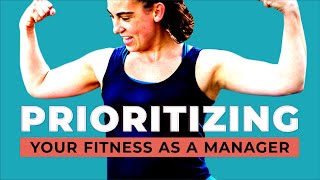
This is a YouTube video titled "How to Prioritize Your Fitness as a Manager and Owner" recorded in October 2020. It features a conversational interview between Beverley Simpson, a fitness business owner and podcast host, and Mike Riccio, a gym owner and trainer. They discuss the challenges fitness professionals face in balancing personal health with their careers, the importance of practicing what they preach, trainer longevity, business management in fitness, and the distinction between physical appearance and true health. The conversation also touches on personal stories, industry insights, and the role of trainers as health influencers.
What's up, Coach? In today's video, we're running the episode from the PT Profit podcast all about how to prioritize your health and fitness goals as a fitness manager as well as a business owner. So are you ready? Let's get started. What's up, Coach? I'm Beverly Simpson. I'm the owner of B. Simpson Fitness and the founder of the PT Profit formula and PT Profit Podcast. And in today's video, I am sitting down with co owner of Mar Health and Performance, Mike Riccio. We have very important, compelling and also often controversial conversation about how to prioritize your own health and fitness goals as a fitness manager and as a business owner. So if you like this video, be sure to hit like, hit subscribe and the bell to be notified for all of the next best videos that come up on this channel. Now, in this video, we sat down and we talked about the difference between the look of a body and the health of the body and how they're not the same, but that it is important as a fitness professional to practice what it is that you are preaching for your clients. So it's not about looking the part, but it's actually about living the part. So it doesn't matter if you're skinny, have a six pack ripped. It matters more that you're practicing what it is that you are telling your clients to do. And we talked all about that inside of today's video. So without further ado, let's roll that interview. Hey, Mike, thanks for joining me today. How are you doing?
I am great. Thanks for having me on.
I'm super pumped for this conversation. It's going to be a really good one. I know, I think I say that in every episode, but really, I am super excited for this one. Really appreciate you being on the show. So just to get started, can you just share with us a little bit about who you are, who you help, who you serve and how you got there?
Absolutely. So I am, well, I guess I'm a gym owner as of last October. That's the title I get to use now. But for 15 years, I've been blessed to be around the spectrum. I've worked mostly with general population 30 to 35 and beyond. I've also been able to work with a ton, a high level of professional collegiate and high school athletes. So that's been a ton of fun as well. So I've done everything from the corporate setting to the private setting now to the ownership and virtual setting as well.
That's awesome. Where are you now?
We are In Downers Grove. So we're in the west suburbs of Chicago. I opted to not look for a location in Chicago for many reasons. So we're in the nice suburbs.
That's awesome. How'd you get into training in the first place?
You know, I give credit to an old college roommate. I came in as a football player who was the opposite of healthy. And my roommate was a swimmer. And he just loved the gym. Loved the gym. So I found myself going with him every day and I built an appreciation for it. He was just. The guy was nuts. He worked out like an animal. But I became very habitual. So we've talked over the years how if it wasn't for him, I don't know if I ever would have gotten. I was a business degree. I declared as a business major coming into college.
Oh, that's amazing. I didn't know that. So you didn't have like an athletic background at all. Your background was just your roommate going to the gym. That's similar to my story because most people think that, oh, trainers become trainers because they just, you know, didn't make it or they, you know, expired in their sport. And that was not me at all. In fact, if my seventh grade PE teacher could see me, he would like, not believe me. Yeah, I was the one trying to get out of the mile run and he would, he would not believe me.
That was me. You know, I was an okay football player. You know, I was okay enough to play little, little college ball and I played in a semi pro league for a while, but I was never a gym lover. It just wasn't me. I was overweight as a kid and I lost in college thanks to the roommate. But before that, I was same as you. I was the one trying to ditch the weight room. I was trying to get through the lifts. I hated practice. If it was up to me, I would have showed up on game days and that would have been it.
That's amazing. I didn't know that. But luckily you did have that business background because now you're a gym owner. And so I'm sure that we're going to get to that in that because it's just so important. But I'm curious too. Can you tell us a little bit, can you share a little bit more about, you know what, like, what was the leap that took you from just going to the gym every day to then just becoming a trainer?
Yeah, absolutely. So I was a little bit of a nomad through college. I jumped. I went to a few schools. I got home from College, and I took a break. I took an off semester, and I started working at a local park district. To where to now? My best friend, best man in his wedding, best man in mine. He was working at a gym. He's a few years older. And I walked in as a maintenance crew, so I was going to mop floors. And it was just a job to get me through until I figured out my path of life. And so every day while I'm sitting there mopping floors and working front desk, I'm watching him train. And it was so cool. I watched the appreciation. I saw how happy people were. And I just started to ask questions. And he said, why don't you just. Why don't you tag along? Why don't you come in? Why don't you watch some sessions? Why don't we start working out together? So I fell in love with the process through him. And from there I said, you know what? Maybe this is it. So I made my college decision to go back to school based on an exercise physiology degree. So I sought out a good program, and I had a whole sales pitch to my parents and why I deserved to go away to college again, because it was a tough sell. It didn't work out the first time. And after some convincing, I ended up at Eastern Illinois and I followed kinesiology. And that was the first time in my life I became a good student. I just really wasn't. Not that I was a bad kid, but I just didn't have my way. And I was a C student at best. And then I found Kinese and I fell in love with it. I fell in love with biomechanics and physics and the body movement and health. And that's where it really took off for me.
Oh, that's awesome. So then now you're out of school, you come out, you become a trainer. Did you work in, like, a big box gym?
At first I started with Athletico, which is a pretty big physical therapy chain here in the Chicagoland area. They've got 70 some locations. I don't think they're out in New York. I don't believe so. So I started there and I worked out of three locations. So this is again, it's just really luck of the job. This wasn't planned. One location was strength conditioning, so I worked in. It was called McCook, Illinois. I drove half an hour south, and it was everything from collegiate baseball players to the Chicago Fire soccer team. I got to do a ton with them. And I became the head strength coach for Dominican University soccer. So that was a third of my job. And then I did post rehab with another location. So I came in with the physical therapist and shadowed them and they created the programs and I would take the people and train them around their injuries and get them to the next step. And then the third location was a regular gym. And that was the way they got me to accumulate enough hours to make enough money to work for them and not leave, at least not leave right away. Was I got to experience three different realms at the exact same time, which was really cool.
Really cool. But that also sounds like a hang. A hang of a lot of time.
You know, it's. It was. And you know, I'd obviously say it, maybe this was the kicking off point. I've. Until I had kids, I married this career. I really did. I mean, from. From 5am to 10pm this is what I did from 2008 until 2017, 2018 even. That was it. I really fell in love with being at a gym. It became. I never. My homes all became hotel rooms. You know, I'd go home, I'd sleep, I wouldn't even shower. I showered. I've showered way more at a gym over the years than I've ever showered at at a home by far. I mean, 95% or more time of my showers have been in a public facility, which is kind of weird to say now that I say it out loud, but true. Me too.
You're not alone. So, yeah, you got married. I 100% relate to that is all we do. All I did was just eat, sleep and breathe. The gym.
Yeah. And it was. You think it was. Oh, man, this healthy lifestyle, but it really wasn't looking back. If anything, it was the opposite. I was not sleeping, I was up all night. I was also young. And you know, the young, the young generation of trainers is. It's a party. I describe it as working in the bar industry just without the alcohol. You know, it's you. You're out constantly.
We're going to a bar.
Yeah, that's it. We're going to a different bar. But everyone works for everybody. You know, you end up working for all the commercial gyms at some point. You bounce around. You know, everyone, you date everyone, you know, it becomes a whole, it becomes a social scene. And, you know, through all of it, I worked out a lot, but I still wouldn't have considered myself healthy, if that. If that makes any sense.
Yeah, it does. I love this. And I know that we're getting into this today. This is the topic that we wanted to Talk about. But you know, I see a lot as a former fitness manager of Crunch. You know, I've seen a lot of trainers come and go in my life and what I've noticed is that the longevity, lifespan of a personal trainer, if they don't get their systems and they don't prioritize themselves and when I'm talking about systems, I'm not just talking about their training systems, I'm talking about the business fundamentals. Because even when you are in a gym, you're still running your own business. Essentially the gym has all this stuff for you that you have to like requirements that you have to meet and whatnot. But you still have an opportunity in my mind to actually run it as your own business. Because that's going to help you do the things that we're going to talk about today, but it's going to help you do the things like prioritize your health, actually run a business, stay, you know, get, you know, practice what you preach. Because just so many trainers, I think that's one of the first things that goes.
It's like the lifespan of an athlete. You have this very small window to make it stick, both from a success standpoint and this is stuff we don't learn. For those that went the route of school like I did, I didn't learn about selling, I didn't learn about personality traits. We did some with psychology, but not, not enough. So if you don't, it's almost. If you don't have the natural ability to jump into a commercial gym and be able to really showcase yourself, you can have the most intelligence in the world, you're probably going to fizzle out before that. So it's a very short lifespan window to catch the fire that it would take to make this a full time career.
Mm, yeah, I think too also what happens is that, you know, like you were saying, it's a small community, even though it can feel really, people say, oh, it's saturated all the time, but at the same time it actually also feels very small. But I think it gets a really bad reputation. Like I'll never forget one of the. When I first walked to the gym and I was super excited to be a trainer, everyone was like, okay, did you just say goodbye to your life? You know, And I remember, and I remember thinking, well, what do you mean? Oh, you have to live here in order to be successful. When I understand why it gets that reputation, but it doesn't have to be that way. It was like that for me, but only because I loved it. Not because I was like starving to get revenue, which I just have. I see it happen to trainers time and time again.
Did you, did you feel like it was a respected career choice when you started? Like, were your parents or family, were they looking at you like, oh man, personal trainer. Good for you. You know, my dad was like, okay, well, but then what?
Yeah. Mm.
But then what's your real job gonna be? You know, what are you gonna do later? And that was. And that's. I don't know about you, but that's how I felt from everyone. I felt like everyone was either. And even the trainers around me were treating it like a stepping stone. Career. While I'll do this while I will. I work on the real stuff, you know, I'll be, I'll be a trainer.
Interesting. And I'm, I'm going to answer your question, but before I do, when you say, you know, I'll work on the real stuff, what were they alluding to? What's the real stuff? And I'm putting that in quotations.
We had, we had a lot of. I went into management like you did at some point, so I had a lot of people that were in school, so we were fitting personal training clients around ours. It was, it was. I had a degree in something else, so I got a job with you while I just seek out the market. I've seen a ton of trainers get into real estate and that's been a very popular next step for trainers is that path. So sales, a lot of sales stuff is where people ended up getting into after. But a lot of it was school, a lot of it was finishing school and using this because it was a flexible job. Right. For the most part, in my mind it wasn't. I could not have been financially successful without having the availability of everyday, all day. But for people, it sounded like it would be flexible.
It's ironic that they go into sales jobs because in my experience that's what they struggle with the most. And that's what's not gets. That's not what is taught in certifications and in school. People and trainers come out thinking, oh, I just need to be as smart as possible. And the more. And I have found that the more certifications that someone came in with, the less successful that they were than someone who was clean slate. And I got to just say, this is how you sell now go study and learn. And they ended up being more successful.
And it's backwards too, right? Because some of those trainers, God bless their sales ability, once they sold, the client didn't have the knowledge base to give them the quality experience they deserved, 100%. So you're looking for these as a manager, you're looking for these people that have both who can sell and bring them in, but then who has the quality to keep them going, to keep them coming every day and to get them results and to make them healthier? And you felt like you didn't have them. Sometimes as a manager, I'm sure you did the same thing. I find myself doing the selling just to get someone in front of who I know is an intelligent person, because maybe if I can get them to skip that step, maybe I can give this client a fighting chance, a successful opportunity.
Right. I mean, and this is also translates into business, which is that people are so focused on getting the new business that they are missing the lifetime opportunity, the lifetime customer value, that if you could actually just focus on one to two clients, sell them their high ticket price, you know, the high ticket program, and really just pour into them and focus on actually getting them a transformation, then they're going to do all the selling for you and you're not going to have to worry about it.
Yes. Yeah, get. Let it be your walking billboards. Let that be your marketing. But instead we're so focused on the next person that we let the people we already have who are already paying us a monthly membership, we're letting them slip because their experience, they know, they know they don't feel valued anymore. They know you're looking for the next step. You're constantly asking for referrals and stuff. In the meanwhile, I already gave you money. What happened to me?
Yes, I mean, I noticed that too. In Instagram, people are like, how do I get more followers? How do I get more followers? I need to get more followers. And it comes from this mentality, I think, that gets translated from the gym, which is, you know, top of funnel. More, more, more, more traffic, more eyeballs. But that's like trying to fill up a bathtub and take a bath, but you haven't plugged up the drain yet and all that water is just coming out. Why not take the time and focus on the hundred followers that you have right in front of you right now? It's, you know, it's the same thing. It's, you know, I always talk about how wherever you go, there you are. So if you can't fix it on a micro level, then what's causing me to think that you'll be able to fix it on a macro level?
Yes, absolutely. It's, it's the reason I. If you have to keep refilling spots, you're just always in the same spot. If I constantly lose a client for everyone I bring in, I'm always at zero. That's. I'm just never gonna leave. Zero. The best. And I'm sure we'll get into this in more detail later, but the best decision I ever made was bringing on a business partner for this facility. It allowed us. Well, where we have fallen onto is this opportunity to. Where we get to split our focuses. Where Ryan can focus on marketing, he can focus on new. He can focus on driving people in. And my focus can be a hundred percent on retention. What's the member experience? So that's my focus every day. Everyone that walks in here, every session needs to be great. Every. Every class needs to be great. Every smile walking the door has to be the same, has to be enthusiastic. Because people don't. Most people don't love working out. Like a lot of the trainer. Right. It's just. It's not. And we're the first thing to go. So if we give someone a reason to ditch us, they are going to take it.
Yes.
Most people are going to take. The first time we miss an email, the first bad workout, the first time we're in a bad mood, the first time they feel like we've brought something negative into a session and now it's awkward. That's all it takes. And to use that as if it wasn't for my experience with training and building value with my current clientele, if that wasn't something that thankfully I was naturally pretty good at, because I can't say it was like this mindset you and I are talking about wasn't a focus, but I did a good job at keeping people. My investment for my business all came from former clients, clients that I gave good experiences to year after year after year. If it wasn't for that, I wouldn't have the financial backing, the support to have to sit in the facility that I'm sitting in doing this recording right now.
Yeah. That's awesome.
You know.
Yeah. So I definitely want to circle back because you did. And I didn't answer. So I'm gonna answer it because it's funny just in the sense that I got into personal training because I was an actor. I got into New York because I was. I was living in New York because I was trying to be an actor. And so I did the waitress thing for a while. For a longer while than I admit to tell you. But then I, you know, then I actually thought it was. And then when I look back, I'm like, whoa, four years. And then, then I found, I found personal training. And you go in and you set up and you think, oh, I'm going to do my clients in the morning and clients in the evening and then I'll audition all day. That's how I thought I was getting into. So honestly, when I told my parents that I was stopping auditioning and that I was moving into a personal tr. To be a personal trainer. And then eventually I got into management really quickly. I think they were relieved, like, okay, thank God.
Yeah. She went the other route. I went from, hey, I'm gonna be a successful MBA to I'm gonna be a personal trainer. So I definitely went the other direction in my parents minds. But I did not, you know, we've known each other for a while. I did not know that you started out in the acting path. I think that's very cool.
I did. And so the reason why. And I still think about this all the time. I'll never forget it. I really live my life by this. But someone had asked me, I went to a, like, when I was in high school, we went to New York and we did like one of those, like meet the Broadway dancers or whatever. And one of the things she said, it had such a significant impact on me that I've carried it my whole life, which is she said, if you love something else, do something else because you're going. And she didn't say this part, but I have now come to know this part, which is you can have goals and outcomes, but those are mountain peak moments. You're going to spend the majority of your time and life in the process. So you have to fall in love with the process. Because if you are always just chasing these fleeting outcome moments, you're missing life, or at least that's what it feels like to me. And honestly, that's what kind of pulled me out of the gym, which is that we were always chasing like goal, end of the month, end of the month, end of the month, end of the month. And my whole life lived on this like one week of the month every year. That it wasn't until I had kids much like you, which is I was like, am I going to miss Halloween every year for the rest of our lives? Am I going to miss Christmas and miss New Year's Eve? No, I can't. I can't do that.
Right. And it's a very, I think it's a problem, It's a problem with the Industry in a way that there's got to be a way. You know, it's a young industry. Most people burn out from it. Right. Most people do not stay in the corporate setting past a certain age. And it's because of that, the quality of life just isn't. Isn't there. So people do either. The small percentage do what you and I have done, and we found ways to make it a career. But that's why most fleet. It's just not. It's not maintainable. And the. The financial side of it is backwards too. You know, to. To take a step forward means taking a financial step back. To go from a commission trainer, if you're a successful one, management, to a salaried management position probably means you're gonna make a lot less money, maybe forever, you know, maybe for as long as you stay in fitness. It was. It was a. We used to joke when I was at Equinox, which I know, obviously all your New York listeners will know what Equinox is. I had a quarterly conversation with a manager of mine where it was, I want you to come into management. And I said, great. Can you match my trainer salary? If you can match what I'm making right now as a trainer, I will absolutely take the next step. And she was, well, that's not realistic. I said, I think it's less realistic to think that I would make us. I would take a 75% pay cut and what I'm making now. So there was no incentive in. I was not incentivized. There we go. So the other word was gonna escape me. I was not incentivized to take a career step forward in fitness because I couldn't financially handle it.
Mm. You know, and it's just so unfortunate because, you know, and I also want to say, as I'm about to say this is that I would never in a million years take back my experience working in a big box gym because I got to network. I met a whole bunch. Sometimes starting off as an entrepreneur, starting off in your own again, you started to talk about this, which we'll go deeper into it. But having a network of people to help you fill in the gaps so that you don't have to be everything in terms of your. Of genius. That's a gift. And I wouldn't take that back. And I wouldn't take back all the people that I met. Like, it was. Definitely had its pros set up to it, but there are just a lot of cons in terms of longevity, in terms of prioritizing your Health as a trainer and as a manager. But one of the main reasons that trainers, and at least it was true for me and for the people that were asking to go into management positions, is that they weren't necessarily looking for the, you know, more consistent revenue. It was consistency in terms of their time commitment in terms of health insurance. Like, it becomes this young game, I think, because the expectations and resources given to employees is not sustainable if you want to grow a family and if you, you know, get old as you get older.
Yes, I'm glad you said that, because as I was talking, I realized I probably found a little bit of a negative tone. And if there's anything, it's more of a frustration because I love this industry. I love the time that I had at the corporate settings that I was in. I learned a ton. I met great people. I met some of the best friends I've had in my life to this day. I've met there. So it's. The frustration is more that I want more people to come in and take it seriously. I want more trainers to make it. I want more trainers to make this a lifelong career. Not a stopping point that once you change careers, do you look at it as a waste of time? Do you regret your time in fitness? And that's. And as a business owner, that's what I don't want my staff to experience. I want them to stay in this. I want them to have a passion. I don't want to. I don't want to hire people that feel like this is a stopover. Okay, can I work for you for a couple years while I do something else? This isn't the place for you. We're probably not the bosses that you want to work for, you know?
Yeah, it's true. And it's also funny, too, because I didn't realize it then. I was kind of, you know, I was really brand new to fitness in this way where I didn't really have that veil of, like, fitness. You know, I didn't think of it as a young game. I didn't think of it as, like, a narcissistic industry either, where everyone was, like, upset with what they look like. I mean, I just came from the acting industry. I thought this was, like, completely different. Little did I know, but I'll never. You know, my first few moments were helping somebody and helping what you were saying, helping the person that doesn't like to work out. I mean, my husband tells me consistently, you're a freak. Normal people don't like to go. I mean, I'M having, you know, the gym still not open here. And so, I mean, I'm having a meltdown over it. He's like, most people are happy, Beverly.
It's a built in excuse to not go to the gym. I can't.
I can't. Yeah, exactly.
I can't do it. I would, I would have been going, but I can't. We probably married similar people. I married my. Yeah, my wife's very healthy, but she's not a. Doesn't love the gym. She's not, you know, she's not, she's not aching to get up an hour early every day to get her workouts in.
Yes, exactly. So, yeah, So I think that, I think that it's a area of opportunity and also from a management perspective, that same chasing clients feeling. That's what it felt like for me when I was trying to hire a trainer. It was always this rush, this urgency to hire a trainer. And not just any trainer, a trainer that was going to give me 10k a month.
Yep.
Tomorrow, 30 days.
Yeah, it's. The turnstile on trainers is huge from a management standpoint. Just like we said before about refilling clients one for one. Every time you lose a trainer, you have to go to that client base and talk to them about why they have to restart. And I don't know about you, but I too many times that I have one trainer quit, replace the client, convince them it's going to be a good situation and why they should stay. They become acceptance of it and then a week or a month or even six months later, that trainer quits and now you're going back to that same client again saying, here's why you should continue with us, here's why we are a good idea. So you know, and you know these corporate gyms, I love them but they are very sales based and education is not on the forefront of their brains. In terms of trainer education, a lot of it was on us. Right. You either were the type of person that wanted to get educated or you weren't. Yeah. And the company didn't carry their way as long as your numbers are flowing in. I made it a priority to do weekly educations with my staff. I had 35 trainers under me and every Friday we came in and it was optional and everyone came. Yeah. But because we came in and we made it fun, we had a different topic or we picked a client and did a case study. And by improving the education of the staff, more stayed, less were in a hurry to leave the industry because they started to really see the impact that they were making, which made them respect their job more, which made them want to keep in their job. One of the biggest turning points for me from a mindset in my career was I just started speaking. So I speak with Northwestern Medicine out here, which is a big hospital chain, and I do continue education for physicians. So I come in on the preventive side. How do we help patients not see you not end up in the oncologist room, not end up in the cardiologist room? And how do we start instilling these values in the hospital setting where time is short? And in my first seminar, there was an oncologist, and he was a brilliant guy, but what I loved was he came on after me and he took it upon himself to go into this. Well, I'll call it a rant, but it was a great rant about how the most important people in terms of health in the health and wellness industry are personal trainers. No one gets the exposure to a person. No one gets the amount of time with a person. No one has the opportunity to make an impact on someone's life like we do. We have this chance to get to people before they're hurt, before they're sick, before their family's sick. You know, we can be this. This domino effect of we made you healthy, and all of a sudden, you made your husband and kids more healthy, which then made your husband more healthy, and then talked to his coworkers about it. Now they became more healthy. So his. It was a really cool. And you can tell it was very impactful talk for the room. But for me, it was a validation of we're doing great things. So for me, for some, for a young trainer who was thinking, well, in my career, people don't respect it. It's not taken seriously. Like, it's supremely serious, and we have a really cool opportunity to make impacts. I'll never forget that talk. I think about it all the time.
Honestly, that just gave me chills hearing you talk about it. And I'm really glad that you brought it up, because I think, especially now and in this day and age, personal trainers and personal training in general, I think there's a vain component about it.
Yes.
Because people are always talking about, you know, the look. You know, I want to look better, I want to look better. I want to be skinny. And then, so, you know, there's a huge move. I think you end up being in one or two camps, like, this huge movement of weight loss is bad. And if you're talking about weight loss, and you're talking about self esteem loss, which is not the same thing here. You know, which I could do a whole podcast just on that. But you know, and then you have the other camp, which is like the Instagram follow. Look at my six pack. I'm healthy. You know, let me just take photos of myself naked. I mean, I can't tell you how many times I've had to like hide. I've got two little girls that are, you know, three and you know, three and four. And I don't want them sitting next to me while I'm scrolling through my fitness Instagram. And it's just naked people.
Yep.
But they, people forget or they don't focus on the fact that we're actually talking about health and the look of your body is not a measurement of your health.
Yes.
And I think that. So people start to get scared and listen, people get scared about talking about weight loss because of that, but not recognizing that there are people that for their health they need to lose weight.
Yeah. And we have a responsibility to instill that in people, whether that's why they came to us or not. Whatever reason gets you in the door, I'm happy for whatever reason. You sit with me. And we have that first day where we go over goal setting and expectations. I'm probably going to. Yes, man you a little bit. I'm probably going to say, yep, that's what we're going to do. We're going to achieve everything you want. Because I want to buy the time to instill the rest in you that maybe you don't know is important yet. And that's a huge focus. And I look for my opportunities. Right. You came in for weight. Most people come in for weight loss. Call it toning, call it weight loss, call it fat loss, call it fat usage, call it whatever you want to call it. Most people come in with an aesthetic goal, which is fine. I don't need to pick what your motivator is. You do. But then along with that, I need to take my opportunity session in session out to plug the other things because that's probably going to be what keeps you, you know, start talking about the relationship between weight loss or the opposite. One of the most frustrating things is people that don't need to lose weight trying to talk to them about health. I'm skinny, which means I'm healthy. Maybe not. There was some really, really impactful research on risk stratification in same household kids. So you have three kids. One is obese, two are not. They're all eating the same things every day, just genetically. One child, for whatever reason, is more, more apt to gain weight. A lipid panel, a blood work panel will tell you that all three kids have the exact same risk, stratification when it comes to the big four to cancer, heart disease, stroke, and diabetes growing up. So just because the other two kids didn't gain weight doesn't mean they will not run into these problems later. If anything, it might mean their chance is higher because they don't have the red flag. The overweight child, someone's going to do something about it, like, oh, my God, you're overweight. I'm going to start changing your diet, I'm going to make you exercise more. So they're going to start getting some of the benefits. Meanwhile, the other two kids are not going to get the same thing because they don't get that attention because there's no physical marker yet. Yet to tell them to prompt the parent to prompt the child to want to start doing something about it. So for the adult, it's no different if you come in and you don't believe that you are overweight and that's the only marker you have for health. We might be missing. We might be missing a big opportunity or we might be on the verge of something more serious that maybe we could have avoided if we just took a look at it.
That's true. That's such a good point. And I also love that you bring up the kids. You know, we're both parents. And I think that too. You know, when you become a parent, there becomes a new level of responsibility to prioritize your health, not just so that you can be present for them, but because, I mean, I don't know if you're here yet, but when you start to see them emulate you, like children are watching you. They are watching you and listening to you. And when I see them imitate me, I think, this is what. This is what they're perceiving. Like, it was Aristotle that said, you know, give me the kid. I think it was, give me the boy until the age of seven and I'll show you the man. Like, they are sponges. And so what an opportunity to create the new generation and to not put that emphasis on the look, but to, like, be that role model of health.
Yes. And you have to be it. You can't say it. And you're right, my son will say things. And I'm like, I said that one time five weeks ago. And, you know, like, you impersonated me perfectly. I don't know where the heck that came from. So it's funny too, but you have to show it. Kids emulate what they see, usually more than once. So to push health on children without living health, it's not going to stick. I've had the same conversation with spouses or partners that come in and say, hey, my partner, I want them to be healthier, what do I do? And my answer is, it's always the same. It's you keep being healthier. You can't push a person that isn't ready. But if you live the healthy lifestyle every day when they want to order food, you say, nope, I'm going to stick to my healthy meal. When they say I want to sleep in, you say, nope, you do that. But I'm going to get up and go to the gym. Most times, more times than not, eventually it's going to carry over.
Yeah.
So to be the example before you worry about being the verbal teacher.
Yeah. Which leads us to exactly what happens to trainers. Right? Trainers. It's like huge. You know, and I just want to be clear because we are talking about this is, I can't tell you how many trainers have come to me and said, and listen, it's me too. I've felt like this too. Whereas I don't look fit enough to be a trainer, I'm not fit enough to be a trainer. And I've actually been in networks of people that have actually said it. They're like, you need to look the part of a trainer. And I, to me, I'm really taken aback by that because everybody, I mean, I, I don't know the statistic on it, but I would be ventured, I would venture to say 90% of people have self esteem issues. And so, and so I don't ever want to tell a trainer that you need to look a certain way, but if you're not practicing what you are pushing other people to do, then let's have a conversation about that because on a subconscious level people can feel that.
That is so well said. I've probably been on the fence of looking the part, but for the reason you said not because I think looking the part means anything. The opposite. I know a lot of very fit looking trainers that are living very unhealthy lifestyles. But it's, if you are practicing what you preach, there is probably some level of physical benefit you're going to get from that too. Right. If you're eating clean and you're sleeping and you're doing everything that you're telling your clients to do, well, odds are your metabolic rate is better and you're using more fat. You're probably not going to be overly heavy. So it's how you got there that I believe is important. It's the example that I think is important, not just whether you are or not heavy or not fit looking. So I completely agree. I do think it's important, but more from the habit side.
Yes. Because you have to. I am, I just, I'm a huge component of personal integrity and self integrity. And I don't mean like I need to work out six days a week, but I don't preach that. I preach, you know, making sure that you are prioritizing self care, sleep, your food. It doesn't have to be perfect food, but you got to be feeling good. And I, as somebody who was 200 pounds when I was pregnant, you know, for my third and fourth trimester, for a whole slew of reasons, which I'm so grateful for now in terms of like, I had all this trouble with breastfeeding. So you get these, like, just try and get more milk. And it's, you know, you have kids, you know, dry mess there are just terrible. And I'm grateful for them now because I'll never forget what it feels like to go up the stairs at £200 and then have to just like take a break.
Yep.
And I'm chasing my toddler. And you're never in a million years gonna convince me that that feels good or is healthy because I've lived that. And it's just not.
No. And it's not. And without that experience is invaluable to you. And talking about that with clients is a connection piece. But especially your female clients who have, who have experienced the exact same thing that's so valuable for you to have from a quality standpoint. People are going to stick with you because they believe that you actually understand them. Which is a great point for trainers, is I'm not saying go gain a ton of weight or I'm not saying do anything unhealthy, but you got for some trainers that did come from the athlete background and they've been overly athletic their entire life, they've never had to lose a pound, they eat whatever they want and they transition right into this career. How much do you really understand about the person in front of you? And if you don't, I'll argue it's going to be near impossible to ever connect with that person. You can do everything by the book all you want, but if you miss that connection piece at some point, we're going to go off the rails.
Right. And also, I just want to clarify too, because I want to make sure that people understand that when I'm saying £200, that was for me and for my body, that was my body frame. And for me, 200 pounds on my body did not feel good. And I know that that's not like, that's not a standard arbitrary number. That's just for me and my body and what I'm used to. That did not feel good.
Yes. To each their own. And everyone has a different point. There's a lot of factors that go in there.
Sure.
And it brings, you know, I'm sure you've been asked as many times as I have about, you know, your stance on the kind of the BU movement and, you know, be comfortable where you are. And one, I of course support it, but I'm also a health supporter. I don't care what anyone looks like. What I do want people to do is decrease risk of disease. That's what I want people to do. I want people to be continually happy the rest of their lives, not just this year and next year, in the next decade, which does take health. I want people to eat right, not because I think they need to look a certain way, but because I think it's going to be important to them whether it is now or not, when they turn 60, 70, when they have grandkids. At some point in your life, you're going to be like, man, I wish I was in a better place. Health wise. Health wise. So when people ask, I like to clarify, I support everyone being happy and everyone doing whatever makes them happy. But I do think everyone should at least have some type of focus on health.
So my stance on it is that I come from a holistic wellness and health perspective. And for me, and in my opinion, I have found that health will come when you start transforming from the inside out. And so what I mean by that and why I am body positive. But listen, the body positive community would probably tell you that I'm not because I do promote weight loss. I did you know, in I teach moms how to lose the weight that they want without dieting. That's like how what I teach. But it always starts from a place of accepting and then loving your body. Because if you cannot love and accept your body and prioritize and take care of your mental health first, it's never going to reflect on the outside ever. How many times have you gone, and this is the example I give the women specifically, how many times have you looked at an old photo and looked at it and thought, haha, I thought I was fat then and I'd give anything to look like that now. That's an example of why the body positive movement is important. And that's an example not prioritizing your mental health because you could literally then get to skin and bones and still think that you're fat.
Absolutely. I couldn't agree more. It's your approach, it's an indirect approach. You might lose your clients probably do lose weight, but not because you're telling them to go kill themselves and lose weight. You're saying, love yourself enough to focus on your health a little bit and to love you the way you are and then watch what naturally happens after that.
But here's the thing, you know, and I say this to clients all the time. You take care of the things that you love. My daughter is never gonna go outside and close to school with no shoes, with like, you know, I'm not talking, I'm not talking about accessibility. Right. Like, let's just put that. But like I'm gonna do everything that I can to take care of her. And as a parent and you know, and honestly I see this as trainers too, they do everything that they can to take care of their clients, of their kids at the expense of themselves, you know, and, and that is one of the worst things that you can do because it's like that airplane mask. If you are on an airplane and you don't put your mask on first, how are you gonna put your kids mask on? How are you gonna put your client's mask on? You can't. Right. And so what, what all that to say is that you don't give yourself the same grace and the same priority that you do your kids. And if that is a misstep, we have to look at that.
Yeah, it's, it's not selfish to take care of yourself. It's the opposite. It's unselfish. You have to, otherwise you are going to be selfish because you're not going to be able to take care of your kids because you didn't take care of yourself. I think that's a really important mindset to instill people. I couldn't agree more.
And honestly, when a trainer can approach it from that perspective, they become more powerful to their clients because they can start speaking to their clients about what becomes possible for them in terms of their health when they prioritize it. Not just about trying to get into your clothes. In fact, I tell my clients all the time, oh, you're gonna fit into your favorite clothes, but you might not know yet that your favorite clothes are gonna be new ones, you know. Cause sometimes we have to throw out those jeans that you've been holding onto since you were 15. And sometimes that's a perspective too. Like as a woman, you know, as we get older too is, you know, do you really, really want to go and wear jeans you wore when you were 15? I don. 37, you know, so, you know, I think too, and we were talking about how, you know, trainers have a young, you know, it's a young game. This is part of the reason why I want trainers to stay. Because there's whole new phases of life that we need trainers to experience, to go through, to help support. Not to say that they can't, but it's important. It brings a new level when you've gone through it.
That's a great point. That's right. Not only do they not experience maybe the weight part of it, but you've never been a 40 year old. When I had kids, I had to go back and well, mentally apologize to some former clients. You know, you realize the true hardships that come with not sleeping. Not sleeping for that reason, not. I didn't sleep because I decided to stay out drinking until too late. And then that was, that's a different reason. But when your 3 month old is up every hour and that happens every single night for six months, I'm just out of that stage. My son just turned 1 and he didn't sleep for 11 months. I am just finally sleeping straight through as it is. But I didn't have a true appreciation for that. I might have thought I did, but I didn't. And there's more food around, there's snacking around, the kids have food. I've been a trainer for 15 years. I'm finishing my kids macaroni and cheese. Like it's like, well, you should know better. Just don't do that. You don't understand that until it's there. You know, it's the mindlessness that comes with parenting. It's. I am, I'm three years into being a parent. I have a nine year old stepdaughter. But I'm three years into being biologically a parent. I am just now feeling like I'm getting the reins on how to balance both. It's hard. It's really hard.
And then your kids are gonna enter a new phase. But you know, and then also.
Yeah, no, you're right.
But you know, also there's that component of Me, I mean, please joke about it about like Ms. Hannigan. I don't know if you don't know this Annie reference yet, but Ms. Hannigan, how she's like little girls and she's always talking about little hands touching her. I mean, I feel that on a visceral level now. She was the bad guy in the movie and you're like, no, I'm in real life. So. But I mean that, that whole like eating. Oh, just eat when your kids are eating or eat when your kids are sleeping. You, you don't understand until you go through it where you're like literally in 24 hours, I get maybe this 60 minute period.
That's it. The feeling of having two kids and praying they nap at the same time, depending on that 30 to 60 minutes and then it doesn't happen. There is a frustration that I cannot explain to anyone that doesn't understand it. Right. There might be nothing more frustrating in the world than, okay, I'm gonna have this half an hour. I know I'm gonna look forward to it all morning. I'm gonna have the window. Poof, windows gone.
I mean, I know that so bad. And I also think that too. Right. I don't know if it's a parent thing or if it's an age thing. It might be a combination of both. But the difference I personally feel when I go from not sleeping or losing that extra hour, losing an hour of sleep, I mean, it has a detrimental exponential experience for me or impact for me the next day, next day, and.
Who knows how many days. Maybe three days. Yeah, I mean, it depends. And you can't make that up fast. Sleep does not get made up in a night. You have the greatest nine hours of sleep the next day, all you want. If you're coming off with three days of negative sleep, you better hope you get a good weekend before you start to really feel yourself.
And I think too what happens is that the gym, the box gym environment doesn't really set it up for you to have to prioritize yourself, your health and prioritize things like sleep. Especially when you've always got. I mean, I don't know what it was like at Equinox, but at Crunch, it was monthly end of month target. So it's like a whole week of working as a manager from 7:00am until 11:00 clock or 10:00', clock, whatever. Every day like that has a huge impact that no one really understands it or realizes it. They're just like supposed to be a machine and keep going and then, you know, trainers are set up to think that their schedule is awesome. When they've got morning clients and nighttime clients. Not realizing that that's like a whole day. When are you going to sleep?
Yeah, yeah. And then to go. And then how do you move forward with life and other things? If you have other goals, if you have hobbies, where do those go? In planning, pre planning is hard. And then you try to teach that wrongfully to a parent who doesn't have the luxury of blocking off hours. They're moving pieces. So you're trying to teach someone how to be a moving target, you know, and Equinox, to give them credit, Equinox was very good. If I was going to work anywhere forever, it would have been Equacs. I worked for another corporate gym who was very guerrilla sales. And they were spare the name, but they were off the charts. What you just described, there was no value instilled. Everyone was replaceable. If you left, I don't care if you were the top producer in the country, someone can fill your shoes. It doesn't matter. So you really had to, you had to be very good at. I had a rule where I, after I got busy enough, I would not take same day appointments because if I did, that meant filling my only open hours, that meant filling my eating time, that meant filling my exercise time. And it's something I didn't realize until too close to the end. I think, I think I know because then the one day of exercise, just like everyone else I've been this Saturday, I'm going to miss the next day. If one week is bad, after a while you're like, you know what? Just this month isn't good. I'll focus on it later. And then we realized that everything we're talking to our clients about, we're living it.
And I don't know if this is true for you, but it is certainly true for me. And I'll give you an example, which is, you know, Covid, first of all, we're a product of our own habits all the time, 100%. It's neural pathways in the brain, right? But what happens is that just because you've created the new habits and you've created the new neural pathways, it doesn't mean that the old ones are gone. It's like turning left consistently doesn't mean that the right turn is gone. So for me, when, you know, Covid hit and all of a sudden my gym happened, like I got this automatic or my gym access left me. I've got this Automatic excuse or it isn't. I mean, for me it was an excuse like, oh, I hate working out at home. Or it was a belief, I'll say that. Just I stopped working out as consistently as I was. Not that that's necessarily a bad thing. I think sometimes your body will give you the rest that you need. It will force you to do it and that's one thing and good. But on the other hand, at least for me, it's like I just stopped and then I started to feel worse. You know, it's like sleepless nights begets sleep. So the more, the less sleep that you get. It just come. It's like the compounding effect. I think the same is true with working out. I just start to feel bad, bad, bad. But I think what most people miss is that they're just so used to feeling bad, they don't really recognize that there's another way to live.
Yeah, yeah, absolutely. And sleep too is, you know, 80% of our REM sleep happens in the last two hours of sleep. So if we're getting up at 4, 5am and we're missing the last two hours of sleep, we're not missing 25% of an eight hour night, we're missing 80% of quality sleep. 80%. So the first six hours are all a setup for where the quality sleep really happens. So if you look at it from a math standpoint, we're doing even more damage than we probably realize we're doing if we're those people that are only getting the five and the six hours in. Yeah, it's a tough one. It's a very tough one to instill, but it's such an important one. You're able to get sleep, you need it. The more you need it, the better you're. The more you get it, the better your next night is from a REM cycle standpoint, from a recovery standpoint. So every time, even if you're every other night or every third night is bad, it's still enough to really, really. And now you're starting, now you're starting to talk about going down the rabbit hole of increasing risk of dementia. Dementia has a 20 year shelf life. It's 20 years before you become symptomatic. So if you get dementia at 65, it was at 40 and 45 that you probably started already exhibiting physical, internal, non symptomatic things. About that.
Interesting. And is that something you can prevent with a healthier lifestyle?
Yes, yes. This isn't for me, but from the speakers I've heard at These medical conferences, upwards of 80% of the risk of dementia can be deferred. There's some genetic components, there's hereditary components. I won't deny any of those, nor will I with anything. Cancer, stroke. When we talk about prevention, we aren't talking about guaranteeing loss. I can't guarantee you my athlete doesn't get hurt. I can do everything I can to minimize it, but he comes down wrong in his ankle from a jump shot, it might break. Right. It's there, there's risk in life, but we can significantly, significantly minimize it. And dementia is a big one.
I didn't know that.
Yeah, that's a big one.
That's amazing. You know, we could talk about this forever, but just in my experience, prevention is a hard thing to sell nine times of ten. As someone who is an expert in sales, you know that people move away from pain faster than they move towards pleasure. And so when you are talking about prevention, you're essentially illustrating the pleasure, the benefits, what's going to happen when you do it. Unfortunately, just the way that our brains desired is that people tend to react instead of be proactive. And so we don't. People tend to not get into, get. You know, people don't tend to accept or hear the consequences until it's too late.
Until you get punched in the face.
They get punched in the face. Yeah. It's like people alarm systems for their house after they've been robbed the first time.
Yes, yes.
And I think as a personal trainer, it could be part. It is part of our responsibility to paint that picture, at least shine a light on it.
Yeah, it's our responsibility too. That goes along with everything we said earlier on our health responsibilities past. The reason people come into our door. Yeah, it's. And it's our mutual. Well, your friend, my professional new friend Kyle, we had a great conversation about this where he and I are in a similar spot. Both our fathers passed away young. My grandmother had a severe depression or excuse me, not depression, dementia. She lived with us forever. So it, it's unfortunate though, when you have to wait for these significant negative experiences in life to make you start thinking about things that are important. So you're right, it is a, it's a. It's really hard to sell. Hey, you have no problems with this, but let's start thinking about it. Well, why, why would I, why would I do that? And, well, here's all the reasons. It's still a hard sell. So. And you know Kyle, his big thing is how do you link it to enjoyment and that's our job. We have to find a way to, we have to either find the motivator, we have to find something people do care about and link it, or you have to find a way to make it click. Because just the science is proven to not work. It's not going to be enough. And you know, I mean, you and I have talked a lot the past month about my passion in prevention. Right. It's, it's where I want my career to go. It's my, it's my most talked about subject. I have a, I have a personal attachment to it for everything I just said, and that's my mission right now, is how to find more attachment points for people to link onto. And it's hard though. It's very hard.
I mean, that's. You bring up such a good point. It's that you can't, you know, how do you. We don't want people to live in fear of their future. That's not the point. Because that's, you know, then why live? Right. But we want to be present. But if we can make, and you know, if our habits and our choices now make they do, they will make an impact in the long run. So it's not about trying to fix the future. It's just about trying to stay present and stay present as long as possible.
Yes. And maybe altering what. Actually, you had a great point earlier about the unlearning being as important as learning. But unlearning certain habits is hard. Can we unlink this need to make negative eating a positive if that's your reward system? Finding health priorities is going to be harder. Right. And again, I grew up Italian. I grew up with a lot of good food. I enjoy deep dish pizza once a month. You know, I, I do not eat by any means perfect. However, I have prioritized only eating real food. I have prioritized the 8020 rule and trying to stay as healthy as much as it as high of a ratio as I possibly can because I don't want to not go to my kids games because I can't one day. I don't want to not be able to shoot around in the backyard with my kids because I have a bad knee or I have no energy. These are things that I need to think about right now because in 10 years they will be important.
Yeah. And I think people are just not honest with themselves about where their attention is in terms of how they're eating. I am by far not the best eater in the world, but I don't pretend to be. But I'll tell you that I notice a huge difference from when I eating 8020 versus when I'm eating 20 80, we'll call it, you know, there's a huge difference. And I just don't think that if you, if you've experienced the other side, if you've never experienced both, and you're only living in 2080, you don't know that there's a better way or that it's not about just looking good, you feel better. I am by far not the best eater in the world, but I don't pretend to be. But I'll tell you that I know that I notice a huge difference from when I am eating 8020 versus when I'm eating 20 80, we'll call it, you know, there's a huge difference. And I just don't think that if you, if you've experienced the other side.
And that's another thing you cannot describe until people feel it. And this is a show of faith. It's how do I convince a new client or friend or family member, whatever, whoever we're talking to, to trust me for a little bit without understanding, yeah, I need you. Because the second you're like, man. So for me, cheese does not work with me. It's an immediate.
If you've never experienced both, and you're only living in 2080, you don't know that there's a inflammatory.
My knees will hurt if I have cheese. My diet for more than a couple days in a row, if I don't sleep well, I'm very sensitive to it. I cannot have a drink during the week, even if it's a glass of wine. It just thinks that I better way.
Or that it's not about just looking good, you feel feel better.
And that's another thing you cannot describe until people feel it. And this is a show of faith. It's how do I convince a new client or friend or family member, whoever we're talking to. As I've gotten older, I've realized hurt me. And maybe it's not because I'm getting older. Maybe it's because for the first time in my life, I actually tried not having any cheese and sleeping better and not having a drink simultaneously. Three things that I know take me down. I'm going to have all three in check for a couple weeks. And when you're like, oh, man, trust me for a little bit without understanding, yeah, I need you. Because the second you're like, man. So for me, cheese does not work with me. It's an Immediate inflammatory. My knees will hurt if I have cheese. My diet for more than a couple days in a row, if I don't sleep well, I'm very sensitive to it. I cannot have a drink during the week, even if it's a glass of wine. It's just things that I. This is what thinking clearly is. This is what cognitive ability is. This is what high energy is. This is what positive thinking is. The next time you eat, I want to say, and eating. I hate the whole good, bad eating thing. Like, I don't. I don't want to go there, but that's not. That's not what I'm talking about. The next time you do something that you are sensitive to that takes you back down, that's when you're like, oh. Like, no, this is not. This is no longer important to me because now that is, now that I know what good is. As I've gotten older, I've realized, hurt me. And maybe it's not because I'm getting older. Maybe it's because for the first time in my life, I actually tried not having any cheese and sleeping better and not having a drink simultaneously. Three things that I know take me down. I'm going to have all three in check for a couple weeks. And when you're like, oh, man, I want to live there again. But we have to find the way to get people to experience it the first time.
Mm.
And it's that it's a small and really tough window to find.
It's so true. It's so true. And then also, you know, back to unlearning, too. Like, people think that exercise is bad. It doesn't have to be. It can be fun. It doesn't have to crush you.
This is what thinking clearly is. This is what cognitive ability is. This is what high energy is. This is what.
It could actually make you feel really good.
Yeah. And it. It will. It will make you feel really good. The proper. The properly programmed and properly executed exercise will make you feel good. Without a doubt. There isn't a human in the world who doesn't feel better with movement. Positive thinking is the next time you eat, I want to say, and eating. I hate the whole good, bad eating thing. Like, I don't. I don't want to go there. But that's not. That's not what I'm talking about. The next time you do something that you are sensitive to that takes you back down, that's when you're like, all like, no, we are. This. This is physiology. This is an opinion. This is we are made to move. The way we pass nutrients, the way we digest, everything is based off of locomotion. So if we don't move, we literally decay brain and body. So everyone needs to move. And sometimes the answer is just start moving. Don't worry about coming in and worry about how many sets. This is no longer important to me because now that is, now that I know what good is of rows you have to do and your lower body exercise and your ratio of strength to endurance. I want to live there again. But we have to, we have to find the way to get people to experience it the first time. And it's that it's a small and really tough window to find.
It's so true. It's so true. And then also, you know, back to unlearning too.
Like people think it's like, yeah, there's a huge value in all of that, but if I can't get you to just take a walk every day first, I'm never going to have the opportunity to show you that side of the spectrum.
Right.
So just, just move. Just move.
So good. I mean, I swear I could keep you here and talk. You too want to be mindful of your time. So. This has been such an awesome conversation. Exercise is bad. It doesn't have to be. It can be fun. Doesn't have to crush you.
Nation.
Thank you so much for joining me. Where can my people come and hang out with you? Where best should I send them?
This has been a blast. And like you, I could do this all.
It could actually make you feel really good.
Yeah. And it, it will all day long. I am. Where am I? So Mar Health and performance. It will make you feel really good. The proper, the properly programmed and properly executed exercise will make you feel good. Without a doubt. There isn't a human in the world who doesn't feel better with movement. Mar Health and Performance is our business in downer's growth. So www.marhealthandperformance.com or at the full name on Instagram and Facebook would be the business accounts and then my. Actually I'm about to change my Instagram handle, but Lifestyle as Medicine will be the Instagram handle as of next week. So I've held off on changing the name, but if you go to the business page, you can definitely find me through there. This is physiology. This is an opinion. This is. We are made to move. The way we pass nutrients, the way we digest, everything is based off of locomotion. So if we don't move, we literally decay brain and body. So everyone needs to move and sometimes the answer is just start moving. Don't worry about coming in and worry about how many sets.
Okay, cool. So we'll link all that stuff down in the show notes as well.
Perfect.
And you are. I'm about to call them out right now. But you are launching your own podcast.
I am. Well, thanks to you and a lot of it I wouldn't. For those listeners out here that haven't worked with Beverly on the marketing side, she is whole of rows you have to do and your lower body exercise and your ratio of strength to endurance. My hand like a two year old crossing the street because from a technical standpoint, I'm lucky that I was like, yeah, there's a huge value in all of that. But if I can't get you to just take a walk every day, if I can get the zoom call to work, thank God I'm a good trainer because plugging in the microphone is a challenge. Is for me. But yes, I am and prevention is the topic first. I'm never gonna have the opportunity to show you that side of the spectrum. Right. So just. Just move. Just move.
So good. I mean, I swear I could keep you here and talk you and I.
Have five episodes recorded and I have a highly respected cardiologist, I have a highly respected orthopedic surgeon. I've got Kyle. So I've got a highly respected trainer. So we've got some really cool recordings that I've already gotten back and I'm just waiting on the website to be ready and then. And then I'll be calling Beverly to walk my hand into what buttons to press to see.
Want to be mindful of your time. So this has been such an awesome conversation. Thank you so much for joining me. Where can my people come make it.
End up in the Internet world, which again, this is way past you.
Wouldn't you think I'm for and hang out with you. Where best should I send them?
This has been a blast. And like you, I could do this all day long. I am. Where am I? So Mar. Health and performance. I'm sorry, 85, not 35 because I am terrible.
No, it's not true. But definitely going to link that up too so that people who are catching this now or later will be able to listen to your podcast because it's going to be fire.
Are you going to be. I'm going to call you out now. Are you going to be a guest on my podcast? I'm going to make you answer. Mar. Health and performance is our business in downers Grove. So www.marhealthandperformance.com or at the full name on Instagram and Facebook would be. The business accounts are now in front of listeners.
Yes, of course. 100.
All right, good. Between a month from now, we're going to get our recording in.
I can't wait. All right, awesome. Thank you.
And then my. Actually, I'm about to change my Instagram handle, but Lifestyle as Medicine will be the Instagram handle as of next week.
Thanks so much, Mike.
Thank you. This is great.
Thanks so much for hanging out with us today. If you like this episode, chances are your friends will too. So be sure to hit, like hit subscribe, ding that bell if you haven't already and share with your friends and we'll see you on the next video.
So I held off on changing the name, but if you go to the business page, you can definitely find me through there.
Okay, cool. So we'll link all that stuff down in the show notes as well. And you are. I'm about to call him out right now. But you are launching your own podcast.
I am. Well, thank you. Thanks to you and a lot of it. I wouldn't. For those listeners out here that haven't worked with Beverly on the marketing side, she is holding my hand like a two year old crossing the street because from a technical standpoint, I'm lucky that I can get the zoom call to work. Thank God I'm a good trainer because plugging in the microphone is a challenge. Is for me. But yes, I am. And prevention is the topic. And I have five episodes recorded. And I have a highly respected cardiologist. I have a highly respected orthopedic surgeon. I've got Kyle, so I've got a highly respected trainer. So we've got some really cool recordings that I've already gotten back and I'm just waiting on the website to be ready. And then. And then I'll be calling Beverly to walk my hand into what buttons to press to make it end up in the Internet world, which again, this is way past you. Wouldn't you think I'm 45 or, I'm sorry, 85, not 35, because I am terrible.
No, it's not true. But definitely gonna link that up too, so that people who are catching this now or later will be able to listen to your podcast because it's gonna be fire.
Are you gonna be. I'm gonna call you out now. Are you gonna be a guest on my podcast? I'm gonna make you answer now in front of the.
Yes, of course. 100.
All right, good. Between. A month from now, we're going to get our recording in.
I can't wait. All right, awesome. Thanks so much, Mike.
Thank you. This is great.
Thanks so much for hanging out with us today. If you like this episode, chances are your friends will, too. So be sure to hit like hit. Subscribe. Ding that bell if you haven't already and share with your friends and we'll see you on the next video.
Sam.










