Training the Pregnant and Postpartum Person with Brianna Battles
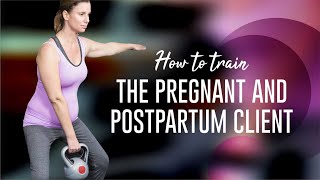
This is a YouTube video titled "Training the Pregnant and Postpartum Person with Brianna Battles" created in March 2021. It features an in-depth English conversation between Beverley Simpson, a fitness professional and podcast founder, and Brianna Battles, founder and CEO of Pregnancy and Postpartum Athleticism. The discussion focuses on coaching strategies, challenges, and considerations for training pregnant and postpartum athletes, including topics like athlete mindset, pelvic floor health, diastasis, and the importance of specialized knowledge and collaboration in this niche fitness area.
What's up, coach? In today's video, we're talking with Briana Battles, all about how to train the pregnant and postpartum athlete. Are you ready? Let's get started. What's up, coach? I'm Beverly Simpson, the owner of B. Simpson Fitness and the founder of the PT Profit podcast. And today we're running an interview that I did with one of my coaches, one of my mentors, Briana Battles. And we're talking all about how to train the pregnant and postpartum athletes. So if you like this video, go ahead, hit, like, hit subscribe and tap that bell and be notified when the next video comes out. So without further ado, let's go ahead and roll that interview. Briana, thank you so much for joining me on the show today. How are you doing?
I'm doing great. How are you doing?
I'm doing awesome. Honestly, this is truly a pleasure and a privilege to have you on the show, because if it weren't for you, honestly, you did change the trajectory of training career, and so I'm so grateful to have you here on the show. It really is. It means a lot to me. So thank you.
Oh, thank you. I really appreciate that.
Yeah. So let's just go ahead and dive in. So one of the first questions I always start with is can you just please share with the audience a little bit about who you are, who you serve, and how you got there?
Yep. I'm Briana Battles. I live in Southern California, and I'm also the founder and CEO of Pregnancy and Postpartum Athleticism. So I have an entirely online business that serves coaching professionals and pregnant and postpartum athletes. So my main focus has evolved into really trying to create a coaching certification that could support women throughout their lifetime of athleticism. Pregnancy and postpartum is where we see a shift, but then that sets us up for everything that's to come and really pursuing this continuation of athleticism. And I really feel like Pregnancy and Postpartum is such a foundation where there was a significant missing gap in the fitness industry marketplace.
Oh, I love that. So now, how did you get into that?
Well, like, I am that right? So, like, I have been a coach for really long time now, or it feels like a long time, like over 12 years. And as a woman in the strength and conditioning industry, like this, and as a female athlete, like, my whole life, college athlete turned into CrossFit, triathlon, powerlifting. Like, I've kind of dabbled in a lot of different things now. I just, you know, I like to just lift and try to stay as versatile as possible. But I just realized that our athleticism didn't end when collegiate sports ended right. And so when I was became pregnant, I still was training a lot. I was in my early ish twenties. Well actually I was in my later twenties when I first got pregnant. I had been training through all of my 20s and I didn't want to stop training when I got pregnant. But the information that was out there was either really generic, listen to your body, do what you've always done or really extreme, be a badass. You can kind of do whatever as long as you were doing it before loads, challenge, whatever it might be. So that was obviously what I gravitated to as a coach and as an athlete because I thought that I like knew what to do. And like there's just new considerations when you're pregnant and when you're postpartum. And while that seems like common sense, it's not because we're fueled by the fitness culture and self expectations and what I call athlete brain. I've kind of coined that term over the years because it's such a driver for so many people that do identify as athletes. It's that intrinsic motivation to go and push through and challenge and, and it's not necessarily to prove something to anybody else, but it's like our own ego speaking. And that can be really hard during any kind of transformative period in our life. Pregnancy, postpartum surgery, injury or just like change and challenge which none of us can avoid, that's always going to be a thing. So I try to talk a lot about over the years anyway about being able to leverage athlete brain to work with you through different seasons of life instead of sabotaging your experience. And that is really what led to becoming the coach I needed and creating a wave, a movement in the fitness industry with pregnancy and postpartum athleticism, providing programs for pregnant athletes, programs for postpartum athletes, ongoing training program which just launched practice for a fitness program. And then my biggest like heart and brain effort, the coach course, pregnancy and postpartum athleticism, which is a certification for coaches and practitioners or aspiring coaches.
And what I really love about that was a mouthful love about the, about the athlete brain concept that you bring up is that you're not only talking about it as you as the pregnancy, the pregnant person with the athlete brain, you're talking about it in terms of coaching someone who might have this athlete brain. And then the key components that you want to consider when you're coaching, which we will get to but just for context, what year was this happening for you when you were, you know, got pregnant and this was transitioning for you?
So that was 2013, where I pretty much, like, I didn't know anything, but I thought I knew a lot. And I went through my pregnancy just, like, with an ego, and then had a really challenging birth. And that was, like. Another thing is, like, I think in the fitness industry, we're told if you are healthy and fit and you do all these things, you check all these boxes, then you are going to set yourself up for this ideal return. And while maybe that is true for some people, it is not a guarantee. There are just so many variables. So I felt very humbled by my birth experience and by just my postpartum experience. It was just a really challenging time in my life during Kade's first year of life and my first year of figuring out how to become a mother. Like, I really say that he is like my little coach because he coached me on how to be a mom and led me in the direction of my life. And I think that a lot of people get so afraid when they have a child, especially as a professional, like, oh, it's going to set me back. It's going to sabotage my career. It's going to, you know, kind of it's going to change things. And we have this fear that is like this negative connotation. But my baby launched a very successful business for me in the trenches. You know, like, being able to build something really meaningful and important and, like, quality in the trenches of motherhood is something I'll always be proud of. And, you know, I do want to say this. I know you have a lot of coaches and professionals that listen to this. Your life, your athleticism, your career, your goals, your aspirations do not have to end when your motherhood begins.
Yeah, it's so true. You know, the reason why I was asking for that time is because I think I've shared this with you, but my audience probably doesn't know this because I usually shared this with my moms. But when I got pregnant in 2015, right, which is not that long ago, I mean, we're talking about this huge gap, right? Was in 2015. And I literally pretend, oh, you know, pretended as if I wasn't pregnant. And I think that it's fitness to the point where my sister got on the phone with me and said, hey, just so you know, you're going to look pregnant when the baby comes out. And I was like, wait, what? No, I'm not. The baby's out that I just had no concepts of what it was gonna be like.
I just had been like social media just wasn't what it is now. And so I feel like I was like that first era of people taking these four weeks or like four days after birth, four weeks after birth, four months after birth, like these pictures and you're like, oh, this is a thing. We document this. And there's like that praise, there's that expectation, but there's that just that culture of online and really only showing the highlight reel. And I feel like that was very much like 2013-2015, 2016ish. And then that's when I started putting out a lot of programs and things to really help change the narrative that we were being given about what it means to be a pregnant athlete, how to train during that season, how to recover well postpartum, where you're prioritizing pelvic health considerations and also your long term performance, whatever that might be, maybe that's going to yoga three times a week, maybe that's doing a sprint triathlon, maybe that's competing in powerlifting or maybe that's making a run for the Olympics, I don't know. But I want to be able to support the spectrum of interests and abilities of people out there. I love that.
And what's interesting too about social media, right, you know, it's a double edged sword and I'm someone who always goes towards the positive. But it would be remiss to ignore the fact that we've also got the other side now where we've got a lot of misinformation from pregnant athletes who may be going through athletic, you know, the athletic brain and they are influencing our general population out there. Because we still, even in 2021, we still have this, this narrative out there that says you either have to go hard or you can't move at all.
Right? Absolutely. Or along those same lines, people that say, well, I'm fit, I have a following, I am a coach or personal trainer, I'm an expert now on pregnancy and I can sell a pregnancy program or I have a flat stomach postpartum, therefore I'm going to sell a program for diastasis. And there's like no credibility, there's zero credibility and there's no governing body really, that's holding anybody accountable for this deceptive marketing. But also just like, I mean, you can really like postpartum women. Like, we're not pregnant postpartum athletes. And people in general, they're not vulnerable and like weak, but they're but they're also. They're not. No one is exempt. Right. Like, there's just a lot of things that influence that season of life. And we can hurt people if we give shitty advice. And that's what we see a lot on social media, is people who are not qualified to be giving advice, especially for this population. Like, just because you are a mom or you've been pregnant before or your wife's been pregnant before, does not mean that you understand all the considerations of coaching that population. And that's, like, really something that I feel obviously strongly about and why I have the certification course. So that you do know, you do have the resources, you do have the referral network to help support this population, especially if you have a great influence.
And also, you know, that's not to say too. And this is why I love having the certification, because it's not to say that you have to be a mom in order to train moms, but I will tell you that as someone who used to train moms before she became one, was definitely a different experience. I mean, your body completely transforms, not just from a aesthetic way and just from how you carry all your pains, your aches and pa, and not to mention the mental components. I'll never forget, after a cesarean, I literally was laying in bed and had that moment of, I'll do anything if I could just swing a kettlebell again, or, or, or. And that moment of, will I ever be able to sit up again the same way.
Right. That's a problem. Like, the birth community failed you and the fitness industry failed you. If you didn't know what to expect in some of those capacities, that's a failure on behalf of your support team that you didn't know that. Right. And that's what we have to do. A better job of changing is taking any kind of stigma away from a cesarean birth or vaginal birth and just saying, like, look, it is a big physiological deal to have a baby come out of your body. There is no good or right way to have a baby. And with that, there's so much we can do to help your recovery process. No matter what how your birth went and whether it was amazing or really traumatizing, there's still a lot of help. And I think people struggle the most when they just feel like, whoa, why didn't anyone tell me? I had no idea what to expect. We see such a problem. And again, totally like, I felt the same way after my first birth.
Yes, I. Me too. I mean, and I just, literally, I was like, oh, I got the advice. Don't Google. And then I took it too far where I literally had no idea what was going to happen at.
Pendulum Swing, baby. I feel like that's just the. It's the problem with everything. It's the all or nothing mentality. And really, it's just like, who are we getting our information from and who are we surrounded by? Where can we become better supported and also just better advocates of our own body and experiences. Yeah.
And I'll also say, too, that we see this in the medical. You know, for people who. In the medical system, for people who. Gotta look at my own bgyns. And for the record, I loved them. There was. There was nothing wrong with them, but they just assumed, because they knew I was a trainer, that I knew what I was doing. So there was no communication about what it was going to be like after this, you know, surgery. It was literally six weeks, no internal exam. Go ahead, you're good to go. Running, jumping. Let me know if you have pain. And you're like, I can't even be intimate yet. And you're telling me that I can go, you know, run a mile.
Right. And, you know, and that's. And it's tough because I think we hold doctors to the standard of, like, be an expert on everything, but really all of us need to be an expert on being able to refer to the appropriate sources. And so that's a lot of the collaboration that the different pregnancy postpartum athleticism coaches are doing now is they are working and collaborating with different midwives, OBGYNs, EuroGYNs, to know, like, hey, I've reached the end of my knowledge base, but let me refer you to this professional that we have, this pelvic floor physical therapist, or this pregnancy and postpartum athleticism coach to be the resource in different communities to help with that kind of guidance. We can't. None of us can know everything about everything, including doctors. So when they can be incredible at managing a pregnancy and getting the baby out and all of that. But after that, it's kind of like a handoff. And it should be a handoff. Right. To the appropriate people that are trained in that particular domain. Fitness, core and pelvic health, recovery and strength and conditioning.
Yeah. And we've talked about this a little bit in earlier episodes in the podcast, where having a network and having a team of people that you can collaborate with only makes you more powerful as a coach, because now you've created a deeper sense of trust for the client. Instead of pretending to be the fix all you to be the fix all when you put them in front of the right people.
Absolutely. And I feel like that's when I've had the most success, is when I don't know the answer, but I can set somebody else up. Like I can do the assist, you know, like I feel like all of life is such a sports analogy. But when you're able to give the assist to somebody else who's more qualified to speak on a certain topic or to help somebody, that is what helps you become the trusted coach and the resource and somebody that people will continually go to and seek out information from. And I think that's what's helped me grow is people can trust me, period. And that trust is such a, like that's what it, that's everything. When you're building a business, when you're selling, when you're coaching, building relationships, they have to trust you because. And if you try to be this know it all, you're going to lose that credibility really fast.
And when someone can trust you and you can feel confident in saying that you don't know, but you're going to do everything you can to help them, that's only going to not only deepen that sense of trust, but also help you with your confidence because you start to feel more competent.
Absolutely.
So I'm curious, you know, as we go into 2021 and we're faced now with this pandemic, what are some of the considerations and adjustments that you need to make as a for your pregnant.
And postpartum clients showing up for them, still checking in and knowing that people are still going to be getting pregnant, they're still going to be having babies and they still need support, they still need coaching and that's still a priority to them. That has not shifted. I kind of like brace thinking, like, I mean, I wonder what's going to happen this year with business in 2020. You know, I really wasn't sure what was going to happen with everything, but it turns out like we have to just get creative in our deliverability. Whether that's offering something online, an online consultation through Zoom, an online program, an online six week series, or in some areas that maybe aren't as regulated, they're still offering small group classes with a lot of COVID considerations and people still need that and they still want that. There is still such a demand for it and we just have to be able to deliver and get creative.
So good. And you know, I'm also curious even because we talked a little bit about what it was like in the beginning, like 2013, 2015, and honestly, our personal beginning, because we. There have been problems since, you know, way back when. What are some of the. What are still some of the common myths, myths and misconceptions that coaches face when they're dealing with. When they're working with a pregnant postpartum.
Client, either giving them advice that's not true. Or letting them just fend for themselves. Well, just listen to your body. Like, I don't know, like, you just do your thing and then there's no advice. I think that we by nature as coaches want to help, and the best we can do to help is to actually learn about what they're experiencing. You know, if somebody just had an ACL surgery, we probably have a little bit of context of what that's like and what that recovery is like. We don't say, all right, you got cleared. Let's throw you into a barbell, and you know what? Go out on that jog. That's fine. We know that there is like a basic progressive overload that needs to occur, but I think a lot of coaches think pregnancy is just, okay, we got to maintain or keep doing what we've always done. And postpartum, like, well, you're back, baby. Let's lose that weight, kick your ass into fitness and just pick up where you left off. Essentially. That is something we see a lot, even outside of a CrossFit high intensity scene. We see that in mommy boot camp settings. We see that in different yoga classes or spin classes where we're not leveraging variables like intensity, volume loads. We're not progressing those things. We're sort of trying to maintain them or jump right back into them. And that's where I feel like there's a disconnect, is we've really lost touch with the beauty of progressive overload. And time, time, time and seasons, man. Like, we have to compare it to sports. Like, there's an off season, there's a preseason, there's when you're in season and being able to truly leverage that from a programming standpoint mixed with where this person is at in terms of her season of life and training.
That's so true. And you know, to be fair, it's not all the coach's fault, because sometimes moms are coming into this world, right? Fitness industry hasn't just failed coaches, they're failing their moms as well. So trainers are also faced with having really challenging conversations with moms that are coming in saying, no, no, I just want to do this right and to.
That I say, you're right. Like, ultimately, it is her choice and it is her autonomous decision on how she wants to navigate her pregnancy and postpartum. If she is paying you to coach her, though, she's also paying for your advice. And that can be a conversation. It doesn't have to be like this rigid rules. Like, we can meet in the middle a little bit and know that, like, how I go about it is I find out what her ultimate goal is. Is it to get back to marathons when she's postpartum? Cool. Like, let's talk about how we're gon approach running or scaling back your running during pregnancy. Okay. You want to go back to yoga and do these certain positions or whatever movements when you are postpartum. Well, then how are you going to navigate your practice during this season? Same way, like lifting, CrossFit, whatever. Like, it's finding out what they want to do and then what is their motivating factor? Why do you want to keep doing handstand pushups at 30 weeks pregnant? Why do you want to try to run a half marathon when you're 22 weeks pregnant? Like, what's that driving force? And can we have a conversation around that? Because if the why is like, I love it. It's part of my identity, my mental health, I feel good. Like, cool. Let's prioritize that for when your body is truly ready for it, which is not pregnancy and it's not early postpartum. It's when they've earned that over time by rebuilding and making sure they've kept their body healthy from the inside and out. Postpartum. I love that.
What are some of the, the indicators, performance indicators that pregnancy and postpartum clients face that could potentially be a, you know, I don't want to say red flag, but it could be something that a coach needs to pay attention to because something I heard from you and I say that I talk about all the time, which I learned from you, which is that as coaches, we get to be that first line of defense. So oftentimes we need to be paying attention to things that your client might not think is important because they're told it's normal.
Right. So I'll start off by saying, like, again, pregnant postpartum athletes are not fragile, but they're also not invincible. It's up to us to be able to help them walk that line. Some things to be aware of is current corn pelvic health symptoms or orthopedic pain and discomfort or, and this is really Important the potential of those symptoms and injuries. Our whole body structurally is changing during pregnancy or has been changed postpartum. I don't like calling birth like an injury, but it's such a significant physiological event that like a lot just happened there. And we have to respect that process just like we would a knee injury, a shoulder injury, back pain or whatever. Where we are really strategic in how we train and respect that unique consideration. Again, not fragile, but not invincible. And I think that we treat people especially like fitness minded people as both like, oh God, well don't do that or oh, you're fine. I mean it's cool, like your doctor said you can do it, so you're fine. And there's like, we need to critically think, like her core is changing. How significant is her diastasis? What can we do to help manage that during pregnancy? Okay, so maybe she has, she leaks when she sneezes or running. She feels like this sharp shooting pain. Those are things we need to be communicating about and educating our clients about because again, we tell everyone to listen to their body. They have no clue what to listen for.
That's so true. So. Oh my gosh, that's so true. They don't know what they don't know. That's where we get to. That's where we.
Exactly. That's what we're here for.
Yeah. So when do you typically recommend your clients see a pelvic floor physical therapist?
In an ideal world, I would love for a pregnant athlete to see a physical therapist in her third trimester to establish a relationship, establish a relationship, know who's going to be in their corner postpartum. Even more ideal would be you're thinking about getting pregnant or in your first trimester, meet with a pelvic floor physical therapist. You can have them help dial in some of your tendencies and get this baseline of like, how do you breathe, what are your natural positions, what do you want to do? And just have that clinical eye on them that can really help dial in like the little things and then basically dial in the micro things so that fitness can be the macro thing that really helps dial in those micro things. That's ideal. But I understand, like for accessibility reasons or financial, whatever it might be, a lot of people are like, I'm going to wait until I'm postpartum to see one. So if that's the case, then seeing a pelvic floor physical therapist, typically around the time that you've been cleared or you've stopped bleeding postpartum, because then we can, you can Go in and discuss what your birth experience was like, how long you pushed for, did you tear, what kind of intervention was there, if any, did you have a C section? A ton of variables. All birth, no matter how the baby comes out, deserves to have postpartum care. And there's no such thing. This is probably going to get me in trouble, but there's no such thing as an uncomplicated birth, even if things went well. I don't know if we're using video, like when you air this, but I'm like using a bunch of air quotes right now just for reference. Like, birth in and of itself, like, the physiological process is complicated, even if it's natural. It's so complicated. There's a lot going on in our bodies and brains and hormones. They just go through so much. And being able to have a practitioner who gets it and can help you recover again from the inside out and bring some awareness to an area that just like, kind of got beat up through pregnancy, through delivery. Again, whether it was a C section or vaginal birth, that whole region has been through a lot and it needs the attention we get. We go to physical therapy for our knee pain that bugs us sometimes. But not after birth. Not after a human comes out of your body. What? You know, that's crazy. But we have not been taught to traditionally think about birth as being something to recover from, aside from like six weeks. That's so. That's not right.
Six week mark is arbitrary, right? Our body is, you know that it's a bell curve. Some people won't take longer and some people won't. It won't take as long. Six weeks is an arbitrary number. So, yeah, it is true and interesting because I had a cesarean and I had. My initial thought was I don't need to see a physical therapist or a pelvic floor. The babies didn't come out there, right. Forgetting for two hours and that there was a whole thing.
Right.
And then not to, you know, not to, you know. It's also important to remember that we're talking about human physiology. All this pelvic floor and diaphragm and all in our core pressure management system. This mattered before I was pregnant, but it didn't come into play until. Or I didn't. It didn't come into my awareness until I would. I became. I became pregnant.
Right? And like, so we think oftentimes this only matters when you're pregnant. You only need to be aware when you're pregnant. But we know that, like college athletes, gymnasts, basketball Players, like, they pee when they. When they play their sports. Volleyball players worked with a ton of people that have not had babies that leak and are very, very athletic people. Very athletic people, and they leak. We've worked with men who have a diastasis, who have a big hernia, who have pain in their pelvic region, and they are awesome powerlifters. They're so strong, they're so young, they're so fit, and still they have pelvic health symptoms. This is not a conversation that is solely focused around pregnant and postpartum athletes. It's understanding core and public health and as it relates to performance, athletic performance and sustainable athletic performance.
And, you know, you also mentioned powerlifting. You know, I had Salon on the. On the podcast, and we talked about how powerlifting competitions. It's almost like a badge of honor that you had a pelvic floor symptom, and there's someone literally there that's designed to clean up pee on the. On the platform.
So, like, I totally understand why there's a disconnect with how we view, like, effort, you know, and we also don't want to shame people that are peeing on the platform. It can totally happen, even with somebody who's done a ton of work to improve their pelvic floor and be cognizant of that at the same time. Not a badge of honor and something that shouldn't be ignored because, one, your performance can be improved if you're not peeing, coming out of your squat or locking out on your deadlift or whatever. Like, your athletic performance will be better. If you're not pissing yourself, it will be. So that's number one. Number two is like, I'm in my 30s. When I am in my 60s and I have grandbabies, I don't want to be worried about my vagina. I want to make sure that my body in the ways that I can control. Because God knows there are so many variables out there in life. We have to be grateful for all of our circumstances. But, like, I want to do what I can to give my body the longevity it deserves. And that is, like, functional. We are not even talking about aesthetics anymore. You know, like, I want my body to work with me for the rest of my life when I am with my grandbabies and not be managing my bladder. I don't want that. And so I am not going to train in a way that is continually testing that system when that system is saying, hello, red flag. Yeah, we have to be able to honor that if we are Truly prioritizing that lifetime of athleticism.
Absolutely. And so, with that said, right, this is something that I feel like comes up a lot in our community now that, you know, we were. Before we hit record, we were talking about that pendulum. Because there is also that side that now, once you know better and once you can start to get a comprehensive look at how the body works and how we can the possibilities of training pregnant and postpartum women, there sometimes now becomes almost this line of fear of when can we, you know, progressively overload? When can we start to push the button of or, you know, push out the boundary of resilience? How do you determine that? What are some of the ways that you work around that and work with the coaches to move through that?
I think, like, strategic programming is really key. Like, you build trust every time that you're in the gym getting your reps in. Whether it's reps, rebuilding your capacity, reps, relearning your body, you need to get your reps. And just like with literally everything else in life, when we're trying to get better at something or more comfortable at something, get your reps in and give yourself time. Most of us do not have this set timeline of, well, I need to get back to the Olympics. I need to be back for this. I need to be that. Most of us don't have this arbitrary timeline. We have shitty expectations for ourselves that we said, well, I should look better at six months postpartum, or I should be able to be hitting these numbers at 9 months postpartum. We put some of those expectations on ourselves. But I think just truly getting in your reps and building trust within yourself is critical. And then managing symptoms, making sure, like, okay, I know that I can do 20 double unders and I'm not peeing, but when I try to go for 30, I start getting kind of some work. If it's something that you really want to work too, or focus on what does feel good, what you're already good at, what's working. And again, time no one wants to hear. That's a boring answer. But when can I get better? When can I do more? When can I, like, when. How can I get over my fear, give it time and keep being consistent with the stuff that you actually want to get better at.
So true. I know it's time. That's like people. People always want to skip reps no matter what it is, right?
It's really that beauty of progressive overload. It works, but the foundation of it is doing more over time. That's all.
And then you know that they were just shining a light on something that's already there. And not to forget that you're luckily. I mean, listen, after I started to know better, I thought, thank God my moms were so resilient, because who knows what I was doing before, you know, to remember, too, that luckily, the human body is resilient and we are designed to heal. It's just not on an arbitrary timeline.
Right. And healing looks different for every single person. We can't compare. Like, there's no going back for any of us, even if we, like, look similar or trained similarly. I say this, and sometimes people get pissed off, but, like, postpartum is truly forever, and that's not a bad thing. It just is. And that doesn't mean, like, early postpartum and, like, oh, I feel soft or not strong or incapable. Like, not that. Just, like, the fact is, once you've had a baby, you have always had a baby. And, you know, let, like, your body is going to change anyway. You are not going back. You are moving forward anyway. And that is, if we are lucky, you know, like, we have the opportunity to keep our eyes forward on what we can do in the body that we have now with the interest and abilities that we have now. And that is a privilege.
Yes, absolutely. And, you know, one of the things, too, I want to circle back, because you brought it up earlier in this podcast, too, is that to remember for your moms that you're training, that that early season of postpartum life is very intense. The fourth trimester is what we call it. And, you know, moms tend to sometimes forget themselves and then continue to forget themselves throughout that journey. And so being that line of defense for them, to help them remember that they're a human, too, and not just a mom. You know, being part of that conversation, that experience is very valuable as a mom. Saying that is very valuable.
Right? We are not martyrs. We're just not. Like, we still have worth. Like, again, your athleticism doesn't end when motherhood begins. Your. Your health and your career and your goals and your sexuality, just all these things. None of that ends when you become a mom. It can evolve and get better and you know yourself more and you have the responsibility of still investing in yourself. Because we want that for our kids. We want them to see their value and their worth. And, like, I want that for my boys. I want them to continually pursue their talents and their gifts and what lights them up. I need to set that example. I can't forget about me on the like, because I'm only focusing on that, like I can do both and I can do it best by walking the talk.
Absolutely. Now you brought up a couple times diastasis. Would you mind talking a little bit more about what that is and as a coach, what we should be looking for?
Sure. So I think diastasis recti is first of all this something that has gained a lot of traction. It's really trendy and there's a lot of fear behind it. It is the naturally occurring separation of the left and right sides of the abdominal wall during pregnancy. Or just somebody who maybe carries a lot more fat in their abdomen. Men can have it, kids can have it, but typically we see it in pregnancy because the abdomen has to expand to make room for the baby. That line of connective tissue is called the linea alba. And your abs aren't ripping apart. That fascia is designed to spread to kind of hold that load of the baby pressing out. I am personally 5, 3 baby and I have giant babies for some freaking reason, like 10 pound huge babies. And like they just grew like straight out. So my next. So that plays into my next point, which is you cannot prevent a diastasis from happening. There's a lot of crappy marketing out there that will say, well, you can prevent diastasis. Just do these five exercises or buy my program for, you know, 49.99 and you won't have a diastasis. And it's crap like you cannot avoid it. It is naturally occurring. But at the same time, we can adjust our some of our tendencies and awareness of that system and the whole system during pregnancy so it becomes a management consideration versus a preventable situation. And diastasis is super trendy because people are like, I don't want to ruin my abs. I don't want to mess up my stomach. And while I get that, like I, trust me, I get that I have been down the diastasis spectrum. What I wish more people would be considerate of is their vagina during pregnancy, their pelvic floor floor and just what implications there are with that. And I say that as somebody who, fortunately, I have not experienced pelvic floor symptoms. I don't pee, I don't have prolapse, I don't have enough symptoms that actually did have a really significant diastasis. But I think that we are so fearful of our abs changing that we're neglecting something that's truly functional, which is the pelvic floor for incontinence, for sex, for pain, for all of these things because we're so obsessed with our abs changing that we don't realize that, like, oh, that also matters. My pelvic floor health also matters. Maybe I shouldn't be bearing down. Maybe I shouldn't be running all of this time. Maybe if there's pain, I should acknowledge that. Maybe if I'm peeing my pants postpartum, that's a big deal. But we were so focused on abs that we lost sight of this other incredibly important consideration. So that is my, like, tangent to diastasis.
Well, we'll continue with that. But I also want to do with pelvic symptoms, like, as, because this is just my own personal experience. So, you know, if my mom and mother in law are listening. Love ya. But, you know, we talk a lot about pelvic floor symptoms being, you know, leaking or we have prolapse. So some, you know, part of the uterus or bladder rectum or falling out or not falling out, but they're sagging, for lack of a better word. I actually happened to have a hyper, hypertonic or pelvic floor that was too tight. And so literally any type of intimacy was excruciating. And so it was like I could not, I could not relax. I had to focus on being, I had to focus on, on, on releasing. And that all my tension in that pelvic floor was, was, was tightness. And we, we don't pay attention to that. I didn't think that was.
We are only told, like, we'll just do kegels. And then people just like, squeeze constantly. Especially athletes. Like, you know, I'm just, I mean, women in general, like, we're just told to kind of like, suck it in and hold in. Well, if you're standing here, if you stand up right now listening to this podcast and you suck in your stomach, I want you to pay attention to, like, what your butt does and what your vagina does when you do that, like just suck in your stomach, you're not even cueing your pelvic floor, but every time you suck in your stomach, you're creating tension in that whole region. And that's something to be aware of. And it's not necessarily bad. But if you're training that over and over and over and you have this muscle that's constantly kind of holding tension and contracted, it's going to be really hard to lengthen that thing. And so when you're having sex or you're having a baby or you're experiencing dysfunction, that muscle has to work for you and respond to the demands upon it. Sex, peeing, babies, whatever.
Yeah. Okay. So back to diastasis.
No holding back here, I guess, huh? On your podcast. And I'm just gonna keep it so real.
No, that's how we do here, seriously. But it's true. It's important and it's important to have these conversations because I still feel like it's not. It's not come. It's not comfortably talked about. And if it. And if in your. And I talk about this a lot. If in your coaching world, it feels like we're talking about it all the time, it's literally 1/10 of 1%. You're in a tiny little bubble. Most people are not talking about this stuff still.
Totally.
Okay, so, so the diet, so the. With the diasis. Right. So when you have that, that split.
Right.
And for the record, my daughter had a diastasis.
Right.
It's, you know, things like. It's not just the separation we want to be looking at. What are some of the things that we want to be looking at?
Yeah. So we're not just concerned about how far separated the abs are. At least we're talking now postpartum, really, because pregnancy, it's going to happen. We can control some of those variables of pressure management. But postpartum, I think a lot of people are like, oh man, my DMs are filled with this. Hey, Bri, I have like this two finger separation. Yeah. I'm like, that's fine. Like, so two fingers. Typically it translates depends but like to about two centimeters. Right. So it's not just about the distance separated though. It's also what that, the integrity of that fascia is what that connective tissue of the midline is doing. Is it super, super squishy? So there's not a whole lot of like rebound when you press in on that abdomen, we want there to be tension on that midline. And that's not pooching through the center, like coning out or bulging out to be able to generate tension with the pelvic floor ta controlling the breathing and then matching that to the demand that they want to do pull ups, push ups, or deadlifting, whatever it might be. So we're looking at the tension integrity of the midline and also just how does that whole system work and do our movements support improving that system or do they not? I think a lot of people think like if they have a separation, then they can't do X, Y or Z exercises. And that's just not true. It really is context dependent and person dependent to Say this is bad and this is good. It's very arbitrary. But there is a lot to be said for truly rehabbing and progressing fitness postpartum and being mindful of a diastasis. A lot of people who have really centralized loose skin or something that pooches out a lot, maybe they have a hernia or just most of the change, aesthetic change, their abdomen is in that midline region. That's like a good indicator that there's a diastasis there. But it's not to say that everybody has one postpartum. Some people it resolves totally naturally and other people end up choosing surgery. And all of those choices and considerations are okay. It's just a part of that spectrum of athleticism in life and the function of our body.
And it's also something important to note that what we're talking about is not necessarily something that is that every coach and every physical therapist, pelvic floor physical therapist thinks about. So that's the way it's that you're spending the time networking with people who actually get it. Not to say that those well meaning coaches and well meaning pelvic floor physical therapists can't learn because I needed to learn. But there's still a lot of people out there that are perceived authorities in this space that still don't fully get.
It right and that those will be the people say, well just don't do sit ups or like we'll just do some planks then through pregnancy.
Yeah.
Or like not it. That's really short sighted because again it's managing the pressure system and what those tendencies are and then being able to decide for the person in front of you if that's the right call or right choice or just, you know what, what's just not worth it right now. Like maybe you can, like can you versus should you kind of conversations I think are really important for coaches to have and for us to have with ourselves. Like it's not. This isn't a matter of my athletic ability. This is a matter of my current state of readiness and my current needs analysis, not my current ability. It's what I currently need in this moment of time.
Yeah, it's true. And you know, you'll still also have those people that you know that will tell a mom, oh, you can't lift anything heavier than 8 pounds. Well, your baby was 10 pounds brand new.
So tell me about it.
So you're going to tell a mom you can't pick up your brand new baby. I mean, I'll be honest, that was One of the hardest parts for me when I was, when I had Abby, my second baby, because then I couldn't pick up my first. I couldn't pick her up for eight weeks. That was excruciating.
Right? Yeah. I mean, again, just these generalizations either like, be super conservative, which then hurts the mom, or B, you know, you're a badass. Like just right back, back to the things and, you know, the sooner you're back in the gym, the better. Let's praise that. Also going to hurt the mom mentally, physically, emotionally, or it hurts our society. Right.
So we get to be part of the conversation that is shifting that. Which is exciting.
Trying, my friend.
It's exciting. So I really want to be mindful of your time. So, Brianna, can you please tell us where, if somebody wanted to learn more about you wanted to learn more about how to train this population in this season of life, where can I send them?
Literally everything is on the main page of my website. It's www.briannabattles.com and that's Brianna with two N's. B, R, I, A N, N, A B, A, T, T, L, E, S. Yes. Battles is actually my real last name. And on Instagram, it's Brianna Battles. And the brand Instagram is pregnant postpartum athlete. So I post a lot of information there. And then for the coach course, that or coaching certification course, it is pregnancy and postpartum athleticism. Again, that is on my website. And we have an international team over, you know, definitely over a thousand people that have enrolled to become a coach and are doing really good work in their communities all over the world in their own unique way. And it's been incredible to see how this work is influencing people's lives from the unique voice and application of the different coach or practitioner.
So good. And we'll be sure to link this all up in the show. So thank you so much for hanging out with me today. I really appreciate it.
Thank you, Beverly. Appreciate it, Coach.
Thanks so much for hanging out with us today. All of the links are around that video. And if you like this video and you haven't already, be sure to be subscribed and tap that bell to be notified when the latest and greatest videos come out on this channel. And I'll catch you on the next video.
Sa.










