Digital Marketing in 40 Minutes | Rohit Sheth, COO GrowRev (Podcast 314)
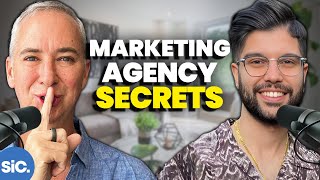
This is a ~40-minute YouTube podcast interview (Second in Command podcast) with Rohit Suth, COO of GrowRev, hosted by Cameron Herold. Key themes: GrowRev grew largely through referrals, sponsorship of masterminds and in-person networking rather than paid ads; their primary constraint has been hiring and training (not lead generation); they emphasize culture-first hiring, referral-based recruitment, peer-to-peer training, tight client onboarding (limited weekly onboarding to protect capacity), and selective client acceptance. Strategic moves discussed include turning on paid marketing only after acquiring trained teams via M&A, using an advisory board (three advisors focused on enterprise doors, operations, and M&A), and attending high-net-worth events for new network channels. The interview also includes practical leadership advice (COO/CEO meeting cadence, sit-with-team practice, hybrid-team rituals, annual company retreats) and personal anecdotes (Rohit’s pastry/chef background, tiramisu recommendation, internship story with Cameron’s son Connor).
Chapters
People always ask us this. They're like, how did you get to the size you are? And I've never seen an ad from you guys. And. And that comes down to two things. Realistically, if it was my brother's way, we would have had ads live years ago. You know, at Grow Rev, the biggest issue ever since the beginning that we've always ran into is we don't have a lead problem, we have a hiring and training problem. Right. That's always been sort of the issue when. When supply and demand is offset, when you're able to, you know, create this demand and generate so much revenue for your clients and be able to have your customers talk about you in that light. You have these people shouting from the mountaintops of how much money they've made theoretically by using your service. What ends up happening is they just end up contacting you.
All right, you are going to love this episode. We've got Rohit Suth, who is the COO of GrowRev, joining us on the pod today. He is really strong. He and his brother Rohan have built a really, really great digital marketing agency. Their growth is absolutely on fire right now. They're going to talk a lot about how they're able to grow their agency with half the number of employees they've got, how they've been able to achieve 100% growth the last two years, why they're now moving towards actually running their own marketing and traffic for themselves as well. How they've grown a lot by sponsoring masterminds, a lot of their kind of culture internally and the way that they work with employees and teams. They also had my son Connor as an intern over the last three months and talk a little bit about why they brought someone on as an intern and also how they've leveraged using boards of advisors. You're going to love this episode. So, Rohit, welcome to the Second In Command podcast.
Thank you so much, Connor. I'm so used to hanging out with Conor all day that now I'm calling you Connor Cameron.
Totally, totally, totally good, actually. I love that. So just so that people understand why you just called me Connor, my son Connor, 20 years old, just finished doing an internship at your company Grow Rev for the last two and a half, three months. Loved his time with you, getting able to shadow everyone inside the organization, spending time with you, with your brother, with, I think every different business area, did a bunch of stuff in person at your agency and a bunch of stuff online with your agency. So the fact that you just called me Connor is fantastic.
Love it amazing. Yeah. Connor's such a great kid. We were just chatting just before this and he's got so many good qualities, but it's extremely refreshing to see how mature his mind already is. Of course that lends itself from watching yourself and what you been able to build, but he's an extremely smart, switched on individual just by himself.
Thank you. And I'm curious, what was it that had you say yes to having him in as an intern? You guys weren't out there looking for an intern. He pitched you looked at all the different marketing agencies in Vancouver and actually selected Grow Ev as the one he wanted to work with and spend time with. What was it that had you guys say yes to that? Because it disrupts the business a little bit and can be a little bit of a pain in the ass too.
Absolutely. I think that one from our company values, we always hire for culture first. We've always been, we can train skillset. So we've always had our team kind of come around and help everyone, kind of, you know, help rising tides raise all boats. And that's been one kind of thought pattern and value that we have at Grow Rev. But even when I started at Grow Rev, I was never in marketing. First and foremost, my background's in culinary, right. So I was trained. And we always like to be able to pass that opportunity down to whoever is willing to work and be able to actually seize that opportunity at hand. And funnily enough, Conor had reached out a few times prior to us bringing him on. And just obviously with a busy schedule, things like that, traveling, his emails, you know, either got overlooked or got lost or my EA didn't reach out or whatever it may be. But what he did was so interesting and it's so smart. And this is a lesson for everyone out there is he went, I'm pretty sure I know how he did this. And he went to LinkedIn, found everyone that was employed by Grow Rev, got all of their emails, figured out what their emails were. Emailed, emailed, recorded a video as to why he should intern with us, sent it not only to myself, but everyone on my team. So my slack just went, hey, did you get this email? Hey, did you get this email? Hey, did you get this email? I'm like, guys, like, it's 10pm at night. Like, yes, I got the email, Relax. And I had to reply. And I was just like, connor, you start tomorrow. Come in. Like, that was amazing. Super smart.
What's super cool? A 20 year old did that all on his own. He goes, yeah, I Said, where did you get the emails? He goes, I went on LinkedIn. I'd used a scraper tool that I looked up on Found, and I'm like, dude, good for you, man. He spent hours pulling that video together as kind of like a cool video. And by the way, he just did a video. And I'll link to both the videos in our show notes. He just did a second video promoting his event that he's running in Montreal next week. He runs something called Series of Fortunate Events sof. And he did a video and kept going back to your team to learn more and how to actually make it better. And he said the compilation video he did is the sum of all the learning that he learned at Grow Rev. So he's super excited about it, but I'm glad he got in the door. We'll share both the videos. And again, I think it's smart when companies do bring these people into the organization because it does create a bit of a butterfly effect as well. Right. Where we're giving back. It also gets the team when they're teaching someone. It reinforces the learning to the team themselves. Right. It reinforces the systems that we know we're supposed to be using more because we're teaching them. So, yeah, it kind of goes both ways.
And I used to use that principle back when I used to work in the. In the kitchen when I was a head chef was I never had my manager train everybody. I had the newest hire, the second newest hire train the newest hire, and the manager kind of oversee it. So I would always pass that chain and link onwards. So I knew that everyone, of course, I had a very strict QA process where the manager had to make sure they go through and make sure everything was done right. Checklists were in place, et cetera. So I knew they were being trained properly. However, it was never just the manager training the newest hire. It was the second newest hire training the newest hire. And it kept that link going because of that. That exactly what you're saying. The reinforcement of learning, it, being able to pass it on, the confidence, it builds the camaraderie, because then you don't just have everyone with a really strong relationship to the manager, but you have a strong relationship with every person on the team that taught you along the way. I love that.
It's a good methodology, for sure. All right, one strange kind of sideway question here right now. You said you've been a chef a couple times, trained as a classic chef. What's your favorite dish that you make that you like?
To eat by trade. I'm technically a pastry chef. I did work in culinary as a whole. I was a head chef for years and a chef de partie for multiple different sort of restaurants. However, if I were to name sort of the first and most important thing to me, it's a really, really properly made tiramisu.
Ooh, very nice.
Classic. Old school, Done the right way. That is the most important to me because it's actually quite a simple dessert to make. There's not many ingredients. There's not a lot of technique to it, but to actually have it done the right way. And quick tip, if you want to know a quick spot to get a really, really good tiramisu, my favorite one in Vancouver is at Tiri on Alberni. They have an amazing tiramisu.
All right, Thierry in Alberni. And maybe I will get time on my calendar to go there with you and have tiramisu. All right. Working with your brother. So you're the COO of Grow Rev, and you've been building the organization with your brother Rohan, who, you know, kind of in the frontward face of the organization in many ways. And you're kind of the inward face of the organization, but you're also very outward facing too. What's it like growing the organization with your brother? How did you guys divide up roles and responsibilities? And then how do you get through the inevitable? You know, when you drive him crazy, he drives you crazy, which is part of being brothers. How do you get through that in the business as well?
Absolutely. I think it's a super interesting dichotomy, right, between brothers being a CEO and a CEO, and there's this power stance in terms of, hey, he's the older brother, I'm the younger brother. There's six and a half years between us. However, the one thing that I will say is both of us, even growing up, never had a lot of quarrels. We've always. And I think that comes from not only my mom and dad, but my dad and my uncle, who owned one of the largest travel agencies in India. We actually watched and witnessed a brother sort of pair relationship over the years as we grew up. So what it did was it taught us, hey, listen, age is but a number, right? Everyone has skill sets, everyone has their goods, their bads. We just need to be on the same page, same level with the same outcome, with the same mission and the same value. And we quickly understood, hey, if the goal is X, we're willing to do whatever it takes to get to the goal, even if that means putting our egos aside, our thought patterns aside, our opinions aside. And earlier on, it was of course a little bit tough, right? When I came, it was my brother's business. He brought me into the business. I was not a founder by any means. I came in like four years after as, as the firm was scaling. However, when I came in as you do you ask, hey, what's my role? Like what, what am I gonna do? I just left my, my job, my full time gig. What am I, what do you want me to do? How am I gonna help? And he goes, I don't know, figure it out. And I was like, what do you mean figure it out? And he's like, well, I don't know, like, make your own job. And I was like, oh, oh, here we go. This is how it's gonna be now. Luckily, he's still my brother and I was always around, so I kind of knew what he was doing over the years, right? To some extent. I always knew about the marketing industry, I knew about finance. I've managed multiple locations. I was managing budgets, I was managing labor, hiring, firing. I was doing all that stuff prior to, but in a different field, right? So when I came in, really, I wasn't even the coo, theoretically, I was just kind of the ops guy that was just doing all the things. I was a generalist at that point. And what I started to do was just go, okay, what don't we have? That I had at my old place in terms of structure, we didn't have contracts in place, we didn't have hiring, training, firing, we didn't have SOPs. There was no management, there was nothing. There was just three people in the company. There was, and two of them are including my brother. And the other partner or ex partner was extremely not detail orientated to the maximum. It was like my brother going out, getting a deal, giving it to our ex co founder and being like, hey, I got a deal. Here you go. Scale them, you know, run their marketing. That was where I came in at like ground level, ground floor and was able to, you know, build that up. And the relationship grew as I was able to help grow the company. And he witnessed and saw that I was completely bought in. And I had my own skill sets, he had his own skill sets. So what we would do is I was like, hey, you're on the front end, you go get me deals, give me the deals, I'll handle the rest. I don't need you to be meddling in the middle of the operation. Of the company. Because, as you know, sometimes the CEOs think that they understand the way a flow may work or something like that, and they just don't understand as the company grows. And we were able to come up with sort of a. A way of separating, right, Going down our own paths, but then also coming back and meeting each other and going, hey, here's what I've been working on, here's what I'm doing, and here's why I'm doing it. And then the same thing with himself, with some of the new clients coming on board, the direction we're going, the pricing, we want to go after the market segments, yadda, yadda, yadda. We would meet together. At first it was once a week, and then over time, it became once every two weeks, then once a month because we found we were getting more efficient. We didn't need to waste that time. It was getting really repetitive. So we extended it to once a month. But now our once a month meetings are pretty substantial, right? They're like an hour, hour and a half, two hours. And we won't make it super corporate where we sit in an office and do it like, because we're somewhat brothers. It's kind of fun. And I think that you should, everybody in our position should do this is when you're doing that meeting with your CEO, go, go do it at a nice restaurant. You know, bring your iPads, sit down, sit outside on a patio. If it's nice and sunny, do it there. Give yourself that fresh, creative mind. At least for myself, I love chaos, right? Like working in the kitchens. I love chaos. And then being able to go into solidarity, like into my dungeon, like in my little cave, and then execute on all of those things. So it has that nice balance back and forth as well as. I mean, that works with my brother as well.
I like the way that you do that. I actually talked about that in my newest book, the Second in Command. I talked about date night, where the CEO and COO need to get away from the kids, from the other employees, get away from the rest of the leadership team. Brian and I used to go to the Arbutus Club or Vancouver Lawn and Tennis Club, and we would just sit with our laptops and work. Sometimes we wouldn't even talk. Sometimes we would talk a lot. And we would also go for runs twice a week on Tuesday and Thursday mornings where we would just be able to sometimes work through the issues, sometimes just reconnect as friends. He was my best man at my wedding. Three months before I started working for him, so very similar where we had that strong trust and relationship. But what about the inevitable fights? Are the inevitable fights and disagreements for the good of the core values and the mission and the growth of the company, are they fights with the other that get irrational?
I think it's both. Right. It would be silly of anyone to say that every fight is not or is productive and is not irrational. Right. There are times where I have things going on in my personal life that somehow come into this conversation or vice versa. Right. And for us, I mean, the way that we always remind ourselves and I think that we naturally have this instinctually in us because of our family values. Growing up with my parents being like, blood's always thicker than water. Blood's always thicker than water. You know, like constant battering. It's like, listen, if there's somebody you can trust and go to sleep at night and you know they're your blood, they're never going to betray you. Everything will be okay at the end of the day, you know, like, if you're working to that same goal, which at the end of the day for us is growing, grow Rev as a massive household firm in our industry, then our trivial little disagreements necessarily mean all that much. If we're able to come back and have a conversation and say, hey, listen, I was pissed, I apologize, here's how or why I was seeing it that way, and vice versa, we can come to an understanding and just have a conversation about it. Right. Generally, if you just have a adult conversation and go, here's why I felt that way, or here's why this is the. The way I reacted a lot of the times you're gonna be like, cool, man, no stress, water on a duck's back, move on, let's go.
So something else. And I got to stop mentioning my son Connor and his insights. But he had an insight when he was working with you in the internship that he said that he was. You know, Rohan's such a great kind of gregarious guy, but Rohit, man, he really runs that business. And all the employees really love you. Why is it that you have such a tight knit organization? What is it that he saw and why is that connection so strong?
I think there's multiple factors to that. And it's interesting because it was not always like that. Right. There have been a lot of trials and tribulations with previous employees that have no. Are no longer with us, where they have sort of a preconceived notion of the fact that I'm my brother's brother. You know, to where they think that, hey, I was just handed this opportunity, and I get away with everything. It's like, if anything, I'm looked at and judged even harder by my brother than anyone else on the team because I am his brother. You know, like, if I don't do something, oh, he's coming after my head. However, when it came down to it, I've always been the leader. That's like, hey, I want to leave from the front of the pack. I used to do this when I worked in the kitchens and when I was a head chef and training somebody, the first day somebody was in the kitchen, I would always be the one to take out the garbage with them every single time. It was a small thing. The cardboard and the garbage were the first thing I did with. At the end of the day, anyone's first day shift, I would take out the garbage and take out the cardboard with them. And the reason for that is a subliminal one. It's, hey, if I tell you to do something, it's not because I haven't done it myself. I continuously do it and will do it till today. But I'm also going to show you that, hey, I'm willing to put in the time and effort to get to know you, because there's a bit of a walk, you know, when you're getting all the garbage, putting it all together. It's not fun. You know, nobody wants to do that. But at the end of the day, I think that that's what has now cultivated. Not only that being the one in the office, I sit in the bullp in. I don't have a personal office. I do go and step away, of course, because there are conversations, there are things that I need to have in private. So I do go into the office when I need to. However, I sit amongst the team. It is a very much, hey, I'm a part of this team. I need to know what's happening. I need to know all the conversations being taken place, because if I'm not privy to all these conversations, they're going to come to me with scenarios that I may not have context to, and how am I able to solve those solutions or solve those problems with solutions without. With, like, 1% of the context. So there's. There's a multiple sort of layer to that. And then I would say the third thing is every one of our staff members, in terms of a trend, they're either a friend of mine or I've known for years, or they're a friend of a friend so most of our hiring has always been through referral base as same as our clientele. We've never actually run our own traffic internally at Grow Rev, which is an interesting scenario growing the company to the size that it is today.
Yeah, I'm going to ask about that as well. And it's interesting. When I was the second in command for 1-800-got junk, I never had an office as well. I sat on the floor with everybody. And I also, as much as I was listening and learning and watching them, I realized they were able to sit and watch and learn and listen to me. You know, the phone calls, people dropping by my desk, the complete focus that I had, the energy I was bringing. So there was a real strong spin off there. How does that change when your company is now hybrid because you've got a remote team now and you've got the in office team. How does that change?
I would say that's a work in progress still. I don't think that we're all the way there and I do think that there are cool little things that you can do. Right. However, for us internally, what I've always tried to do at least I would say is not just. And we have sort of channels in our Slack that are dedicated to everyone, right. So we have a request leadership request channel. We have channels that are ask exec questions. Right. And the reason for that is because we realized over time people in the office had an unfair advantage being able to ask and listen to questions that you know, because we're in their area, we're in and around the office. So they're able to just shout across the office and just ask us a question. We then told everyone was like, hey, that's a great question. I'm going to answer it on Slack. So everyone is privy to this information. That is one thing that we did. Number two is every single year, no matter what we do, once a year we fly all of our team members out to wherever in the world. We set a goal, we set a target. We fly everyone in from anywhere in the country. Anywhere in the world really doesn't matter. We don't care. We want you all together. So last year we did, or I guess this year flew everyone down to Cabo, right. So it's kind of heavy when you're flying 30 plus individuals all over the world. However, it shows our dedication to our team and then what it does is they get to know each other, then they start talking online a lot more as kind of a byproduct of that and just doing Meetings properly, you know, having team members jump in. We have sort of lunchrooms to where they jump in and they just talk. Right. Like they just be hooligans. And then we have professional meetings to where it's like, hey, come with your solutions, come with what your problems are and let's work through these things as a team, as a whole. So I think there's a multitude of that. And then if you look at, I mean, we work in the marketing industry, so it's kind of interesting how a lot of people put out newsletters, right? Newsletters have always been something that's so massive. You put newsletters out in your emails, you put newsletters out to your customers, your consumers. All I did was like, well, newsletters are actually a really good way to transfer knowledge, transfer information very quickly. And all I do is I write a weekly or a monthly newsletter and send it out to the team of new potential clients coming on board, new hires, anyone we're looking for when it comes to hiring, any changes within the team, who's gotten a raise, who's moved positions, you know, all of these company aspects that people in Australia may not be able to see, but people in Vancouver could. It's kind of tough scenario. So it's all of those things put together. But like I said, I think that there's still more I can do and I still strive to be the best in that area because I think it's is very important moving forward.
Yeah, I love that. And it's interesting. The cost of running these retreats or these off sites is really offset by the fact that we're not paying rent for all these people in the first place. Right. So there's an offset there.
Exactly.
Before I ask you about the marketing and kind of starting to run your own traffic, which I'm going to get to in a second, I want to ask you about how you're able to run the agency with half the staff that most agencies run. Your revenue per employee and margin per employee is quite high vis a vis the other competitors that you would have in the space. Why is that?
I would say it comes down to one really important thing and it's really called, or we call it buy in. Right. Not only buy in from our team, but buy in from our clients as well. We're very selective from the front all the way to the back of who comes into our business, how they come into our business, what are the expectations that are set, what is that buy in process, not only from our team, but from our, our clientele and Being able to pair those, those expectations together really, really well is how we've been able to do it. Of course I can say, well, we have great SOPs and we have great operations and this and that, but I think that there can be, you can have all of those things without the buy in and it doesn't do anything. Whereas if you have buy in and you don't have the great sops, you're still going to be a fairly sort of efficient team. It'll just be a little haphazard. You're not going to be able to track things very well historically. Whereas if you have both of them combined, you're going to be in a very, very good situation to be able to run lean and mean.
Love that as well. So our next COO alliance event, we run two in person events every year. The next one is being held at MIT's Endicott House in Boston. Theme around that is all top of the line, top of the P and L, right? It's all sales, marketing, PR funnels, it's all revenue generation. One of the really interesting data points that came out of the advertising industry 20 years ago, they did a poll of all the top advertising agencies in the United States and they asked them, what percentage of your revenue do you spend on advertising? And it was less than 1 1/2 percent. They were telling all of their clients spend 8 to 10% of revenue on marketing and advertising. Why is it that so many marketing agencies and ad agencies don't spend on it, but they're getting their clients to are we being misled or are they doing their customer experience so much better that they're able to generate the referrals and keep the retention high?
That's an amazing question. And people always ask us this. They're like, how did you get to the size you are? And I've never seen an ad from you guys. And that comes down to two things. Realistically, if it was my brother's way, we would have had ads live years ago at Grow Rev. The biggest issue ever since the beginning that we've always ran into is we don't have a lead problem, we have a hiring and training problem. Right? That's always been sort of the issue when, when supply and demand is offset. When you're able to, you know, create this demand and generate so much revenue for your clients and be able to have your customers talk about you in that light. You have these people shouting from the mountaintops of how much money they've made theoretically by using your service. What ends up Happening is they just end up contacting you. What Connor did our clients end up doing? They'll literally go in and find our emails and then email us going, hey, I need your service. Can you help me? And we're like, listen, we're more than happy to help you. However, you're gonna have to wait eight weeks before we can even onboard because I will literally only onboard two clients a week anytime now. That's not great per se. Right? Like, that's not something that I want to say. Hey, that's amazing for business growth. It's actually terrible internally for our own profitability.
Right.
But the reason I do that is one, because culture, company culture. Right. I don't want to overburden my staff because of the fact that we, we are somewhat lean and mean. But number two, I make sure 100% every single client gets the exact same attention. Whether they're large, small, doesn't matter. So I think what ends up taking place in this scenario with a lot of these agencies or firms over, over time is they're so focused on being the best at their product or their service that they just forget. It just literally loses. It just goes out of your mind. You're like.
And you're production restrained at that point, right. You don't have the employees, you can't do the production. So you don't bother on the sales and marketing. It's interesting. When we built 1-800-got junk, I was the COO and we had six consecutive years of 100% revenue growth. We went from 2 million to 106 million in six years. And it was because we decided to keep stepping on the gas and figure out the production as we went. But we were going to grow that quickly. But we would never compromise the base that we were almost maniacal. It was a bit of a burnout stage as well. But yeah, there is definitely an art and a science to have that kind of growth and to so to stay that good. So you said you're going to be turning on the marketing though now you're going to be starting to go after the marketing, start running your own traffic. It sounds like it's going to be very testimonial, very kind of current client based.
Absolutely, 100%. I think that the biggest thing that we've been focusing on through the year has been really optimizing our service. Right. How are we able to deliver the same service with lower cost, be more efficient, drive the best results, all of these sort of scenarios. And one of the things that came down to was Like I said, we've always had a hiring problem, right. We haven't had a lead problem. So what we actually ended up doing and this was kind of direction from not only our board but my brother really leading the ship in this is, is we've moved into M and A and we are really acquiring other firms and agencies in our niche, in our vertical as well as horizontally.
Right.
Because we want to be the one stop shop for all sorts of marketing, whether that be print, digital, paid, organic, you know, everything. So the reason we went into M and A is because we're able to acquire really top tier talent that's already trained. I just have to train them on our processes, which is much, much simpler. Right. We're also adding on Book of Business and all of these other scenarios. So that's led us to now have the ability to turn ads on whilst keeping the same product, same service, same deliverability without, you know, hindering our current clients or new clients coming on board. Because I think if you're not able to upkeep that, it just does a disservice to our brand, to our product, who we are as individuals. And then our employees as well, or our staff members are going to be upset because they're going to be like overloaded with all this stuff. They're not going to be able to do their best work, which there's this cascade of. It just turns into a nightmare. So there is a secret sort of sauce to it, but I definitely think it's a lot easier to come up with if you have a formula.
Well, it's interesting you just touched on something that the founding member of the CEO alliance was a former client that I, I coached them from about 40 employees up to 200. And it was an agency at the time called Elite SEM. They're now called Tinuity and I coached them again up to a couple hundred employees. They've now got about 1500 employees in their marketing agency. And have you heard of Tinuity, by the way?
I've heard their name in passing and I think it was when we were, when I was at some of the events with you.
So what's interesting about Tenuity is they started to grow organically, then they actually started to grow their revenue per customer and then they got on the acquisition trail as well. And it's almost acqui hiring. Right. They were able to go do an acquisition and end up with 25 great new employees, which is easier than just going out and hiring 25 at a time. So I like the path that you guys are on. I think it makes a lot of sense. It sounds like a lot of your growth in the early days was sponsoring masterminds. How did you do that? How did you select which masterminds to sponsor and how did you, I guess, evaluate the roi and was it sponsoring or was it attending?
So that's an amazing question. I think that what a lot of people ask us is like we were speaking about earlier, how were we able to grow our firm this large without running ads? Theoretically, we still had acquisition cost, right? We still have marketing associated to it, but in a different light. When people were zigging, we were zagging, right? It's pretty simple. When everyone's trying to run traffic online for their agency, we're like, no, we're not running traffic online for an agency specifically. We're going to go show up in person because this is a digital sort of space and shake hands, take them out, have dinner with them, you know, get to know each other, get to know each other's values, what we like, the interests, et cetera. There's a. And I always, this is really mainly my brother's ideology and he led that charge with the masterminds. He's been in the space for a long time. He started in both of us, did door to door sales. He more so got me into door to door sales when coming up. But he's always been somebody who was one to one, then moved to one to many, but always had the understanding of one to one sales. Right. He's very, very good at that. And I would say our biggest strong suit at Grow rev has always been our business development. Our front end of the business has always been tip top and tidy down very, very well because of him and his processes. However, one thing that I brought into the company when we started doing this, and I learned this from, it's funny because I love Japanese culture, it's one of my favorite cultures in the world. But how the Yakuza does business with new partners, it's a very interesting concept on how they gain trust, likeness, etc. Is what they'll do is before they do business with anyone, they will get absolutely hammered with that person, like just toasted. And the reason behind that is if you can't keep your mouth shut and keep things, you know, professional after all of this alcohol, then how am I meant to trust you when you're, when you're sober? So it gets them at their worst, you see them at their worst and then you're able to make that decision, you know, with a good Speculation as opposed to just guessing if they're going to be great for you or a great fit. It's obviously a toned down version of that, but it's us flying to Masterminds, sponsoring them, hanging out with people that are there, speaking with people in the room. Sometimes we get speaking opportunities, of course. However, it's really just a matter of meeting people face to face, being able to shake their hand. Like I said, go to dinner, tell jokes, get to know them, know if they have kids, dogs, what are their likes, their interests. You find similarities and then they want to do business with you because of all of those other things, you know, which again buy in. So once we've done that, we have a very high buy in of our clients when they come on board. So we have a low churn rate for the most part.
I love it.
All of those things kind of lend itself into why we did Masterminds. However, now we're actually taking a completely different approach. And this is kind of, I'll give you a little interesting scenario and this is really from our marketing background and why we're doing this now is interesting. So most people now are doing what we've been doing for years is sponsoring Masterminds, trying to get speaking gigs, you know, because it's a win, win, win for everybody. Yeah, right. You're helping that event be put on. You're getting speaking, you're getting to a new audience. It's genius. However, what we've noticed now is it's very saturated in the idea of we can't be, we're not zagging anymore, we're just one of the other guys sponsoring events at this point. So there's one thing that we are doing is instead of going to actual business Masterminds as grow rev is going into the enterprise, what we're actually doing is attending large events like Formula one Grand Prix, we're attending Kentucky Derbies, PGA Tours, things like that. To where there's high net worth individuals that are clearly business owners that have like mindedness. And we're going to those events with a purpose of networking, with getting to know people. Like my brother ran into the CEO of Riva Yachts at the last GP and now we have a connection to Riva Yachts and all of these other larger kind of. You know, our space is so small now. We're really expanding that as much as possible by going to other bigger events, not just Mastermind specifically.
Make sure that you guys both put ted, the main five day TED conference which is actually held in Vancouver. I'VE attended it for 11 years. Make sure that you guys put in your application and go to TED. It is absolutely slammed with the top CEOs, venture capital firms, really, really interesting thought leaders where like I was sitting in a ball pit with Sergey Brin. I went out and drove in the first Google experimental car in 2010, the autonomous vehicle in 2010 with Mat Groening, the founder of the Simpsons. You're literally with all these people for five days and it's a pretty cool community and you guys would fit right in. Hiring friends and friends of friends and really kind of keeping that. I love that by the way. I've always done that as well and tried to. It's really hard when you need to fire one. Can you talk to how you do it and still try to maintain as good a relationship with that person as they're exiting?
Absolutely, I think so. For specifically to this, this is something that I learned working in the kitchens because I always hired friends and I got over that early on in my career, which was the best lesson I learned coming out of the out of the kitchens. And that comes down to setting very clear expectations from the get and it's very much, hey, listen, we're amazing friends here. No matter what, every day moving forward, if we leave at five, we leave together. We don't leave together, whatever. But once we leave, if we leave and we want to go to a party, we want to go have a beer afterwards, we want to go golfing, we don't. We're not sitting here and bitching and talking about, you know, work and all these other things. It's really, we're going to talk about things that we've spoken about prior to work and keep that relationship very, very separated from when we're inside work. It's like, hey, listen, yes, I'm your boss, you're going to listen. But there's that still that level of trust. Right. However, they understand as well out the gate. I always tell them every single time. It's like, listen, I'm hiring you as my friend. I am your boss and if I have to fire you, we're going to have obviously some quarrels there. But we need to keep our relationship completely separate inside this office and outside of this office. Now, yes, we can kind of intertwine. And like all of our most of my guys here in Vancouver, every Sunday we go golfing. We have two, four guys. We go for a twilight round at Morton Creek and we'll just hit it every Sunday when we're on the golf course. We're not talking about work. We almost never, ever, ever speak about work. And that's almost somewhat intentional from the way that we kind of hang out. First and foremost, we all have very similar likes and values. Right. And that, I think, is a very specific way that you can handle it. Also clarity, clarity on what their job roles are, what their expectations are. I also tell them in the. In the beginning, I say, because you're my friend, I'm going to hold you to a higher standard. Like, I'm not going to let things slip at all. If anything, I'm going to. I'm going to be even more nitpicky on the things that you're doing.
I love that we used to say that good fences make good neighbors.
Exactly.
I love the Morgan Creek. I haven't played there in, gosh, at least a decade. That's crazy. That's a great golf. That's a fun golf course. I love that.
It's amazing.
Yeah.
But it's two minutes away from my house.
Maybe we'll have to do golf and tiramisu somehow. Maybe I'll bring the tiramisu out to Morgan Creek from Tieri. One more question before I do the wrap question. I'm curious. You mentioned you talked to your board. So you're still an entrepreneurial organization, 30ish employees. What's your board? Is it advisory board? It's not board of directors.
No, it's advisory board. Exactly right. So I actually kind of learned this more so from yourself and other individuals in the coo. Alliance was effectively. What tends to happen early on when you're growing a company is you hire consultants, Right? Coaches, consultants. As you're growing the company, you're growing your revenue. They're taking a piece of your profitability. You put it aside, obviously, for education, things like that, which is always great. However, that starts to blow out at some point to where it makes no sense anymore.
Yeah.
As the company gets bigger, you're having to hire bigger consultants. Their fees go up and you're like, jesus, what am I doing? I'm just wasting all this money on consultants. So what we did was we found strategic advisory consultants, theoretically, and said, hey, listen, we're willing to bring you in as a board advisor if you're able to do XYZ. Obviously, we put KPIs in place and growth and say, hey, equity is available, absolutely, but it's earned equity. It's not like you're just going to get it handed to you. Right. So we have three guys that are there's just three right now that kind of sit on the board to some extent where tidying a couple of those contracts up and things right now, which is kind of nice. We're happy about it, we're super excited to move forward. But one is as we move into enterprise, we found somebody who helps us open doors. That's all. Their job is open doors to enterprise for us. We have another person that helps me with operations. That's all they do is very high level entrepreneur on the operational end. And then number three is somebody to help us with M and A. Right. That's our three sort of board advisors, you could say. And our consultants that oversee, give us advice, help us when it comes to, you know, being connected to the right lawyers, right. Accountants, right this, that. Opening doors to clients that we may not have access to. Right. Like I got invited. Some people may like this, may not like this, but I was invited out to have a lunch with Governor DeSantis last year. So it's like those kind of conversations or getting pulled into a potential conversation with NFL brands or NBA brands to where they want us to fill the seats in their arena. It's those sorts of conversations that it's hard for us to kind of network ourselves into. So we just brought somebody in and it made a lot of sense. Same thing with operations and M and.
A. Yeah, it's really interesting. I'll send the link to. I wrote in my very first book that came out 12 years ago. One of the chapters was on boards of advisors and I'll send you a copy of the chapter. I don't know if you've seen it, but I'll link it in the show notes. Simon Sinek was on our board of advisors five years before he wrote the book. Start with why he used to sleep on my couch. We used to make, I used to cook for him all of Jamie Oliver's recipes. And anyway, so yeah, it was interesting to have these really great advisors who were there that cared about our brand that could have charged us a ton of money but didn't need to or want to. They really wanted to help us grow and we really learned from them. I'm glad you're doing it as well. I want to go Back to the 22 year old Rohit and give you some advice. What advice would you give the 22 year old self that you know to be true today but you wish you'd known when you were, you know, that age?
That's a great question. What would I tell myself? It would be along the lines of work hard, work fast, but think slow. Right. It would be along those lines of, you have the energy, you have the time, you don't have the overhead, work hard, try all the things, do everything, but expect results very, very slowly over time and over decades. To where I have this, we talk about this in the. With my team all the time. It's like, hey, if you want to go fast, you want to make a million dollars this year, go by yourself, please, by all means, go by yourself. You can do it. Absolutely. We'll provide you all the opportunity to go do it. But I'm telling you, that's going to go fast as well. If it comes fast, it goes fast. If it comes slow, it's going to go slow. So that's how we also implemented our company growth. Theoretically, we've doubled year over year for the last two years. However, we could have been a lot more parabolic than that. We've slowed and stunted our growth on purpose to be able to make sure that it comes slow. We learn all those lessons earlier on where it's like, okay, I'd rather learn a lesson of, you know, having a contract with $10,000 contract as opposed to a million dollar contract. You know, it's so much easier to learn those lessons when you're smaller. So growing at that appropriate pace is something that I wish I knew earlier on because there was a lot of days to where I was unhappy on the progress we were making, even though we were strides. I just thought, hey, you see all these kids nowadays in Lambos and Ferraris at 18 and 19 and this and that. It's like, that's all well and great. However, you're not seeing the downside to that, that they may be, you know, dealing with the FTC on the back end due to the fact that this was not legitimate or whatever it may be. Right. There's multiple scenarios in which this can kind of. I love business as a whole, but really just understanding that balance, that's the biggest thing I wish I learned that earlier on is just understand the balance of working fast but expecting results slower.
Well, you've built a very, very strong foundation for Grow Rev. I'm super excited to watch you with the acquisitions, with your marketing and the growth as it continues. Rohit Seth, the COO for Grow Rev. Thanks very much for sharing with us. On the Second Command podcast, I reached out to all these people that had YouTube channels interviewing thought leaders on their YouTube channels, and I offered to be on their YouTube channel as a thought leader and walk people through the new content in my book, the Second in Command. Again, they like to do it because it gave a sneak peek to all of their viewers, and that was really good brand building for my book.
More from Cameron





Flutterwave Former Global Head of Operations Awa Kone | When Growth Outruns Operations (Podcast 611)





