The Art of Meat Delivery | Eliza Jackson, Vice President ButcherBox (Podcast 366)
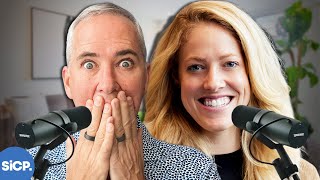
Podcast interview (Second In Command) with Eliza Jackson, Chief People & Administrative Officer at ButcherBox. The episode introduces ButcherBox (direct-to-consumer subscription meat and seafood delivery, B-Corp certified), discusses its product differentiation (high-quality, traceable protein and predictable delivery), operational choices (outsourcing most supply chain but running two dry-ice plants), people-first culture (coaching via BetterUp, DEIB, learning & development, people ops vs HR), changes during COVID (110% growth, shift to hybrid), hiring/geography (≈200 employees, HQ in Boston, ~70% local), and early-stage adoption of AI to automate repetitive tasks and augment work (AI working group). Guest also shares career path and leadership advice.
Chapters
We need to be the jack of all trades, master of none. And I think, yeah. And you, you illustrated part of that and part of the. Part of the reason for that is because we're always saying yes to these other projects and initiatives. We're always taking on parts of the unknown. We're not like taking over an area and running it. Sometimes we do, but often we're building out the areas from scratch and we're having to redesign things or every day. The business is the biggest thing we've ever built. Right. It's just now it's bigger again and the next year it's bigger again. All right, we've got a great episode today. We have the chief people and administrative officer for Butcherbox, an amazing brand that you've probably heard of. They do direct to consumer delivery of meat and seafood. Amazing products, amazing brand, and a really great leader who's going to be talking about operational excellence, their focus on people, how they had to change the business and the business model a little bit during COVID how they made decisions on what parts of the business to outsource and what to keep in house on being the jack of all trades, master of none, and really kind of keeping customer focused and people focused and how that's really made them a great business. So you're going to love this episode. This is one you'll definitely want to listen to. And when you want to share, we will see you on the inside. And a reminder, as always, that we share our episodes on all the areas you can listen to podcasts and also on our Second In Command podcast channel on YouTube. We'll see you on the inside. So, Eliza, welcome to the Second In Command podcast.
Thank you. I'm so excited to be here.
Yeah. Really looking forward to chatting with you. Looking forward to learning from you. I know that you guys have been through, as we were just talking before going live, some really interesting changes over the last couple of years and you are in a really interesting stage of hyper growth. So before we even dive into that, that's what I want to start and lead the conversation with, is around those two areas of the change you've had to go through operationally and the hyper growth that you're in right now, why don't you just tell us who. I mean, if people have been living under a rock for the last five years and they don't know who Butcherbox is, tell us who Butcherbox is, what you do, and then we'll go in from there.
So Butcherbox is a direct to consumer meat brand. We Deliver high quality meat and seafood to consumers across the US So you would know us because the box comes to your door. We're subscription based, very mission focused. So we're really geared towards doing right by animals, farmers, the environment while giving our customers an unparalleled experience. And so if you want to have the one line on it, our goal is to help people, people eat better and more. So we deliver agency food to your door. And then I would say the only other thing to know is Be Corp certified and happy to talk more about that if it's interesting.
So years ago, I mean I'm gonna go back like 30 years. My mom used to have this old company and it was like, I don't even the name of the company. We've probably all heard it was Eminem Meats and they were this, okay, yeah, but you would go to this store and you'd pick up a box of meat and you'd come home. But it was all kind of pretty average. Like it wasn't great product. And then I've actually used Butcherbox in the past. I've been at friends homes when they've served it before. It actually is pretty great product. So is that one of the real points of differentiation right out of the gate is you just decided to actually provide people the product that they wanted and deserve versus what we were being fed?
Yeah, I love that, that antidote and I would say that it's definitely a part of it. So I will say as someone who did not eat a lot of meat before I came to Butcherbox, you are totally right. You can really taste the difference. You go, you know, for so many years people would go to their local meat counter or grocery store. And one, you weren't really sure what quality you were going to get. But two, there's very little information about what you're actually putting in your body. And so when we started, Butcherbox was really geared towards what I would call like the wave rod 30 or keto paleo. Folks that are super interested in what's going in their body. How does that help with their own nutrition and well being. And so I think it's really about being able to provide high quality, accessible meat. Obviously there are tons of local stores that have done that for people in urban areas, but if you think about reach and access, that's pretty limiting. So. Agreed. It's about better quality meat, it's accessible and a better understanding about what you're, what you're actually eating.
And the other thing, the other service my mom used to use was the guy who would knock on the door randomly and it was, it was so like I was at home, right? Like you remember the guy, right? Like every neighbor had them and he would like knock on the door. He's like, hey, I got a truck outside and it stole stuff. And, and some of that stuff was pretty good. But like we don't know where it came from. I don't know where it was sourced from. I don't know. This totally disappear. We wouldn't see him for three years. Like he'd show up or you' see him every three months and then he'd disappear for three years. So that was the other service that I know she tried to use. But I like the predictability of the monthly because as families we also do roughly know what our menus are going to be for the course of the six months. Right. We know how many days a week, how many we eat seafood. Is there something about the predictability and the ease of shopping that, that makes it good for your customer?
I mean, for sure. Especially what I'm laughing is you're probably right that you know, guy that came to your door in the, in the van with the meat, probably that quality was much better than a lot of what we've eaten in the last, you know, 10. It's super over processed. But you're right, a big part of it is, is knowing that you can get high quality meat but you can get what you want when you want it and you know where it comes from. So this year in particular we're doing a ton with recipe planning and thinking about like how to work through your fridge and your freezer. People want to be able to know what are they going to cook and how do they do that. For most of us, like in 30 minutes or less. Right. Obviously there are folks that want to be able to plan something elaborate and do something exciting, which we can certainly do. But for most families, they want to know they can plan their like steak, chicken, seafood out for the next five days. They know what they're going to, they're going to eat and it's not going to be hard to make. So agree predictability is a huge part of it.
And then there's, there's other services out there now that, that deliver kind of like the, the meal in a box. Right. It's kind of like the modern day frozen, you know, family dinner. You cook it all yourself. That's not what you do. You're focused more on the meat and seafood side. For the people who actually do want to cook versus they want that menu forced at them. Is that true?
Yeah, exactly. So we've certainly gotten into some of our newer product offerings of the last year are pre cooked. So that's kind of been our expansion. But we, you are right. We are not like a blue apron or something else that gives you like the prepackaged plan for cooking. We will recommend recipes if you want them, that come along with our protein sources. And we've done, we've started to get into some like pre prepared chicken. So you can basically take it, it's pre cooked, you, you throw it on the, you know, in a pan or like whatever you want and then you make the rest of the meal. But we find that for most of our customers, they want the cooking experience and they want some creativity around what they're creating. And so they like the flexibility of being able to say, like, this is my staple, let's say it's, you know, a piece of chicken. And. But they want some autonomy around what they choose to make with it. And then we see a lot with meal prep. So people, well, our neighbors, for example, they'll buy like the huge packs of our chicken breasts and they'll cook them all at the beginning of the week. They'll pre make them and they're sort of ready to go. So people like the flexibility that they have with it, especially because you can change what comes in your box each month as catered to what you're looking for. Let's say you're an event, et cetera.
Interesting. Okay, now one last question around kind of the product.
Yeah.
We'll go into more the operational side. I'm a nomad, so I spend a lot of time on the road. I travel. I've been to 45 countries in the last two and a half years. But I'll be back in a certain city. Like let's say I'm back in Scottsdale for a month. I don't want to have a monthly service set up, but can I go kind of on for a month? Can I, can I buy, buy for a fixed period of time or do I need to be subscription?
Yeah, I mean, first of all, that's awesome. That's so many amazing places. So you travel. That's incredible. But yes, a lot of people, whether they're like, well, nomad life or not, want some flexibility and depending on, you know, if you're home five nights a week, you can cook through it and then you're traveling. So a couple of things that are helpful for our customers. One, you can pause it so you. If you're like, okay, for the next two months, I'm going to be on the road. This isn't going to work. You can pause your subscription or you can kick the date out. So you could set it up to be eight weeks. Looking at the next couple of weeks, you could move your bill date like a week or two if you're coming back. And I would say that I know that's true for, definitely for my own box. And cooking through it has been so helpful. There are times when I can't get through the same amount of protein that I normally do. And so I'll move in another week. And that's very easy to do online. You go in your app and kick it out a week. And so I think, again, like, that flexibility is huge for people.
You know, last. Last part. I mean, I've been a consumer and purchasing online, like many for. For years. I remember buying my first grocery Delivery was in 1999 back in Seattle with, I think it was called Webvan or Peapod. We're delivering to the home grocer. I used a bunch of them. But what I didn't like was the products that were coming were fairly unpredictable. Whereas, you know, meat and seafood is pretty predictable. Like, you're going to get the same rough type of product week after week. So there is some predictability to it versus getting the grocery store to deliver. You're never really sure what's going to be coming. You kind of like to pick that out. So I like, I like that about your service.
Yeah, yeah. No, I mean, totally agree. I think that's one of, like, the accessibility and produce is so easy, but you aren't ever sure. Like, well, the avocado would be as right as you want it to be, whereas, you know, your piece of meat is very consistent.
All right, I want to go into some of your roles in the organization and some of your growth in getting there, because I know everyone who's listening likes to know, like, how do I either become a COO of a company or if I am one, how do I move into growing and becoming the CEO of a bigger brand? What's your journey been to, you know, getting into this? Chief people Administrative Officer now for Butcherbots. How did you get there? What's your journey been like?
You know, I will say I hope that motivates other career switchers if they listen. So I started at the beginning of my career. I worked in finance. I worked at Bloomberg. I was an equity analyst and took a pretty hard left in my career when I was in my sort of mid 20s. Really liked the fast paced nature of it was missing mission work. I'd done a lot of mission work in college and wanted to be sort of more connected to a cause that was important to me. And so I moved into urban education and I taught kindergarten in fourth grade in Brownsville, Brooklyn which was a pretty big change from being in midtown in New York in a suit, but ended up spending the next almost 10 years of my career in operations and urban education. So I worked for Uncommon Schools both in Brooklyn in the classroom and then moved up to Boston to open a high school in the same network and moved on to the operational side of the house. So was really, really lucky. I just I was a director of operations. I got to be a total jack of all trades. Like I learned the finance side, I learned hr, I learned how to build and scale systems. Those jobs are definitely intense but you get an opportunity to learn a little bit of everything in operations which just incredibly grateful for that time. Was in the director of operations role for several years up here and then sort of took on more responsibility and was in a regional Seattle role for Boston towards the end of my career there was ready I think, you know I'd been there about 10 years. I was like sort of excited to try something different at the time thought that I would stay in youth services. It's where most of my experience was and was was talking to a close friend who's a CEO in EdTech just about the job search and she said, you know, I think what you love more than anything is scalable operations. Like you love hyper growth. And she was totally right. Despite the fact that there are schools, you know they we run our business sort of like many businesses where you start and scale operations in a school. So you know we started with about 150 kids. Over four or five years we were at you know, almost a thousand. You go from 20 employees to 200. Very similar work to what you do in startup. And so long story short, ended up in the process at Butcherbox, obviously a totally different mission but had the exact same feeling that I had in schools, which it is I loved the people. I really felt connected to the work we were doing here in the mission and it was incredibly fast paced apps where you're just like in the kind of hypergrowth trajectory. So moved into a VP of People Operations role here and then over the last three years have just been incredibly lucky to take on more. So I work very closely with our CEO and given my operational background I started Sort of on the people side and then continued to expand to do org effectiveness and then take on business operations, some new growth and innovation, and then it. So that's a long way to say, I think, you know, find the work that. That really lights you up and, and then, you know, make sure that you're in a place where people believe in the evolution of your career and let you take risks. Which I would have not had that without Mike or, or my previous. My previous bosses.
Well, you touched on something that I've said for years, which is that we also need to be good. We need to be the jack of all trades, master of none. And I think. Yeah. And you, you illustrated part of that and part of the. Part of the reason for that is because we're always saying yes to these other projects and initiatives. We're always taking on parts of the unknown. We're not like area and running it. Sometimes we do, but often we're building out the areas from scratch and we're having to redesign things or every day the business is the biggest thing we've ever built. Right. It's just now it's bigger again and the next year it's bigger again. I think that's an important thing. Whereas someone who's the head of marketing can be very strong at that one functional area. We need to be strong at everything as it continually evolves and changes. So we need to be able to be that entrepreneurial leader even inside of a bigger company. So how many employees? What's the relative scope of Butcherbox? Can you give us some sense of.
Yeah, we're about 200 employees now. And just a little bit about our model. So we, we don't run integrated supply chain. And so that means we work very closely with our partners across customer support, across supply chain operations. And so those folks are not internal. And we keep a relatively small internal employee base. And our headquarters are in Boston. We are about 70% of our folks are within driving distance and 30% are remote. And then we have two dry ice plants, one in Iowa and one in Oklahoma, because that is the only. That's the one part of our supply chain that we run internally.
Interesting. So you really. You're kind of like iPhone, you know, Apple, it's the iPhone, designs the iPhone, make the iPhone. They outsource all of that. So you are outsourcing a good portion of your business and then you're running, you know, other portions. How do you decide what to let go of and what to keep?
So I would say first and foremost, we reprioritize and relook at what areas might come internally on a very consistent basis. So like, we have gone out and looked at whether we would ever take on a cutting facility, whether we would, whether we want to bring parts of our supply chain internally. And that's really what led us to decide in 2020 that we would open our own dry ice plan. So we're consistently assessing the market and understanding like, at what point would it be the right financial decision for us to hold those internally. So as an example with dry ice, especially around when the vaccine was starting to be mass produced, obviously there was going to be a dry ice shortage. And so I think we look at it from two lenses. One is like, does this make sense for us in terms of, you know, taking on the financial number to start something like this? And then two is like, is there a play where we can do right by the world and right by farmers and right by farms? Because that's obviously a big part of the work that we're doing is the mission work. And so with dry ice, for example, we felt like we really had an opportunity both to give ourselves an advantage in terms of pricing and production, but then that we would also build it so that we could sell to others if they needed it. And so that that would help us to continue to work closely with our partners and like maintain that strong relationship. And it's been really, really fun to see over the last three plus years how that's developed and now, you know, where, where we're able to produce on our own and, and supply to others. That's to say we may take on other parts of the supply chain, but we're kind of always evaluating like whether it's the right time.
What are the.
For now, let's go straight.
What are the core functional areas of the business that you would never outsource? Like are there core areas that are some of your unique ability or you're just like so world thoughtful those that you would never outsource it?
Yeah. So I would say, and this one might sound a little bit funny because we do obviously work so closely with our partners in supply chain, but our internal logistics and fulfillment team is incredibly, incredibly strong. Their ability to like have the right relationships with partners and work closely with customer success is pretty unbelievable. It's one of the things that often sinks subscription businesses is that they can't figure out how to produce on that level and provide like a very, very high bar for delivery and execution, which are our team is fantastic. And then secondari around, especially around the other two key ones are marketing has obviously been our sort of like bread and butter from the beginning, especially around growth. That's really what allowed us to hit this like ginormous curve a couple of times. And so we have a very large marketing team that we keep in house. And then the last one is around people. And so Mike is a pretty amazing CEO on this way. He people first doesn't even describe it. He, like his people strategy is most important to him. And so having that be at the epicenter of the way we make decisions and having the supporting teams really support our internal employees and think of them as our customers too. That part. There's no world in which we never, ever take it external.
I love that. It's interesting. When we were. When I was the COO for 1, 800, got junk, there were a couple of core.
One of my favorites.
Thank you. There were. One of the functional areas that we kept in house was our call center. And people could never understand why we would keep our call center in house, why we wouldn't outsource something that seemed to be so kind of easy to outsource when there's gazillions of outsourced calls. We wanted that customer contact, we wanted the customer data points. We wanted to be able to listen to the customer, to communicate with the customer. So we felt there was more of a strategic reason to have that. Even though it was such a minimum wage component to the company, it was something we never, and still to this day, they've never outsourced. So I think I understand where you're going with that. Walk me through what you mean by a people first culture. And I love that your title includes kind of the chief People Officer. So what exactly does that mean?
So you, if, if you've heard Mike on any podcast, he talks a lot about the talent factory. And so basically when we bring someone on, we. We think two sort of things. One is that every person will leave at some point. And so. And that could be six months, that could be 20 years. That could be until they retire. But at some point, everyone. And so what we want is that for each person who works here, for them to have the most impactful experience that they can have at that time for their career. And so what that means is that we are very heavily invested in a coaching for all mod. Each person has their own coach through better App. We've done a ton of work on individual development plans and we are constantly thinking about how do we make sure that people are in their zone of genius at any given moment. So you'll see there's a decent amount of folks moving around internally that as we think about reorganization, oftentimes we tap internal talent. And that's really because we want people to be able to continue to grow and level up and hit their growth edge here. So I would say that's the.
Yeah, no, keep going. And you mentioned a coaching app that you have people getting coached through. What is that?
It's called better up. So I don't know if you've heard of it, but they basically, they have a very large database of coaches that are certified. And you go through very long 360 assessment at the beginning. Sort of imagine like an online dating profile. So you go through this long setup and then you get three coaches that are matched with you and you get to read about them. You can schedule a call, you can send feedback and say, like, no, I don't want this person. And the goal is really to match each person with a coach that's perfect for them at that time. And we've worked with them. We're in year three. And it's just been amazing to see folks are able to really bridge the professional and personal. They have such a wide range of coaches that someone might be most interested in, you know, their own stress management or someone else wants to level up into the next role. And they're really able to provide coaches for any of those experiences. They've been great partners.
I love that this sounds like a really, really cool program for companies to insert. I just dropped. And don't spend time looking at it now, but in the. I dropped in. I dropped in a link for a course called invest in your leaders. And it's the coaching, it's all the leadership content that I used to teach all of our management and leaders at 1-800-got junk and I packaged it into an online course. And we've got companies putting 20 or 30 of their emerging leaders and managers through it. It tends to be the skills. But my belief around people is that the more I grow the people, the more they grow the company. And so many of Gen Y these days want to continue to grow in their career. Very different from Gen X and baby boomers that felt like they already knew it all. Gen Y sometimes has this hunger for constant improvement and growth. Anyway, that's why I created it was so many companies don't have any content. So I put this invest in your leaders course out there to kind of give that content to people. So I dropped it in for you to look at later.
That's great. Okay, I will stop looking at it.
I hate doing that. When I drop something in, I can distracting people on it. You know, in the old days companies would have like a head of hr, but a head of people is not hr. Can you explain the difference between the head of HR and the head of people and how you delineate the differences?
So people and in particular people operations I would say is the combination of, you know, HR is a, is a piece of it, but it's really thinking about all the culture systems that drive the people experience. So underneath that would sit HR learning and development culture systems or sort of like how you create culture and then it depends on the organization. Sometimes that can continue to include business operations or company ops. It's pretty expansive. And you know, at least what we've seen is I think that's been such a great experience for our employees because it's much more holistic. We oftentimes think of HR as like very compliance driven. And people ops I would say is much more focused on creating the systems that support, support your employees to have the best experience that they can across multiple different verticals. And so we have, we have, underneath me there is a VP of people and we have HR business partners. But that is one of several verticals that roll up to the people experience.
Okay, so there's two things you said there and I want you to kind of do a dive on both of them. One is to support people. So I'd love to know what some of those specific systems are and how you decide what they are. And then the second was the systems to, to grow culture. And I think that the press, the mass media has done a massive disservice talking about all the perks. And the perks are not culture, right? The free massages, the free lunch, the laundry service, those are perks. That's not culture. Can you talk about what your systems are to support culture and then what kind of culture means to butcherbox and to you?
That's also such a great point. I think obviously you can have best in class benefits or perks, whatever those are, and that's a component of the employee experience. But that is not going to continue to keep talent. That is one piece of it. So on the culture systems side, there are a couple of things. So one is around thinking through the right like inclusivity spaces and how to bring people together. And so that would include our DEIB committee which thinks about sort of like what are the events and what are the DEI trainings and how do you bring Folks together, how do you create different inclusivity groups? That is what you think of sort of more classically, I think, when people think of culture system. But beyond that, I think is this area that's really about employee development and the upskilling so much more similar to the, the, you know what I think you dropped in the chat, which is like, how do you build the right system so that each person who works for you can get the tailored development they need to be successful? And so if that is a first time manager, how are they provided with the right experience and trainings and tools so that they can coach their folks? If there's someone who's stepping into a new technical role, how are you able to ensure that they have the right classes and the right support? So I think there's a big part around learning and development which, you know, has gotten a lot of hype, but it's, I think folks struggle to make it customized to the employee in a way that's really meaningful for them. And then the last part has been a big focus in this past year, has in addition to our core values are the systems around our operational excellence. So the how we work together and how workers flows through the company. So we've done a lot of work around thinking through building our operating principles. How do we train and coach people on them, how do we give people the right framework if for example, the leading change management learning development session or if they're working on a key project? And so I think it's about understanding what are the habits that you want to see in culture and then how do you ensure that your employees are successful at modeling? You know, it's one thing to have core values, the wall, then if people don't live and breathe those every day, your culture is going to suffer. And I would say Butcherbox did work in an unbelievable way when they were in person. And when we moved to hybrid, we had to become much more intentional about it because people weren't together all the time watching them play out in this way. And so that to me is really when the process piece kicks in, which is that you have to understand how to scale it and how to apply it to multiple audiences that are virtual and in person.
All right, so I love that you kind of just rolled out some of that for us. How do you decide when the company is working on too many of these systems or how do you decide what the ROI is on these systems? Because we can work, that seems good, but then we're spending time that isn't necessarily making Our people happier isn't necessarily making them more productive. It's not driving the bottom line, it's not driving customer. When do you decide that like enough is enough or like is there a filter that you have on those or is it always just let's do more to help the people?
I'm only laughing because this was literally focus for a long period of time. So the answer is there is a period where it's too many priorities. I would say the. So one of the tools that I was, I was a big proponent of that's been such a game changer for this. On the other side of it is the launch of pecon, which is basically working its employee voice survey functionality. You can do it through a bunch of different tools, but essentially the way it works is it you have a list of let's say 40 questions, it cycles them through in shorter snippets. So like five questions at a time each week, people fill them out anonymously and then it rolls up to pretty analytics around looking at like a heat map of how different departments are doing across the set of key metrics, key leaders. It gives an option for narrative comments. And you know, what you shared before was actually one of my biggest concerns before we moved to a more data driven approach which I think can sometimes get bad hype when people talk about people experience like that. But bear with me, which is that you are using a lot of narrative data to make plans to work on things and you actually don't know if they're working and you also don't know if they're the most important things that will change the employee's experience. Because if you don't have a good way to look data, you are basically doing that through one on one conversations and one off surveys which provide you with some information, but you can really just keep layering on and layering on without a good understanding of things are working. And so what was amazing about launching this platform is very clearly we were able to see there were two themes there, people were super frustrated. One was around what we eventually learned to call operational excellence. And the questions that rolled up to that were like we continue to lay our priorities down on priorities on priority. We are unclear if we're executing against our strategic three year plan. We don't know. We couldn't tell you where the company is going from a strategy perspective. And the scores showed it to us and the comments showed it to us. And what's great is when it's that clear, you're like okay, this is the thing. And so we've been able to use that data and then tie very clearly the systems that we tried against it and initiatives and then get more feedback on whether they're working. And we try very hard to say we, you know, we're going to try X amount of things, we're going to measure them for this long. If they are not working, you do a debrief on it, you understand what didn't work and you move on to something else. And so we are not there yet. But for the first time in the last three years, I would say in the last six months, I feel like we are finally doing less and doing it better.
I like that you're actually listening to the employees on what's really frustrating them too. Right. It's kind of, I've said for years that, you know, when you and I were like 4 years old and we wrote the letter to Santa and then like six weeks later we look under the tree and all these gifts from Santa appeared as if Santa, no, Santa never read your letter. Like your mom and dad read your letter. Like mom and dad bought you what you wanted. And I, if companies would just ask the employees like what's frustrating you? What would make you happy? What do you need to do your job better? And then we just give them those things. It's so simple, right? Like it's, it's not hard. Well, if we just ask them what they need.
Yes. And I'm telling you they are not. 90% of the time they're not asking for another perk work. It's not that they want clarity around where you're going. They want to know that they're on a path where they can continue to grow and get better at what they're doing and high level, they want transparency.
Talk a little bit about the changes that happened to the org during COVID I mean you said that you, you mentioned a couple times you went from being kind of all location based to hybrid. How has that transition gone and are you doing any swing back to more location based at all with any of your hiring? Like is there any intentionality or thoughts around that?
So we grew by 110% in Covid, which is quite, quite a lot. And so like I mentioned prior to Covid, ButcherBox was 100% in person. They were very, very close knit people did, you know, knew each other really well. They were friends. It was like a very tight knit community. And then two things happened. One, they doubled in size in about a year and two, moved to a hybrid model and you know I would say anyone who tells you that they have totally cracked the code on the hybrid model is likely lying because it's very tricky. Tricky. So we, it's not perfect. We've gotten a lot better. But I think we're still like, you know, like most of the world. We're in progress on it. So we've done sort of two things. We, we don't mandate currently. We strongly encourage and we try to create different like culture events on key days to get folks in who can commute it. So you know, we have lunch on one day. We have the executive team and the leadership team meeting on two separate days. And those folks try to basically have their one on ones in person with the people that they meet with that are in the local area. And so what you've, over time is that we have a very strong base that comes in Tuesday through Thursday, Monday and Friday are very, very, very light, which we're okay with. And we have shifted our hiring over the last three years to be Boston or Northeast based. So we're now at about 70%. And I think two things. One is that what we've done so far has been working. And so our plan is to not mandate because I think, I think we're, we're close on, on where we need to be. We are going to continue to push folks who are in the local area to at least come in one to two days a week because it just, it helps with collaboration. There's no way around that the in person time is different than remote. And then I would say the other piece is that we try to bring our folks who are remote together with everyone else on a specific cadence. So one to two times a year we bring the whole company together for several days and then we have our leadership and executive team come together on a monthly or quarterly basis so that they're in person, person collaborating and we're going to continue to see how it goes. I, I think there is the two takeaways that I would have at least my own experience. One, the flexibility is really, really nice to not be in five days a week. But on the flip side I, I think there are pieces of the in person experience that you cannot replicate virtually. And so I think you need your folks to be together on some cadence. What that is exactly, I think is up in the air. But the two to three days in a week for people who are close seems to be working for us.
Well, I love that there's some intentionality around hiring going forward where we'll try to get people that are local. If we can, you know, if we can't, we'll hire anywhere. But if we can, it certainly makes sense to. Right. Can you talk a little bit about kind of the latest trend in the last 12 months around AI and how are you as an organization adopting AI, learning what different AI tools exist? I mean, I was talking to a group of COOs this morning, there was 10 of us on the call and we identified that there's around 12,000 different AI tools that exist. Right. If you look at, there's a dashboard called there's an AI for that. ChatGPT is one of 12,000 different tools. How are you as an org adopting AI? What are your thoughts around AI and operations? Can you give us some insight there?
My team jokes with me that I am one of those earlier adopters where like I always have ChatGPT on my second screen in a way that was concerning to everyone else. So I think a couple of things, especially in operations, I think it's a really interesting concept. The best way that I've heard it described is that my hope for AI and especially in sort of people experience in operations is that you are able to use tools that take the lower level redundant tasks that someone is spending a lot of time on and you're able to automate them with the purpose that that person can be freed up to focus on tasks that only humans can do. So I, I don't like to think of it as a replacement to someone's whole job. I like to think of it as what could they do without white space that could exist in their job description? If you could take the thing that takes them five hours every week that they don't actually need to be doing and automate that. And so similar to AUT or stuff. Exactly. Right. Because they're. And then in certain roles it's like you should just take that part and they should not do anything because they were doing too much. So I think that, you know, a couple of things. We have an AI working group that's, that's cross functional. So we started that, I think it's been almost a year. And so they sort of look at the tools that make sense that are like easily adaptable and we work with a consultant to look at some longer term implementation initiatives that we might move to. So we're sort of in the vetting phase of like outside of the data down and sort of lower or use of tools. Are there other areas where we feel like from a business perspective it would be helpful to have someone give us an assessment of like an overhaul in something in supply chain and the quick ones that we're doing now. I would say there's been a lot of upside with customer success and using some of the AI tools to take lower level questions so that folks can be focused on the more complicated ones. There's some really interesting tools that we've used around writing job descriptions and trying to pull out like what, what can you automate? And then we basically have given guidance that, you know, you can use ChatGPT or ButcherBox GPT equivalent as like one research source. And I would say that's the way I found it most helpful, which is that you know it's not right all the time. You need to be able to use your own brain to understand how to use it. I think it's helpful as one of the synthesis tools to get me started. And then I'm going to go off and do the research in the way that I would do anyway. But I think there's a lot there and from everything at least we've read and looked at, it's where we're going. And so you got to figure out how to use it and where it's most applicable to your business.
I love it. Great insight on it. All right, I want to go back to the 21 or 22 year old Eliza and give you some advice. What advice would you give the younger you that maybe know to be true to when you were younger?
I think at the time I was so worried about the first job that I took and getting that right and feeling like every move had such consequences. And the reality is that you learn critical thinking in every job that you have and it could lead you to somewhere interesting. And so just to try to be curious about what your path can look like and then to just keep talking to people. Just the amount of times you can have coffee with someone and hear their story and try to learn something from it. I think that has been most impactful for me. And so just to the extent that you can continue to listen to other people's stories to start your own, that's one. And then second. And this is like very specific but. But I don't think I understood the power of change management. My first or maybe three to five roles and now I think that is such an important part of the human experience is really just looking at processes and understanding how people will experience them over time is so much of the operational work that I didn't understand when I was 22.
I love that. I think people need to be 28 people also need to examine change management in themselves too as much as we look at org but how do we as a leader need to adapt and change as business changes, as our role changes, as as we learn more. Right. There's a great book that I read years ago called Leadership and Self Deception and it was a really great inner look at myself as a leader. So Eliza Jackson, the chief people administrative officer for Butcherbox, thanks so much for sharing with us on the Second Command podcast.
Thanks so much for having me. I appreciate it.
Franchisees to go through the natural evolution, you know, of buying a franchise and being super happy, but a year later being pissed off they're paying royalties and then and you know, it's like humans, every teenager hates their parents. As soon as we have our own kids, we realize our parents weren't as screwed up as we thought they were. Right? It's like, well, I guess they tried their best.
More from Cameron





Flutterwave Former Global Head of Operations Awa Kone | When Growth Outruns Operations (Podcast 611)





