The Brutal Reality of Scaling 700+ Franchises | Ankin Laysha, COO of WellBiz Brands (Podcast 590)
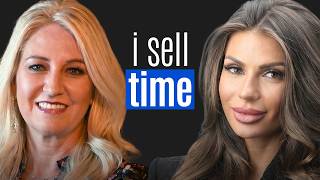
In this episode of the Second in Command podcast, Lindsay Smith interviews Ankin Laysha, COO of WellBiz Brands, the franchisor behind Drybar, Elements Massage, Amazing Lash Studio, Radiant Waxing, and Fitness Together. Laysha discusses her journey as a female executive in operations, the challenges and strategies of scaling more than 700 franchised locations across the US and international markets, and how the company balances platform‑wide efficiencies with brand‑specific "magic." She explains the systems that ensure consistent customer experiences—new‑store training, ongoing webinars, mystery‑shop audits, and rigorous brand inspections—while also allowing franchisees to create local surprise‑and‑delight moments. The conversation covers the structure of WellBiz’s corporate functions, the role of conferences and regional meetings, franchisee selection criteria, employee career path development, and the collaborative relationship with CEO Amanda Clark. Laysha shares personal growth habits, her hands‑on approach to learning the front‑line business, and how emerging technologies like AI are being used to streamline back‑office tasks without replacing the human touch. Throughout, she emphasizes the importance of conversation, connection, and trust in both customer and employee experiences as the foundation for sustainable growth.
Chapters
I've never had a female boss. We talk about female leadership, but we all support female leaders. We're like, "Oh no, I don't wanna have a female boss now." I was terrified for the first couple of days. I just don't know how it works before I even met the person. When Amanda came on board, we took her on the road and I could see her being very direct and very upfront with being able and willing to learn, listening to franchisees as well as, yes, we did have some really have conversations in those meetings. And I was truly, truly impressed by how she handles those. Wow, this is the person I can learn from. They're truly impressive and the person I can trust.
Welcome to today's episode of the Second in Command Podcast. My name is Lindsay Smith and I'm your co-host. Let me tell you something, I have been like a kid on Christmas morning waiting for today's interview. I am so excited to introduce our special guest today. Enkin Leysha, the COO of WellBiz Brands, the franchisor behind Drybar, Elements Massage, Amazing Lash Studio, Radiant Waxing, and Fitness Together. The brands have over 700 locations all over the US and in select international markets, including Canada, the UK, Saudi Arabia, with several new territories coming soon. Enkin has been in her role for 3.5 years and has reshaped the approach to the operation strategy, franchisee support, and ops excellence at the organization. With deep operational excellence and experience in multi-unit retail businesses, a strong focus on membership model and recurring revenue, both in corporate and in franchise store environments, and a passion for building scalable partner-focused systems, Enkin blends data-driven strategy with people-first leadership to drive growth and exceptional customer experience across the portfolio. Enkin is excited about bringing innovation to the brands and expanding service offerings to be on top of the trends and to create surprise and delight moments for consumers. She is focused on smart growth with the right operators who are a strong fit for the brand. Fast ramp-up path to profitability of new stores, and continuous optimization of ops processes and business models to improve both the top-line revenue and the profitability of locations. Ankin obtained her undergraduate degree in banking and finance from London School of Economics and holds an MBA from UCLA Anderson School of Management. She started her career at McKinsey Company in management consulting in Europe, Australia, and the US. After consulting, she followed her passion, customer-focused multi-unit retail businesses, and led innovation and consumer insights at 24 Hour Fitness before joining the WellBiz Brands as COO in early 2024. She is deeply invested in beauty and wellness and is an avid pickleback player and fitness enthusiast. I am so excited for us to get started. Ankin, thank you again for joining us today on the Second in Command podcast. I have been like a kid in a candy store waiting to have the opportunity to talk with you today. So thanks for making time on your schedule.
Awesome, thank you, Lindsay, so much. Excited to be here.
One of the first things I want to address is your incredibly successful career as a female COO. And sometimes we find that the executive suite is still filled with predominantly males. So I'd like to just get your take on what that feels like and what you've seen?
Oh, there we go. That's a good question. I get it frequently, I would say. So, and honestly, my answer and reaction probably has changed over the years as I progress in my career, right? I would say especially this podcast, right, COO role specifically, right? In operations, you tend to see men, right? It's just, it's just logical. That has been going on for years, right? And there's nothing wrong with that. But what's exciting is we are seeing more female leaders. And I think one of the things that many younger female executives have to address is almost, you know, is there imposter syndrome? Are you proving yourself in the job, in the career? But in the end, the numbers and the results speak for themselves. It's good to be hopefully in spaces where female leadership is more welcomed. And I'm the lucky one, right? I'm in the industry right now in beauty and wellness where our being a female is, I would say, a little bit of an advantage just because you understand the client, you understand the product better, you're a heavy user, you're very engaged with what you are selling and showing and building. At the same time, before I was at 24 Hour Fitness, uh, which was, you know, fitness is known to be like boys club kind of industry, and the dynamics was very different. But in the end, you learn and you grow and you establish yourself. So there is nothing to be afraid of, and I'm excited to see more and more female leaders, especially at Walgreens right now. The majority of the executive leadership team is female, which is great. It is very different because when I joined the company, it was me and the CMO out of 7 executives, and now I think 5 or 6 of us are women.
That's incredible. I was fortunate to also be a second command. I was a chief strategy officer for an organization that was a predominantly female leadership team, but I don't see that. So I was really excited to see what Welbiz Brands is doing and what that looks like. As second in commands, we often juggle and wear a lot of different hats. And I feel like in your role, you even more so juggle a lot of hats because you have so many different brands that you're overseeing. Talk to us about what that looks like.
Yeah, of course. So quick summary of what Welbiz Brands is. It's a platform that owns 5 brands. Everything is in beauty, wellness, and fitness. So out of the, you know, almost household names, brands you and many of the listeners might have heard of is Drybar, which is the category leader and creator of blowouts. Then it is Elements Massage. The name speaks for itself— massages. But we are expanding into more services like skincare, facials, stretch therapy. We also have Amazing Lash Studio, professional eyelash extensions. We have Fitness Together, which is a very unique high-end personal training brand, and we have Radiant Waxing. So waxing, the name speaks for itself, right? So all of those brands are united by similar audience, which is mass affluent, predominantly female. Probably the sweet spot is early 30s to late 50s is who we are going after, who our client is. And across the 5 brands, we do have 700+ locations, mostly in the US. We are present in some international territories like the United Kingdom, Saudi, some Middle Eastern markets, Canada, and we actively growing our international presence as well. So that is becoming way more interesting because in the end you are the CEO of pretty much 5 different businesses and 5 different brands because despite the commonality of clientele, business model, which is all of our brands are fully franchised. We also have the unique stages for each brand, right? Some are newer, some are more mature, some are more recent acquisitions by Wal-Biz. So the idea around integration, finding what works, what's common for all of the brand, and at the same time talking about challenges and opportunities which are very different by brand, right? In some cases, how can we grow more actively? How can we rethink pricing strategy or business model? How can we bring more innovation? And literally, I think I'm lucky because I actually never get bored, right? I never do the same thing. And that's why when somebody asks me, what's your day in the life of, week in the life of, I'm like, I don't know. It's honestly, it really depends, right? What brand is blossoming and flourishing? Which one has a little bit of a struggle where we need to add more time and energy to it? And my time and the way I allocate and prioritize has changed over the past 3 years significantly. And I think it keeps changing almost on a monthly basis.
That's what makes the role so exciting. You never have the same day, the same week, or the same month. And it really gives you an opportunity to use all different parts of your brain and all of the different skills that you've acquired over your career because you aren't just doing the same repetitive task again and again and again. I was at Drybar in Ardmore, Pennsylvania in May. And then I was at Drybar in Washington, D.C. in November. And one of the things that I found to be just incredible regarding my experience was I walked in, I picked a picture from the book, and I left, and I looked like the picture from the book in both locations. And both times I chose different looks. Most times when I go to a hairstylist and show them a photo, it mimics it, but it doesn't match. But these were exact matches to what was in the book. How do you work in your role to assure these incredible points of consistency throughout your franchises?
Yeah, absolutely. Hitting on a very important point, right? All of our brands have national access membership because we are focused on members. We also have, you know, guests who travel all over the country, and the experience absolutely has to be consistent. And I put a lot of, you know, bells and whistles and training programs in place just to make sure we are able to deliver at that consistently superior premium polished level. So for example, and by the way, right, the two shops you mentioned that are owned by very different operators, right? It's a franchise. You can go to a shop which is owned by a woman who has one location. She's in this location every day. You can go to a shop that's owned by kind of family office, private equity level money, or multi-unit operator who has, you know, 20 restaurants as well, right? And you could see that they would probably approach the way they run business differently, but that's the back end, right? That's the culture of the location that they create, that the people they hire, the comp system they put in place. But when it comes to consumer, the delivery, your journey will be entirely identical, and it is achieved through several different tools, right? New store opening training, which is the whole week I send my team on the ground to train the locations and their teams, as well as regular training sessions, brand conferences, webinars where we kind of flex online learning management system and tools with in-person training. And both have, you know, pros and cons when it goes to scalability or cost of those programs to deliver. But that all allows us to have this very proven track record of how the service will look like. What is the experience from when you enter the door, right, to when you leave the location? This is how you have that menu of the styles and how we can be consistent, right? But then from the operator standpoint and really operationally, our business is a volume business, right? It is. I always say I don't sell blowouts, I sell time because it's one-on-one engagement with your stylist., right? And if you come in and you blowout takes 2 hours or an hour, the revenue generation is very different, right? So the idea is to get you in and out with a specific time frame to give you the style you are excited about and have the durability of your blowout, right? Because nobody wants their curls to fall apart today, like 2 hours after, right? So all of it is achieved through training. And then on top of that, as of last year, I put in place place the, you know, famous mystery shop program, right? When we have mystery shoppers who would go get a blowout, they have a very extensive 100-point scale to assess, you know, from was your appointment on time, were we nice and friendly, was the shop clean, kind of the basics, to did you like your style, did we talk to you about our new services like clip-in extensions, did we offer you retail, did we rebook or try to sell you the membership, and all those things are being assessed and evaluated. And believe it or not, there are so many times I would have a franchisee give me a call saying, listen, the day you sent the mystery shopper, it was kind of an off day. Like somebody was running behind, somebody was sick, we were understaffed, and typically we do so much better, right? Or even better, that mystery shopper who came in, you know, I could see they were very demanding and challenging client. I knew they would tank our scores. But honestly, I have this conversation all the time saying, I do not care because it doesn't really matter what you think, right? It doesn't matter what I think is happening at the locations because the client is right always. And this is their perception. And when they have perception and reality, unfortunately, reality comes second best, right? Because perception is what matters. This is what they will tell their friends, their family, the circle around them. And that's what's going to bring clients in the door. As bring the reputation of the brand. Plus, on top of that, I have pretty rigorous brand inspection program where my operations folks go into locations and literally inspect what's happening from, you know, the backend inventory cleaning procedures all the way to client-facing components and the culture and the experience at the shop, because this is also crucially important, right? And we do it to truly protect the brand. Because one location below brand standards impacts the reliability, the reputation of the entire brand, and I cannot afford it. But yeah, I'm glad you had great experience. That really warms my heart because we work on it on a daily basis.
I love that. And the reality of it is the experience is the only thing that matters. At the end of the day, there are so many providers that could provide a massage, that could provide lashes, that could provide a blowout and, and, and. So it matters on what that one-on-one interaction is like. How does the person who is inside of your franchise feel? And to your point, if they're happy, they're going to tell 10 people. If they're not happy, they're going to tell 20 people. And so you want them to leave there feeling really empowered and really happy so that those people come in and it grows. And one negative interaction— I understand exactly what you're saying. It doesn't matter if you were having a bad day, that would have been the experience that that client would have had, and that would have impacted the reality of their plan, right?
Because time is the most valuable asset we all have, right? And when they give us this hour of their day, whether they're getting a blowout, a waxing service, or a massage, we have to be very well aware of this time, right? And it's super important to deliver because this is— I want it not to be just like the hour of the day. I want it to be the best hour of their day. And that's what we are here for, right? Because all the brands give confidence, they give great experience. They would take care of people, right? Whether it is really fixing the bad back and the problem that hurts or just giving you the good look you've been looking for.
I love that thought. Do you bring your brands together for any conferences, or do you treat each brand in the platform as a separate and independent?
Yeah, that's a great question, and I'll, I'll get to be very vulnerable with you because all the brands are structured as a platform, right? Because in the end, similar customer base, uh, membership-driven model, one-on-one service provider to client ratio. So there is so much business commonality. In the end, we talk about client acquisition, conversion, attrition. All those business metrics are entirely the same across all the brands, which is great, right? It's easier to run them, it's easier to navigate. It's also when we have the same franchisee engaged in several different brands, right? They build their little empire in their portfolio, which is awesome. At the same time, this unique experience component, right? This is how your journey as a client is structured. Drybar will be very different from Elements Massage, right? And Drybar will have this— the music, the movies, bright and yellow. Elements will be more quiet, relaxed tone. So that part is very different. And I typically talk about it along the axis of brand business, which is numbers, metrics, ops KPIs, and brand magic, which is that unique experience and the ethos of the brand. And I'm saying, I'm gonna be vulnerable because when I came on board, I looked at it even though I was a passionate client of all the brands, but the business side was so similar. Oh, we're gonna roll it out in the platform. We're gonna have shared resources everywhere. We're gonna cut costs, drive efficiency. Wonderful. And guess what happened? Many of our franchisees were not really happy. And at some point I started seeing that we're losing a little bit of this uniqueness. We're losing a little bit of the innovation mindset, right? How can we talk about new things? Because they're so different for every brand. And over the 3 years, I kind of rolled back my very extreme thinking into being somewhere in the middle. So let's say there are things like, you know, tech stack development or PMO, like project management, service delivery. Some basis of the training programs that can definitely be standardized, right, and optimized and cross-platform based. And there are very unique things for the brands that have to have dedicated people, dedicated approaches, and different materials, different branding. So we end up being somewhere in the middle. And at the same time, being part of a bigger thing is so exciting for us and for franchisees. So, yeah, to your question around the conference, And the gatherings, we did bring everybody together in Las Vegas a couple weeks ago. It was a massive event, 1,000 people. Folks get to network, mingle, figure out how they collab between different brands in a similar market, right, in adjacent territories as well. But what we did, the big things like the awards show, the kickoff, general session was for all the brands together. And then at the same time, we had very specific breakouts, right? Because let's say when we talk to Elements Massage, the idea of hiring massage therapists is always top of mind because it's just not enough of them. It's really hard. Talent, our supply is the limitation there versus the demand, right? We have more massages, more clients if we had more therapists. Well, in other locations, it might be a little bit easier to hire estheticians or stylists. And the idea is that how can you get more clients and then do and rebook them and drive that efficiency and throughput? So those things become very brand-specific. And that's why out of the 3 days we spent together, probably 30% of the time was bigger events as all the brands, and then 70% was brand-specific breakout sessions.
I think that is a perfect way to meld together your platform and keeping the heart— and I loved what you said, brand magic— of the individual brands. How often do you bring people together like that?
Well, it really depends, right? We have the big annual conference, which is, you know, it's a massive event. There's like PR production companies involved, you know, a lot of professional videography, photography, keynote speakers. So that's a big celebration as well as opportunity to learn together. That would typically do around once a year or once in 18 months, right, depending on kind of where we are as the business. Because it's honestly, it's not that easy to get all the brands together because they have different seasonality, right? And you can— now you don't want to take the operators out of the studios and shops where they're really busy and they could be, you know, making a ton of money generating revenue.. So that kind of takes a little bit of planning. And then we also do smaller regional meetings, which is either CEO, COO, kind of executive leadership team traveling the markets and sitting down with the franchisees and their leadership teams to listen, right, and learn and understand what's working well, what's not working well. Because this is how I personally get a lot of great ideas and a lot of innovations coming from those meetings,, right?
So that's fantastic.
It's a truly collaborative process from the regional gatherings. And then when we do something big, let's say it's a training where I know I won't be able to train folks digitally, right? It takes too much work. It's a new service. Let's say when we were expanding Elements Massage from massage-only brand into adding skincare, which is, oh wow, we're bringing new people in the door because we never had estheticians working alongside with massage therapists. And the brand never really sold any retail, right? And now they need to learn how to manage inventory, restock the shelves, sell the product, as well as like the whole skincare protocol is entirely different thing. So because it was so massive and the opportunity revenue-wise and profitability-wise is so big behind it, we did regional sessions, right? When we had groups of like 30, 40 locations come together in different markets and my team was conducting training and we kind of launching them in the phased rollout approach to ensure we kickstart this group, we support them, we handhold a little bit until they, you know, good to go, good to fly, then we go with the next group. And that also prompted a lot of regional travel.
I love the idea of the executive team going out and being with the people in the field, and I think that speaks volumes as to who you are, WellBiz, as a company, but also as to why your franchisees have the success that they do. So many times it's here's a name, here's a logo, go. And people are kind of left to their own devices, but it feels to me like you're giving structure and opportunities for continuous involvement and improvement. So that's really, really special for WellBiz Brands to do.
Oh, totally. You know, I always say we're only as good as our operators are, right? And our operators are franchisees and their teams. Because we can sit in the closed room at the office, come up with the most amazing ideas, and then, but if the implementation and pull-through at the location level falls apart, it doesn't matter, right? How good the strategy was, there are no results. And I saw it in the corporate, you know, fitness world I was before, or when I was in management consulting, because I focused a lot on multi-unit retail businesses. It's all about being in the locations because that's where the magic happens. That's where actually the implementation and execution is crucially important, and that's how you drive results. For that reason, you know, we are very hands-on. My folks try to travel as much as possible, meet the franchisees where they are, at least in the beginning, to establish the relationship and the trust, right? Because once you had a couple of coffees together, you were in the shop together, you can have a lot of very productive Zoom meetings. But in the beginning, building that trust and showing that you really care is extremely important. As well as no matter how high you are in the organization, you have to understand what your entry-level folks are going through at locations. So when I started, and of course I was a client for all of our brands for a long time before, and then I've been in retail, I know what's happening, but I did not know the specifics of our brands. And I knew for me to have the swagger and to have the credibility, I need to know exactly how it works. So I did. I worked the front desk of all of our brands for a couple of days, which, you know, I was cleaning the shops, I was greeting the customers, I was trying to check somebody out, and I dealt with a client whose credit card was not going through, like things like that, because that teaches you what's actually happening. It teaches you to appreciate the work that's being put in by the teams as well as it gives you a lot of great ideas when you're like, hey, listen, if selling a membership takes 17 clicks, no wonder we're not selling many memberships, right? So things like that, when you kind of come in and you start working on optimizing not just client experience but also employee experience at the location level, and that's when it should be easy, right? When it becomes easy, people are delighted to be working and they're delighted to put time in what actually matters.
You talked earlier about how when perception and reality exist, Reality is second and perception is first. And I think that that correlates very much to both employee and customer experiences. So many times we're focused on the customer, the customer, the customer, the customer, and we take for granted the employee side and the efforts that they're putting forth. So I really love the way that you dove in to understand their pain points and were able to then address whatever might have come up to make things better for them and smoother for them.
Exactly. Especially at this scale, right? 700+ locations. You know, an Elements Massage would have 10, 15 massage therapists. A busy Drybar, we have 25 stylists, right? And so you're talking about thousands of people. And at the same time, the nature of this job, right? Folks move, they go from one business to another. Retention is very important, right? And to retain people, of course, money, compensation system, all of it matters. But now, more and more in labor market, we see this competition for labor where less tangible things are important, like, do I feel good? It's just this brand cool to work for, right? Sometimes I often see that when we do innovation, it's good for the clients, they love it, but my teams are even more excited because they're like, I get to do something cool, I get to expand my skill set, I get to talk to my clients about new things because listen, it's not an easy job and doing the same thing every day, you can get a little bit tired, right? So for us, that's important. And we also recently started looking into the whole employee branding situation. How can we create career paths and show to the folks that this is not the job you do for the summer or for one year while you're figuring out what your next step is. You can build a career out of it. And in our conference in May, we celebrated a lot of cases when folks had been with the brands 10 or 15 years. Right. We have stories on somebody like, you know, Driverwell, right? Started at the front desk, became a stylist, became a shop educator, which is, you know, the trainer of a location, became shop manager, then regional director, which is fantastic, right? They built the entire career with the brand. And then the other side of it, because it's a franchise, right? I also have my corporate employees and the corporate team I love. I will give a preference to somebody maybe even a little less experienced as long as they have, you know, the grit and the determination to learn. Coming from our locations than coming, let's say, from a competitive brand.
Right.
That allows us— probably a big part of my team is currently former folks who used to work at the location level. Right. And assuming kind of this— sometimes they're just outgrowing, right? The franchisee has, you know, 5 locations and they're ready to take on more. And that's when we work with our franchise partners to be like, hey, if you want to recommend somebody and I get those recommendations a lot, we will interview, we will take the person, we'll build the career. And they come with that full real-life experience, which is great because they kind of keep all of us in check a little bit, like, hey guys, too much too fast, or it's not really easy to do what you're trying to talk about. And at the same time, they know the franchises and the environment, so we can marry this beautiful magic of having real-life grit and experience with strategic corporate thinking while creating opportunities and growth for people.
And you really have two sets of customers internally because you have your franchise owners and the teams, but then you have your corporate team. So let's talk a little bit about that corporate team. What does that consist of and what does your interaction with them look like?
Yeah, so Walgreens as an organization, obviously pretty standard in terms of we have different functions like marketing, technology, legal, operations. Operations is by far the biggest team at the company, and that's very traditional for all the retail, multi-unit, and franchise business. Processes, right? In my world, I have the team for new studio opening, which literally work with the newbies, the location that just about to open on pre-sale program, trains them and helps them kind of reach that profitability and break even. Then I have more mature business coaching team where we just coach you how to do better, right? How to grow your revenue, be more profitable, deliver all the training programs and things like that. And I think the unique thing here is which was new to me when I came on board. I have technical training team, which is we do teach you how to get this specific curl versus the other curl for your blowout, right? How to do professional eyelash extensions or to follow our skincare protocol or massage training. And that actually would drive service delivery itself and customer satisfaction. So it's pretty unique and very important. And then we have obviously project management team and my team kind of everything that's cross-functional because operational excellence is important. And to your point earlier, you know, internal teams, franchisees, their teams, communication is very important, right? Because having this transparency and telling a story of why you're doing this or that, I've seen it being a problem at multiple organizations before, right? Back from, you know, McKinsey management consulting days to previous experiences. Sometimes the top of the company is so disconnected, right? And we, we thought about it, we ran the numbers, we think we are doing the right thing and we probably are, but when the folks do not buy into it, when they do not understand where it's coming from, why is it just your crazy idea, or what is the data and the research and how it's going to help the business, everybody, that's where the disconnect happens. For that reason, communication is extremely important in this business as well. But yeah, we run a very kind of tight ship. We are extremely cross-functional, very collaborative, because in the end you have to have all those pieces come together.
You fell into the operations role because operations is something different than you actually first thought it was. Why don't you talk a little bit about that?
Yeah, you know, I think when I started, because my degree is from London banking and finance, so kind of, I don't know how I find myself here, right? But there is a story. I started in management consulting doing a lot of, you know, big blue sky strategy projects, kind of market sizing, what should we do for different clients across industries. And that kind of naturally I realized, as most people in the world, you're good at what you like doing, right? So kind of don't force yourself into something that's not a natural fit. And for me, consumer-focused businesses, retail, multi-unit was really important. And I found a happy place there when I was in consulting days. And then it was kind of marrying my passion for fitness, wellness, beauty. Came into the fitness industry again as a former consultant into a very strategy and transformation role, driving innovation, which was fun and exciting. But guess what? What we found, it, um, you can have a fantastic strategy, if it's not being fully truly bought in and implemented, it's not going to fly. And kind of during my days at 24 Hour Fitness, I moved into kind of operational role, while technically still keeping my strategy title, but I found myself working at locations, you know, teaching fitness classes, like auditioning instructors for classes and things like that, pretty much majority of my time. And that's when we saw better results because that's how you're more connected to the team, you're more connected to the clientele, and you talk to folks on a daily basis. And that's when I knew operations is what I want to do. Because honestly, growing up, you know, early in my career, I would think operations, you kind of, you go into the mine, right? Or you're at a big factory and something breaks down and there's code red and whatever. But service operations is more than that, right? Operations at a tech company will be also very different. So in the bigger term and bigger understanding, and that's probably where, you know, how you started the conversation, being a female in operations, I think in this area it's very natural and kind of not too hard, right, to grasp it and to be a good natural fit. So that's why I fell into it. And then obviously when Welbez role came around and I spoke to recruiters, I was like, That's exactly what I want to do. And now I love it. I get to be very involved into innovation, strategy, consumer insights. And at the same time, I have those tools to go to reach the teams and the clients and get that feedback. Hey, if something is not working, we might want to pivot the strategy or the pricing or how we talk about this product or service marketing-wise. So I think I found my happy place because I'm very deep in all other functions, but at the same time, I do feel that ownership, that accountability for results, and just that's my personality, and that's what I love.
That's incredible. One of the other things that you're a really big proponent of are surprise and delight moments. Can you share a little bit about what that looks like and how you are able to implement them?
Yeah, for sure. Surprise and delight moments, uh, especially, you know, it goes to the client and customer experience. Because as a member, right, all the businesses, right, when we want you to sign up for the membership, we are so nice to you, right? There is a thing around, hey, we're going to jump in when you come in, your first-time client. And then I would see there's a little bit of like fatigue on the employee side as well as on the client side, right? Yes, I go in for my monthly massage every Saturday at 10:00 AM. I say hi to my massage therapist. We talk about life. You know, things like that. But in the end, you want it to be fresh and exciting, right? That's why we constantly bring new innovation services. We'll be like, hey, we can throw in a free add-on because you've been a member with us for a year. Guess what? Time flies. They're like, oh really? Yes. Congrats on following on your wellness or your beauty routine, right? Or the exciting things about expanding Driver service, the Drybar service menu, which historically was just blowouts. We only do blowouts. We're the best at it, which is great, but clients do want more, right? And last year I brought in clip-in hair extensions and that was a real surprise and delight because you come in for your regular blowout, you get your regular style, and then like, whoa, your hair is bigger and longer and you've never seen anything like that before, right? So that's exciting for the clients. And now also, let's say the scalp treatments, the hair health category is trending so much you would have like Japanese head spas separately. So we are launching a new treatment menu driver as soon as next week to talk about scalp and hair health. Right. And to ensure that our blowout is not just this kind of episodic but regular intervention, but also we address a bigger, deeper problem. And clients really like those things, right? Because when you go in regularly to the location, you pay your membership dues. You want to see something more, something bigger, something different. And in some cases it can be also, you know, a tool to say, hey, we really messed up a little bit today. I'm so sorry. Right? Because like life happens, especially around the holiday time. If we are running behind because the volume is so insane, there's going to be a little card like, oh, I'm sorry you've been waiting for 10 minutes. That's not how we do things. Here's a free add-on. And clients love it. Or the little surprise and delight when you historically with the brand, you get your blowout, but sometimes we build locations and places with really bad weather and it can be raining and go into your car, you're probably going to have your blowout ruined and like, what's the point, right? So we would give a person a free yellow Drybar umbrella, right? And everybody loves it. And that builds the loyalty. Plus also it's like a walking advert for the, for the brand when somebody is carrying it around. So what do I do here?
If you're the CEO of a company based in the USA and Canada and you do at least $2 million or more in revenue, You'd like a free copy of my newest book, The Second in Command, go to cooalliance.com/downloads, or just go to the right nav bar and go to the download section, and we will send you a free copy of my book, The Second in Command, including shipping. Just go to cooalliance.com/downloads, sign up, and we'll send you a free copy of my newest book, The Second in Command. All we ask is that you go to Amazon when you're done and leave an honest review. We hope you love it as much as the thousands of others are enjoying it as well.
Are the franchises empowered to do those surprise and delight moments on their own, or is that something that you do at a corporate level and then give them parameters on? What does that look like?
Yeah, it goes both ways. Uh, the big things are, let's say, anniversary gift, or when we're going to give you a free add-on. It's kind of recommended what we do as a brand holistically. But to tell the truth, the Best operators go above and beyond, right? It's going to be like maybe some local partnership with a flower shop. When you get in, you get a beautiful yellow rose. Or, you know, once in a while we'd run little regional partnerships around some beverage company, like we had free wine tastings and things like that, or a free bow with your blowout because it was the holiday season and bows were really trending like a year or two ago. So sometimes we mix it up and either if it is a smaller scale partnership, it could be run by a franchisee or with support from my team at a regional level. And of course, the big things we do holistically as a brand. And yeah, because to your point earlier, right, we have to be consistent across and the clients do have their expectations, especially with the different shops across the country.
How do you work with your CEO? What does your relationship look like?
Another great question. So I'll tell you kind of the story, how it all evolved. And I've been before current CEO Amanda Clark. I've never had a female boss. And, you know, we talk about female leadership when we all support female leaders. We're like, oh no, I don't want to have a female boss now. I was terrified for the first couple of days, right? Because I just don't know how it works before I even met the person, right? And then when Amanda came on board, we obviously We took her on the road, right? And I could see her being very direct and very upfront with being able and willing to learn, listening to franchisees, as well as, yes, we did have some really tough conversations in those meetings. And I was truly, truly impressed by how she handles those. And I'm like, wow, this is the person I can learn from. They're truly impressive and the person I can trust, right? Over the years, we built a fantastic working relationship. You know, we have sometimes a different structure, right? People would often have like, do you have your weekly one-on-ones? And they're like, well, we don't because we talk probably 5, 6 times a day, right? And so it became a very great working relationship. And we have our differences, right? And this, it works really well together. Plus also it's good to be a sounding board for each other and bounce off the ideas. As well as just balance things out, right? Because typically in this business you would have your, you know, private equity partners and ownership wants to get things done yesterday. You know, the CEO wants to get them done this morning. I talked to my team and realized that it's probably feasible to get it done this afternoon. And then you talk to franchisees, they're like, what are you talking about? It's a busy gift card season, not doing anything till January, right? So I think for us to all come together and understand what the differences are in expectations and be able to have this very solid business case pros and cons and priorities is what helps us align as a team. Plus also as executive team, we did several, you know, executive coaching sessions when we just all got together because I've been with the business for 3 and a half years now. Most of the other ELT members have been here for like a year, year and a half, right? So we're building the team and changing. We had to figure out a way to work together quickly and effectively. And I think that helps a lot. And all those relationships were built, you know, between the executives, with the CEO, as well as couple levels down the organization.
And what's fun about that is not only do you have to figure out how to quickly have relationships and figure out how to work together, but you also have businesses that are running that need to continue to run. So it isn't like you can say, okay, we're gonna get ourselves together and then when we are together, we then will op— operate the businesses. They still had to move forward as you're building and as you're changing. The team.
Exactly right. And because it's not corporate business, when I can just sit down, adjust the forecast, say, okay, this year will be not that great, next year will be better. Here we cannot do it because it's franchisees, right? It's their life savings, it's their wealth, it's their generational wealth they're building, right? And they cannot be waiting while we get it all together and figure it out. We have to be there to support them and to drive change while making sure the core business is growing. As well.
That's really remarkable. That, that is really remarkable. How do you invest in yourself, in your own personal growth and development? Is there anything that you really enjoy doing?
Yeah, totally. Um, well, I think, and I've heard it from many folks that I've worked with, I'm just a naturally very curious person, and I learn from everybody and everywhere. And because I love this space so much, I don't know how many burner emails and different names I have to go and shop around all the competitors, right? I'm always there. I see what they're doing and not necessarily the direct ones, right? There's a med spa world, there is like longevity world, which is slightly different, but we do share some customers, right? Could we bring some of their services in? So for me, continuous kind of market research and experiential learning is extremely important. And that's what I do, like, on a weekly basis. And that's where I get, you know, some great ideas, some examples of, like, not what not to do, right? And maybe they tried and we probably shouldn't try it and it didn't work for anybody else, right? So I think that's extremely important for me, as well as I maintain very close relationships, you know, with my mentors, my former bosses. And even though we are in different industries right now, it's a lot about learning how to be a better leader, about figuring how to address different problems, like, on the team, or how to even build the right team, right? For me, for example, over the past couple years, the big learning was I have to hire very different people from me, like, personality-wise, especially in my, you know, core direct reports, because they'll be able to tell me when I'm getting carried away, and they'll be able to bring a different perspective, even though sometimes it might not be that pleasant, right? Because you want to have this, oh, we're driving together, we bonding, we like, oh, but that's the risk is you all will be driving together in the very wrong direction, right? And nobody tells you, hey, wait a minute, right? So I think all of it is happening kind of naturally. And yeah, I love it.
How do you work with your direct team? So you speak with your CEO 5 or 6 times a day. Do you have set one-on-one meetings with your team members?
Yes, I do. With my team members, we meet weekly with all my direct reports. We also have like bigger department level, a small group meeting that I try to join as much as I can just to make sure, you know, I'm closer to the folks who are at the front line because their job is really hard. You know, sometimes you can talk to a franchisee who is not very happy and like they have to deal with a lot and I have a bunch of, a lot of compassion for them. And then in terms of working with my direct reports, I'm a very fast-to-respond person. I'm very accessible. And because I am like this, I sometimes unfortunately have the same expectation for my team members. But that means that we do not have to wait for a weekly one-on-one, right? We chat on Zoom. I get text messages. If I'm in meetings with franchisees or wherever it might be and something like really urgent pops up, my team knows they can text me and I'll respond really quickly because I just do not like, you know, surprises and especially bad surprises. So waiting for a week and thinking, oh my gosh, you should have told me 3 days ago, we would have avoided this problem or its escalation. I just don't want that to happen, right? I want to protect my people when I give them the information they need to make the decision if they need it from me. And if they don't, that's really good. Sometimes they're like, hey, by the way, it's going down. This is what's happening. That's what I'm going to do. And I said yes. Let's go and I'll have you back and I'll have you support.
Are all of your team members in one location or are you remote? Oh no.
So the head office is in Denver. We have about 30% of employees in Denver, a lot of functions like finance, legal, some marketing folks. But when it goes to operations, the whole goal is to be where the locations are. So you can go experience, you can go meet franchisees, you can go conduct the training at a location level or at a portfolio regional level. So my operations team is all over the place, right? I try to align them specifically close to where the franchisees are. So A, the travel is easy on the folks because that job can be pretty rough when you're on the road for so much. And things around like, you know, there's like urgent questions or conversations happening when you're in the same time zone, it's just easier. You typically respond faster. So that's why when I even hire, I try to hire folks like, hey, if I have a need on the East Coast, will put a person on the East Coast, right, depending on where the franchisees are in the country and where the focus areas are.
So you talked about how all of your brands are continuing to expand. Is there a dream location somewhere you would just really love to see one of your franchises open up?
Oh boy. I think we have— we're pretty much all over the US already, right? We're in most tier 1, tier 2, tier 3 cities. We are across all the states in the country practically. So it's more like in this environment at national level, we just want to grow and have more locations. So we have the density because what we learned, if your presence is dense as a brand, marketing is easier, awareness is easier, hiring is easy. It's more like you truly get that efficiency in the economy of scale. Then we also are growing internationally. So I think probably the easiest markets to grow is the Canada or like other English-speaking countries because they're adjacent. It's easier to build from like the culture standpoint, the language standpoint, from the training. But I do think we have a lot of untapped markets in faraway territories like all over the world, right? So we are opportunistically talking to folks, you know, somebody heard of the brand, they reach out to us. But once we have the right partners, the right master franchisees to go and be like, hey, I'm buying this country, I'm going to build 20 locations here, like, let's go. Yes, it would be very exciting. But at the same time, we do try to be mindful because going internationally in this customer-focused, centric retail world has a lot of implications. Right. It would require me to build almost mimicking my local operations, the international support structure. And it's only worth it when I do have that scale. Right. You kind of— you have to overinvest in the beginning to see the results. And you have to truly commit to it if you want to go there. So I think that's something, hey, we want to do it, we will do it hopefully pretty soon. But so far we've been just tapping certain markets internationally and just exploring the opportunity there.
When you're looking at franchisees for all of the different brands, is there something specific you're looking for in that right partner?
Oh yeah, absolutely. So We have different types of franchisees, right? They can be— if you are a single-unit franchisee, an individual entrepreneur who needs the structure and support and just doesn't want to work in the corporate anymore, right? And you'll be very engaged in the business. You'll be running it on a daily basis. You'll be at the location. It's kind of your job. We're looking a lot for, you know, basic business acumen as well as big passion for the brand. Right, because you will not be invested into client experience and smiling and being happy there. And what I always call it, being the mayor of the town when it goes to fitness, to blowouts, to massages, you name it. Passion for the brand is important, right? As well as obviously the funding options, the financing, the business acumen. And then we have another type of an operator, which is more of a like big multi-unit business person. They have, you know, 10+ locations. It's a lot around, and they cannot run the same, like, all of those themselves, right? So it's a lot about how they can build the team. Do they have the infrastructure? Do they know how to hire and follow processes and protocols and be within the playbook, right? Because franchising, yes, it's an entrepreneurial journey, but it is very structured, and we need it because we do have that same logo on every door, and it has to be consistent. So I think that's what we're looking for 2 different types of folks, right? In one case, it's funding, business acumen, and passion. In the other case, it's the ability to scale, run an operation, hire and retain people, because that's how they are able to execute and deliver at a single studio level.
What is the most exciting part of your job?
Ooh, oh my gosh, I think so many things. I genuinely, truly love the people I work with. I think my team is amazing. It took a while to build it and bring the right people in place, but we got that balance, you know, of passion and excitement with skill sets and professionalism that I'm very happy about. The other thing I like, I do like the 5 different brands because it's just fun, right? It's never the same problem and you never get bored. And then I also love the retail customer experience component and franchising side per se. I feel like I'm living the carrier by carrier through our franchisees because at some point I was an operator. I had some franchise locations myself. I know what they're going through, but kind of I didn't really go towards like scaling and being that independent like entrepreneur myself. But I have passion for it, right? My dad is an entrepreneur. So for me, I get to see it. I get to give opportunities as well as in our world we have probably the majority of our operators are women, right? And having those powerful female bosses running the show, delivering amazing experience, loving what they do on a daily basis is truly fulfilling for me.
And can— what is the one thing that you do that no one else knows you do?
Ooh, man, I think it's hard in my world. Everything I do is pretty obvious and pretty visible because even if we do some new internal problem solving and thinking and decide on this or that project, we still have to tell the story and communicate it to the team and to the franchisees. So, and I'm a very transparent and direct person, so I'm kind of one like, this is what it is, right? Or This is what I'm thinking. Maybe a couple examples. Sometimes we would flirt with the idea of, you know, doing some new offering, new project, new product, and we go around the numbers and like, we're not ready for it. The market is not ready for it. It's kind of put it on a back burner. We'll use it in a couple of years. So kind of we try to not always overwhelm franchisees with crazy ideation, innovation. At the same time, if something really feels like there is something to explore. I always work with locations to prove the impact and to test and pilot, and I'm very open about the results of those pilots, right? There are so many things we did that were like, this is amazing, we should scale it as quickly as possible. It's revenue, easy money, let's go. And there were situations when we tried to do something, didn't really take off. We kind of expected clients to like it more and they didn't. And I'll be the first one to stand up and say, Well, I mean, didn't work out. Let's move on, right? And scratch it. I think I'm really good with the concept of sunk costs. And if it didn't work, if it's not what the client wants or what the franchisees and their teams want, we're going to scratch and move on. That's why I feel like it kind of forces me almost to be that open and obvious in what I do and share everything that I do.
And I think that that is why people are attracted to you, because they know that you're not just going to throw things at them. Without there being the research and the data behind to prove that they're going to be successful. It's not just something to do so that, and can, can check off a box and say, yes, I did this, right? When you're humble enough to say it didn't work, let's move on to something different. It, it creates a sense of trust and really connects you to the people.
Yeah, exactly. It helps a lot. It helps the folks, right? Because I would not like to be shocked by something crazy myself. Right? And I think if you treat people in that same way, yeah, I always share like what's on my mind. My team probably will never be surprised by my response or my reaction to this or that thing 'cause they kind of know what to expect and they know that I'm gonna tell them what I'm thinking. As well as I think one other thing I learned is, yes, you wanna share all the ideas, but the way you share them can be very different depending on the person you're talking to, right? I had some folks on my team we're like, okay, this is cool. We're jumping to the whiteboard. We're brainstorming live. We're doing, we're making it happen. I have other folks in my team where I know if I come to one-on-one and say, listen, I wanna do this, it's gonna be dead silence, right? Because they're like, oh my gosh, I need to process, I need to think. So sometimes I would be giving a heads up the day before, like, hey, I'm thinking of talking about this. If you wanna start thinking and noodling on this idea so we can discuss it better together. So I think that kind of helps also in how you flex and how you communicate based on your audience.
WellBiz handles all 5 brands. Are there subsets within WellBiz that focus just on an individual brand, or is everything kind of done more collaboratively and collectively?
Yes, for sure. This is kind of that transition, right, when I talked about when I went platform, everything cross-branded to like, hey, we need to end up somewhere in the middle. So the parts around business coaching, right, where the franchise support operations are brand-specific, right? We have brand experts in those teams where they've looked at the locations, they've worked at the locations, they know what's happening in to the level of detail that I would never know, right, across all 5 brands. And they're the true experts, uh, and they keep us accountable to like, what's the brand ethos? Are we still aligned with what we are so we don't go too far out from the core? And then there are also folks who work cross-functionally, right? Let's say our technology team, our legal team, franchise development team, they're very cross-branded because they do support things more at a functional level, right? They put, you know, FDDs in place or they build tech tools which transfer from one brand to another, right? So for example, things like AI tool that we are bringing into place to eliminate some of the admin tasks, or to decrease the number of people at the front desk, which I doing at Radiant Waxing brand. Then we tested and tried it at Amazing Lash. Then we're bringing some of those tools to Drybar Elements, which means they transfer and travel really well, but just the flavor is slightly different, right? In some cases we know we can eliminate the front desk. In other cases we know we will never do it, but we're definitely going to decrease the number of work— of work hours or the tasks that they're doing to make sure the folks at the front are focused on the client versus doing something in the back end on their computer, right? So I think those are the examples where we can take the knowledge, we can take the expertise or the functionality and bring across brands, and that allows us to be a little bit more, you know, effective, a little more efficient, and manage our expenses as well.
I love that. And the reality of it is every conversation ends up talking about AI in some way, shape, or form. I love what you said, how you're going to have it do the tasks. You're not gonna have an AI person come in and blow dry hair. You're not gonna have AI come in and do waxing services or give a massage. But the tasks that are less human-facing that can be done in a way so that the people can be with the people more, that's where AI makes sense.
Exactly. And you know, you'll be surprised there have been believers into the massage robot, right, that was— that's in existence and was tried and piloted at several competitors. Or there's this eyelash extension robot and costs a lot of money, a ton of capex, but in the end, uh, maybe eventually in some time it will be successful and big. It's just more like for us, we're all about the experience and that human interaction, and that human interaction creates connection And connection is what brings people back, right? It brings trust. And if you're trusted and there is connection with the providers, you do not get canceled. They do not cancel that membership, right? Because it's important to them. It becomes part of their lifestyle, part of their routine. And that's why we're big on training people on the right tools to make their jobs easier, right? And make sure they can be fully present and engaged because It's a customer service business, right? This is a relationship business.
I think if we could sum up our conversation today, the big things that I heard were conversation, connection, surprise and delight, and the customer and employee experience. And as long as WellBiz continues to focus on those things, I am confident that all of your brands now and in the future will be successful.
Wonderful. Well, thank you so much, Lindsay. It was beautiful to connect and to talk to you and to share our story.
I really feel the same way. Thank you so much. And thank you for listening to this episode of The Second in Command.
Thank you.
More from Cameron





Flutterwave Former Global Head of Operations Awa Kone | When Growth Outruns Operations (Podcast 611)





