What Makes Women Better Entrepreneurs than Men? Cameron Herold ( Podcast 325)
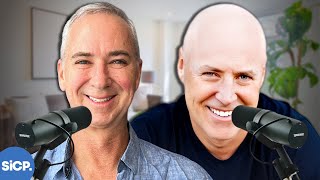
This is a recorded interview (podcast episode) featuring Cameron Herold with Christopher Lochhead and others, exploring why women often excel as entrepreneurs and leaders. The conversation covers empowerment and decision-making, building and serving COOs through the COO Alliance and a Second-in-Command podcast, practical hiring advice (A/B/C player framework, writing job postings to attract women), marketing and PR tactics (how to get free PR; a co-authored PR book mentioned), and broader cultural topics (media, climate, work culture, Burning Man). The tone is conversational, anecdotal, and advice-focused, mixing strategic framing with tactical tips.
Chapters
Make the call. Because guess what? You're empowered. And every CEO or every supervisor, if you do good and you get the job done you make, they're going to be happy about it. And the reality is, as long as you stay within those lines, if you make a mistake, you're not going to. You're not going to bankrupt the company. Like, I don't know a whole lot of leaders that wouldn't be happy about people making empowered decisions. I think it's a bit of a cop out.
In this episode, we'll be embarking on a journey to unlock the potential of female entrepreneurs. Revealing their unique strengths and qualities that have the power to reshape the corporate landscape will shed light on the synergy that emerges when women collaborate and explore how it can truly revolutionize the business and leadership paradigms. Throughout our conversation, we'll touch on several vital subjects that are bound to transform your perspectives on business leadership and the role of women in the workforce, such as the strengths of female entrepreneurs, including their remarkable attention to detail and exceptional teamwork skills. The significance of fostering an inclusive and diverse work environment. We'll discuss best practices for hiring and how to tailor job postings to attract the finest candidates, all while keeping diversity at the forefront. The power of gender specific marketing strategies and how they can significantly impact your business endeavors, allowing you to tap into new and dynamic audiences. Join us on this illuminating journey as we emphasize the importance of embracing inclusivity and diversity in your company culture.
Read Vivid Vision. I'm like, no, actually not a good book for you. You should all read Meeting Suck. Or you could all read Miracle Morning for Entrepreneurs, but Vivid Vision would be a horrible book for employees to read.
I love your whole thing on meetings suck. I just love it. It's like, meetings don't suck. You suck.
Yeah.
And like, it's so simple. I. I remember when you said it to me, it's like, hey, listen, if the meeting starts at noon, finish the last meeting at 11. 45.
55. Yeah. So then you got time to walk down the hall, talk to your assistant, get a cup of coffee, go to the bathroom, right?
Like, don't, don't be an.
It's pretty simple, right?
It's pretty simple. I think, you know, I thought a lot about our discussion. And of course, now living in the world that I live in, I'm inundated with sort of wannabe management coaching guru holes. Like, there's a million people trying to be you. I mean, you know that, right? And they're terrible. And some of them are Even worse than terrible. They're like John Lee Dumas knockoffs or Gary Vee knockoffs or Tony Robbins knockoffs.
Those are the sad ones, are the ones that are trying to be something that authentically. But one of my clients who I coach, I'm not going to say, like, the space that I want to protect, but they're. One of my clients that I've coached had to fire a general manager, and the general manager was inept, like, very inept. Financial issues, taxes not being paid, massive mistakes with the locations. Just like, there's no way that this guy should have been managing what he was managing. They mishired him. They gave him way too much rope. And then six months later, like, they had to fire him. Three months later, they find out that this guy's now starting to be a management coach and he's trying to coach smaller entrepreneurial companies. With all of these things, I'm like, oh, my God. Like, you're horrible.
Like, it's worse than the blind leading the blind.
Right? It's just like, it's hard. It's scary.
Yeah. Why is it everybody wants to be a management coach these days as opposed.
To actually do the doing something?
Yeah, I think. I think they think. I don't know. I think they think it's easy or it's astounding. I mean, first, it shows how big the market is for. For coaching and for personal development. But, yeah, sometimes you got to go just actually do work so well.
I'm, you know, I'm sorry to hear about all that personal stuff, but you, you, you look great. You sound great.
Thank you. Yeah. Feeling good. I'm. I'm. Had a great trip to Ireland this summer with my kids, and business is going really well. Had an amazing sixth time at Burning man this year. That was great. My event that I just held last week was solid. Everything's just kind of been a good few months.
What happens at your event? What do you, what do you do at the Cameron Herald World?
Well, we. We.
Yeah, we started the only.
The only network of its kind in the world for the second in command. So we started something called the COO Alliance. Yeah. And there's all of these events for entrepreneurs where you've got YPO and EO and vistage and Genius Network and Baby Bathwater and all these amazing events for entrepreneurs to go to. And then there were these events for marketers and lawyers and engineers, but there was nowhere for the true second in command. And so we started this event called the COO alliance. And now we've got second in commands from three countries that come in and participate, and they share information and resources with each other. They mastermind together and it's all, how do they grow themselves into be a stronger coo? And also how do they grow their company? Totally different personality profiles too. They're just very different characters. You tell a group of COOs, okay, we're starting back up at 10:30. They're all sitting in their seats at 10:28, where you tell a group of entrepreneurs, right, hey, I'll be there. I'm coming. I told you I'm coming. I'm like, dude, it's 15 minutes late already. What are you doing?
I love that. That's so classic. And am I wrong? I mean, I'm not an expert in this area, but it doesn't seem like there's a lot of COO things. If I'm a coo, there are not a lot of things I can go to.
And yeah, there was nowhere. There was nowhere for them to go. There was nothing for them to really, other than the maybe leadership books or leadership content. They would go to these entrepreneur conferences. They would often show up at the entrepreneur events, but they just didn't quite fit in. And so that's why we wanted to give them their own space. In fact, I even started a podcast around six months ago called the Second in Command podcast, which is only, we're trying to get the chief behind the chief. Everyone interviews the CEO. Everyone wants Jesse Itzler's story. I want his COOs. Everyone wants the CEO of Facebook. I want the CEOs. I want to know the rest of the story, and both sides are true.
But it's like if you asked a.
Husband, how did you raise your family? He'd have a very true story. If you asked his partner, how'd you grow that? She'd have a very true story. Both of them are true, but both have very different perspectives. So I want to share that information and insights with the cos as well. Not trying to do what you do. I'm not trying to be a podcaster and try to deliver great value.
I think that was a great insult. I'm not trying to do what you do. I'm trying to deliver value.
No, no. I mean, I mean, like, I don't want to be a. I don't want to be like a professional in the.
Space where this is my whole zone because I'm not good at it. Like, I don't know how to do.
I don't know how to have the.
Interaction and even the fact we're just sitting here chatting, it's all being recorded, is like go. So natural and simple. Whereas I'm, I don't know, formulaic and kind of coo.
Well, I think it's great that you've started a COO podcast. And the other thing is, you know, you've pulled a niche down, right? I mean there was a giant, you think about any C level executive and there's a bunch of for them, right? There's a ton of HR and a ton of CMO and a ton of CEOs, a ton of CFO, et cetera, et cetera. And it's sort of crazy there wasn't a ton of COO.
Well, and again, yeah, the COOs tended to migrate towards the entrepreneurial systems and thinking. But I'll give an example, a really good example. If you read the book. Good to great, it's amazing. It's really, really strong at these strategic 30,000 foot ideas that you really need to grow a great company. Like getting the right people on the bus to run people off the bus, everywhere in the right seats. Or the hedgehog concept or level five leadership. But he doesn't teach us how to do it. He doesn't teach how to get the right people on the bus, he doesn't teach how to get the wrong people off the bus. He doesn't teach how to get right. And the CEOs want to know how the entrepreneur is like, yeah, that's right. Bring all the right people in. Well, how do you do that? What's your recruiting strategy? What's your interviewing methodology? What's your reference check process? How do you actually onboard them? How do you train them? How do you build culture? How do you ensure that they're growing their leadership skills? And CEOs like, I don't care. Yeah, just level level five leadership. I'm like, what the hell does that mean? So there's a really good zone for the entrepreneurs to know what needs to get done and then the second in commands need to know how to do it. And I think that was the bridge and I didn't even realize I was doing a lot of that. I used to coach a lot of CEOs, now I coach a lot of their COOs.
So I try to get the CEO.
To know that the company needs to grow. But the person that should have the skills is actually their second in command more so than the entrepreneur.
One of the big things I love about you is on one hand you're sort of very common thinking, but at the same Time, your common sense, that's uncommon.
So I follow a lot of the grandmotherisms of business, I call them. And then I also. You know how you see the fly trying to get out the window? It keeps banging on the window and it's going to try harder and harder and then it ends up dead, sitting on the window ledge. I see every business person out there trying so hard, and I'm like, but there's a door. It's right here. It's open. Just turn and fly out the door. And I just wish they would use the cheat sheets, the simple little cheat sheets. And why would you try so hard when there's a system already in place? So I try to give them those little cheat sheets because I don't want them banging their head on the window forever. So all of my stuff tends to be very simple to execute, partially because I'm simple. I grew up in Northern Ontario and Canada, and I had a 63% average in high school and the same in college.
At least you went to college.
Well, only because it was there and it was the path. Right. I think if I looked back now, you know, maybe I wouldn't have. I learned more running college Pro Painters as a franchise than I ever learned in school. But, yeah, so I just see the simple solution. So that's just what I try to run with. I don't overcomplicate it. I don't understand complicated.
I love the way you think. And I'll tell you, there's one big thing that you taught me last time we were together that has stayed with me. There's this mantra in Silicon Valley that says, we only hire A players. I had bought it hook, line and sinkle, sinkle, sinker. And I, and I, I repeated it many times and so forth and so on. And you said to me, that's absolutely bull. You can't have a company full of A players.
Yeah, it's interesting. I forgot I told you that. But, yeah, you can't get a company full of A players because you've got. Your A players are your racehorses, your B players are the workhorses. And I said the other day at a veterinary conference, the C players should go to the glue factory. And they're like, I'm like, I'm serious. It's impossible to have a complete fleet of A's. You actually need a bunch of people that are going to grunt out the work and work super hard. And, you know, they can't possibly be magically inspired. Right. But they need to be really good and be A part of the culture and fit. So I just think you need to be real honest with yourself. And I don't know what maybe a sports analogy might be, but I guess it's like baseball. You just need a bunch of really good, solid singles and doubles and you'll win the game. You don't need everybody hitting home runs.
And so when I'm recruiting or when I'm building my company, how do I think about sort of racehorse versus workhorse?
I think it's based on, for the money that you're willing to pay, what results do you need out of that person that you're hiring for? And have they done it before? So the key is, have they actually done what you need them to do? I think more often than not we hire people that know how to do something. But I know how to win a gold medal, I know how to break an Olympic record, I know how to break a world record, but I've never done any of it. Would you rather have someone who's broken world records or someone who knows how to do it? I know how to run a two hour marathon, but there's a guy the other day that just ran one in 2 hours and 39 minutes. 2 hours, 1 minute and 39 seconds. Like, I think I'd rather have that guy than me. I know how to do it, but he can beat me by two hours.
Well, I've run one marathon and it was four hours and something. Plus or minus four and a half hours. I can't remember exactly. And that was near impossible.
It was freaking hard, man. I did the Portland marathon, same rough time. It's hard.
Like, it's really hard.
Yeah, but now you know how to run a two hour marathon, right? Just run a bunch of four 40s straight and land on your toes. I don't know.
Yeah, sure. I just need to rewire my entire body. 195 pounds, six foot body.
Or. Or use a bicycle.
Yeah, exactly. Or have you heard of these things they call. They're called the Santa Cruz one wheel. It's like a skateboard with this giant. Have you seen it? With this giant.
The great.
It's sort of what. Where the.
It's like a segue that.
Yeah, exactly.
Small.
They're awesome. Maybe if I had one of those going, yeah, we could do it.
But that's the same as a company. Like, is it possible to have a whole bunch of marathoners? No, but you can have a few marathoners and you can have a bunch of people that run 10Ks and you can have A bunch of people that are at least not sitting on their couch smoking all day. I think a lot of companies have a lot of the very C players and they might think they're Bs, but if they really sat down over a beer with me, I could probably show them that they're not Bs.
And do you ever want a C player?
I would.
They're going to the glue factory.
Yeah. Or government's always hiring. Right. Like the government loves C players because they can manage everybody else.
And am I wrong but. Or is this make me a terrible person? But most C players don't really have any ambition.
Yeah, I think, I think that's a key trait to be looking for the real self driven people. The people that wake up in the morning wanting to learn. The people that wake up in the morning wanting to work hard. The people that are wanting to train either in their personal lives or business. Those self driven people are going to be working harder in your company. I even had Fortune magazine asked me, I think it was 2003 or 2004 for this fortune small business. And they said, how do you motivate your employees? And I said I don't motivate employees. I hire motivated people and then I show them where we're going and I get out of their way and I remove obstacles. It's just a lot easier to have those motivated B or C or A players who you point the direction with that vivid vision or the goals or the core purpose and they understand and they just drive towards it. And then you help support them, you help align them, you help remove obstacles versus trying to manage and hold accountable people and make them do stuff like what's the point of that?
Do you think you can motivate anybody?
No, not at all. I think you can inspire. But I think somebody wakes up in the morning motivated. It's funny, years ago my ex wife said, I said something about I'm super excited going off to work today. She's like, oh, you're so lucky that you love what you do. I was like, what do you mean? She goes, well, most people don't love what they do. I'm like, what do you mean? What do you mean they don't love what they do? And she goes, yeah, most people go to jobs every day and they really don't enjoy it. And I was like, like who? And she started naming all of our friends. I was like, God, you're right. Like I'd never, I'd never really. It never dawned on me that nobody really liked what they did, they were hard workers and they maybe enjoyed parts of their career. But I was inspired building the company and I love doing what I did. And I think that was the magic that happened is if you can inspire people with that vivid vision and where you're going. And it's why people loved working for Apple, even though it's such a tough company to be with, because they were inspired about building these insanely great products that would challenge the status quo and change the human race. And they're like, yeah, let's do this and we'll work 17 hours a day and kill ourselves while doing it. It's because there was that greater purpose. Right? So you can put a motivated person into that.
If I have a what, I can handle any why. Or there's some expression like that.
If I have a why, I can handle any what. Yeah, if I have that backwards. If I have a. If I have a what? You said, that's all right. If you know what your core purpose is, then it makes it easy. I use the analogy, I used it this morning of the three guys that are making bricks, and they asked the first guy, what are you doing? He said, I'm making bricks. Said the second guy, what are you doing? He goes, I'm making a wall, and I'm building the bricks to make a wall. And they asked the third guy, what are you doing? He goes, well, I'm building a cathedral to worship God, and I'm actually making the left wall of the cathedral and I get to build or make the bricks that'll build the left wall of the cathedral. Which of those guys shows up in the morning really excited? Well, it's the guy who's building the cathedral.
Context matters a lot, right? And it's interesting, Jim Goetz from Sequoia says we look for mission driven founders. They gotta be on a mission. In other words, they're pre motivated.
Well, yeah, essentially. I don't know if you watched the Elon Musk interview on Joe Rogan the other day, but I've known Elon for a long time and not super well, but enough that I've had enough, a number of conversations with him one on one. It really floored me as to what his real mission was with Tesla. I didn't realize the depth of his pain about the carbon monoxide that we're putting out into the world with gas vehicles and how it's kind of like a course that we shouldn't be on. And he's really, really worried about it in a very deep, personal way. That the electric vehicle is really the big cure to this potential disaster facing human race. And I'm like, that is different from wanting to build a cool car company.
Fascinating dude, for sure. And I also thought he got, I thought the media got it all wrong about that. He got a lot of heat, I'm sure you saw, for smoking pot. Drink.
Oh, give me a break. Well, I mean drinking scotch, get way over it. And the fact that pot is legal in California, you took a drag off it. The guy's not sitting doing drugs every day trying to run a company like, oh yeah, get over it for sure.
Well, yeah, and my whole big point was don't expect a dude who's an outlier amongst outliers not to do outlier. That's why we like them, that's why we admire him. He's a massive, he's trying to tunnels under LA and build developments on Mars for sakes. This is, this guy's a guy who's out there, way out there. And so he's gonna, he's also gonna tell the truth.
He's also gonna tell the truth. That was something I really respect is like, you know, they asked Bill Clinton, have you smoked marijuana? Yes, but I didn't inhale. And we're like bull. And they ask Obama, you know, on this. And they're in the same party, right? They're both Democrats. They ask Obama, did you smoke marijuana? He goes yes. Did you inhale? And he goes, well that's the point. Like of course I inhaled. So like how, how are we. And it's going to be legal. I mean get over it people. And the other thing is like that was two hours and 15 minutes into one of the most brilliant insights into one of the most brilliant thinkers. Thinkers of our time. And that's what they focused on. I mean, oh my God, this, this guy went into areas that were, were some pretty spectacular thought concepts.
Well, and the other part of it was, and maybe this sounds self serving. I think we live at a time, Cameron, where so many CEOs, so many executives are so media trained and so buttoned down by lawyers that when they go do stuff, you know, you see the typical CNBC interview after a company announces its numbers and it's just bull talking points, legal drivel. And so to actually have a real leader like that kick back and have a conversation and share what they really think, that's fantastic.
Yeah, I thought it was an amazing interview. I thought Joe did a spectacular job taking him into places and Elon did a great job just staying There and really opening up both his soul and his mind on stuff. I thought it was fantastic. I think maybe we need a lot more of that.
Yeah. Amen. Hallelujah. Now, the other one I wanted to bounce around with you is I hear this word a lot, empower. When it really tweaks me is when somebody says, oh, well, I wasn't empowered to do that.
I go back to the better, beg for forgiveness and ask for permission. Like, the reality is if you make a decision and it's aligned with your company core values and it's aligned with your core purpose and it's, you know, within your budget, then make the call. Because guess what? You're empowered. And every CEO or every supervisor, if you do good and you get the job done, you make, they're going to be happ. And the reality is as long as you stay within those lines, if you make a mistake, you're not going to. You're not going to bankrupt the company. Like, I don't know a whole lot of leaders that wouldn't be happy about people making empowered decisions. I think it's a bit of a cop out.
Well, and I sort of view it a little bit along the motivation line that we were just on, which is you either empower yourself or you don't. Yeah, like, how can I empower you? You can find something I say empowering. I get that. And that's to me along the same lines of inspiring. But I got to empower my own. Ultimately, maybe it's.
There's a cultural shift that can happen with some of those companies. Again, I think there is the truth that there's an awful lot of companies out there that are horribly average. And I talked to a CEO the other day in Montreal, Canada, and she said something about, you know, it's a tough job market to find great employees. And I went, actually, no, it's a really easy market to find great employees. The problem is great employees won't work for average companies. And it kind of hit her as a real slap across the face. And she's like, oh my God, you're right, we're horribly average. And I said, I think most companies are very beige. So I think there probably is a huge absence of companies that are truly empowering people or are providing great cultures or are hiring a players. I think we tend to hear from a lot of the great companies. In Canada, there's 1.46 million companies. When we were building 1,800got junk, we ranked as the number two company in the country to work for that Means we beat out 1.46 million others. There's gotta be 700,000 that are horrible companies to work for. 3 or 400,000 that are horribly average to work for. That's an awful lot of people working in pretty average places that may not be empowered.
But there's a reason Dilbert is funny and there's a reason office space is a classic.
Right?
Like that.
But you can also. But, but here's my point to them. You are empowered to quit. Like, no one actually is going to tell if it's that hard and it's that bad that you can't do the things that you're saying you want to do.
Quit.
Go, go. Because there's lots of places that would love to have you where you will be empowered.
If you wake up one day and you realize, you know, and you're in a leadership position and you realize, you know what? I'm at Beige Company. This company's Beige. What would I do?
I would work on my resume and I would push it out to my network and tribe and I'd say, here you've got an A player who's willing to work somewhere. Here's what I'm great at, who wants me and the reality.
If I'm one of the principals in the company, I'm one of the owners, I'm an executive. And I realize my company, the thing I helped create, is Beige.
I would actually start to figure out who to rip off and duplicate from. Because the reality is you don't have to be smart enough to figure it out. People have figured it out for you. That was, that was a lesson I learned very early on is all of the cheat sheets on how to build a great company are already there. I just need to read about them, learn them, and put them in place. I don't have to be smart enough to figure it out. The answers are there. Now we got Google. Now we can actually find the answers quickly.
It's interesting you say that. You know, any business problem, you can just Google it and there's going to be at least a start point. Yeah, Like I've been trying to figure out how to do better direct marketing and email marketing for the podcast. Well, when you Google, by way of example, awesome email copy, there's a lot of great shit that comes up.
Yeah, I just, I just grabbed one. I'm not going to name the company because it's actually a CEO that I'm starting to coach, but he's a spectacular copywriter. He's one of the best in North America easily. And he's recognized as being that. And I'm actually going to be coaching him on growing his company. But I keep seeing him do these Facebook posts and I'm like, that's good. Like, I can just, I can cut a few words and put my company name in. I can change a few phrases and okay, you're so you're not selling xyz, I'm selling the COO Alliance. I'm like, this works. Like, I don't need to reinvent the wheel.
Although the one area I have not been able to solve for is I think I pretty much suck on social media. I don't know how to get any better. I think I just suck. I don't know. I can't figure out how to get myself to be here's.
And here's where the school system screwed us up. The school system said, if you suck at social media, you should get a tutor and learn how to be better in social media. And I'm like, bullshit. If you suck in social media, you'll probably always suck in social media. You should keep interviewing people on podcasts because you're really, really good at it. What you should do is hire somebody who can be in the background and they can manage your social media for you. They can tell you what to say or they can say it for you. They can run your accounts for you. They can reply as you and let you do more of what your unique ability is. Like, I should do more sales, but I hate sales. So I am hiring a salesperson. I should do. I don't like doing it. I like doing this. I like coaching people. I like speaking, but everything else drains me.
I like it. This may sound crazy. Generally I like interacting with people on social media. I've had bad interactions, but mostly they're good. So I like, there's a human part of that, but like, I don't think I'm a very good tweeter.
Don't Tweet. Hire some 24 year old girl to tweet as you under your account if you think you should be doing that stuff. Right?
The reality, actually you say if I, I don't even. I don't know anymore. I, I think the answer is probably yes, but I'm not sure anymore. Maybe, maybe.
Well, the data, the data will start to tell you whether or not your audience is there. Or I told my sister the other day, put out a blog post. I'm like, stop, stop. No one's reading blogs. It was like, that was really 2000. That's 18 years ago. People stopped reading blogs about four years ago and they started listening and devouring podcasts in YouTube. So she's amazing on TV. She should just do. She should take whatever she wrote a blog about and she should put it on YouTube because she's. She has 150,000 people playing in her co ed intramural sports that would love to listen to her on video. But they're not going to read the blog. So just say what you're going to say on the blog, say it in video and do a quick one cut. It'll take you probably, probably take you 15% of the time as well.
It'll be way f. Well and I think. And this goes to the growth of podcasts and YouTube for that matter. I don't know, maybe you have an insight here, Cameron. I think a meaningful percentage of us think out loud. I know I do.
Yeah, for sure.
You sound like you do. I'm also an out loud learner. I love people talking to me. I always have since I was a little kid.
Well, it's easy to devour that content too. You can listen to it while you're driving. You can listen to it when you're having a run. You can listen to it on the rowing machine or the bikes. You can actually, can be in the shower and have the stereo turned up on your Sonos. You can actually devour that content and learning a very easy format. And then it can also be repurposed. She could take her video on YouTube. It could be pushed on Facebook by someone else. It could be stripped using Rev.com into some blog posts or tweets or Facebook messages that somebody could do from the Philippines. So she, she could do like a 132 second video that could be repurposed 22 different ways by somebody for 4 bucks an hour. But she shouldn't be sitting down writing a blog.
I think that's exactly right. Now you have this new book. I do. I remember us talking about how to get awesome pr and I thought, man, you are so smart about this. And then you wrote a book about how to get awesome free PR. Why?
I learned how to get free PR 32 years ago. So when we were running college propainters and I was up in Sudbury, I was taught how to call the media and how to pick up the phone in those days, how to get through the gatekeeper because you had to get past the receptionist. There was no email in 86 and it was really easy to get free PR. I was on TV and the newspapers and magazines. I'm like, this is easy. Year after year, I was getting it, and then I taught a bunch of franchisees how to generate it, and they were getting free PR. And then we did it at 1-800-got junk. And it was the same stuff, different day, and that's all we've ever done is. So I decided to kind of codify it and teach people again because it's a fly getting out the window. Everyone thinks that journalists go find stories. I'm like, they don't. They don't have time. Every journalist in the world woke up this morning and thought, what the heck am I going to write about today? Well, if you pick up the phone and call them and say, hey, do you have two minutes? I have a good story for you. They're going to write about your story. So I decided to write it. And I had the book probably 95% done. I was talking to a client of mine that I used to coach out of Ottawa, Canada, a company called Canvas Pop and he has another company called DNA11, and he's got these amazing art companies that he's generated a pile of PR for over the last 10 years. I was telling him about the book. He goes, we should co author it. I'm like, yeah, it's almost done. He goes, no, no, but I know all the digital pr. Like, I know how to really leverage the digital. I'm like, all right, let's do it. So I just co authored with Adrian from Canvas Pop and he kind of took all my content and then added his. So there's chapters that are, here's what Cameron would do. Here's what Adrian would do. Here's kind of offline online and. Yeah, so we come out with that in December called.
Adrian's an impressive guy. So the book comes out in December.
Yeah. You know Adrian?
Yeah. And as you were talking, I'm trying to remember where I met him.
Well, he's. Laughter Santa Monica. You might have met, like, I don't know if you went to Baby Valley.
Is he one of the Go Bros? Is he in gobundance?
I don't know if he's gone to Go Abundance or not. He may have.
He.
I know he's gone to Baby Bathwater and he's gone to 2i2IC. He was at War Room recently.
I feel like I know him.
Great guy. And. And has been in a ton of media. A ton of. A ton of. Ton of media.
Yeah. But I. I feel like I actually might have met him.
But, you know, he's good friends with some really Solid. He was really good friends with the founders of Shopify back when they were, you know, 20 employees. He's known them from the very beginning. So he's around a bunch of tech people.
He seems like a very impressive guy.
For sure.
He says he lives in Ottawa, Canada now.
Yeah, he's Ottawa. LinkedIn profile, Ottawa, Louisiana and Vegas. They've got operations in Vegas. The head office is Ottawa. And then I know he was in Santa Monica for a long time as well. He goes back and forth, depending on the weather. He spends winters in LA and summer's in Ottawa.
Although, I don't know, I got to a place in my life where I didn't want to have multiple homes anymore.
Yeah, I'm getting there too.
You know, it's just like, you get to a place in your life where it's like, just simple. Yeah.
I mean, well, you live in one.
Of the most beautiful cities in the world.
Yeah, it's beautiful. I'm sitting here looking out at the mountains and the ocean and downtown right now for my living room. And it's.
It's pretty spectacular, I'll tell you, if.
It weren't for the rain. You guys get a lot of rain in Vancouver, right?
A little bit, yeah.
Yeah.
Maybe we'll bottle it and sell it to California.
We're going to need it. You know, we had Paul Holland on the podcast that the genius VC from Foundation Capital, and he built what at the time was the greenest house in America. And he's educated on. On all of these environmental things. And he thinks that in our lifetime, the Sierras are essentially not going to be a good source of water for California anymore. Like, oh, for sure. Do you think it's really going to happen in our lifetime?
Yeah, I think it will. I actually had a discussion with the. So the Governor of Arizona read about me in Forbes magazine two years ago in the print edition and asked me to come in and talk to him about vision. So I talked to Doug Ducey. He was the founder of Cold Stone Creamery. He's now the governor of Arizona. At the end of an hour, talking about vision, I said, I need to ask you about something. I said, I feel like it's the emperor has no clothes and no one is talking about this issue. But all of the water was put underground and in the aquifers over millions of years, and we drank it in a hundred. So we can't say that we're going to replenish it with a big rain in the Sierra Nevadas or a big rain in Colorado. Like it can't rain enough to replenish what we're doing. And we're not supposed to live here. It's a desert. I'm sorry, but Nevada and Arizona and New Mexico and much of Texas and California, we're not supposed to be living here. And sure, we could drink that water.
Snakes, right?
Well, it's desert, man. Like these trees and palm trees and like it ain't, it's not real. So it's not sustainable. And at some point we gotta bring the water in from the ocean and desalinate. And the doing it in the Middle east, they're doing it all over Bahrain and Saudi and Dubai and Qatar, it's all desalinated water. But if we don't start that, let's say Arizona's like, oh, California wants the water off the Colorado river, so we lose 50% of our water supply. We're screwed. And we can't say, well, we'll start desalination. It's going to take you seven years to build the plants. We need to be doing this now before we need it. And no one's having the discussion. And I kind of feel a little bit like Elon going like playing a very, very dangerous game.
Well, and here's the one I don't understand about California. It drives me nuts. So there's all these government incentives in place for solar. There's zero government incentives, at least last time I checked for water capture. I don't know why it isn't law now in California that if you're going to build a new office building or you're going to build a new home, you got to do rain capture. I don't get that. Like there's a lot of water comes from the sky. We don't get enough of it, but at least we get some of it. And then the other thing is, we've had them on twice now. Jeff Denham, he's a Patagonia sponsored surfer turned entrepreneur and he's trying to solve the problem of all the toxic that firefighters use for these fire giant fires that we have. But I didn't know this. The junk that comes out of, you know, they call it class A foam, it's all toxic. And so when they drop this stuff on a forest fire, after the forest fire is done, the entire area is essentially a toxic waste dump.
Yeah, well, that's all we're doing. Like we're literally destroying the world. And it's really just, it's, you know, think about the Mayans who all of a sudden disappeared, you Wonder why. Well, that's what we're doing to ourselves. I'm frustrated because I grew up in a family. I grew up in a family where 60 years ago, because it was in the 60s, 50 years ago, my grandfather won the Conservation List of the Year in Canada and he was restocking lakes. But I remember in the early 70s, him talking about the glacial melt in the Arctic, so up in the north, and he honeymooned there in the 40s. And he was talking. He's been around the Eskimos forever. I've got soapstone carvings all over my place from the Northwest Territories, 50, 60 years ago. He's been talking about the glacial melt in the Arctic for 50 years now. And he's like, no one is listening. And that was in the 70s. He died 10 years ago. He would be so upset. To see what's happening where we just keep ignoring the reality now, whether this is caused by man or is just a cycle we're going through, it doesn't freaking matter. Because, yeah, the Sierras aren't going to provide the runoff water we need. We have to get ahead of the curve. It's going to be a massive issue in China. It's going to be a massive issue in India. It's going to be a massive issue in, you know, in places in the.
U.S. well, and the weather's gotten mental. We didn't have these insane hurricanes like we have now. That's a new thing.
I'm not sure on the data on that, whether we have more or whether the news just likes the. It bleeds, it leads, and they're telling us more about it. You know, we didn't have social media to hear about it all. So, you know, we didn't read about it in the, you know, the New York Times didn't cover every hurricane, but now we see it on Facebook, you know, every hurricane. So I think we may see more of the world news than we used to see. I don't know.
But.
But what we mean, I read the frequency is definitely up and the.
Well, to your point, on the media.
Did you see this thing? It was a picture of Anderson Cooper. Yeah.
Where he's up to his waist, but the camera guy's up to his knees.
And there's only, you know, eight feet between them or whatever it is. It's like, are you kneeling down? Like, what are you doing? Like, that drives me crazy.
Well, that thankfully, all of that stuff is being called out now and we're actually being shown that the media is being manipulated by both parties, by all Parties by all fronts. Right. And thankfully, I think I heard this at the TED conference years ago, was that social media is becoming our social consciousness and the truth is being shared and we don't need the media to now show us the truth. So, you know, we're seeing those photos and we're like, oh, so now I think there's going to be a calling where there's a higher standard. You know, it's like guys in the MeToo movement are going to have a higher standard and the media are being called to a higher standard.
And.
And I think it's good.
Why do you have to do that? This hurricane was a big tragedy.
Well, because it's not that big a tragedy, I think in some ways, like.
Well, people died and. Right. I mean.
Yeah, destroyed. And how many just died, though, in the Carolinas? Like, 16. There's probably 16 people died in the Carolinas last week of the flu. 16 people probably died the week before when it was sunny. Like, 16 people probably always die. It wasn't like a disaster, like crushed some of these other places where people are just getting creamed.
It wasn't a sharknado.
No. But it was also like, you know, what did they say it came in as a typhoon. Not like level five hurricane, Level four hurricane. Oops. It's a level three hurricane. It still might hurt millions of people. It's a level two hurricane. Oh, it's not even a hurricane anymore. It's like the news is starving for viewers and starving for advertising and they're creating it and they're getting called out.
Freaked out, aren't we? We're constantly freaked out.
Yeah. I don't watch. I don't watch a lot or read a lot anymore just because of that. I don't need the. I don't need that dopamine rush. I got enough in my life going on to sit and read about stuff. Like, it really doesn't impact my life if Carolina has a hurricane. Like, I'd like to know if one's coming to Vancouver, but I don't need to know if one's happening in Japan or, you know, if an earthquake happened in Indonesia. Unless I'm going, what do I care?
Well, in my case, I care because I've been to most of those places.
That's why I've been there, too. Like, I. I spent seven weeks in Indonesia, but if I'm not there now, I don't care if there's an earthquake tomorrow. I don't have any friends, care about the people there.
Yeah, but.
But like, I can't do anything about them, so I don't. I just don't need to read about.
I'd rather hear check and send it to Doctors Without Borders.
Right. Well, here's. I want to know the good stuff that's happening. Can somebody please actually give me the good news out of Indonesia and the good news in Japan? The good news, like, I'd rather send checks to the people doing the good stuff and help them 364 days a year than wait for the one bad tragedy to jump all over.
You know, good news doesn't sell. And we're exactly. We're like, the clickbait is unbelievable today.
Oh. Oh. You know what the clickbait's driving me now is the. You know when you're on a site and it shows, they released a video, and then it's a picture with, like, the YouTube little arrow, and you go to click on it, and it's a photo. I'm like, you bastards, you did it to me again.
Yeah. Or then. And then you got to go, like, two. Two websites deep to get to the.
Video to get to it. That's really starting to get to me is when they're faking me out with.
Those speaking of stupid things on Twitter, every once in a while, I'll just tweet out, this is clickbait for my podcast.
That's awesome. I wonder if people click on it.
They probably it like, this is clickbait. Like, and now I want to start trying stuff like naked ladies. Boom. Burning cars. Boom. Like, just. I don't know what the. I don't know what else to do.
Yeah. This is not a picture of naked ladies.
Click here.
This is not a. This is not a picture of death or.
Or this is naked ladies.
I don't know.
One or the other. Right?
One of the two.
Yeah.
So if I want to start getting free pr, what should. If I said, hey, I want to start a new PR program tomorrow.
What.
What do I do?
Well, one is to realize that all of the media is created, that there's no such thing as investigative journalism. They can't afford to go out and find a story. And all media outlets need good content so that they can get viewers and eyeballs and listeners. Right. So they all need that content. So you're doing them a favor by giving them a story. That's part one. Part two is to think about who are their audience? What are their audience? Like, so if I was thinking of a business story and I went after. I'll give you, like, 10 quick business outlets. It could be Wall Street Journal, New York Times, Forbes magazine, Fortune magazine, Entrepreneur magazine, Inc magazine, Success magazine, CNN's CNN Money, or those are all business outlets, but they all have very different business viewers or business audiences. I have to think about how my story relates to their audience specifically. And then I come up with two angles, two different stories with five rough bullet points for each angle. I pick up the phone and I call the journalist or the photographer. Never the news desk, never the city desk, never the editor. Because those people's jobs is to say no. I call the journalist and I go, hey, do you have a couple minutes? I think I have a good story for you.
More often than you call them, you don't email them?
No, because everybody else is emailing them. I'll give you an example. But how many emails do you get from people wanting to be on your podcast? Probably tons. But how many people ever pick up the phone and call you and go, hey, Christopher, I think I have a good podcast idea for you. What do you think? No one calls me.
Nobody ever calls me.
Right.
So if the phone calls, my wife calls me. Right. My mom calls me.
Right. And her mom. So if the phone rings, you'll probably take the call. And then I'm through all the clutter. I've literally got like 10 seconds. So I go, hey, do you have two minutes? I think I have a good story idea for you. You'll go, sure. What is it?
And what's your take on things like help a reporter out?
I know Peter Schenkman really well. Haro. We actually asked Peter to write the foreword for our PR book. So I like it, but again, it's different from the old days. I was using haro back in 2004 or five, when, you know, a link would come out and there'd be, like 12 people would be fighting for the story. Now there's probably 1200 people fighting. So I still do it. You have to be very succinct. And those are definitely people that are looking for content for you to be included in the article. But I wouldn't base your whole strategy around it. I think it's easier just to pick up the phone. The way I landed Forbes magazine, the physical print edition, was I was doing a speaking event, and I saw the publisher, Rich Karlgaard, sitting in the audience at the event. And I turned to him in the middle of my speaking event. It's on video. And I went, hey, Rich, I think I have a really good story for you for Forbes. Do you have a couple minutes Afterwards he went, sure. And I just went over and told him the idea. He's like, that's great, let's do it. But everyone else called him out on stage. Well, and everyone else would. Because everybody else would send like a news wire or they'd, oh, we'd probably have to talk to the editor or we should call the news desk. Why? Their job is to say no to the other hundred press releases they got this morning.
Does anybody read press releases anymore?
A lot of them are digitally picked up. There's a, there's a reason to do that in the digital world where you can push it out on the newswire. A lot of services come for that and they automatically publish it and they just republish it as their story on their piece or on their, their sites. Then you can take the story. So let's say I ran a story and it gets picked up by the Rocky Mountain Times. Then I can take the actual link to the Rocky Mountain Times and I can PDF it and I can put those on my website. And it adds third, third party credibility. The average reader doesn't know that that was a press release that that site just picked up and combed and ran with. So, yes, it can work, but it's a different, It's a slightly different strategy of leveraging it versus someone seeing the story.
It's good for that, but you don't think it's good for. Somebody actually gets the press release, emails you and says, now I want to interview you.
You don't think it's very much? No, it's very rare because again, there's 400 press releases they have to go through. There's a lot of noise, just a lot of clutter.
And then from a story point of view, how do I stand out in a world where everybody's screaming and once they read your book, now everybody's going to be calling it.
You stand out by thinking about how you can help them because at the end of the day, every writer is trying to come up with another story to write about today. And every photographer is sitting at their desk going, I wonder what photo I could shoot today? So you call a photographer, you go, hey, do you have a couple minutes? I think I have a good photo up for you. They go, sure. What's your photo op idea? Well, I do this podcast. I got California Republic sign behind me and guitars up, and I interview people in this really casual, casual, odd G shocks way. And I swear a little bit. And he goes, that's cool. What do you cover them on? Well, like, talk about this, this, and this, because that's really cool. Why do you do it? Meanwhile, everybody else sent that guy a press release, and he's sitting going, no, no, no to all of them. Or they phone the. Oh, they phoned the editor, and the editor said no 400 times. And then he found one idea that he sent off to this photographer to go shoot.
So be a little creative and just.
Call them and try to think and show how you can help them. Like, here's an idea of how I think I can help you, because they're looking for a good story.
I don't consider myself a reporter at all, of course, and I'm sure as not a journalist, but I have been incredibly surprised since starting Legends and Losers Cameron on the sort of generic pitch. That is to say, it's very clearly an email they're sending to podcasters. They know nothing about Legends and Losers. They have no clue. Here's my favorite one I got recently. A little while. A little, you know, fairly recently, which is some guy from a podcast production company sends me an email and he says, I heard you on. I can't remember which podcast it was, but on a podcast that I was a guest on. And he said, you were really great. Have you ever thought of starting your own podcast? I was like, how lame are you?
Right?
I mean, I haven't Google searched myself in a while, but I gotta believe it's not hard to figure out I have a podcast. If it is, I'm doing something really wrong.
So I. I had a story years ago, five, four or five years ago, I got an email from a guy named Jordan Harbinger. I'm sure you know the name Jordan Harbinger.
Yeah, he's been on the show and that's right.
His first podcast was Art of Charm, and now he's got the Jordan Harbinger show. Back when he was doing the Art of Charm years ago, he said, you know, I wanted to interview me. And I'm like, I don't know. I haven't really heard of the Art of Charm. Sounds kind of stupid. I said, no. And then about six months later, I'm sitting at a conference and he's teaching people how to get on podcasts. And I was like, how do you know if it's the right podcast to be on or not? And he goes, you need to go to their website. You need to listen to some of their podcasts. He goes, as an example, years ago, I asked this guy to be on my podcast, and he said no. And he didn't realize how big it was. I'm like, oh, was that me? He goes, yes, Cameron, that was you. I'm like, so, yeah, do your homework, right? You need to know your audience. And then if you know the audience and you think about how can I help that news, you know, the writer or the photographer or the podcast or a journalist, how can I help them with another idea? They'll give you the time because you at least understand them and their show and how their idea is going to be a good story.
Correct me if I'm wrong, but you're not necessarily the largest advocate of PR firms and hiring PR firms.
I'm not an advocate of PR firms at all. And I have some really close friends that own PR firms. I've got some close friends that helped me build the PR team at 1, 800, got junk and spun off their own PR firms. I get the game. Like a PR firm. You hire them for six grand a month and they give you one person for a day and a half a week. So for five grand a month, for 4,500amonth, I could have a full time person five days a week and I could teach them. And they all tell you about its relationships. Well, after you get through five or six stories, you don't have that many good relationships anymore. It's about cold calling.
It is about cold calling, isn't it?
Oh, it is, man. They just play the game.
And I remember you saying this to me last time and it really rattled around in my head. You hire salespeople, not marketing people.
Yeah, we hire. I like hiring 23 to 25 year old females who love to cold call. They can get past a gatekeeper, they can handle questions, they can handle objections, they're fine with rejection, they can multitask, they're good with technology. And I like a female because they're going to get through. Every female will take their call and all guys will take their call. So they're going to get through easier than a guy will. I also think they're way more detail oriented and just easier to work with than guys are now.
You're not being sexualist now, are you?
Absolutely. I'm swinging back in the favor of the group that was discriminated against. Yeah, I'm pro.
This is going to probably get me in trouble, but women are just better at everything.
If women could. I've. I told. I spoke at a group of 400 female CEOs. I was the only male to be brought into the room and they wanted the male perspective on women in the workforce, women in leadership. And I said, if you could get along with each other, you could take over the planet. The problem that goes against women is they really cut each other down behind each other's backs and that's what's killing them. But yeah, they're better. I think they're better at everything. I think there are absolutely in the business world, better than every single male that's ever been.
You know, it's interesting you say that, and this is another kind of thing you're not allowed to talk about anymore. But in my last CMO gig, and as you well know, marketing tends to attract women. And marketing in tech, I think even more so. So my chief of staff was female and at one point she came to me and she said, hey, do you know that our last, I forget what the number was, Cameron, but you know, some meaningful number of hires were all women. And she said, so I asked HR to kind of go through our open positions and candidates in the pipeline and resumes coming in and all that. And she said they're virtually all female. We have too many women, we have too many hens in the hen house and we need some more roosters and we need to proactively hire guys because it's going to be too much if we continue to hire. And so, yeah, it's interesting that you say that and it's funny, you know, Are you even allowed to have this kind of conversation anymore? I don't know.
Yeah, we can have a conversation. You know, some of it you're not allowed to necessarily bring into the business world, but I'll give you one. If you proactively want, want to hire more women or you proactively need to hire more women, whatever it is, have your job postings written by a female copywriter because they think and talk differently. And then be very careful with how many criteria for the role you put down. The data says that men, if they see 10 data points and they're like, yeah, I got three or four of those, I'll apply for the job. If a woman sees like 10 things and she doesn't qualify for two of them, she won't apply. And women take it very, very small.
Yeah.
And it was really interesting feedback. It's kind of like the guy who's like big and overweight and sloppy's like, I'm a good looking guy. I'm like, no, dude, you're obnoxious and you're disgusting. But like, look at me, I'm sexy in my bathing suit. No, you're horrifying. Whereas a woman, like, they have this image of perfection and if they don't fit, they think there's something wrong with them. Women measure against perfect on the job description, and if they don't fit, they won't apply.
Wow, I didn't know that.
So you got to have, you gotta.
Have women write the job description and.
Be, be very, be very specific that if you want those five things, just say those five things, but don't put 10. Like as an example. If it says you must have five years experience and a university degree. If a women doesn't have both of those, she won't necessarily apply. A guy will look at that, he's like, yeah, they're just, that's just a rounding error. I'll apply anyway. Guys just have this weird confidence that they're fine as they are. So be careful with your postings because you may actually be screening the right candidates or the best candidates out by putting things down that you don't really need anyway.
And do you think the female who's writing the job, specifically, whether it's in the front of her lobe or back of her lobe, will somehow understand this more than a guy?
Right. Not that data point. No. But I do understand that if you're marketing to women, let's say that you are, you know, a home services company, you know that females make 85% of the decisions on the home, then you want to, you want all your marketing material to be female centric. I would have a female website designer, female copywriter, female designers work on all of your branding and marketing and copy because they write and read differently than guys do.
And so do you think if you talk about email marketing for a second, should we write a different email?
Yes. For men and for women for sure.
Really?
Absolutely.
There's data around all this. Our brains just think differently. Women use more emoticons. Right? They use more emojis than men do. Women drop more smiley faces in. Women speak with more adjectives and adverbs than. They have more flowery speech. They're softer. Guys are very more abrupt. Women are more thoughtful.
That's so interesting. I don't know, maybe it's.
I just read about, I first read about that about 15 years ago in a book by Tom Peters and I think it was Martha Piper. They wrote a book called Trends, and the last third of the book talked about marketing to women. I was like, it's so obvious. Like, how did we miss all that?
I never thought about hiring two different copywriters, a male and a female copywriter. That's a very interesting thing.
It'll be drastically different. You could get, you know, just for fun, you could say, take this, this letter 15 and sentence letter, and write it for the female audience and have guys do it and have females do it and then test it. And I'll bet you the response rate of the female letter targeted to the females would be higher by females than the male one would be design like, think about design like, what's a man cave look like versus what's a woman's home look like? I mean, give me a break. You don't see a look around, right? You don't see a ton of guy designers that you just don't.
But interestingly enough, we're living in this bizarro time where it's sort of not cool to say there are differences between men and women, that we got to treat everybody exactly the same.
No, it may be, but we can't. I think there's data around the fact that you can't treat everybody the same. You can treat them the same in the workforce, but you don't market. There's no laws around the fact that you have to market to people the same.
So how do you think about it in the workforce?
I think about. Think about. Go look. Go look at the grocery store and grab a magazine, like any of the magazines at the checkout that are there for female and look at the headlines. And then look at the magazines that are there for men and look at the headlines. Drastically different.
Right?
Look at the colors. Look at the colors of the magazines versus the men's. Look at the. Like, they're completely different. So if we know that, how come we're not taking that back into our own again? Any brand that markets to females that doesn't have a female copywriter is missing an opportunity.
Well, it's interesting. We have two female copywriters, actually, who write most of our emails, and then I sort of. They write the first draft and then I add stuff to it. But, and this is a total side note, but when we started Legends and Losers, a very sort of successful person in the podcast world said, you're going to be 80% male.
Oh, with. With a name like Legends and Losers, you're going to be 90% male audience with that name. Now, what's happening?
So it's impossible to know for sure. But here's. Here's sort of my string of logic. You tell me. Because we have very little analytics in the. In the podcast world, as you know, but we have good analytics in the. In the Web world. So if you assume who comes to the website is emblematic of who listens to the podcast, which may not be true, but let's just assume that's true for a second. And then you assume you think that's a no, no, go ahead, decently. Leap of logic. And then you assume Google Analytics is roughly, you know, somewhat right. We are like 46 or 48% of the visitors to Legends of Losers.com, according to Google, Google Analytics, are female.
Okay. So I was going just off the name itself, not off of them. What your copy and your marketing and what is like, what's the rest of it?
So you think our name is too male?
Well, you think about Legends and Losers. That's a very male strong. That's like both of those aren't terms that females would probably use.
So what should we rename the podcast?
I would ask a bunch of women what they think it might be, but women wouldn't use the name loser. It's too harsh for them. It's just not. It's not empathetic enough. And legends, they might say legendary. It would be a softer term than two very strong male terms.
But interestingly enough, at least half the women on the website or half the visitors on the website are women.
Right. And is that because of the marketing copy or is it the SEO strategy? You know what, what's bringing them there?
I think it's because our logo is pink.
Oh, there you go.
I don't know. And my new book is pink. I've always liked pink and black, though. They're very punk rock. Right. So how do I. So, okay, that's good. From a marketing point of view, how do I think about this from a culture point of view? If I want to have a culture that's inclusive, but I don't want to be too male and I don't want to be too female. How do I get this right inside the company?
I would ask. Just ask your team. Ask them what they see, ask them what's missing, ask them what they think can happen. They're going to have the better ideas than certainly than I would because I've never walked in the door. And probably more than you would, because you can't, you know, we often can't see the forest for the trees.
And do you think. I mean, this may be obvious, but just half, just to say it, half the management team is female and that takes care of it.
No, I don't think so at all. I think it comes down to, like. I think it comes down to just Asking what's missing. It might be, you know, more open door policy. It might be hiring, it might be different hours, it might be better maternity leave. It might be. Or it might be absolutely perfect. As it is, they might go, God, we love you because you just call it like it is and you say it like it is and you're respectful and we never see, we don't second guess you because we always know what you're saying because you're. You don't sugarcoat it anything.
So you need to really dig into it if you want to understand it.
Yeah, I did a speaking event two days ago in Montreal and 250 people. And in the morning, I was really tired. When I'm tired, I swear more. And in the morning, the morning part of the session, I swore six or eight times. I said the F word six or eight times. And I had a woman on the evaluation afterwards, she goes, I love that you swore at. Make you more real. And I didn't think you were sugarcoating anything. I was like, yeah, that's great. But then there's other guys that are real aggressive with it and it's coming off in the wrong way. And that's not. I mean, what with it?
Well, it's like a lot of things, right? It's context.
I think you humanize the workplace by just being human. Like, it's not a male or female thing either. It's just about being, you know, living our core values and waking up in the morning and treating people nicely. And I kind of use the God and grandmother rule. Like, would, you know, how would my grandmother feel about what I was doing? She'd be like, you shouldn't swear. But it's funny.
What's the God part?
Yeah, I don't. I don't really believe in God as much anymore. So unfortunately, I'm sure when I'm dying, I'll be like, praying to God. But I think I'm more. More believing in a higher power of some sort and that we're all here for with some connected purpose.
You are or you're not.
I'm not a big. I grew up in the Catholic Church, and I think it kind of tainted me against God a little bit right now.
This is probably going to get me in a lot of trouble, too. But I think it bridges back to some of the culture stuff we're talking about. I look at the Catholic Church and you just think about this mess, this horrible mess, right?
And it's not just in one city, it's everywhere. I'm like, what the hell is. Is this like some sick child cult? Like, it's disgusting.
I actually think it's obvious what the problem is. I think it's really obvious and I think the answer is as obvious as the nose on your face. I think it's this simple. I think when you ask people to be celibate it them up and then you put a celibate person in a position of control and power and that human drive is so strong it's going to pervert itself. That's. You know, where does the word pervert come from? A perversion. Right. And if you think about it, why do you and I exist? You and I are here because our ancestors were good at three things. Farming, fighting and. No, really, you go back throughout human time, Darwin, all that stuff. Our ancestors were good at making sure they had food, good at making sure they were protected, and good at. Good at making sure they made other people. Right. Yeah. That's why our DNA exists and some others don't. And so that human need to take care of oneself, to feed oneself, to defend oneself and to procreate is as primordial as anything. And so I. Look, I think it's really simple. Number one, you fire all the bishops, you put women in place, or at least a lot of women. You have women priests and everybody's allowed to marry. I don't know that it solves all the problems, but I think it solves a lot of them.
I think that's where my fundamental, that's my struggle with God, is that I grew up in the Church telling me that that was ours. And I also don't that there could be one. Like, I just can't understand how every other religion in the world is going to be wrong, whether it's the Muslims or Jews or Christianity or whatever. Like, there's no possible way that all of these people could be wrong. It just doesn't make any sense to me. So I.
It also doesn't make any sense to me that, like, if you believe in any kind of a higher power like this, there's bull about like, oh, well, if you don't believe in this specific version of the religion, you don't get into heaven.
Yeah, that's so. So I, I think. I kind of think we're more in a simulation than there's a God at this point. Point if I got to believe in something, but I'll believe it.
So you think we're in the matrix?
No, I don't know. Like, I'm just kidding, but like, you know what I mean, like, I don't know. So I just think we got to hold hands when we cross the street and be good to each other. And that's why it's so easy to build great companies as you can do that. There's no magic in being a good person and hiring great people and creating a great work environment. It's just like, don't be an asshole.
And in some ways, I think. And it may also get me in trouble, but religion exists in some ways to teach people not to be right.
Yeah. And we don't really need to be taught that. It's kind of like we can do that.
We don't.
We also don't need government to tell us how to take care of employees. We can do that because. Agreed. Like, the fact that I want a lot more profit means I'll take care of my people because then they won't quit. And then I can recruit more. And, like, if I create a great work environment, then everybody will be happy and I can make more money. I don't need to. I don't need labor laws to tell me that.
Well, and there's also, of course, we're all motivated by multiple things. Finance is a big one. But many of us, in addition to wanting to be financially successful, have a quote, unquote, psychic reward. Right. We want to feel like we're doing good work. We want to feel like we're solving important problems. We want to feel like we're treating each other well. You know, we don't want to live in a world where we're to each other being feel like there's nobody that feels good doing.
That's why Burning man feels so great, is you just show up there and people are actually nice. And I realize, God, for the most part, back in the default world, everybody's actually really nice, too. We just need to put ourselves out there more and trust that. Because the more that I act like Burning man when I'm back in the default world, everything's just better.
The default world?
What's the default world? Well, that's what we call it. It's like the real world. It's like the rest of the world where we default. We kind of fall back to this place at Burning Man. When somebody's walking down the street, you invite them in for a drink. We wouldn't ever do that here. But why not? What if we meet somebody really cool and interesting? Like, I'm having a drink by myself. Why not invite some stranger over to have a drink? Drink. And you invite. You don't wait for the good looking girl. You just invite anybody over because it's humanity. And then, and then they go, hey, do you want some food? You go, that's cool. Like, I remember when we moved into neighborhoods when I was a kid, neighbors that didn't know us brought over pies and brought over food and brought over drinks. We met everybody within days. I have never seen that happen ever. In the last 40 years, since I was a teenager.
We live in a place that is not quite that. But we had a new couple move in a couple houses down. I think they've been around, I think, think two years now. And when they first moved in, we went over and said hello and all that. And you know that that's normal in our neighborhood. We didn't bring pie, which we probably should have. But about six months after they had moved in, they decided to throw a party for the neighborhood. He literally walked by, the husband walked around, you know, sort of. We're living at sort of two blocks that are kind of two streets that are sort of connected. And he walked around handing out a flyer inviting people in the neighborhood to a party at his house. And he literally said to me, he said, well, he said, we're new to the neighborhood. And so we thought we'd throw ourselves a housewarming party to get to know everybody. We're going to be making sangria on Saturday afternoon at 3 o'. Clock. Why don't you come on over?
Awesome. Yeah, it's great. It's great.
That's what human beings need to do, right?
And that's, that's what happens at Burning man every single minute of every single day. And I kind of want to bring all that stuff back in where you're, you're just. No one talks about work. Everyone talks about life and has fun and invites people in. And it's inclusive and we don't judge based on what anybody looks like because everybody looks bizarre out. You just include food. It's kind of cool. So maybe that's how you build great companies too, is you just. You just do it.
All right. Anything else you want to touch on, Mr. Harold?
No, man. I want to go and hang with my kids. My kids are starting to trickle in from school right now and I'm gonna go hang out with them for a bit.
All right. Cameron, you're a rock star. Congratulations on the new book. Thank you.
I appreciate it, Christopher.
I look forward to chatting with you soon, brother.
All right, man. Take care. Have a great week.
You too.
See you, buddy. Bye. Bye.
I have to ask myself, do I do the work myself or do I delegate it to my team? But my personality is, if I have to do the work, I want to make sure there's enough notes that I can pass it and coach to someone and they can do it to the next person. That's kind of the approach we're at right now, where it's like, okay, I'm going to take the lessons that I'm learning from.
More from Cameron





Flutterwave Former Global Head of Operations Awa Kone | When Growth Outruns Operations (Podcast 611)





