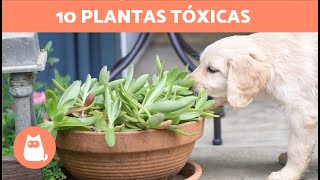
Ten common household plants are toxic to dogs. The video explains which plants are dangerous, what compounds make them poisonous, and what symptoms to watch for if your dog eats them.
Welcome Back to animal expert. Today we'll show you 10 plants that can kill your dog so you can make sure you keep them out of reach of your furry friend. Let's get started. First, Oleander is a shrub native to the Mediterranean Basin that can be found as an ornamental plant in our parks and gardens. However, we should know that it is a highly poisonous plant for people and animals, including dogs. Its toxicity is due to the presence of cardiotoxic glycosides, which cause serious cardiac disorders by affecting the sodium potassium pump of the heart cells. Symptoms associated with oleander poisoning appear within a short period of time after ingestion. Specifically, vomiting, hypersalivation, the muscle contractions, tachycardia, coma and even death may be observed. Second TADAL ERA it is one of the most toxic plants for dogs. Like oleander, it causes cardioglycoside toxicosis due to its content of cardiotoxic glycosides. The symptoms associated with this poisoning appear within a few hours and are the same as in the previous case. 3 Its high calcium oxalate content can cause the following clinical signs irritation, pain and swelling in the mouth, tongue and lips hypersalivation, vomiting and difficulty swallowing. 4. Adam's rib this is a tropical climbing plant that has become popular in recent years in homes like Pothos. It contains calcium oxalate, which can cause poisoning characterized by the same symptoms as pothos. Did you know that some Christmas plants are also toxic to dogs? Find out in the video we have left for you above. 5. Calla Lily as with Pothos or Adam's ribbon, Calla Lily contains high levels of calcium oxalate, which makes it a toxic plant for dogs. It is important to know that all parts of the calla lily are toxic, especially the flowers. The signs that can occur after ingesting this plant are the same as those for the two previous plants. 6. Azalea known for their spring flowering, azaleas are common plants in many gardens that are very toxic to dogs. All parts of the plant are poisonous, although the leaves are especially harmful. Azaleas contain andromedotoxin, a compound that produces cardiotoxicity by disrupting the cardiac sodium potassium pumps. Signs begin six hours after ingestion. These include nausea and vomiting, anorexia, depression, weakness, incoordination, paralysis of the extremities, cardiac depression, coma and even death. 7. Ivy Although it is less dangerous than the other plants mentioned above, it is also toxic to dogs. Its toxicity is due to the presence of heredogenin a sopanin, a triperpenoid capable of causing vomiting, diarrhea, abdominal pain and hypersalivation. Your dog likes to eat grass and plants. Find out why in the video we've included in the card. 8. Aloe. You'll probably be surprised to find it on this list since it's a natural remedy commonly used in both human and veterinary medicine. However, you should know that aloe SAP is a type of yellowish latex found just under the skin of the leaves. It's toxic. Its saponin and anthraquinone content can cause poisoning. Symptoms include vomiting, diarrhea, abdominal pain, hypersalivation, lethargy and conjunctivitis. 9. Dracaena this is a very common ornamental plant in homes because it adapts very well to growing indoors. However, it's also toxic to your dog. The toxic compound in dracaena is saponin, an ingestion of which causes symptoms such as vomiting, anorexia, hypersalivation, depression and pupillary dilation. 10. Palm sago or False? These small palm trees, which can frequently be found along the Mediterranean coastline, have seeds that are highly toxic to dogs. In fact, ingesting just one or two seeds can be fatal. The phytotoxin contained in the sago palm, known as cycassin, is hepatoxic. Ingestion of the sago palm causes liver failure with coagulation disorders and death in the animal. The main clinical signs associated associated with this poisoning are vomiting, bloody diarrhea, amber colored mucous membranes, increased water consumption, bruising and even death. If you want to continue learning about dog care, don't miss the playlist that we have left for you here on the side. Tell us, do you have plants in your home? Until next time, experts.