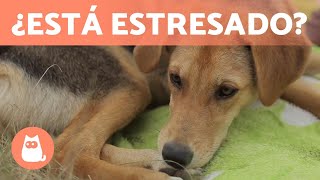
An animal expert breaks down ten stress signals in dogs, from hyperactivity and excessive panting to behavioral changes. Learn to spot when your dog is overwhelmed and when to call a trainer or ethologist for help.
There are 10 very clear signs of stress in dogs that can alert us that our dog needs help. Discover how to detect them in this video by an animal expert. Let's take a look at them. 1. Hyperactivity it is very common for stressed dogs to have hyperactive behavior. They are unable to remain calm and in the long term they may start to chew on furniture and any utensil they find in their path to release accumulated tension. 2. Appearance of stereotypies Stereotypies are constant, repetitive movements that the dog carries out without a specific purpose. There are many types of stereotypes. We can observe dogs that bite their tails, that chase invisible animals, that bark incessantly, etc. These are repetitive and incessant habits. 3. Exaggerated reactions perhaps your dog was already a bit of a barker, ate things off the floor, or perhaps already reacted to other dogs in the past, whatever their habits were. Now observe their more intense behavior. In a stressed dog, reactions are intensified. 4. Salivation and licking if we observe that a dog is licking itself and salivating excessively, it will be essential to pay attention to ensure that it is not a habit that it carries out repetitively and constantly. It is one of the signs of stress in dogs that we must take into account. 5. Lack of attention Stressed dogs suffer from generalized nervousness that makes it difficult for them to concentrate, pay attention, and follow our obedience commands. However, if your dog has a generalized and constant lack of attention, you can assess with your veterinarian whether it is a problem of attention deficit. 6. Excessive panting panting is the tool that dogs use to expel body heat. If you observe your dog panting in situations in which it should be calm, it is probably because it is stressed and needs to relieve the tension it feels. Sometimes panting can be accompanied by moans and sounds of sadness. Discover other things about excessive panting in dogs in the video that we have included in the card. 7. Reactivity or escape A stressed dog usually feels very uncomfortable in an unfamiliar situation or one that is causing them stress. For example, if our dog suffers stress when meeting other dogs, each of these encounters will cause them to overreact. This will cause them to try to flee or react very negatively to this stimulus. 8. Hair Loss Hair loss usually occurs in cases of chronic stress in which the dog begins to feel physically affected by the situation they are experiencing. If you notice that your dog is starting to lose hair due to pure anxiety, you should go to the vet as soon as possible. They may also lose hair, but due to compulsive licking or by pulling it out with their teeth, act as soon as possible the dog is sending you emergency signals. 9. Muscle stiffness especially in situations that cause them stress, we may observe them more tense and rigid than usual. It is common to see the tail and limbs tense as they wait for something significant to happen. Above is a video in which we show you five ways to reduce stress in a dog. 10. Behavioral changes it is very common for dogs suffering from stress to start developing behaviors that they have never shown before aggression, shyness, depression, phobias, etc. But instead of showing them in specific situations, they start doing so in a generalized way. This is one of the most revealing signs of stress in dogs. If you think your dog is very stressed, we recommend that you see an ethologist or dog trainer as soon as possible. Both professionals will help you and guide you with useful advice and guidelines for your case. They can also help you identify the cause that is causing stress in your dog. If you want to continue learning about behavioral problems in dogs, don't miss the playlist that we have left for you here on the side. Tell us do you know how to detect when your dog is asking for help? Until next time, experts up.