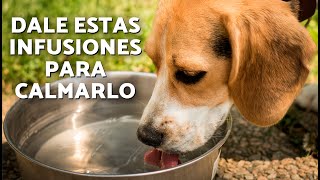
This is a YouTube video titled "8 HIERBAS NATURALES para PERROS 🍵🐶🌱 ¿Son buenas las INFUSIONES para PERROS?" created on November 24, 2024. The content is an informative monologue discussing the safety and benefits of various herbal infusions for dogs, including chamomile, dandelion, ginger, valerian, mint, rosemary, basil, and thyme. It provides preparation methods, dosage recommendations, and cautions about veterinary consultation. The video aims to educate dog owners on natural remedies to support their pets' health.
Although it is not usual to think of giving them tea or herbs, certain infusions for dogs have properties that can help improve their well being. Of course, not just any infusion is suitable for them, and it is always important to consult a veterinarian before including them in their diet. Today at Animal Expert, we will show you some of the safe infusions for dogs and how they can help in different situations. It is natural to wonder if infusions are good for dogs. Some medicinal plants contain compounds that in adequate doses can help calm, reduce inflammation and even improve digestion in dogs. However, others can be dangerous, such as black tea or green tea which contain caffeine, a toxic stimulant for them. So be careful with the infusions you give them. Today we are going to focus only on those that have been shown to be safe and beneficial in small quantities. Chamomile is one of the most recommended infusions for dogs due to its anti inflammatory and calming properties. It is useful for relieving mild digestive problems such as gas, nausea or diarrhea, and also reduces anxiety in dogs. To prepare it, place a tea bag in hot water and let the infusion cool before giving it to your dog. Ideally 1 teaspoon for small dogs, 1 tablespoon for medium sized dogs and up to 2 tablespoons for large dogs per day. In addition, applied topically, it calms irritations and bites. Simply soak a cotton ball in the cold infusion and carefully apply it to the affected area. Dandelion, on the other hand, is a plant with diuretic and purifying properties, perfect for the digestive and hepatic systems. This calming herb for dogs helps eliminate toxins and is excellent for dogs with liver or kidney problems. To prepare it, place a dandelion tea bag in hot water, let it cool and offer a small amount to your dog. The doses are the same as for chamomile infusion, so if you have a small or medium sized dog, you can give it a teaspoon, while if it is large, you can give it two tablespoons per day. Of course you you should never give dandelion without veterinary supervision, especially if your dog has any condition in the filtering organs. Let's continue with ginger infusion for dogs. In this case, it is very effective for calming nausea and motion sickness, especially when traveling by car. Its anti inflammatory and digestive properties help reduce stomach discomfort. To prepare it, cut a small slice of fresh ginger and let it infuse in hot water for a few minutes. Once it cools, give your dog only one or two teaspoons. Do not overdo it with the ginger in excess it can cause irritation. You are probably also wondering if dogs can take valerian or not. Valerian is known for its sedative and relaxing effects. It is perfect for dogs that have episodes of intense stress or anxiety. Valerian is also safe in small doses, but you should control the amount and consult your veterinarian as it can be more potent than other infusions. Pour a small spoonful into a glass of boiled water and observe your dog's reaction before considering its use in the future. Another infusion for dogs is mint. Not only does it have a pleasant aroma, but it is also very useful for calming the stomach, especially in cases of gas and bad breath in dogs. To prepare it, all you need is a sprig or some fresh mint leaves. You can also add a bag of dried mint to hot water, let it sit for five to seven minutes and then strain the infusion. Make sure to let it cool completely before offering it to your dog. As for the dosage, it is ideal to offer only a couple of teaspoons a day for small dogs and a little more for medium or large dogs, but always within moderate doses. If you decide to offer your dog a rosemary infusion, you should know that it can strengthen their immune system and is an excellent option for freshening their breath naturally thanks to its antioxidant and antibacterial properties. To prepare it, place a sprig of fresh rosemary or a bag of dried rosemary in hot water, letting it sit for about five to 10 minutes. Then smell the infusion and make sure it is completely cool before offering it to your dog. The dosage varies depending on the size of your dog. Small dogs can have about a teaspoon per day, medium dogs between one and two teaspoons, and large dogs up to two tablespoons per day. Always remember to observe how your dog reacts the first time and avoid giving them rosemary every day as overuse can over stimulate their system. Basil infusion is an ideal option for dogs that need an antioxidant or anti inflammatory boost. This herb not only strengthens the immune system but also helps reduce stress in dogs that get nervous easily. To prepare it, simply boil water and add about four or five fresh basil leaves or one teaspoon of dried basil, letting it sit for five to 10 minutes before straining it and letting it cool completely. As for the dosage, it is recommended to give only one teaspoon to small dogs, while medium dogs can be offered 1 to 2 tablespoons large dogs can receive up to 3 tablespoons a day, divided into several doses if possible. However, it is important not to overdo it and avoid giving this infusion to dogs with liver or kidney problems without veterinary supervision, as a high dose may be too much for these organs. Finally, we have thyme infusion for dogs. Its ability to fight bacteria is useful both in the mouth and in the digestive system, and its expectorant effect facilitates the expulsion of mucus, making it suitable for dogs with coughs or mild congestion. Preparing a thyme infusion is simple. Simply boil water and add a small sprig of fresh thyme or a pinch of dried thyme, letting it sit for five minutes before straining and cooling. The dose should be adjusted to the size of the dog, offering half a teaspoon to small dogs, 1 teaspoon to medium dogs, and up to a tablespoon a day to large dogs. However, given the strong flavor and smell of thyme, some dogs may reject it, so it is advisable to start with a small amount and see how they react. Remember that although these infusions are safe in small quantities, you should never give them as their main drink. Water is still their main source of hydration. Also, always observe your dog's reaction when you give them an infusion for the first time. If you notice any signs of discomfort, stop giving it to them and consult your vet. Remember that infusions should be an occasional compliment and not a substitute for medical treatment. It is always advisable to speak to a veterinarian before giving your pet any new herbs. Tell us in the comments have you ever given your dog an infusion? See you in the next video. Experts.