Overview of the toy poodle breed covering its history, physical traits, coat types, and temperament. Details the breed's care needs, training requirements, common health problems, and practical advice for owners.
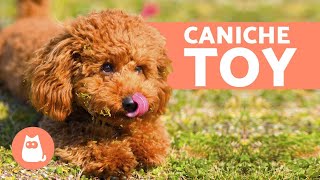
The toy poodle, also known as the toy poodle, is one of the most popular, appreciated and beloved types of poodle in the world. It is important to note that the FCI recognizes four types of poodle according to their size, and in this video we will talk about the smallest of them, all considered a miniature. Let's get started. The poodle is a direct descendant of the Barbette, a breed of African origin that arrived in the Iberian peninsula after crossing with Portuguese water dogs. Later, both breeds would separate due to the efforts of breeders who wanted to develop a dog for hunting waterfowl. As for its name, it is believed that the French word caniche comes from con, the female duck. Thanks to its extremely loyal and positive sociable nature, poodles ceased to be hunting dogs to become domestic animals, and by the time they were in 15th century France, they were considered the national dog breed of France. From then on, breeders strove to achieve a uniform coat color in this breed, avoiding spots and other unwanted patterns. In 1922, the Poodle Club was founded in Paris, and a few Years later, in 1936, the FCI established the official standard for the breed, although it was not until 1984 that the toy poodle standard was created. Toy poodles are small dogs whose height should not exceed 28cm at the withers, and their weight should be around 2 to 2, depending on the coat. There are two types of toy poodles, those with curly or kinky hair, with abundant, dense and uniform hair, or those with corded or tufted hair, which have finer, softer and woolly hair, also very abundant. The coat color can be brown, gray, black, orange, reddish or white, but always a single color and uniform. Like the rest of the poodles. Toy poodles are active, obedient and intelligent dogs, which makes them an easy breed to train and educate. We are also talking about a particularly sociable breed, so it does not tolerate the absence of its guardians well. In fact, excessive and repeated loneliness can cause this dog to display unwanted behaviors such as destructiveness, stress or vocalization. It is ideal for families with children because, given its good nature and energy, it is the ideal companion for the little ones in the house. It is also capable of socializing wonderfully with other pets and elderly people as long as it relates positively to everyone. During its sensitive period of puppyhood. When well cared for, it adapts to both small and large spaces. Due to the characteristics of its coat, the toy puddle should be brushed daily. This way we will prevent tangles from forming, dirt from accumulating and Excess hair from forming throughout the house. As for bathing, it is advisable to bathe it once a month. Let's not forget eye hygiene, ears, teeth and nail trimming as part of basic care. Another important aspect will be physical and mental stimulation. Since we are talking about a very physically active dog with an alert mind that requires guardians who can provide it with more enrichment than other dogs. We will offer it between three and four daily walks in addition to practicing physical exercise or canine sports with it. Environmental enrichment at home will also help us in this regard. Finally, we must not forget the importance of food, which will affect the quality of the coat and the health of the animal. The education of the toy pup must begin early, when it is still a puppy. The most important stage will be the socialization period at three weeks and ends around three months of age, in which the puppy must learn to relate to all types of individuals as well as get to know different environments. Of course, this should only be done if it has received all its vaccinations. If not, our dog may experience socialization problems in the future, such as fear or aggression. If it cannot socialize with its parents or siblings, we will consult a dog trainer to attend puppy classes. Also, during puppyhood, we will teach them to urinate on the newspaper, to manage biting, and we will begin to play games and activities with them to start stimulating their mind, of course, always in a positive way and as if it were a game. Later, once their vaccinations are up to date, we will teach them to walk, to urinate outside, and we will begin with training exercises and basic obedience commands that include sitting, lying down, staying and coming here. These are essential for their safety and for good communication with the owner. Poodles have certain pathologies associated with the genetics of the breed, so most of those we are going to mention are hereditary in origin. Some of them affect their eyesight, such as entropion, cataracts, glaucoma or progressive retinal atrophy. They can also have hypothyroidism, which affects thyroid hormones, epilepsy or otitis. To avoid these ear infections infections, it is recommended to clean their ears following a series of guidelines, such as using suitable cleaners or leaving them completely dry after cleaning. They can also develop diseases that affect the health of the skin, such as fungus, allergies or opioderma. Finally, it is important to highlight the possible presence of hip dysplasia or patellar luxation in the joint area. To prevent or detect any of the aforementioned health problems, it is important to visit the vet every six to 12 months as regular supervision by a specialist will help us detect any anomaly early. We will also strictly follow the vaccination schedule for dogs or the deworming schedule. And that's it for the video about the toy pud. What did you think? Did you like it? If so, give us a like. And don't forget to subscribe to the channel. See you next time, experts.