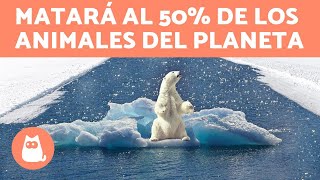
Climate change is reshaping how animals survive. Rising temperatures force species to migrate or adapt, some faster than others. The video explains what's happening and what you can actually do about it.
Hello and welcome to Animal Expert. In this video, we have prepared special content in support of the journalistic initiative covering Climate now, which seeks to provide greater coverage of the serious environmental crisis we are facing today. We will explain how climate change is affecting animals with real life examples and share with you some measures that you can implement to help with the change. Don't miss it. Animals need us Climate change is a reality. Human development is growing at an unsustainable rate. In the last century, carbon emissions, the use of natural resources, and environmental pollution have skyrocketed, causing extreme droughts, the melting of the poles, torrential rains, and floods. All of this causes a significant reduction in available fresh water and a dramatic, dramatic loss of the planet's biodiversity, which translates into an average of 150 extinctions per day. In addition, animals are more sensitive than people to changes in humidity or temperature, which means that more and more species must adapt to the variations that the planet experiences or die. The largest species of bats, for example, are unable to adapt to high temperatures. As a result, more than 40,000 individuals have died in successive heat waves since 1994. Effects of climate Change on Species Many animals are forced to change their lifestyle, whether we are talking about their activity patterns, migration habits, feeding habits, or their habitats. Some white storks in Spain are stopping migrating south as they find the comfort of increasingly mild winters on the Iberian Peninsula. The same is happening with Canada geese to the United States or with the monarch butterfly in north and South America. The melting of ice and the resulting rise in sea level means that migratory birds have fewer and fewer stopover areas, which are essential for resting, eating, and recovering energy. Drought, in turn, reduces the areas where amphibians can travel as they cannot withstand prolonged periods without water. In both cases, the mortality rate of individuals increases as they must travel ever greater distances to carry out habits typical of the species or perform vital functions such as reproduction. Deforestation, both for crops and housing, and the transportation of people and goods, which includes the use of cars, planes, ships and trains, contributes to climate change and the pollution of the planet. This predicts that more and more areas will be inhospitable to life and, in addition, accessible to pathogens, pests, and predators. We can fight climate change. Climate change has been occurring for years under the disinterested gaze of those who profit at its expense. Therefore, reversing it will be a process that will take time and effort on the part of the population. How can you help? We propose five easy and effective measures. Do you want to know them? First? Subscribe and don't forget to like this video if you found it interesting. First, change your eating habits. A single kilogram of beef wastes more than 15,000 liters of water, increases carbon emissions, causes soil degradation and leads to the deforestation of wild habitats. Reducing its consumption and increasing our intake of fruits, vegetables, legumes, greens and nuts will not only improve this serious problem, but will also improve our health and quality of life. 2. Focus on local trade as we mentioned earlier, Transportation causes serious CO2 emissions and pollution. That's why it's so important to look for organic zero mile products and travel to buy them ourselves. Avoid constantly buying online or doing your shopping. Move around the planet. 3. Avoid single use plastics. More than 500 billion plastic bottles are produced each year and in Spain alone, for example, 50% of those consumed end up in landfills without being recycled. Let's put an end to this trend. Use reusable bags cups instead of bottles, and prepare Tupperware instead of buying packaged food in your daily life. 4. Buy only what is necessary. Did you know that clothing made of polyester is ultimately plastic? Or that most cosmetics have a huge impact on the pollution of rivers and oceans? We must be responsible in our consumption and when we do, always choose environmentally friendly products. Follow the rule of the three Rs. In short, by following the three Rs of ecology which are reduce, reuse and recycle, we can help our planet and in turn millions of people and animals. How do you help? Leave us your comments and share ideas that can help our community make a real change. We will read you all until next time. Experts.