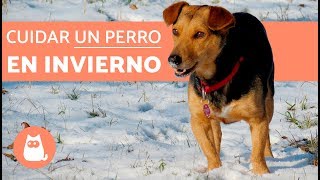
Expert tips for keeping dogs healthy through winter. Focus on feeding, cold protection, grooming, and shelter, with special attention to vulnerable dogs like puppies, elderly, and hairless breeds.
Welcome to this new video from Animal Expert. As some of you may know, winter is coming and for that reason we need to protect our pets from the cold. Discover below how to take care of a dog in winter. Interesting facts and some false myths that you need to discard now. Don't miss it. There are some dogs that, due to their physical condition or special needs, are much more vulnerable to the cold. We are referring, for example, to puppies, elderly dogs, hairless dogs, sick animals. All of them will need extra care. In addition, these dogs that we have mentioned could suffer from worsening arthritis or be susceptible to certain viral diseases that are common at this time of year, such as the flu or kennel cough. In any case, and regardless of your dog's age or condition, following this basic advice will help you keep them much happier and healthier. Take note, it is common for people to choose more caloric dishes in winter with the intention of combating the cold and thus increasing their energy reserves. This belief has also spread to dogs and an increasing number of people believe that they should feed them more during the winter. Since there are no studies on dogs, we have analyzed some studies on people that we will leave in the description. And while it is true that exposure to the cold leads to a greater consumption of calories, it is also true that in winter a smaller amount of fat is burned. Therefore, a dog should be fed more in winter. The truth is that most dogs live indoors, therefore, since they are not exposed to the cold, they do not need to consume more calories. Neither do those who exercise regularly, even in summer. On the contrary, dogs that live outdoors and suffer from inclement weather and low temperatures will need an extra supply of nutrients. In this last case, it may be interesting to seek the advice of a veterinarian since depending on the ambient temperature, the animal may require a different amount of extra calories. Not all dogs adapt to seasonal changes in the same way. Nordic and Swiss shepherd dogs, such as the Alaskan Malamute or the Greater Swiss shepherd, have no problem with standing low temperatures. On the other hand, some primitive dogs, such as the Peruvian hairless dog or sighthounds such as the Greyhound, can be very sensitive to spending hours outdoors as they get cold easily. But how can you tell if a dog is cold? We can usually tell if the dog is shivering. This is common in small breeds or in short haired or hairless dogs. In these cases, it is recommended to keep the dog warm either with a sweater or a dog coat. It may also be advisable to use a raincoat when it rains to Prevent the dog from getting wet and catching a cold. There is a wide variety of raincoats on the market which are increasingly comfortable and easy to use. However, if it is not possible to buy one, it is always recommended to dry the dog well when you get home, either with towels or with a hairdryer. Finally, to finish with body protection, we recommend using dog boots when going out in the snow. This is because in contact with intense and prolonged cold, the dog's pads can burn. The coat is the most important protective barrier against the cold that dogs have. For this reason, it is very important to keep it in good condition. Ideally, we should brush it regularly to remove dead hair and prevent knots and tangles from forming. Brushing is also important when the dog goes out in the snow, since frost can form that could end up damaging its dermis if not removed. As for bathing, to prevent the dog from catching a cold, you can opt for a dry cleaning shampoo, although if you bathe the dog completely, it should be done with slightly warm water and finish the process with a thorough drying that includes the paws and the use of a hair dryer. It is generally recommended to visit the vet every six months, except for working dogs to ensure that their health is good and that they do not show any possible pathologies. Especially if you have an elderly or sick dog, it may be a good idea to carry out a routine check up at this time of year. In addition to check ups, you should continue with the vaccination schedule and with the internal and external deworming of your dog to prevent the spread of any diseases or parasites. We also recommend that you check their body in general every day, paying special attention to their paw pads. If your dog lives indoors, it will be essential to provide them with a soft bed and some type of blanket so that they retain heat more easily at night. However, as they live in a warm environment, they will not need excessive care. On the other hand, if your dog lives outdoors, they will need a comfortable dog house never made of plastic. It is better to choose sturdy, insulated wooden houses that are not directly in contact with the ground and that also have a mattress and blankets to keep them warm. It is very important to check the house properly to make sure that it is completely insulated and that it does not have any leaks or holes. Finally, we recommend that you check the water frequently as it sometimes freezes, and if it's very cold, let your dog inside. To end the video, we want to remind you that dogs that live outdoors away from their family are more likely to develop behavioral problems. Are more susceptible to getting sick and in general have a poorer quality of life. Don't let your dog outside. And that's it for today's video. If you enjoyed it, please us a like and subscribe to our channel. You can also leave comments to request that we talk about your favorite topics. Until next time, experts.