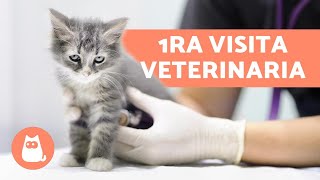
A guide for new cat owners on when to schedule the first vet visit, what to expect, and vaccination timelines. Covers initial checkups, deworming, vaccines, and ways to reduce stress during vet appointments.
Adopting a kitten can be an exciting experience, especially if it's your first time living with one of these animals. However, adoption entails different responsibilities such as feeding it, playing with it and taking care of its health. When it comes to its health, visits to the specialist are essential. But when is it advisable to go? In this video by an animal expert, we will explain when you should take your cat to the vet for the first time, what will happen during this visit and how the following ones should be carried out. The cat's first visit to the vet Regardless of whether you have just adopted an adult cat or a baby, if you do not have other animals at home, it is advisable to wait a week to visit the vet. This way the kitten can get used to your presence and will feel better when it goes to the specialist. However, if you have more animals, you will have to take it as soon as possible or keep it separate from the rest in case it has parasites or any other pathology. If you have adopted a kitten, you should know that the first visit to the vet should take place after one or eight weeks of age. This is the ideal time to carry out the first checkups. The first vaccinations are given at three months of age and the booster is given three months later. After vaccination and deworming, it is advisable to visit the vet every six to 12 months for a check up. What happens during the first visit? The first visit to the vet is essential to start forming a bond between the feline and its future doctor. The first thing the professional will do is write down your pet's details such as name, approximate age, origin, diet or hereditary pathologies of the parents so that they know if they should be on the lookout for any diseases in the future. Next, the vet will proceed to perform a general check up on the feline. They will check its eyes, ears, teeth and coat for external parasites or signs of injuries. They will listen to its lungs and heart and weigh and measure it. If you do not know your cat's age, the vet will be able to give you an approximate figure with this information. On this first visit you will the veterinarian will administer the antiparasitic product that he she considers necessary and will determine the best time to begin administering the vaccines. Also, depending on the feline's condition, additional tests, deworming and vaccinations may be required. As we have already mentioned, during the first consultation, the veterinarian will proceed to deworm the cap before starting the vaccination schedule. It is advisable to wait a few days so that the components are not affected by the antiparasitic. The most important vaccine is the feline trivalent or triple feline vaccine as it protects the cat against feline palecopilia, rhinotracheitis and callocerosis. A booster of this vaccine is applied about three months later and then repeated annually when the cat is five months old. It is also advisable to apply the vaccine against feline leukemia and at six months against rabies. When should you take your cat to the vet? In addition to going to the specialist for the first visit and the administration of the vaccines, it is important to visit the veterinarian in the following if you notice external parasites such as fleas or ticks if the cat has been hit or injured if it has not eaten for a few days if it has a fever if it urinates blood or cannot urinate if it vomits or has diarrhea for more than 24 hours if it does not defecate or has bloody stools if it appears dehydrated if it stops grooming itself or its hair looks unkempt if you think it has been poisoned or intoxicated if its behavior changes suddenly and for no reason Tips for taking your cat to the vet if the appropriate measures are not taken, going to the vet can become a very traumatic experience for the animal. For this reason, we recommend that you have a pet carrier Stimulate your cat days beforehand so that it enters the carrier on its own. Use pheromones for cats if it gets very nervous by spraying them around the carrier. Make an appointment in advance so that the animal waits as little time as possible. Scratch its head, chin or ears to convey peace. Speak to your cat in a calm and affectionate tone of voice if you notice that they are very nervous. Now that you know when to take your cat to the vet and how to do it, don't forget to establish a routine for visits with the specialist. What did you think of this video? Do you have any questions about veterinary visits? If so, leave a comment, give it a like and subscribe to our channel. Until next time, experts oh.