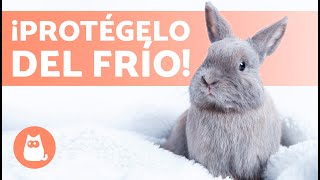
This is a YouTube video titled "CUIDADOS de un CONEJO en INVIERNO 🐰❄️ ¡Evita que pase frío!" created on March 10, 2021, providing detailed guidance on how to care for rabbits during winter. The content explains how to condition the home, prepare the rabbit's cage, adapt its diet, provide space for activity, and give preventive veterinary care. It also describes symptoms of cold and hypothermia in rabbits and first aid measures to take. The video is educational and aimed at rabbit owners to ensure their pets stay warm and healthy in cold weather.
To prevent your rabbit from getting cold, you will need to provide it with some specific care during the winter. It is also important that you know the symptoms of cold in rabbits in order to prevent your furry friend from being affected by the low temperatures. In this video from Animal Expert, we will tell you everything you need to know about caring for rabbits in winter. Let' first condition the home. If you live in a very cold area, heating will help you provide optimal temperatures for your rabbit in winter. However, remember that artificial heating tends to dry out the air. That is why we recommend spraying water in the environment two to three times a week. Second, prepare its cage or hutch. The rabbit's cage must be prepared to provide comfort and shelter. If your rabbit is used to living outdoors, it is essential that its cage or hutch is protected from the elements. In addition to leaving a blanket at its disposal, you should cover the cage at night to prevent the entry of cold or wind. If the cage is indoors, place it in a place free of drafts and with good lighting. 3. Adapt its diet. Like almost all mammals that do not hibernate, rabbits tend to eat more during the winter. Their bodies use more energy to maintain a stable metabolism and combat the cold. For this reason, the animal needs a slightly more energetic diet. Find out more about feeding a rabbit in the video that we have included above. 4. Give it space for its activities. Rabbits are very active and intelligent animals. Ideally, your furry friend should have space to run, jump and explore its surroundings freely, such as a garden, patio or terrace. You should also enrich its cage to stimulate its mind and give it the opportunity to develop its cognitive skills. You can also teach your rabbit a good variety of tricks and basic commands. 5. Give it preventive care. Your rabbit will need to be vaccinated and visit a specialized veterinarian every six months to check its health status. An excellent idea is to take your rabbit to the vet before winter arrives to provide them with the necessary preventive care to protect them from the cold. If you want to know the care a rabbit needs throughout the year, don't miss the complete guide that we have included in the video on the card. So how do I know if my rabbit is cold? Rabbits body temperature is between 38C and 40C and the optimal temperature for their environment should be around 18C. When the ambient temperature drops quickly or abruptly, we can observe the symptoms of cold in rabbits. These are tremors, muscle stiffness, cold nostrils and ears, cramps and dry skin. In addition, their breathing will be slower or they will have difficulty breathing. They will move clumsily and slowly, or they may not even move at all. If you notice that your rabbit is showing any of these signs of cold, you should go quickly. To prevent hypothermia from occurring, wrap them in a dry blanket or towel to keep them warm and transmit heat using your own body heat. If your rabbit has gotten wet from snow or rain, before wrapping it in the blanket, you will need to dry it off with a clean, dry towel. To prevent hypothermia, you should also keep it in an environment with temperatures no lower than 18C. Once it has recovered, we recommend that you check its body for burns or frostbite. If you notice any abnormalities, do not hesitate to take it to the vet. How do I know if my rabbit has hypothermia? If the rabbit's body Temperature is below 36C, characteristic symptoms of hypothermia may occur, such as loss of appetite, reduced heart rate, dilated pupils, and a fixed gaze. In addition, the rabbit may become depressed, disoriented, faint, collapse, or even die suddenly. If you notice that your rabbit is showing these symptoms, use the above methods as first aid until you go to the vet. Tell us how you protect your rabbit from the cold until next.