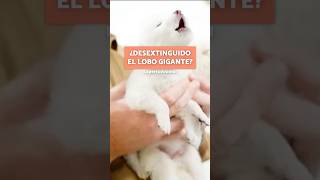
This is a YouTube video titled "¿El LOBO GIGANTE HA VUELTO a la vida? ¡Así lo han resucitado! 😱🧬" created in April 2025. The content is a monologue discussing the genetic resurrection of dire wolves by the company Colossal Bioens, exploring the scientific methods used, ethical questions about genetic modification, and the broader implications for conservation and biotechnology. The speaker reflects on whether efforts should focus on reviving extinct species or protecting endangered ones currently alive.
Did you know that the company Colossal Bioens has managed to breed puppies with dire wolf DNA? It's a species that became extinct more than 10,000 years ago. If you don't know what wolves we're talking about, you'll surely know them from the famous Game of Thrones series. Yes, those wolves. Although it sounds like something out of a science fiction movie, these puppies are the result of advanced genetic modification, which gives rise to many reflections that we will discuss later. But how did they do it? Scientists at Colossal have explained that they reconstructed dire wolf DNA from ancient fossils, modified them with genes from gray wolves, and implanted them into domestic dogs that had the three puppies that we've all seen. Romulus, Remus, and Khaleesi. However, many specialists point out that Colossal Biosensis claims could be incorrect. And what we really have is a genetically modified gray wolf hybrid. Regardless of whether or not they really are dire wolves, a big question. Is it ethical to modify current species to resemble extinct species? Are we really advancing in biotechnology responsibly? Today, there are thousands of species that still exist and that are in serious danger of extinction, many of them due to our irresponsibility. Instead of focusing on resurrecting animals from the past, wouldn't it be wiser to use these advances to protect the species that are still with us? Science has the power to change the course of nature. But we must ask ourselves if we are doing it for the good of animals or just to impress the world with technological advances that in some cases, could have a negative impact. At this point, we would like to ask everyone something to think about. Should we be resurrecting dire wolves? Or perhaps, should we put more effort into saving animals that are still struggling to survive today? We'll read you later.