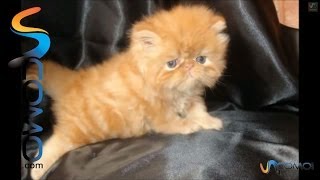
This is a YouTube video titled "Gato Persa" containing a detailed monologue by Javier Pariente from August 23, 2012, describing the characteristics, care requirements, and genetic groups of Persian cats. The content is informative and focused on pet care and breed specifics.
The Persian cat is a very domestic animal that spends much of the day stretched out and sleeping. It is a cat that evolves into a stocky and not very elongated cat with quite large eyes. These cats need a lot of care from their owners. The constant help of the owner is essential for the health of this animal since it needs a lot of special care and attention. What needs to be taken with the most care is its hygiene and its diet. This cat is a sweet cat with a very calm and peaceful temperament. It has a great need for affection and requires frequent displays of affection from its owners. As we have said before, it is a cat that sleeps a lot. It is an observant and not very expressive feline, but it does not have any of the hunting instincts like many of its feline relatives. The Persian cat has a compact, rounded, muscular body which with strong bones, short and thick legs. Its size is about 60-80 cm including the tail and they are usually about 30 cm high. It has a thick, abundant, long and silky coat with a well stocked tail that is slightly rounded at the end. The head is large, wide and round with a short nose and small rounded ears, widely spaced and with tufts of long hair. Its eyes are large, round and wide open. Its diet must be balanced and varied without overdoing it as these cats tend to gain weight easily and this can cause heart problems. If you said you have a Persian cat, you should know that you will have to dedicate many hours to its hygiene, especially to its coat. You should brush the cat every day to avoid knots and especially brush its tail. The eyes of this breed also require special attention because they tend to have problems. Problems with the tear ducts. There are currently about 100 varieties of Persian cat breeds that are divided into four large groups differentiated by their colorations. The first group is the monochrome. These are those that have the entire body the same color. These colors can be solid or diluted. The cat can have more than one color as long as the hairs remain monochromatic. The second group is the gene group. This gene causes cats to have part of their hair depigmented. The third group is made up of those with the C gene. This C gene, which comes from Siamese cats, gives cats a stronger density of color on the extremities, nadir, ears and tail. Finally, the fourth group contains the A gene. This makes the cat's wild spots visible. This gene can also be combined with cats belonging to the other groups mentioned above.