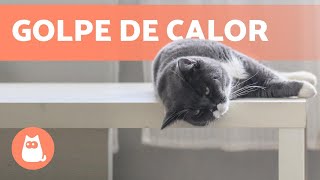
This is a YouTube video titled "GOLPE DE CALOR EN GATOS - ¡Síntomas y Primeros Auxilios!" created on August 17, 2019. The content is an informative monologue providing detailed information about heatstroke in cats, including symptoms, first aid measures, prevention tips, and advice for cat owners to protect their pets during hot weather. The speaker offers practical guidance and encourages viewers to consult a veterinarian if needed. The video is educational and aimed at pet owners.
Heatstroke, or hyperthermia, is an excessive rise in a cat's body temperature. In the most severe cases, it can cause irreversible damage to the feline's body and even death. For this reason, it is essential to know the symptoms of heat stroke in cats, as well as the first aid that should be applied or the basic prevention methods that every owner should follow. Find out now at Animal Expert. The normal temperature of felines is between 38 and 39.5 degrees Celsius. Once these levels are exceeded, the cat tries to regulate its temperature by sweating through its pads, genital area, saliva and may even pant. Some felines are more susceptible to heat stroke than others, with old age, health problems or obesity being risk factors. As we all know, cats are very hygienic and clean animals. So so water in poor condition, not renewed or even lacking it, can prevent them from drinking as often as they should. We must be vigilant and change their coat regularly, especially in the summer. High temperatures, humidity, and in general, stifling environments dehydrate our pet more easily. Cages, carriers or cars are not appropriate places to leave our cat. These types of spaces, if they are not well ventilated, can reach high temperatures very easily. We should not leave our cat in such spaces when it is very hot and it should always be supervised. The lack of shade and cool places to take refuge can cause an alarming increase in body temperature, especially if a cat has access to the outdoors. It is important to check from time to time that are feline as well. As we have mentioned before, heatstroke can have devastating effects on a cat's body and can lead to multiple organ failure, internal bleeding, and even death. If we suspect that the cat may be suffering from heat stroke, it is essential to check its temperature with a thermometer. If it is higher than 42, we must act quickly and administer first aid. The most common symptoms are weakness, staggering, elevated heart rate, muscle tremors, profuse salivation, or a blue tongue. If your cat is suffering from heat stroke or has a very high body temperature, it is essential to apply first aid as soon as possible. At Expert Animal, we recommend calling the emergency vet to describe the symptoms you are observing and follow their specific instructions. However, here are some basic tips that you can follow to alleviate your cat's situation. First, it is important to note that we should not lower their temperature drastically, but rather gradually. A change that is too abrupt could cause hypothermia in our cat. Second, take your cat to a cool place that is not exposed to direct sunlight. You can turn on a fan at low speed. 3. Lightly moisten their mouth with a spray bottle, for example. 4. Apply cool water cloths to their head, neck, belly, chest and paws. You can use gauze or small rags, never a whole towel, and under no circumstances should we bathe them. 5. Check their temperature until it reaches 39. 6. Continue to moisten its mouth regularly with the diffuser. The ideal thing at this point would be to urgently make an appointment with a specialist who can help us rule out possible side effects resulting from heat stroke. The professional may also recommend supplementing it with salts, minerals or glucose. We will continue to take care of our cat, paying attention to it, making sure it has access to fresh water at all times and avoiding direct contact with the sun. Whether or not our cat has suffered from heatstroke, it is important to keep these tips in mind in summer or on extremely hot days. Take note. Never leave your cat locked in a car, a carrier or any type of enclosure, especially in the sun. Check that your cat always has fresh, clean water. Always provide a shaded area where the feline can stay cool. Brush your cat regularly to prevent dead hair. Help it maintain a healthy body weight by correctly dosing its food and dedicating some playtime to it each day. Offer it meals during the coolest times of the day at dawn and dusk and that's it for our advice on heat stroke in cats. Don't forget to consult your vet if you have any further questions or go to a clinic urgently if you suspect your cat is suffering from heat stroke. Don't forget to leave us your comments sharing your experiences and give us a like and subscribe if you found this video interesting and want to stay up to date with everything we share. Until next time, experts.